Abney Park Cemetery, Victorian cemetery and nature reserve in Stoke Newington, England
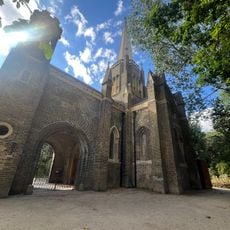
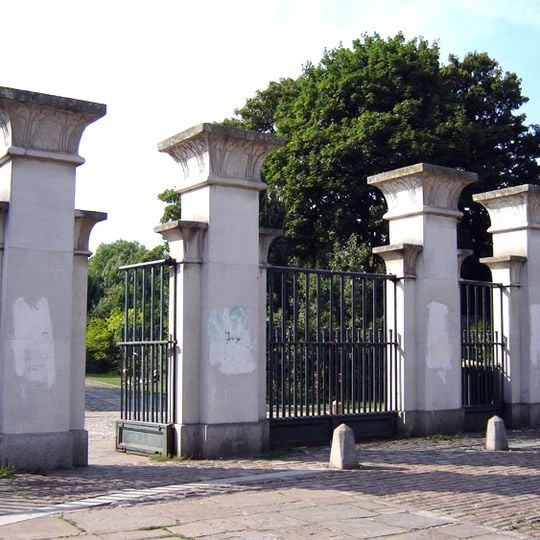
Abney Park Cemetery covers 12.53 hectares in Stoke Newington, with its main gate at Stoke Newington High Street and Rectory Road. The entrance has four tall pale stone pillars with carved leaf capitals, dark metal gates between the central pair, and low railings. Inside are a disused central chapel, a visitor centre and a classroom.
The cemetery opened in 1840 as one of London's new burial grounds designed to ease overcrowding in older sites. Over time it developed from a Victorian burial place into a protected green space recognized for its historical and environmental value.
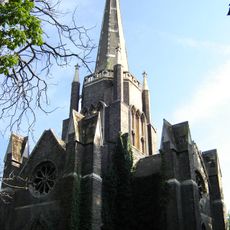
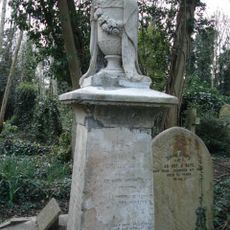
The cemetery is named after Sir Thomas Abney, Lord Mayor of London in 1700–1701, whose Abney House stood on the site until the 1830s. The chapel in the centre is disused, and the park is now managed by Hackney council with the Abney Park Trust, which runs arts, environmental and educational events and an annual summer open day. Salvation Army founders William and Catherine Booth and their son Bramwell are buried here.
The grounds are open daily from dawn until dusk with convenient access near public transportation options. Visitors should wear comfortable footwear since the paths are winding and some areas have uneven surfaces.
Abney Park was the first arboretum combined with a cemetery in Europe: its 2,500 trees and shrubs were all labelled and set out alphabetically around the perimeter, from Acer to Zanthoxylum. The entrance gateway is claimed as the earliest complete permanent Egyptian Revival cemetery entrance anywhere, predating Mount Auburn's permanent version.
The community of curious travelers
AroundUs brings together thousands of curated places, local tips, and hidden gems, enriched daily by 94,670 contributors worldwide.