St Andrews, Ancient university town in Fife, Scotland
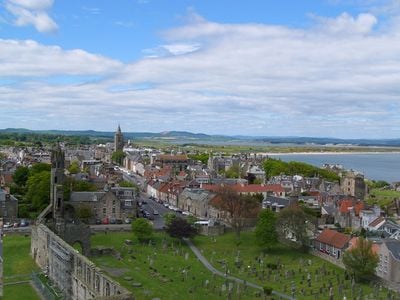
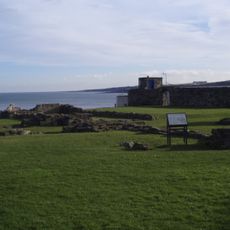
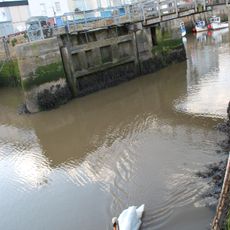
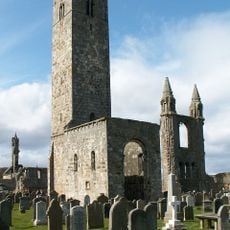
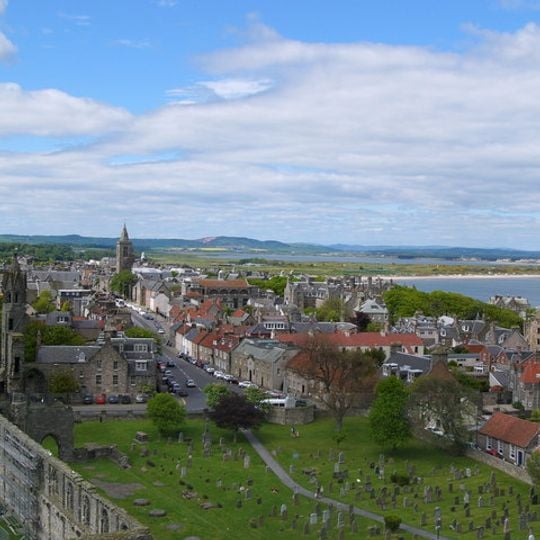
St Andrews is a coastal settlement between two beaches in Fife, Scotland, known for medieval ruins and stone buildings along narrow streets leading to the harbor. The town extends over three parallel main streets, interspersed with small courtyards and cobbled lanes.
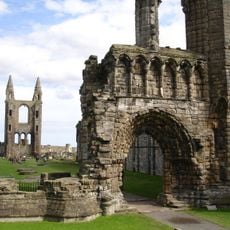
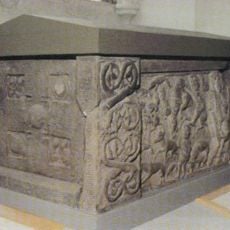
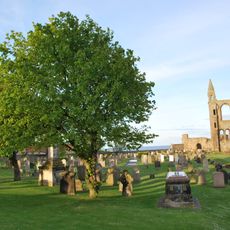
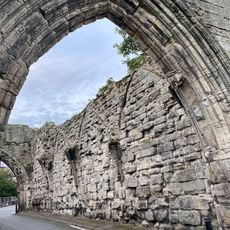
The settlement developed from the 8th century around a religious site and became a royal burgh in the 12th century with one of Scotland's most important cathedrals. The Reformation in the 16th century led to the destruction of many religious structures, while the university became the new center of public life.
The town is considered the birthplace of modern golf and continues this role through tournaments and visitors who play on its historic courses. Students at the local university wear traditional red gowns, visible in the streets and during formal events throughout the academic year.
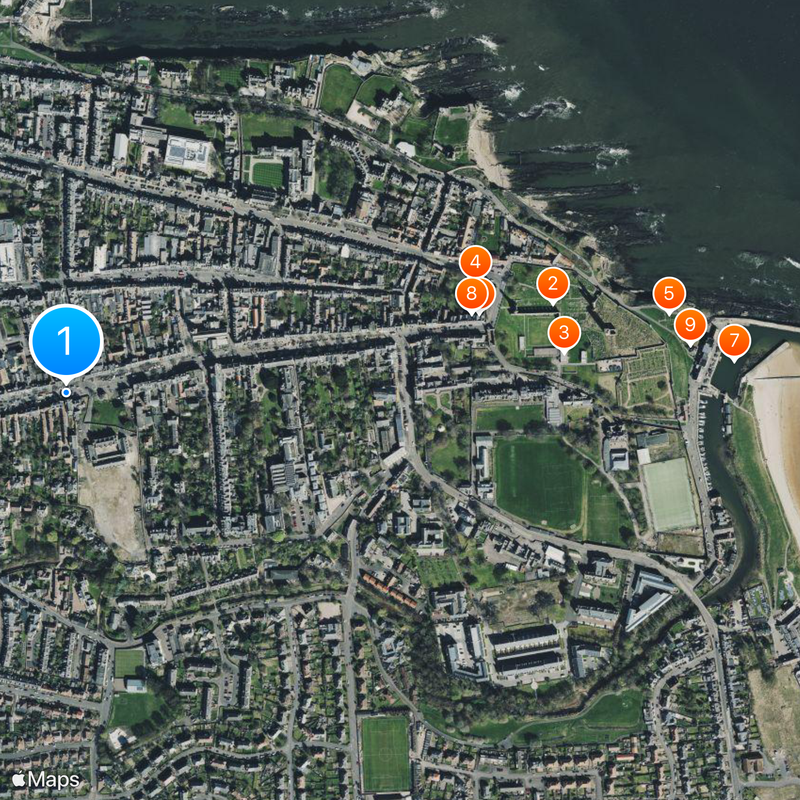
Most visitors reach the town via Leuchars railway station, located about 6 miles (10 km) away and connected by regular bus services. The main streets are easily walkable, and many sights are clustered close together in the center or along the coast.
Beneath the castle ruins lies a dungeon carved 24 feet (7 m) deep into solid rock, infamous for its bottle shape and extreme confinement. Prisoners could only be lowered through a narrow opening at the top, from which there was no escape.
The community of curious travelers
AroundUs brings together thousands of curated places, local tips, and hidden gems, enriched daily by 92,681 contributors worldwide.