Burlington House, Art academy and learned societies building in Mayfair, London, England
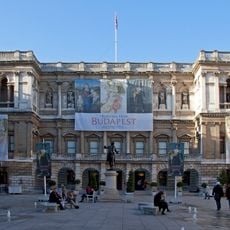
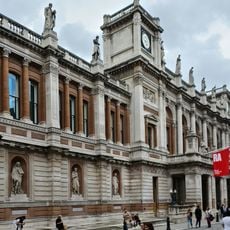
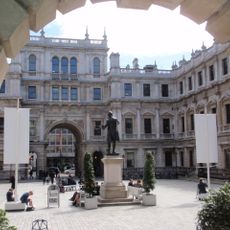
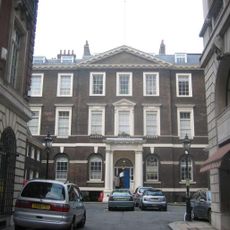
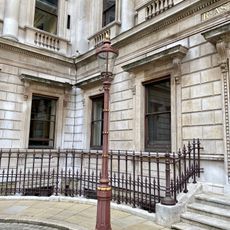
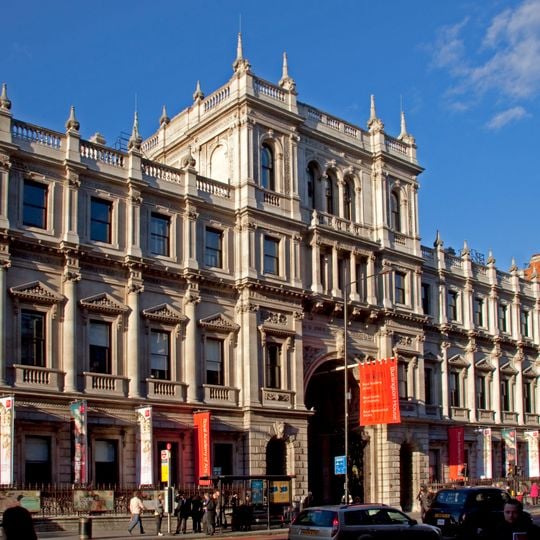
Burlington House is a mansion in central Mayfair featuring Neo-Palladian architecture with a central courtyard and multiple wings that extend around it. The complex serves as home to the Royal Academy of Arts and houses five scientific societies including the Royal Society of Chemistry and the Geological Society.
Begun around 1664 for Sir John Denham, the house was sold unfinished in 1667 to Richard Boyle, 1st Earl of Burlington, who completed it and gave it its name. His descendant, the 3rd Earl, remodelled it from 1717 with Colen Campbell in a strict Palladian style, reusing much of the structure. The government bought it in 1854 for £140,000, and the Royal Academy took the main block in 1867 on a 999-year lease at £1 a year.
The name comes from Richard Boyle, 1st Earl of Burlington, who bought the unfinished house in 1667. His descendant, the 3rd Earl, made it a meeting place for artists, philosophers and scientists. Since 1867 the Royal Academy of Arts has occupied the main block on a 999-year lease at £1 a year, and its exhibitions are what most visitors come for.
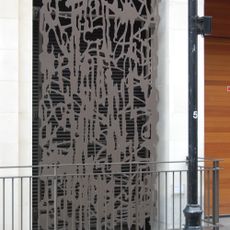
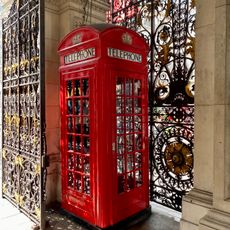
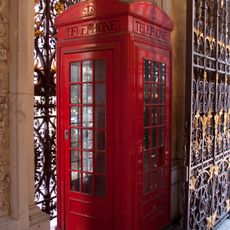
The Royal Academy's main entrance is through the deep round-arched doorway on Piccadilly, where red banners mark the front. The courtyard behind it is reached through a screening gateway and gives access to the learned societies. The main galleries lie in the block to the north, added by Sidney Smirke after 1867.
The Saloon, built just after William Kent returned from Rome in December 1719, is the first Kentian interior made in England and survives largely intact; its plaster putti above the pedimented doorcases are probably by Giovanni Battista Guelfi. Before the Elgin Marbles went to the British Museum they were kept here, and Henry Cavendish lived in the house.
The community of curious travelers
AroundUs brings together thousands of curated places, local tips, and hidden gems, enriched daily by 94,362 contributors worldwide.