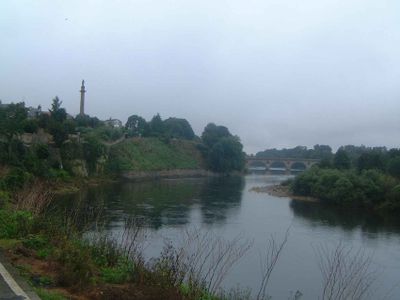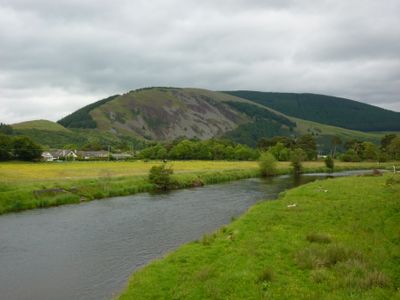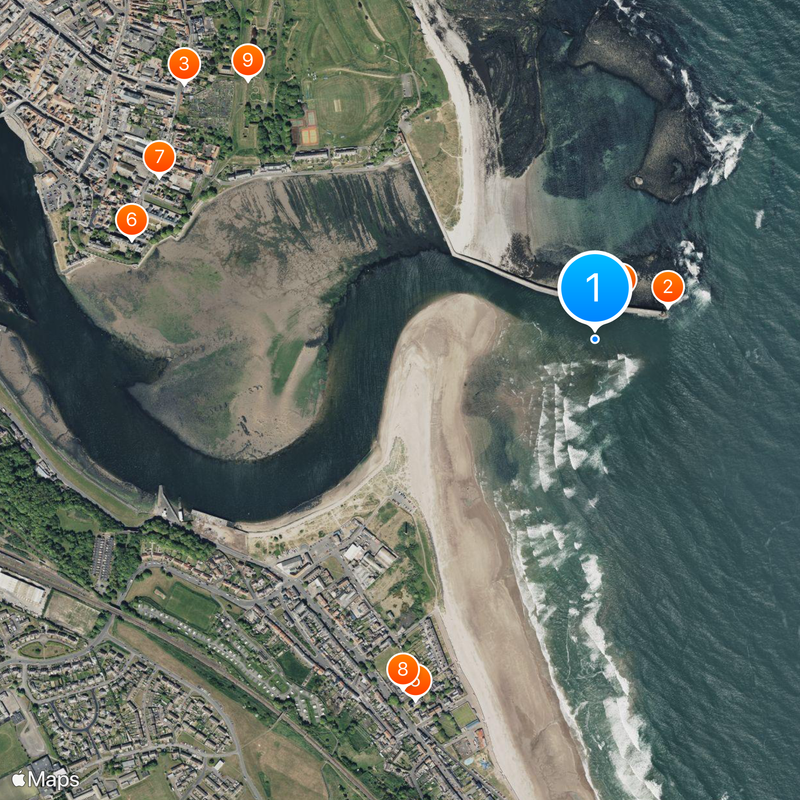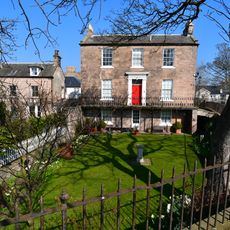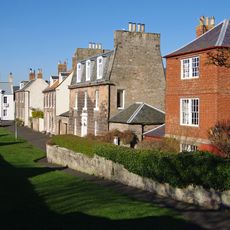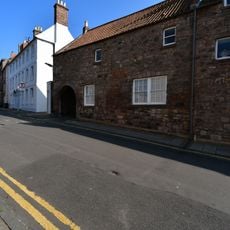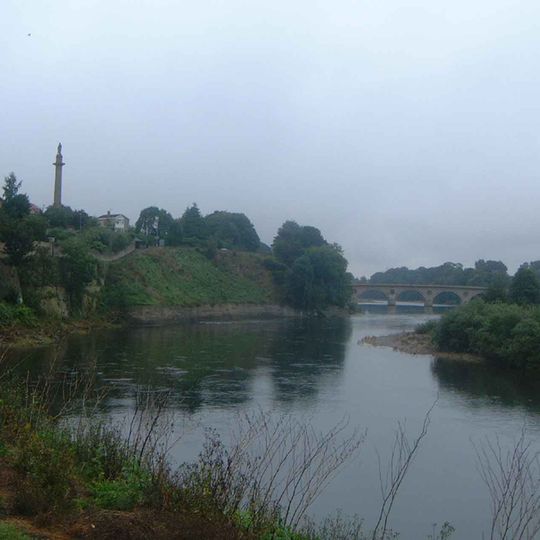
River Tweed, Natural border river between Scotland and England.
The River Tweed is a waterway that forms the border between Scotland and England, flowing about 97 miles from the Southern Uplands near Moffat to its mouth at Berwick-upon-Tweed on the North Sea coast. The river travels through a network of valleys and farming areas, fed by several tributaries that increase its size along the way.
The river formed during the last ice age and has shaped human life in this region for thousands of years. In medieval times, it served as a major trade route with vessels carrying goods between Scottish and English settlements along its banks.
The river shaped the textile industry so strongly that it gave its name to tweed fabric, which the many mills along the water produced. This connection to cloth-making remains an important part of how the region identifies itself today.
Anglers from around the world visit this river year-round, as it is the only English river that does not require an Environment Agency fishing license. The best access is from several bridges and paths along the water, especially in the main valleys and near towns.
A special management structure governs this waterway: the River Tweed Commission oversees the entire river as a single unit, even though it flows through both countries. This shared management is unusual among border rivers in Britain.
The community of curious travelers
AroundUs brings together thousands of curated places, local tips, and hidden gems, enriched daily by 90,739 contributors worldwide.