Sunderland, Port city in Tyne and Wear, England
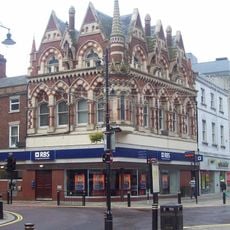
Sunderland is a port city in the county of Tyne and Wear in northeast England, sitting on the north bank of the River Wear's mouth where it meets the North Sea. The urban area combines a historic core with sprawling residential districts, industrial zones, and green spaces that stretch along the coast and inland.
The settlement grew from three Anglo-Saxon communities, including Monkwearmouth with its monastery founded in 674, which played a key role in early medieval Christianity. From the 19th century onward, the town developed into one of the world's largest shipbuilding centers before the yards closed in the late 20th century.
The name derives from "sundered land," referring to the way the River Wear divided the settlements on either bank. Residents call themselves Mackems, a term from the shipbuilding era that relates to the regional dialect and working methods in the yards.
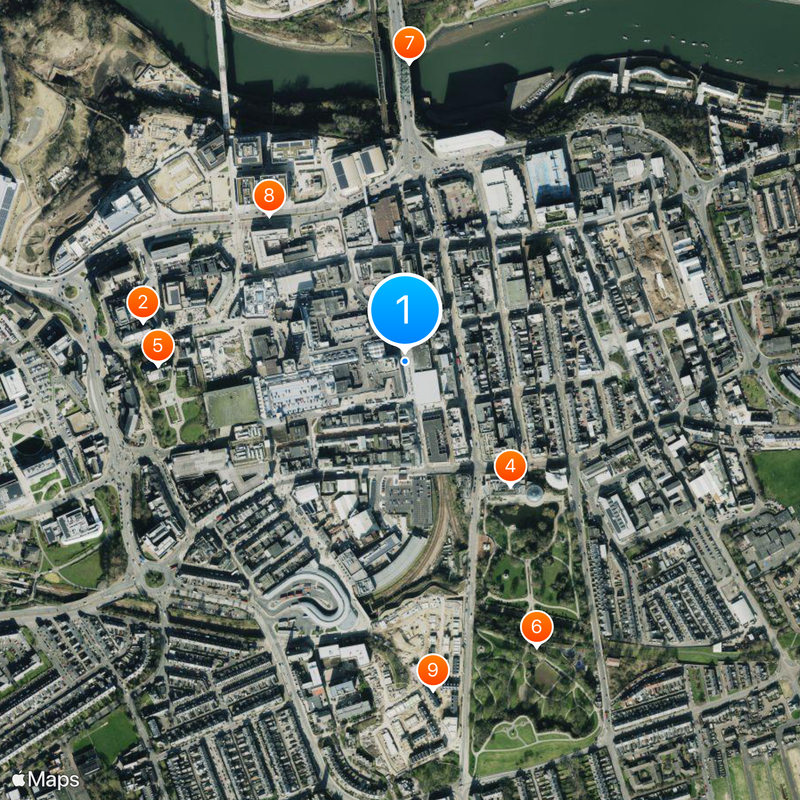
The city is accessible via the metro system and a dense bus network, with most points of interest within walking distance or a short ride. Visitors should pack windproof clothing for walks along the waterfront, as the sea air often blows fresh.
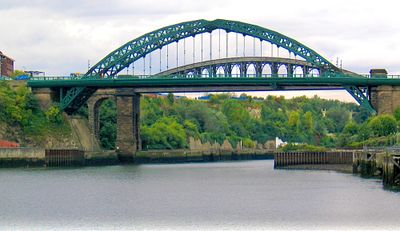
The Wearmouth Bridge, completed in 1929, was the longest single-span arch bridge in the world at its opening and remains a landmark of engineering. Each winter, grey seals arrive at the river mouths and can be watched from the shore as they rest in the calm waters.
The community of curious travelers
AroundUs brings together thousands of curated places, local tips, and hidden gems, enriched daily by 91,270 contributors worldwide.