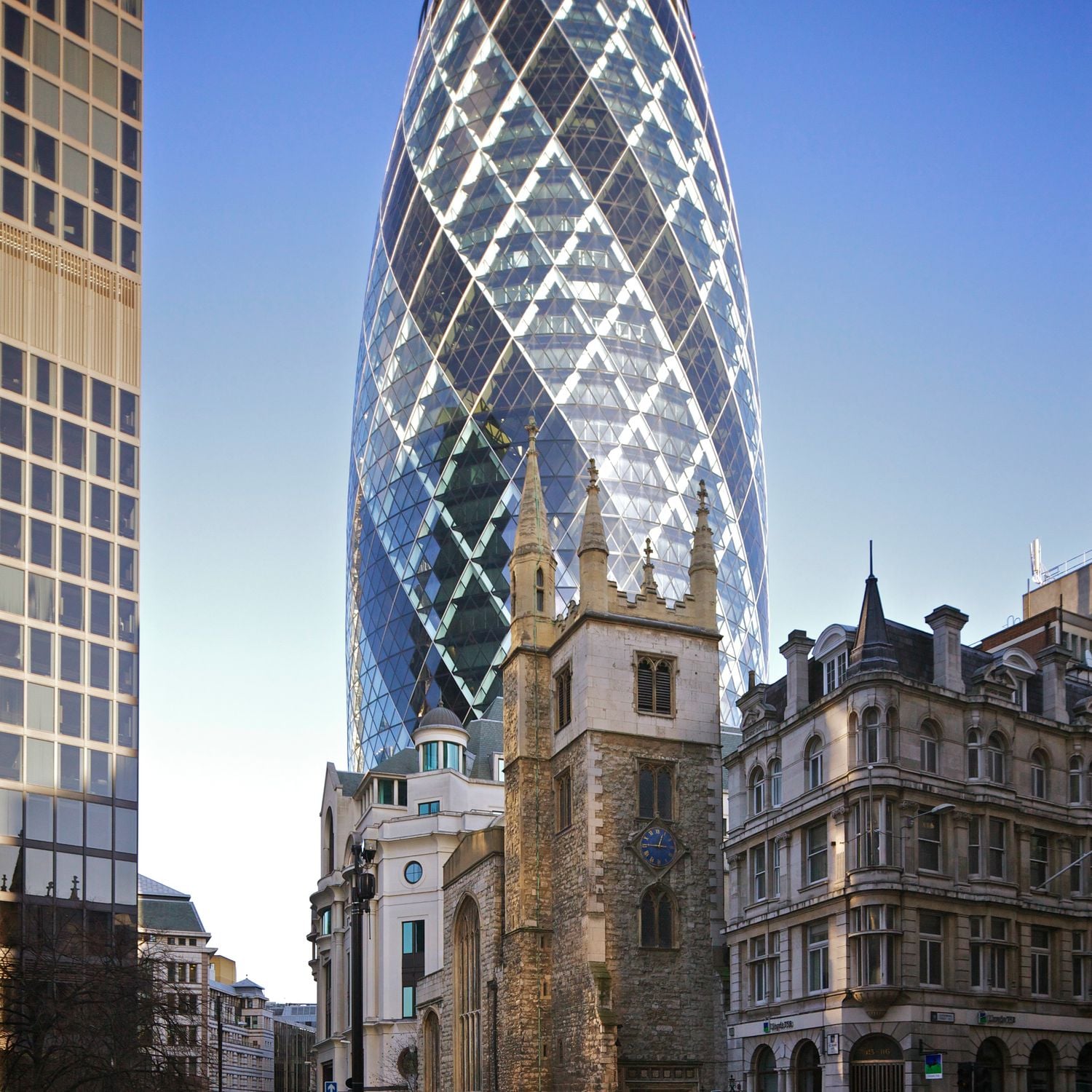
The Gherkin, 30 St Mary Axe, Steel and glass skyscraper in City of London, United Kingdom.
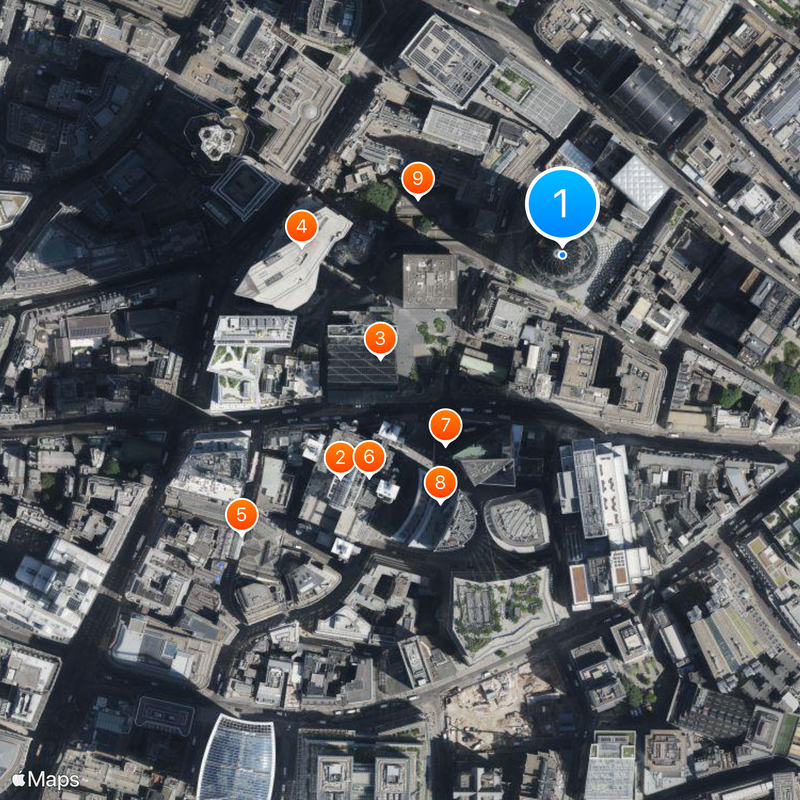
The building at 30 St Mary Axe is a steel and glass skyscraper in the City of London, often called The Gherkin due to its cylindrical shape. The curved facade is made of diamond-shaped glass panels that extend over 41 floors, reaching approximately 180 meters (590 feet) in height.
An IRA bombing in 1992 destroyed the Baltic Exchange at this location and killed three people. Architects Norman Foster and Ken Shuttleworth designed a new tower with natural ventilation between 2001 and 2003.
City office workers book tables at the restaurant on the 39th floor for business lunches overlooking the rooftops. Visitors often arrive specifically to photograph the facade, which reflects and breaks light differently depending on the time of day.
The building is a private office tower and cannot be visited freely, except during special events or with a prior reservation at the restaurant. The surrounding streets offer unobstructed views of the exterior and are within walking distance from Bank, Liverpool Street, and Aldgate stations.
Six spiral ventilation shafts around the central core create a natural airflow that rises through every floor. This system saves roughly half the energy normally needed to cool a building of this size.
Location: City of London
Inception: 2004
Architects: Norman Foster, Foster and Partners, Ken Shuttleworth
Official opening: 2004
Architectural style: Art Nouveau architecture
Floors above the ground: 41
Elevators: 26
Height: 250 m
Made from material: steel, glass, concrete
Address: 30 St Mary Axe
Website: http://thegherkinlondon.com
GPS coordinates: 51.51444,-0.08028
Latest update: December 12, 2025 16:45
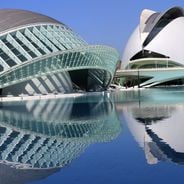
20th and 21st-century architecture has transformed city centers with structures that push engineering boundaries. Observation towers like the Seattle Space Needle and experimental residential complexes like Habitat 67 in Montreal demonstrate the evolution of construction techniques. Architects have...
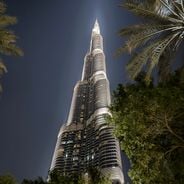
This collection brings together skyscrapers that showcase advances in modern engineering and architecture worldwide. These structures rise above metropolises and reshape city horizons, from the sail-shaped Burj Al Arab in Dubai to the CCTV headquarters in Beijing with its two linked towers. Each...
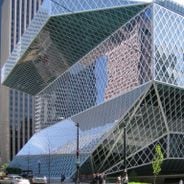
Postmodern architecture emerged in the 1970s as a response to the rigid principles of modernism, reintroducing color, ornament, and historical references into contemporary building design. The movement evolved over decades, producing structures that challenge conventional forms and experiment with...
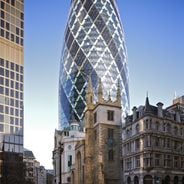
Norman Foster has shaped contemporary architecture through technical innovation and design clarity. His buildings feature extensive glass facades, exposed steel structures and energy systems. The Reichstag dome in Berlin with its spiral ramp and the circular Apple Park in Cupertino demonstrate his...
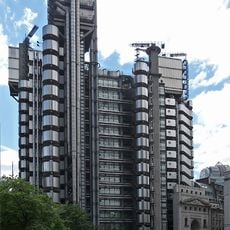
Lloyd's building
218 m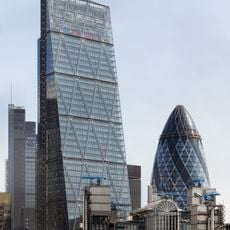
122 Leadenhall Street
145 m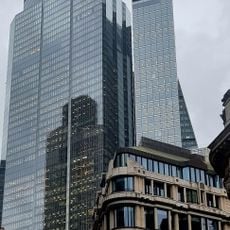
22 Bishopsgate
182 m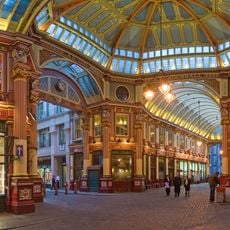
Leadenhall Market
296 m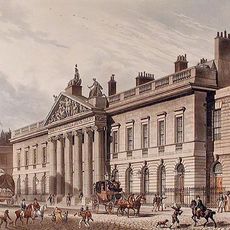
East India House
205 m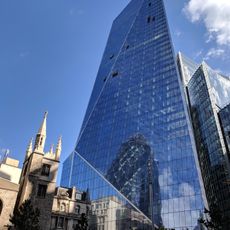
The Scalpel
155 m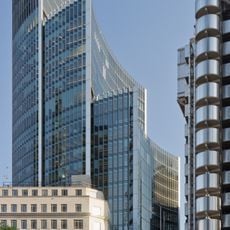
Willis Building
192 m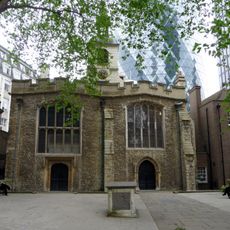
St Helen's Bishopsgate
108 m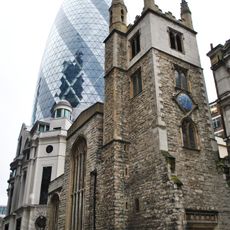
St Andrew Undershaft
113 m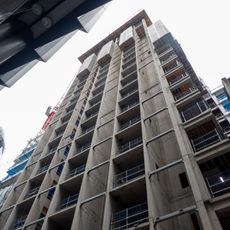
40 Leadenhall Street
151 m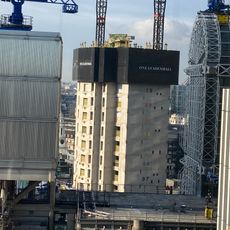
1 Leadenhall Street
283 m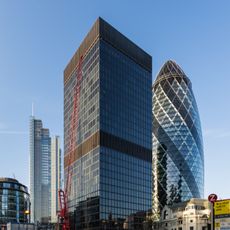
St. Helen's
112 m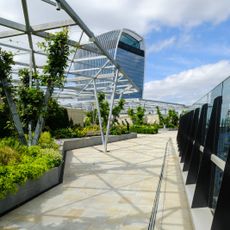
The Garden at 120
259 m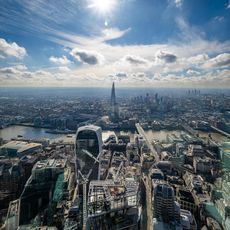
Horizon 22
199 m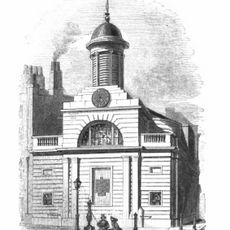
St Martin Outwich
260 m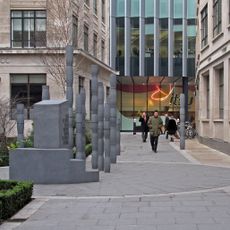
Fen Court
274 m
The Exchange Building
192 m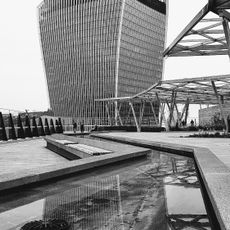
Rooftop garden 120 Fenchurch
249 m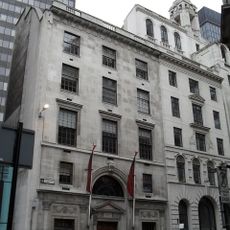
147 and 148 Leadenhall Street
225 m
Lloyd's Building
211 m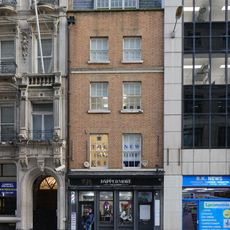
46, Bishopsgate Ec2
176 m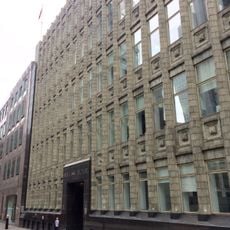
Holland House
61 m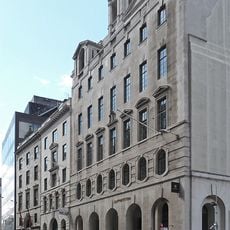
139–144 Leadenhall Street
200 m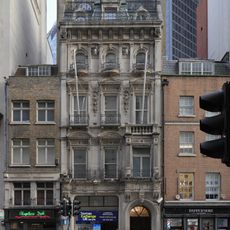
48, Bishopsgate Ec2
174 m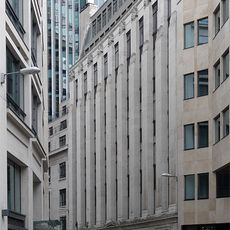
37–39 Lime Street
270 m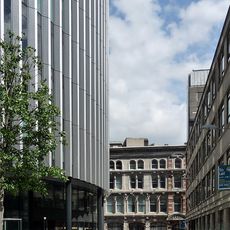
20 And 21, Billiter Street Ec3
195 m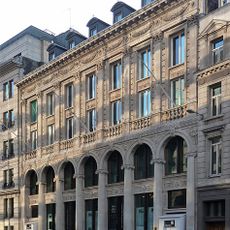
Royal Bank Of Scotland
288 m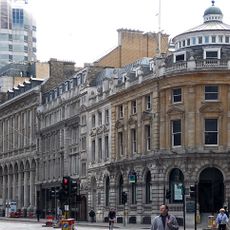
7 And 9, Bishopsgate Ec2
277 mVisited this place? Tap the stars to rate it and share your experience / photos with the community! Try now! You can cancel it anytime.
Discover hidden gems everywhere you go!
From secret cafés to breathtaking viewpoints, skip the crowded tourist spots and find places that match your style. Our app makes it easy with voice search, smart filtering, route optimization, and insider tips from travelers worldwide. Download now for the complete mobile experience.

A unique approach to discovering new places❞
— Le Figaro
All the places worth exploring❞
— France Info
A tailor-made excursion in just a few clicks❞
— 20 Minutes