Tate Modern, Modern and contemporary art museum in Bankside, London, United Kingdom
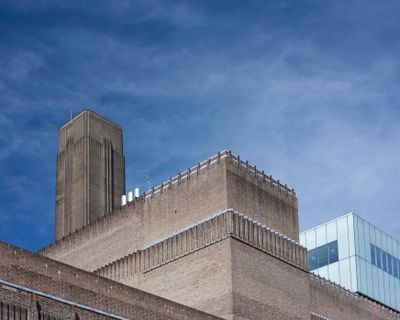
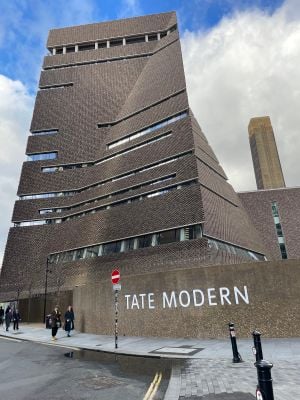
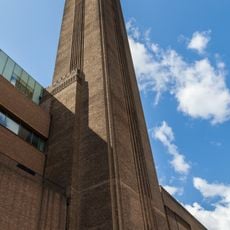
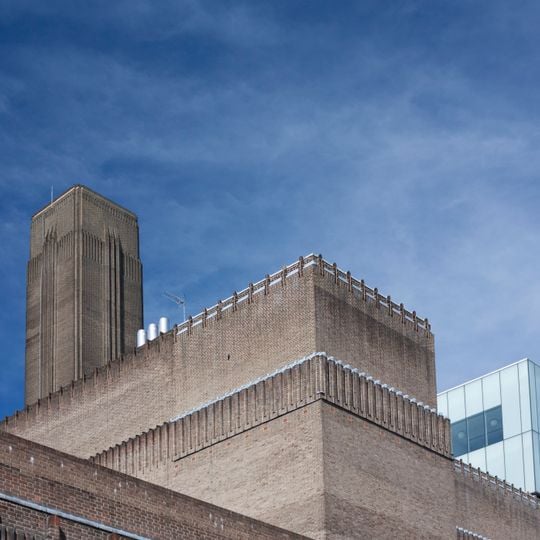
Tate Modern is an art gallery in the former Bankside Power Station in Bankside, London Borough of Southwark. The brick building, designed by Giles Gilbert Scott and built between 1947 and 1963, has a tall tower with recessed vertical channels and a lower brick mass with a row of thin vertical fins. Inside, the Turbine Hall is a vast hall with a pale concrete floor, dark walls, a tall five-column window at the far end, and a long balcony along the right wall.
Bankside Power Station generated electricity for the city between 1947 and 1981, then stood unused for more than a decade after closure. The architecture firm Herzog & de Meuron converted the building into a museum in the late 1990s, opening its doors in 2000.
The name comes from Henry Tate, a 19th-century sugar industrialist who donated his art collection to the nation, establishing the foundation for all Tate galleries. Visitors today see works from around the world grouped by theme rather than period, allowing different artists to speak to one another.
Entry to the permanent collection is free and the museum opens daily from 10:00 to 18:00, while special exhibitions require separate tickets. Ramps and lifts reach every level, so wheelchair users can access all areas.
The Turbine Hall rises over 115 feet (35 meters) in height and occupies the entire central area of the building, allowing artists to create large-scale installations. Every year a different artist is invited to fill this vast room, so the experience of entering the museum constantly changes.
The community of curious travelers
AroundUs brings together thousands of curated places, local tips, and hidden gems, enriched daily by 92,052 contributors worldwide.