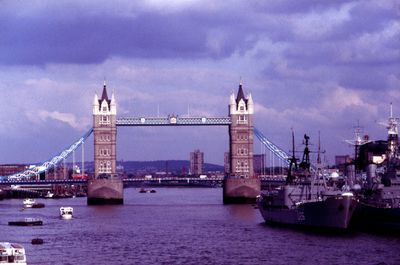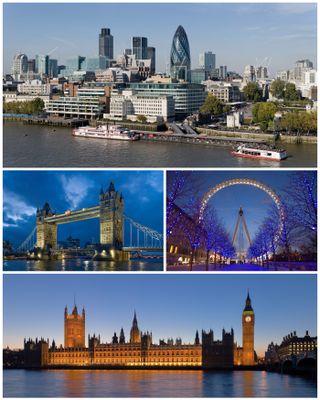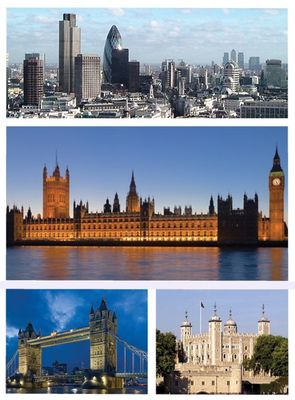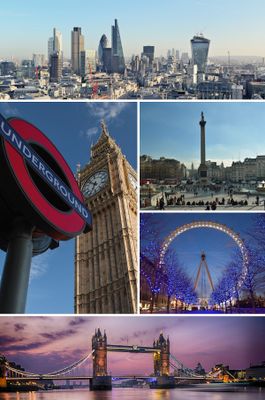
London, Metropolis in southern England, United Kingdom
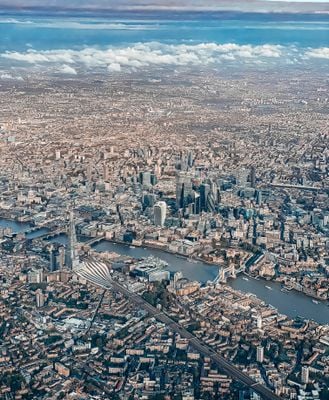
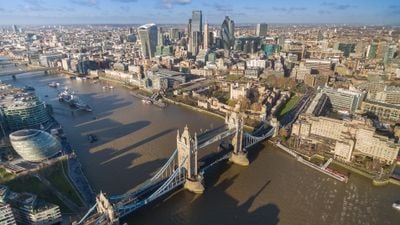
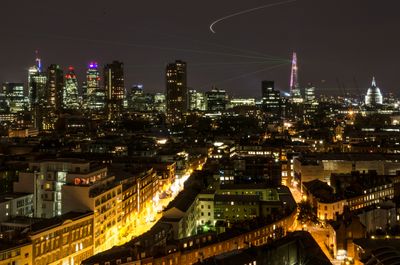
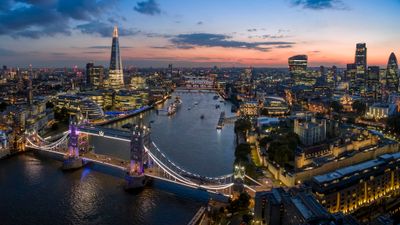
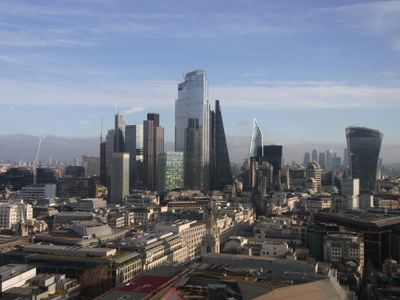
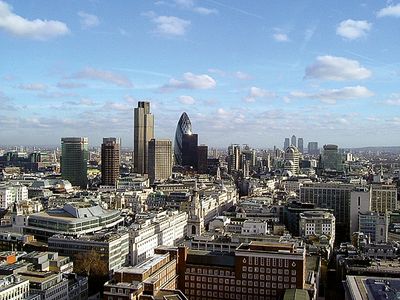
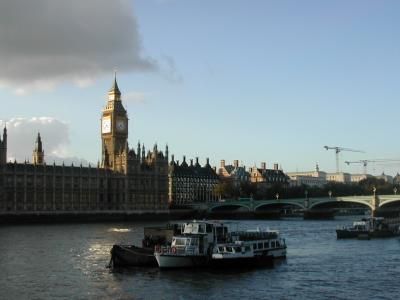
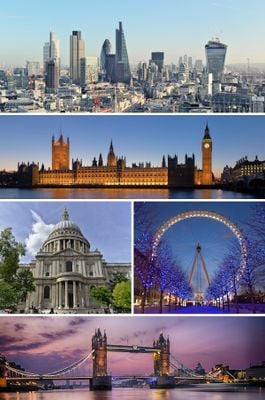
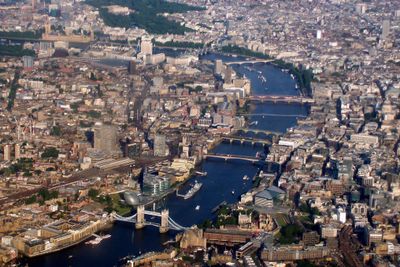
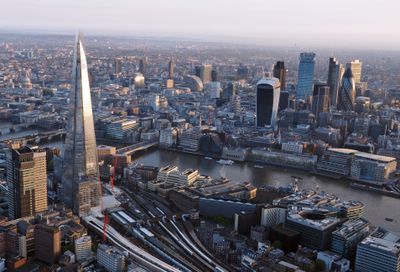
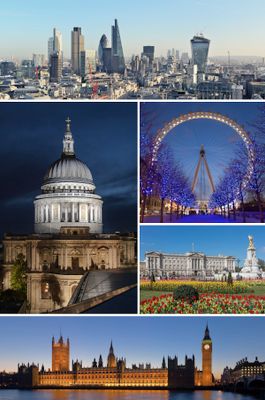
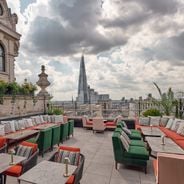
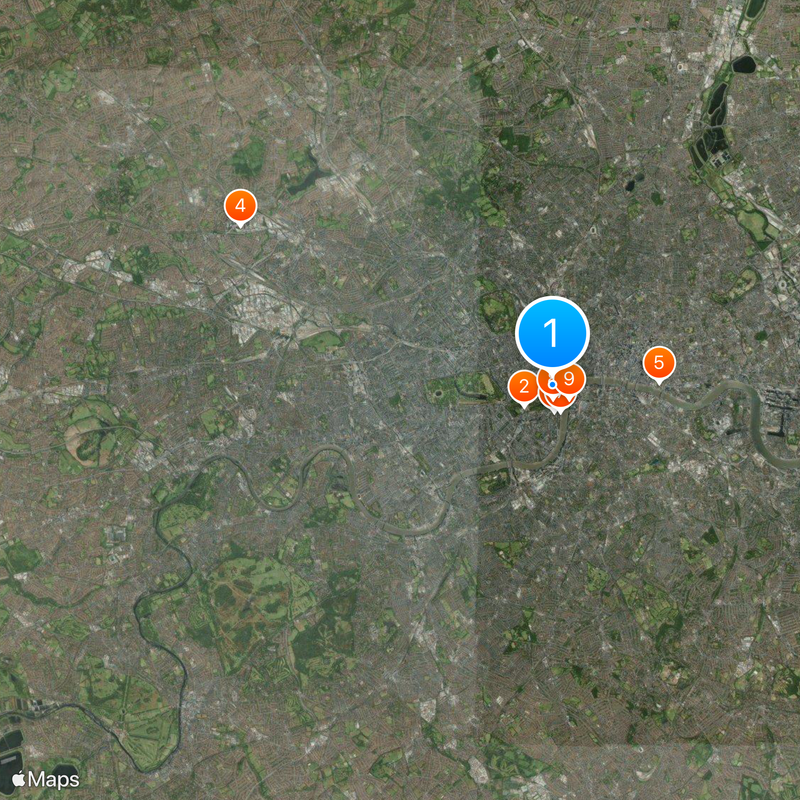
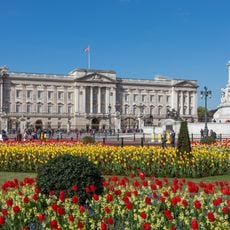
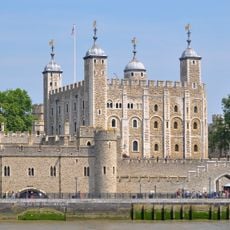
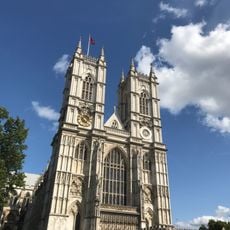
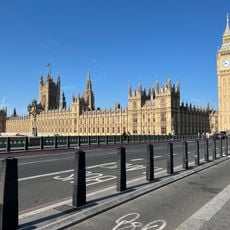
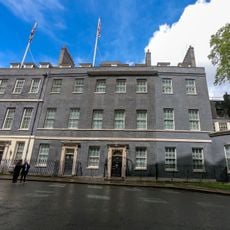
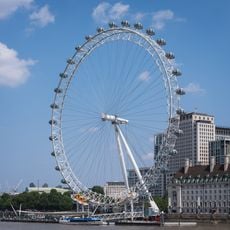
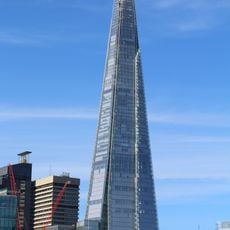
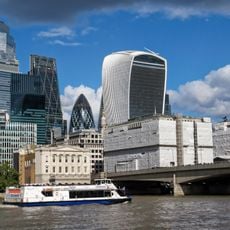
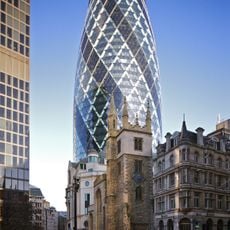
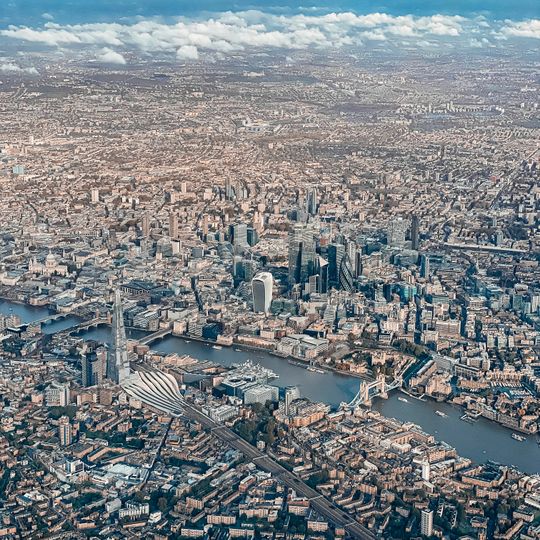
The British seat of power extends along both banks of the Thames and includes thirty-two boroughs plus the central financial quarter, which operates as an independent administrative unit with its own legal status, marked by modern skyscrapers standing beside historic buildings accumulated over centuries.
Roman troops founded a trading settlement on the north bank of the river in the first century of the common era and left the island roughly four hundred years later, after which the settlement declined until Saxon rulers revived it and it became the seat of government for the English kingdom following the Norman invasion.
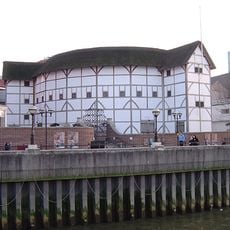
The metropolis has shaped English-language theatre and produced playwrights like Shakespeare, whose works still appear at the reconstructed Globe Theatre on the south bank, while countless galleries and concert halls draw diverse audiences from all walks of life throughout the year.
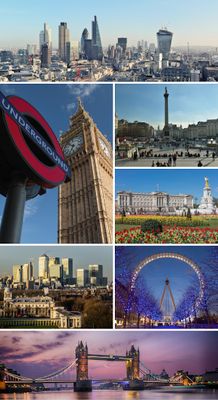
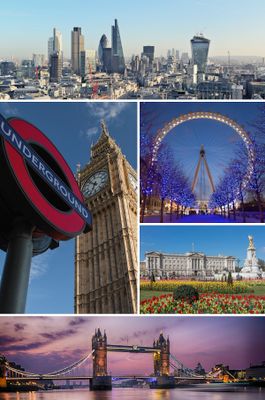
Several international airports serve the region and the Underground network connects hundreds of stations spread across the metropolis, carrying millions of passengers daily, while most attractions are easily reachable on foot or by public transport and many venues remain open throughout the year.
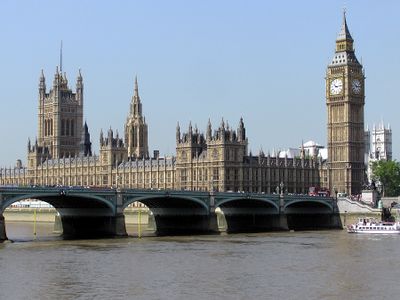
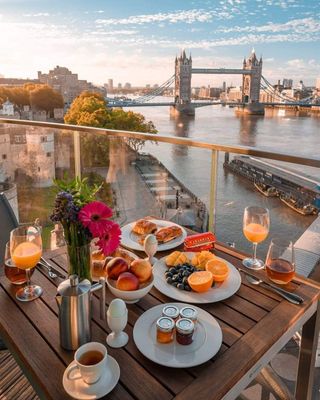
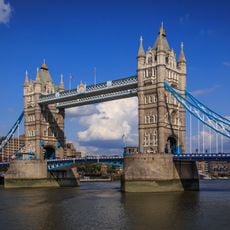
The river changes direction twice each day through tidal action, which means that water flows upstream during high tide and back toward the sea during low tide, a natural phenomenon visible from many bridges crossing the waterway.
The community of curious travelers
AroundUs brings together thousands of curated places, local tips, and hidden gems, enriched daily by 90,742 contributors worldwide.