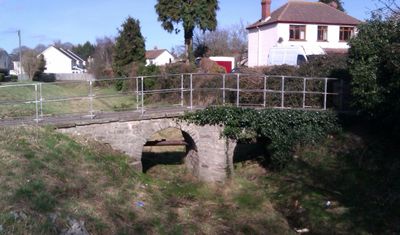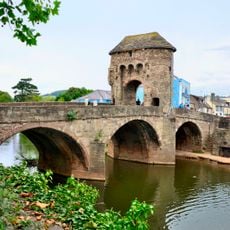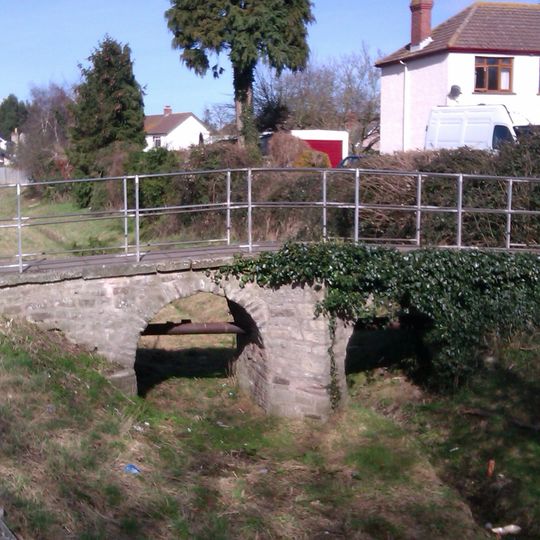
Clawdd-du, Medieval moat in Monmouth, Great Britain.
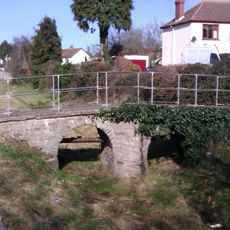
Clawdd-du is a medieval defensive ditch that curves in a semi-circle for about 600 yards from the River Monnow, with a water-filled channel roughly 11 to 12 meters wide. The structure forms a sweeping arc that once protected the land beyond it.
This defensive structure was built in two separate phases, first before the mid-thirteenth century and then again after the mid-fourteenth century. It served to protect the Overmonnow area during periods of conflict with Welsh raids.
The name comes from Old Welsh words where clawdd means dike or bank and du means black. This linguistic trace shows how the structure was understood by people who lived near it centuries ago.
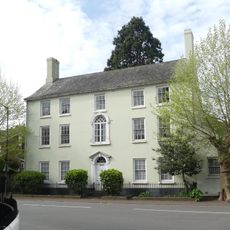
The remains are accessible near Drybridge House, and the medieval bridge section is a Grade II listed building. Visitors should expect uneven ground since this is an ancient earthwork that has settled over centuries.
Archaeological work revealed that the ditch was not dug in one continuous project but was expanded and deepened at different historical moments with different defensive needs in mind. This shows how the community adapted its protections as threats and circumstances changed.
The community of curious travelers
AroundUs brings together thousands of curated places, local tips, and hidden gems, enriched daily by 92,366 contributors worldwide.