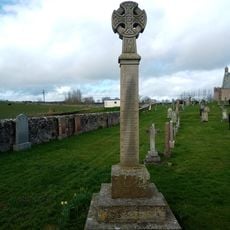
Roxburghshire, Historic county in Scottish Borders, Scotland
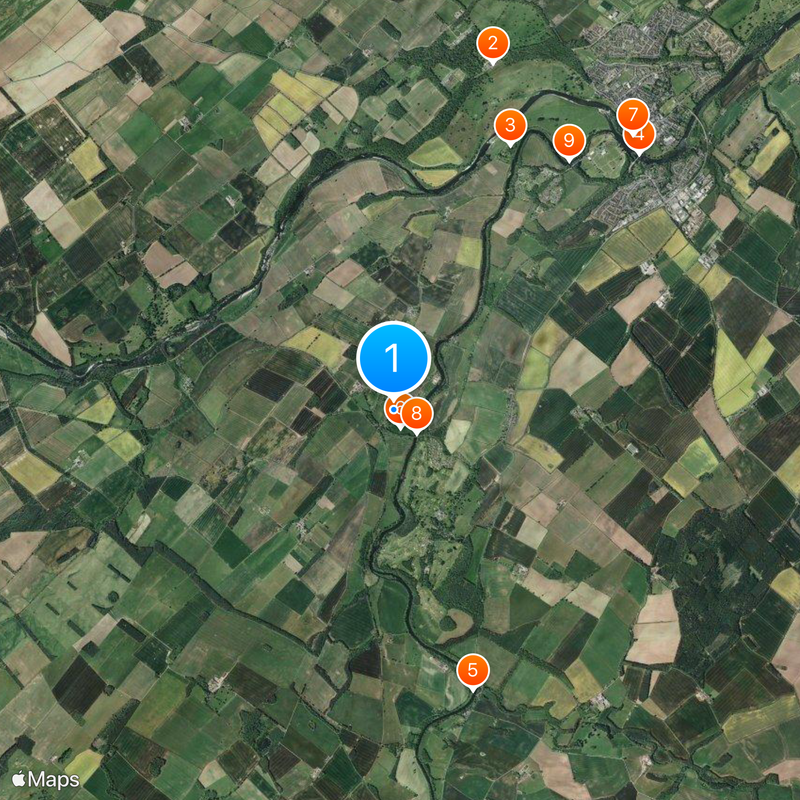
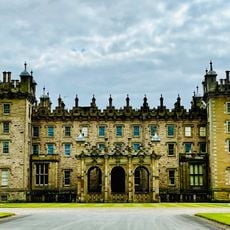
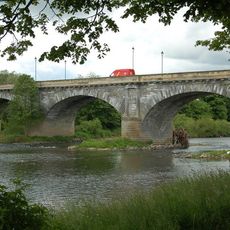
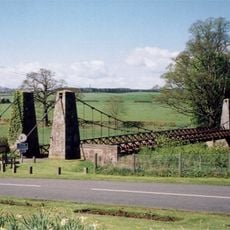
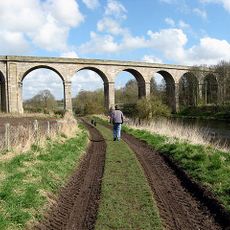
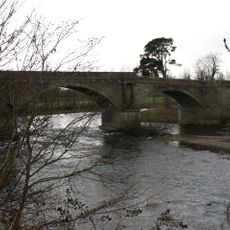
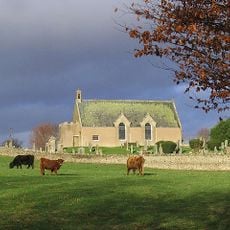
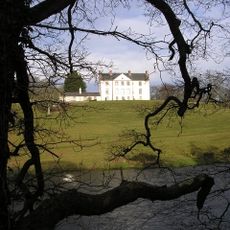
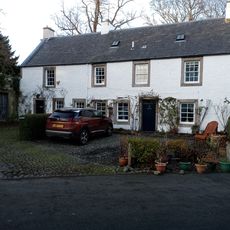
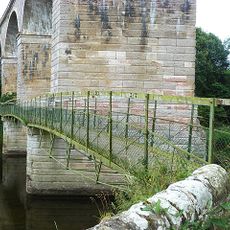
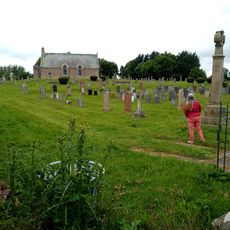
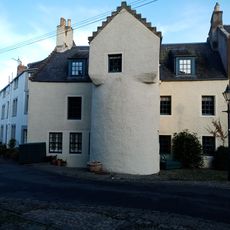
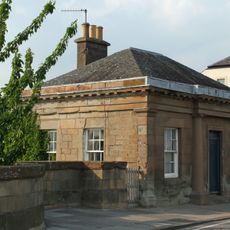
Roxburghshire is a historic county in the Scottish Borders stretching from the Tweed and Teviot river valleys in the north to the Cheviot Hills in the south. The region contains river landscapes, rolling terrain, and scattered settlements with remnants of medieval architecture throughout.
The area began as Celtic territory, later became part of the Anglo-Saxon kingdom of Northumbria, and came under Scottish control in 1018. Its border location meant repeated conflict between English and Scottish forces shaped its development and fortifications over centuries.
The four major Border abbeys at Melrose, Jedburgh, Kelso, and Dryburgh showcase medieval religious architecture through their visible stonework and layout. Walking through these ruins, visitors can observe how the buildings were designed and decorated, reflecting the spiritual importance they held in the region.
Visitors can explore historical records and local information through regional museums and archives spread across settlements. A car is helpful for visiting the scattered abbeys and villages, though walking between nearby sites is also possible depending on your destination.
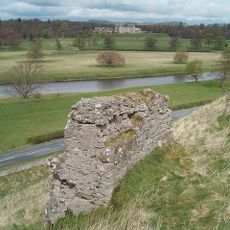
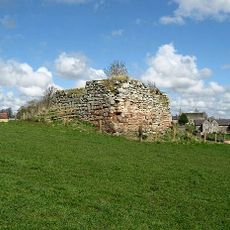
The original county town of Roxburgh declined after its castle's destruction in 1460, leaving only archaeological remains scattered across the landscape today. For those interested in medieval conflict and settlement patterns, these castle ruins reveal how warfare reshaped where people lived.
The community of curious travelers
AroundUs brings together thousands of curated places, local tips, and hidden gems, enriched daily by 60,000 contributors worldwide.