Attu Island, National Historic Landmark in Near Islands, Aleutian Islands, United States
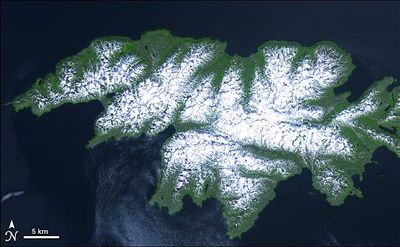
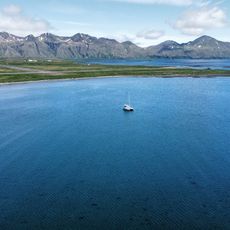
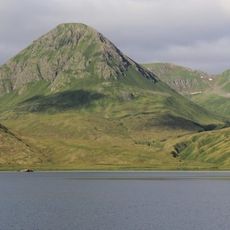
Attu Island lies at the far western end of Alaska's Aleutian chain and stretches roughly 35 miles long and 20 miles wide in the Bering Sea. The island shows a harsh landscape of steep hills, deep valleys and jagged coastlines, cut through by small streams and wetlands.
Japanese troops occupied the island in June 1942, leading to the only World War II battle fought on United States soil in May 1943. After the war the United States relocated the surviving inhabitants to other islands and the place remained unpopulated.
The island bears a name from the Aleut language and was inhabited for centuries before being permanently abandoned after World War II. Today only remains of military installations and old graves recall the people who once lived here.
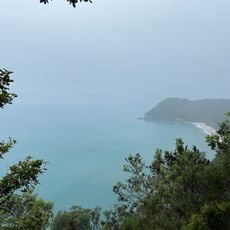
Weather shifts quickly and brings rain throughout the year, with autumn and early winter especially wet and foggy. Anyone planning to visit should bring warm waterproof clothing and sturdy footwear, as there are hardly any paved paths.
The island marks the westernmost point of the United States and sits so far west that it actually lies in the Eastern Hemisphere. Anyone watching the sunset here sees it vanish toward Asia.
The community of curious travelers
AroundUs brings together thousands of curated places, local tips, and hidden gems, enriched daily by 90,738 contributors worldwide.