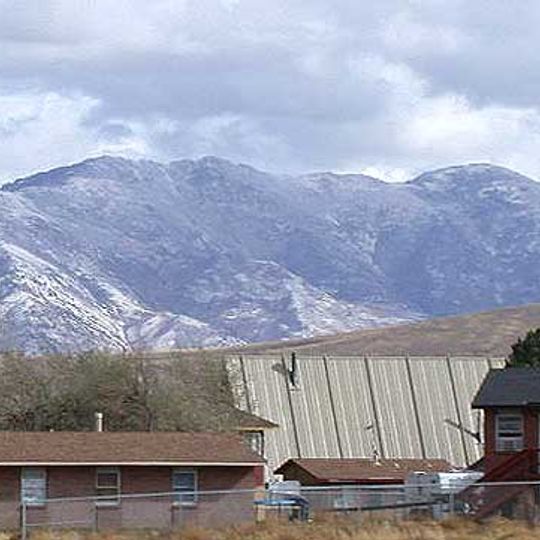
Fort Hall Indian Reservation, Indigenous reservation in southeastern Idaho, US.
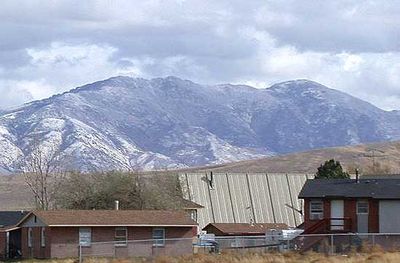
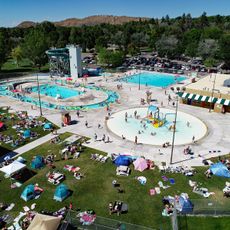
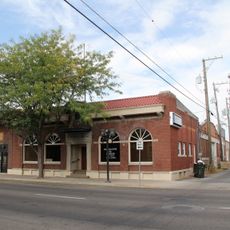
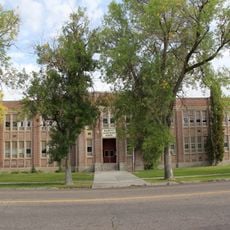
Fort Hall Indian Reservation is a large territory in southeastern Idaho where the Shoshone and Bannock peoples live and manage their communities. The land spans across multiple counties and includes varied landscapes from river plains to diverse natural zones.
The reservation was founded in 1867 as a contractual homeland for the Shoshone and Bannock peoples following years of conflict and displacement. This agreement became the foundation for their governance today and changed the course of these communities.
The Shoshone and Bannock peoples express their identity through language, ceremonies, and craftsmanship visible in local shops and community gatherings throughout the year. These ongoing practices connect residents to their ancestors and shape how the community moves through daily life.
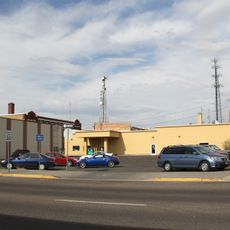
Visitors can find lodging, a casino, and restaurants serving local and contemporary food in different areas of the territory. It is useful to check access rules beforehand, as some areas are restricted to tribal members only.
The community actively restores salmon populations in the Snake River, directly connecting to traditional food practices and survival. This work demonstrates how tribal members address modern environmental challenges using ancestral knowledge.
The community of curious travelers
AroundUs brings together thousands of curated places, local tips, and hidden gems, enriched daily by 90,989 contributors worldwide.