Grotwoning De Kluis, Underground dwelling in Sint Pieter, Netherlands
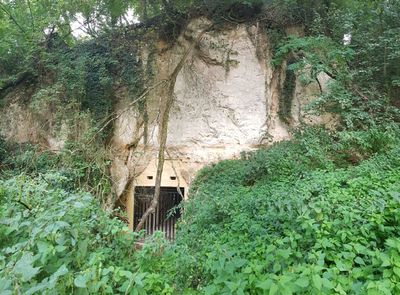
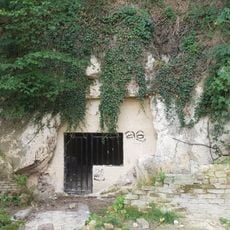
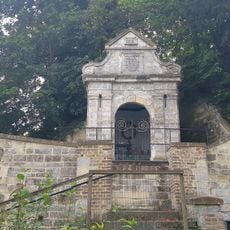
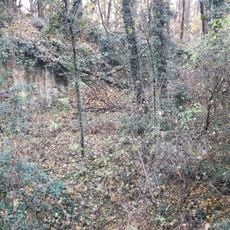
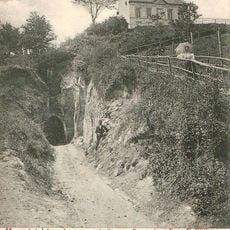
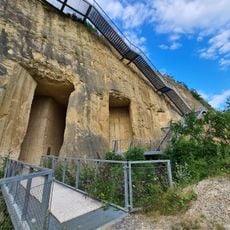
Grotwoning De Kluis is a limestone cave dwelling carved into the slope of Sint-Pietersberg near Maastricht, featuring multiple interconnected chambers. The spaces tunnel into the rock face, forming an underground residential complex within the hillside.
From 1680 onwards, this underground site served as a hermitage, with Brother Nicolaes and his companions among the earliest recorded residents. Their presence marked a shift from a quarrying location to a religious retreat space.
The cave dwelling reflects how local people historically integrated limestone extraction into their daily lives and living spaces. The carved chambers show the practical ways quarrying shaped residential patterns in this region.
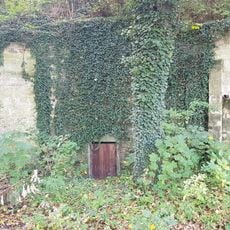
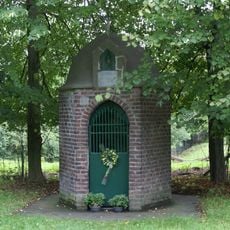
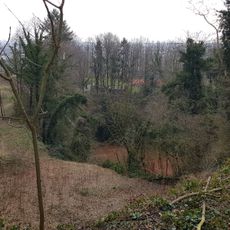
The entrance remains sealed for safety reasons while small openings allow local bat populations to roost inside. Visitors can explore the exterior structure and natural surroundings of the site without entering the interior chambers.
During World War II, over 750 Dutch paintings, including works by Rembrandt, were protected from potential destruction in this underground space. The cave served as a refuge for national art treasures during the occupation.
The community of curious travelers
AroundUs brings together thousands of curated places, local tips, and hidden gems, enriched daily by 92,183 contributors worldwide.