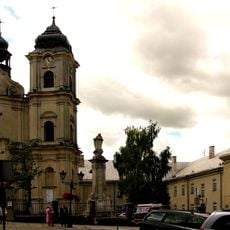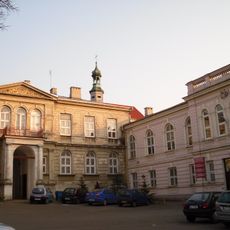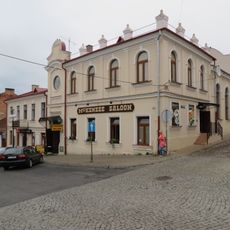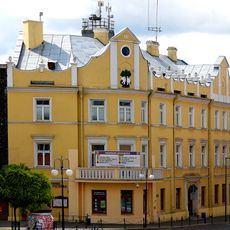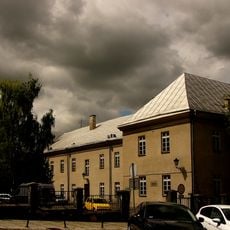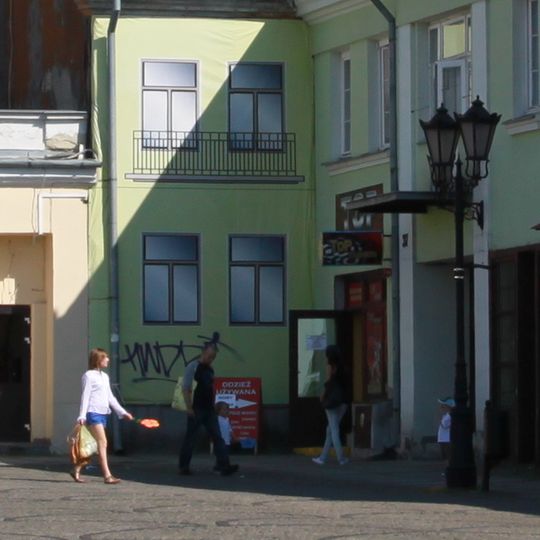
Chełm, Historic city in eastern Lublin Voivodeship, Poland
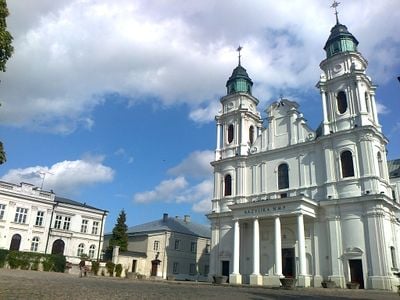
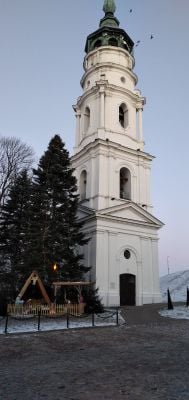
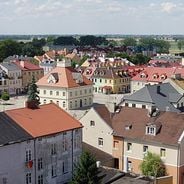
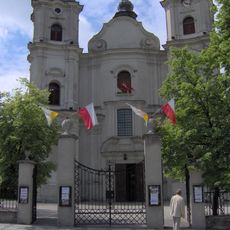
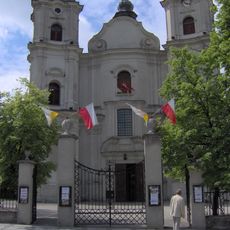
Chełm lies in the eastern part of Lublin Voivodeship and stretches along the small Uherka River through hilly terrain. The basilica on the highest point towers over the roofs of surrounding neighborhoods and is visible from many spots in the area.
Municipal rights were granted in 1233, making the town an early administrative center in the region. Between 1250 and 1275, it served as the capital of the Kingdom of Galicia-Volhynia under Ruthenian rule.
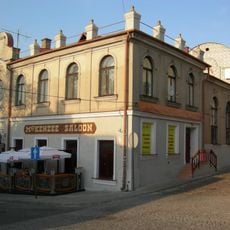
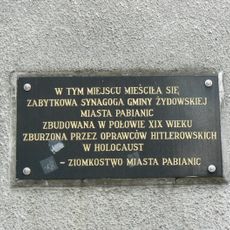
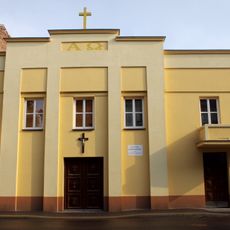
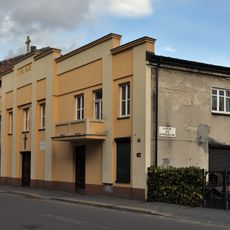
The name comes from a Slavic word meaning hill, referring to the elevated old town above the river valley. Visitors still notice traces of Hebrew inscriptions on old building facades and in cemeteries on the outskirts.
A railway junction connects the town with eastern parts of Poland and with Ukraine, making arrival by train straightforward. Some paths in the center lead uphill to viewpoints, so comfortable shoes are helpful for longer walks.
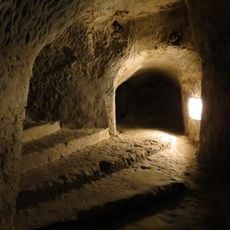
Beneath the streets runs an extensive network of chalk corridors and chambers carved over centuries during chalk extraction. Some of these underground spaces are open to visitors and show old tool marks on the white walls.
The community of curious travelers
AroundUs brings together thousands of curated places, local tips, and hidden gems, enriched daily by 91,255 contributors worldwide.