See the monuments around you in AROpen chests in the app
Around Us is built for your phone — point your camera at the streets and discover the monuments and places around you in augmented reality.Around Us is built for your phone — chests unlock when you walk, explore and capture nearby places.
Lublin region (Poland): visits to towns, castles, and historical museums
The Lublin area in the southeast of Poland brings together old towns, deep traces of the Second World War, and natural areas kept in their original state. The old town of Lublin has medieval and Renaissance buildings, with its castle, fortified gates, and a network of underground cellars open to visitors. Nearby are the Majdanek site and the Lipowa Street cemetery, real signs of the Nazi occupation.
Kazimierz Dolny draws visitors with its steep streets, the remains of a castle overlooking the Vistula River, and its architecture from the Polish Renaissance. Further south, Zamosc is a town from the 16th century, listed as a UNESCO World Heritage site. It has a main square surrounded by arches and still-visible fortifications. The Roztocze and Polesie parks provide forest walks, boat trips on rivers, and villages where time seems to stand still.
Lublin region (Poland): visits to towns, castles, and historical museums
The Lublin area in the southeast of Poland brings together old towns, deep traces of the Second World War, and natural areas kept in their original state. The old town of Lublin has medieval and Renaissance buildings, with its castle, fortified gates, and a network of underground cellars open to visitors. Nearby are the Majdanek site and the Lipowa Street cemetery, real signs of the Nazi occupation.
Kazimierz Dolny draws visitors with its steep streets, the remains of a castle overlooking the Vistula River, and its architecture from the Polish Renaissance. Further south, Zamosc is a town from the 16th century, listed as a UNESCO World Heritage site. It has a main square surrounded by arches and still-visible fortifications. The Roztocze and Polesie parks provide forest walks, boat trips on rivers, and villages where time seems to stand still.
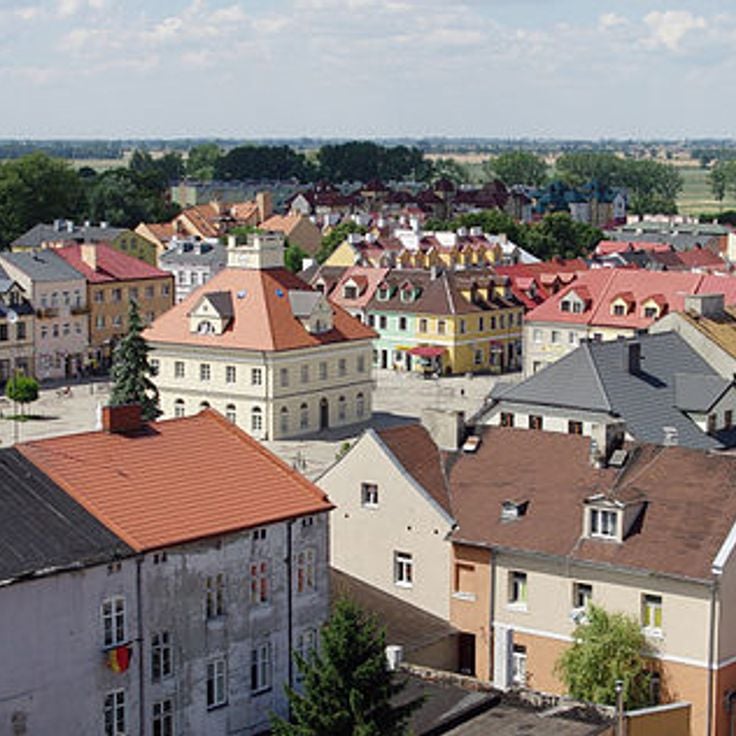
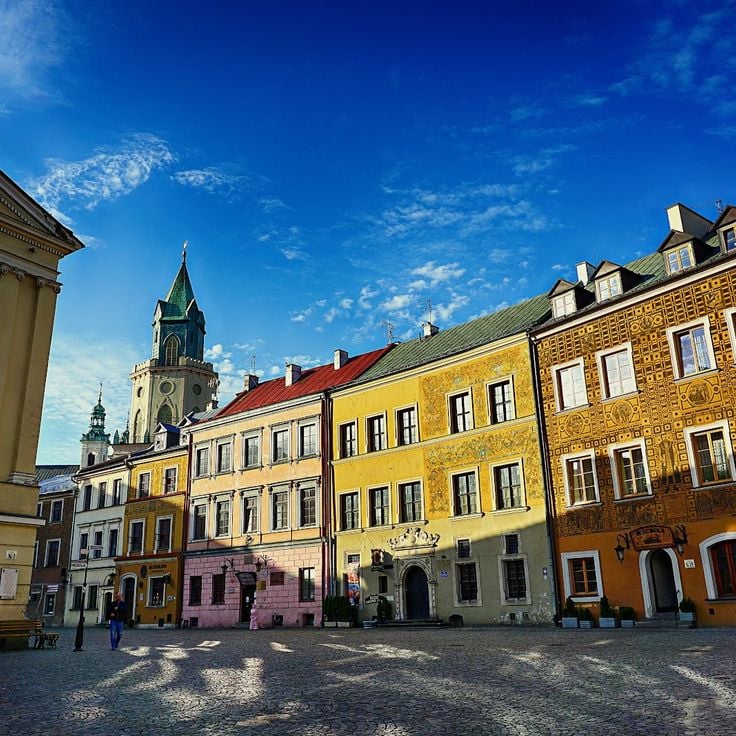
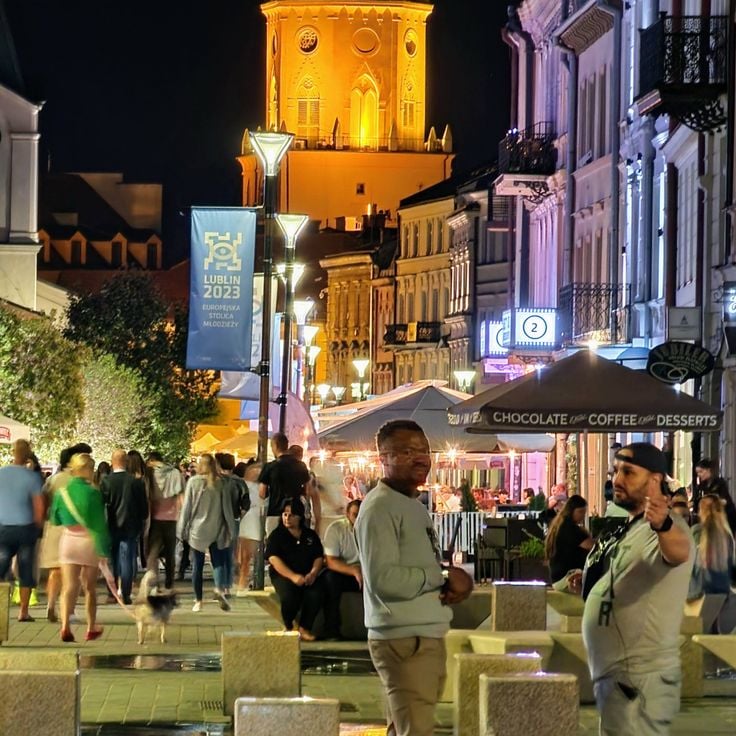
The Old Town of Lublin is the historical center of the region and brings together cobblestone streets, Renaissance buildings, and a main square at its heart. Here stand Lublin Castle with its fortifications, ancient city gates, and a network of underground cellars open to visitors. The Old Town displays medieval and Renaissance architecture from Poland and forms the core of a region that also holds war memorials and natural landscapes.
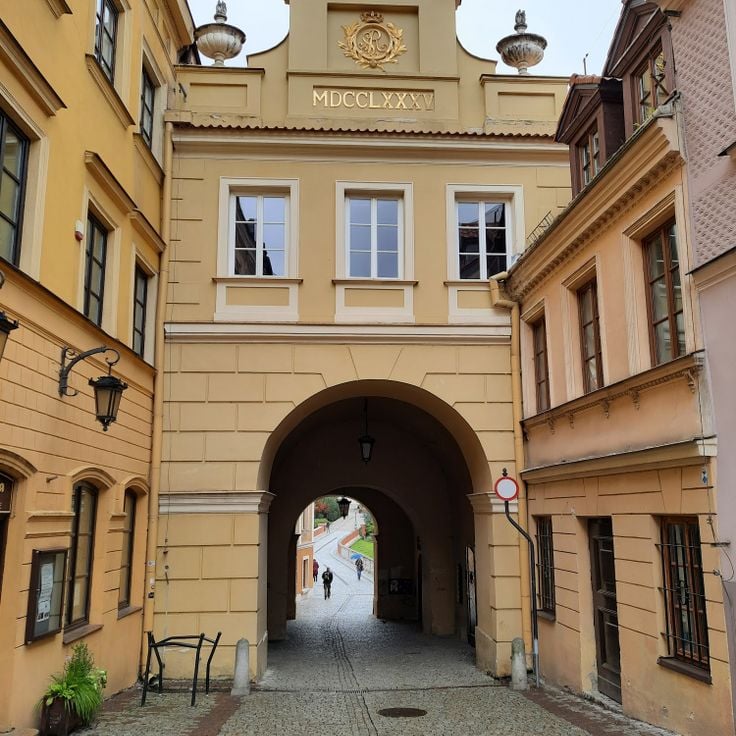
The Grodzka Gate in Lublin is a medieval fortified gate that now serves as a cultural center and memorial space. It combines history with contemporary culture through theater performances, exhibitions, and events that engage with the region's past. The gate itself is part of Lublin's historic fortifications and marks an important entrance to the old town.
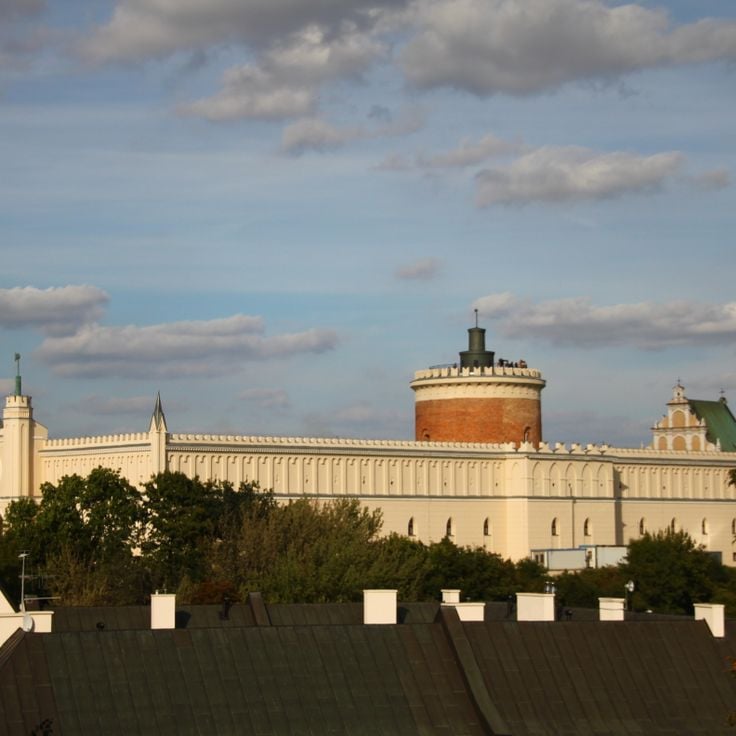
Lublin Castle is a medieval fortress that rises above the city and offers views across Lublin and the surrounding landscape. Inside, it functions as a museum dedicated to the region's history, with displays that trace Lublin's development from medieval times to the present day. The castle stands at the heart of the region's historical identity and connects architecture with stories of the past in this part of southeastern Poland.
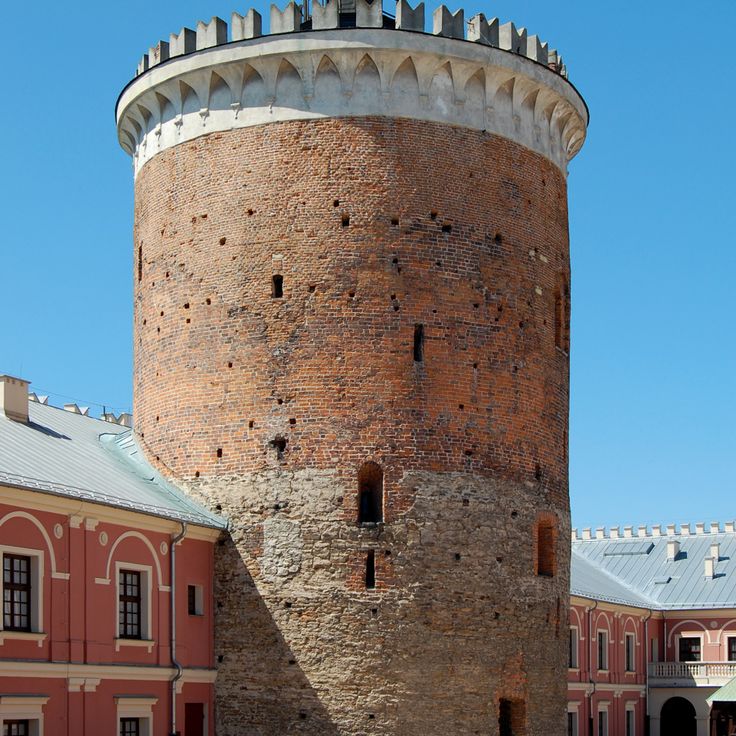
The Lublin Castle keep is a medieval tower that rises above the city. From its top, visitors look down across the rooftops and streets of Lublin. The tower stands in a region filled with history - medieval buildings mix with Renaissance structures and traces of the past. Around Lublin are old city gates, underground caves to explore, and nearby sites that mark difficult times. The keep itself shows how medieval fortifications once shaped this area in southeastern Poland.
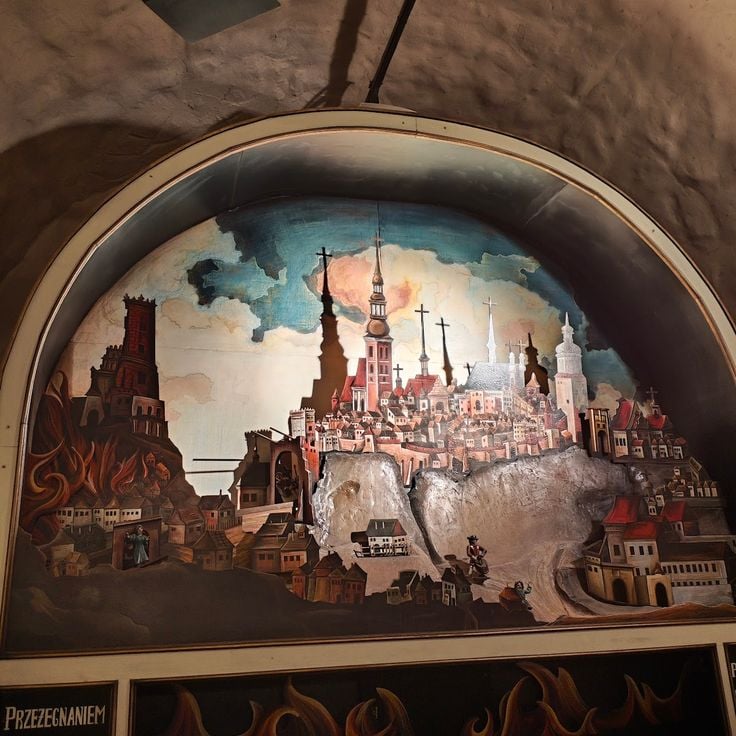
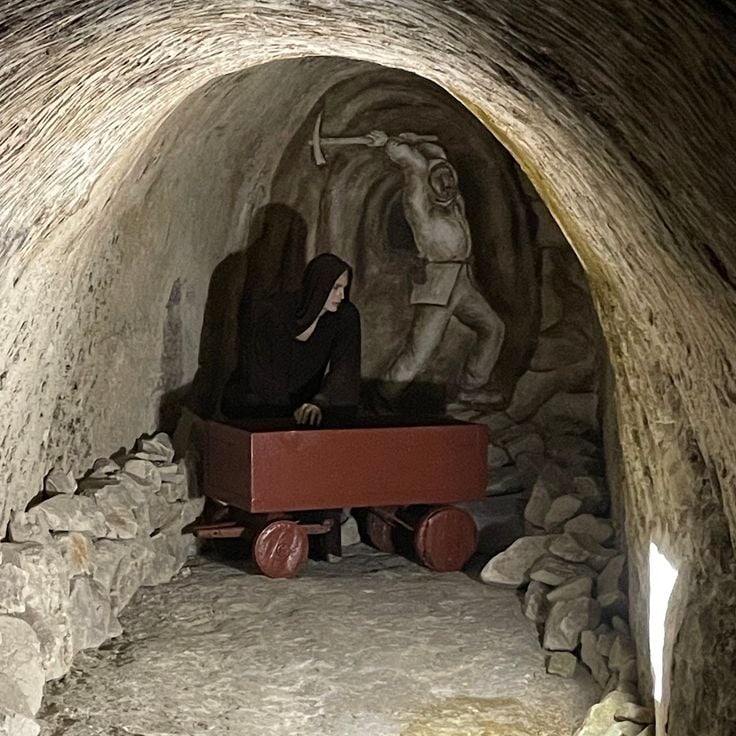
The underground route of Lublin consists of passages and tunnels beneath the old town, dating back to the Middle Ages. These spaces were part of daily medieval life and served various purposes for the city's residents. Today, visitors can explore these underground rooms and discover how life unfolded below street level. The tunnels reveal how the city was organized beneath the surface and what role these spaces played in the lives of earlier inhabitants.
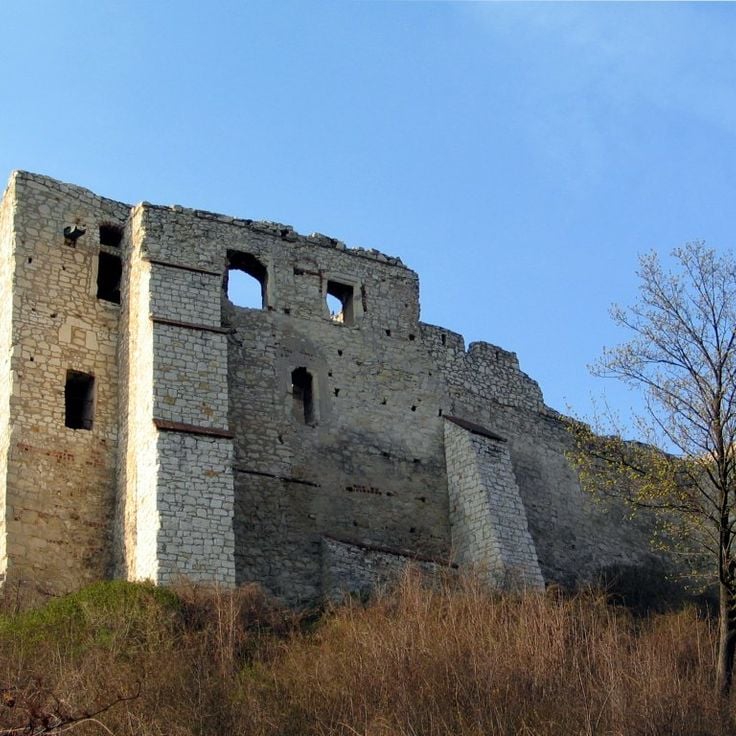
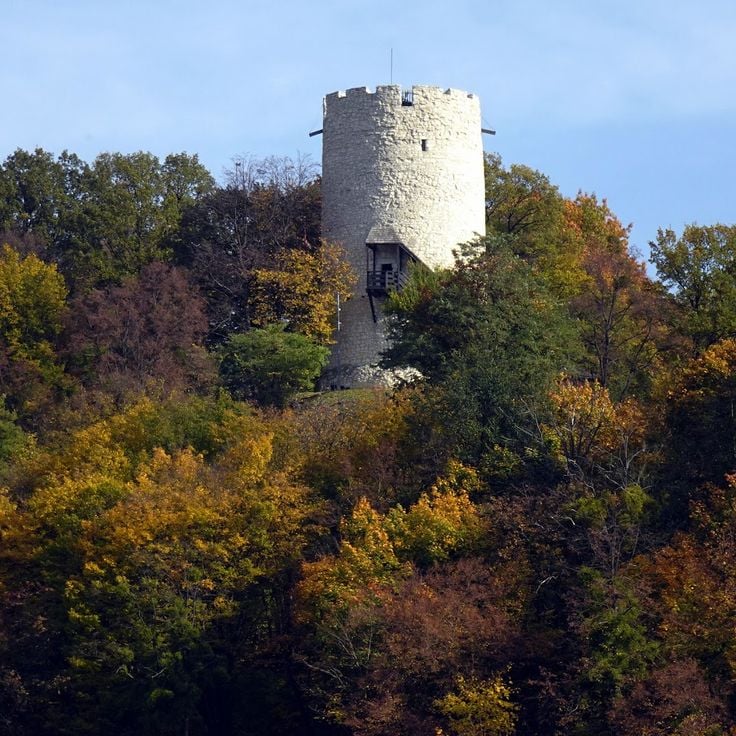
The ruins of Kazimierz Dolny castle sit on a hill overlooking the Vistula valley. From this vantage point, you can see across the town and watch the river wind through the landscape below. The castle dates to the Middle Ages and remains a defining feature of this town. Walking among the remains gives a sense of the fortifications that once protected this region.
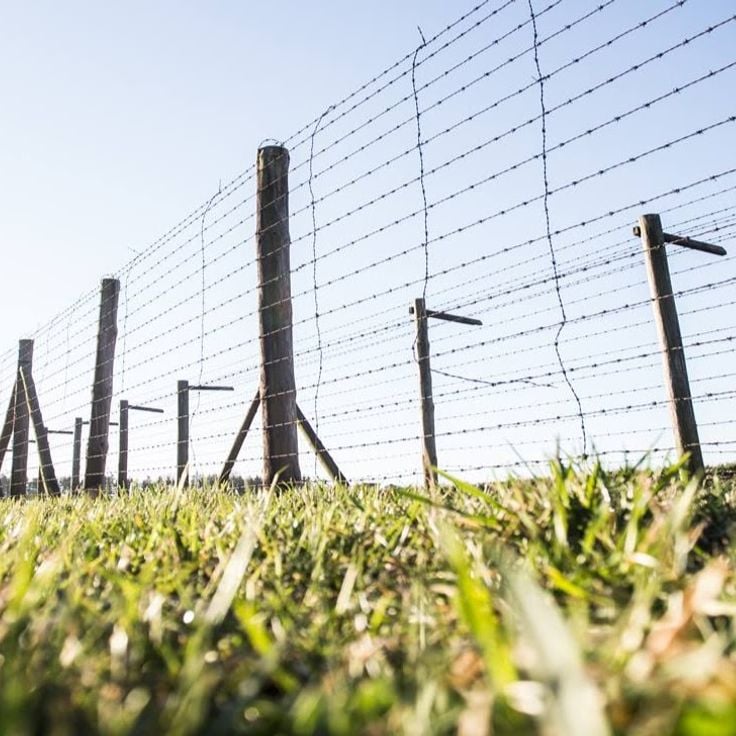
The Majdanek State Museum in Lublin is a memorial and museum at the site of a former concentration camp. This place preserves the memory of crimes committed during Nazi occupation in World War II. Visitors can learn through exhibitions about the history and fates of those imprisoned here. The museum documents a dark chapter of European history and serves as a reminder for future generations.
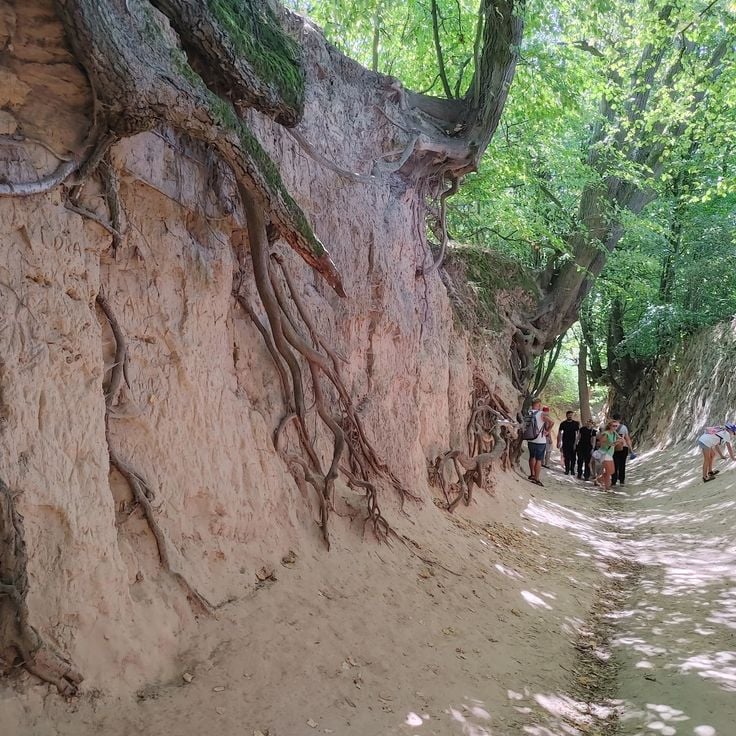
The loess gorges around Kazimierz Dolny formed through erosion over centuries, creating steep earth banks and cliff faces. These geological formations shape the landscape around the historic town on the Vistula River and draw hikers who explore the sharp slopes and natural pathways. The gorges reveal the earth's history in this region and stand as raw, unrefined natural features within the fertile plains of southeastern Poland.
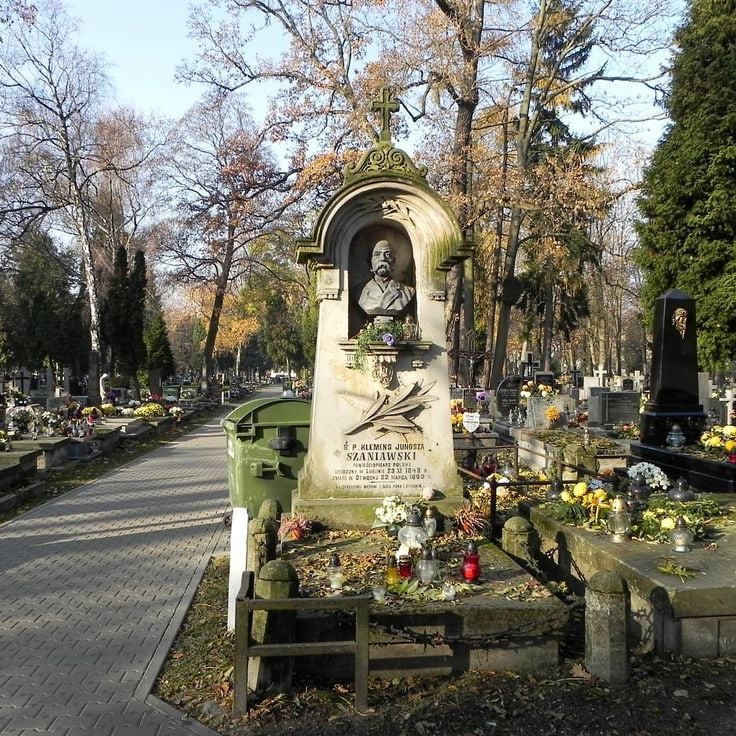
The Lipowa Street Cemetery in Lublin is a place that reflects the religious diversity of the city's history. Here rest people of different faiths who lived together over centuries. The cemetery shows the story of a city where Christians, Jews, and other communities existed side by side. Today it stands as a quiet place that remembers this past and carries the traces of different cultures.
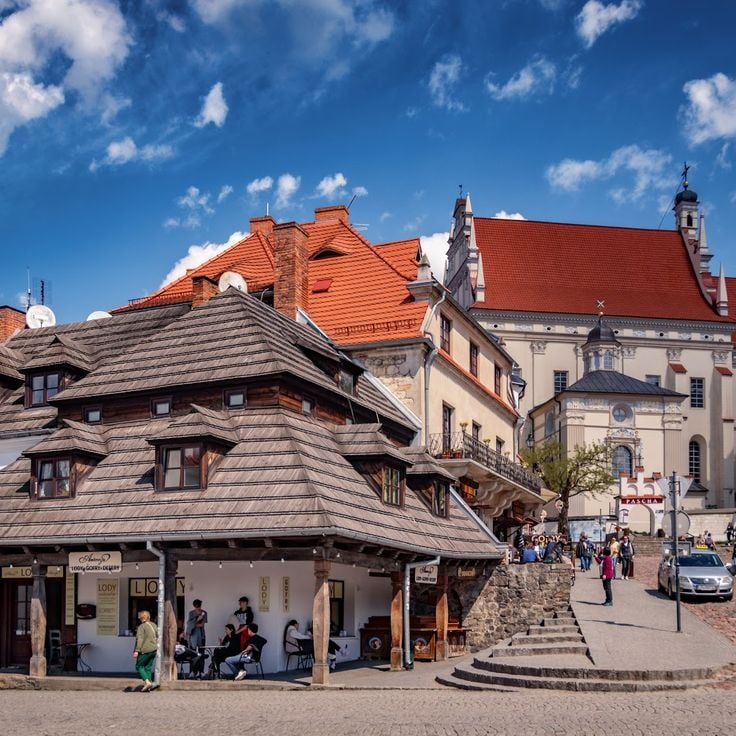
The old town of Kazimierz Dolny sits along the Vistula River and shows Renaissance architecture from centuries past. Narrow streets slope down toward the water, and castle ruins stand on a high point above the town. The buildings have colorful facades and decorative details that draw visitors and artists. Walking through the streets, you see how the town was built to fit the steep hillside.
The old town of Zamosc is a Renaissance city built in the 16th century with a rectangular layout and a central market square surrounded by arcaded buildings. The townscape reflects careful urban planning with merchant houses showing typical Renaissance architectural features. Fortification walls encircle the city and portions remain visible today. The city was inscribed on the UNESCO World Heritage List in 1992. Visitors can walk through the streets and experience the preserved historical structure that defined this era of urban design.
The Krakow Gate is a Gothic monument from the 14th century marking the historical entrance to Lublin's Old Town. This structure stands in the Lublin region in southeastern Poland, where medieval and Renaissance monuments tell the story of the past. The gate connects centuries of history and shows the importance this city held through different periods. Visitors can examine the architecture here and understand the role this gate played in protecting the city.
The tower of Kazimierz Dolny rises above the medieval town and offers views over the Vistula River and surrounding hills. Built in medieval times, it stands on a height that shows how the town was positioned along this important river. From the top, you can see the Renaissance houses clustered in the streets below and the green banks of the Vistula as it winds through the landscape.
The Hill of Three Crosses sits above Kazimierz Dolny and offers sweeping views across the town, the Vistula river, and the surrounding landscape. Three crosses mark this elevated spot, which has held meaning for pilgrims and visitors for centuries. From this vantage point, you can see the river valley and the historic old town below. The place draws people seeking to understand the natural surroundings and history of this region.
Zwierzyniec is a small village at the edge of the Roztocze National Park in the Lublin region. Colorful houses characterize this settlement, which serves as a gateway to one of the region's most important nature reserves. From here, visitors can easily reach the forests, rivers, and hiking trails of the park. The village itself retains the character of a traditional rural settlement, where nature begins just beyond the village streets.
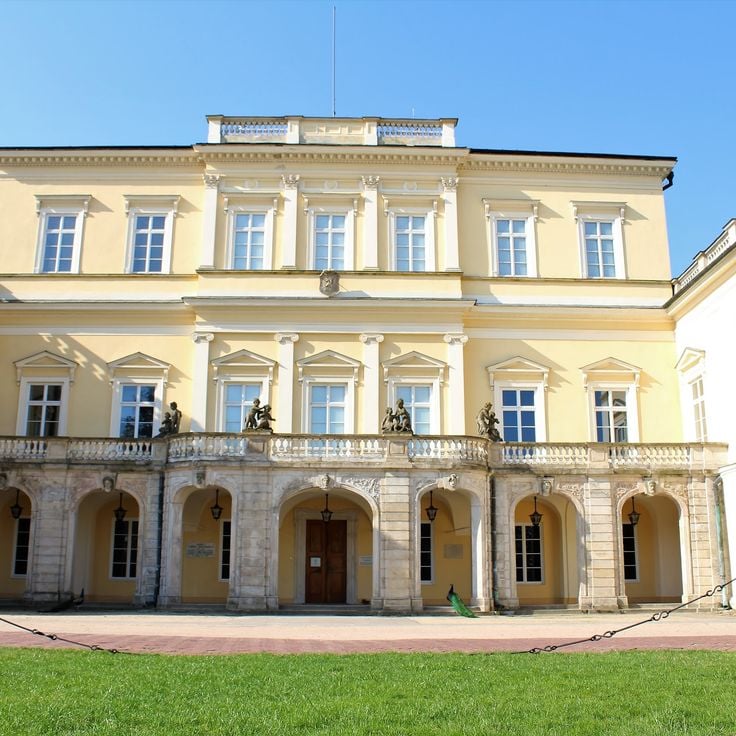
The Czartoryski Palace in Pulawy was the residence of a noble family and combines architecture with extensive art collections. The site includes the palace itself, botanical gardens, and park grounds that show how Polish nobility lived and collected art. The location documents the cultural role this family played in the Lublin region and their connections to intellectual circles across Europe. Today visitors can walk through rooms housing historical artworks and explore gardens that reflect the owners' artistic interests.
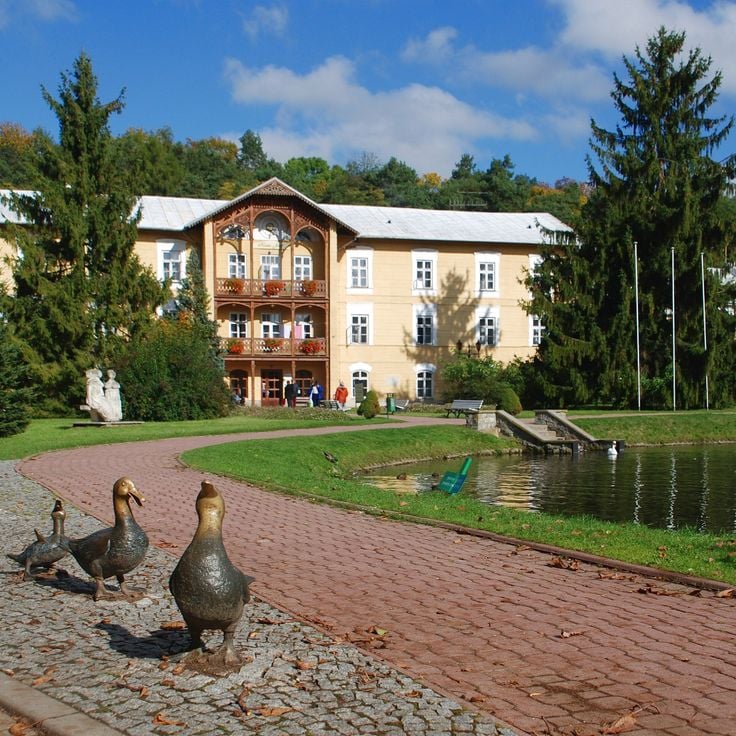
Naleczow is a spa town in southeastern Poland, recognized for its mineral springs and extensive parks. The town developed in the 19th century as a bathing resort where visitors sought the healing waters. Today, villa architecture, maintained green spaces, and the thermal bath define the character of the place. The surrounding area offers walks through shaded paths and chances to explore the quiet landscape of the Lublin region.
Czartowe Pole Reserve sits in the Roztocze region with a forested valley dotted with historical ruins and hiking trails. Visitors walk through woodlands and encounter remnants of the past along the way. This area is part of Roztocze National Park, fitting into the broader exploration of the Lublin region where travelers find both natural landscapes and medieval towns with historic monuments.
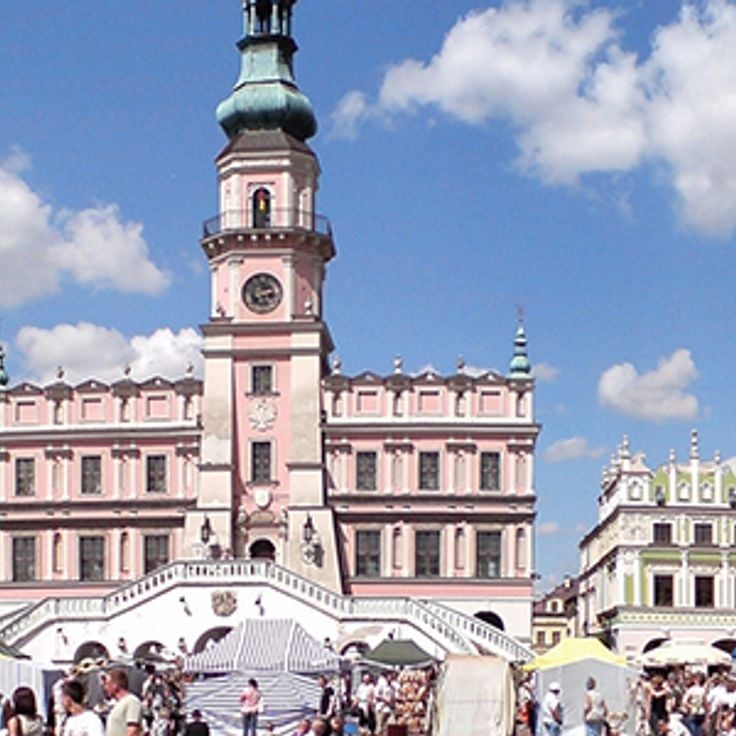
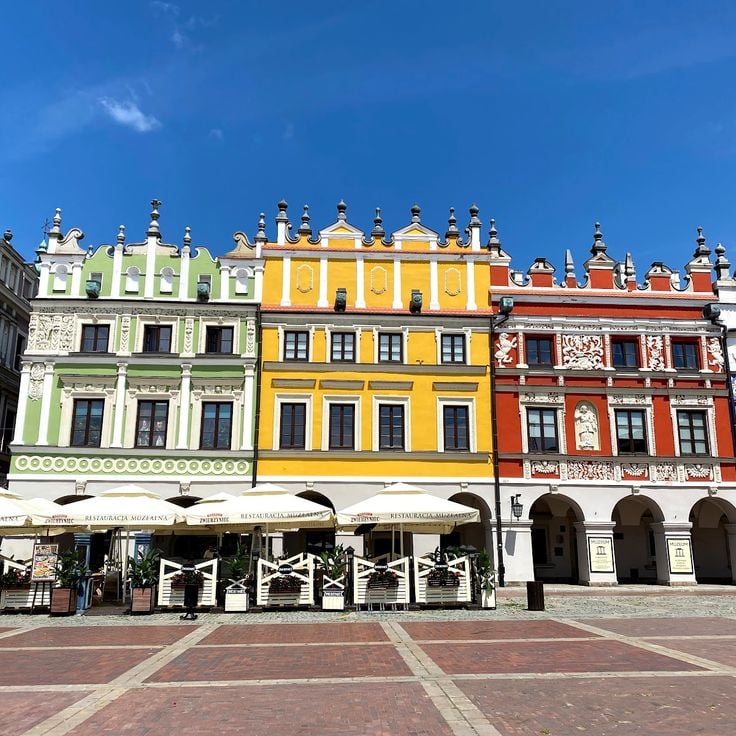
The Grand Market Square of Zamosc is the heart of this Renaissance city, surrounded by elegant townhouses and covered arcades. Built in the 16th century according to a precise plan, the square showcases the harmonious architecture that defines the entire city. Here locals and visitors watch daily life unfold in a space that has served as the commercial and social center for centuries. The buildings facing the square display fine details created by wealthy merchants and craftspeople who made Zamosc an important trading hub. Today the square remains a living space where history and everyday activity meet.
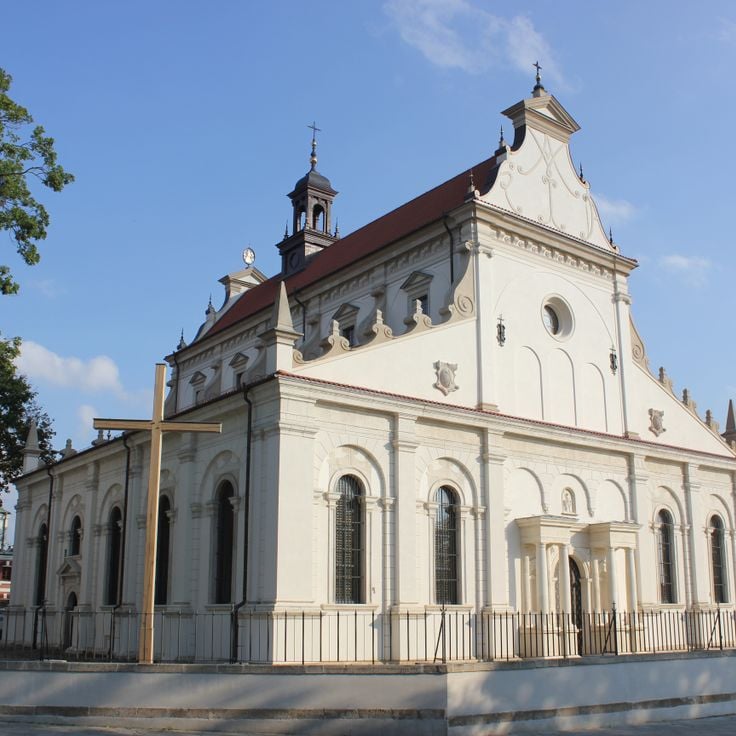
The Cathedral of Zamosc sits at the heart of the old town and blends Renaissance architecture with Baroque interior decoration. Its exterior displays the clean lines of 16th-century design, while inside, Baroque elements create a sense of warmth and ornament. The cathedral anchors the townscape of Zamosc, itself a UNESCO World Heritage site known for its central market square surrounded by arcades and its surviving fortifications.
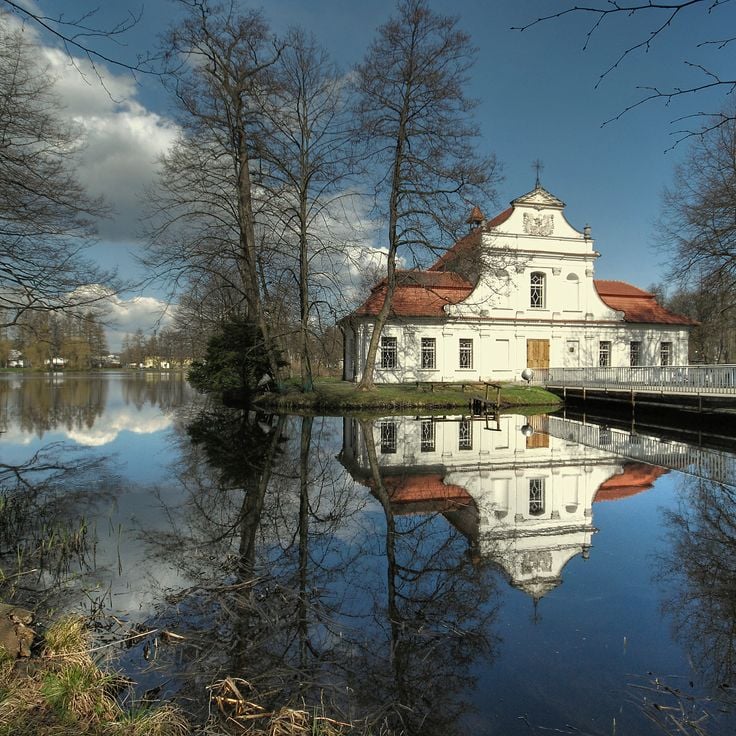
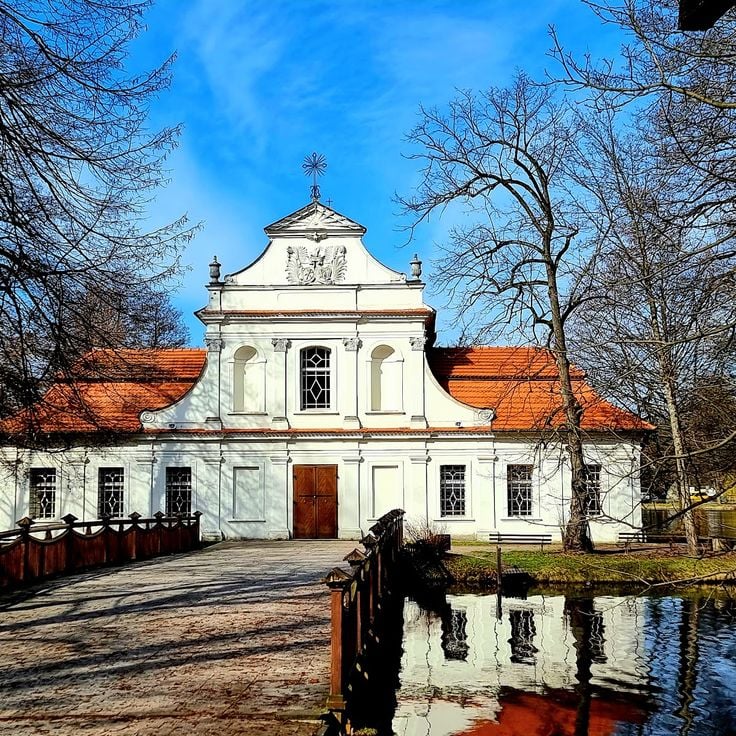
The Church of Saint John Nepomucene on the Water in Zwierzyniec is a remarkable structure built on wooden pilings directly at the river's edge. This house of worship displays an unusual architectural style that sets it apart from typical churches in the region. The location on the water makes this place a special testament to local building craft and history. The building shows how builders adapted to their natural surroundings and created something different from conventional design.
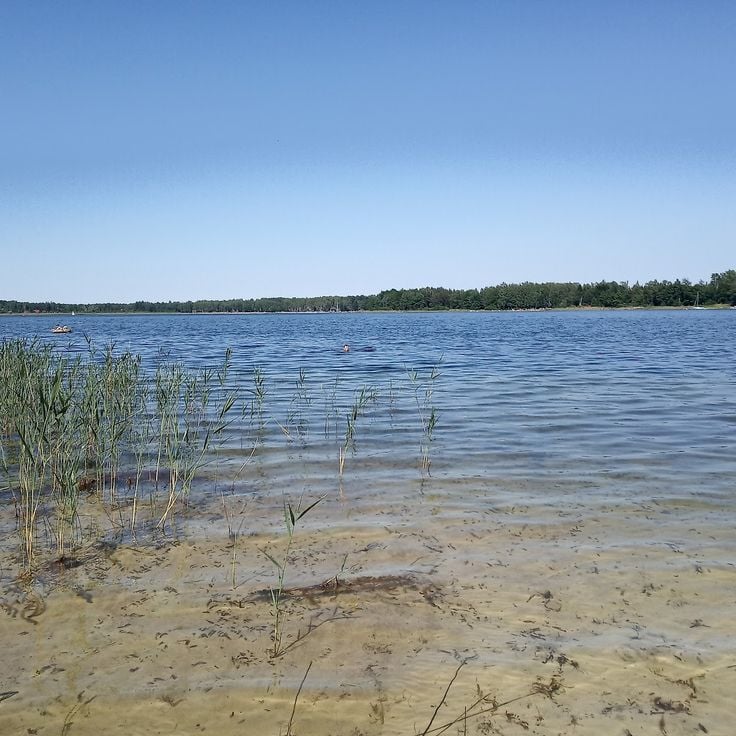
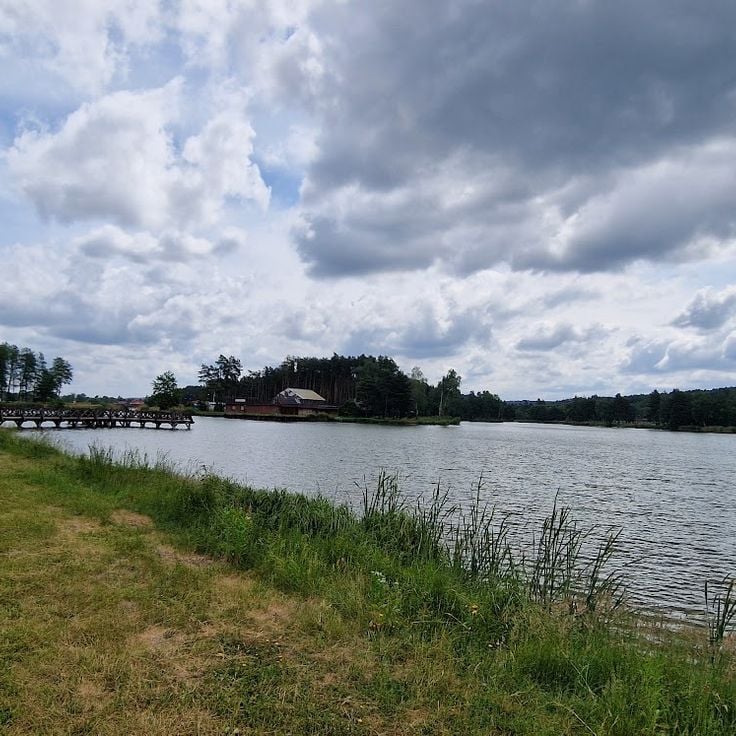
Lake Piaseczno near Łeczna is a body of water surrounded by forests and natural landscape. This lake offers swimming and relaxation in a quiet setting. It lies in the Lublin region of southeastern Poland, where historical cities, castles, and museums stand alongside natural spaces. Visitors can swim here and enjoy the scenery while staying close to cultural sites like Lublin's Old Town or Kazimierz Dolny.
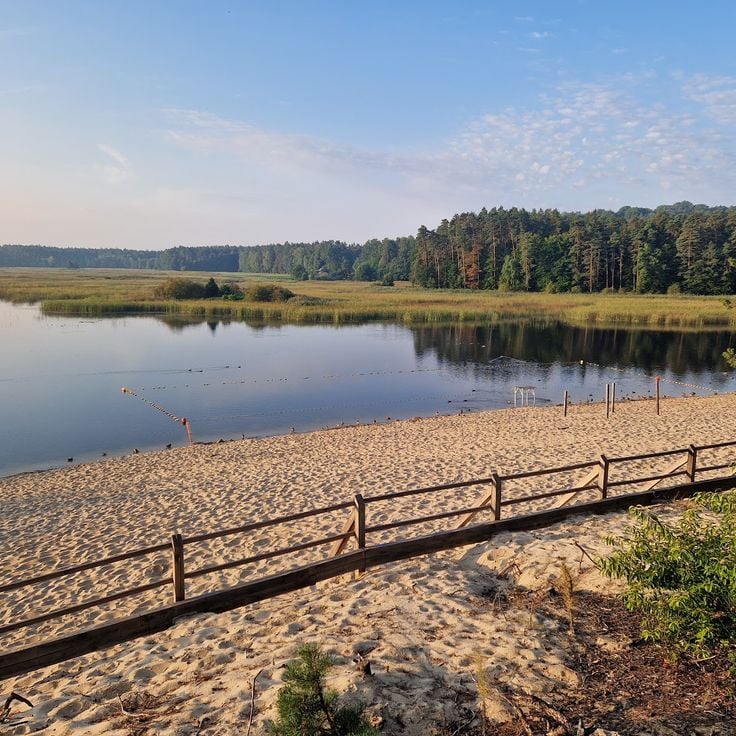
Stawy Echo are small lakes and natural beaches located in the Roztocze region southeast of Lublin. These bodies of water sit surrounded by forest and provide a place for swimming, relaxing, and watching local wildlife. The shores are easy to reach and draw visitors who want to take a break from exploring the region's historical sites and monuments.
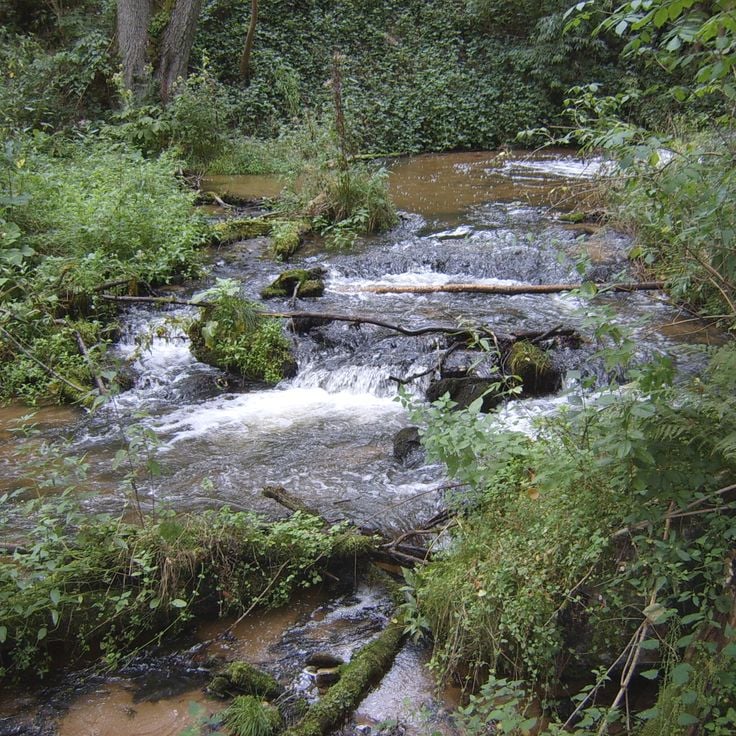
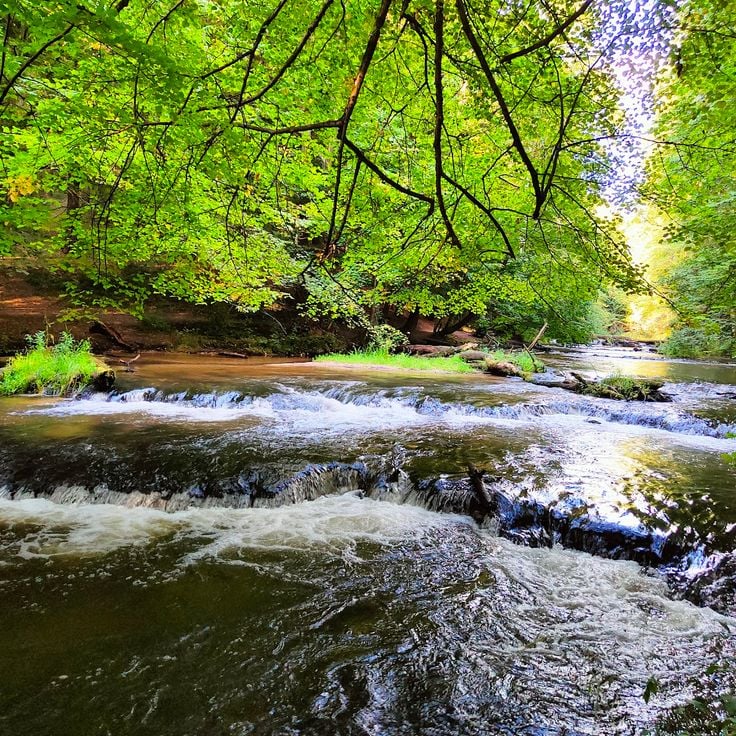
The Szumy nad Tanwia reserve near Susiec features small waterfalls cascading through a forested valley. Wooden walkways allow visitors to move through the gorge while staying close to the water and rocks. This site sits within a wider region of forests and rivers where walking paths lead through landscapes shaped by flowing water.
Tomaszow Lubelski serves as a base for exploring the Roztocze region, offering various facilities for sports and nature activities. The town is located in an area characterized by forests and river landscapes, providing numerous opportunities for walkers and outdoor enthusiasts. From here, visitors can explore the natural parks, take kayaking trips on the rivers, and visit rural villages in the surrounding area.
Krasnobrod is a nature station in the Lublin region with lakes, forests and hiking trails. The site offers visitors a chance to explore the natural landscapes on foot. Lakes and forests shape this location, which is suited for walks and nature discovery in the Polish countryside.
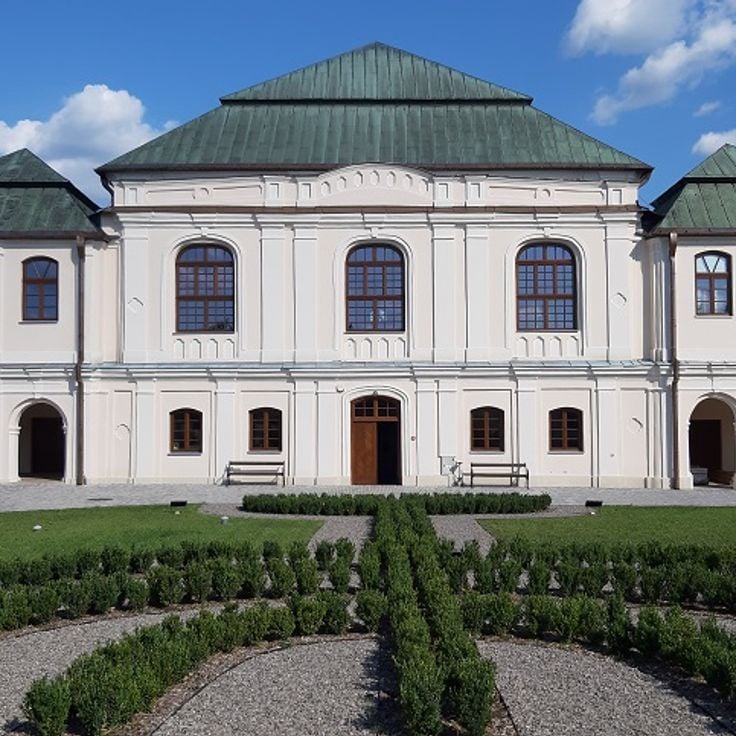
The Three Cultures Complex in Wlodawa displays the religious diversity of this city. At this site, churches, chapels and synagogues stand side by side, telling the story of centuries of coexistence. The complex is located in the Lublin region, where history comes alive at every corner. Visitors can see here how different communities lived together in this area before the war changed everything.
The chalk quarries of Chelm are underground passages carved into chalk deposits over many centuries. These caverns lie beneath the city and form a network that visitors can explore today. The tunnels show how people long ago used natural resources and created spaces beneath the earth. Walk through these ancient passages and discover the history of the city hidden beneath your feet.
The Podlasie Bug Landscape Park protects the Bug River valley with river landscapes and traditional villages. This park is part of the historic Lublin region with its medieval towns, castles, and museums. The Bug floodplains offer forest walks, opportunities to kayak on navigable rivers, and villages where daily life moves at a slower pace.
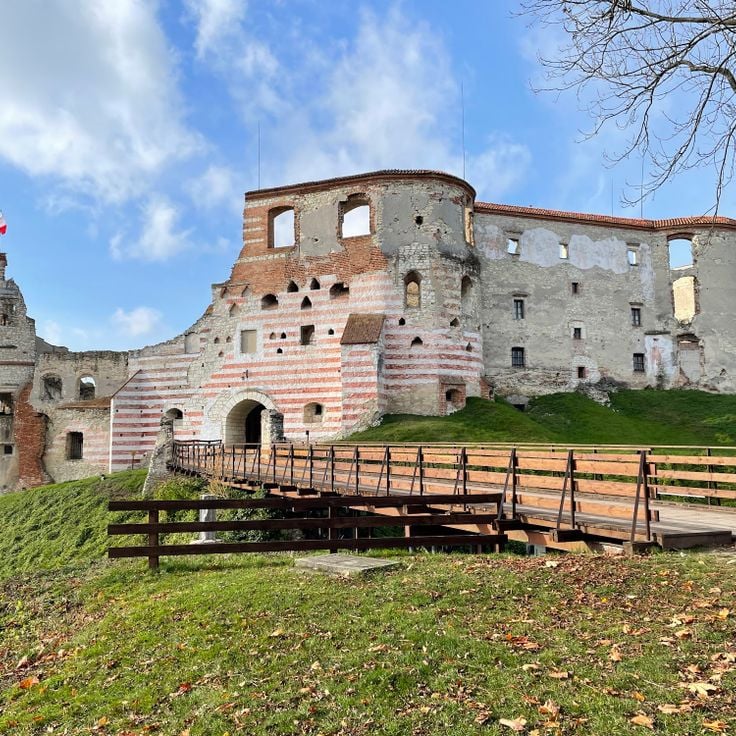
Janowiec Castle in the Lublin region consists of the ruins of a medieval fortress that overlooks the Vistula River. The site contains a museum that tells the story of the structure and the surrounding region. From the walls, you can see across the river valley and the countryside beyond. The castle was once an important defensive position in this area.
Włodawa sits on the border between Poland and Belarus with a history shaped by many cultures and communities. The city displays architecture from different periods and religions, including a synagogue and an Orthodox church that reflect its diverse past. The Bug River runs through the area and shapes the landscape. During the Second World War, Włodawa suffered greatly. Visitors can explore the traces of this complex history through the buildings and sites that remain.
Chelm is a city in southeastern Poland with a complex history reflected in its diverse architecture. The buildings and streets reveal different periods of the past. Visitors can explore the regional character of this Polish city away from major tourist routes. Chelm fits into a journey through the Lublin region, where history appears at many stops along the way.
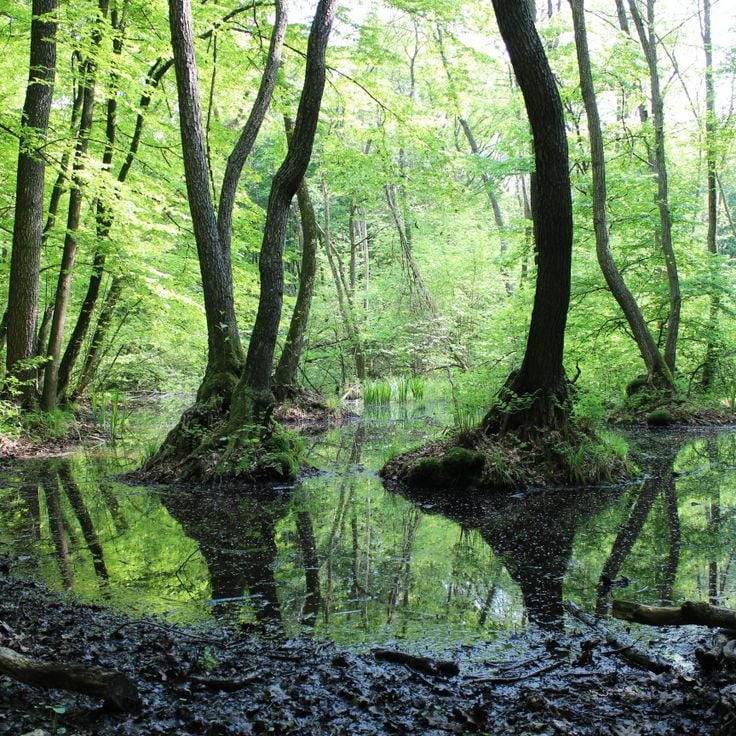
Polésie National Park lies in the Lublin region of southeastern Poland and protects one of Europe's last large peat bog areas. The park combines marshes, wetlands, and lakes that provide habitat for rare plants and animals. Visitors can walk on marked paths through the open landscape, bird watchers encounter numerous species, and in summer people can paddle by canoe on the rivers. The area feels timeless, with villages where life moves at a slower pace.
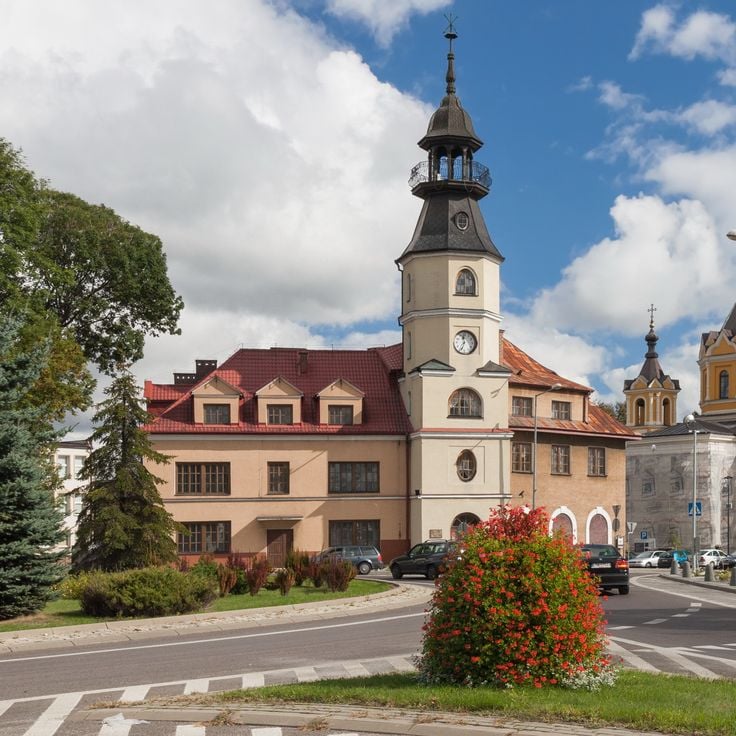
Leczna is a small town in the Lublin region that draws visitors with its historic architecture and nearby lakes. The town preserves traces of different periods in its buildings and offers access to natural waters that invite relaxation and exploration.
The Old Town of Lublin is the historical center of the region and brings together cobblestone streets, Renaissance buildings, and a main square at its heart. Here stand Lublin Castle with its fortifications, ancient city gates, and a network of underground cellars open to visitors. The Old Town displays medieval and Renaissance architecture from Poland and forms the core of a region that also holds war memorials and natural landscapes.
The Grodzka Gate in Lublin is a medieval fortified gate that now serves as a cultural center and memorial space. It combines history with contemporary culture through theater performances, exhibitions, and events that engage with the region's past. The gate itself is part of Lublin's historic fortifications and marks an important entrance to the old town.
Lublin Castle is a medieval fortress that rises above the city and offers views across Lublin and the surrounding landscape. Inside, it functions as a museum dedicated to the region's history, with displays that trace Lublin's development from medieval times to the present day. The castle stands at the heart of the region's historical identity and connects architecture with stories of the past in this part of southeastern Poland.
The Lublin Castle keep is a medieval tower that rises above the city. From its top, visitors look down across the rooftops and streets of Lublin. The tower stands in a region filled with history - medieval buildings mix with Renaissance structures and traces of the past. Around Lublin are old city gates, underground caves to explore, and nearby sites that mark difficult times. The keep itself shows how medieval fortifications once shaped this area in southeastern Poland.
The underground route of Lublin consists of passages and tunnels beneath the old town, dating back to the Middle Ages. These spaces were part of daily medieval life and served various purposes for the city's residents. Today, visitors can explore these underground rooms and discover how life unfolded below street level. The tunnels reveal how the city was organized beneath the surface and what role these spaces played in the lives of earlier inhabitants.
The ruins of Kazimierz Dolny castle sit on a hill overlooking the Vistula valley. From this vantage point, you can see across the town and watch the river wind through the landscape below. The castle dates to the Middle Ages and remains a defining feature of this town. Walking among the remains gives a sense of the fortifications that once protected this region.
The Majdanek State Museum in Lublin is a memorial and museum at the site of a former concentration camp. This place preserves the memory of crimes committed during Nazi occupation in World War II. Visitors can learn through exhibitions about the history and fates of those imprisoned here. The museum documents a dark chapter of European history and serves as a reminder for future generations.
The loess gorges around Kazimierz Dolny formed through erosion over centuries, creating steep earth banks and cliff faces. These geological formations shape the landscape around the historic town on the Vistula River and draw hikers who explore the sharp slopes and natural pathways. The gorges reveal the earth's history in this region and stand as raw, unrefined natural features within the fertile plains of southeastern Poland.
The Lipowa Street Cemetery in Lublin is a place that reflects the religious diversity of the city's history. Here rest people of different faiths who lived together over centuries. The cemetery shows the story of a city where Christians, Jews, and other communities existed side by side. Today it stands as a quiet place that remembers this past and carries the traces of different cultures.
The old town of Kazimierz Dolny sits along the Vistula River and shows Renaissance architecture from centuries past. Narrow streets slope down toward the water, and castle ruins stand on a high point above the town. The buildings have colorful facades and decorative details that draw visitors and artists. Walking through the streets, you see how the town was built to fit the steep hillside.
The old town of Zamosc is a Renaissance city built in the 16th century with a rectangular layout and a central market square surrounded by arcaded buildings. The townscape reflects careful urban planning with merchant houses showing typical Renaissance architectural features. Fortification walls encircle the city and portions remain visible today. The city was inscribed on the UNESCO World Heritage List in 1992. Visitors can walk through the streets and experience the preserved historical structure that defined this era of urban design.
The Krakow Gate is a Gothic monument from the 14th century marking the historical entrance to Lublin's Old Town. This structure stands in the Lublin region in southeastern Poland, where medieval and Renaissance monuments tell the story of the past. The gate connects centuries of history and shows the importance this city held through different periods. Visitors can examine the architecture here and understand the role this gate played in protecting the city.
The tower of Kazimierz Dolny rises above the medieval town and offers views over the Vistula River and surrounding hills. Built in medieval times, it stands on a height that shows how the town was positioned along this important river. From the top, you can see the Renaissance houses clustered in the streets below and the green banks of the Vistula as it winds through the landscape.
The Hill of Three Crosses sits above Kazimierz Dolny and offers sweeping views across the town, the Vistula river, and the surrounding landscape. Three crosses mark this elevated spot, which has held meaning for pilgrims and visitors for centuries. From this vantage point, you can see the river valley and the historic old town below. The place draws people seeking to understand the natural surroundings and history of this region.
Zwierzyniec is a small village at the edge of the Roztocze National Park in the Lublin region. Colorful houses characterize this settlement, which serves as a gateway to one of the region's most important nature reserves. From here, visitors can easily reach the forests, rivers, and hiking trails of the park. The village itself retains the character of a traditional rural settlement, where nature begins just beyond the village streets.
The Czartoryski Palace in Pulawy was the residence of a noble family and combines architecture with extensive art collections. The site includes the palace itself, botanical gardens, and park grounds that show how Polish nobility lived and collected art. The location documents the cultural role this family played in the Lublin region and their connections to intellectual circles across Europe. Today visitors can walk through rooms housing historical artworks and explore gardens that reflect the owners' artistic interests.
Naleczow is a spa town in southeastern Poland, recognized for its mineral springs and extensive parks. The town developed in the 19th century as a bathing resort where visitors sought the healing waters. Today, villa architecture, maintained green spaces, and the thermal bath define the character of the place. The surrounding area offers walks through shaded paths and chances to explore the quiet landscape of the Lublin region.
Czartowe Pole Reserve sits in the Roztocze region with a forested valley dotted with historical ruins and hiking trails. Visitors walk through woodlands and encounter remnants of the past along the way. This area is part of Roztocze National Park, fitting into the broader exploration of the Lublin region where travelers find both natural landscapes and medieval towns with historic monuments.
The Grand Market Square of Zamosc is the heart of this Renaissance city, surrounded by elegant townhouses and covered arcades. Built in the 16th century according to a precise plan, the square showcases the harmonious architecture that defines the entire city. Here locals and visitors watch daily life unfold in a space that has served as the commercial and social center for centuries. The buildings facing the square display fine details created by wealthy merchants and craftspeople who made Zamosc an important trading hub. Today the square remains a living space where history and everyday activity meet.
The Cathedral of Zamosc sits at the heart of the old town and blends Renaissance architecture with Baroque interior decoration. Its exterior displays the clean lines of 16th-century design, while inside, Baroque elements create a sense of warmth and ornament. The cathedral anchors the townscape of Zamosc, itself a UNESCO World Heritage site known for its central market square surrounded by arcades and its surviving fortifications.
The Church of Saint John Nepomucene on the Water in Zwierzyniec is a remarkable structure built on wooden pilings directly at the river's edge. This house of worship displays an unusual architectural style that sets it apart from typical churches in the region. The location on the water makes this place a special testament to local building craft and history. The building shows how builders adapted to their natural surroundings and created something different from conventional design.
Lake Piaseczno near Łeczna is a body of water surrounded by forests and natural landscape. This lake offers swimming and relaxation in a quiet setting. It lies in the Lublin region of southeastern Poland, where historical cities, castles, and museums stand alongside natural spaces. Visitors can swim here and enjoy the scenery while staying close to cultural sites like Lublin's Old Town or Kazimierz Dolny.
Stawy Echo are small lakes and natural beaches located in the Roztocze region southeast of Lublin. These bodies of water sit surrounded by forest and provide a place for swimming, relaxing, and watching local wildlife. The shores are easy to reach and draw visitors who want to take a break from exploring the region's historical sites and monuments.
The Szumy nad Tanwia reserve near Susiec features small waterfalls cascading through a forested valley. Wooden walkways allow visitors to move through the gorge while staying close to the water and rocks. This site sits within a wider region of forests and rivers where walking paths lead through landscapes shaped by flowing water.
Tomaszow Lubelski serves as a base for exploring the Roztocze region, offering various facilities for sports and nature activities. The town is located in an area characterized by forests and river landscapes, providing numerous opportunities for walkers and outdoor enthusiasts. From here, visitors can explore the natural parks, take kayaking trips on the rivers, and visit rural villages in the surrounding area.
Krasnobrod is a nature station in the Lublin region with lakes, forests and hiking trails. The site offers visitors a chance to explore the natural landscapes on foot. Lakes and forests shape this location, which is suited for walks and nature discovery in the Polish countryside.
The Three Cultures Complex in Wlodawa displays the religious diversity of this city. At this site, churches, chapels and synagogues stand side by side, telling the story of centuries of coexistence. The complex is located in the Lublin region, where history comes alive at every corner. Visitors can see here how different communities lived together in this area before the war changed everything.
The chalk quarries of Chelm are underground passages carved into chalk deposits over many centuries. These caverns lie beneath the city and form a network that visitors can explore today. The tunnels show how people long ago used natural resources and created spaces beneath the earth. Walk through these ancient passages and discover the history of the city hidden beneath your feet.
The Podlasie Bug Landscape Park protects the Bug River valley with river landscapes and traditional villages. This park is part of the historic Lublin region with its medieval towns, castles, and museums. The Bug floodplains offer forest walks, opportunities to kayak on navigable rivers, and villages where daily life moves at a slower pace.
Janowiec Castle in the Lublin region consists of the ruins of a medieval fortress that overlooks the Vistula River. The site contains a museum that tells the story of the structure and the surrounding region. From the walls, you can see across the river valley and the countryside beyond. The castle was once an important defensive position in this area.
Włodawa sits on the border between Poland and Belarus with a history shaped by many cultures and communities. The city displays architecture from different periods and religions, including a synagogue and an Orthodox church that reflect its diverse past. The Bug River runs through the area and shapes the landscape. During the Second World War, Włodawa suffered greatly. Visitors can explore the traces of this complex history through the buildings and sites that remain.
Chelm is a city in southeastern Poland with a complex history reflected in its diverse architecture. The buildings and streets reveal different periods of the past. Visitors can explore the regional character of this Polish city away from major tourist routes. Chelm fits into a journey through the Lublin region, where history appears at many stops along the way.
Polésie National Park lies in the Lublin region of southeastern Poland and protects one of Europe's last large peat bog areas. The park combines marshes, wetlands, and lakes that provide habitat for rare plants and animals. Visitors can walk on marked paths through the open landscape, bird watchers encounter numerous species, and in summer people can paddle by canoe on the rivers. The area feels timeless, with villages where life moves at a slower pace.
Leczna is a small town in the Lublin region that draws visitors with its historic architecture and nearby lakes. The town preserves traces of different periods in its buildings and offers access to natural waters that invite relaxation and exploration.
The Old Town of Lublin is the historical center of the region and brings together cobblestone streets, Renaissance buildings, and a main square at its heart. Here stand Lublin Castle with its fortifications, ancient city gates, and a network of underground cellars open to visitors. The Old Town displays medieval and Renaissance architecture from Poland and forms the core of a region that also holds war memorials and natural landscapes.
The Grodzka Gate in Lublin is a medieval fortified gate that now serves as a cultural center and memorial space. It combines history with contemporary culture through theater performances, exhibitions, and events that engage with the region's past. The gate itself is part of Lublin's historic fortifications and marks an important entrance to the old town.
Lublin Castle is a medieval fortress that rises above the city and offers views across Lublin and the surrounding landscape. Inside, it functions as a museum dedicated to the region's history, with displays that trace Lublin's development from medieval times to the present day. The castle stands at the heart of the region's historical identity and connects architecture with stories of the past in this part of southeastern Poland.
The Lublin Castle keep is a medieval tower that rises above the city. From its top, visitors look down across the rooftops and streets of Lublin. The tower stands in a region filled with history - medieval buildings mix with Renaissance structures and traces of the past. Around Lublin are old city gates, underground caves to explore, and nearby sites that mark difficult times. The keep itself shows how medieval fortifications once shaped this area in southeastern Poland.
The underground route of Lublin consists of passages and tunnels beneath the old town, dating back to the Middle Ages. These spaces were part of daily medieval life and served various purposes for the city's residents. Today, visitors can explore these underground rooms and discover how life unfolded below street level. The tunnels reveal how the city was organized beneath the surface and what role these spaces played in the lives of earlier inhabitants.
The ruins of Kazimierz Dolny castle sit on a hill overlooking the Vistula valley. From this vantage point, you can see across the town and watch the river wind through the landscape below. The castle dates to the Middle Ages and remains a defining feature of this town. Walking among the remains gives a sense of the fortifications that once protected this region.
The Majdanek State Museum in Lublin is a memorial and museum at the site of a former concentration camp. This place preserves the memory of crimes committed during Nazi occupation in World War II. Visitors can learn through exhibitions about the history and fates of those imprisoned here. The museum documents a dark chapter of European history and serves as a reminder for future generations.
The loess gorges around Kazimierz Dolny formed through erosion over centuries, creating steep earth banks and cliff faces. These geological formations shape the landscape around the historic town on the Vistula River and draw hikers who explore the sharp slopes and natural pathways. The gorges reveal the earth's history in this region and stand as raw, unrefined natural features within the fertile plains of southeastern Poland.
The Lipowa Street Cemetery in Lublin is a place that reflects the religious diversity of the city's history. Here rest people of different faiths who lived together over centuries. The cemetery shows the story of a city where Christians, Jews, and other communities existed side by side. Today it stands as a quiet place that remembers this past and carries the traces of different cultures.
The old town of Kazimierz Dolny sits along the Vistula River and shows Renaissance architecture from centuries past. Narrow streets slope down toward the water, and castle ruins stand on a high point above the town. The buildings have colorful facades and decorative details that draw visitors and artists. Walking through the streets, you see how the town was built to fit the steep hillside.
The old town of Zamosc is a Renaissance city built in the 16th century with a rectangular layout and a central market square surrounded by arcaded buildings. The townscape reflects careful urban planning with merchant houses showing typical Renaissance architectural features. Fortification walls encircle the city and portions remain visible today. The city was inscribed on the UNESCO World Heritage List in 1992. Visitors can walk through the streets and experience the preserved historical structure that defined this era of urban design.
The Krakow Gate is a Gothic monument from the 14th century marking the historical entrance to Lublin's Old Town. This structure stands in the Lublin region in southeastern Poland, where medieval and Renaissance monuments tell the story of the past. The gate connects centuries of history and shows the importance this city held through different periods. Visitors can examine the architecture here and understand the role this gate played in protecting the city.
The tower of Kazimierz Dolny rises above the medieval town and offers views over the Vistula River and surrounding hills. Built in medieval times, it stands on a height that shows how the town was positioned along this important river. From the top, you can see the Renaissance houses clustered in the streets below and the green banks of the Vistula as it winds through the landscape.
The Hill of Three Crosses sits above Kazimierz Dolny and offers sweeping views across the town, the Vistula river, and the surrounding landscape. Three crosses mark this elevated spot, which has held meaning for pilgrims and visitors for centuries. From this vantage point, you can see the river valley and the historic old town below. The place draws people seeking to understand the natural surroundings and history of this region.
Zwierzyniec is a small village at the edge of the Roztocze National Park in the Lublin region. Colorful houses characterize this settlement, which serves as a gateway to one of the region's most important nature reserves. From here, visitors can easily reach the forests, rivers, and hiking trails of the park. The village itself retains the character of a traditional rural settlement, where nature begins just beyond the village streets.
The Czartoryski Palace in Pulawy was the residence of a noble family and combines architecture with extensive art collections. The site includes the palace itself, botanical gardens, and park grounds that show how Polish nobility lived and collected art. The location documents the cultural role this family played in the Lublin region and their connections to intellectual circles across Europe. Today visitors can walk through rooms housing historical artworks and explore gardens that reflect the owners' artistic interests.
Naleczow is a spa town in southeastern Poland, recognized for its mineral springs and extensive parks. The town developed in the 19th century as a bathing resort where visitors sought the healing waters. Today, villa architecture, maintained green spaces, and the thermal bath define the character of the place. The surrounding area offers walks through shaded paths and chances to explore the quiet landscape of the Lublin region.
Czartowe Pole Reserve sits in the Roztocze region with a forested valley dotted with historical ruins and hiking trails. Visitors walk through woodlands and encounter remnants of the past along the way. This area is part of Roztocze National Park, fitting into the broader exploration of the Lublin region where travelers find both natural landscapes and medieval towns with historic monuments.
The Grand Market Square of Zamosc is the heart of this Renaissance city, surrounded by elegant townhouses and covered arcades. Built in the 16th century according to a precise plan, the square showcases the harmonious architecture that defines the entire city. Here locals and visitors watch daily life unfold in a space that has served as the commercial and social center for centuries. The buildings facing the square display fine details created by wealthy merchants and craftspeople who made Zamosc an important trading hub. Today the square remains a living space where history and everyday activity meet.
The Cathedral of Zamosc sits at the heart of the old town and blends Renaissance architecture with Baroque interior decoration. Its exterior displays the clean lines of 16th-century design, while inside, Baroque elements create a sense of warmth and ornament. The cathedral anchors the townscape of Zamosc, itself a UNESCO World Heritage site known for its central market square surrounded by arcades and its surviving fortifications.
The Church of Saint John Nepomucene on the Water in Zwierzyniec is a remarkable structure built on wooden pilings directly at the river's edge. This house of worship displays an unusual architectural style that sets it apart from typical churches in the region. The location on the water makes this place a special testament to local building craft and history. The building shows how builders adapted to their natural surroundings and created something different from conventional design.
Lake Piaseczno near Łeczna is a body of water surrounded by forests and natural landscape. This lake offers swimming and relaxation in a quiet setting. It lies in the Lublin region of southeastern Poland, where historical cities, castles, and museums stand alongside natural spaces. Visitors can swim here and enjoy the scenery while staying close to cultural sites like Lublin's Old Town or Kazimierz Dolny.
Stawy Echo are small lakes and natural beaches located in the Roztocze region southeast of Lublin. These bodies of water sit surrounded by forest and provide a place for swimming, relaxing, and watching local wildlife. The shores are easy to reach and draw visitors who want to take a break from exploring the region's historical sites and monuments.
The Szumy nad Tanwia reserve near Susiec features small waterfalls cascading through a forested valley. Wooden walkways allow visitors to move through the gorge while staying close to the water and rocks. This site sits within a wider region of forests and rivers where walking paths lead through landscapes shaped by flowing water.
Tomaszow Lubelski serves as a base for exploring the Roztocze region, offering various facilities for sports and nature activities. The town is located in an area characterized by forests and river landscapes, providing numerous opportunities for walkers and outdoor enthusiasts. From here, visitors can explore the natural parks, take kayaking trips on the rivers, and visit rural villages in the surrounding area.
Krasnobrod is a nature station in the Lublin region with lakes, forests and hiking trails. The site offers visitors a chance to explore the natural landscapes on foot. Lakes and forests shape this location, which is suited for walks and nature discovery in the Polish countryside.
The Three Cultures Complex in Wlodawa displays the religious diversity of this city. At this site, churches, chapels and synagogues stand side by side, telling the story of centuries of coexistence. The complex is located in the Lublin region, where history comes alive at every corner. Visitors can see here how different communities lived together in this area before the war changed everything.
The chalk quarries of Chelm are underground passages carved into chalk deposits over many centuries. These caverns lie beneath the city and form a network that visitors can explore today. The tunnels show how people long ago used natural resources and created spaces beneath the earth. Walk through these ancient passages and discover the history of the city hidden beneath your feet.
The Podlasie Bug Landscape Park protects the Bug River valley with river landscapes and traditional villages. This park is part of the historic Lublin region with its medieval towns, castles, and museums. The Bug floodplains offer forest walks, opportunities to kayak on navigable rivers, and villages where daily life moves at a slower pace.
Janowiec Castle in the Lublin region consists of the ruins of a medieval fortress that overlooks the Vistula River. The site contains a museum that tells the story of the structure and the surrounding region. From the walls, you can see across the river valley and the countryside beyond. The castle was once an important defensive position in this area.
Włodawa sits on the border between Poland and Belarus with a history shaped by many cultures and communities. The city displays architecture from different periods and religions, including a synagogue and an Orthodox church that reflect its diverse past. The Bug River runs through the area and shapes the landscape. During the Second World War, Włodawa suffered greatly. Visitors can explore the traces of this complex history through the buildings and sites that remain.
Chelm is a city in southeastern Poland with a complex history reflected in its diverse architecture. The buildings and streets reveal different periods of the past. Visitors can explore the regional character of this Polish city away from major tourist routes. Chelm fits into a journey through the Lublin region, where history appears at many stops along the way.
Polésie National Park lies in the Lublin region of southeastern Poland and protects one of Europe's last large peat bog areas. The park combines marshes, wetlands, and lakes that provide habitat for rare plants and animals. Visitors can walk on marked paths through the open landscape, bird watchers encounter numerous species, and in summer people can paddle by canoe on the rivers. The area feels timeless, with villages where life moves at a slower pace.
Leczna is a small town in the Lublin region that draws visitors with its historic architecture and nearby lakes. The town preserves traces of different periods in its buildings and offers access to natural waters that invite relaxation and exploration.