Places to visit near Warsaw: castles, museums, parks and historical villages
Around Warsaw, you will find places that tell the story and culture of Poland. These spots are close to the city and can be visited in a day or during short trips. You will see houses where famous people lived, museums filled with interesting collections, forts from the 19th century, and villages where traditional Polish customs are still kept alive. Each place shows something different to see and explore.
Some sites highlight Polish art and design, like the Art Nouveau and Art Deco collections in local museums. Others take you back to rural life with recreated villages or gothic castles turned into museums. For those who enjoy nature, there are pine forests, wetlands, and walking trails that offer a break from the noise of the city.
Whether you are interested in history, art, local traditions, or the outdoors, you will find places that suit your interests. Every one of these sites is worth a visit and helps you learn more about Polish heritage and life in Masovia, the region where Warsaw is located.
Places to visit near Warsaw: castles, museums, parks and historical villages
Around Warsaw, you will find places that tell the story and culture of Poland. These spots are close to the city and can be visited in a day or during short trips. You will see houses where famous people lived, museums filled with interesting collections, forts from the 19th century, and villages where traditional Polish customs are still kept alive. Each place shows something different to see and explore.
Some sites highlight Polish art and design, like the Art Nouveau and Art Deco collections in local museums. Others take you back to rural life with recreated villages or gothic castles turned into museums. For those who enjoy nature, there are pine forests, wetlands, and walking trails that offer a break from the noise of the city.
Whether you are interested in history, art, local traditions, or the outdoors, you will find places that suit your interests. Every one of these sites is worth a visit and helps you learn more about Polish heritage and life in Masovia, the region where Warsaw is located.
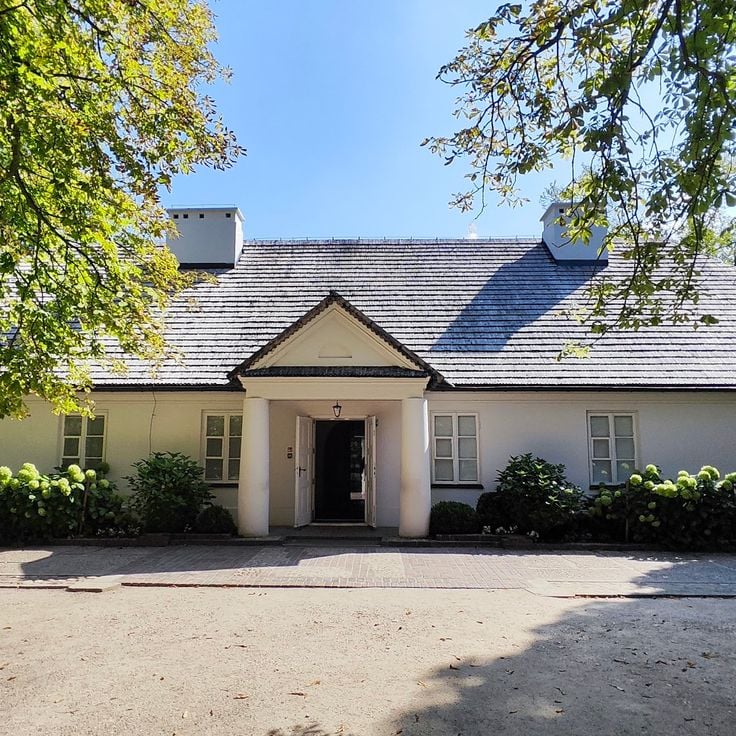
Chopin's birthplace in Zelazowa Wola is a music museum dedicated to the life and work of the famous composer. The house has been carefully restored and displays personal belongings, documents, and instruments from Chopin's era. A garden surrounds the property and offers a peaceful setting for visitors. Here you can learn about Chopin's childhood and see the rooms where he spent his early years. The museum regularly hosts concerts that keep the composer's musical legacy alive.
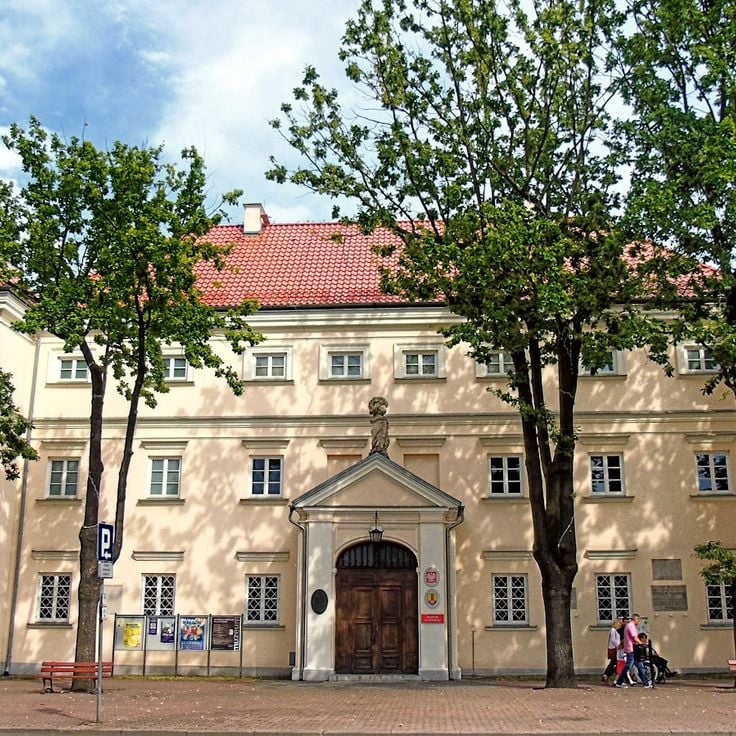
The Ethnographic Museum in Łowicz presents the living traditions of Polish folklore. Here you will find traditional costumes worn at local celebrations, along with objects from the everyday lives of craftspeople and farmers. The museum preserves the region's history through textiles, ceramics, and handcraft tools that show how people worked and lived in earlier times.
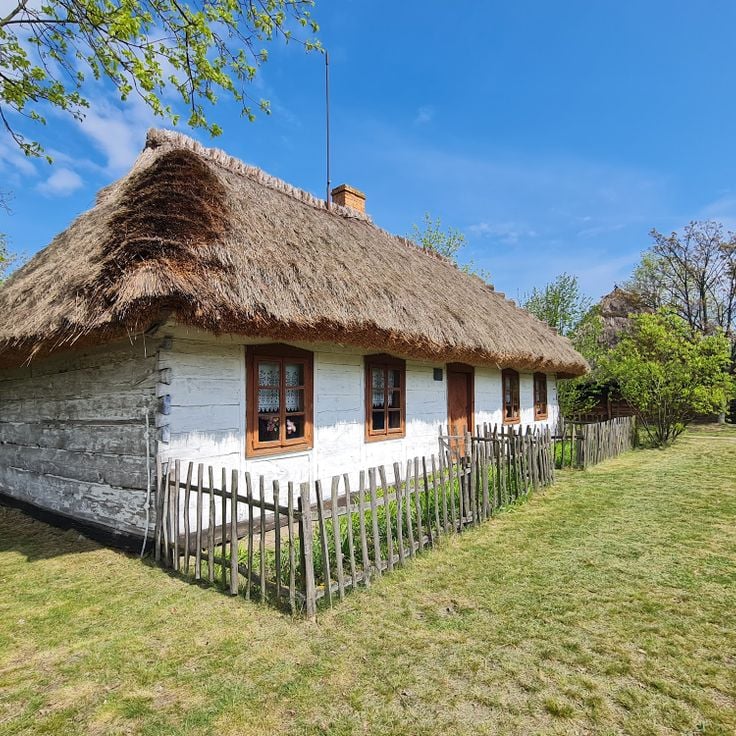
The open-air museum of Maurzyce near Łowicz displays traditional Polish architecture and rural life from the past. Old wooden houses show how people built their homes in this region. You can walk around and see how daily life worked on the countryside, from kitchens to farm buildings. The site helps you understand the way Poles lived before modern times changed everything.
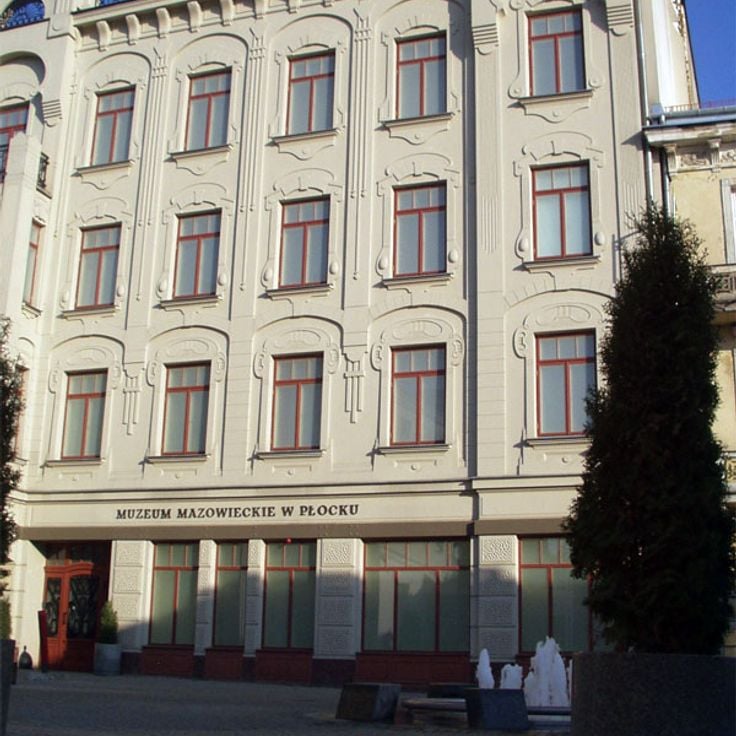
The Muzeum Mazowieckie in Płock displays one of Poland's finest collections of Art Nouveau and Art Deco works. Here you can see glass, ceramics, metals, jewelry, paintings, and sculptures from the Young Poland movement. The museum helps you understand Polish art and design from this period.
The historic center of Płock is the heart of the city overlooking the Vistula River. Here you will find a cathedral and a castle surrounded by well-preserved historical architecture. The buildings tell the story of this city's past and how people once lived here. Walk through the old streets to discover the different architectural styles that developed over the centuries.
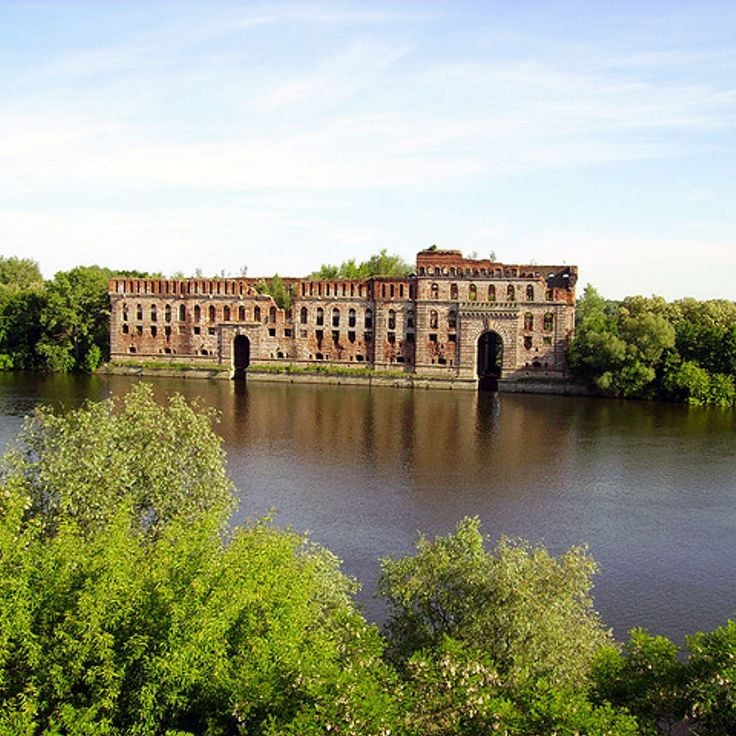
Modlin Fortress is one of the largest fortified structures in Europe and dates back to the 19th century. Built as a military installation, it shows impressive examples of the fortification architecture of that era. Visitors can explore the casemates, bastions, and underground passages. The site also contains museums that tell the story of the region's military history. The fortress sits about 25 miles northwest of Warsaw and is easy to reach. It offers insights into the engineering and strategies of the 19th century.
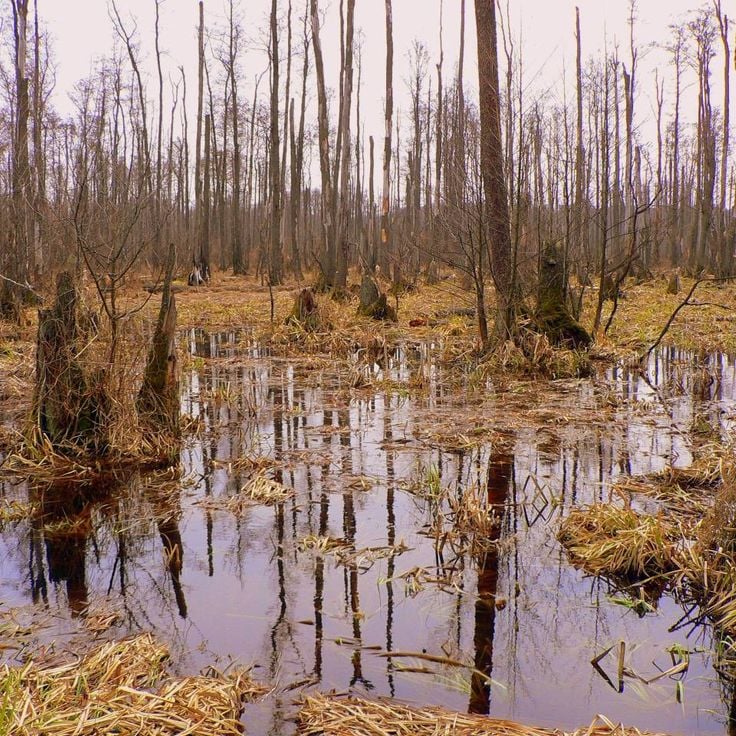
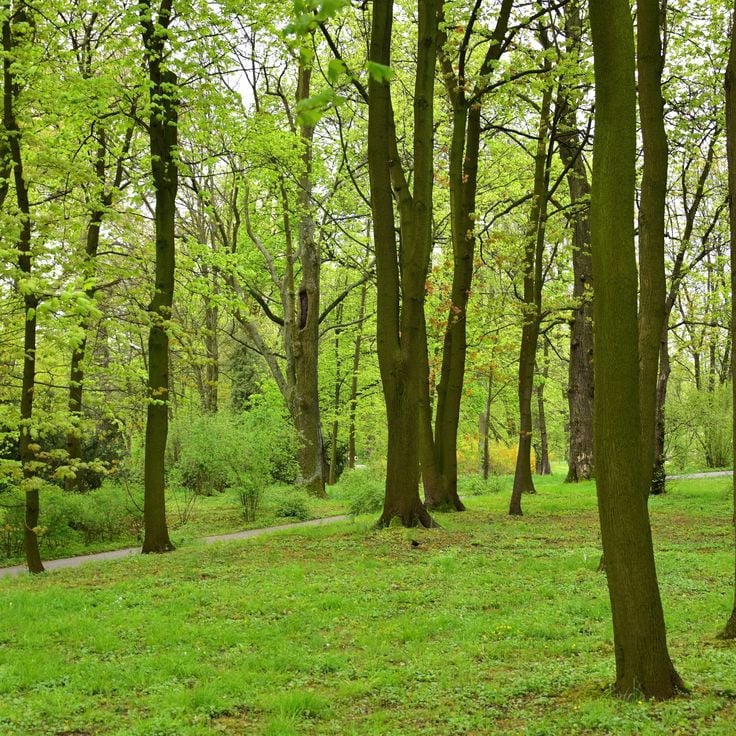
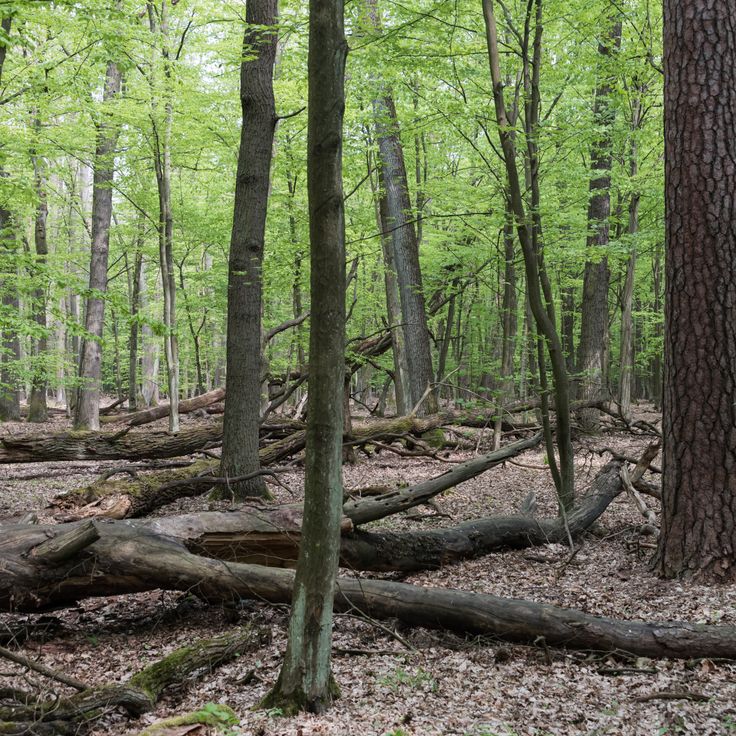
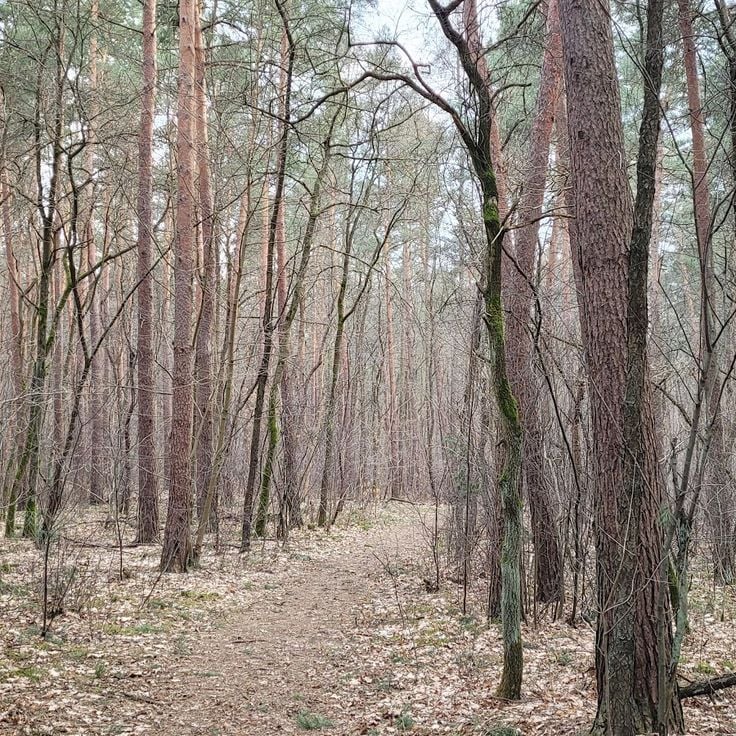
Kampinos National Park is a natural space filled with pine forests, wetlands, and diverse wildlife. Located near Warsaw, it offers walking trails for visitors seeking escape from urban noise. The park provides a chance to experience the nature of the Masovian region in its natural state, without traveling far from the capital.
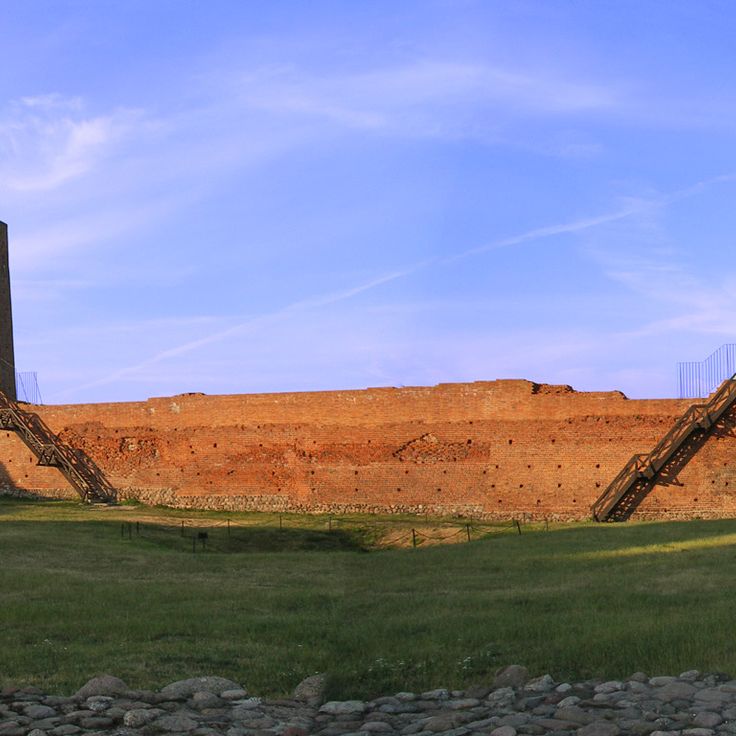
Czersk Castle is a Gothic fortress from the 15th century that once belonged to the Dukes of Masovia. After its reconstruction, the castle still displays the characteristic architecture of that era. During the summer months, medieval reenactments and historical events take place here, bringing the castle's past life to vivid reality. Visitors can walk through the rooms and experience the history of this important ducal residence.
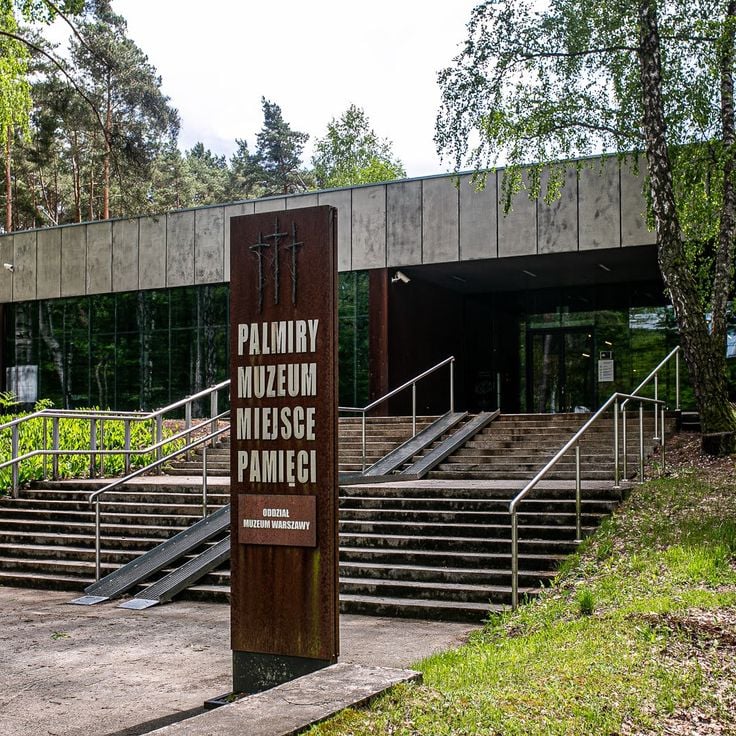
The Palmiry Museum documents the history of Kampinos National Park during World War II. Located near a cemetery where many war victims rest, this museum tells the story of how the forest became a place of resistance and suffering under occupation. Visitors learn about the people who lived and died here, gaining insight into this significant chapter of Polish history and its impact on the region.
Nieborów Castle is a Baroque complex with a palace and a romantic landscape park. The Arkadia park was created by Helena Radziwill and features pleasant walks past ponds and decorative structures. This location near Warsaw shows the history of Polish noble families and their appreciation for European architecture. The park invites exploration and gives a sense of how Polish nobility lived in the 18th century.
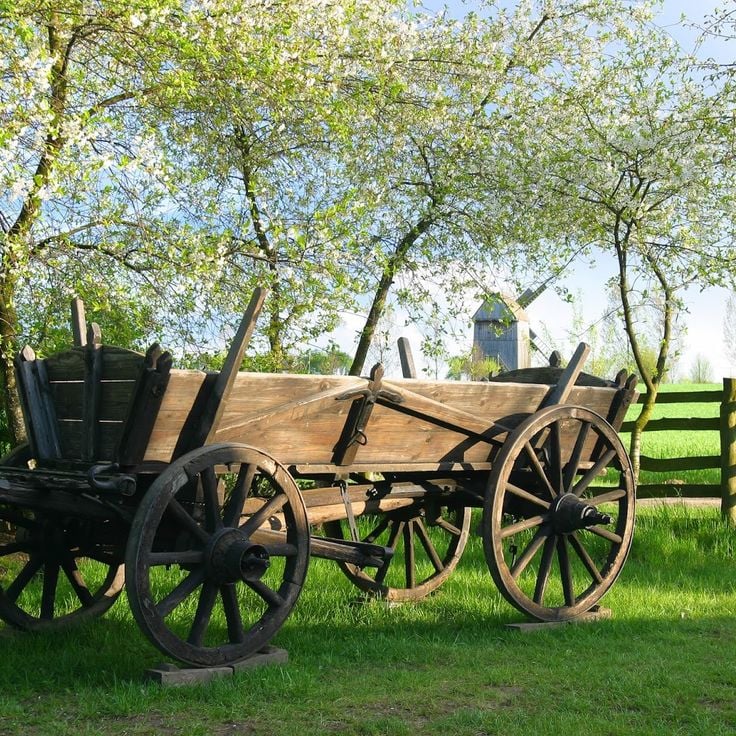
The Sierpc Open-Air Museum is a recreated 19th century village with over 80 buildings and structures. Here you can see traditional windmills, wooden houses, wooden churches, tools, and farm animals that show rural life in Masovia. The museum lets you step back in time and understand how people in this region once lived.
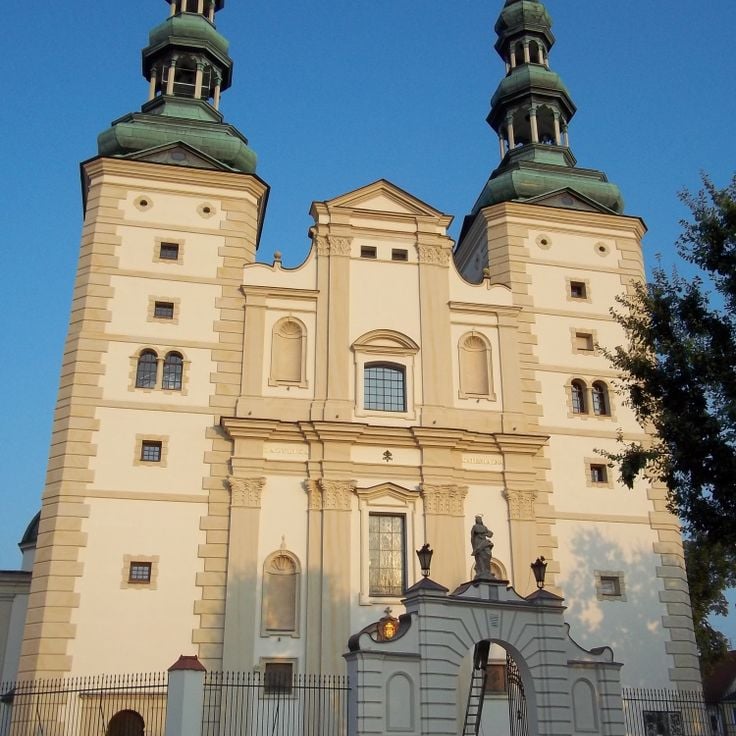
The Cathedral of the Assumption and Saint Nicholas in Łowicz is a major religious building and a protected monument in Poland. This cathedral stands as a central landmark of the city and displays the religious architecture that shaped the region. The building reflects the long history of Łowicz and its importance as a place of faith. Visitors can explore the craftsmanship and construction methods typical of churches from this period.
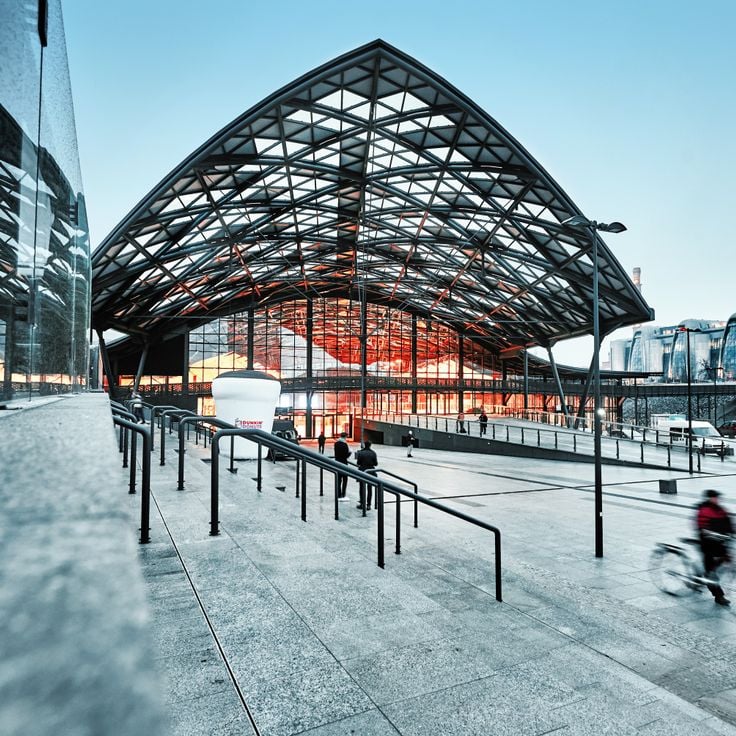
Łódź is a city that is coming back to life. It has a film school that attracts artists from many countries. Each year the city celebrates a light festival that fills the streets with color and brightness. A fashion week shows off the work of designers. When you explore Łódź, you will find good restaurants and bakeries throughout the city. The old buildings tell the story of what the city once was, and people are working to restore and reuse them.
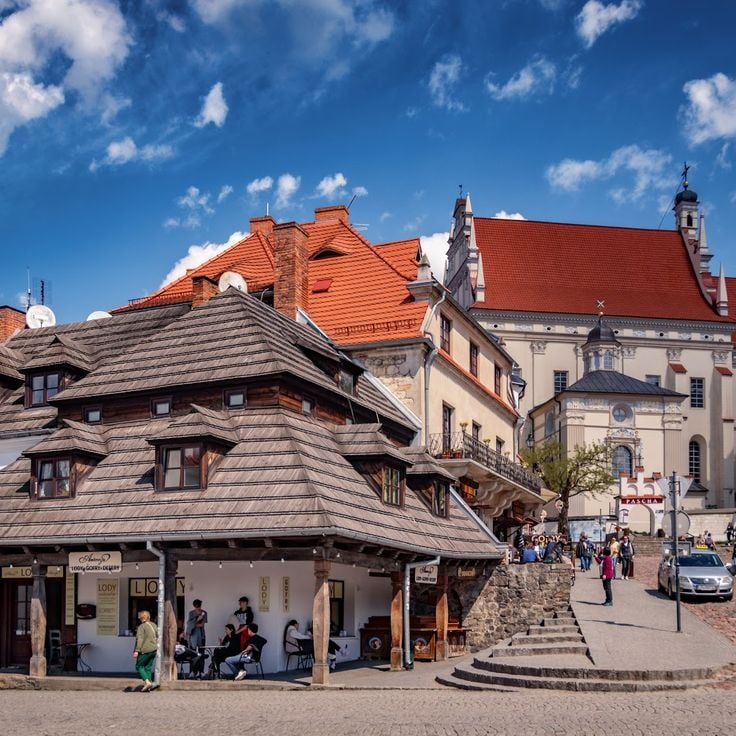
Kazimierz Dolny is a small town on the Vistula River with Renaissance buildings from the 16th and 17th centuries still standing in good condition. Artists and painters have made their home here, filling the streets with galleries and workshops. The town is recognized as a national historic monument of Poland. When you walk through Kazimierz Dolny, you see colorful facades, narrow streets, and the daily rhythm of a creative community. You can visit artist studios, see works on display, and feel the connection between the town's past and present. The riverside location adds to its appeal for visitors interested in history and art.
The Poster Museum is housed in Wilanow Palace and displays historical and contemporary posters. The collection showcases Polish graphic design art and allows visitors to trace the evolution of visual communication across different periods. You can see how artists use colors, shapes, and text to convey messages.
Wilanów Park shows royal garden design from past centuries. In this collection of places around Warsaw that tell Poland's story and culture, the park represents an important part of that heritage. The gardens were created around a royal palace and invite visitors to walk through planted areas and open spaces. The park connects nature with memories of Poland's royal history.
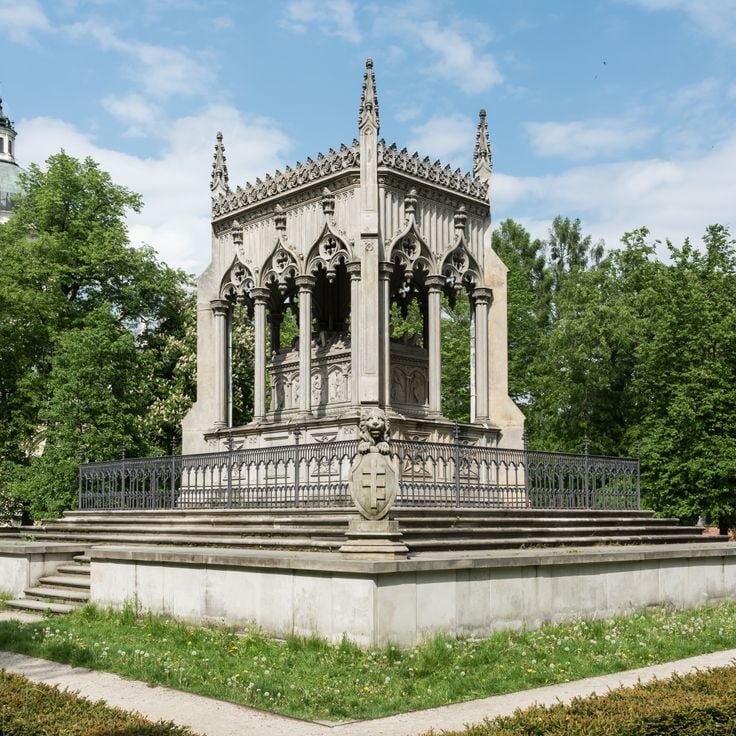
The Potocki Mausoleum in Wilanów is a burial monument of the noble Potocki family. It shows how Poland honored its prominent families through commemorative architecture in the 19th century. The structure stands in the Wilanów district and displays the building styles used for family tombs during this period.
The Church of Sainte-Anne in Wilanów sits in this neighborhood near Warsaw. This place of worship displays traditional Polish architecture and tells the story of religious life in the region. Visitors can see religious art and craftsmanship that reflect Polish building traditions. The church draws both locals and travelers interested in understanding the area's culture and history.
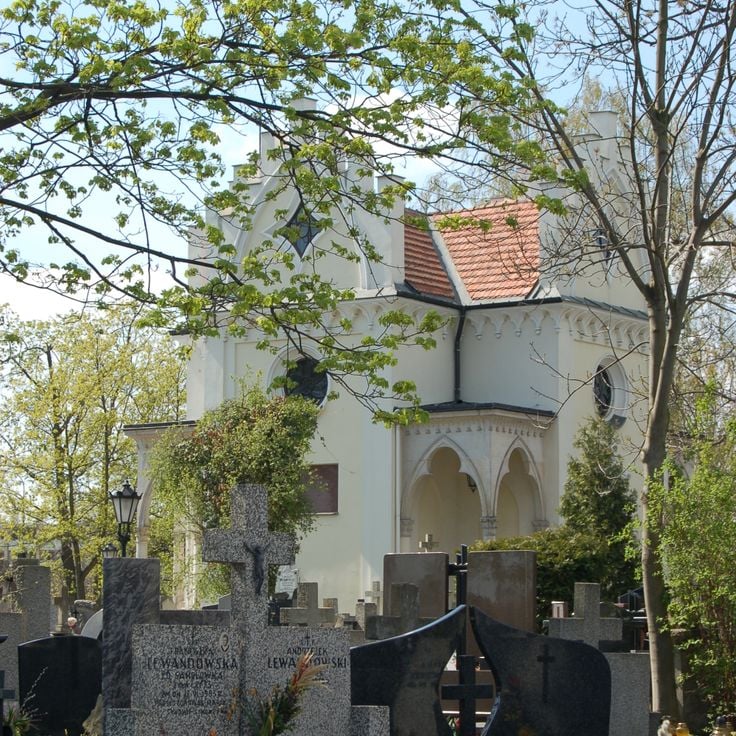
The Wilanow Cemetery is a historic burial ground in the Wilanow district of Warsaw. Many important figures from the city rest here, and the cemetery contains noteworthy funeral monuments. Walking through its tree-lined paths, visitors encounter gravestones in various styles, some with artistic designs that reflect Warsaw's cultural heritage. The cemetery serves as a quiet space where you can learn about the people who shaped the city and its history.
Łazienki Park is a large green space in the heart of Warsaw that contains a royal palace, formal gardens, and several lakes. The park serves as a natural retreat within the city. You can explore a Roman amphitheater, visit historical monuments, and walk through well-maintained paths. This park is where locals spend their free time and where history and nature come together.
The Palace on the Isle sits in Lazienki Park in Warsaw and was built in the 18th century. This Baroque building once served as a royal residence and displays grand rooms with rich decoration. The palace stands on an island surrounded by lakes and gardens, offering a peaceful setting to explore Polish history. Visitors can see elaborately designed rooms and learn about the life of the Polish royal court.
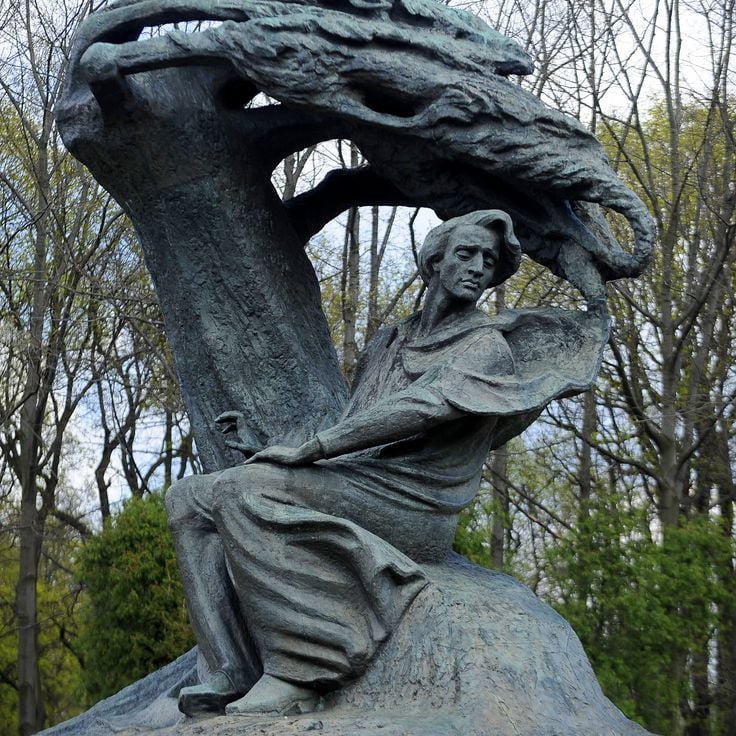
This Chopin Monument sits in Lazienki Park in Warsaw and features a statue of the renowned composer Frederic Chopin. The site serves as a gathering place during concerts and commemorative events for the celebrated musician. The monument honors one of Poland's most important figures in music history and attracts visitors who wish to pay respect to Chopin's legacy and contributions to classical music. The park provides a green refuge in the heart of the city.
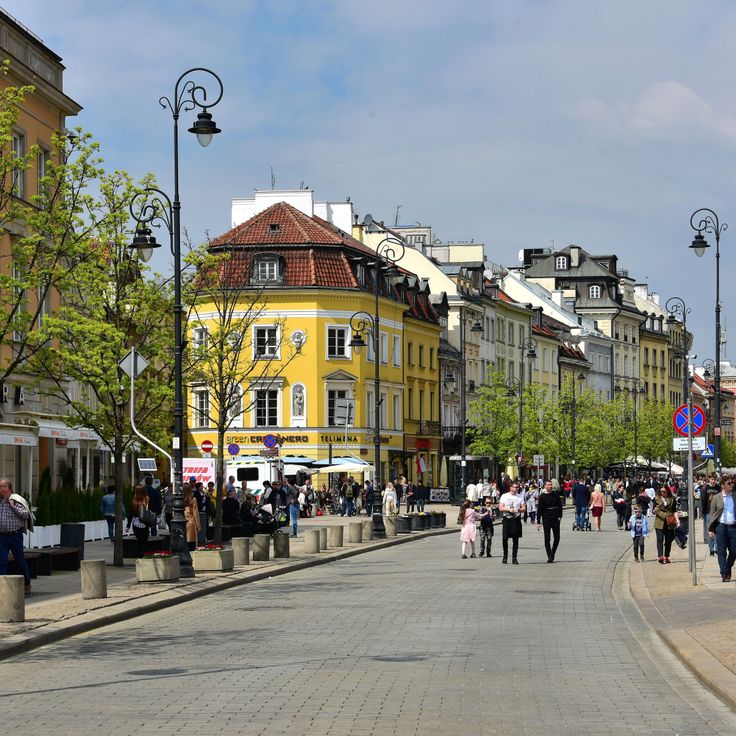
Krakowskie Przedmieście is the main street in the heart of Warsaw, connecting the Royal Castle to the University. It is one of the oldest streets in the city and tells the story of Warsaw through its buildings. Along the street stand historic structures, churches, and palaces from different periods. Cafes and shops line the way. Walking here, you experience the cultural life of the city and see the different architectural styles that shaped Warsaw.
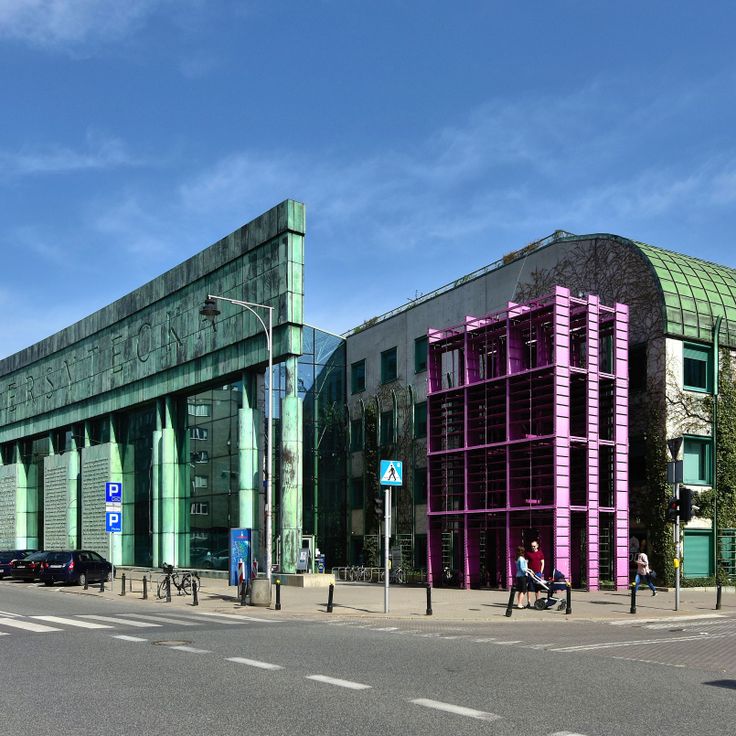
The University of Warsaw Library is a modern building featuring a rooftop terrace that looks out over the entire city. On the roof sits a hanging garden open to visitors. This combination of architecture and green space makes the library a place where you can browse books and also enjoy expansive views of Warsaw.
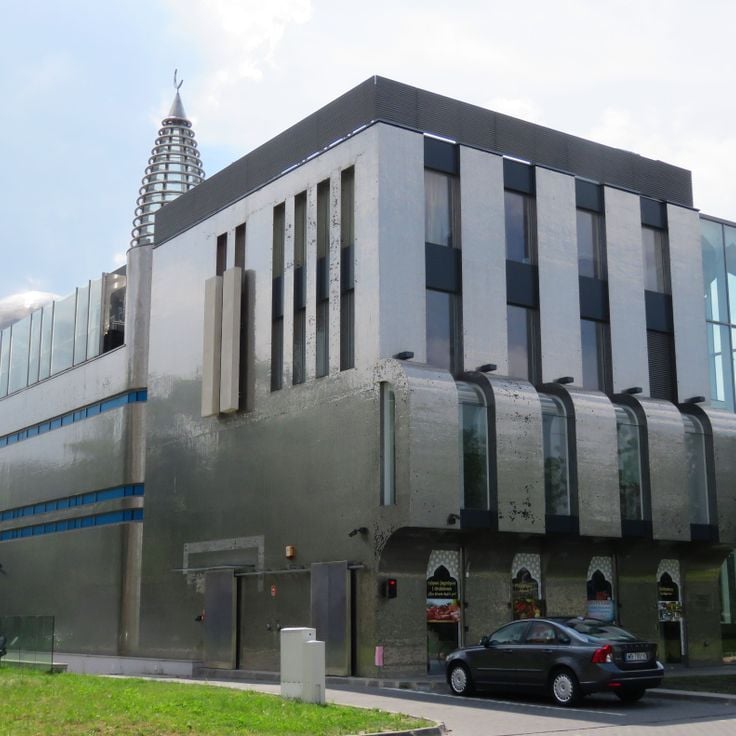
Built in the early 20th century, this mosque in Warsaw features Oriental architecture and stands in the Wilanów district. It represents the city's religious diversity and historical development. The building blends Eastern design with Warsaw's urban landscape, showing visitors how the Polish capital has welcomed different cultures over time.
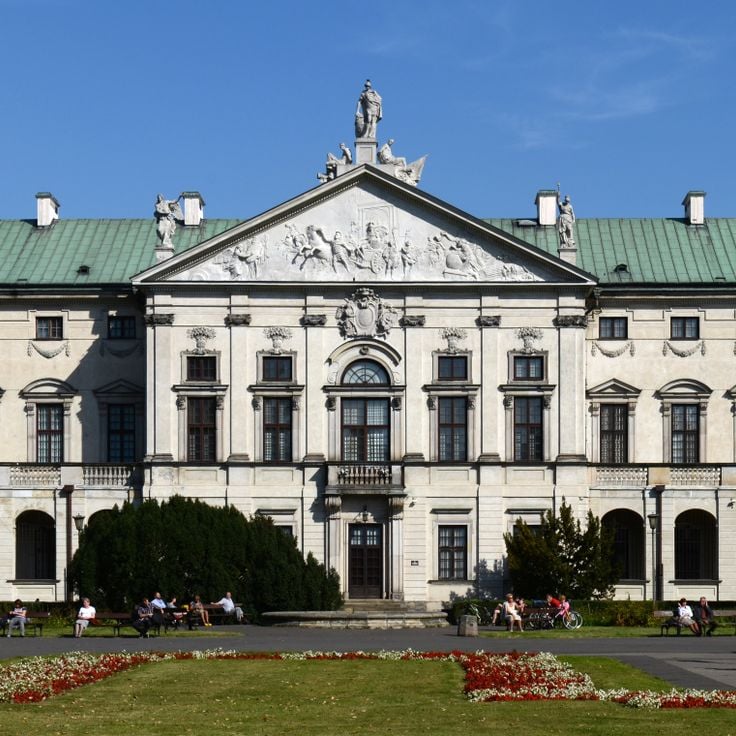
The Krasinski Palace is a baroque building in Warsaw that once belonged to one of Poland's most powerful aristocratic families. The palace now houses the National Library and is surrounded by French gardens. Visitors can explore the grand halls and discover the extensive book collection. The architecture reflects the wealth and importance of the Krasinski family in Polish history. The manicured gardens offer a peaceful place to walk through in the heart of the city.
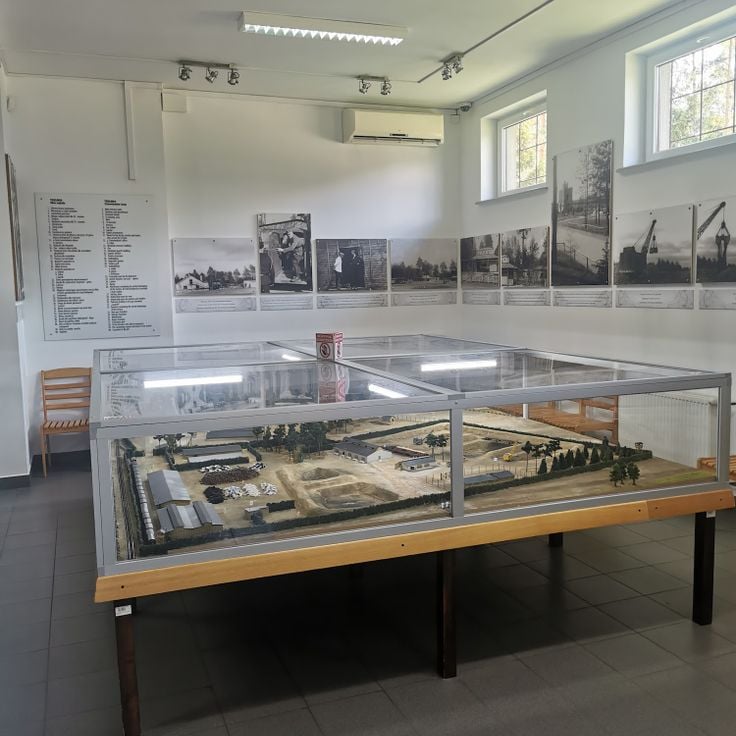
The Treblinka Memorial is a place to remember one of history's darkest chapters. This memorial site honors the victims of a major Nazi extermination camp during World War II. Visitors walk through an area with monuments, memorial stones, and informational plaques that tell the story of what happened here. The grounds encourage visitors to reflect and pay respect to those who died. You feel the weight of history as you move through the site.
The Botanical Garden of Powsin is a garden maintained by the Polish Academy of Sciences located south of Warsaw. You will find plants from many different regions and climate types growing here. The garden has peaceful walking paths that wind through open meadows, water features, and stands of trees. Native Polish plants grow alongside species from other parts of the world. There are sections devoted to wetland plants, alpine species, and forest vegetation. Visitors can observe birds and wildlife throughout the seasons.
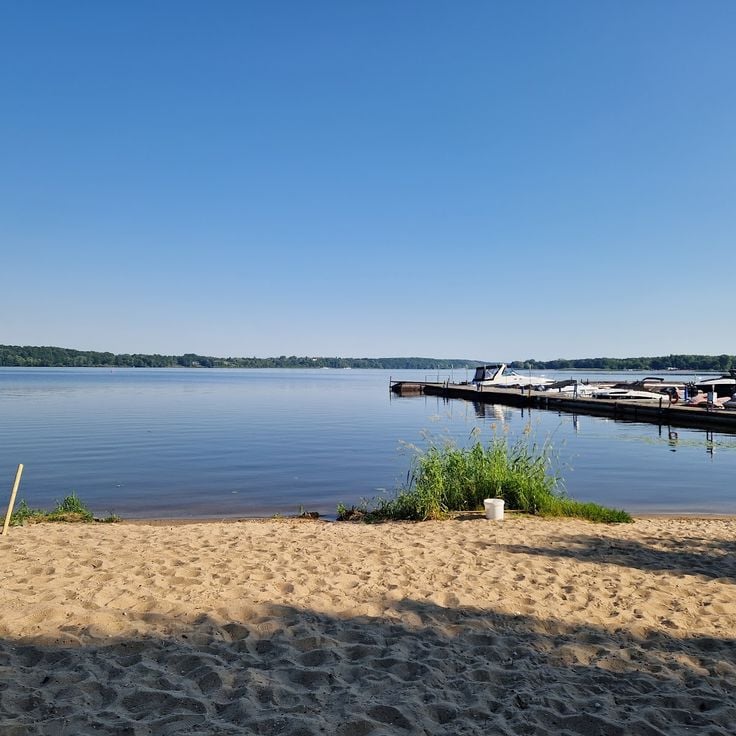
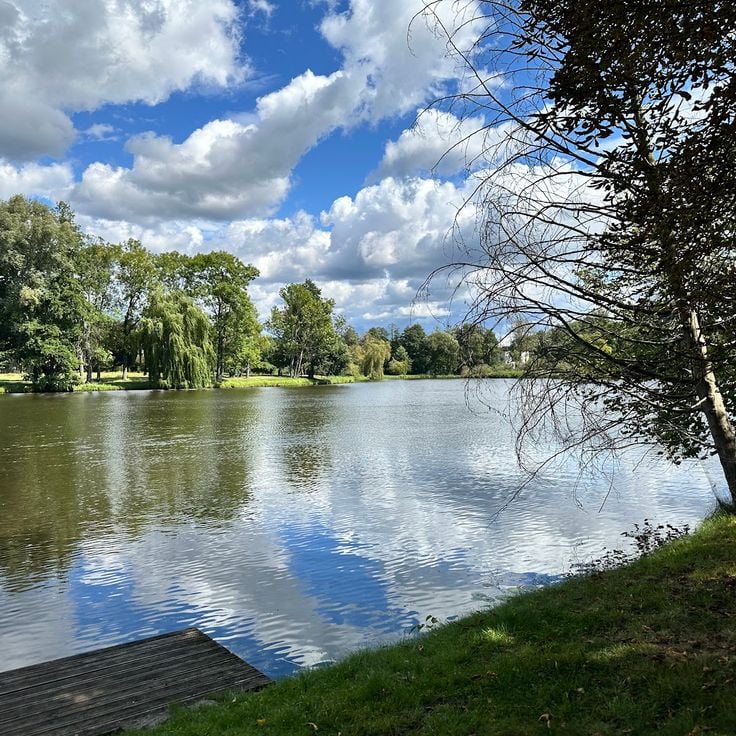
Lake Zegrze is a man-made reservoir not far from Warsaw where residents escape for recreation. The lake has beaches and swimming areas where people cool off during warm months. Water sports activities and waterside walks are popular here. The open water and natural surroundings offer a calm place away from the city. Many people from Warsaw visit to spend time outdoors and enjoy the simple pleasures of a lakeside setting.
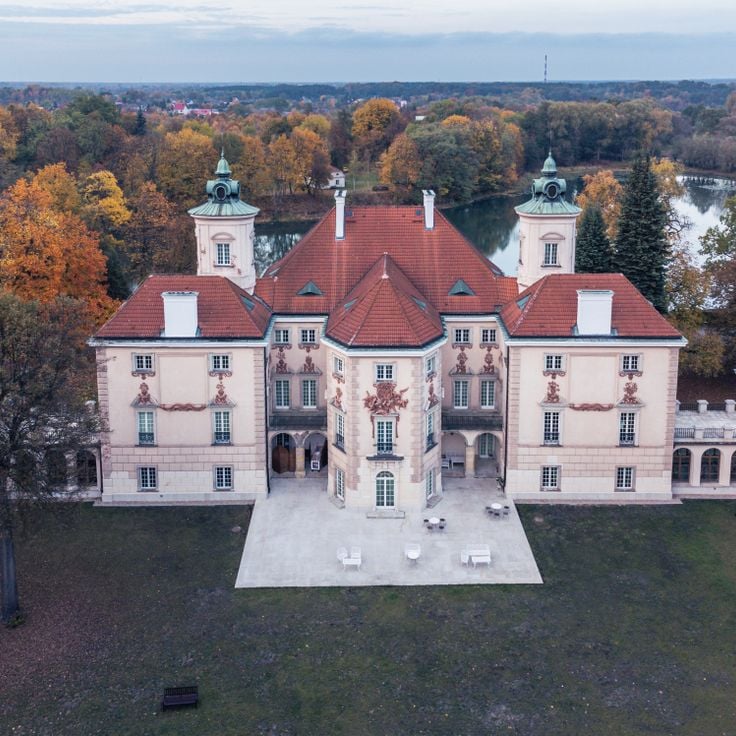
Otwock Wielki Castle is a historic 19th-century residence in the Mazovia region. This manor house features impressive architectural details and sits within a park that invites exploration. The building tells the story of Polish nobility and offers visitors a window into how people lived in earlier times. The location provides insight into Poland's cultural heritage and life in Mazovia, the region surrounding Warsaw.
The Młociny Nature Reserve is a protected natural area near Warsaw with diverse ecosystems. Visitors can observe local wildlife and plants in their natural habitat. This reserve is one of the natural destinations around Warsaw that shows the variety of nature in the Masovian region. It offers a chance to escape the city and explore the forests and wetlands that shape the landscape.
The Kabaty Forest is a wooded area on the edge of Warsaw where visitors can walk along open trails. An educational center on site explains the plants and animals that live in this forest. You can hike here, observe nature, and learn about forest ecosystems. The location is easy to reach and works well for a day trip from the city. Families and nature lovers will find a calm place to spend time outdoors.
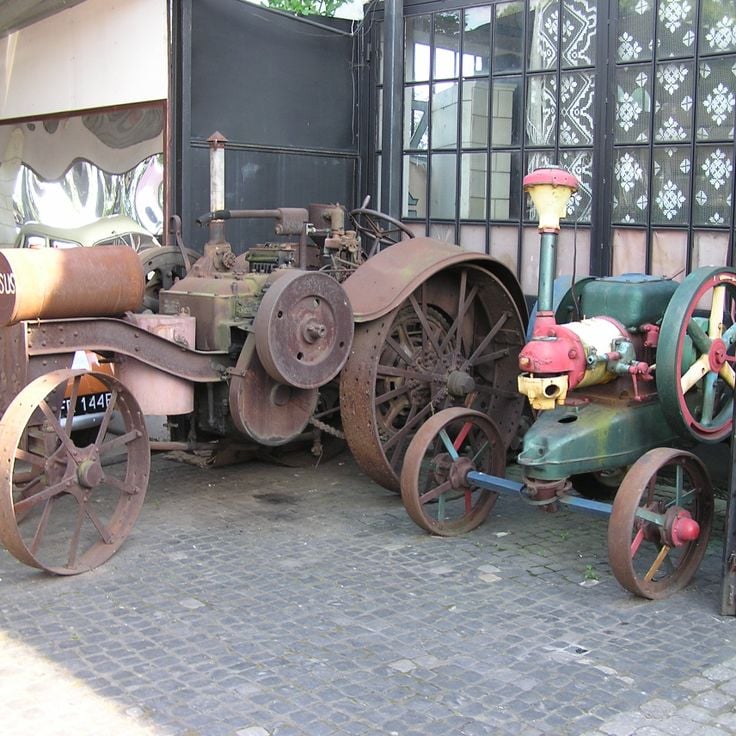
The Museum of Cars and Technology in Otrębusy displays a collection of historic vehicles and machines that tell the story of automotive and industrial progress. Located near Warsaw, this museum offers a window into the technological advances that shaped Poland and Europe. The exhibits range from early automobiles to modern machinery, showing how transportation and industry have evolved over time. Visitors can explore the technical innovations that changed the way people traveled and worked.
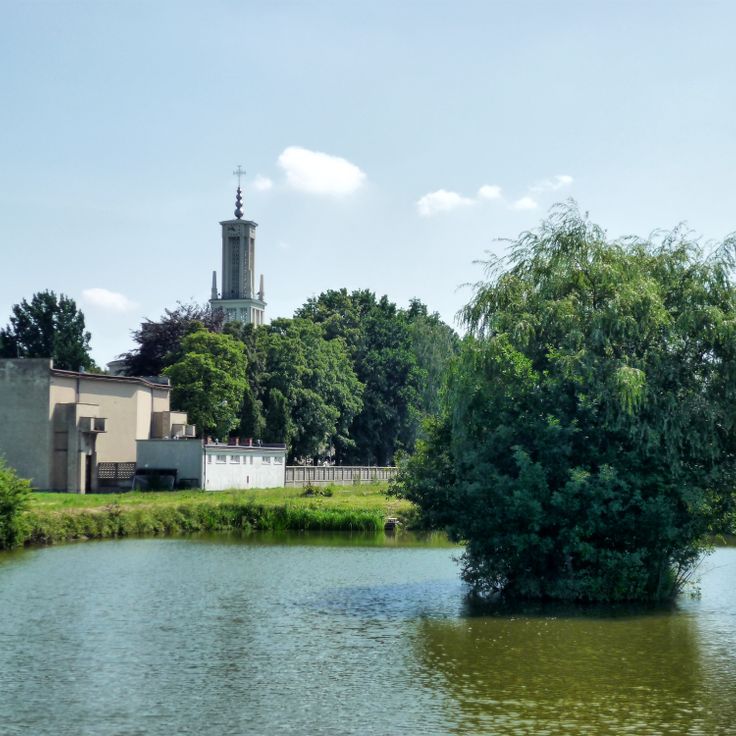
The Basilica of Niepokalanów is a 20th-century religious sanctuary located near Warsaw. This building displays modern church architecture and includes an adjacent cloister. The site draws visitors daily who come to pray and explore its spaces. The basilica tells the story of Polish religious tradition and offers insight into the spiritual life of the Masovian region.
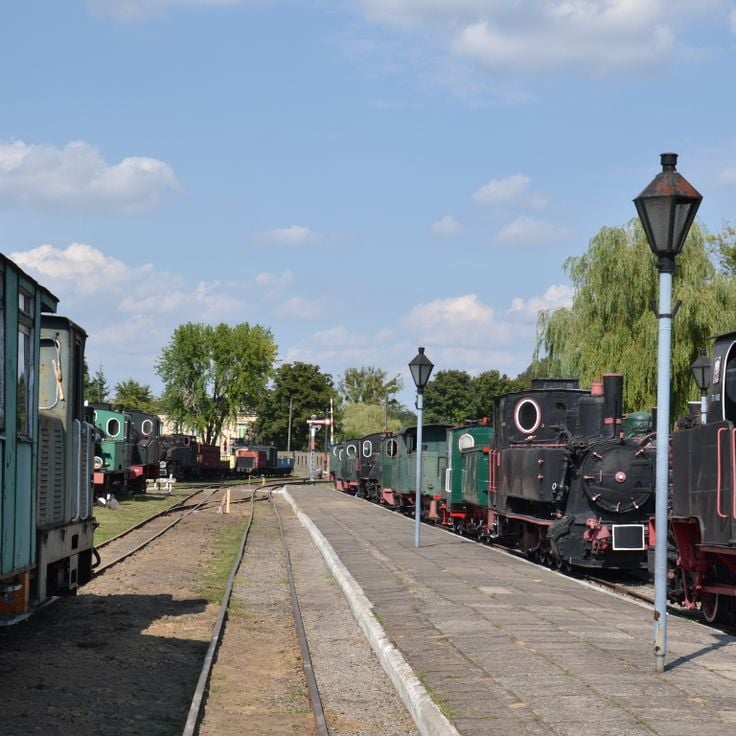
The Narrow Gauge Railway Museum in Sochaczew presents the history of smaller railways through historic locomotives and carriages. Visitors can walk around old train cars and learn about how these railways once operated. The museum offers guided tours and holds a collection of objects connected to railway life. This place helps explain how trains shaped the region's past.
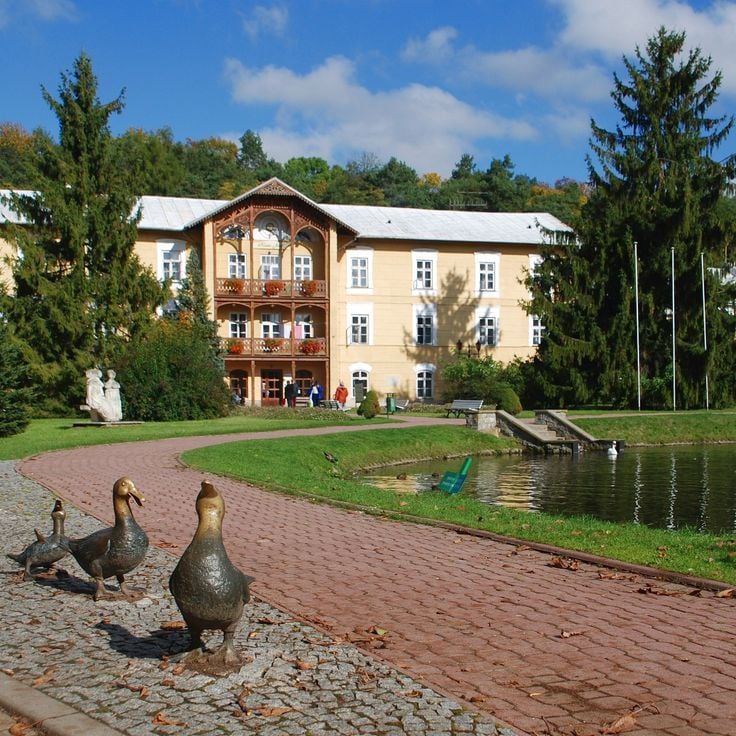
Konstancin-Jeziorna is a spa town located south of Warsaw that developed around natural mineral springs in the 19th century. Visitors come here to experience thermal baths and enjoy the healing properties of the local waters. The spa park features tree-lined paths and quiet spaces where you can walk and rest. The town has a gentle, historic character with buildings that reflect its origins as a resort destination. The thermal facilities and green surroundings create a peaceful setting where people come to unwind. The water quality and the relaxed pace of life here set it apart from busier places in the region.
The Chojnów Forest lies near Warsaw and offers walking trails through a natural woodland landscape. This forested area invites visitors to take walks in nature and escape the busy city. The forest is a place where you can explore the Polish countryside and enjoy the quiet of the natural surroundings.
The Palace and artistic park of Radziejowice bring together history and contemporary art in a single location. The historic palace hosts changing art exhibitions and serves as a residence for artists from around the world. The surrounding park was designed as a landscape garden and invites visitors to explore its pathways. This place allows travelers to experience Polish cultural heritage while discovering current artistic work.
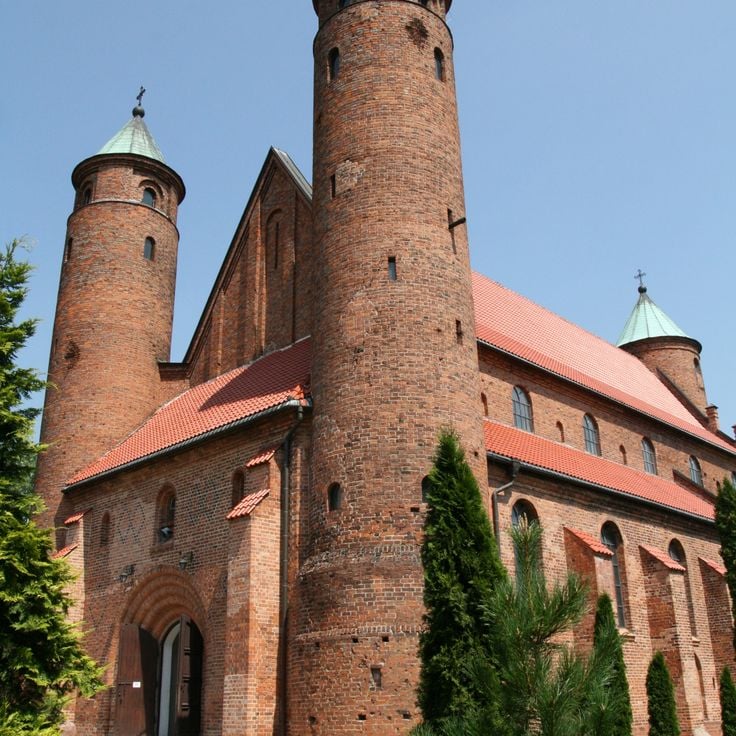
The fortified church of Brochów is a 16th-century religious building that represents Polish Renaissance architecture. This structure was built with reinforced walls and military features designed to protect the community from attacks. The building shows how churches in this region served both spiritual and defensive purposes, reflecting the troubled history of the Mazovia area.
Nałęczów is a small thermal spa town with natural mineral water springs. The town offers a thermal park and various wellness facilities. The water from the springs has been used for therapeutic baths for a long time. Visitors can find a quiet place to relax and enjoy the healing properties of the mineral water. The park invites leisurely walks and the facilities offer various treatments.
Chopin's birthplace in Zelazowa Wola is a music museum dedicated to the life and work of the famous composer. The house has been carefully restored and displays personal belongings, documents, and instruments from Chopin's era. A garden surrounds the property and offers a peaceful setting for visitors. Here you can learn about Chopin's childhood and see the rooms where he spent his early years. The museum regularly hosts concerts that keep the composer's musical legacy alive.
The Ethnographic Museum in Łowicz presents the living traditions of Polish folklore. Here you will find traditional costumes worn at local celebrations, along with objects from the everyday lives of craftspeople and farmers. The museum preserves the region's history through textiles, ceramics, and handcraft tools that show how people worked and lived in earlier times.
The open-air museum of Maurzyce near Łowicz displays traditional Polish architecture and rural life from the past. Old wooden houses show how people built their homes in this region. You can walk around and see how daily life worked on the countryside, from kitchens to farm buildings. The site helps you understand the way Poles lived before modern times changed everything.
The Muzeum Mazowieckie in Płock displays one of Poland's finest collections of Art Nouveau and Art Deco works. Here you can see glass, ceramics, metals, jewelry, paintings, and sculptures from the Young Poland movement. The museum helps you understand Polish art and design from this period.
The historic center of Płock is the heart of the city overlooking the Vistula River. Here you will find a cathedral and a castle surrounded by well-preserved historical architecture. The buildings tell the story of this city's past and how people once lived here. Walk through the old streets to discover the different architectural styles that developed over the centuries.
Modlin Fortress is one of the largest fortified structures in Europe and dates back to the 19th century. Built as a military installation, it shows impressive examples of the fortification architecture of that era. Visitors can explore the casemates, bastions, and underground passages. The site also contains museums that tell the story of the region's military history. The fortress sits about 25 miles northwest of Warsaw and is easy to reach. It offers insights into the engineering and strategies of the 19th century.
Kampinos National Park is a natural space filled with pine forests, wetlands, and diverse wildlife. Located near Warsaw, it offers walking trails for visitors seeking escape from urban noise. The park provides a chance to experience the nature of the Masovian region in its natural state, without traveling far from the capital.
Czersk Castle is a Gothic fortress from the 15th century that once belonged to the Dukes of Masovia. After its reconstruction, the castle still displays the characteristic architecture of that era. During the summer months, medieval reenactments and historical events take place here, bringing the castle's past life to vivid reality. Visitors can walk through the rooms and experience the history of this important ducal residence.
The Palmiry Museum documents the history of Kampinos National Park during World War II. Located near a cemetery where many war victims rest, this museum tells the story of how the forest became a place of resistance and suffering under occupation. Visitors learn about the people who lived and died here, gaining insight into this significant chapter of Polish history and its impact on the region.
Nieborów Castle is a Baroque complex with a palace and a romantic landscape park. The Arkadia park was created by Helena Radziwill and features pleasant walks past ponds and decorative structures. This location near Warsaw shows the history of Polish noble families and their appreciation for European architecture. The park invites exploration and gives a sense of how Polish nobility lived in the 18th century.
The Sierpc Open-Air Museum is a recreated 19th century village with over 80 buildings and structures. Here you can see traditional windmills, wooden houses, wooden churches, tools, and farm animals that show rural life in Masovia. The museum lets you step back in time and understand how people in this region once lived.
The Cathedral of the Assumption and Saint Nicholas in Łowicz is a major religious building and a protected monument in Poland. This cathedral stands as a central landmark of the city and displays the religious architecture that shaped the region. The building reflects the long history of Łowicz and its importance as a place of faith. Visitors can explore the craftsmanship and construction methods typical of churches from this period.
Łódź is a city that is coming back to life. It has a film school that attracts artists from many countries. Each year the city celebrates a light festival that fills the streets with color and brightness. A fashion week shows off the work of designers. When you explore Łódź, you will find good restaurants and bakeries throughout the city. The old buildings tell the story of what the city once was, and people are working to restore and reuse them.
Kazimierz Dolny is a small town on the Vistula River with Renaissance buildings from the 16th and 17th centuries still standing in good condition. Artists and painters have made their home here, filling the streets with galleries and workshops. The town is recognized as a national historic monument of Poland. When you walk through Kazimierz Dolny, you see colorful facades, narrow streets, and the daily rhythm of a creative community. You can visit artist studios, see works on display, and feel the connection between the town's past and present. The riverside location adds to its appeal for visitors interested in history and art.
The Poster Museum is housed in Wilanow Palace and displays historical and contemporary posters. The collection showcases Polish graphic design art and allows visitors to trace the evolution of visual communication across different periods. You can see how artists use colors, shapes, and text to convey messages.
Wilanów Park shows royal garden design from past centuries. In this collection of places around Warsaw that tell Poland's story and culture, the park represents an important part of that heritage. The gardens were created around a royal palace and invite visitors to walk through planted areas and open spaces. The park connects nature with memories of Poland's royal history.
The Potocki Mausoleum in Wilanów is a burial monument of the noble Potocki family. It shows how Poland honored its prominent families through commemorative architecture in the 19th century. The structure stands in the Wilanów district and displays the building styles used for family tombs during this period.
The Church of Sainte-Anne in Wilanów sits in this neighborhood near Warsaw. This place of worship displays traditional Polish architecture and tells the story of religious life in the region. Visitors can see religious art and craftsmanship that reflect Polish building traditions. The church draws both locals and travelers interested in understanding the area's culture and history.
The Wilanow Cemetery is a historic burial ground in the Wilanow district of Warsaw. Many important figures from the city rest here, and the cemetery contains noteworthy funeral monuments. Walking through its tree-lined paths, visitors encounter gravestones in various styles, some with artistic designs that reflect Warsaw's cultural heritage. The cemetery serves as a quiet space where you can learn about the people who shaped the city and its history.
Łazienki Park is a large green space in the heart of Warsaw that contains a royal palace, formal gardens, and several lakes. The park serves as a natural retreat within the city. You can explore a Roman amphitheater, visit historical monuments, and walk through well-maintained paths. This park is where locals spend their free time and where history and nature come together.
The Palace on the Isle sits in Lazienki Park in Warsaw and was built in the 18th century. This Baroque building once served as a royal residence and displays grand rooms with rich decoration. The palace stands on an island surrounded by lakes and gardens, offering a peaceful setting to explore Polish history. Visitors can see elaborately designed rooms and learn about the life of the Polish royal court.
This Chopin Monument sits in Lazienki Park in Warsaw and features a statue of the renowned composer Frederic Chopin. The site serves as a gathering place during concerts and commemorative events for the celebrated musician. The monument honors one of Poland's most important figures in music history and attracts visitors who wish to pay respect to Chopin's legacy and contributions to classical music. The park provides a green refuge in the heart of the city.
Krakowskie Przedmieście is the main street in the heart of Warsaw, connecting the Royal Castle to the University. It is one of the oldest streets in the city and tells the story of Warsaw through its buildings. Along the street stand historic structures, churches, and palaces from different periods. Cafes and shops line the way. Walking here, you experience the cultural life of the city and see the different architectural styles that shaped Warsaw.
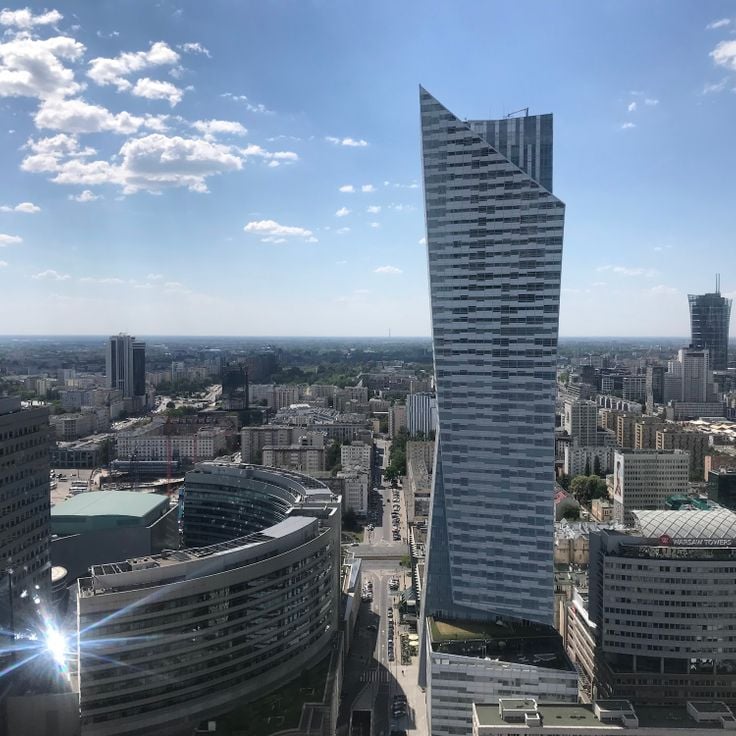
The University of Warsaw Library is a modern building featuring a rooftop terrace that looks out over the entire city. On the roof sits a hanging garden open to visitors. This combination of architecture and green space makes the library a place where you can browse books and also enjoy expansive views of Warsaw.
Built in the early 20th century, this mosque in Warsaw features Oriental architecture and stands in the Wilanów district. It represents the city's religious diversity and historical development. The building blends Eastern design with Warsaw's urban landscape, showing visitors how the Polish capital has welcomed different cultures over time.
The Krasinski Palace is a baroque building in Warsaw that once belonged to one of Poland's most powerful aristocratic families. The palace now houses the National Library and is surrounded by French gardens. Visitors can explore the grand halls and discover the extensive book collection. The architecture reflects the wealth and importance of the Krasinski family in Polish history. The manicured gardens offer a peaceful place to walk through in the heart of the city.
The Treblinka Memorial is a place to remember one of history's darkest chapters. This memorial site honors the victims of a major Nazi extermination camp during World War II. Visitors walk through an area with monuments, memorial stones, and informational plaques that tell the story of what happened here. The grounds encourage visitors to reflect and pay respect to those who died. You feel the weight of history as you move through the site.
The Botanical Garden of Powsin is a garden maintained by the Polish Academy of Sciences located south of Warsaw. You will find plants from many different regions and climate types growing here. The garden has peaceful walking paths that wind through open meadows, water features, and stands of trees. Native Polish plants grow alongside species from other parts of the world. There are sections devoted to wetland plants, alpine species, and forest vegetation. Visitors can observe birds and wildlife throughout the seasons.
Lake Zegrze is a man-made reservoir not far from Warsaw where residents escape for recreation. The lake has beaches and swimming areas where people cool off during warm months. Water sports activities and waterside walks are popular here. The open water and natural surroundings offer a calm place away from the city. Many people from Warsaw visit to spend time outdoors and enjoy the simple pleasures of a lakeside setting.
Otwock Wielki Castle is a historic 19th-century residence in the Mazovia region. This manor house features impressive architectural details and sits within a park that invites exploration. The building tells the story of Polish nobility and offers visitors a window into how people lived in earlier times. The location provides insight into Poland's cultural heritage and life in Mazovia, the region surrounding Warsaw.
The Młociny Nature Reserve is a protected natural area near Warsaw with diverse ecosystems. Visitors can observe local wildlife and plants in their natural habitat. This reserve is one of the natural destinations around Warsaw that shows the variety of nature in the Masovian region. It offers a chance to escape the city and explore the forests and wetlands that shape the landscape.
The Kabaty Forest is a wooded area on the edge of Warsaw where visitors can walk along open trails. An educational center on site explains the plants and animals that live in this forest. You can hike here, observe nature, and learn about forest ecosystems. The location is easy to reach and works well for a day trip from the city. Families and nature lovers will find a calm place to spend time outdoors.
The Museum of Cars and Technology in Otrębusy displays a collection of historic vehicles and machines that tell the story of automotive and industrial progress. Located near Warsaw, this museum offers a window into the technological advances that shaped Poland and Europe. The exhibits range from early automobiles to modern machinery, showing how transportation and industry have evolved over time. Visitors can explore the technical innovations that changed the way people traveled and worked.
The Basilica of Niepokalanów is a 20th-century religious sanctuary located near Warsaw. This building displays modern church architecture and includes an adjacent cloister. The site draws visitors daily who come to pray and explore its spaces. The basilica tells the story of Polish religious tradition and offers insight into the spiritual life of the Masovian region.
The Narrow Gauge Railway Museum in Sochaczew presents the history of smaller railways through historic locomotives and carriages. Visitors can walk around old train cars and learn about how these railways once operated. The museum offers guided tours and holds a collection of objects connected to railway life. This place helps explain how trains shaped the region's past.
Konstancin-Jeziorna is a spa town located south of Warsaw that developed around natural mineral springs in the 19th century. Visitors come here to experience thermal baths and enjoy the healing properties of the local waters. The spa park features tree-lined paths and quiet spaces where you can walk and rest. The town has a gentle, historic character with buildings that reflect its origins as a resort destination. The thermal facilities and green surroundings create a peaceful setting where people come to unwind. The water quality and the relaxed pace of life here set it apart from busier places in the region.
The Chojnów Forest lies near Warsaw and offers walking trails through a natural woodland landscape. This forested area invites visitors to take walks in nature and escape the busy city. The forest is a place where you can explore the Polish countryside and enjoy the quiet of the natural surroundings.
The Palace and artistic park of Radziejowice bring together history and contemporary art in a single location. The historic palace hosts changing art exhibitions and serves as a residence for artists from around the world. The surrounding park was designed as a landscape garden and invites visitors to explore its pathways. This place allows travelers to experience Polish cultural heritage while discovering current artistic work.
The fortified church of Brochów is a 16th-century religious building that represents Polish Renaissance architecture. This structure was built with reinforced walls and military features designed to protect the community from attacks. The building shows how churches in this region served both spiritual and defensive purposes, reflecting the troubled history of the Mazovia area.
Nałęczów is a small thermal spa town with natural mineral water springs. The town offers a thermal park and various wellness facilities. The water from the springs has been used for therapeutic baths for a long time. Visitors can find a quiet place to relax and enjoy the healing properties of the mineral water. The park invites leisurely walks and the facilities offer various treatments.
Chopin's birthplace in Zelazowa Wola is a music museum dedicated to the life and work of the famous composer. The house has been carefully restored and displays personal belongings, documents, and instruments from Chopin's era. A garden surrounds the property and offers a peaceful setting for visitors. Here you can learn about Chopin's childhood and see the rooms where he spent his early years. The museum regularly hosts concerts that keep the composer's musical legacy alive.
The Ethnographic Museum in Łowicz presents the living traditions of Polish folklore. Here you will find traditional costumes worn at local celebrations, along with objects from the everyday lives of craftspeople and farmers. The museum preserves the region's history through textiles, ceramics, and handcraft tools that show how people worked and lived in earlier times.
The open-air museum of Maurzyce near Łowicz displays traditional Polish architecture and rural life from the past. Old wooden houses show how people built their homes in this region. You can walk around and see how daily life worked on the countryside, from kitchens to farm buildings. The site helps you understand the way Poles lived before modern times changed everything.
The Muzeum Mazowieckie in Płock displays one of Poland's finest collections of Art Nouveau and Art Deco works. Here you can see glass, ceramics, metals, jewelry, paintings, and sculptures from the Young Poland movement. The museum helps you understand Polish art and design from this period.
The historic center of Płock is the heart of the city overlooking the Vistula River. Here you will find a cathedral and a castle surrounded by well-preserved historical architecture. The buildings tell the story of this city's past and how people once lived here. Walk through the old streets to discover the different architectural styles that developed over the centuries.
Modlin Fortress is one of the largest fortified structures in Europe and dates back to the 19th century. Built as a military installation, it shows impressive examples of the fortification architecture of that era. Visitors can explore the casemates, bastions, and underground passages. The site also contains museums that tell the story of the region's military history. The fortress sits about 25 miles northwest of Warsaw and is easy to reach. It offers insights into the engineering and strategies of the 19th century.
Kampinos National Park is a natural space filled with pine forests, wetlands, and diverse wildlife. Located near Warsaw, it offers walking trails for visitors seeking escape from urban noise. The park provides a chance to experience the nature of the Masovian region in its natural state, without traveling far from the capital.
Czersk Castle is a Gothic fortress from the 15th century that once belonged to the Dukes of Masovia. After its reconstruction, the castle still displays the characteristic architecture of that era. During the summer months, medieval reenactments and historical events take place here, bringing the castle's past life to vivid reality. Visitors can walk through the rooms and experience the history of this important ducal residence.
The Palmiry Museum documents the history of Kampinos National Park during World War II. Located near a cemetery where many war victims rest, this museum tells the story of how the forest became a place of resistance and suffering under occupation. Visitors learn about the people who lived and died here, gaining insight into this significant chapter of Polish history and its impact on the region.
Nieborów Castle is a Baroque complex with a palace and a romantic landscape park. The Arkadia park was created by Helena Radziwill and features pleasant walks past ponds and decorative structures. This location near Warsaw shows the history of Polish noble families and their appreciation for European architecture. The park invites exploration and gives a sense of how Polish nobility lived in the 18th century.
The Sierpc Open-Air Museum is a recreated 19th century village with over 80 buildings and structures. Here you can see traditional windmills, wooden houses, wooden churches, tools, and farm animals that show rural life in Masovia. The museum lets you step back in time and understand how people in this region once lived.
The Cathedral of the Assumption and Saint Nicholas in Łowicz is a major religious building and a protected monument in Poland. This cathedral stands as a central landmark of the city and displays the religious architecture that shaped the region. The building reflects the long history of Łowicz and its importance as a place of faith. Visitors can explore the craftsmanship and construction methods typical of churches from this period.
Łódź is a city that is coming back to life. It has a film school that attracts artists from many countries. Each year the city celebrates a light festival that fills the streets with color and brightness. A fashion week shows off the work of designers. When you explore Łódź, you will find good restaurants and bakeries throughout the city. The old buildings tell the story of what the city once was, and people are working to restore and reuse them.
Kazimierz Dolny is a small town on the Vistula River with Renaissance buildings from the 16th and 17th centuries still standing in good condition. Artists and painters have made their home here, filling the streets with galleries and workshops. The town is recognized as a national historic monument of Poland. When you walk through Kazimierz Dolny, you see colorful facades, narrow streets, and the daily rhythm of a creative community. You can visit artist studios, see works on display, and feel the connection between the town's past and present. The riverside location adds to its appeal for visitors interested in history and art.
The Poster Museum is housed in Wilanow Palace and displays historical and contemporary posters. The collection showcases Polish graphic design art and allows visitors to trace the evolution of visual communication across different periods. You can see how artists use colors, shapes, and text to convey messages.
Wilanów Park shows royal garden design from past centuries. In this collection of places around Warsaw that tell Poland's story and culture, the park represents an important part of that heritage. The gardens were created around a royal palace and invite visitors to walk through planted areas and open spaces. The park connects nature with memories of Poland's royal history.
The Potocki Mausoleum in Wilanów is a burial monument of the noble Potocki family. It shows how Poland honored its prominent families through commemorative architecture in the 19th century. The structure stands in the Wilanów district and displays the building styles used for family tombs during this period.
The Church of Sainte-Anne in Wilanów sits in this neighborhood near Warsaw. This place of worship displays traditional Polish architecture and tells the story of religious life in the region. Visitors can see religious art and craftsmanship that reflect Polish building traditions. The church draws both locals and travelers interested in understanding the area's culture and history.
The Wilanow Cemetery is a historic burial ground in the Wilanow district of Warsaw. Many important figures from the city rest here, and the cemetery contains noteworthy funeral monuments. Walking through its tree-lined paths, visitors encounter gravestones in various styles, some with artistic designs that reflect Warsaw's cultural heritage. The cemetery serves as a quiet space where you can learn about the people who shaped the city and its history.
Łazienki Park is a large green space in the heart of Warsaw that contains a royal palace, formal gardens, and several lakes. The park serves as a natural retreat within the city. You can explore a Roman amphitheater, visit historical monuments, and walk through well-maintained paths. This park is where locals spend their free time and where history and nature come together.
The Palace on the Isle sits in Lazienki Park in Warsaw and was built in the 18th century. This Baroque building once served as a royal residence and displays grand rooms with rich decoration. The palace stands on an island surrounded by lakes and gardens, offering a peaceful setting to explore Polish history. Visitors can see elaborately designed rooms and learn about the life of the Polish royal court.
This Chopin Monument sits in Lazienki Park in Warsaw and features a statue of the renowned composer Frederic Chopin. The site serves as a gathering place during concerts and commemorative events for the celebrated musician. The monument honors one of Poland's most important figures in music history and attracts visitors who wish to pay respect to Chopin's legacy and contributions to classical music. The park provides a green refuge in the heart of the city.
Krakowskie Przedmieście is the main street in the heart of Warsaw, connecting the Royal Castle to the University. It is one of the oldest streets in the city and tells the story of Warsaw through its buildings. Along the street stand historic structures, churches, and palaces from different periods. Cafes and shops line the way. Walking here, you experience the cultural life of the city and see the different architectural styles that shaped Warsaw.
The University of Warsaw Library is a modern building featuring a rooftop terrace that looks out over the entire city. On the roof sits a hanging garden open to visitors. This combination of architecture and green space makes the library a place where you can browse books and also enjoy expansive views of Warsaw.
Built in the early 20th century, this mosque in Warsaw features Oriental architecture and stands in the Wilanów district. It represents the city's religious diversity and historical development. The building blends Eastern design with Warsaw's urban landscape, showing visitors how the Polish capital has welcomed different cultures over time.
The Krasinski Palace is a baroque building in Warsaw that once belonged to one of Poland's most powerful aristocratic families. The palace now houses the National Library and is surrounded by French gardens. Visitors can explore the grand halls and discover the extensive book collection. The architecture reflects the wealth and importance of the Krasinski family in Polish history. The manicured gardens offer a peaceful place to walk through in the heart of the city.
The Treblinka Memorial is a place to remember one of history's darkest chapters. This memorial site honors the victims of a major Nazi extermination camp during World War II. Visitors walk through an area with monuments, memorial stones, and informational plaques that tell the story of what happened here. The grounds encourage visitors to reflect and pay respect to those who died. You feel the weight of history as you move through the site.
The Botanical Garden of Powsin is a garden maintained by the Polish Academy of Sciences located south of Warsaw. You will find plants from many different regions and climate types growing here. The garden has peaceful walking paths that wind through open meadows, water features, and stands of trees. Native Polish plants grow alongside species from other parts of the world. There are sections devoted to wetland plants, alpine species, and forest vegetation. Visitors can observe birds and wildlife throughout the seasons.
Lake Zegrze is a man-made reservoir not far from Warsaw where residents escape for recreation. The lake has beaches and swimming areas where people cool off during warm months. Water sports activities and waterside walks are popular here. The open water and natural surroundings offer a calm place away from the city. Many people from Warsaw visit to spend time outdoors and enjoy the simple pleasures of a lakeside setting.
Otwock Wielki Castle is a historic 19th-century residence in the Mazovia region. This manor house features impressive architectural details and sits within a park that invites exploration. The building tells the story of Polish nobility and offers visitors a window into how people lived in earlier times. The location provides insight into Poland's cultural heritage and life in Mazovia, the region surrounding Warsaw.
The Młociny Nature Reserve is a protected natural area near Warsaw with diverse ecosystems. Visitors can observe local wildlife and plants in their natural habitat. This reserve is one of the natural destinations around Warsaw that shows the variety of nature in the Masovian region. It offers a chance to escape the city and explore the forests and wetlands that shape the landscape.
The Kabaty Forest is a wooded area on the edge of Warsaw where visitors can walk along open trails. An educational center on site explains the plants and animals that live in this forest. You can hike here, observe nature, and learn about forest ecosystems. The location is easy to reach and works well for a day trip from the city. Families and nature lovers will find a calm place to spend time outdoors.
The Museum of Cars and Technology in Otrębusy displays a collection of historic vehicles and machines that tell the story of automotive and industrial progress. Located near Warsaw, this museum offers a window into the technological advances that shaped Poland and Europe. The exhibits range from early automobiles to modern machinery, showing how transportation and industry have evolved over time. Visitors can explore the technical innovations that changed the way people traveled and worked.
The Basilica of Niepokalanów is a 20th-century religious sanctuary located near Warsaw. This building displays modern church architecture and includes an adjacent cloister. The site draws visitors daily who come to pray and explore its spaces. The basilica tells the story of Polish religious tradition and offers insight into the spiritual life of the Masovian region.
The Narrow Gauge Railway Museum in Sochaczew presents the history of smaller railways through historic locomotives and carriages. Visitors can walk around old train cars and learn about how these railways once operated. The museum offers guided tours and holds a collection of objects connected to railway life. This place helps explain how trains shaped the region's past.
Konstancin-Jeziorna is a spa town located south of Warsaw that developed around natural mineral springs in the 19th century. Visitors come here to experience thermal baths and enjoy the healing properties of the local waters. The spa park features tree-lined paths and quiet spaces where you can walk and rest. The town has a gentle, historic character with buildings that reflect its origins as a resort destination. The thermal facilities and green surroundings create a peaceful setting where people come to unwind. The water quality and the relaxed pace of life here set it apart from busier places in the region.
The Chojnów Forest lies near Warsaw and offers walking trails through a natural woodland landscape. This forested area invites visitors to take walks in nature and escape the busy city. The forest is a place where you can explore the Polish countryside and enjoy the quiet of the natural surroundings.
The Palace and artistic park of Radziejowice bring together history and contemporary art in a single location. The historic palace hosts changing art exhibitions and serves as a residence for artists from around the world. The surrounding park was designed as a landscape garden and invites visitors to explore its pathways. This place allows travelers to experience Polish cultural heritage while discovering current artistic work.
The fortified church of Brochów is a 16th-century religious building that represents Polish Renaissance architecture. This structure was built with reinforced walls and military features designed to protect the community from attacks. The building shows how churches in this region served both spiritual and defensive purposes, reflecting the troubled history of the Mazovia area.
Nałęczów is a small thermal spa town with natural mineral water springs. The town offers a thermal park and various wellness facilities. The water from the springs has been used for therapeutic baths for a long time. Visitors can find a quiet place to relax and enjoy the healing properties of the mineral water. The park invites leisurely walks and the facilities offer various treatments.