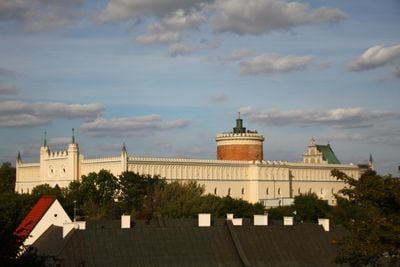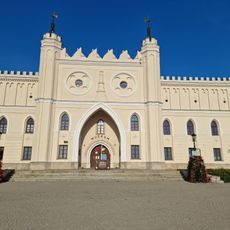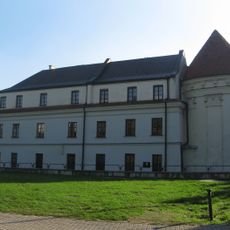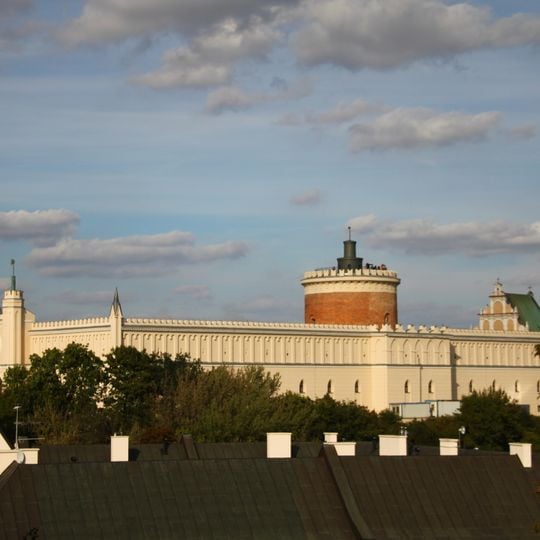
Lublin Castle, Medieval royal castle in Lublin, Poland.
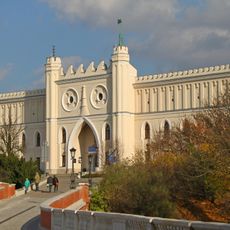
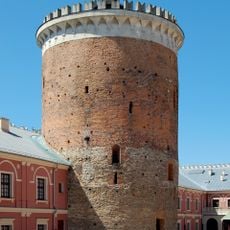
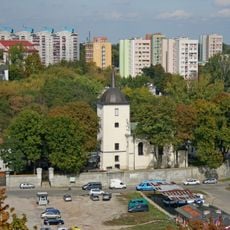
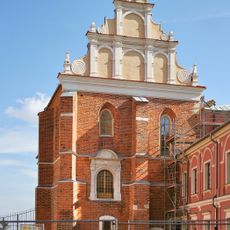
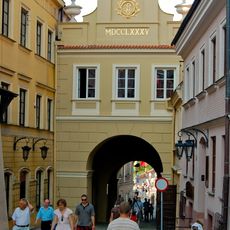
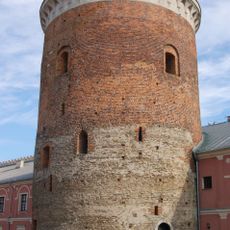
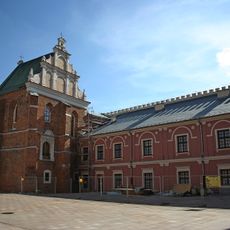
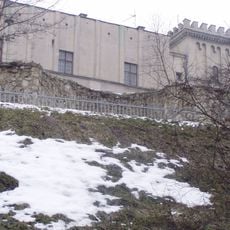
Lublin Castle rises on a limestone hill above the Bystrzyca and Czechówka rivers, combining different architectural periods. The complex features a 13th-century Romanesque tower, a Gothic chapel, and defensive walls built and rebuilt over many centuries.
The castle was built in the 13th century and gradually developed into a major fortress. In 1569, it hosted the signing of the Union of Lublin, an event that confirmed the partnership between Poland and Lithuania.
The Holy Trinity Chapel displays rare Ruthenian-Byzantine frescoes commissioned by King Władysław Jagiełło in the early 15th century. These paintings reflect the Eastern religious tradition that remained alive in this region for centuries.
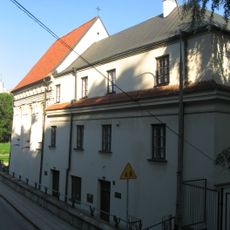
The site has housed the National Museum of Lublin since 1957, featuring paintings, artifacts, and local historical collections. The hilltop location offers a vantage point over the city, so allow time to explore the grounds and enjoy the views.
From 1826 to 1954, the castle served as a prison holding political prisoners during the Russian, Nazi, and Soviet periods. This darker chapter is often overlooked but reveals how the building endured through decades of regional turmoil.
The community of curious travelers
AroundUs brings together thousands of curated places, local tips, and hidden gems, enriched daily by 91,634 contributors worldwide.