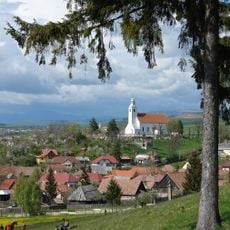
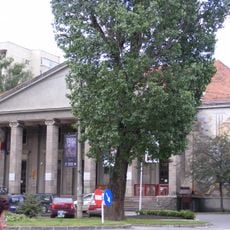
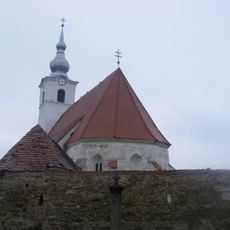
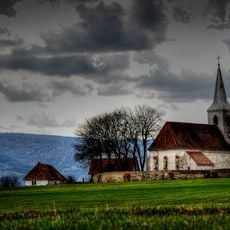
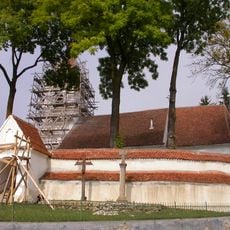
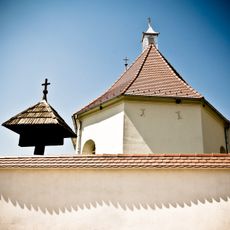
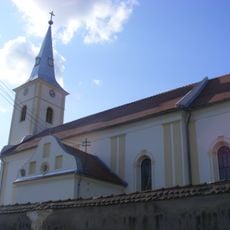
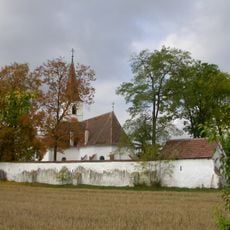
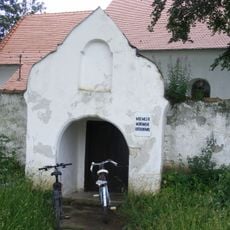
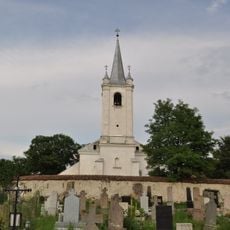
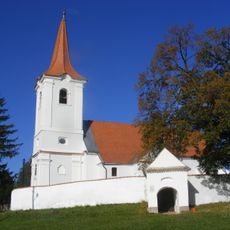
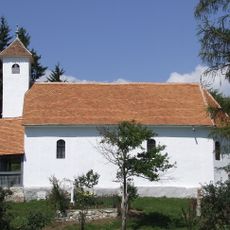
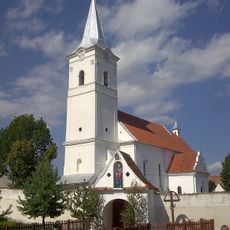
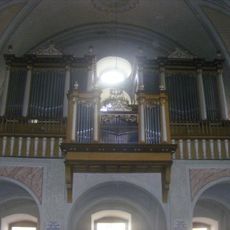
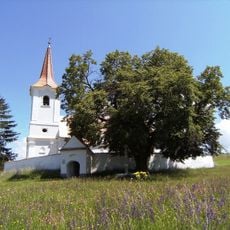
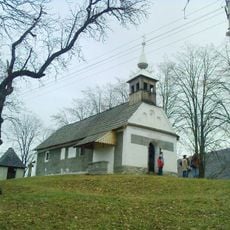
Salvator chapel in Șumuleu Ciuc, Roman Catholic chapel in Șumuleu Ciuc, Romania
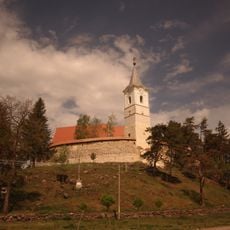
The Salvator Chapel sits on high ground as part of the Drumul Crucii complex, which features a series of stations forming a Calvary walk. The small structure displays traditional religious architecture with simple stone work and clear religious purpose.
The chapel's construction date is undocumented; the Franciscan chronicler Losteiner Leonárd linked it to the 1456 victory at Nándorfehérvár, while a tradition credits King Stephen I in 1002. The medieval single-nave building likely dates from the second half of the 15th century. In 1678 Mikes Kelemen and chancellor Kálnoki Sámuel funded an expansion with a barrel vault bearing their coats of arms; the main altar followed in 1679, and Vitus Pilutius consecrated the chapel in 1680.
Locals call it the Silator chapel, and the Catholic Székely community venerates the Redeemer there under the name Salvator. Its feast day is 6 August, the Transfiguration, when a festive Mass is held in honour of the "Holy Salvator". A stone cross before the chapel recalls the first Pentecost pilgrimage led to Csíksomlyó in 1567 by István, priest of Gyergyóalfalu.
The chapel is located in Miercurea Ciuc and can be reached by following local roads that climb into the hills. The site is accessible most of the year, though winter weather and heavy rain may affect conditions.
The chapel is also called Silator, the local form of Salvator. A stone cross in front of it was erected in 1876 by pilgrims from Gyergyóalfalu, commemorating a Pentecost procession led to Csíksomlyó in 1567 by their priest István. Hermits guarded the chapel for centuries.
The community of curious travelers
AroundUs brings together thousands of curated places, local tips, and hidden gems, enriched daily by 94,629 contributors worldwide.