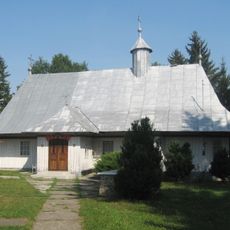
Bukovina Museum, Museum complex in Suceava, Romania
The Bukovina Museum is a regional institution in Suceava with exhibition spaces displaying artifacts from local history and daily life. The collections occupy multiple buildings and present objects that document how people in this area lived across different periods.
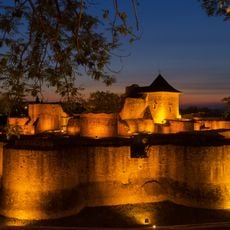
The museum grew out of restoration work on Suceava's medieval seat fortress begun in the late 19th century under Austrian architect Karl Adolf Romstorfer, after the fortress had stood ruined for over two centuries. Its headquarters, the History Museum, was built in 1898. The building on Ștefan cel Mare Street, designed by Julius Bochner, served as the district captaincy from 1903, then the prefecture after 1918, and has housed the history section since 1968.
The museum's name comes from Bukovina, the historical region whose southern part includes Suceava, often regarded as its cultural capital alongside Chernivtsi. Its headquarters is the History Museum in central Suceava, the oldest part of a complex of museums, objects and memorial houses scattered across the region. The building carries a memorial plaque placed on 2 July 2004 for the 500th anniversary of the death of Stephen the Great.
The museum is at Ștefan cel Mare Street no. 33 in central Suceava, in a two-storey building with a central entrance and a wrought-iron balcony above it. The history and art sections occupy the same building, with the art section in the north wing. The building was closed for restoration from 15 March 2014 and reopened on 31 July 2016.
The museum holds photographs by German photographer Oliver Mark, including a donation from his series 'Celebrităţi'. This artistic collection provides a different perspective on the region and its people.
The community of curious travelers
AroundUs brings together thousands of curated places, local tips, and hidden gems, enriched daily by 93,455 contributors worldwide.