Setomaa, Cultural region in southeastern Estonia and Pskov Oblast, Russia
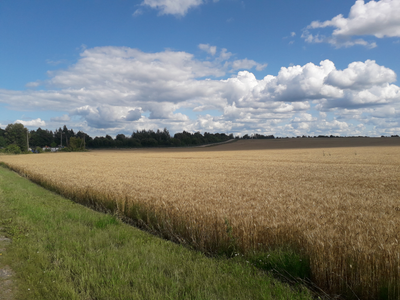
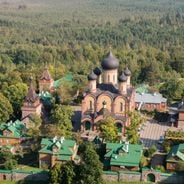
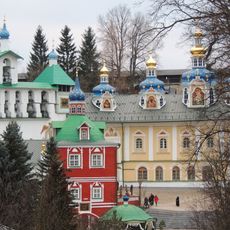
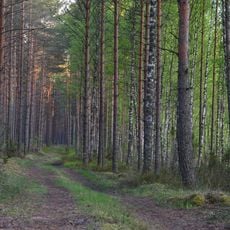
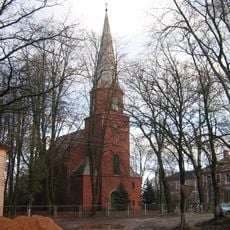
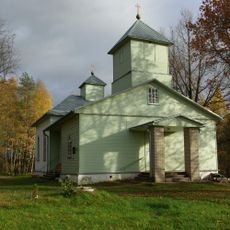
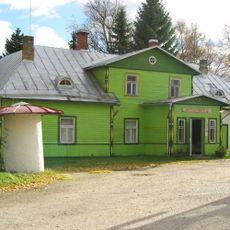
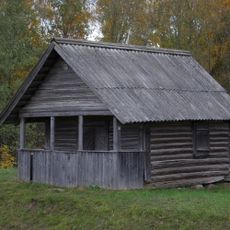
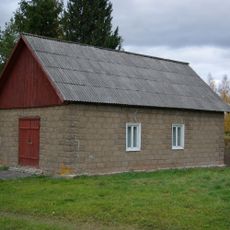
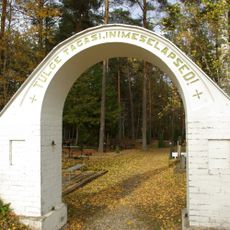
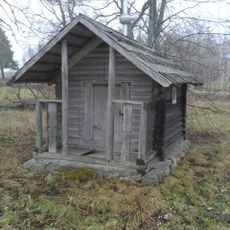
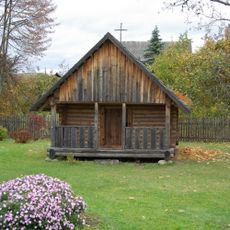
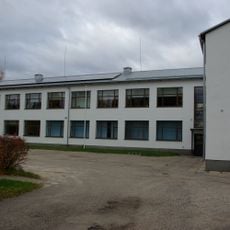
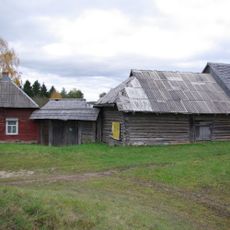
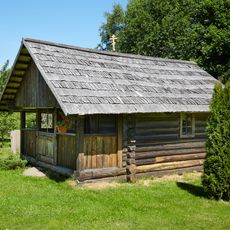
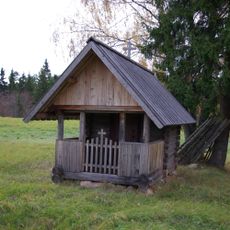
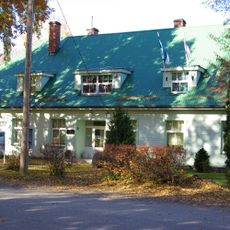
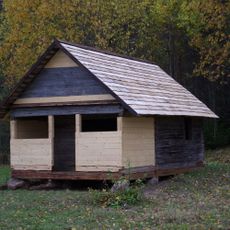
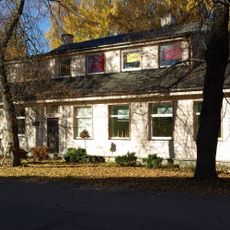
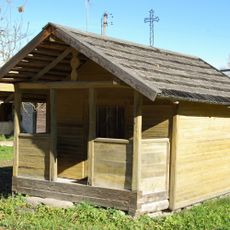
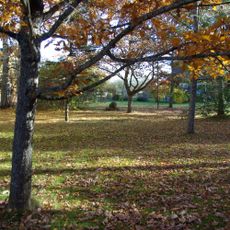
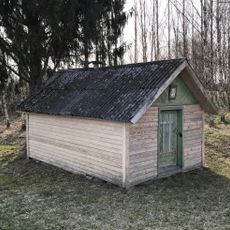
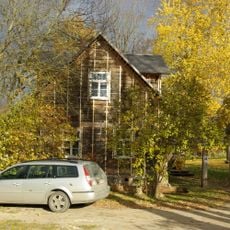
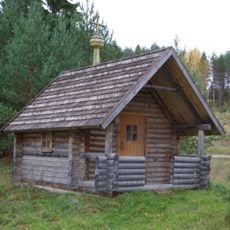
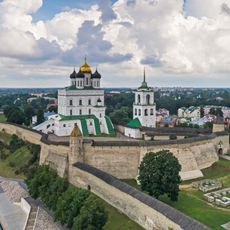
Setomaa is a cultural region spanning the border between Estonia and Russia, characterized by traditional wooden villages, scattered farms, and Orthodox churches set within forested terrain. The area shows how the Seto people have built their communities across landscapes on both sides of the frontier.
The entire territory belonged to Estonia from 1918 to 1944 under the Petseri County administration. Border shifts following World War II divided the region, placing some areas under Russian control.
The Seto people speak their own dialect and practice a singing tradition called leelo, where voices blend in layers and harmonies. These customs shape daily life and religious observances throughout the region in ways visitors can directly experience.
The region can be explored via the Seto Village Belt route, which links multiple museums, churches, and cultural centers from Võõpsu to the Luhamaa border crossing. This route helps visitors see the main sites in a logical sequence.
During Seto Kingdom Day each year, the community elects a representative leader who receives guidance from Peko, an agricultural deity in Seto belief. This ritual blends ancient religious customs with celebration of identity.
The community of curious travelers
AroundUs brings together thousands of curated places, local tips, and hidden gems, enriched daily by 92,757 contributors worldwide.