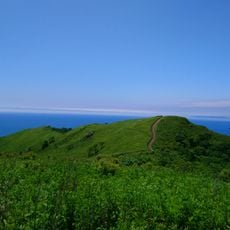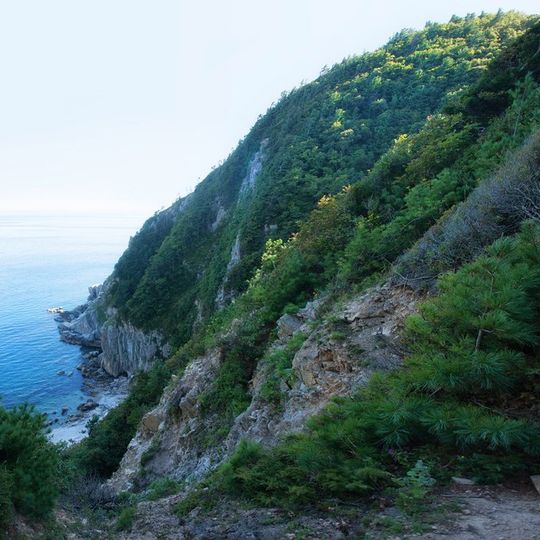
Lazovsky Zapovednik, Nature reserve in Primorsky Krai, Russia
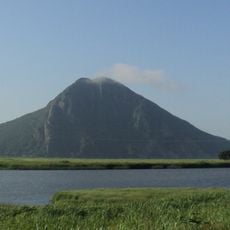
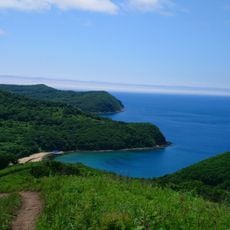
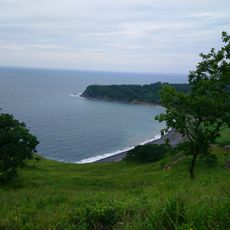
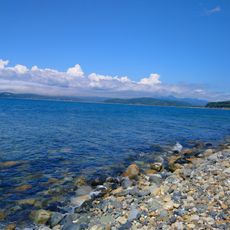
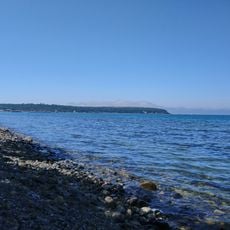
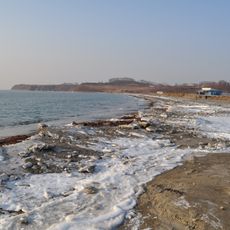
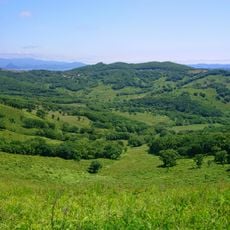
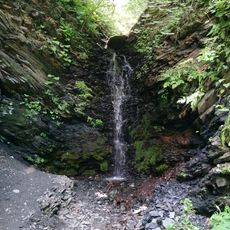
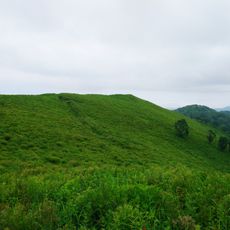
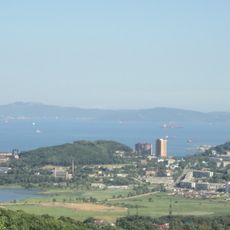
The Lazovsky Zapovednik is a protected reserve covering about 121,000 hectares of coastal areas, mountains, and forests along the Sea of Japan in eastern Russia. The area contains diverse plants and animals across different landscape zones and geological features.
In 1928 a South Ussuri (Sudzukhinsky) sanctuary was set up; on 10 February 1935 a Sudzukhinsky branch of the Sikhote-Alin Reserve was formed there under director K. G. Abramov. It became independent in 1940 with 138,000 ha, was abolished in 1951, re-established in 1957, and on 26 June 1970 took its present name honouring L. G. Kaplanov, killed by poachers in 1943. Since 2014 it has shared a directorate with Zov Tigra National Park.
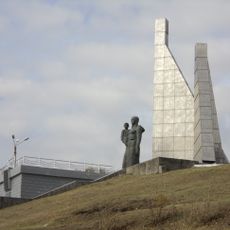
The reserve is named after Lev Kaplanov, its director, who was killed by poachers in 1943. A nature museum operates outside the boundaries in the village of Lazo. The reserve's territory includes Petrov Island, where the pointed yew forms the forest canopy, a feature noted in scientific accounts since the 1800s.
As a strict zapovednik, the reserve is largely closed to the public; only four ecotourist routes are open, visits are limited each year and must be made in groups, arranged in advance with the reserve's management. A nature museum sits outside the boundaries in the village of Lazo. One of the three roads inside is a public road from the Kievka valley to Preobrazhenie.
On Petrov Island, the yew (Taxus cuspidata) forms the forest canopy itself, a role it rarely plays elsewhere, and more than 300 vascular plant species grow beneath it. The small lagoon Lake Zarya holds the relict aquatic plant Brasenia schreberi and the bivalve Arsenievina zarensis, both found at few other sites.
The community of curious travelers
AroundUs brings together thousands of curated places, local tips, and hidden gems, enriched daily by 93,359 contributors worldwide.