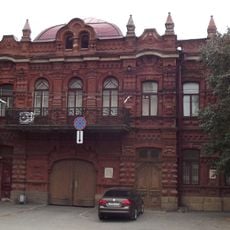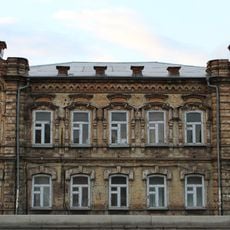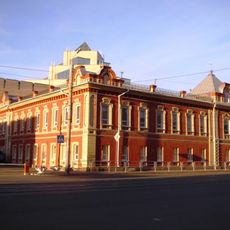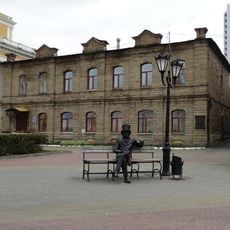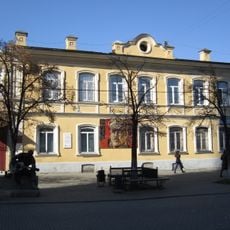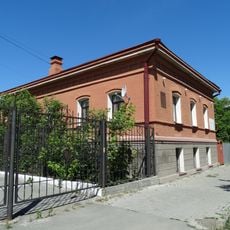
State Historical Museum of the Southern Urals, History museum in Chelyabinsk, Russia
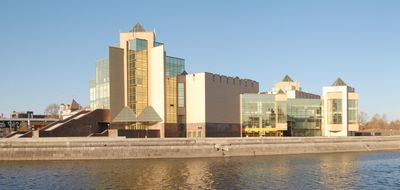
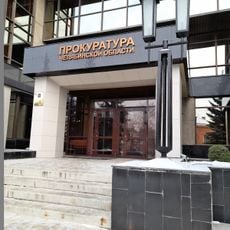
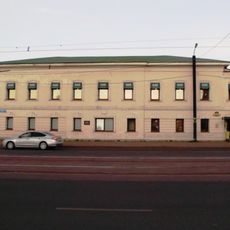
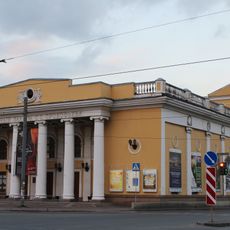
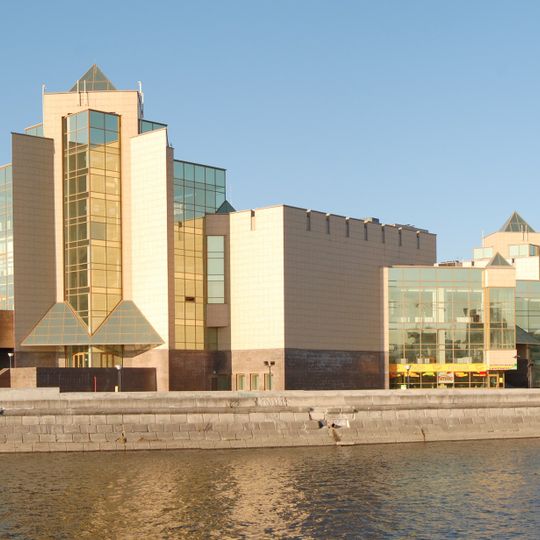
The State Historical Museum of the Southern Urals occupies a building opened on 29 June 2006 at 55.16833, 61.39778 in Chelyabinsk. Its holdings exceed 250,000 items, shown in three permanent halls: nature and ancient history, history and folk life, and 20th-century history. The largest fragment of the 2013 Chelyabinsk meteorite, weighing half a tonne, is on display.
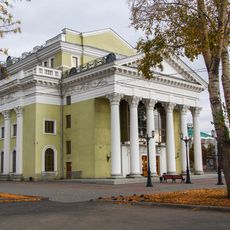
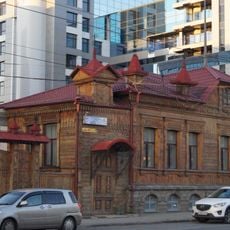
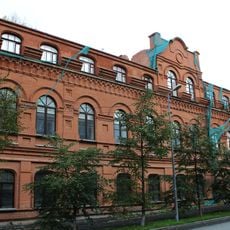
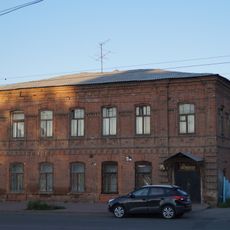
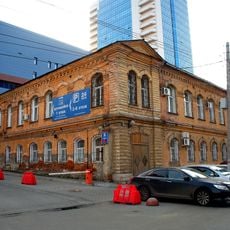
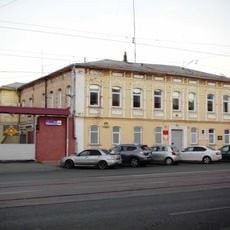
In 1913 Ippolit Krasheninnikov's group began collecting for a museum; work resumed after the Civil War, and on 24 October 1922 the local executive committee granted the former Yaushev brothers' house on Truda Street. The Museum of the Local Region opened there on 1 July 1923, with Ivan Gorokhov as first director. From 1929 to 1933 it moved repeatedly, then occupied the former Holy Trinity Church until 1989; it was renamed the State Historical Museum of the Southern Urals in 2016.
The ethnographic collections show the everyday life of Russian peasants, nomadic tribes and Tatar-Bashkir groups of the Southern Urals: clothing, household objects and old photographs. The museum also holds Zlatoust engraved metalwork and 18th- to 20th-century paintings. Its three permanent halls are devoted to nature and ancient history, folk life, and 20th-century history.
Located at coordinates 55.168333 latitude and 61.397778 longitude in Chelyabinsk, the museum offers accessible facilities and visitors should check opening hours and ongoing exhibitions on the official website before planning their visit.
The museum displays the largest recovered fragment of the Chelyabinsk meteorite, which fell in 2013 and weighs half a tonne. Its archaeological holdings from the Southern Urals range from the Eneolithic to the early Middle Ages.
The community of curious travelers
AroundUs brings together thousands of curated places, local tips, and hidden gems, enriched daily by 94,261 contributors worldwide.