See the monuments around you in AROpen chests in the app
Around Us is built for your phone — point your camera at the streets and discover the monuments and places around you in augmented reality.Around Us is built for your phone — chests unlock when you walk, explore and capture nearby places.
Waterfalls in Haute-Savoie: waterfalls, gorges, and glacial cirques
The Haute-Savoie is home to waterfalls with very different characters. Some are hidden along forest paths, like the Cascade du Dard near Chamonix, while others tumble down from tall limestone cliffs over hundreds of meters. The Cascade d'Arpenaz near Sallanches is one of the tallest in France, with an 860-meter drop. The Cascades d'Angon flow down in several steps to Lake Annecy, and the Cascade de la Diosaz can be visited through walkways built in a gorge.
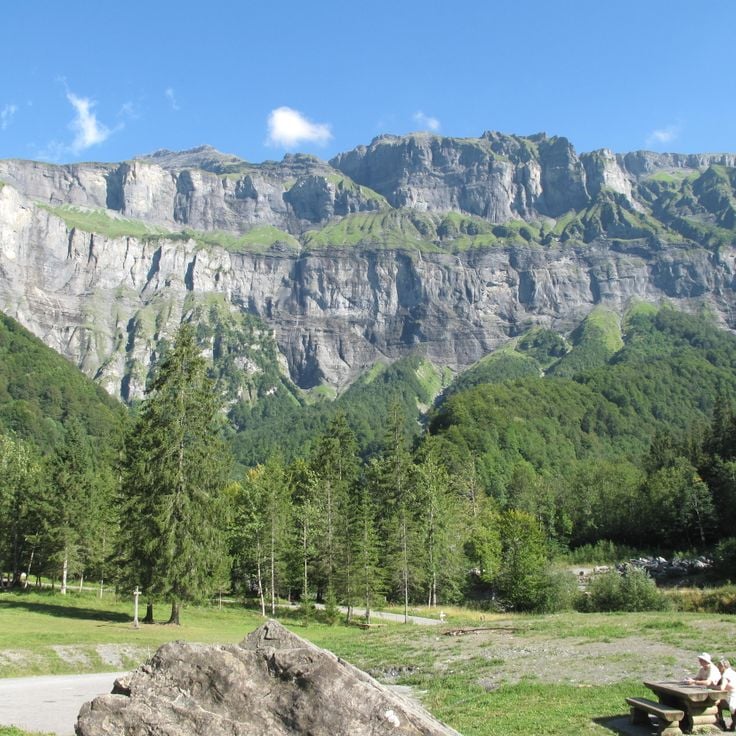
The Cirque du Fer-à-Cheval contains around thirty waterfalls that flow along a rocky amphitheater. Depending on the season and snowmelt, the flow changes, altering the atmosphere of the place. Other waterfalls, like the one in Nyon accessible by cable car or the one in Seythenex with its old water wheel, offer easy walks suitable for everyone.
Waterfalls in Haute-Savoie: waterfalls, gorges, and glacial cirques
The Haute-Savoie is home to waterfalls with very different characters. Some are hidden along forest paths, like the Cascade du Dard near Chamonix, while others tumble down from tall limestone cliffs over hundreds of meters. The Cascade d'Arpenaz near Sallanches is one of the tallest in France, with an 860-meter drop. The Cascades d'Angon flow down in several steps to Lake Annecy, and the Cascade de la Diosaz can be visited through walkways built in a gorge.
The Cirque du Fer-à-Cheval contains around thirty waterfalls that flow along a rocky amphitheater. Depending on the season and snowmelt, the flow changes, altering the atmosphere of the place. Other waterfalls, like the one in Nyon accessible by cable car or the one in Seythenex with its old water wheel, offer easy walks suitable for everyone.
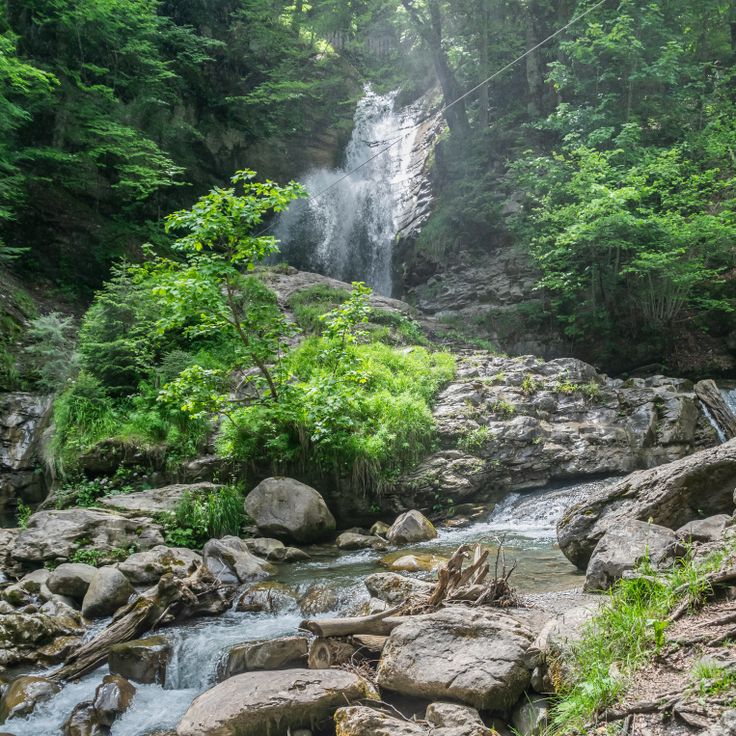
The Cascade du Dard flows over several granite steps in the forest between Chamonix and Les Praz. The water falls about 20 meters (65 feet) and forms small pools along the way. The path leads through a conifer forest, and the water comes directly from the Mer de Glace glacier. The surroundings are cool and damp, especially in early summer when the snowmelt begins.
The Cascades d'Angon drop down several tiers from a cliff above the lake. Water falls around 200 feet (60 meters) over limestone rocks toward the shore. The trail through the gorge crosses wooden bridges and metal ladders fixed to the slope. You can hear the rushing from a distance. In spring and after rain, the flow is stronger. The surroundings are wooded, and in some places you hold onto a cable. From below you can see the lake through the trees.
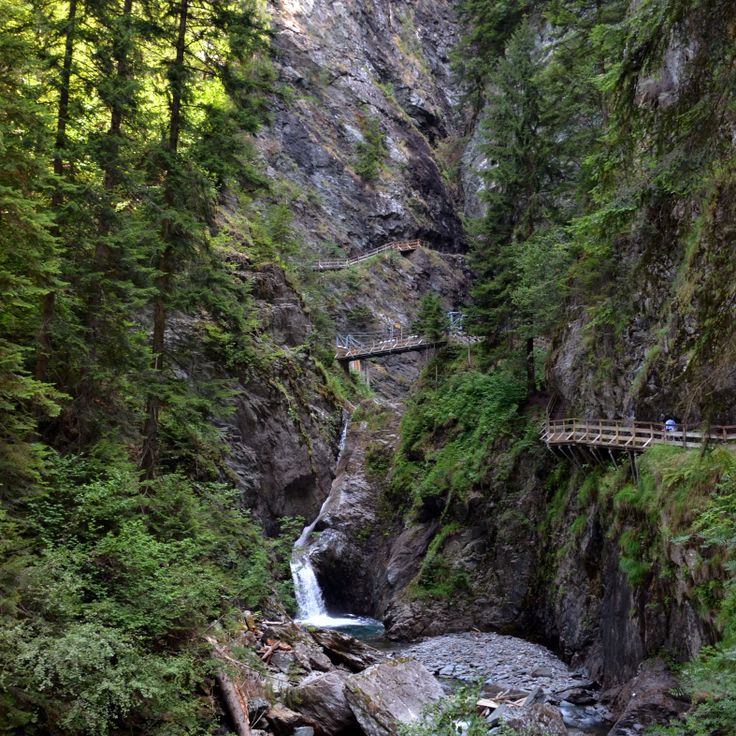
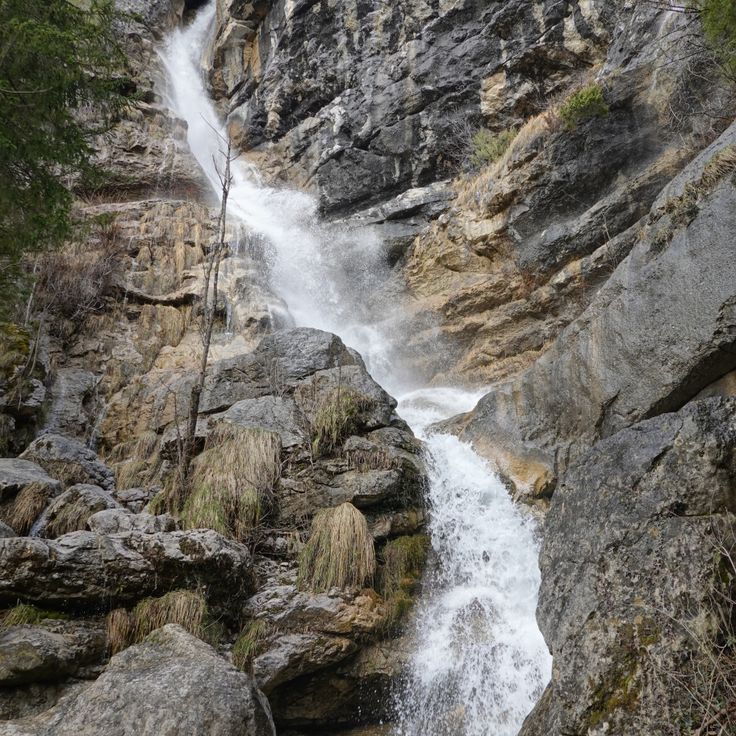
The Cascade de la Diosaz drops about 300 meters down a gorge, tumbling over multiple rock ledges. Metal walkways guide visitors through the Gorges de la Diosaz, close to the cliff faces and the water. The roar echoes throughout the canyon. In spring and after rain, the river swells, spray rises higher, and the platforms get wet. The paths are narrow and slippery in places. In summer, the water level drops, but the air stays cool and damp. Moss and ferns grow on the walls. The loop trail takes about an hour and returns to the entrance of the gorge.
The Cascades du Cirque du Fer are located at the end of a glacial valley shaped like a horseshoe. Around thirty waterfalls flow down limestone walls that rise from 500 to 2000 meters. The volume of water changes with the spring snowmelt and rainfall. In summer, some channels dry up almost completely, while others carry water throughout the year. You can hear the sound of flowing water from a distance when the streams are strong. The valley floor is flat and covered with meadows crossed by hiking trails. Spruce and larch trees grow around the amphitheater. The rock walls form a semicircle that closes off the valley. The site lies within the Sixt-Passy nature reserve.
The Cascade de Nyon drops 164 feet (50 meters) and can be reached by cable car from the valley station at Nyon. The waterfall sits halfway between the valley floor and the summit, surrounded by alpine meadows and rocky slopes. In summer, snowmelt from higher elevations keeps the water flowing, while in fall the stream runs quieter. The cable car makes access easy, even for families and walkers looking for a shorter route. From the arrival area, paths lead through the surrounding pastures and connect to other trails heading deeper into the mountains.
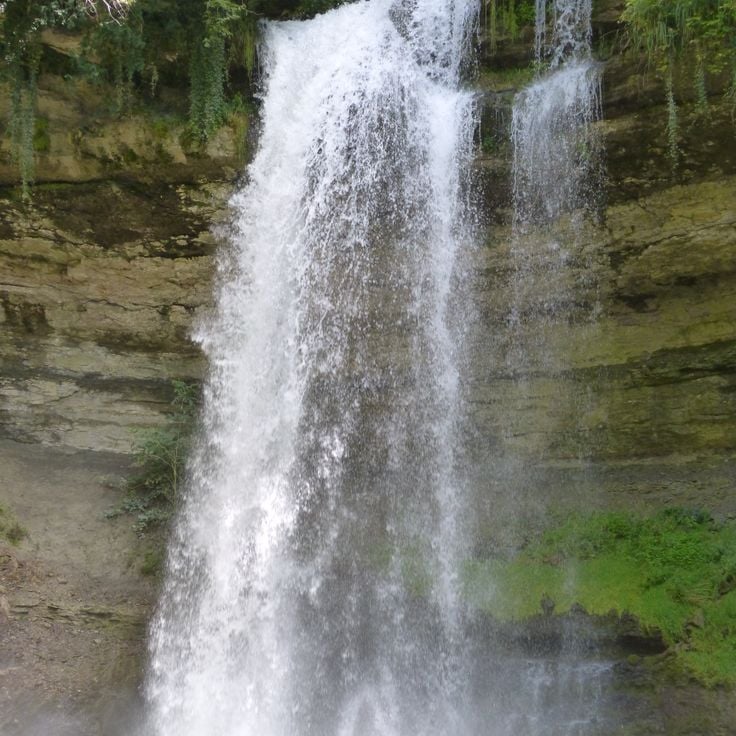
This waterfall splits into two parallel courses and drops 35 meters (115 feet) through a limestone formation near Thônes. The Cascade de Morette is part of the Haute-Savoie waterfalls and shows a particular form. The water flows over the two arms and falls along the pale rock. The waterfall is located in the Thônes area and belongs to the landscape of gorges and waterfalls that shape the department. From the forest path, you can see the two courses of water.
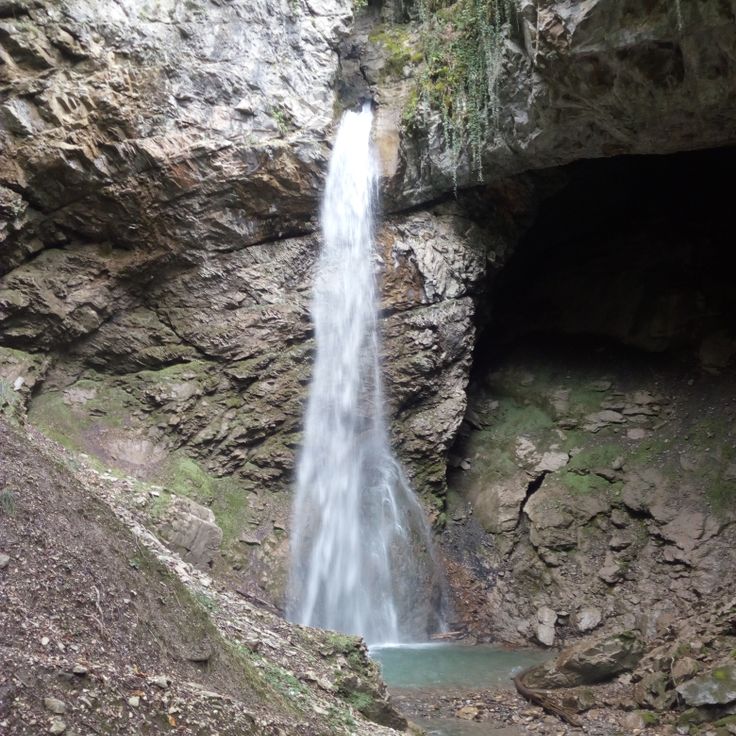
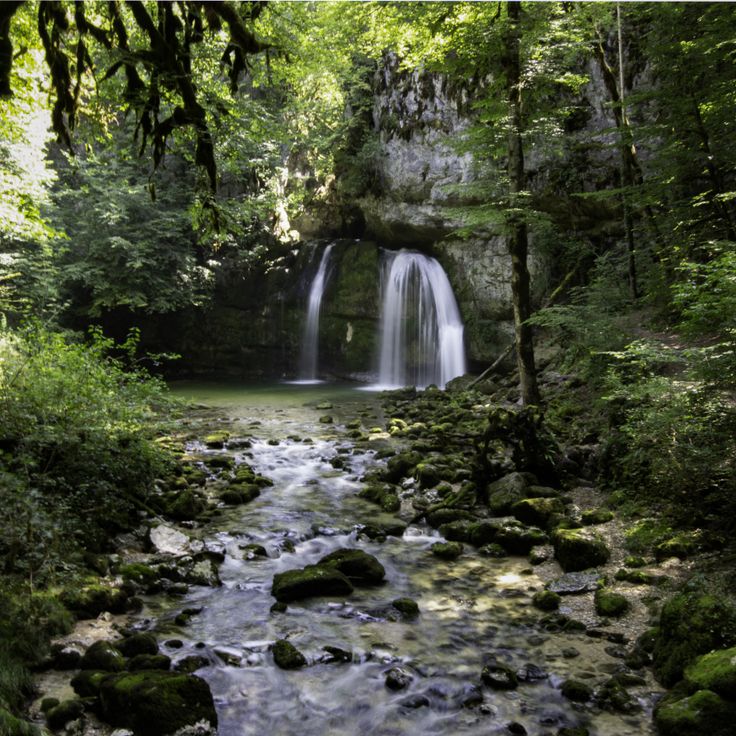
This waterfall drops 25 meters (80 feet) through a natural rock arch into a green valley. The water flows over moss-covered stones and forms a narrow opening in the rock. Access is via a forest trail that passes through beech and spruce stands. In spring, when snowmelt begins, the water flow is stronger and the sound carries far. The surroundings are quiet, with few visitors coming here. The moss on the rocks gives the place a damp, cool atmosphere. The Cascade des Poux is one of the Haute-Savoie waterfalls located away from the main routes.
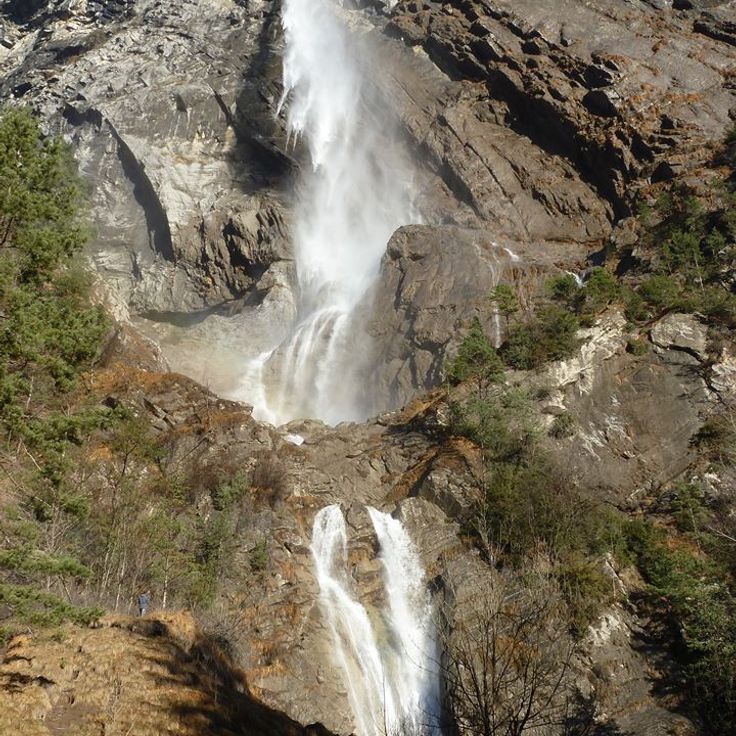
The Cascade d'Arpenaz drops 860 meters over several limestone tiers. This natural feature south of Sallanches stands out for its exceptional vertical fall, among the greatest in the Alps. Water from the Mont Blanc massif glaciers gathers on the rock face before descending in fine veils to the valley floor. Flow varies with snowmelt, the cascade is most powerful in spring. The entire height can be seen from the road, a footpath leads closer to the lower section.
The Cascade de Seythenex drops 45 meters over a rock face and feeds a restored 19th-century waterwheel at its base. The wheel once powered a sawmill. The path to the cascade follows the stream through forest. The approach is short and easy, so families and walkers often visit. In spring and after rain the water swells and spray dampens the surroundings. In summer the flow slows and the sound softens. A bench nearby invites you to rest and watch.
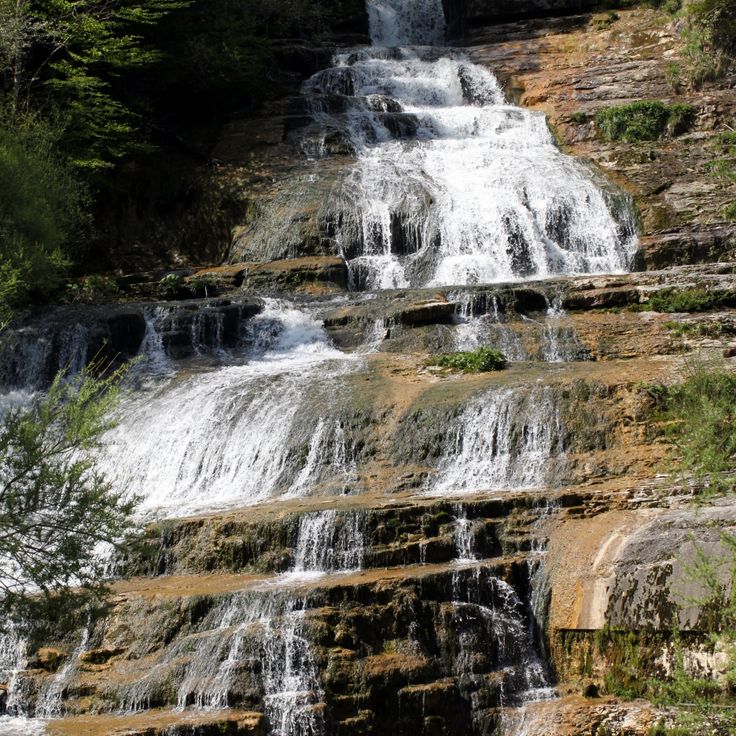
The Cascades des Combes flow over limestone steps through a forest that slopes at 30 degrees. The water divides into several falls, sliding over steps of varying heights and gaining more or less force depending on recent rainfall. The path leads through a deciduous forest where the sound of rushing water is almost constant. The surroundings feel damp and cool, especially in summer when the trees provide shade. In spring, when the snow melts, the flow swells and the cascades become noticeably louder.
The Orbe river drops 20 meters here before feeding a hydroelectric plant. The waterfall sits in a wooded valley reached by a quiet path. A natural pool has formed at the base where the water swirls and foams. Nearby installations show how water power was harnessed in the past. The sound of rushing water accompanies visitors throughout the walk. In summer the flow is usually lower, but the surroundings stay pleasantly cool.
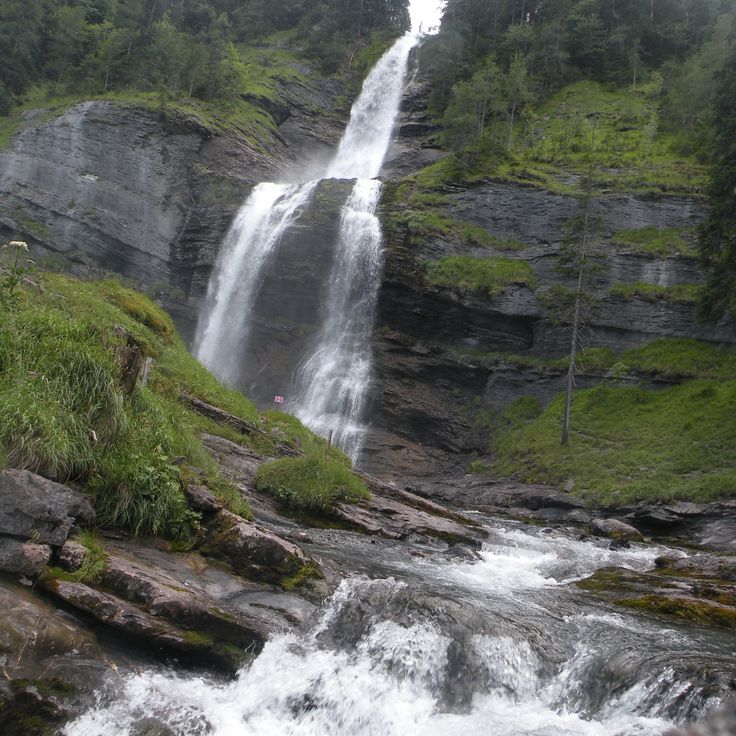
The Cascade du Rouget drops over a limestone cliff in two stages. Water falls over 90 meters (295 feet) and crashes into rocks below. The roar of the stream can be heard from a distance. Depending on the season and rainfall, the volume of water changes. In spring, snowmelt swells the river. Forest and rock surround the falls. A trail leads to a viewpoint near the cascading sections.
The Cascade du Dard flows over several granite steps in the forest between Chamonix and Les Praz. The water falls about 20 meters (65 feet) and forms small pools along the way. The path leads through a conifer forest, and the water comes directly from the Mer de Glace glacier. The surroundings are cool and damp, especially in early summer when the snowmelt begins.
The Cascades d'Angon drop down several tiers from a cliff above the lake. Water falls around 200 feet (60 meters) over limestone rocks toward the shore. The trail through the gorge crosses wooden bridges and metal ladders fixed to the slope. You can hear the rushing from a distance. In spring and after rain, the flow is stronger. The surroundings are wooded, and in some places you hold onto a cable. From below you can see the lake through the trees.
The Cascade de la Diosaz drops about 300 meters down a gorge, tumbling over multiple rock ledges. Metal walkways guide visitors through the Gorges de la Diosaz, close to the cliff faces and the water. The roar echoes throughout the canyon. In spring and after rain, the river swells, spray rises higher, and the platforms get wet. The paths are narrow and slippery in places. In summer, the water level drops, but the air stays cool and damp. Moss and ferns grow on the walls. The loop trail takes about an hour and returns to the entrance of the gorge.
The Cascades du Cirque du Fer are located at the end of a glacial valley shaped like a horseshoe. Around thirty waterfalls flow down limestone walls that rise from 500 to 2000 meters. The volume of water changes with the spring snowmelt and rainfall. In summer, some channels dry up almost completely, while others carry water throughout the year. You can hear the sound of flowing water from a distance when the streams are strong. The valley floor is flat and covered with meadows crossed by hiking trails. Spruce and larch trees grow around the amphitheater. The rock walls form a semicircle that closes off the valley. The site lies within the Sixt-Passy nature reserve.
The Cascade de Nyon drops 164 feet (50 meters) and can be reached by cable car from the valley station at Nyon. The waterfall sits halfway between the valley floor and the summit, surrounded by alpine meadows and rocky slopes. In summer, snowmelt from higher elevations keeps the water flowing, while in fall the stream runs quieter. The cable car makes access easy, even for families and walkers looking for a shorter route. From the arrival area, paths lead through the surrounding pastures and connect to other trails heading deeper into the mountains.
This waterfall splits into two parallel courses and drops 35 meters (115 feet) through a limestone formation near Thônes. The Cascade de Morette is part of the Haute-Savoie waterfalls and shows a particular form. The water flows over the two arms and falls along the pale rock. The waterfall is located in the Thônes area and belongs to the landscape of gorges and waterfalls that shape the department. From the forest path, you can see the two courses of water.
This waterfall drops 25 meters (80 feet) through a natural rock arch into a green valley. The water flows over moss-covered stones and forms a narrow opening in the rock. Access is via a forest trail that passes through beech and spruce stands. In spring, when snowmelt begins, the water flow is stronger and the sound carries far. The surroundings are quiet, with few visitors coming here. The moss on the rocks gives the place a damp, cool atmosphere. The Cascade des Poux is one of the Haute-Savoie waterfalls located away from the main routes.
The Cascade d'Arpenaz drops 860 meters over several limestone tiers. This natural feature south of Sallanches stands out for its exceptional vertical fall, among the greatest in the Alps. Water from the Mont Blanc massif glaciers gathers on the rock face before descending in fine veils to the valley floor. Flow varies with snowmelt, the cascade is most powerful in spring. The entire height can be seen from the road, a footpath leads closer to the lower section.
The Cascade de Seythenex drops 45 meters over a rock face and feeds a restored 19th-century waterwheel at its base. The wheel once powered a sawmill. The path to the cascade follows the stream through forest. The approach is short and easy, so families and walkers often visit. In spring and after rain the water swells and spray dampens the surroundings. In summer the flow slows and the sound softens. A bench nearby invites you to rest and watch.
The Cascades des Combes flow over limestone steps through a forest that slopes at 30 degrees. The water divides into several falls, sliding over steps of varying heights and gaining more or less force depending on recent rainfall. The path leads through a deciduous forest where the sound of rushing water is almost constant. The surroundings feel damp and cool, especially in summer when the trees provide shade. In spring, when the snow melts, the flow swells and the cascades become noticeably louder.
The Orbe river drops 20 meters here before feeding a hydroelectric plant. The waterfall sits in a wooded valley reached by a quiet path. A natural pool has formed at the base where the water swirls and foams. Nearby installations show how water power was harnessed in the past. The sound of rushing water accompanies visitors throughout the walk. In summer the flow is usually lower, but the surroundings stay pleasantly cool.
The Cascade du Rouget drops over a limestone cliff in two stages. Water falls over 90 meters (295 feet) and crashes into rocks below. The roar of the stream can be heard from a distance. Depending on the season and rainfall, the volume of water changes. In spring, snowmelt swells the river. Forest and rock surround the falls. A trail leads to a viewpoint near the cascading sections.
The Cascade du Dard flows over several granite steps in the forest between Chamonix and Les Praz. The water falls about 20 meters (65 feet) and forms small pools along the way. The path leads through a conifer forest, and the water comes directly from the Mer de Glace glacier. The surroundings are cool and damp, especially in early summer when the snowmelt begins.
The Cascades d'Angon drop down several tiers from a cliff above the lake. Water falls around 200 feet (60 meters) over limestone rocks toward the shore. The trail through the gorge crosses wooden bridges and metal ladders fixed to the slope. You can hear the rushing from a distance. In spring and after rain, the flow is stronger. The surroundings are wooded, and in some places you hold onto a cable. From below you can see the lake through the trees.
The Cascade de la Diosaz drops about 300 meters down a gorge, tumbling over multiple rock ledges. Metal walkways guide visitors through the Gorges de la Diosaz, close to the cliff faces and the water. The roar echoes throughout the canyon. In spring and after rain, the river swells, spray rises higher, and the platforms get wet. The paths are narrow and slippery in places. In summer, the water level drops, but the air stays cool and damp. Moss and ferns grow on the walls. The loop trail takes about an hour and returns to the entrance of the gorge.
The Cascades du Cirque du Fer are located at the end of a glacial valley shaped like a horseshoe. Around thirty waterfalls flow down limestone walls that rise from 500 to 2000 meters. The volume of water changes with the spring snowmelt and rainfall. In summer, some channels dry up almost completely, while others carry water throughout the year. You can hear the sound of flowing water from a distance when the streams are strong. The valley floor is flat and covered with meadows crossed by hiking trails. Spruce and larch trees grow around the amphitheater. The rock walls form a semicircle that closes off the valley. The site lies within the Sixt-Passy nature reserve.
The Cascade de Nyon drops 164 feet (50 meters) and can be reached by cable car from the valley station at Nyon. The waterfall sits halfway between the valley floor and the summit, surrounded by alpine meadows and rocky slopes. In summer, snowmelt from higher elevations keeps the water flowing, while in fall the stream runs quieter. The cable car makes access easy, even for families and walkers looking for a shorter route. From the arrival area, paths lead through the surrounding pastures and connect to other trails heading deeper into the mountains.
This waterfall splits into two parallel courses and drops 35 meters (115 feet) through a limestone formation near Thônes. The Cascade de Morette is part of the Haute-Savoie waterfalls and shows a particular form. The water flows over the two arms and falls along the pale rock. The waterfall is located in the Thônes area and belongs to the landscape of gorges and waterfalls that shape the department. From the forest path, you can see the two courses of water.
This waterfall drops 25 meters (80 feet) through a natural rock arch into a green valley. The water flows over moss-covered stones and forms a narrow opening in the rock. Access is via a forest trail that passes through beech and spruce stands. In spring, when snowmelt begins, the water flow is stronger and the sound carries far. The surroundings are quiet, with few visitors coming here. The moss on the rocks gives the place a damp, cool atmosphere. The Cascade des Poux is one of the Haute-Savoie waterfalls located away from the main routes.
The Cascade d'Arpenaz drops 860 meters over several limestone tiers. This natural feature south of Sallanches stands out for its exceptional vertical fall, among the greatest in the Alps. Water from the Mont Blanc massif glaciers gathers on the rock face before descending in fine veils to the valley floor. Flow varies with snowmelt, the cascade is most powerful in spring. The entire height can be seen from the road, a footpath leads closer to the lower section.
The Cascade de Seythenex drops 45 meters over a rock face and feeds a restored 19th-century waterwheel at its base. The wheel once powered a sawmill. The path to the cascade follows the stream through forest. The approach is short and easy, so families and walkers often visit. In spring and after rain the water swells and spray dampens the surroundings. In summer the flow slows and the sound softens. A bench nearby invites you to rest and watch.
The Cascades des Combes flow over limestone steps through a forest that slopes at 30 degrees. The water divides into several falls, sliding over steps of varying heights and gaining more or less force depending on recent rainfall. The path leads through a deciduous forest where the sound of rushing water is almost constant. The surroundings feel damp and cool, especially in summer when the trees provide shade. In spring, when the snow melts, the flow swells and the cascades become noticeably louder.
The Orbe river drops 20 meters here before feeding a hydroelectric plant. The waterfall sits in a wooded valley reached by a quiet path. A natural pool has formed at the base where the water swirls and foams. Nearby installations show how water power was harnessed in the past. The sound of rushing water accompanies visitors throughout the walk. In summer the flow is usually lower, but the surroundings stay pleasantly cool.
The Cascade du Rouget drops over a limestone cliff in two stages. Water falls over 90 meters (295 feet) and crashes into rocks below. The roar of the stream can be heard from a distance. Depending on the season and rainfall, the volume of water changes. In spring, snowmelt swells the river. Forest and rock surround the falls. A trail leads to a viewpoint near the cascading sections.