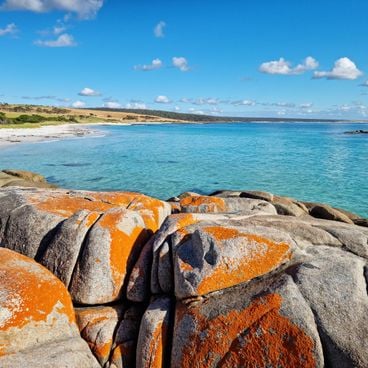
Australia's coastline features beaches with white sand and blue waters. These locations offer swimming, surfing, and nature viewing opportunities. From the Sunshine Coast to Tasmania, bays present diverse geological formations and marine wildlife.
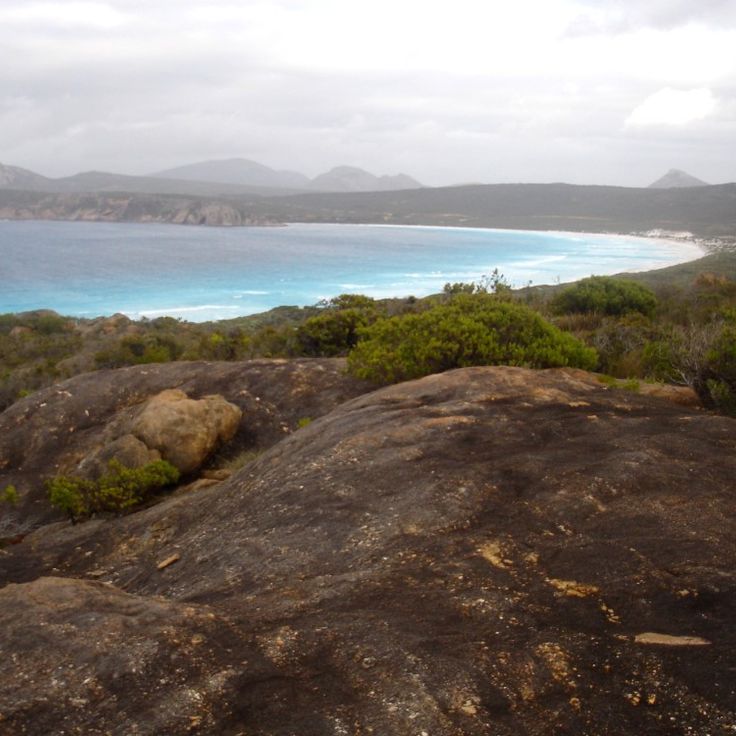
Cape Le Grand, Australia
Lucky Bay stretches for 5 kilometers along the coast of Cape Le Grand National Park in Western Australia. The fine white sand consists of quartz crystals and ranks among the purest beaches on the continent. The sea displays turquoise and azure tones created by the shallow water and light-colored seabed. Grey kangaroos from the nearby bushland regularly visit the beach to rest near the water. The bay sits protected between granite outcrops and provides access to several walking trails through the national park.
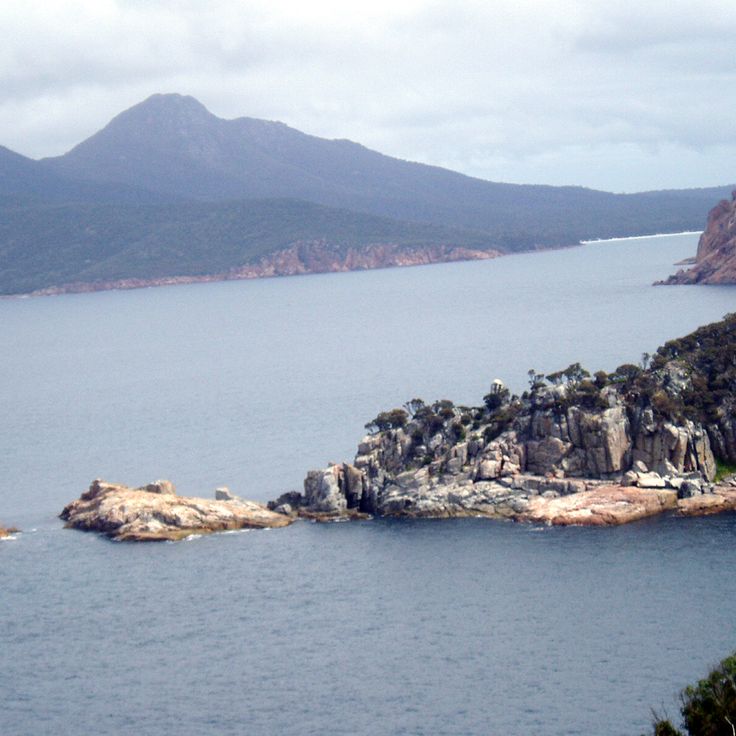
Freycinet, Tasmania
Wineglass Bay forms a crescent-shaped bay with pink granite rocks and clear water on the east coast of Tasmania. The beach stretches 500 metres and is surrounded by dense eucalyptus forests and Tasmanian bushland. The bay sits within Freycinet National Park and is accessible via a walking track from the car park.
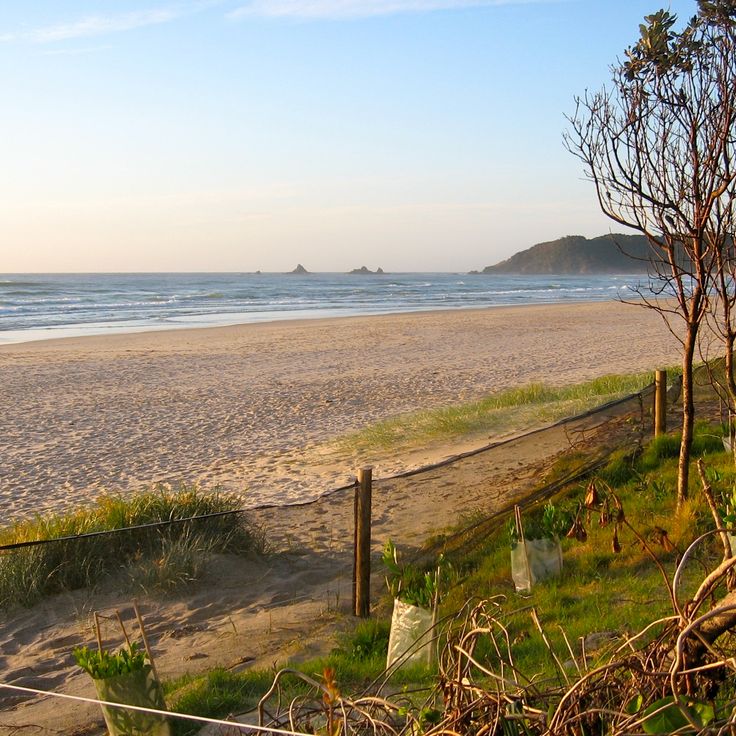
New South Wales, Australia
Byron Bay sits on Australia's east coast and attracts surfers from around the world. The beaches provide consistent waves, while dolphins are regularly spotted in the waters offshore. The Cape Byron Lighthouse stands at the easternmost point of mainland Australia and offers views across the Pacific Ocean. The town combines water sports with nature observation along the coastline.
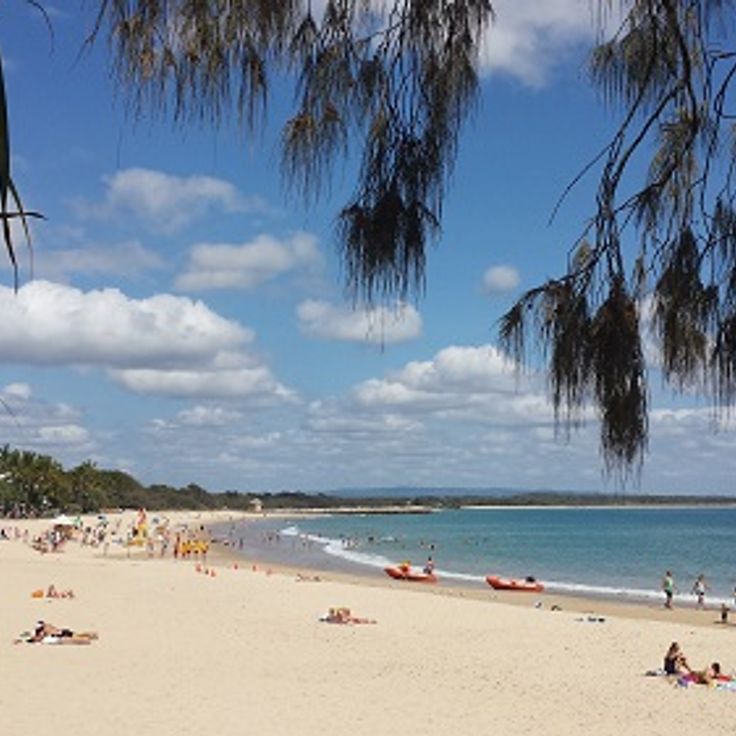
Queensland, Australia
Noosa Main Beach is located in a sheltered bay on the Sunshine Coast, offering calm waters suitable for swimming and families. The beach is patrolled by lifeguards daily. A promenade with restaurants, cafes and shops runs along the waterfront. The sandy beach extends for several hundred meters. Parking facilities are available near the beach.
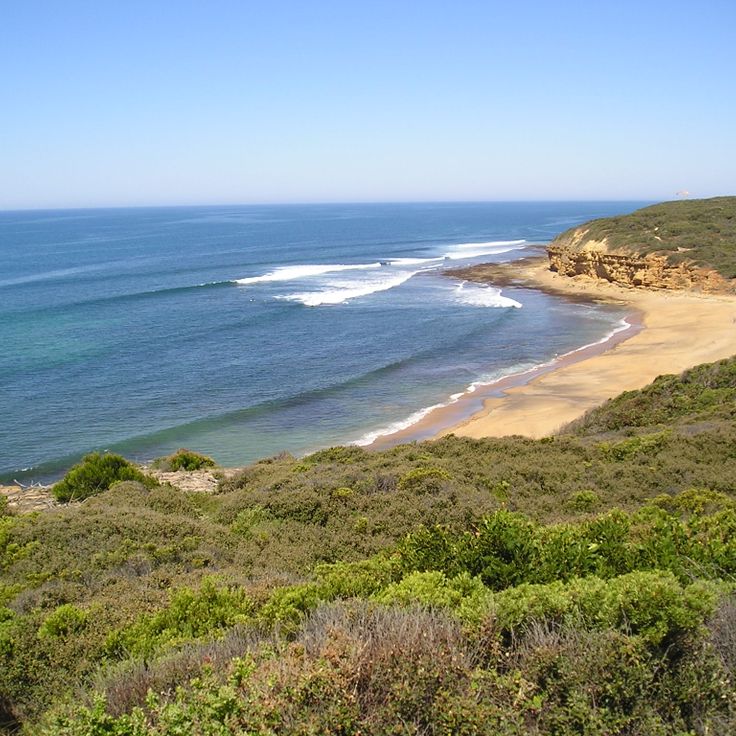
Victoria, Australia
Bells Beach sits on the Surfcoast between Torquay and Anglesea. The coastline offers several surf breaks with reef formations that work during southwest swells. The beach has hosted the Rip Curl Pro since 1961, one of the longest running professional surfing competitions worldwide. Waves typically range from one to three metres, with larger swells producing bigger sets. Access is via stairs from the clifftop. Parking facilities are available.
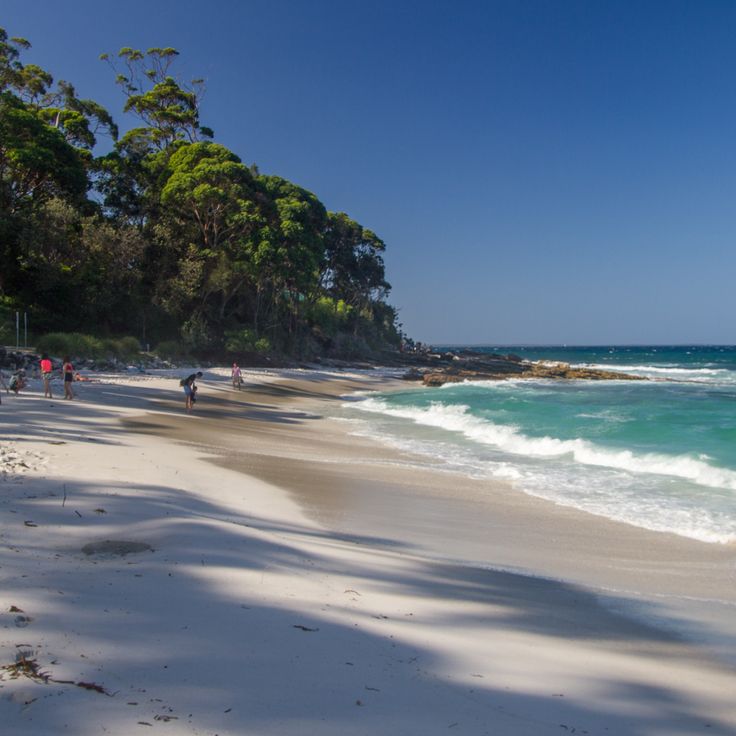
Jervis Bay, New South Wales, Australia
Hyams Beach is located on the southern coast of New South Wales within Jervis Bay and is recognized for its white quartz sand, which ranks among the brightest in the world. The clear waters invite swimming and snorkeling, with temperatures ranging between 20 and 24 degrees Celsius throughout the year. The beach extends for several hundred meters and is bordered by coastal vegetation. The area provides access to walking trails in the adjacent national park.
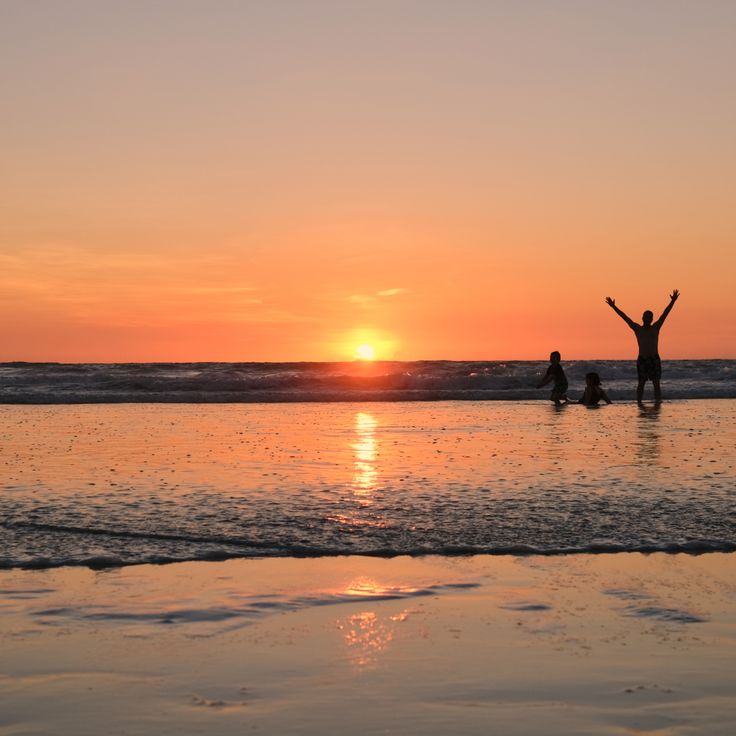
Broome, Western Australia, Australia
Cable Beach stretches for 22 kilometers along the coast of Broome, featuring white sand and turquoise waters. The water maintains an average temperature of 26 degrees Celsius throughout the year. This beach is known for its sunset camel rides and the red cliffs that frame the horizon. Visitors can swim, fish, or simply enjoy the expanse of the Indian Ocean.
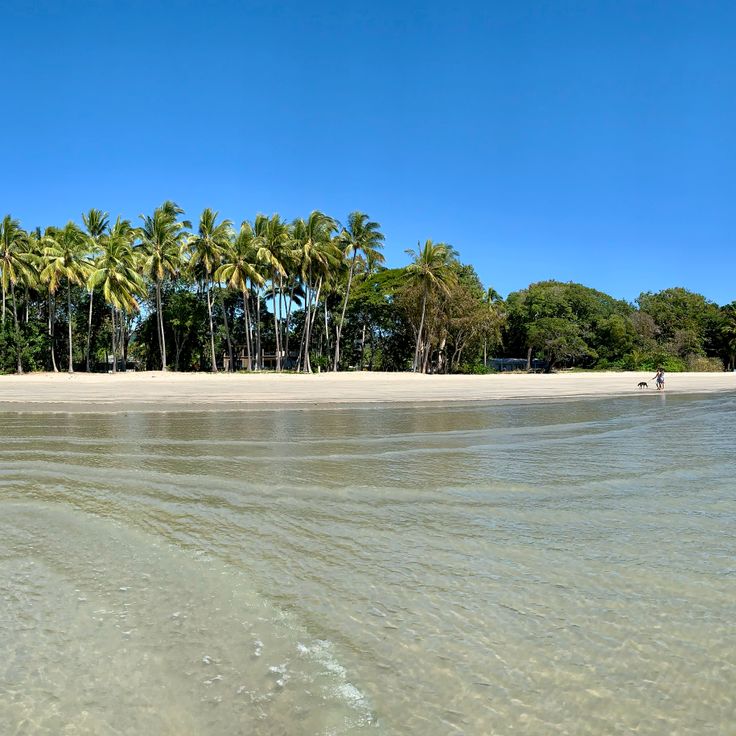
Port Douglas, Queensland, Australia
Four Mile Beach extends 6.4 kilometers along the Port Douglas coastline, featuring fine sand and shade-providing palm trees. The beach is bordered by dense tropical vegetation and benefits from regular lifeguard patrol services. Its location near the Great Barrier Reef makes this coastal stretch a popular starting point for underwater exploration activities.
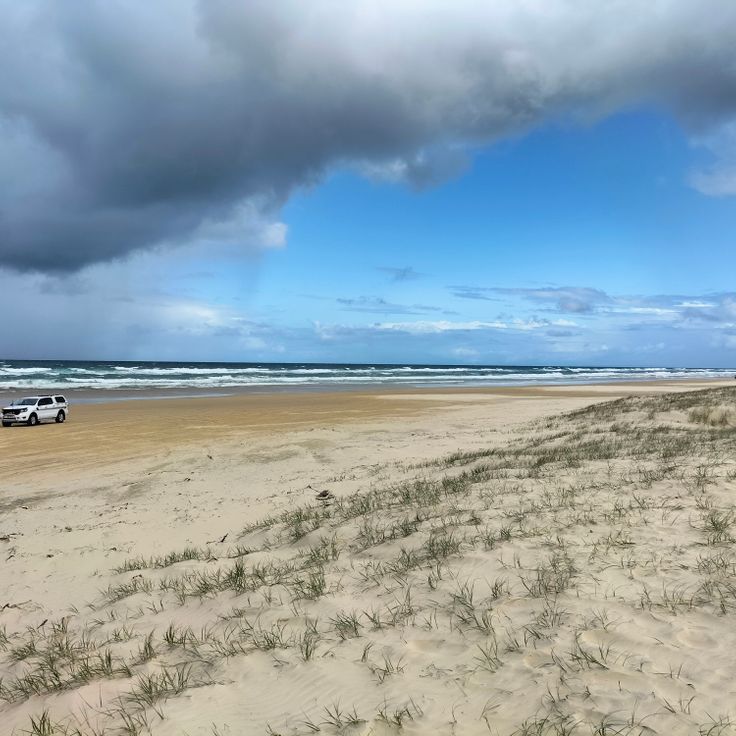
Fraser Island, Queensland, Australia
Seventy-Five Mile Beach stretches along the eastern coast of Fraser Island, serving as a natural landing strip and the island's main highway. This beach is home to a population of dingoes with light brown coats that roam freely along the shoreline. The rusted wreck of the Maheno steamship has rested in the sand since 1935, a reminder of its history as a hospital ship during World War I. Tides shape the beach's accessibility, while the Pacific Ocean waves regularly crash onto the shore.
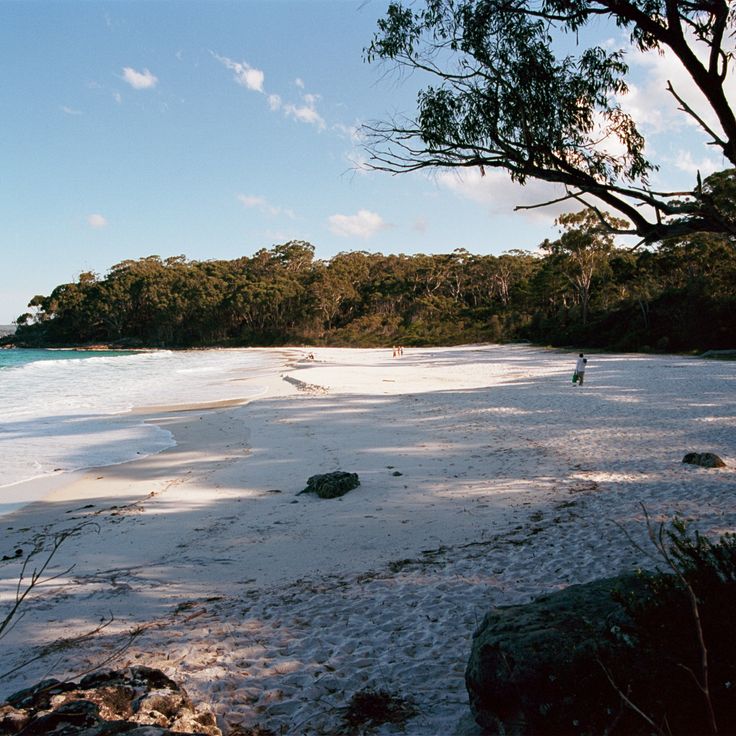
Shoalhaven, New South Wales, Australia
Greenfield Beach is located within Jervis Bay National Park on the south coast of New South Wales. The beach stretches along a sheltered bay surrounded by dense coastal forest. The clear waters are suitable for swimming and snorkeling. Walking tracks lead through the surrounding bushland to additional coves. The distance from major towns results in low visitor numbers. Basic facilities including toilets and picnic tables are available.
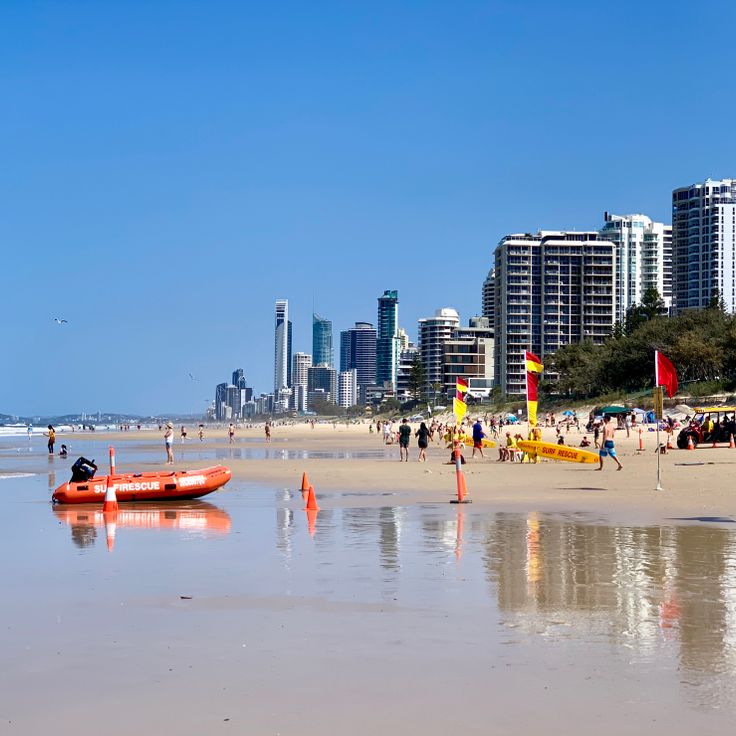
Noosa Heads, Queensland, Australia
Main Beach at Noosa Heads provides waves that regularly host surfing competitions. Along the shoreline are grassed areas equipped with tables and benches for relaxation. The beach combines water sports with onshore recreation facilities, attracting both athletes and families to this coastal location.
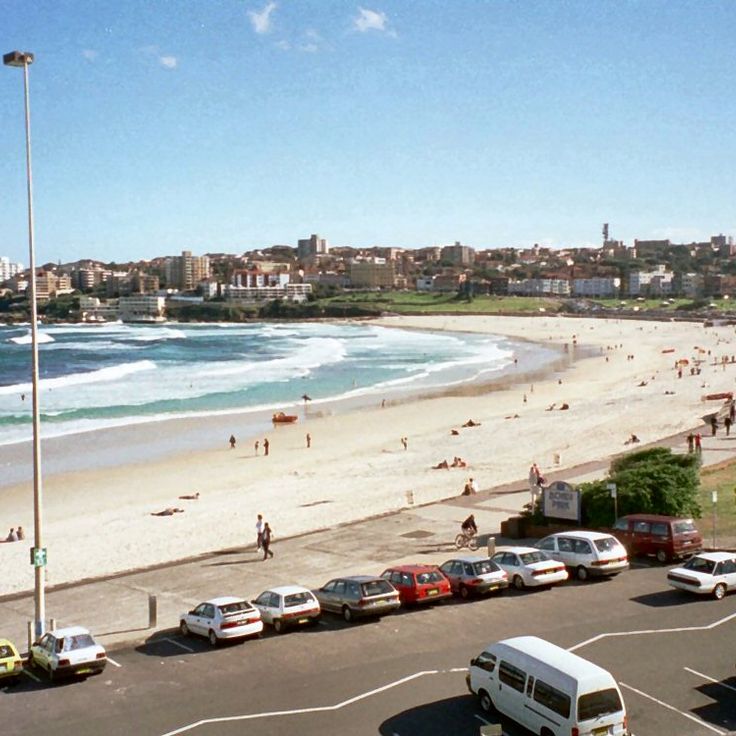
Sydney, New South Wales, Australia
Bondi Beach stretches for one kilometer along Sydney's eastern coastline and attracts swimmers, surfers and sunbathers. The beach features fine white sand and turquoise water patrolled by lifeguards. Along Campbell Parade, numerous restaurants, cafes and shops serve visitors. The coastal walk to Coogee provides views of cliffs and neighboring bays. The Bondi Icebergs Pool sits at the southern end of the beach.
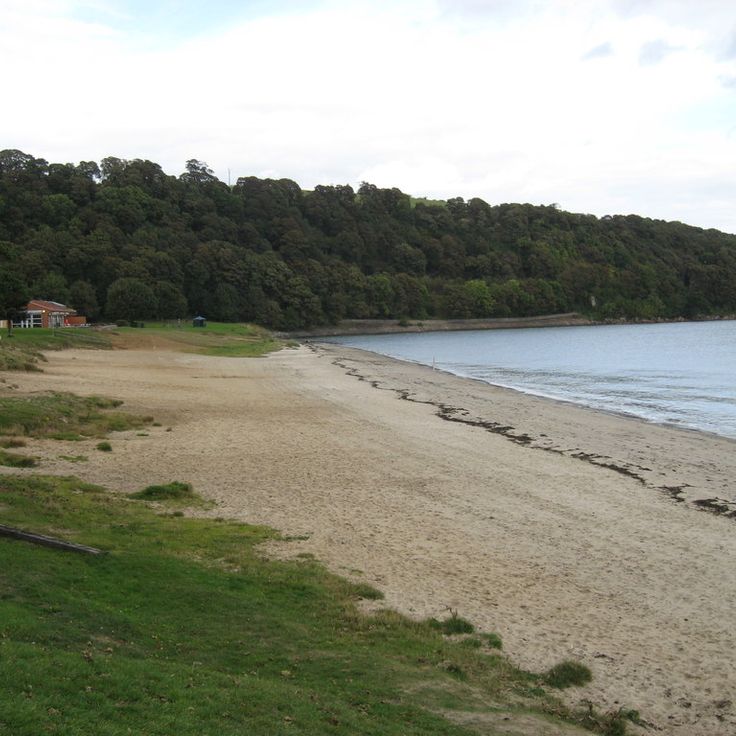
Aldinga, South Australia, Australia
Silversands is a quiet sandy beach located south of Adelaide, stretching for several kilometres along the Gulf St Vincent coastline. The shallow waters and sheltered position make this beach a pleasant spot for sunset walks. The area provides ample parking facilities and access to basic amenities. The beach sits away from major tourist routes and attracts mainly locals who appreciate the expansive sand flats and clear waters.
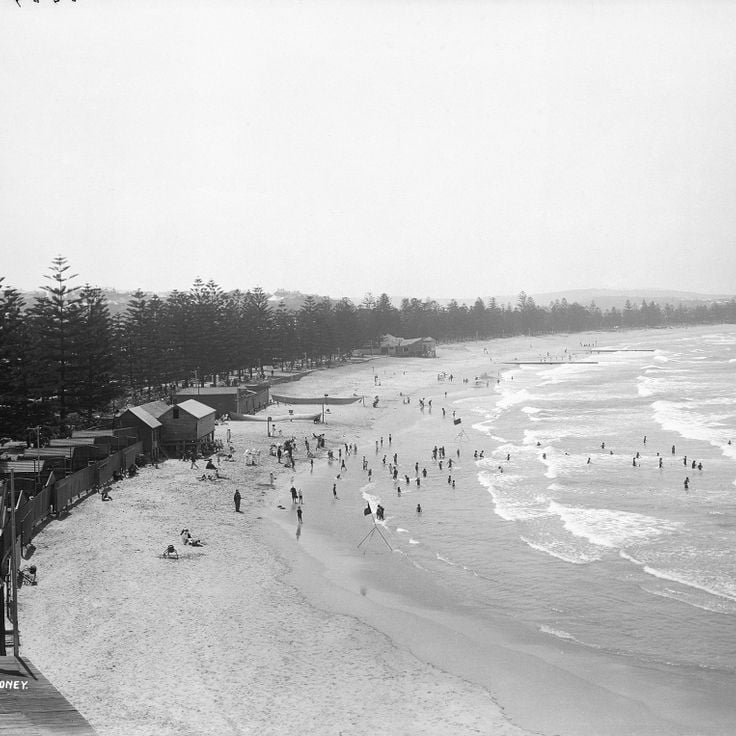
New South Wales, Australia
Manly Beach sits on Sydney's northern coastline and is accessible by ferry from Circular Quay. This beach offers opportunities for surfing, swimming, and snorkeling in sheltered coves. The Corso connects the harbor to the ocean and hosts shops, cafes, and restaurants. The nearby North Head Sanctuary is home to small penguin colonies that can be observed during guided evening tours. The beach provides lifeguard services, changing facilities, and amenities.
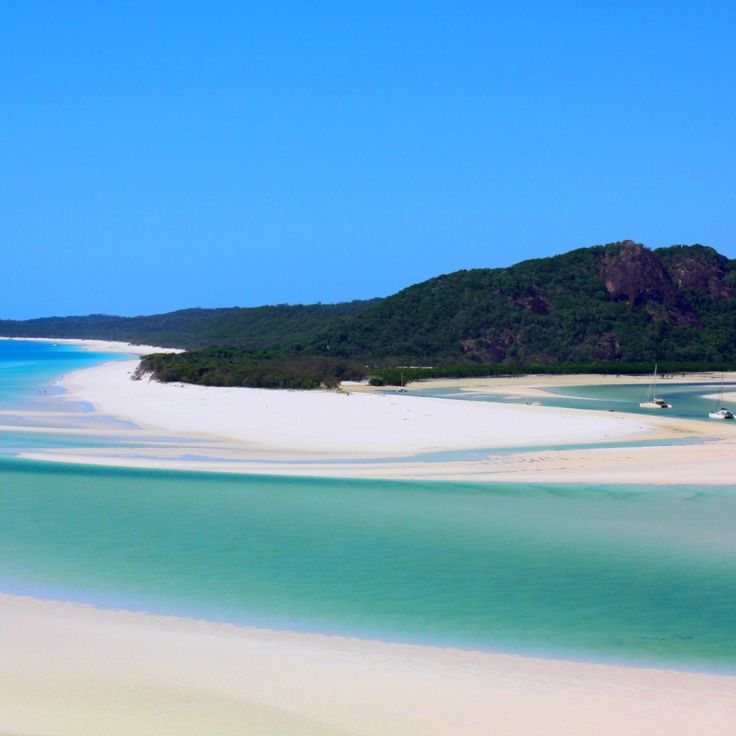
Whitsunday Island, Australia
Whitehaven Beach stretches for seven kilometres along the eastern coast of Whitsunday Island within the Great Barrier Reef Marine Park. The sand consists of 98 percent pure silica, giving it a distinctive white colour and fine texture. Located in the Coral Sea, this beach is accessible only by boat or seaplane. Tidal movements through Hill Inlet at the northern end create shifting patterns of sand in the shallow waters. The beach forms part of the Whitsunday Islands National Park and is subject to strict environmental protection regulations.