See the monuments around you in AROpen chests in the app
Around Us is built for your phone — point your camera at the streets and discover the monuments and places around you in augmented reality.Around Us is built for your phone — chests unlock when you walk, explore and capture nearby places.
Renaissance art across Europe : Leonardo da Vinci, Michelangelo, and Raphael masterpieces
This collection brings together Renaissance masterpieces that dialogue with Leonardo da Vinci's Mona Lisa. From Milan to Florence, passing through European museums, discover works by the greatest masters of this prolific period that shaped art history between the 15th and 16th centuries.
Da Vinci's Last Supper in Milan, Raphael's School of Athens at the Vatican, Michelangelo's David in Florence, or Raphael's Sistine Madonna in Dresden testify to the creative genius of this era. The collection also includes sites linked to Leonardo da Vinci, such as the Saint-Hubert Chapel in Amboise where the artist is buried, and the monumental sculpture of Leonardo's Horse at San Siro Racecourse. Each artwork reveals technical innovations, mastery of perspective, and attention to the human figure characteristic of High Renaissance.
Renaissance art across Europe : Leonardo da Vinci, Michelangelo, and Raphael masterpieces
This collection brings together Renaissance masterpieces that dialogue with Leonardo da Vinci's Mona Lisa. From Milan to Florence, passing through European museums, discover works by the greatest masters of this prolific period that shaped art history between the 15th and 16th centuries.
Da Vinci's Last Supper in Milan, Raphael's School of Athens at the Vatican, Michelangelo's David in Florence, or Raphael's Sistine Madonna in Dresden testify to the creative genius of this era. The collection also includes sites linked to Leonardo da Vinci, such as the Saint-Hubert Chapel in Amboise where the artist is buried, and the monumental sculpture of Leonardo's Horse at San Siro Racecourse. Each artwork reveals technical innovations, mastery of perspective, and attention to the human figure characteristic of High Renaissance.
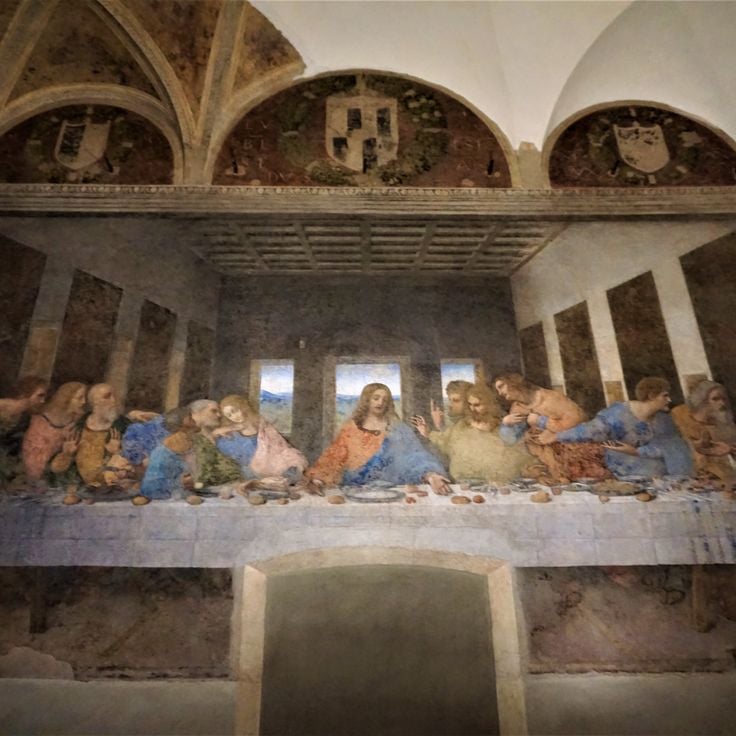
This mural in the church of Santa Maria delle Grazie shows Christ during his final meal with the twelve apostles, shortly before his betrayal. The painting holds a central place in this collection, demonstrating Leonardo da Vinci's technical innovations and his understanding of human emotion. It connects the artists featured in this collection to the greatest achievements of the High Renaissance between the 15th and 16th centuries.
This fresco in the Apostolic Palace of Vatican City depicts ancient philosophers and mathematicians gathered within a classical columned hall, combining perspectival representation with intellectual symbolism. Raphael created this work between 1509 and 1511 as part of decorating the Rooms. The composition demonstrates technical innovations, mastery of perspective, and attention to the human figure that defined High Renaissance art. This piece exemplifies the creative genius of the era and dialogues with Leonardo da Vinci's approach to representing complex scenes with clarity and depth.
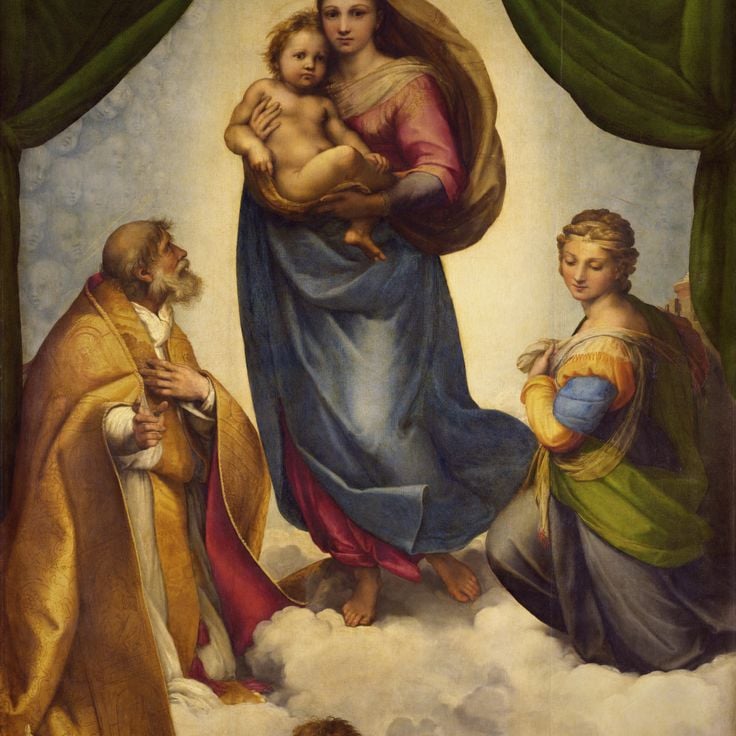
This painting in the Gemäldegalerie Alte Meister shows Mary holding the Christ Child, flanked by Pope Sixtus II and Saint Barbara. Two angels sit at the lower edge of the canvas. The work belongs to a collection of Renaissance masterpieces inspired by Leonardo's Mona Lisa. It demonstrates the technical skill and attention to human form that defined the High Renaissance.
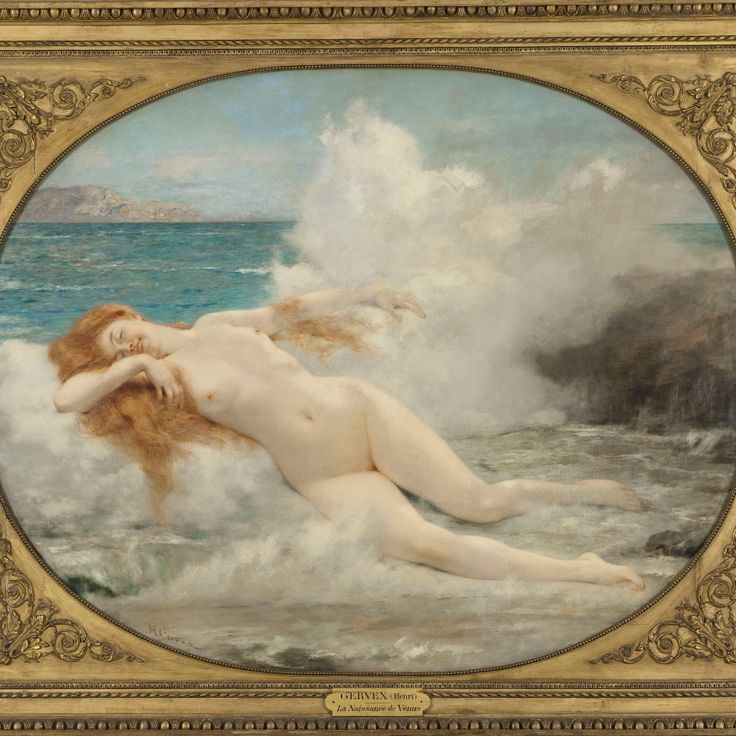
This painting shows the goddess Venus standing on a shell as she is carried to shore after her birth, accompanied by wind deities and a Hora. The work belongs to a collection of Renaissance masterpieces inspired by Leonardo's Mona Lisa. In the Uffizi Gallery in Florence, visitors can see how artists like Sandro Botticelli depicted the human body with new sensitivity and technical skill. This painting reveals the power and beauty that Renaissance artists brought to their work.
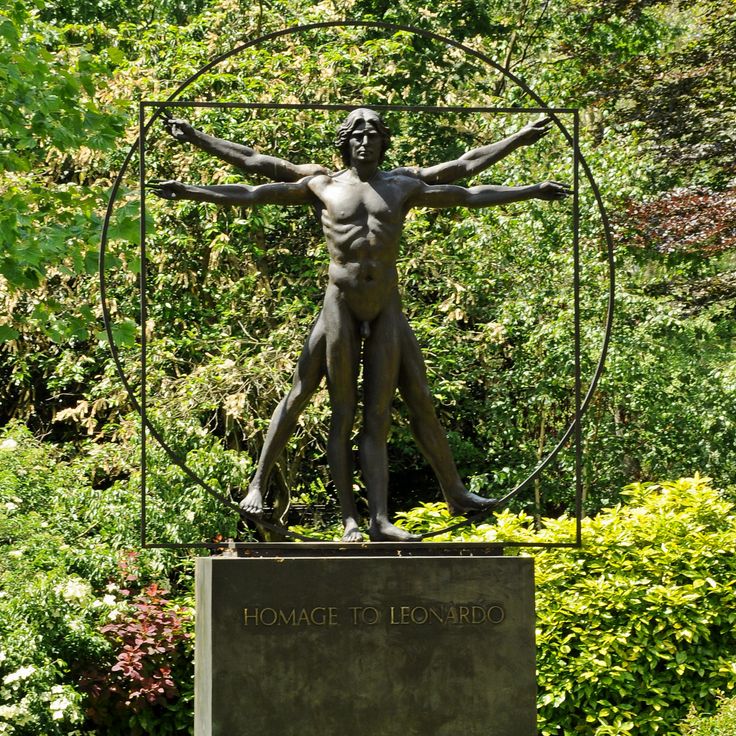
The Gallerie dell'Accademia houses this drawing showing the human figure in two overlapping positions set within a circle and square. Leonardo da Vinci created the work based on the proportions described by the Roman architect Vitruvius. The drawing reveals Leonardo's exploration of the mathematical relationships between geometry and the human body, a central preoccupation of the High Renaissance. This piece belongs to the broader collection of Renaissance masterworks that demonstrate Leonardo's creative genius and his lasting impact on European art history between the 15th and 16th centuries.
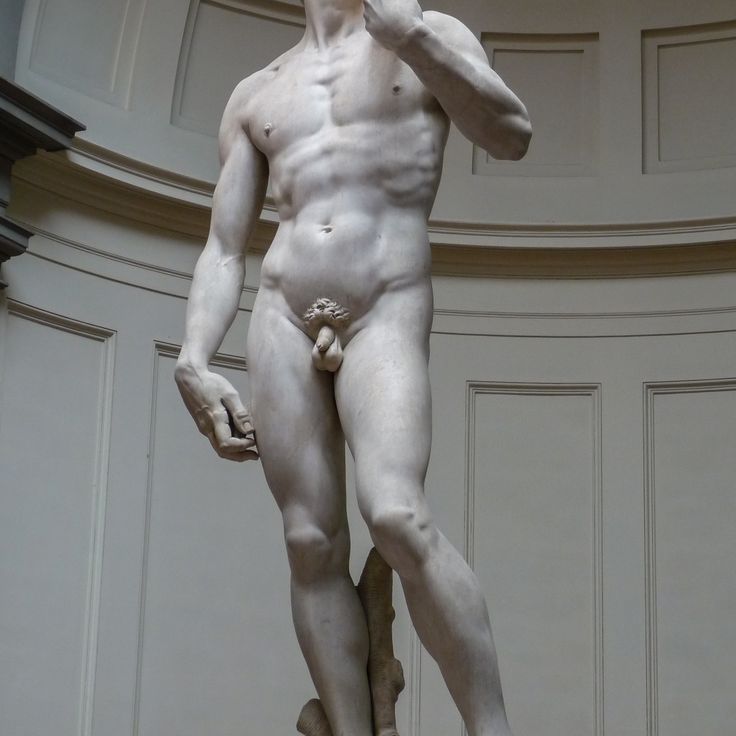
This marble sculpture at the Galleria dell'Accademia depicts the biblical King David before his battle with Goliath. Michelangelo portrayed him as a powerful young man in a contrapposto pose. The work stands as one of the most important creations of the Renaissance, embodying the technical mastery, command of perspective, and careful observation of the human figure that defined this period between the 15th and 16th centuries.
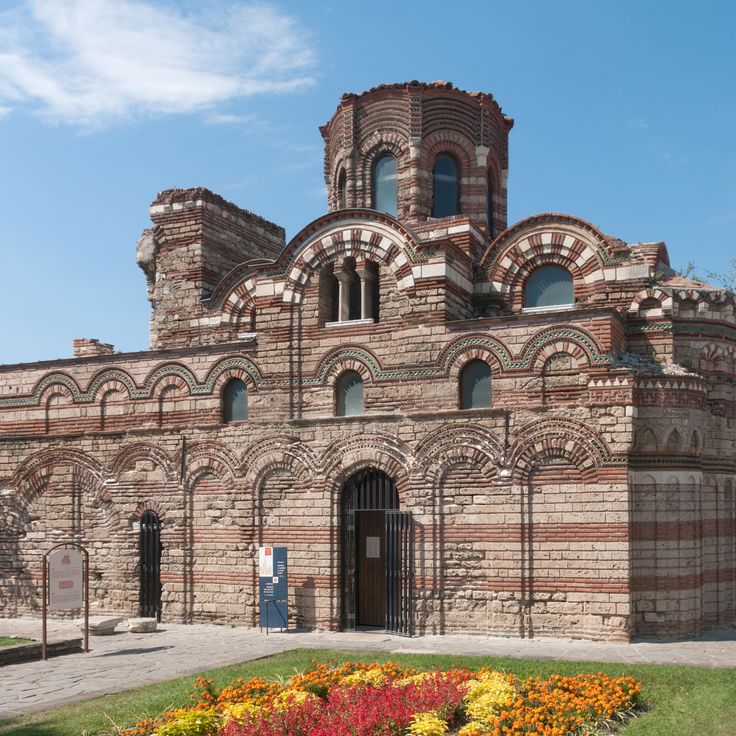
This sixth century icon depicts Christ Pantocrator as ruler of the world, using the encaustic technique with asymmetrical facial features and golden highlights. The work engages in dialogue with Renaissance masterpieces through its mastery of human representation. St Catherine's Monastery houses this work, which anticipates the technical innovations and attention to the human figure that would characterize the High Renaissance period explored in this collection.
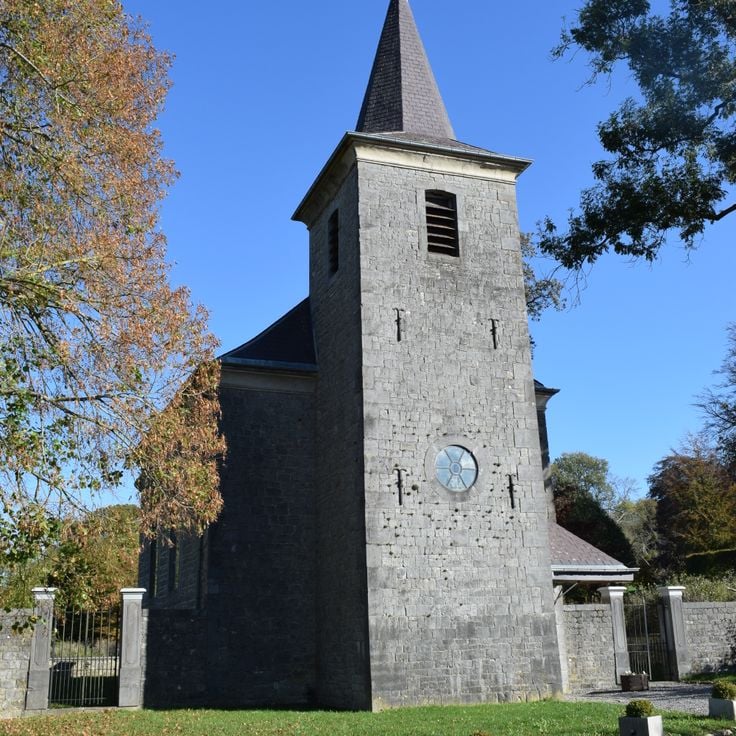
This chapel at the Château d'Amboise holds the tomb of the Italian artist and inventor who spent his final years in France. It connects directly to this collection of Renaissance works that brings together creations by the greatest masters of this fertile period between the 15th and 16th centuries. Here rests one of the most creative minds of the era, whose technical innovations and understanding of human form shaped art history.
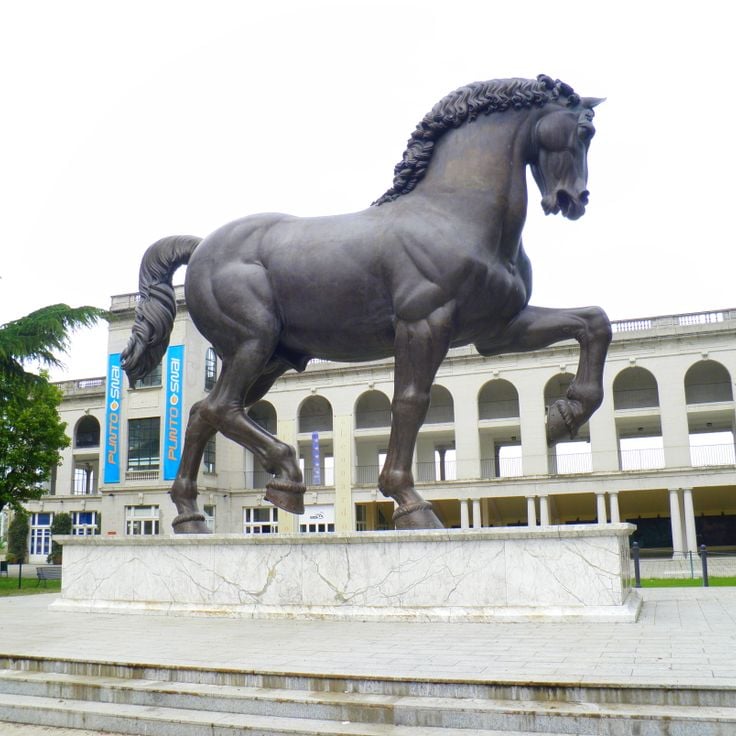
This monumental bronze horse stands at the Hippodrome of San Siro and is based on Leonardo da Vinci's studies for an equestrian monument originally planned for the Duke of Milan in the 15th century. The sculpture embodies Leonardo's deep observations of horse anatomy and movement recorded in his notebooks. The work demonstrates the technical skill and attention to realistic detail that defined Renaissance artists.
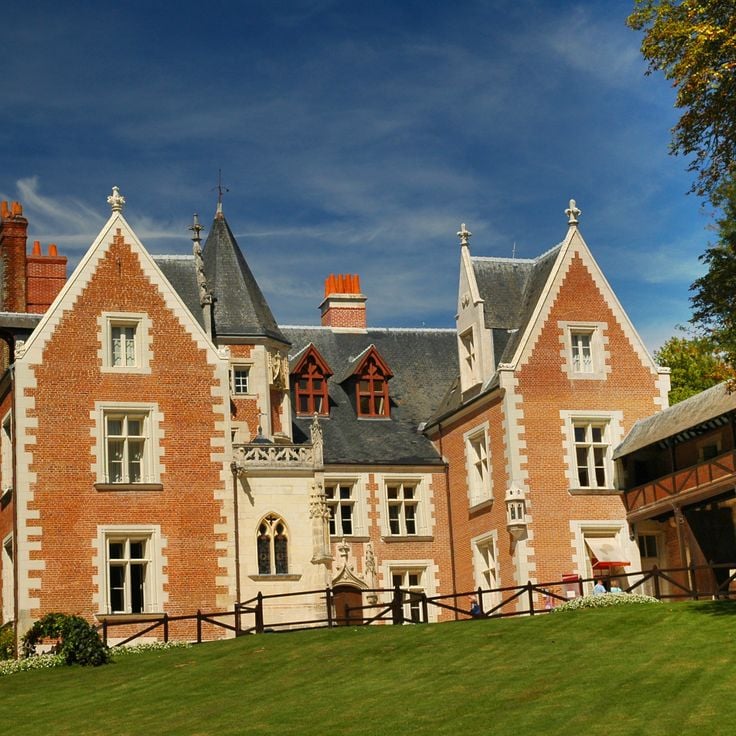
Clos Lucé is the 15th-century manor house where Leonardo da Vinci lived and worked from 1516 until his death in 1519. This residence connects to the collection of Renaissance artworks that explores the artistic exchange between Leonardo da Vinci, Michelangelo, and Raphael. Within these walls, the artist created significant works and designs that reflect his technical understanding and innovations.
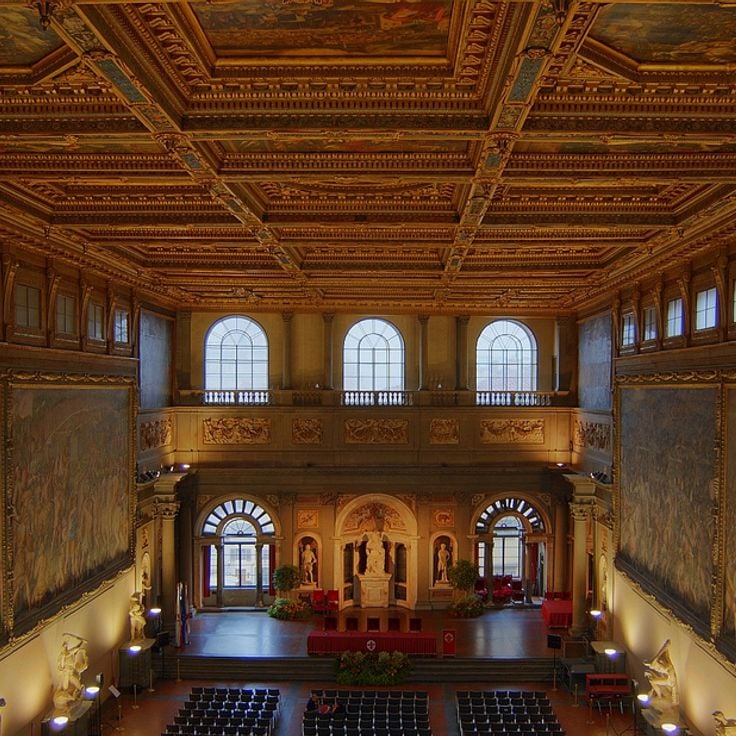
This hall in Palazzo Vecchio was built in 1494 for the Grand Council of the Florentine Republic. Giorgio Vasari later decorated the walls with historical frescoes showing important moments from Florence's past. The room's decoration reflects the city's power and wealth during the Renaissance. Within this collection, the Hall of Five Hundred demonstrates how the artistic creativity of this era extended beyond single masterpieces like Leonardo's Mona Lisa to fill entire buildings.
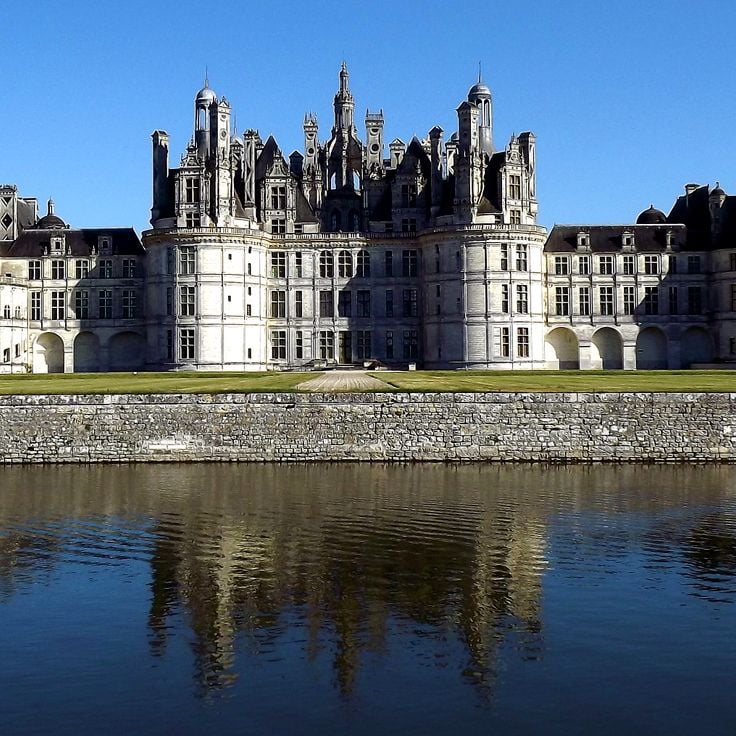
The Château de Chambord is a Renaissance residence that captured Leonardo da Vinci's imagination during his years in France. This castle demonstrates how Italian Renaissance ideas spread across Europe. The building's architecture reflects Leonardo's interest in inventive design and balanced proportions. The castle represents the cultural exchange between Italy and France during this productive artistic period of the 15th and 16th centuries.
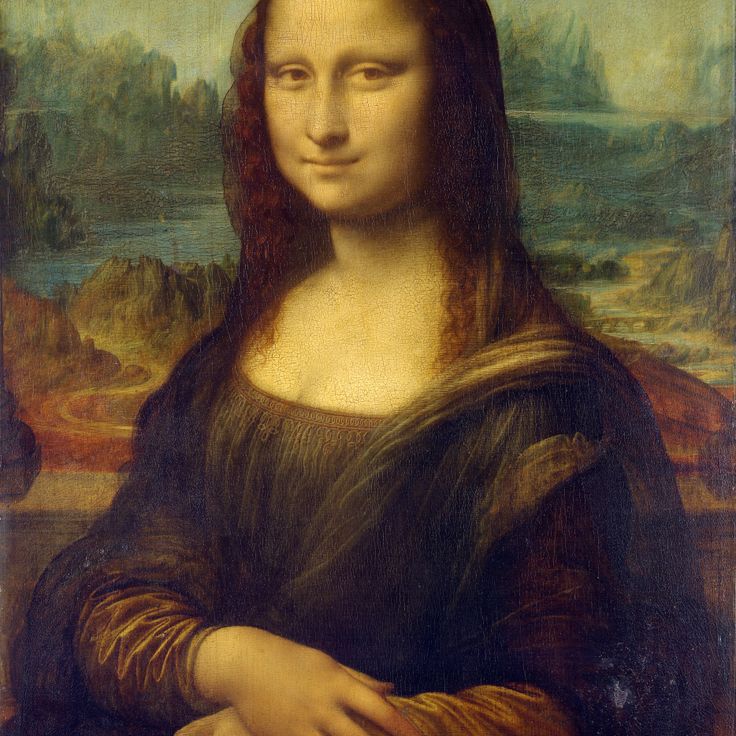
The Mona Lisa is the centerpiece of this collection of Renaissance masterpieces. Painted by Leonardo da Vinci between 1503 and 1519 on wood, it depicts Lisa Gherardini, the wife of a Florentine merchant. Displayed at the Louvre in Paris, the Mona Lisa embodies the technical innovations and mastery of human form that defined the High Renaissance.
This mural in the church of Santa Maria delle Grazie shows Christ during his final meal with the twelve apostles, shortly before his betrayal. The painting holds a central place in this collection, demonstrating Leonardo da Vinci's technical innovations and his understanding of human emotion. It connects the artists featured in this collection to the greatest achievements of the High Renaissance between the 15th and 16th centuries.
This fresco in the Apostolic Palace of Vatican City depicts ancient philosophers and mathematicians gathered within a classical columned hall, combining perspectival representation with intellectual symbolism. Raphael created this work between 1509 and 1511 as part of decorating the Rooms. The composition demonstrates technical innovations, mastery of perspective, and attention to the human figure that defined High Renaissance art. This piece exemplifies the creative genius of the era and dialogues with Leonardo da Vinci's approach to representing complex scenes with clarity and depth.
This painting in the Gemäldegalerie Alte Meister shows Mary holding the Christ Child, flanked by Pope Sixtus II and Saint Barbara. Two angels sit at the lower edge of the canvas. The work belongs to a collection of Renaissance masterpieces inspired by Leonardo's Mona Lisa. It demonstrates the technical skill and attention to human form that defined the High Renaissance.
This painting shows the goddess Venus standing on a shell as she is carried to shore after her birth, accompanied by wind deities and a Hora. The work belongs to a collection of Renaissance masterpieces inspired by Leonardo's Mona Lisa. In the Uffizi Gallery in Florence, visitors can see how artists like Sandro Botticelli depicted the human body with new sensitivity and technical skill. This painting reveals the power and beauty that Renaissance artists brought to their work.
The Gallerie dell'Accademia houses this drawing showing the human figure in two overlapping positions set within a circle and square. Leonardo da Vinci created the work based on the proportions described by the Roman architect Vitruvius. The drawing reveals Leonardo's exploration of the mathematical relationships between geometry and the human body, a central preoccupation of the High Renaissance. This piece belongs to the broader collection of Renaissance masterworks that demonstrate Leonardo's creative genius and his lasting impact on European art history between the 15th and 16th centuries.
This marble sculpture at the Galleria dell'Accademia depicts the biblical King David before his battle with Goliath. Michelangelo portrayed him as a powerful young man in a contrapposto pose. The work stands as one of the most important creations of the Renaissance, embodying the technical mastery, command of perspective, and careful observation of the human figure that defined this period between the 15th and 16th centuries.
This sixth century icon depicts Christ Pantocrator as ruler of the world, using the encaustic technique with asymmetrical facial features and golden highlights. The work engages in dialogue with Renaissance masterpieces through its mastery of human representation. St Catherine's Monastery houses this work, which anticipates the technical innovations and attention to the human figure that would characterize the High Renaissance period explored in this collection.
This chapel at the Château d'Amboise holds the tomb of the Italian artist and inventor who spent his final years in France. It connects directly to this collection of Renaissance works that brings together creations by the greatest masters of this fertile period between the 15th and 16th centuries. Here rests one of the most creative minds of the era, whose technical innovations and understanding of human form shaped art history.
This monumental bronze horse stands at the Hippodrome of San Siro and is based on Leonardo da Vinci's studies for an equestrian monument originally planned for the Duke of Milan in the 15th century. The sculpture embodies Leonardo's deep observations of horse anatomy and movement recorded in his notebooks. The work demonstrates the technical skill and attention to realistic detail that defined Renaissance artists.
Clos Lucé is the 15th-century manor house where Leonardo da Vinci lived and worked from 1516 until his death in 1519. This residence connects to the collection of Renaissance artworks that explores the artistic exchange between Leonardo da Vinci, Michelangelo, and Raphael. Within these walls, the artist created significant works and designs that reflect his technical understanding and innovations.
This hall in Palazzo Vecchio was built in 1494 for the Grand Council of the Florentine Republic. Giorgio Vasari later decorated the walls with historical frescoes showing important moments from Florence's past. The room's decoration reflects the city's power and wealth during the Renaissance. Within this collection, the Hall of Five Hundred demonstrates how the artistic creativity of this era extended beyond single masterpieces like Leonardo's Mona Lisa to fill entire buildings.
The Château de Chambord is a Renaissance residence that captured Leonardo da Vinci's imagination during his years in France. This castle demonstrates how Italian Renaissance ideas spread across Europe. The building's architecture reflects Leonardo's interest in inventive design and balanced proportions. The castle represents the cultural exchange between Italy and France during this productive artistic period of the 15th and 16th centuries.
The Mona Lisa is the centerpiece of this collection of Renaissance masterpieces. Painted by Leonardo da Vinci between 1503 and 1519 on wood, it depicts Lisa Gherardini, the wife of a Florentine merchant. Displayed at the Louvre in Paris, the Mona Lisa embodies the technical innovations and mastery of human form that defined the High Renaissance.
This mural in the church of Santa Maria delle Grazie shows Christ during his final meal with the twelve apostles, shortly before his betrayal. The painting holds a central place in this collection, demonstrating Leonardo da Vinci's technical innovations and his understanding of human emotion. It connects the artists featured in this collection to the greatest achievements of the High Renaissance between the 15th and 16th centuries.
This fresco in the Apostolic Palace of Vatican City depicts ancient philosophers and mathematicians gathered within a classical columned hall, combining perspectival representation with intellectual symbolism. Raphael created this work between 1509 and 1511 as part of decorating the Rooms. The composition demonstrates technical innovations, mastery of perspective, and attention to the human figure that defined High Renaissance art. This piece exemplifies the creative genius of the era and dialogues with Leonardo da Vinci's approach to representing complex scenes with clarity and depth.
This painting in the Gemäldegalerie Alte Meister shows Mary holding the Christ Child, flanked by Pope Sixtus II and Saint Barbara. Two angels sit at the lower edge of the canvas. The work belongs to a collection of Renaissance masterpieces inspired by Leonardo's Mona Lisa. It demonstrates the technical skill and attention to human form that defined the High Renaissance.
This painting shows the goddess Venus standing on a shell as she is carried to shore after her birth, accompanied by wind deities and a Hora. The work belongs to a collection of Renaissance masterpieces inspired by Leonardo's Mona Lisa. In the Uffizi Gallery in Florence, visitors can see how artists like Sandro Botticelli depicted the human body with new sensitivity and technical skill. This painting reveals the power and beauty that Renaissance artists brought to their work.
The Gallerie dell'Accademia houses this drawing showing the human figure in two overlapping positions set within a circle and square. Leonardo da Vinci created the work based on the proportions described by the Roman architect Vitruvius. The drawing reveals Leonardo's exploration of the mathematical relationships between geometry and the human body, a central preoccupation of the High Renaissance. This piece belongs to the broader collection of Renaissance masterworks that demonstrate Leonardo's creative genius and his lasting impact on European art history between the 15th and 16th centuries.
This marble sculpture at the Galleria dell'Accademia depicts the biblical King David before his battle with Goliath. Michelangelo portrayed him as a powerful young man in a contrapposto pose. The work stands as one of the most important creations of the Renaissance, embodying the technical mastery, command of perspective, and careful observation of the human figure that defined this period between the 15th and 16th centuries.
This sixth century icon depicts Christ Pantocrator as ruler of the world, using the encaustic technique with asymmetrical facial features and golden highlights. The work engages in dialogue with Renaissance masterpieces through its mastery of human representation. St Catherine's Monastery houses this work, which anticipates the technical innovations and attention to the human figure that would characterize the High Renaissance period explored in this collection.
This chapel at the Château d'Amboise holds the tomb of the Italian artist and inventor who spent his final years in France. It connects directly to this collection of Renaissance works that brings together creations by the greatest masters of this fertile period between the 15th and 16th centuries. Here rests one of the most creative minds of the era, whose technical innovations and understanding of human form shaped art history.
This monumental bronze horse stands at the Hippodrome of San Siro and is based on Leonardo da Vinci's studies for an equestrian monument originally planned for the Duke of Milan in the 15th century. The sculpture embodies Leonardo's deep observations of horse anatomy and movement recorded in his notebooks. The work demonstrates the technical skill and attention to realistic detail that defined Renaissance artists.
Clos Lucé is the 15th-century manor house where Leonardo da Vinci lived and worked from 1516 until his death in 1519. This residence connects to the collection of Renaissance artworks that explores the artistic exchange between Leonardo da Vinci, Michelangelo, and Raphael. Within these walls, the artist created significant works and designs that reflect his technical understanding and innovations.
This hall in Palazzo Vecchio was built in 1494 for the Grand Council of the Florentine Republic. Giorgio Vasari later decorated the walls with historical frescoes showing important moments from Florence's past. The room's decoration reflects the city's power and wealth during the Renaissance. Within this collection, the Hall of Five Hundred demonstrates how the artistic creativity of this era extended beyond single masterpieces like Leonardo's Mona Lisa to fill entire buildings.
The Château de Chambord is a Renaissance residence that captured Leonardo da Vinci's imagination during his years in France. This castle demonstrates how Italian Renaissance ideas spread across Europe. The building's architecture reflects Leonardo's interest in inventive design and balanced proportions. The castle represents the cultural exchange between Italy and France during this productive artistic period of the 15th and 16th centuries.
The Mona Lisa is the centerpiece of this collection of Renaissance masterpieces. Painted by Leonardo da Vinci between 1503 and 1519 on wood, it depicts Lisa Gherardini, the wife of a Florentine merchant. Displayed at the Louvre in Paris, the Mona Lisa embodies the technical innovations and mastery of human form that defined the High Renaissance.