See the monuments around you in AROpen chests in the app
Around Us is built for your phone — point your camera at the streets and discover the monuments and places around you in augmented reality.Around Us is built for your phone — chests unlock when you walk, explore and capture nearby places.
Milan draws together art and architecture from different periods into a single city. The Duomo cathedral dominates the skyline with its intricate design, while La Scala theatre stands as the center of opera culture. The Galleria Vittorio Emanuele II shows 19th-century craftsmanship and merges commerce with grand architecture.
The city offers Renaissance art through Leonardo's Last Supper and the collections at the Brera Gallery. Sforza Castle and the Basilica of Sant'Ambrogio reveal medieval history. Modern design appears throughout the fashion district and in museums documenting the city's innovations.
Milan also brings together diverse spaces: historic canals, parks, sports culture, and science museums display the city's range. A visit allows you to discover history, art, and contemporary life all in one place.
Milan draws together art and architecture from different periods into a single city. The Duomo cathedral dominates the skyline with its intricate design, while La Scala theatre stands as the center of opera culture. The Galleria Vittorio Emanuele II shows 19th-century craftsmanship and merges commerce with grand architecture.
The city offers Renaissance art through Leonardo's Last Supper and the collections at the Brera Gallery. Sforza Castle and the Basilica of Sant'Ambrogio reveal medieval history. Modern design appears throughout the fashion district and in museums documenting the city's innovations.
Milan also brings together diverse spaces: historic canals, parks, sports culture, and science museums display the city's range. A visit allows you to discover history, art, and contemporary life all in one place.
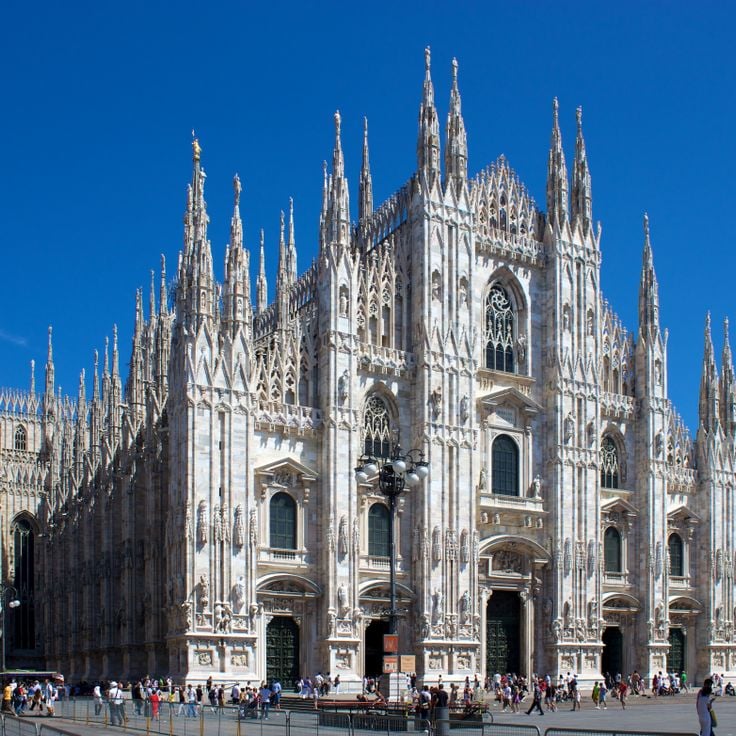
The Duomo di Milano is the heart of this Milan architecture collection. This Gothic cathedral from the 14th century displays the craftsmanship that defines the city. With its many towers and statues, this building embodies the blend of medieval art and Italian design that shapes Milan's character.
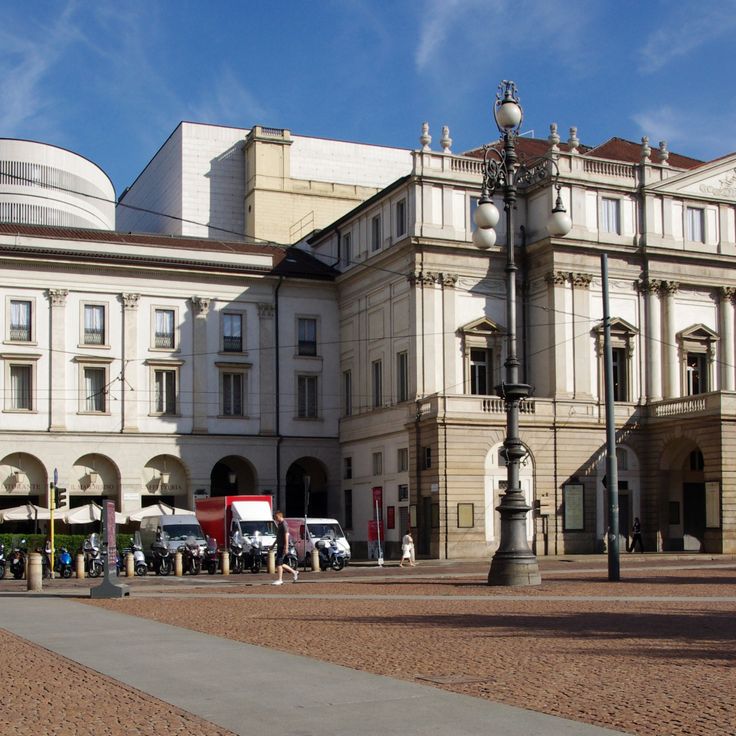
La Scala Theatre is an opera house built in 1778 and demonstrates Milan's artistic tradition alongside medieval churches, Renaissance artworks and modern buildings. The theatre holds 2000 seats and houses a museum dedicated to the history of performance art. It reflects the Italian design and craftsmanship that define the city.
Galleria Vittorio Emanuele II is a 19th century covered shopping street in Milan featuring ornate mosaics, a grand glass roof, and international fashion stores. As part of this guide to Milan's architecture and art, the gallery represents the Italian craftsmanship and design traditions that define the city's character.
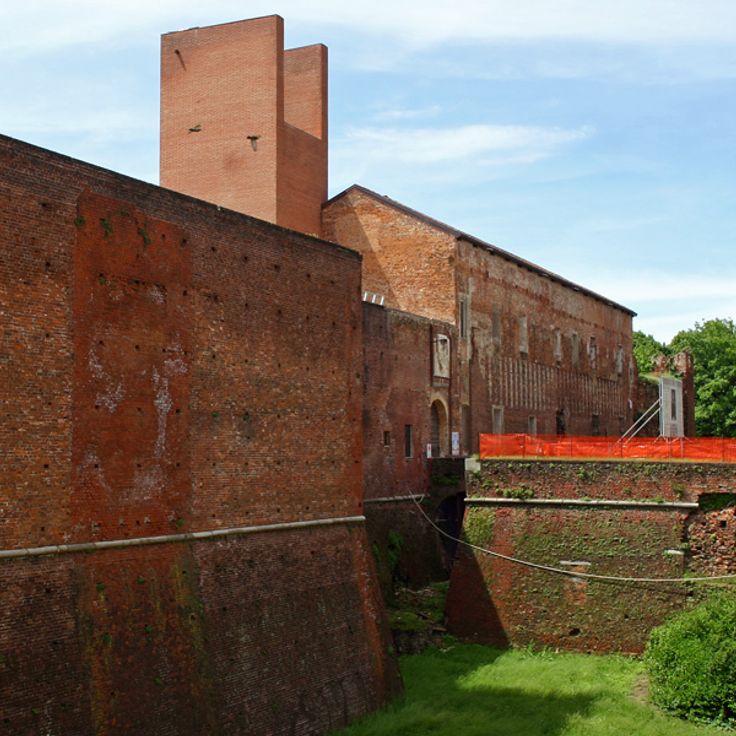
Sforza Castle is a 15th century fortress that houses twelve museums, a library and Michelangelo's final sculpture. It embodies Milan's rich history from medieval fortifications to Renaissance art and demonstrates the craftsmanship that shaped the city.
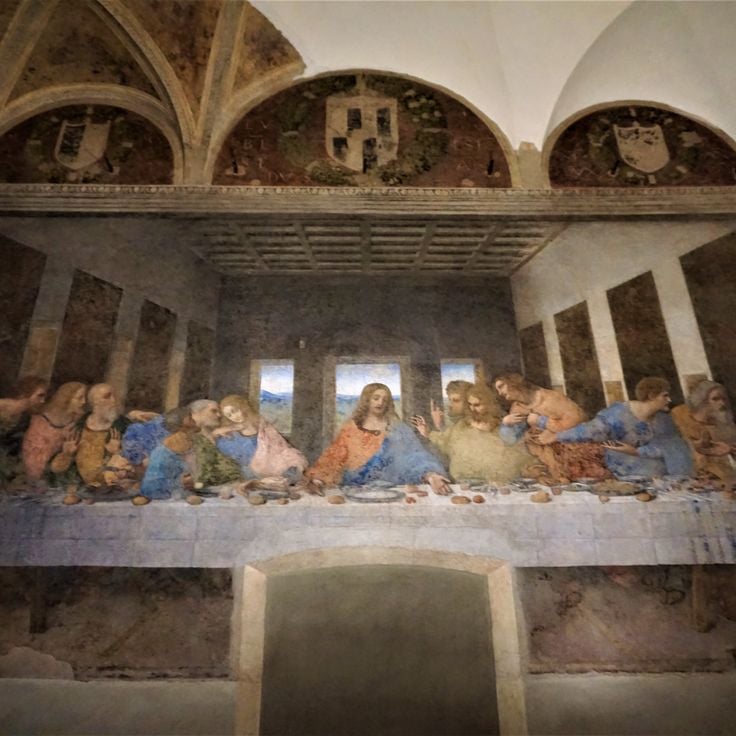
In this guide to Milan's architecture and art, Leonardo's Last Supper ranks among the city's most important works. The 15th century mural is housed in the refectory of Santa Maria delle Grazie monastery. Leonardo captured one of Christianity's most pivotal moments, showing the apostles as Jesus announces that one of them will betray him. The composition reveals Leonardo's deep understanding of human emotion and dramatic tension. Each figure responds differently to this revelation, and their arrangement naturally guides the viewer's eye through the entire scene.
The Brera Art Gallery displays masterworks from different periods of Italian and European art. This museum houses over 500 paintings from the 13th to 20th century, fitting into Milan's rich artistic landscape that blends medieval churches, Renaissance treasures, and modern design. Visitors can see works by Raphael and Caravaggio that document the evolution of painting. The gallery complements the city's other important art destinations and architectural landmarks.
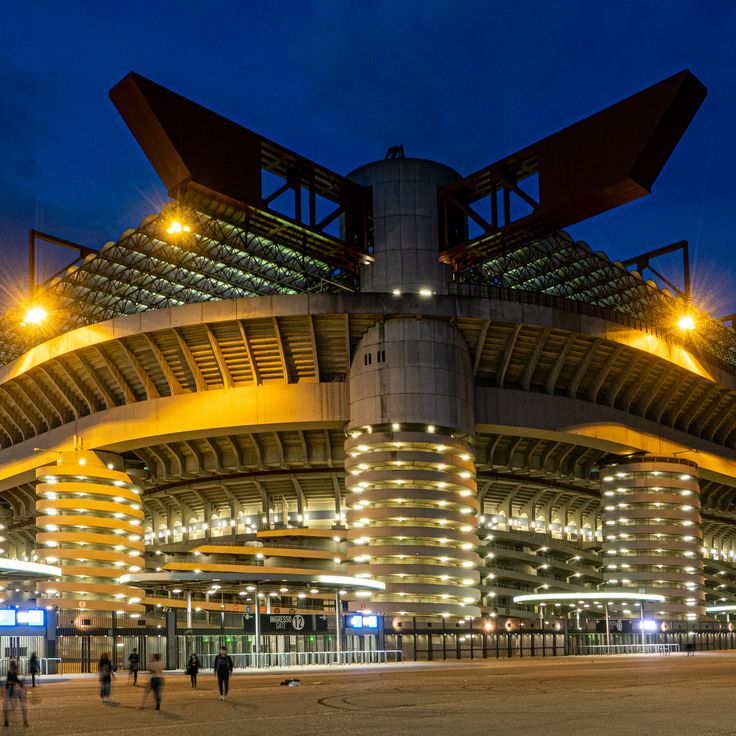
San Siro Stadium has been the home of two major Milanese football clubs since 1926 and represents the sporting heart of the city. With 80,018 seats, it stands as one of Italy's largest sports venues. The stadium reflects the passion that football inspires in Milan, complementing the city's architectural diversity that spans from medieval churches to contemporary design.
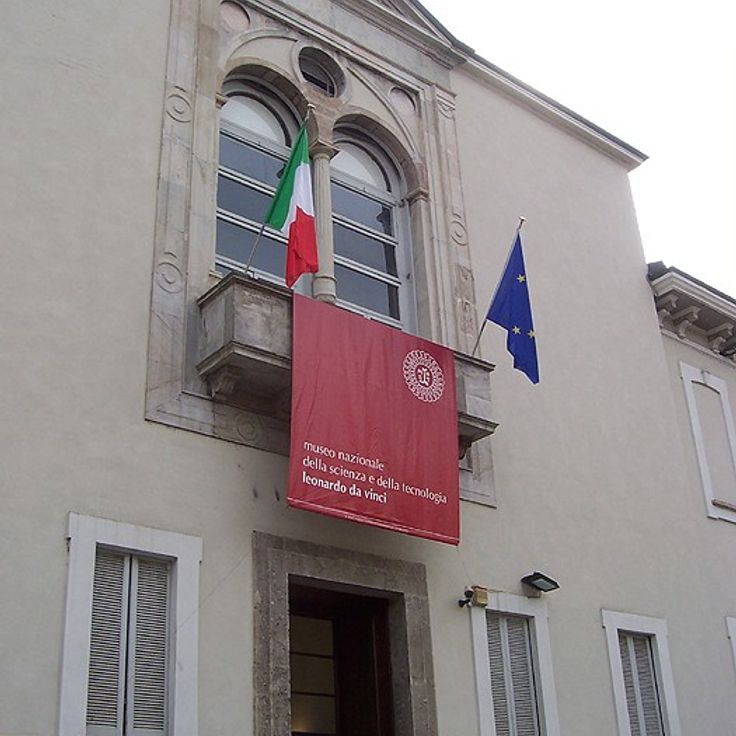
This technical museum documents the history of Italian science and industry, presenting a practical side to Milan's world of art and design. The museum features extensive exhibition spaces where visitors can explore how technology and craftsmanship have shaped the city and nation. It complements the medieval churches, Renaissance works, and modern buildings that define Milan, offering insight into the innovation behind Italian creation.
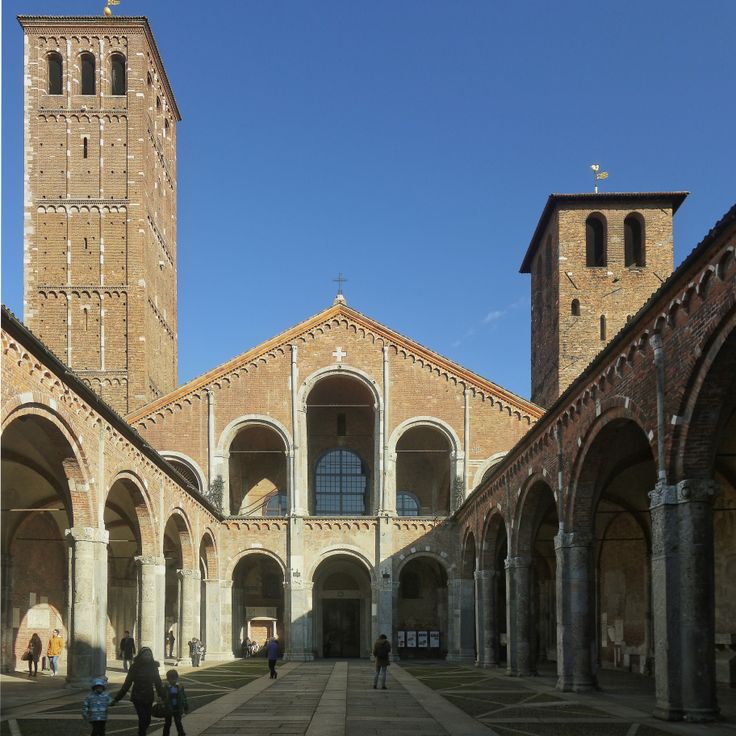
The Basilica of Sant'Ambrogio in Milan displays Romanesque architecture from the 4th century and fits within Milan's blend of medieval churches, Renaissance art and modern design. Inside, you will find medieval mosaics, frescoes and a golden altarpiece that reflect Italian craftsmanship.
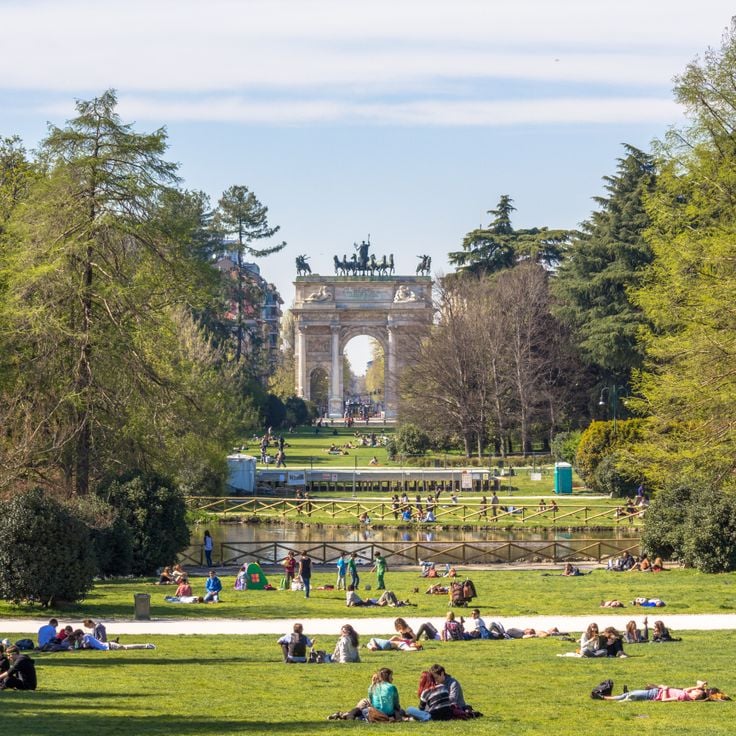
Parco Sempione is a green space in central Milan that connects to the city's architectural story. The park features walking and cycling paths, a lake, and several historical buildings. It sits next to the Castello Sforzesco and offers visitors a quieter way to experience Milan. The park shows how the city balances its modern design, art treasures, and spaces for nature and leisure.
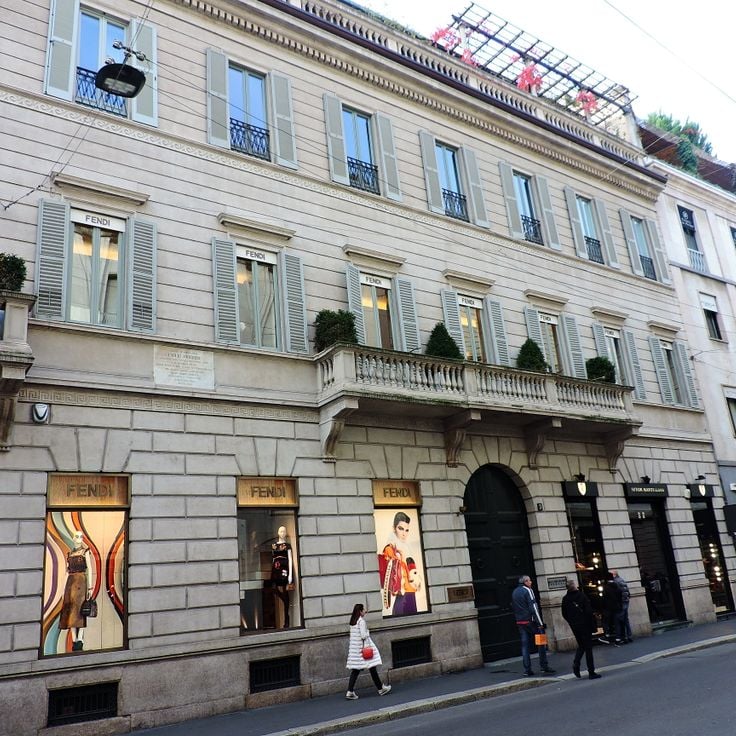
The Quadrilatero della Moda is Milan's fashion district, where four streets converge to form an area of luxury brands, fine dining restaurants, and historic palaces. This place embodies Italian design and craftsmanship, reflecting the city's blend of medieval churches, Renaissance art, and modern architecture that defines Milan's character.
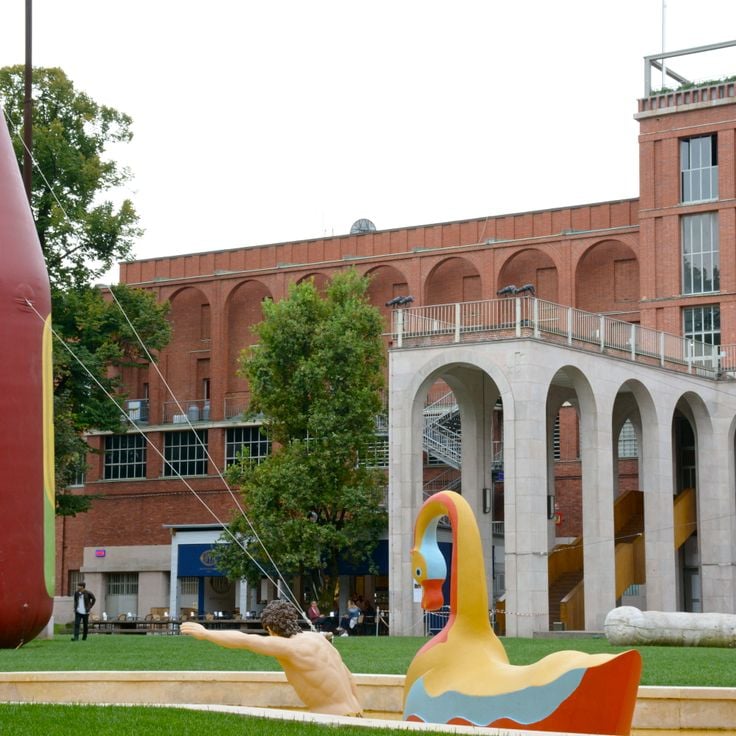
This museum displays exhibitions about Italian architecture, fashion, art and design. La Triennale di Milano fits into Milan's collection of medieval churches, Renaissance masterworks and modern buildings. Its regular temporary exhibitions showcase Italian craftsmanship and design traditions that have shaped the city over centuries.
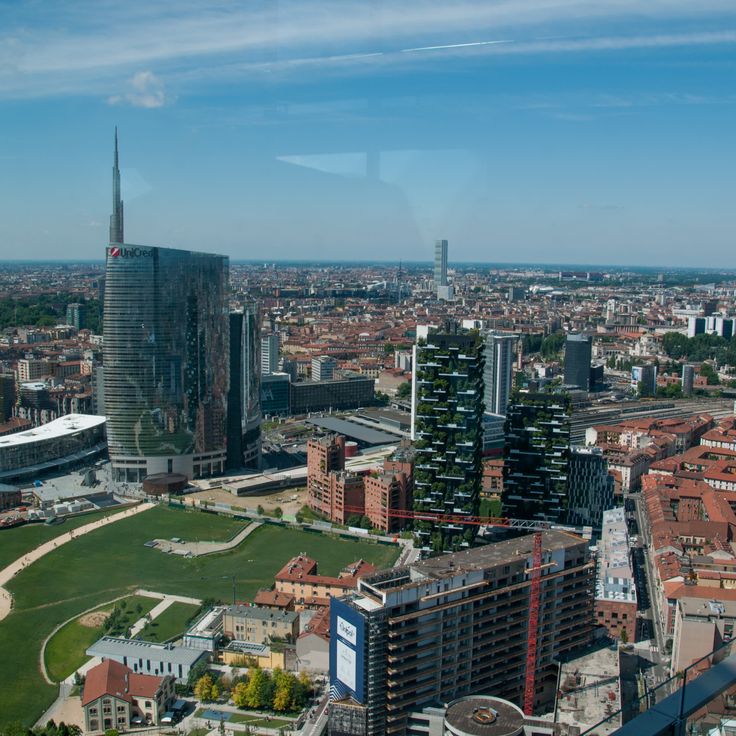
The Financial Center is the business district of this city, where modern office buildings and glass skyscrapers rise together. Here you find the highest concentration of banks and corporations in Italy. In this area, you see contemporary architecture that shows Milan's economic transformation and contrasts with the medieval churches, Renaissance art, and the famous cathedral found elsewhere in the city.
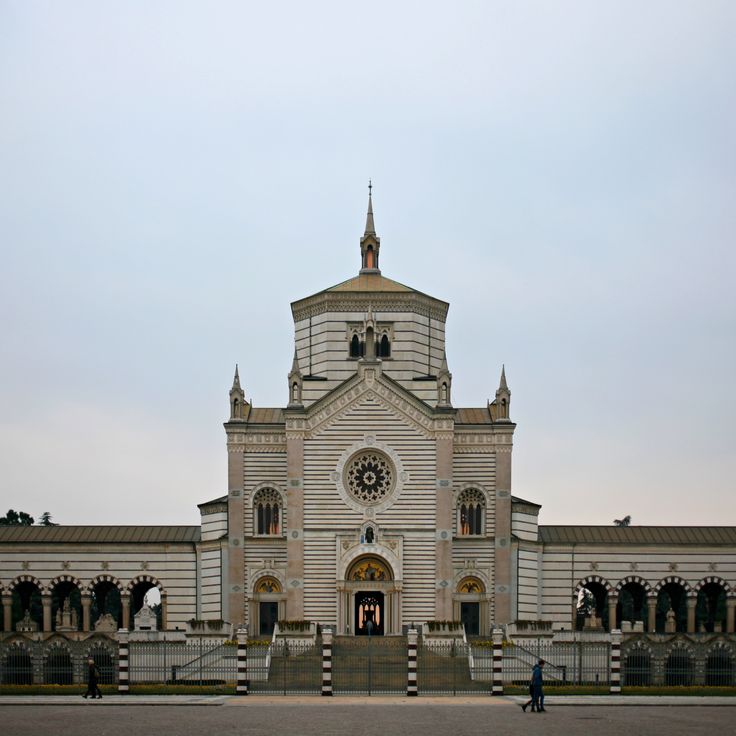
The cemetery showcases Milan's artistic heritage through its tombs and structures. Opened in 1866, it preserves marble sculptures and architecture from the 19th century. It reflects the same creative spirit seen in Milan's medieval churches, Renaissance artworks and modern buildings. Walking through its grounds reveals the craftsmanship and design that define the city's character across centuries.
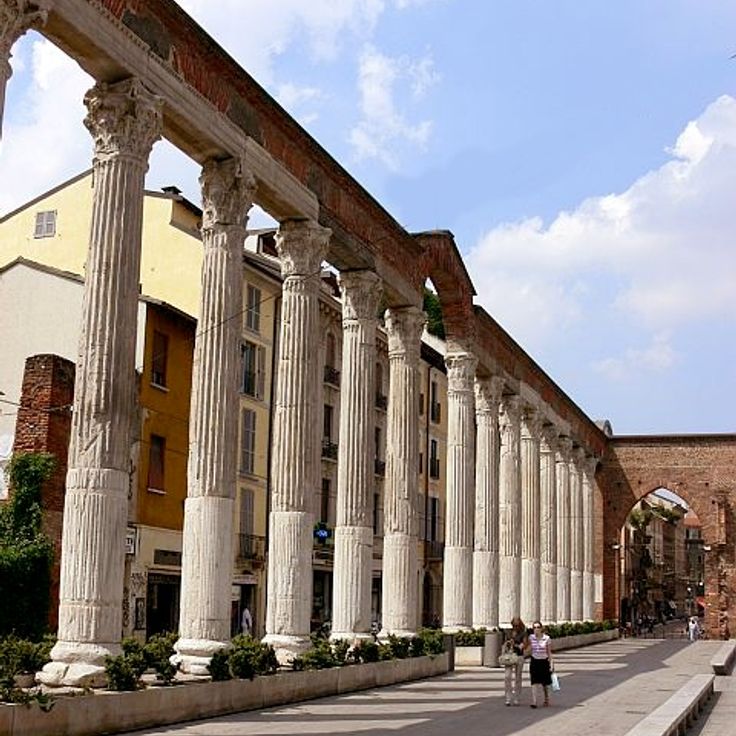
These sixteen Corinthian columns from the third century stand in front of the San Lorenzo Basilica and show Milan's Roman past. They fit within the context of this guide to Milan's architecture and art. The columns contrast with the medieval churches, Renaissance art, and modern architecture that define the city's character.
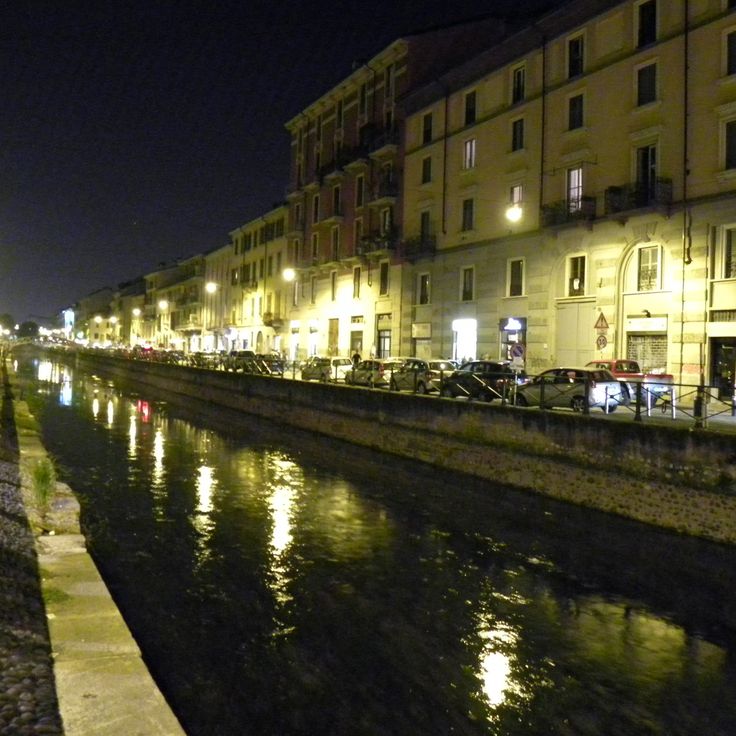
The Canal District demonstrates how Milan has transformed its industrial past into a living quarter. Historical waterways shape the area and create a distinctive character among restored 19th century buildings. Here you find restaurants, bars and galleries that reflect how the city combines its history with contemporary art and design practices.
The Armani Museum represents Giorgio Armani's contributions to Milan's design heritage. This four-story building houses approximately 4,500 garments from collections spanning from 1980 to the present, along with accessories and advertising photographs. Visitors experience the evolution of Italian fashion craftsmanship displayed throughout the city.
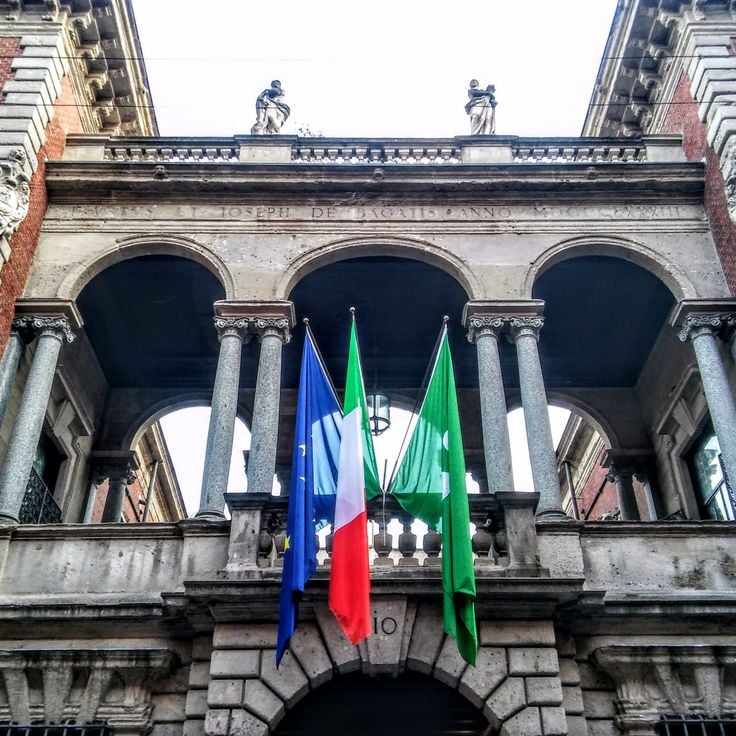
The Bagatti Valsecchi Palace is a 19th century urban mansion in Milan that reflects the city's blend of historical design and craftsmanship. This palace houses a collection of Italian furniture, paintings, weapons and armor from the 15th and 16th centuries. It showcases the materials and skills that defined Italian interior spaces during the Renaissance period.
The Duomo di Milano is the heart of this Milan architecture collection. This Gothic cathedral from the 14th century displays the craftsmanship that defines the city. With its many towers and statues, this building embodies the blend of medieval art and Italian design that shapes Milan's character.
La Scala Theatre is an opera house built in 1778 and demonstrates Milan's artistic tradition alongside medieval churches, Renaissance artworks and modern buildings. The theatre holds 2000 seats and houses a museum dedicated to the history of performance art. It reflects the Italian design and craftsmanship that define the city.
Galleria Vittorio Emanuele II is a 19th century covered shopping street in Milan featuring ornate mosaics, a grand glass roof, and international fashion stores. As part of this guide to Milan's architecture and art, the gallery represents the Italian craftsmanship and design traditions that define the city's character.
Sforza Castle is a 15th century fortress that houses twelve museums, a library and Michelangelo's final sculpture. It embodies Milan's rich history from medieval fortifications to Renaissance art and demonstrates the craftsmanship that shaped the city.
In this guide to Milan's architecture and art, Leonardo's Last Supper ranks among the city's most important works. The 15th century mural is housed in the refectory of Santa Maria delle Grazie monastery. Leonardo captured one of Christianity's most pivotal moments, showing the apostles as Jesus announces that one of them will betray him. The composition reveals Leonardo's deep understanding of human emotion and dramatic tension. Each figure responds differently to this revelation, and their arrangement naturally guides the viewer's eye through the entire scene.
The Brera Art Gallery displays masterworks from different periods of Italian and European art. This museum houses over 500 paintings from the 13th to 20th century, fitting into Milan's rich artistic landscape that blends medieval churches, Renaissance treasures, and modern design. Visitors can see works by Raphael and Caravaggio that document the evolution of painting. The gallery complements the city's other important art destinations and architectural landmarks.
San Siro Stadium has been the home of two major Milanese football clubs since 1926 and represents the sporting heart of the city. With 80,018 seats, it stands as one of Italy's largest sports venues. The stadium reflects the passion that football inspires in Milan, complementing the city's architectural diversity that spans from medieval churches to contemporary design.
This technical museum documents the history of Italian science and industry, presenting a practical side to Milan's world of art and design. The museum features extensive exhibition spaces where visitors can explore how technology and craftsmanship have shaped the city and nation. It complements the medieval churches, Renaissance works, and modern buildings that define Milan, offering insight into the innovation behind Italian creation.
The Basilica of Sant'Ambrogio in Milan displays Romanesque architecture from the 4th century and fits within Milan's blend of medieval churches, Renaissance art and modern design. Inside, you will find medieval mosaics, frescoes and a golden altarpiece that reflect Italian craftsmanship.
Parco Sempione is a green space in central Milan that connects to the city's architectural story. The park features walking and cycling paths, a lake, and several historical buildings. It sits next to the Castello Sforzesco and offers visitors a quieter way to experience Milan. The park shows how the city balances its modern design, art treasures, and spaces for nature and leisure.
The Quadrilatero della Moda is Milan's fashion district, where four streets converge to form an area of luxury brands, fine dining restaurants, and historic palaces. This place embodies Italian design and craftsmanship, reflecting the city's blend of medieval churches, Renaissance art, and modern architecture that defines Milan's character.
This museum displays exhibitions about Italian architecture, fashion, art and design. La Triennale di Milano fits into Milan's collection of medieval churches, Renaissance masterworks and modern buildings. Its regular temporary exhibitions showcase Italian craftsmanship and design traditions that have shaped the city over centuries.
The Financial Center is the business district of this city, where modern office buildings and glass skyscrapers rise together. Here you find the highest concentration of banks and corporations in Italy. In this area, you see contemporary architecture that shows Milan's economic transformation and contrasts with the medieval churches, Renaissance art, and the famous cathedral found elsewhere in the city.
The cemetery showcases Milan's artistic heritage through its tombs and structures. Opened in 1866, it preserves marble sculptures and architecture from the 19th century. It reflects the same creative spirit seen in Milan's medieval churches, Renaissance artworks and modern buildings. Walking through its grounds reveals the craftsmanship and design that define the city's character across centuries.
These sixteen Corinthian columns from the third century stand in front of the San Lorenzo Basilica and show Milan's Roman past. They fit within the context of this guide to Milan's architecture and art. The columns contrast with the medieval churches, Renaissance art, and modern architecture that define the city's character.
The Canal District demonstrates how Milan has transformed its industrial past into a living quarter. Historical waterways shape the area and create a distinctive character among restored 19th century buildings. Here you find restaurants, bars and galleries that reflect how the city combines its history with contemporary art and design practices.
The Armani Museum represents Giorgio Armani's contributions to Milan's design heritage. This four-story building houses approximately 4,500 garments from collections spanning from 1980 to the present, along with accessories and advertising photographs. Visitors experience the evolution of Italian fashion craftsmanship displayed throughout the city.
The Bagatti Valsecchi Palace is a 19th century urban mansion in Milan that reflects the city's blend of historical design and craftsmanship. This palace houses a collection of Italian furniture, paintings, weapons and armor from the 15th and 16th centuries. It showcases the materials and skills that defined Italian interior spaces during the Renaissance period.
The Duomo di Milano is the heart of this Milan architecture collection. This Gothic cathedral from the 14th century displays the craftsmanship that defines the city. With its many towers and statues, this building embodies the blend of medieval art and Italian design that shapes Milan's character.
La Scala Theatre is an opera house built in 1778 and demonstrates Milan's artistic tradition alongside medieval churches, Renaissance artworks and modern buildings. The theatre holds 2000 seats and houses a museum dedicated to the history of performance art. It reflects the Italian design and craftsmanship that define the city.
Galleria Vittorio Emanuele II is a 19th century covered shopping street in Milan featuring ornate mosaics, a grand glass roof, and international fashion stores. As part of this guide to Milan's architecture and art, the gallery represents the Italian craftsmanship and design traditions that define the city's character.
Sforza Castle is a 15th century fortress that houses twelve museums, a library and Michelangelo's final sculpture. It embodies Milan's rich history from medieval fortifications to Renaissance art and demonstrates the craftsmanship that shaped the city.
In this guide to Milan's architecture and art, Leonardo's Last Supper ranks among the city's most important works. The 15th century mural is housed in the refectory of Santa Maria delle Grazie monastery. Leonardo captured one of Christianity's most pivotal moments, showing the apostles as Jesus announces that one of them will betray him. The composition reveals Leonardo's deep understanding of human emotion and dramatic tension. Each figure responds differently to this revelation, and their arrangement naturally guides the viewer's eye through the entire scene.
The Brera Art Gallery displays masterworks from different periods of Italian and European art. This museum houses over 500 paintings from the 13th to 20th century, fitting into Milan's rich artistic landscape that blends medieval churches, Renaissance treasures, and modern design. Visitors can see works by Raphael and Caravaggio that document the evolution of painting. The gallery complements the city's other important art destinations and architectural landmarks.
San Siro Stadium has been the home of two major Milanese football clubs since 1926 and represents the sporting heart of the city. With 80,018 seats, it stands as one of Italy's largest sports venues. The stadium reflects the passion that football inspires in Milan, complementing the city's architectural diversity that spans from medieval churches to contemporary design.
This technical museum documents the history of Italian science and industry, presenting a practical side to Milan's world of art and design. The museum features extensive exhibition spaces where visitors can explore how technology and craftsmanship have shaped the city and nation. It complements the medieval churches, Renaissance works, and modern buildings that define Milan, offering insight into the innovation behind Italian creation.
The Basilica of Sant'Ambrogio in Milan displays Romanesque architecture from the 4th century and fits within Milan's blend of medieval churches, Renaissance art and modern design. Inside, you will find medieval mosaics, frescoes and a golden altarpiece that reflect Italian craftsmanship.
Parco Sempione is a green space in central Milan that connects to the city's architectural story. The park features walking and cycling paths, a lake, and several historical buildings. It sits next to the Castello Sforzesco and offers visitors a quieter way to experience Milan. The park shows how the city balances its modern design, art treasures, and spaces for nature and leisure.
The Quadrilatero della Moda is Milan's fashion district, where four streets converge to form an area of luxury brands, fine dining restaurants, and historic palaces. This place embodies Italian design and craftsmanship, reflecting the city's blend of medieval churches, Renaissance art, and modern architecture that defines Milan's character.
This museum displays exhibitions about Italian architecture, fashion, art and design. La Triennale di Milano fits into Milan's collection of medieval churches, Renaissance masterworks and modern buildings. Its regular temporary exhibitions showcase Italian craftsmanship and design traditions that have shaped the city over centuries.
The Financial Center is the business district of this city, where modern office buildings and glass skyscrapers rise together. Here you find the highest concentration of banks and corporations in Italy. In this area, you see contemporary architecture that shows Milan's economic transformation and contrasts with the medieval churches, Renaissance art, and the famous cathedral found elsewhere in the city.
The cemetery showcases Milan's artistic heritage through its tombs and structures. Opened in 1866, it preserves marble sculptures and architecture from the 19th century. It reflects the same creative spirit seen in Milan's medieval churches, Renaissance artworks and modern buildings. Walking through its grounds reveals the craftsmanship and design that define the city's character across centuries.
These sixteen Corinthian columns from the third century stand in front of the San Lorenzo Basilica and show Milan's Roman past. They fit within the context of this guide to Milan's architecture and art. The columns contrast with the medieval churches, Renaissance art, and modern architecture that define the city's character.
The Canal District demonstrates how Milan has transformed its industrial past into a living quarter. Historical waterways shape the area and create a distinctive character among restored 19th century buildings. Here you find restaurants, bars and galleries that reflect how the city combines its history with contemporary art and design practices.
The Armani Museum represents Giorgio Armani's contributions to Milan's design heritage. This four-story building houses approximately 4,500 garments from collections spanning from 1980 to the present, along with accessories and advertising photographs. Visitors experience the evolution of Italian fashion craftsmanship displayed throughout the city.
The Bagatti Valsecchi Palace is a 19th century urban mansion in Milan that reflects the city's blend of historical design and craftsmanship. This palace houses a collection of Italian furniture, paintings, weapons and armor from the 15th and 16th centuries. It showcases the materials and skills that defined Italian interior spaces during the Renaissance period.