See the monuments around you in AROpen chests in the app
Around Us is built for your phone — point your camera at the streets and discover the monuments and places around you in augmented reality.Around Us is built for your phone — chests unlock when you walk, explore and capture nearby places.
Milan offers visitors a mix of historical landmarks and modern spaces. The city is home to Gothic cathedrals like the Duomo, grand galleries for shopping and art, and important museums. You can walk through ancient churches, explore art collections in palaces, or stroll through parks. The buildings here range from medieval structures to contemporary designs that define the city's character.
Famous venues like La Scala, the world-class opera house, and Castello Sforzesco with its art treasures show Milan's cultural standing. More recent additions like vertical gardens and the Novecento art museum reveal how the city brings together past and present. Whether you care about history or enjoy current art movements, Milan has diverse experiences to offer.
Wander along the Navigli canals, discover the fashion districts, or visit science museums. The city invites you to feel history at different locations while also experiencing its living, energetic present.
Milan offers visitors a mix of historical landmarks and modern spaces. The city is home to Gothic cathedrals like the Duomo, grand galleries for shopping and art, and important museums. You can walk through ancient churches, explore art collections in palaces, or stroll through parks. The buildings here range from medieval structures to contemporary designs that define the city's character.
Famous venues like La Scala, the world-class opera house, and Castello Sforzesco with its art treasures show Milan's cultural standing. More recent additions like vertical gardens and the Novecento art museum reveal how the city brings together past and present. Whether you care about history or enjoy current art movements, Milan has diverse experiences to offer.
Wander along the Navigli canals, discover the fashion districts, or visit science museums. The city invites you to feel history at different locations while also experiencing its living, energetic present.
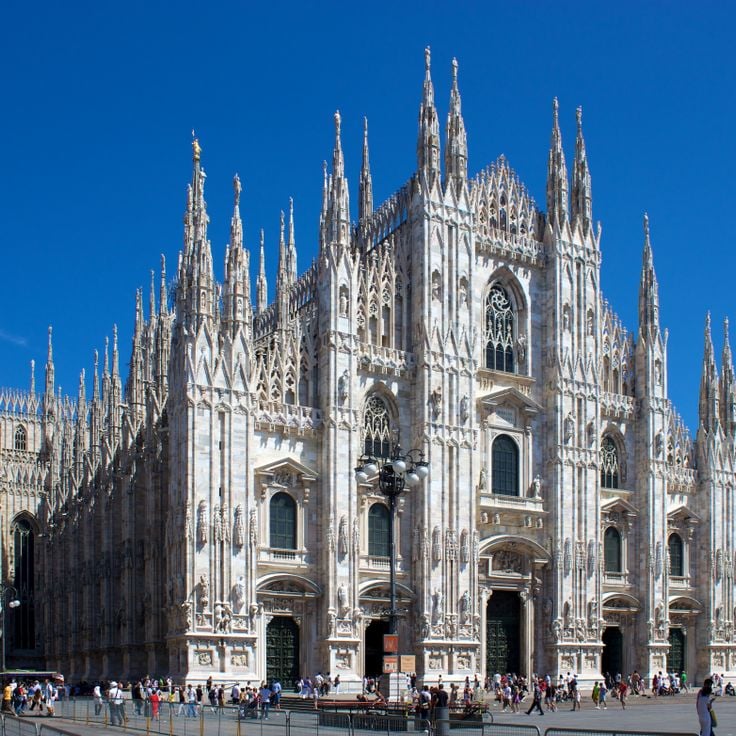
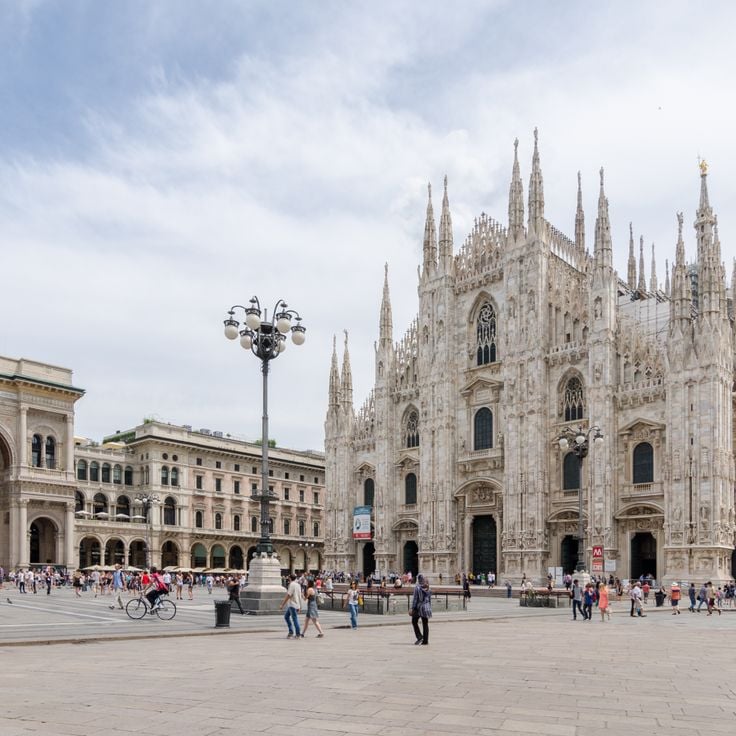
The Duomo di Milano is the largest cathedral in Italy and represents the historical architecture featured in this collection of Milan city landmarks. Built in Gothic style with white marble, the cathedral showcases the city's artistic heritage. Like other notable sites in this guide, such as Galleria Vittorio Emanuele II and Teatro alla Scala, the Duomo stands as a central landmark that draws visitors and residents to the city center. The square surrounding the cathedral serves as a gathering place and architectural centerpiece.
This 19th-century shopping arcade connects the Duomo to Teatro alla Scala under a glass dome. Located in Milan's heart, the Galleria Vittorio Emanuele II serves as both a retail destination and a passage linking the city's two most important landmarks. The covered walkway features elegant arches and a glass ceiling that fills the space with natural light. Visitors walk through here daily, passing shops and feeling the rhythm of Milan's urban life.
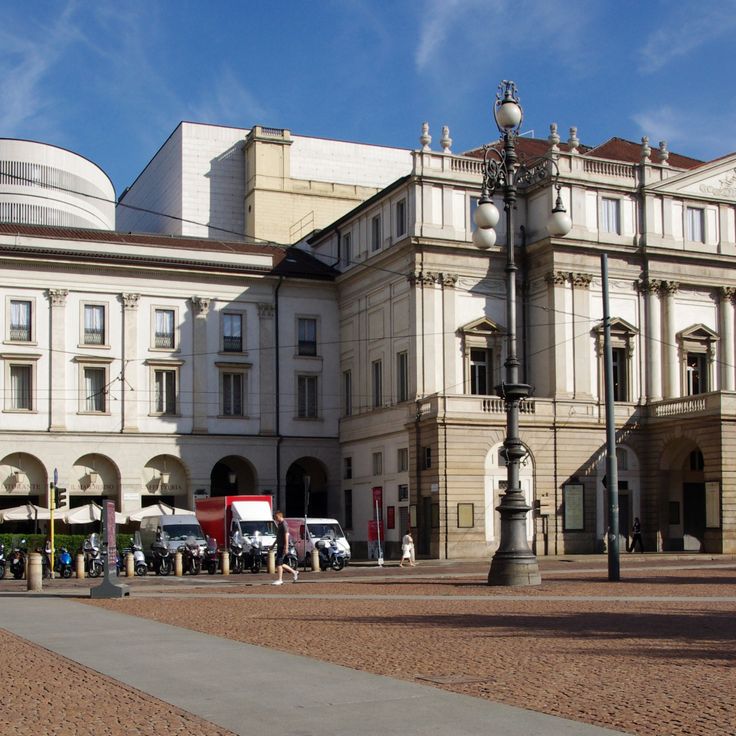
The Scala is an opera house built in 1778 and stands as one of Milan's most important cultural institutions. The building features classical architecture and houses a museum with costumes, instruments and documents from music history. Visitors can explore the grand interior spaces and learn about Italian opera traditions. The opera house sits in the heart of the city and remains a place where major performances have taken place for centuries.
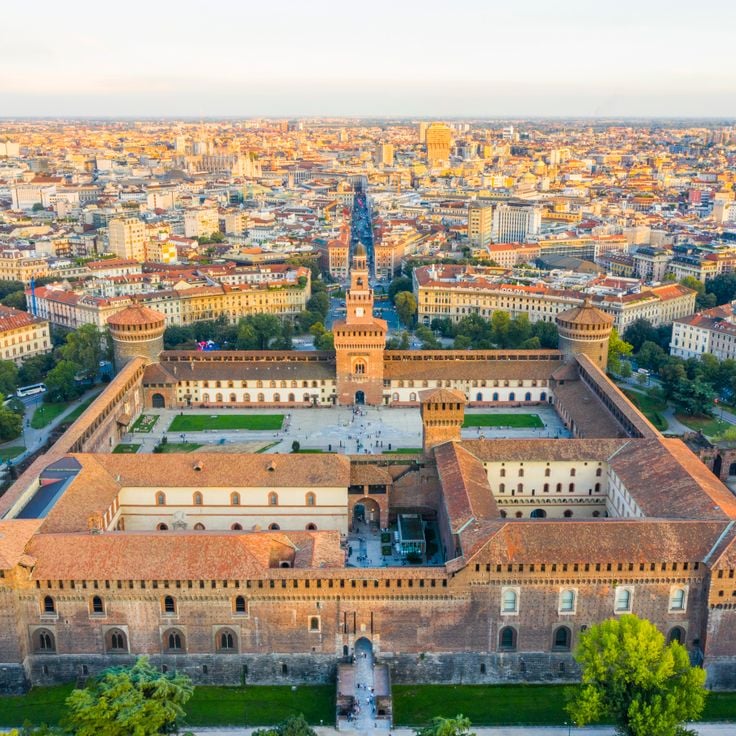
The Castello Sforzesco is a 15th-century fortress complex that houses several museums with Egyptian antiquities and medieval art. Within Milan's collection of city landmarks, this castle serves as a major venue for art collections and stands alongside other notable buildings such as the Duomo and Teatro alla Scala.
Santa Maria delle Grazie is a 15th-century church in Milan that displays Gothic and Renaissance architectural elements. The building is particularly known for Leonardo da Vinci's famous mural painting The Last Supper, located in an adjacent refectory. This church complements Milan's substantial collection of historical buildings and art galleries.
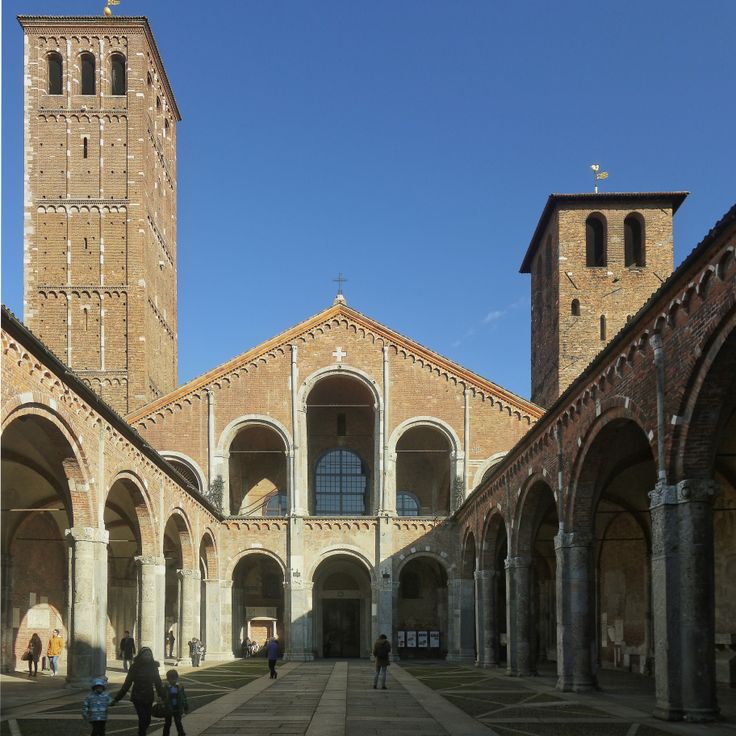
The Basilica di Sant'Ambrogio is a Romanesque church from the 4th century that represents an important piece of Milan's historical architecture. The building features two bell towers, an atrium, and a golden altar from the 9th century. As one of the oldest places of worship in the city, it offers insight into Milan's religious and artistic development.
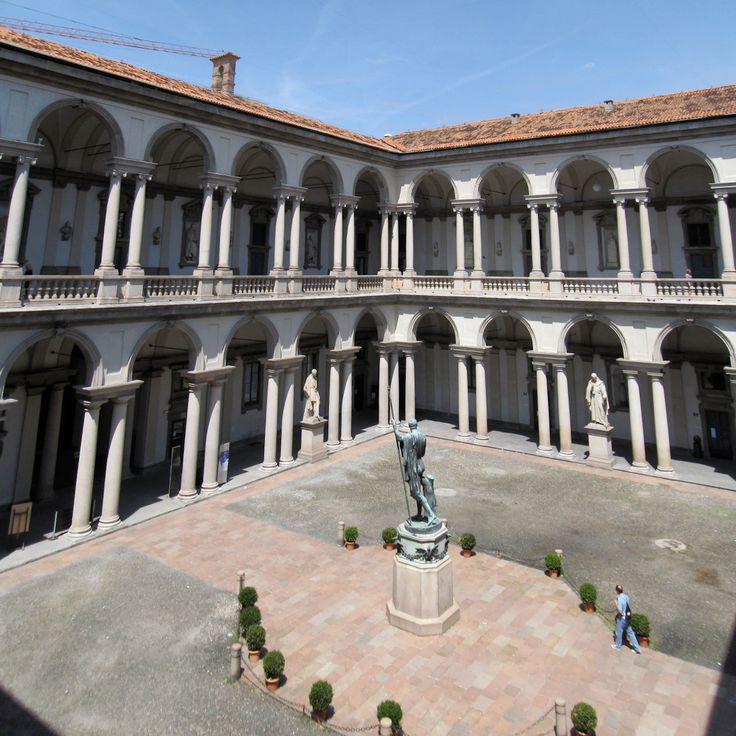
The Pinacoteca di Brera is a museum in Milan that displays Italian paintings from the 13th to 20th centuries. Visitors can see works by artists such as Mantegna, Raphael and Caravaggio. The museum complements the other historical buildings and art collections in the city, offering an overview of how Italian painting developed across several centuries.
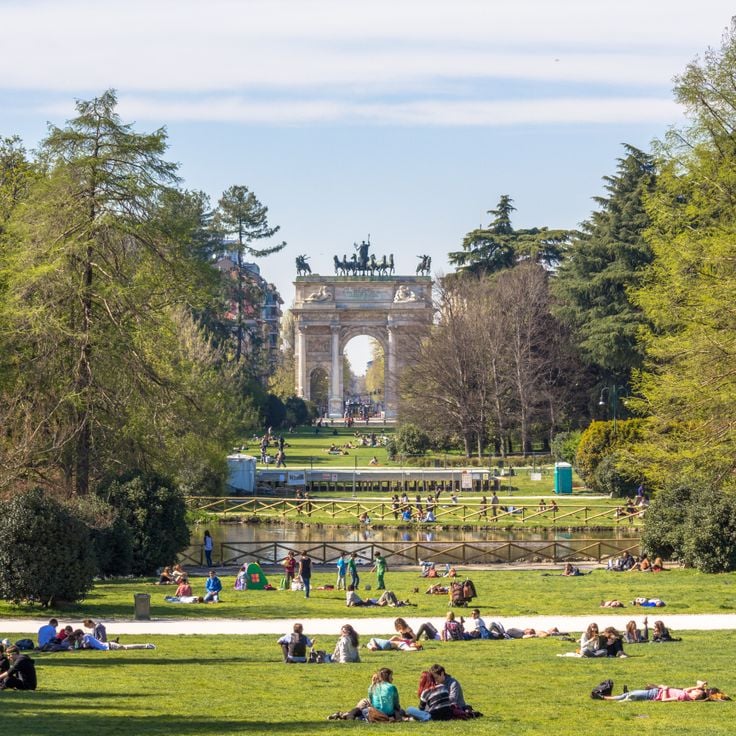
The Parco Sempione is a large green space in this guide to Milan's historical buildings, museums and squares. Located beside the Castello Sforzesco, this park offers visitors a retreat with water features, planted areas and recreational facilities. The park is home to the Torre Branca, a striking observation tower, and the aquarium. It provides a place to walk and rest within the city.
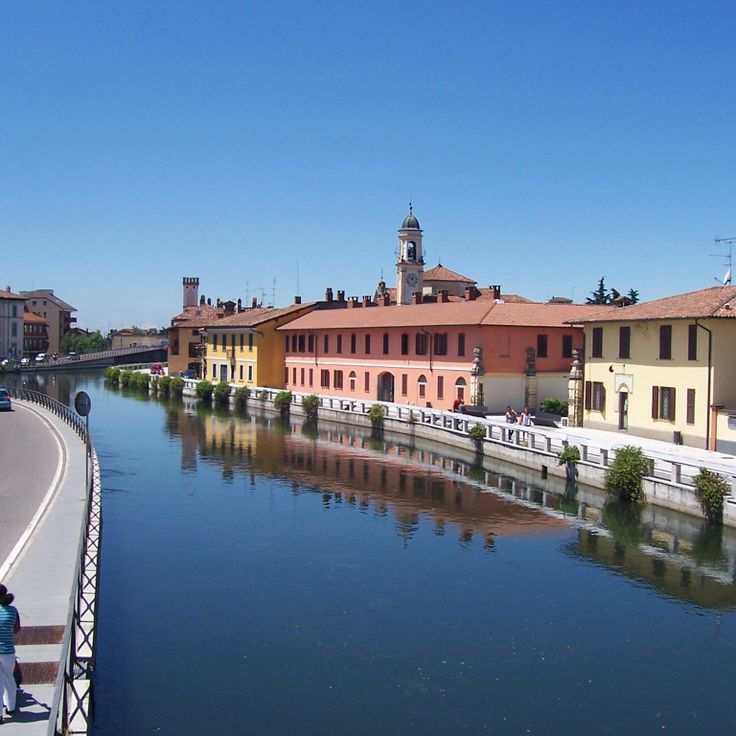
The Navigli are a network of historic waterways that flow through Milan's district. Restaurants, bars and cafes line the banks, creating a lively environment where locals and visitors gather. These canals are central to the identity of this neighborhood and offer a different pace from the busier parts of the city. Walking along the water, you can see how the city has preserved these waterways while allowing contemporary life to flourish around them.
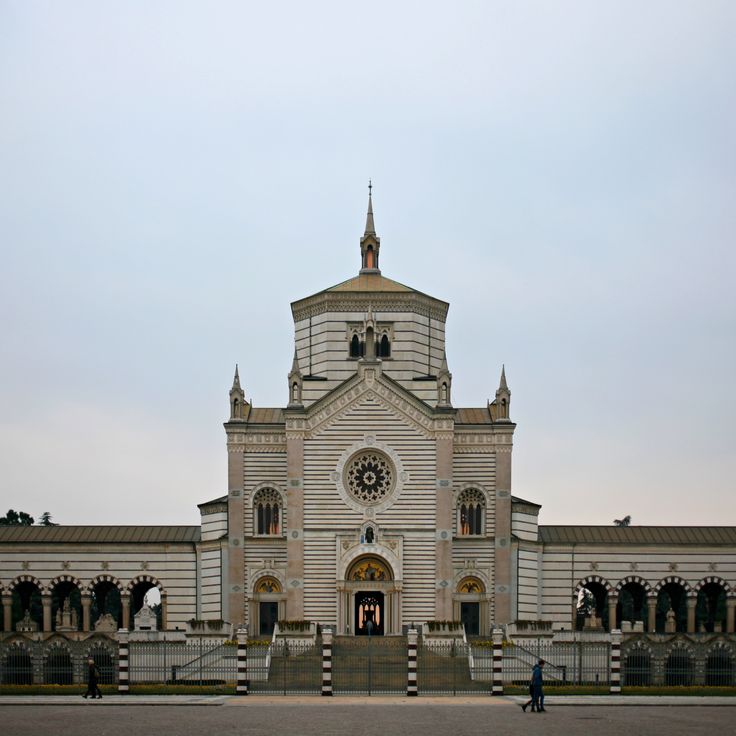
The Monumental Cemetery is a significant landmark in this collection of Milan city landmarks. The cemetery displays tombs and sculptures from the 19th and 20th centuries featuring various architectural styles. Visitors can walk through the pathways and explore the elaborately designed monuments that reflect the city's history and artistic development.
Cathedral Square is the heart of Milan's historic center. This central plaza houses the impressive Gothic cathedral, the elegant Galleria Vittorio Emanuele II with its shops, and the city hall. The square is an important gathering place for locals and visitors, where people come to linger, walk, and enjoy city life. The architecture surrounding Cathedral Square shows Milan's long history.
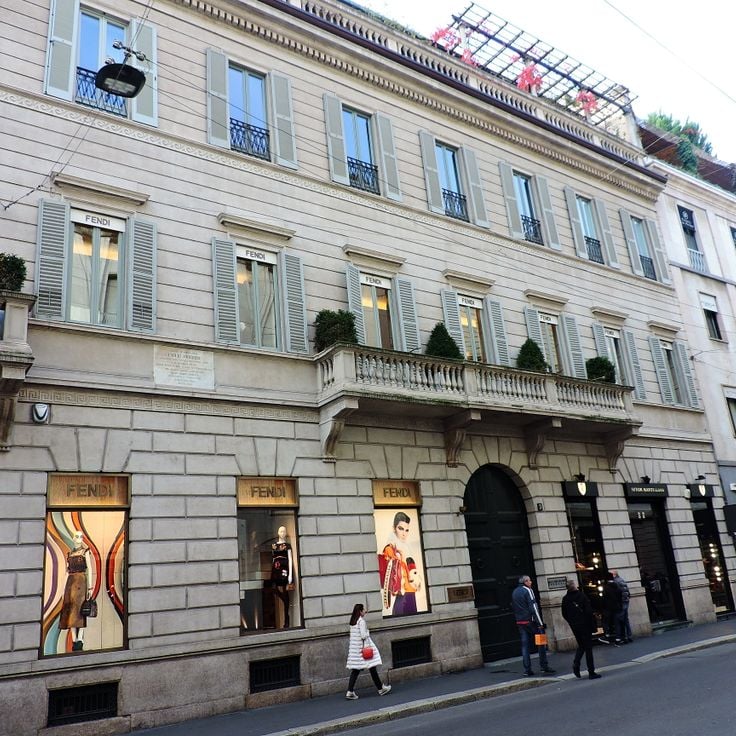
The Fashion District in this Milan landmarks collection comprises four streets forming a square filled with stores of international fashion brands and Italian designers. This area reflects Milan's role as a center for fashion and shopping, appearing alongside the city's historic buildings, museums, squares and cultural institutions.
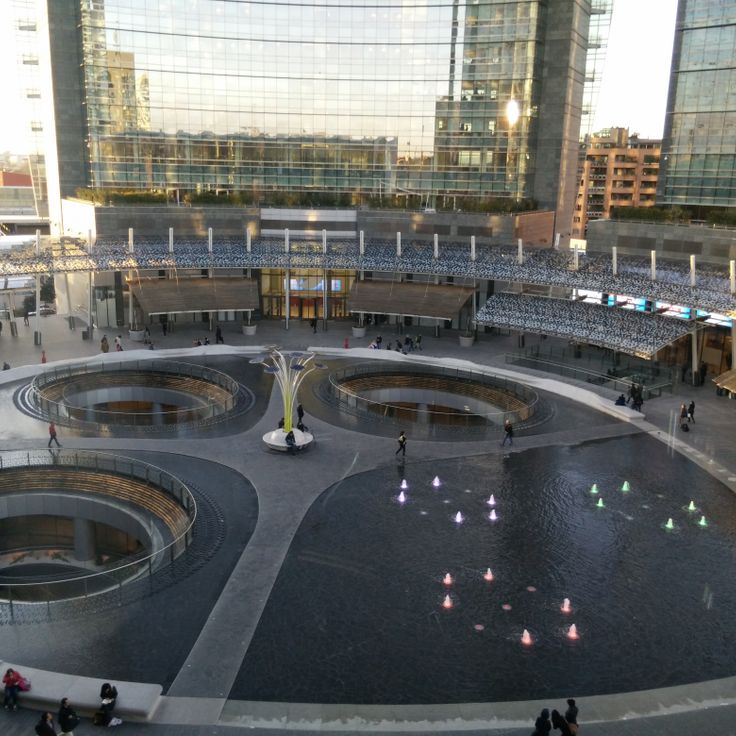
The Piazza Gae Aulenti connects skyscrapers, shops and restaurants in Milan's Porta Nuova business district. The square features large water fountains and digital light installations that shape the modern cityscape. It shows how contemporary architecture and public spaces are woven together in the city.
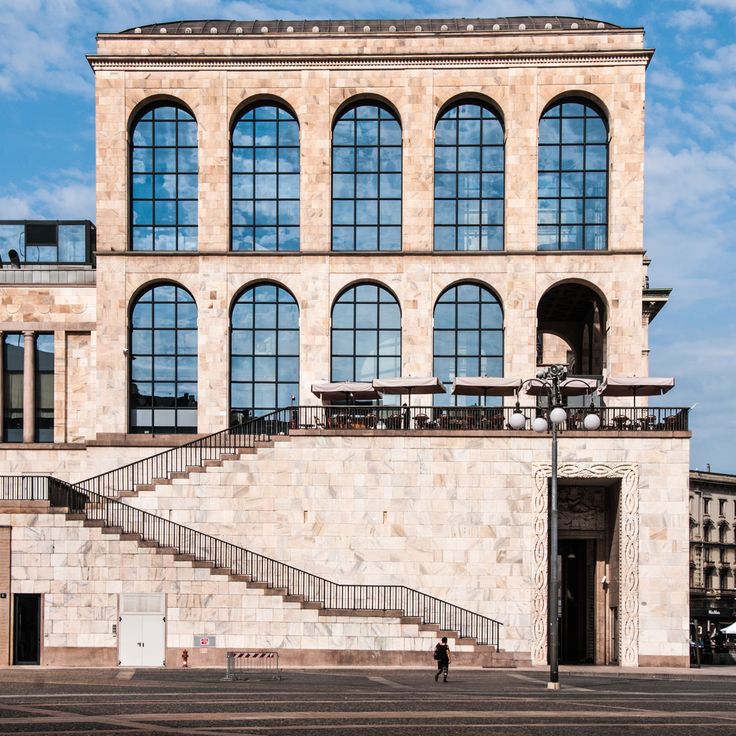
The Museo del Novecento displays Italian art from the 20th century. The museum holds works by Modigliani, de Chirico, and Fontana. This place fits naturally into Milan's landscape of historical buildings and modern creativity. The collection shows how Italian artists developed their styles during a transformative period in history.
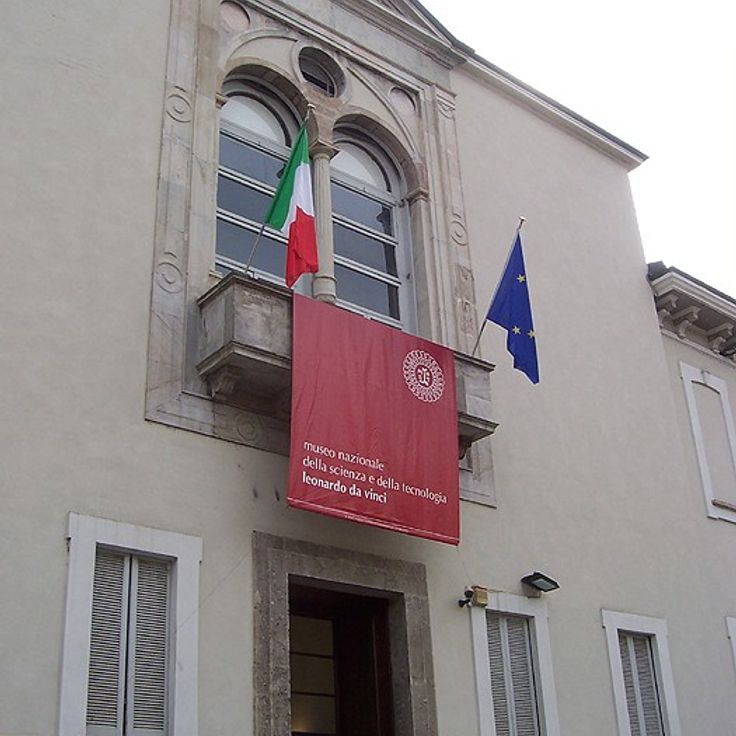
The Leonardo da Vinci National Museum of Science and Technology in Milan displays technical and scientific exhibits, including reproductions of Leonardo da Vinci's inventions and historical transportation vehicles. The museum complements Milan's collection of art galleries, historical churches and modern buildings, offering visitors insights into how science and technology have developed over time.
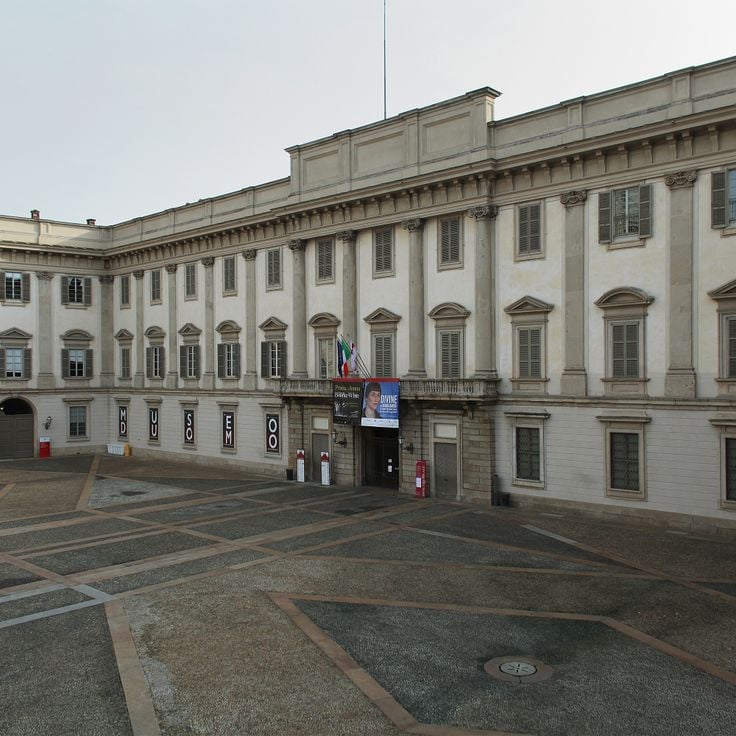
The Palazzo Reale is an 18th century palace located in Milan that serves as part of the city's collection of historical landmarks. The palace houses art exhibitions displayed in rooms with original frescoes and period furniture. Inside, visitors can see how art and architecture were combined in the palace's design.
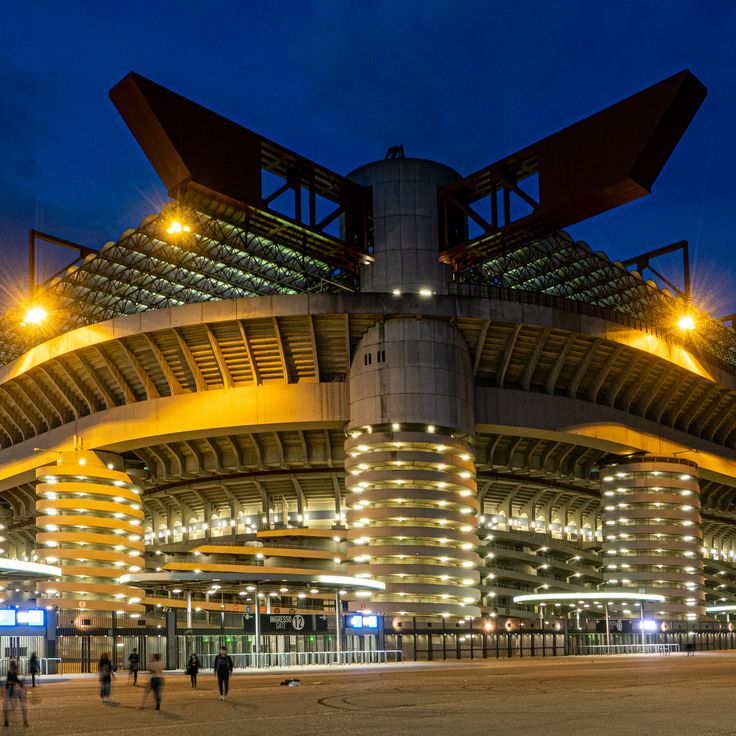
San Siro Stadium is one of Milan's major sports venues and stands alongside the city's architectural landmarks like the Duomo and Galleria Vittorio Emanuele II. The stadium holds around 80,000 spectators and has been the home ground for both Milan football clubs since 1926. It is a place where you feel the passion of fans and witness the living history of Italian football.
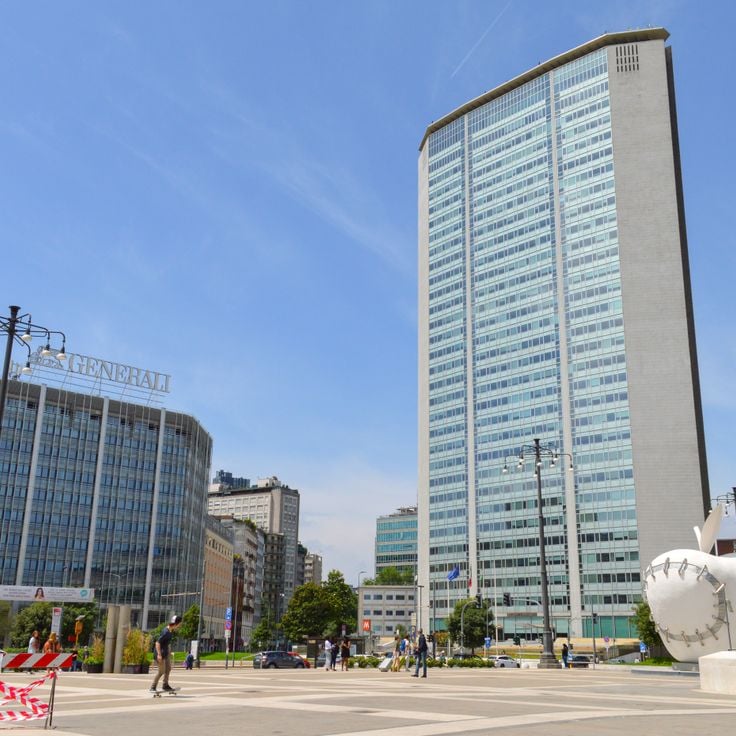
The Pirelli Tower is a striking skyscraper in Milan completed in 1960. With its modern design, this building shapes the city's character and shows Milan's transformation in the 20th century. The structure now serves as the headquarters of the Lombardy Regional Government and stands alongside the historical buildings, museums and squares that define the city.
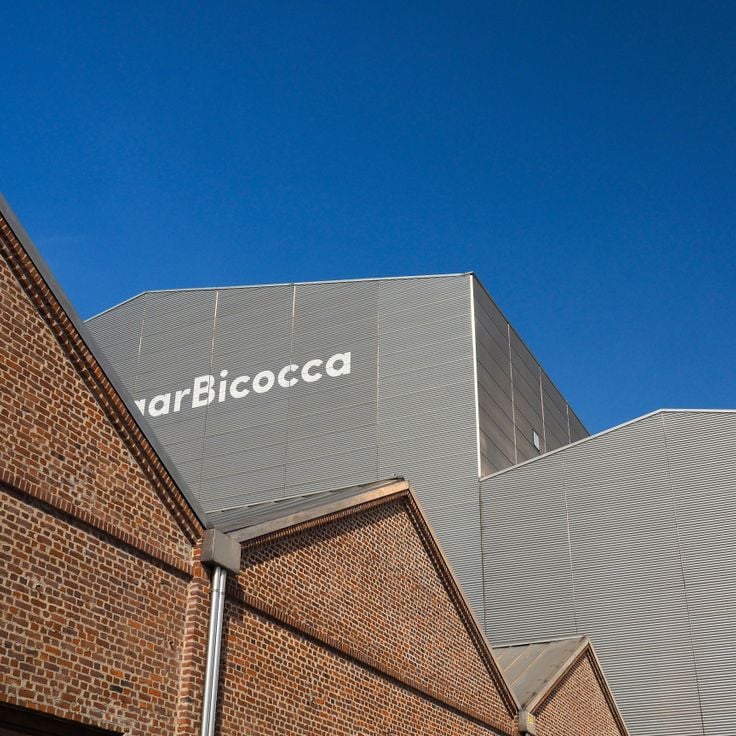
Hangar Bicocca is a former industrial complex in this guide to Milan city landmarks. The building provides exhibition spaces for international artworks and installations, showing how the city transforms historical structures into modern art venues. Alongside the Gothic Duomo, Galleria Vittorio Emanuele II, and Teatro alla Scala, this place reflects Milan's varied cultural offerings.
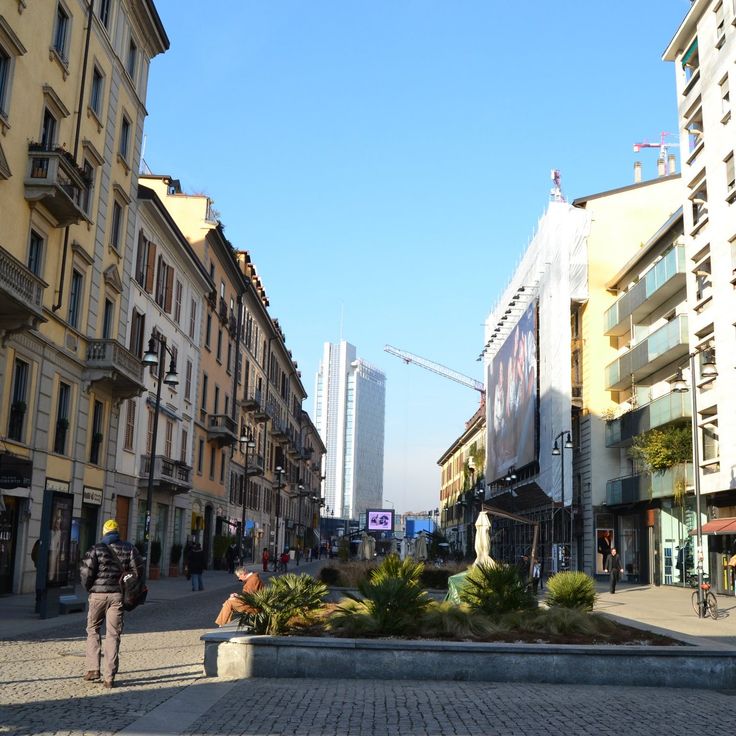
This street in Milan combines fashion stores, restaurants, bars and galleries in a central district north of downtown. As part of the guide to Milan city landmarks, it shows how the city presents modern commercial and dining spaces alongside historical buildings like the Duomo and Teatro alla Scala.
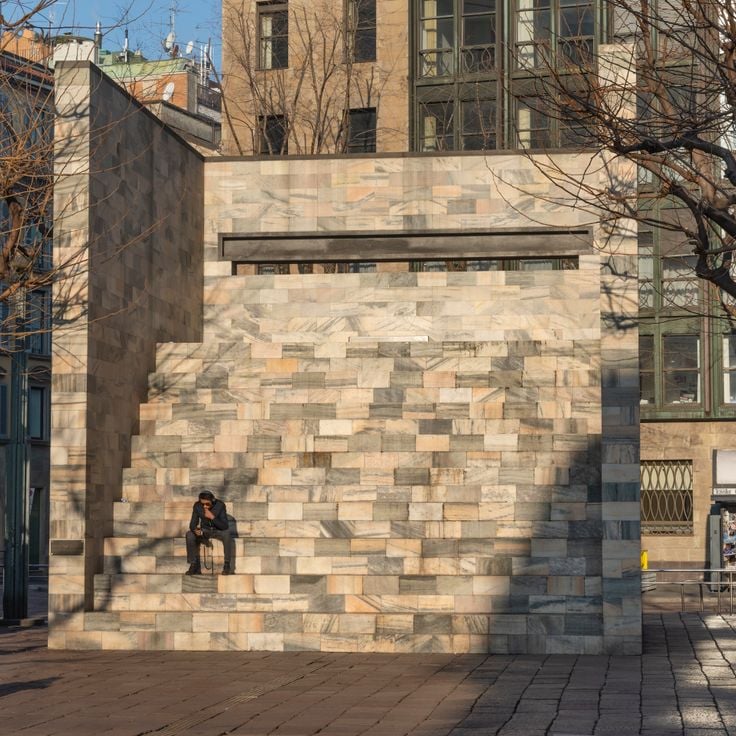
The Sandro Pertini Monument is a public park in this Milan collection of city landmarks, featuring contemporary art pieces. The park honors the Italian President who served from 1978 to 1985. Visitors can walk through the space and view modern art installations that celebrate the legacy of this significant political leader.
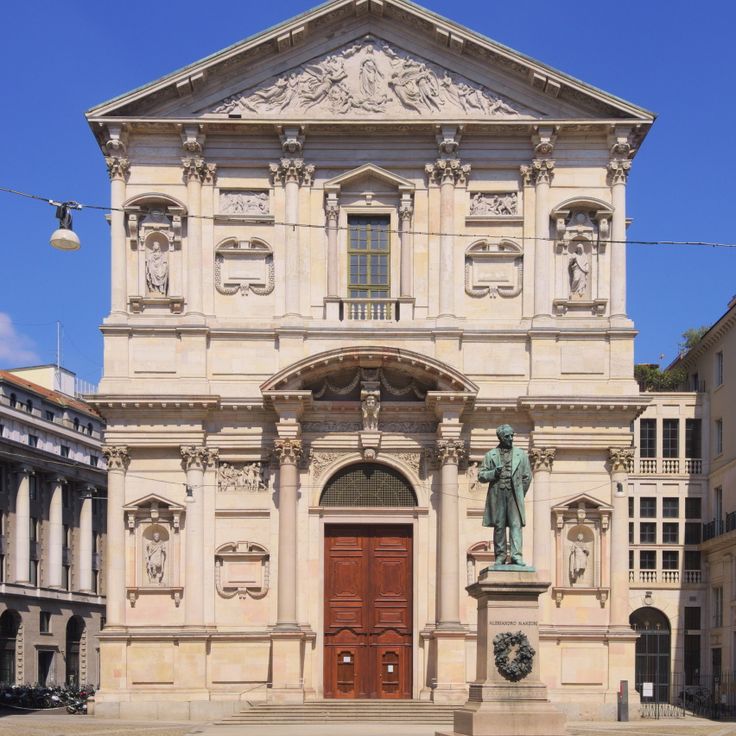
San Fedele Church is a 16th century religious building located in Milan that showcases Jesuit architecture. The interior features marble columns and geometric patterns throughout the space. This church represents one of the historical religious structures in the city, standing alongside the Duomo and other churches that form Milan's spiritual heritage.
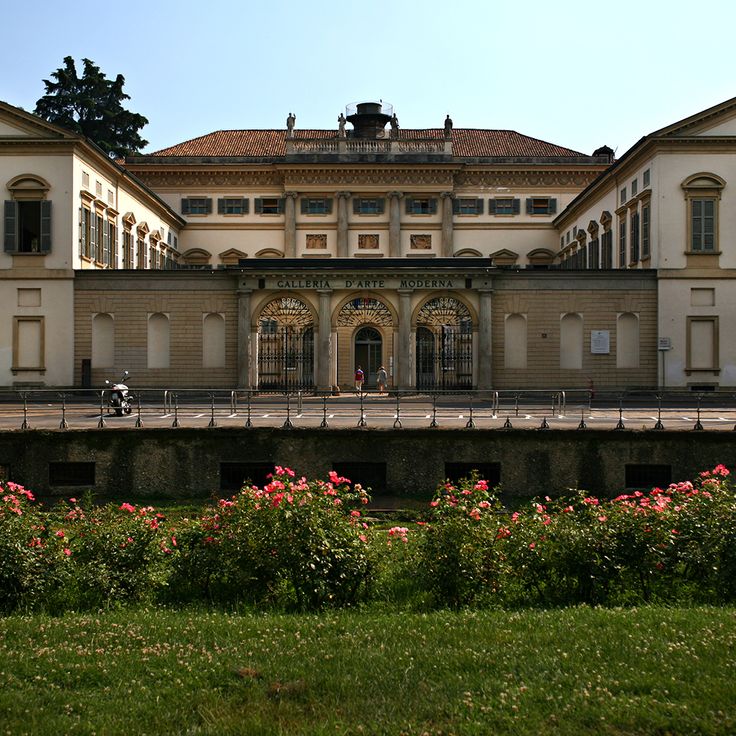
This modern art gallery is housed in an 18th century villa and features Italian art from 1800 to 1900, including works by Segantini. It complements Milan's collection of museums and galleries, which alongside the Castello Sforzesco and other institutions showcase the city's art collections, historical churches, and modern architecture.
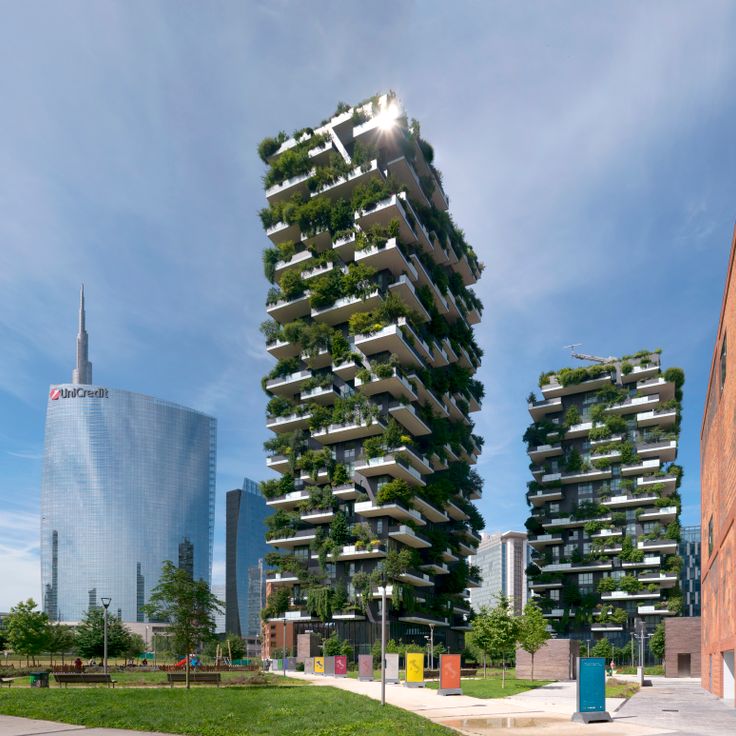
The Vertical Forest consists of two residential towers completed in 2014, featuring extensive greenery integrated directly into their facades. Hundreds of trees and thousands of plants cover the buildings, creating a living exterior that stands out in the urban landscape. This modern housing project demonstrates how vegetation can become part of a building's design rather than simply decorating it. The towers represent contemporary Milan alongside its historic churches, opera houses and art collections, showing how the city continues to develop new approaches to architecture and urban living.
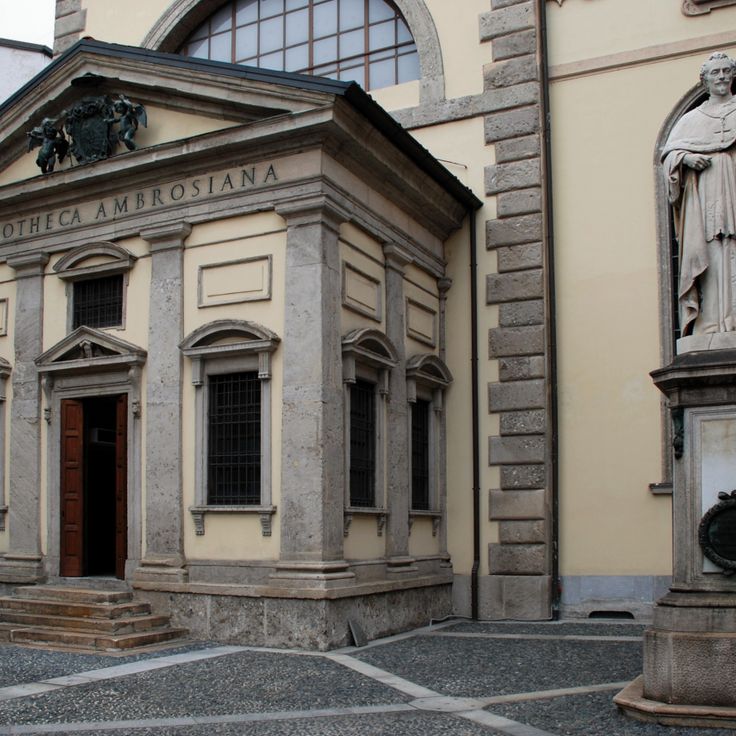
The Pinacoteca Ambrosiana houses a significant collection of Renaissance paintings and drawings by Leonardo da Vinci. This museum also contains an ancient library filled with manuscripts. As an art institution, the Pinacoteca Ambrosiana forms part of Milan's artistic heritage, complementing the city's historical buildings, museums, and squares alongside the Gothic architecture of the Duomo and modern structures.
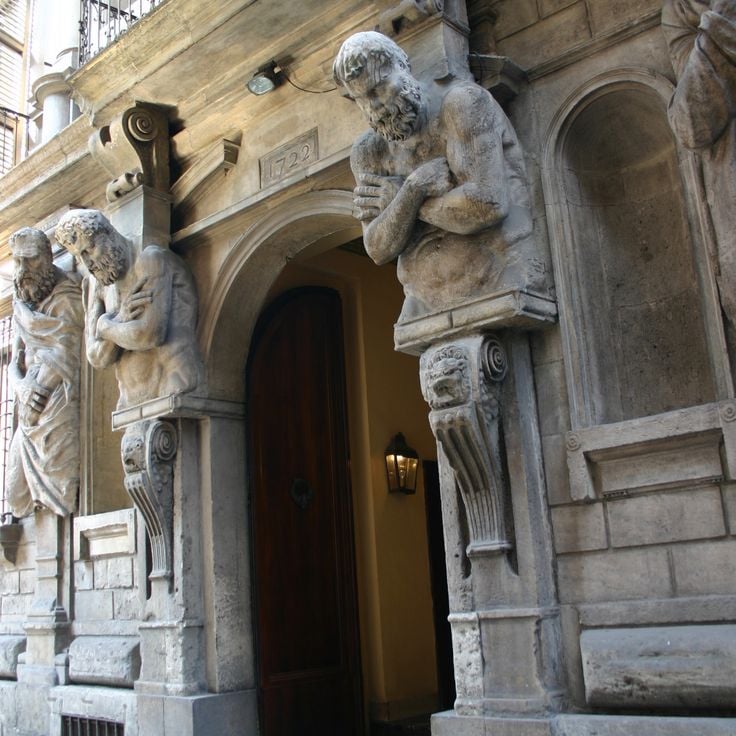
Casa degli Omenoni is an urban palace from 1565 and part of Milan's collection of historical buildings. The facade displays eight stone figures of slaves between Doric columns, a distinctive feature that sets it apart from other palaces in the city.
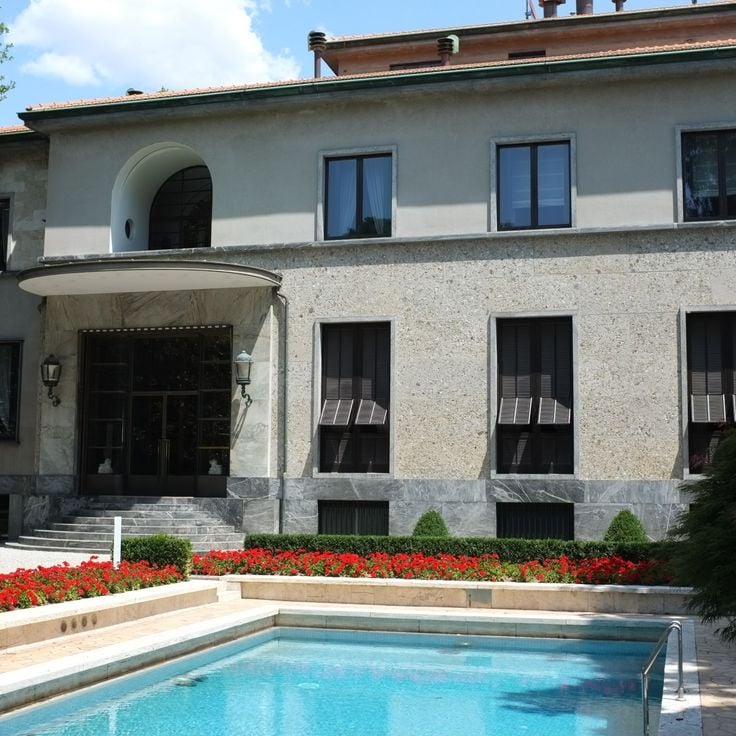
This 1930s villa in Milan features original furniture that reflects how the city's wealthy residents lived during that era. The grounds include a tennis court and one of Milan's first private swimming pools, offering a glimpse into the leisure activities of the time. The building and its contents tell the story of early 20th-century domestic life in the city.
The Biblioteca Nazionale Braidense is a public library in Milan and stands as one of the city's important cultural institutions alongside its historical buildings, museums and squares. This library holds more than 1.5 million volumes, including rare manuscripts and incunabula from the 15th century. It is a place where visitors encounter centuries of accumulated knowledge and written culture.
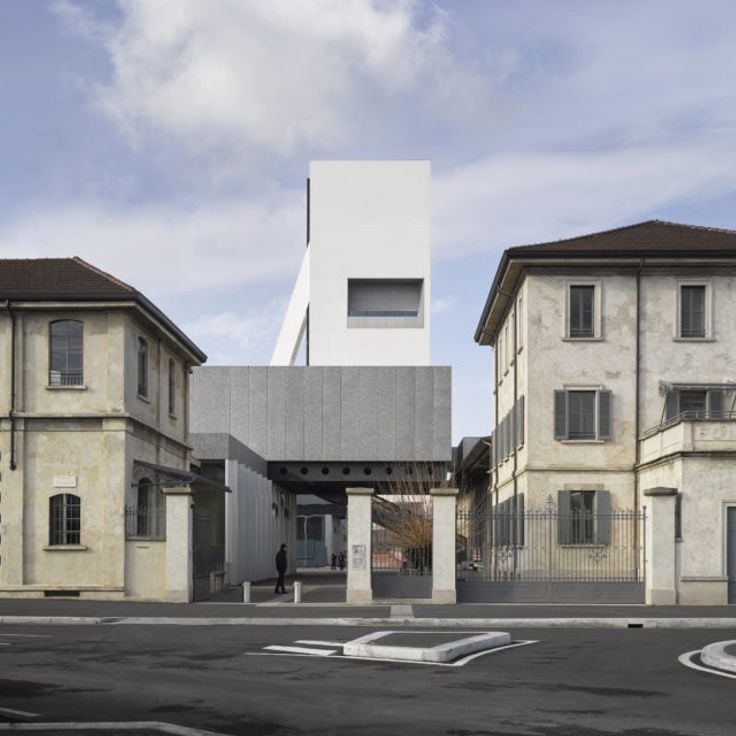
The Fondazione Prada is a cultural center located in a former gin distillery in Milan that presents regular exhibitions of contemporary art and design. As part of the city's collection of museums and galleries, it offers a space to explore current artistic works and design ideas.
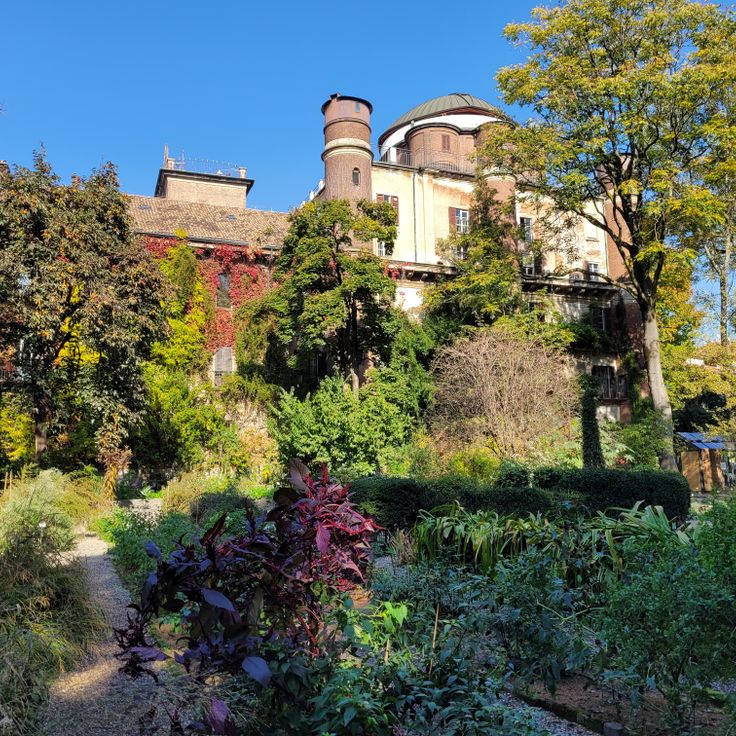
The Orto Botanico di Brera is an 18th century botanical garden in Milan that stands among the city's historical landmarks and parks. This garden holds a collection of medicinal plants, trees, and flowers used for scientific research. It offers a peaceful retreat in the heart of the city where visitors can explore nature and learn about botanical science.
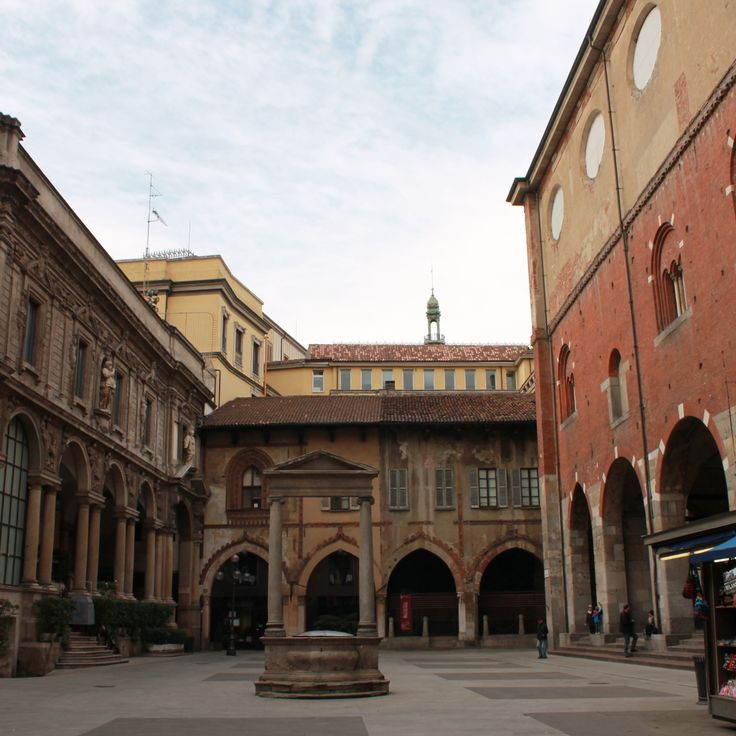
Piazza Mercanti is a medieval square in Milan that helps illustrate the city's historical development. The square is defined by Palazzo della Ragione and other buildings from the 13th century, which reflect the city's past and offer insight into the architecture of that era.
The Arco della Pace is a 19th century neoclassical triumphal arch located in Milan, standing among the city's important historical buildings and monuments. It features Corinthian columns and carved reliefs that depict historical events. This arch represents a key example of Milan's architectural heritage, alongside other landmarks such as the Gothic Duomo and the Castello Sforzesco with its art collections.
The Duomo di Milano is the largest cathedral in Italy and represents the historical architecture featured in this collection of Milan city landmarks. Built in Gothic style with white marble, the cathedral showcases the city's artistic heritage. Like other notable sites in this guide, such as Galleria Vittorio Emanuele II and Teatro alla Scala, the Duomo stands as a central landmark that draws visitors and residents to the city center. The square surrounding the cathedral serves as a gathering place and architectural centerpiece.
This 19th-century shopping arcade connects the Duomo to Teatro alla Scala under a glass dome. Located in Milan's heart, the Galleria Vittorio Emanuele II serves as both a retail destination and a passage linking the city's two most important landmarks. The covered walkway features elegant arches and a glass ceiling that fills the space with natural light. Visitors walk through here daily, passing shops and feeling the rhythm of Milan's urban life.
The Scala is an opera house built in 1778 and stands as one of Milan's most important cultural institutions. The building features classical architecture and houses a museum with costumes, instruments and documents from music history. Visitors can explore the grand interior spaces and learn about Italian opera traditions. The opera house sits in the heart of the city and remains a place where major performances have taken place for centuries.
The Castello Sforzesco is a 15th-century fortress complex that houses several museums with Egyptian antiquities and medieval art. Within Milan's collection of city landmarks, this castle serves as a major venue for art collections and stands alongside other notable buildings such as the Duomo and Teatro alla Scala.
Santa Maria delle Grazie is a 15th-century church in Milan that displays Gothic and Renaissance architectural elements. The building is particularly known for Leonardo da Vinci's famous mural painting The Last Supper, located in an adjacent refectory. This church complements Milan's substantial collection of historical buildings and art galleries.
The Basilica di Sant'Ambrogio is a Romanesque church from the 4th century that represents an important piece of Milan's historical architecture. The building features two bell towers, an atrium, and a golden altar from the 9th century. As one of the oldest places of worship in the city, it offers insight into Milan's religious and artistic development.
The Pinacoteca di Brera is a museum in Milan that displays Italian paintings from the 13th to 20th centuries. Visitors can see works by artists such as Mantegna, Raphael and Caravaggio. The museum complements the other historical buildings and art collections in the city, offering an overview of how Italian painting developed across several centuries.
The Parco Sempione is a large green space in this guide to Milan's historical buildings, museums and squares. Located beside the Castello Sforzesco, this park offers visitors a retreat with water features, planted areas and recreational facilities. The park is home to the Torre Branca, a striking observation tower, and the aquarium. It provides a place to walk and rest within the city.
The Navigli are a network of historic waterways that flow through Milan's district. Restaurants, bars and cafes line the banks, creating a lively environment where locals and visitors gather. These canals are central to the identity of this neighborhood and offer a different pace from the busier parts of the city. Walking along the water, you can see how the city has preserved these waterways while allowing contemporary life to flourish around them.
The Monumental Cemetery is a significant landmark in this collection of Milan city landmarks. The cemetery displays tombs and sculptures from the 19th and 20th centuries featuring various architectural styles. Visitors can walk through the pathways and explore the elaborately designed monuments that reflect the city's history and artistic development.
Cathedral Square is the heart of Milan's historic center. This central plaza houses the impressive Gothic cathedral, the elegant Galleria Vittorio Emanuele II with its shops, and the city hall. The square is an important gathering place for locals and visitors, where people come to linger, walk, and enjoy city life. The architecture surrounding Cathedral Square shows Milan's long history.
The Fashion District in this Milan landmarks collection comprises four streets forming a square filled with stores of international fashion brands and Italian designers. This area reflects Milan's role as a center for fashion and shopping, appearing alongside the city's historic buildings, museums, squares and cultural institutions.
The Piazza Gae Aulenti connects skyscrapers, shops and restaurants in Milan's Porta Nuova business district. The square features large water fountains and digital light installations that shape the modern cityscape. It shows how contemporary architecture and public spaces are woven together in the city.
The Museo del Novecento displays Italian art from the 20th century. The museum holds works by Modigliani, de Chirico, and Fontana. This place fits naturally into Milan's landscape of historical buildings and modern creativity. The collection shows how Italian artists developed their styles during a transformative period in history.
The Leonardo da Vinci National Museum of Science and Technology in Milan displays technical and scientific exhibits, including reproductions of Leonardo da Vinci's inventions and historical transportation vehicles. The museum complements Milan's collection of art galleries, historical churches and modern buildings, offering visitors insights into how science and technology have developed over time.
The Palazzo Reale is an 18th century palace located in Milan that serves as part of the city's collection of historical landmarks. The palace houses art exhibitions displayed in rooms with original frescoes and period furniture. Inside, visitors can see how art and architecture were combined in the palace's design.
San Siro Stadium is one of Milan's major sports venues and stands alongside the city's architectural landmarks like the Duomo and Galleria Vittorio Emanuele II. The stadium holds around 80,000 spectators and has been the home ground for both Milan football clubs since 1926. It is a place where you feel the passion of fans and witness the living history of Italian football.
The Pirelli Tower is a striking skyscraper in Milan completed in 1960. With its modern design, this building shapes the city's character and shows Milan's transformation in the 20th century. The structure now serves as the headquarters of the Lombardy Regional Government and stands alongside the historical buildings, museums and squares that define the city.
Hangar Bicocca is a former industrial complex in this guide to Milan city landmarks. The building provides exhibition spaces for international artworks and installations, showing how the city transforms historical structures into modern art venues. Alongside the Gothic Duomo, Galleria Vittorio Emanuele II, and Teatro alla Scala, this place reflects Milan's varied cultural offerings.
This street in Milan combines fashion stores, restaurants, bars and galleries in a central district north of downtown. As part of the guide to Milan city landmarks, it shows how the city presents modern commercial and dining spaces alongside historical buildings like the Duomo and Teatro alla Scala.
The Sandro Pertini Monument is a public park in this Milan collection of city landmarks, featuring contemporary art pieces. The park honors the Italian President who served from 1978 to 1985. Visitors can walk through the space and view modern art installations that celebrate the legacy of this significant political leader.
San Fedele Church is a 16th century religious building located in Milan that showcases Jesuit architecture. The interior features marble columns and geometric patterns throughout the space. This church represents one of the historical religious structures in the city, standing alongside the Duomo and other churches that form Milan's spiritual heritage.
This modern art gallery is housed in an 18th century villa and features Italian art from 1800 to 1900, including works by Segantini. It complements Milan's collection of museums and galleries, which alongside the Castello Sforzesco and other institutions showcase the city's art collections, historical churches, and modern architecture.
The Vertical Forest consists of two residential towers completed in 2014, featuring extensive greenery integrated directly into their facades. Hundreds of trees and thousands of plants cover the buildings, creating a living exterior that stands out in the urban landscape. This modern housing project demonstrates how vegetation can become part of a building's design rather than simply decorating it. The towers represent contemporary Milan alongside its historic churches, opera houses and art collections, showing how the city continues to develop new approaches to architecture and urban living.
The Pinacoteca Ambrosiana houses a significant collection of Renaissance paintings and drawings by Leonardo da Vinci. This museum also contains an ancient library filled with manuscripts. As an art institution, the Pinacoteca Ambrosiana forms part of Milan's artistic heritage, complementing the city's historical buildings, museums, and squares alongside the Gothic architecture of the Duomo and modern structures.
Casa degli Omenoni is an urban palace from 1565 and part of Milan's collection of historical buildings. The facade displays eight stone figures of slaves between Doric columns, a distinctive feature that sets it apart from other palaces in the city.
This 1930s villa in Milan features original furniture that reflects how the city's wealthy residents lived during that era. The grounds include a tennis court and one of Milan's first private swimming pools, offering a glimpse into the leisure activities of the time. The building and its contents tell the story of early 20th-century domestic life in the city.
The Biblioteca Nazionale Braidense is a public library in Milan and stands as one of the city's important cultural institutions alongside its historical buildings, museums and squares. This library holds more than 1.5 million volumes, including rare manuscripts and incunabula from the 15th century. It is a place where visitors encounter centuries of accumulated knowledge and written culture.
The Fondazione Prada is a cultural center located in a former gin distillery in Milan that presents regular exhibitions of contemporary art and design. As part of the city's collection of museums and galleries, it offers a space to explore current artistic works and design ideas.
The Orto Botanico di Brera is an 18th century botanical garden in Milan that stands among the city's historical landmarks and parks. This garden holds a collection of medicinal plants, trees, and flowers used for scientific research. It offers a peaceful retreat in the heart of the city where visitors can explore nature and learn about botanical science.
Piazza Mercanti is a medieval square in Milan that helps illustrate the city's historical development. The square is defined by Palazzo della Ragione and other buildings from the 13th century, which reflect the city's past and offer insight into the architecture of that era.
The Arco della Pace is a 19th century neoclassical triumphal arch located in Milan, standing among the city's important historical buildings and monuments. It features Corinthian columns and carved reliefs that depict historical events. This arch represents a key example of Milan's architectural heritage, alongside other landmarks such as the Gothic Duomo and the Castello Sforzesco with its art collections.
The Duomo di Milano is the largest cathedral in Italy and represents the historical architecture featured in this collection of Milan city landmarks. Built in Gothic style with white marble, the cathedral showcases the city's artistic heritage. Like other notable sites in this guide, such as Galleria Vittorio Emanuele II and Teatro alla Scala, the Duomo stands as a central landmark that draws visitors and residents to the city center. The square surrounding the cathedral serves as a gathering place and architectural centerpiece.
This 19th-century shopping arcade connects the Duomo to Teatro alla Scala under a glass dome. Located in Milan's heart, the Galleria Vittorio Emanuele II serves as both a retail destination and a passage linking the city's two most important landmarks. The covered walkway features elegant arches and a glass ceiling that fills the space with natural light. Visitors walk through here daily, passing shops and feeling the rhythm of Milan's urban life.
The Scala is an opera house built in 1778 and stands as one of Milan's most important cultural institutions. The building features classical architecture and houses a museum with costumes, instruments and documents from music history. Visitors can explore the grand interior spaces and learn about Italian opera traditions. The opera house sits in the heart of the city and remains a place where major performances have taken place for centuries.
The Castello Sforzesco is a 15th-century fortress complex that houses several museums with Egyptian antiquities and medieval art. Within Milan's collection of city landmarks, this castle serves as a major venue for art collections and stands alongside other notable buildings such as the Duomo and Teatro alla Scala.
Santa Maria delle Grazie is a 15th-century church in Milan that displays Gothic and Renaissance architectural elements. The building is particularly known for Leonardo da Vinci's famous mural painting The Last Supper, located in an adjacent refectory. This church complements Milan's substantial collection of historical buildings and art galleries.
The Basilica di Sant'Ambrogio is a Romanesque church from the 4th century that represents an important piece of Milan's historical architecture. The building features two bell towers, an atrium, and a golden altar from the 9th century. As one of the oldest places of worship in the city, it offers insight into Milan's religious and artistic development.
The Pinacoteca di Brera is a museum in Milan that displays Italian paintings from the 13th to 20th centuries. Visitors can see works by artists such as Mantegna, Raphael and Caravaggio. The museum complements the other historical buildings and art collections in the city, offering an overview of how Italian painting developed across several centuries.
The Parco Sempione is a large green space in this guide to Milan's historical buildings, museums and squares. Located beside the Castello Sforzesco, this park offers visitors a retreat with water features, planted areas and recreational facilities. The park is home to the Torre Branca, a striking observation tower, and the aquarium. It provides a place to walk and rest within the city.
The Navigli are a network of historic waterways that flow through Milan's district. Restaurants, bars and cafes line the banks, creating a lively environment where locals and visitors gather. These canals are central to the identity of this neighborhood and offer a different pace from the busier parts of the city. Walking along the water, you can see how the city has preserved these waterways while allowing contemporary life to flourish around them.
The Monumental Cemetery is a significant landmark in this collection of Milan city landmarks. The cemetery displays tombs and sculptures from the 19th and 20th centuries featuring various architectural styles. Visitors can walk through the pathways and explore the elaborately designed monuments that reflect the city's history and artistic development.
Cathedral Square is the heart of Milan's historic center. This central plaza houses the impressive Gothic cathedral, the elegant Galleria Vittorio Emanuele II with its shops, and the city hall. The square is an important gathering place for locals and visitors, where people come to linger, walk, and enjoy city life. The architecture surrounding Cathedral Square shows Milan's long history.
The Fashion District in this Milan landmarks collection comprises four streets forming a square filled with stores of international fashion brands and Italian designers. This area reflects Milan's role as a center for fashion and shopping, appearing alongside the city's historic buildings, museums, squares and cultural institutions.
The Piazza Gae Aulenti connects skyscrapers, shops and restaurants in Milan's Porta Nuova business district. The square features large water fountains and digital light installations that shape the modern cityscape. It shows how contemporary architecture and public spaces are woven together in the city.
The Museo del Novecento displays Italian art from the 20th century. The museum holds works by Modigliani, de Chirico, and Fontana. This place fits naturally into Milan's landscape of historical buildings and modern creativity. The collection shows how Italian artists developed their styles during a transformative period in history.
The Leonardo da Vinci National Museum of Science and Technology in Milan displays technical and scientific exhibits, including reproductions of Leonardo da Vinci's inventions and historical transportation vehicles. The museum complements Milan's collection of art galleries, historical churches and modern buildings, offering visitors insights into how science and technology have developed over time.
The Palazzo Reale is an 18th century palace located in Milan that serves as part of the city's collection of historical landmarks. The palace houses art exhibitions displayed in rooms with original frescoes and period furniture. Inside, visitors can see how art and architecture were combined in the palace's design.
San Siro Stadium is one of Milan's major sports venues and stands alongside the city's architectural landmarks like the Duomo and Galleria Vittorio Emanuele II. The stadium holds around 80,000 spectators and has been the home ground for both Milan football clubs since 1926. It is a place where you feel the passion of fans and witness the living history of Italian football.
The Pirelli Tower is a striking skyscraper in Milan completed in 1960. With its modern design, this building shapes the city's character and shows Milan's transformation in the 20th century. The structure now serves as the headquarters of the Lombardy Regional Government and stands alongside the historical buildings, museums and squares that define the city.
Hangar Bicocca is a former industrial complex in this guide to Milan city landmarks. The building provides exhibition spaces for international artworks and installations, showing how the city transforms historical structures into modern art venues. Alongside the Gothic Duomo, Galleria Vittorio Emanuele II, and Teatro alla Scala, this place reflects Milan's varied cultural offerings.
This street in Milan combines fashion stores, restaurants, bars and galleries in a central district north of downtown. As part of the guide to Milan city landmarks, it shows how the city presents modern commercial and dining spaces alongside historical buildings like the Duomo and Teatro alla Scala.
The Sandro Pertini Monument is a public park in this Milan collection of city landmarks, featuring contemporary art pieces. The park honors the Italian President who served from 1978 to 1985. Visitors can walk through the space and view modern art installations that celebrate the legacy of this significant political leader.
San Fedele Church is a 16th century religious building located in Milan that showcases Jesuit architecture. The interior features marble columns and geometric patterns throughout the space. This church represents one of the historical religious structures in the city, standing alongside the Duomo and other churches that form Milan's spiritual heritage.
This modern art gallery is housed in an 18th century villa and features Italian art from 1800 to 1900, including works by Segantini. It complements Milan's collection of museums and galleries, which alongside the Castello Sforzesco and other institutions showcase the city's art collections, historical churches, and modern architecture.
The Vertical Forest consists of two residential towers completed in 2014, featuring extensive greenery integrated directly into their facades. Hundreds of trees and thousands of plants cover the buildings, creating a living exterior that stands out in the urban landscape. This modern housing project demonstrates how vegetation can become part of a building's design rather than simply decorating it. The towers represent contemporary Milan alongside its historic churches, opera houses and art collections, showing how the city continues to develop new approaches to architecture and urban living.
The Pinacoteca Ambrosiana houses a significant collection of Renaissance paintings and drawings by Leonardo da Vinci. This museum also contains an ancient library filled with manuscripts. As an art institution, the Pinacoteca Ambrosiana forms part of Milan's artistic heritage, complementing the city's historical buildings, museums, and squares alongside the Gothic architecture of the Duomo and modern structures.
Casa degli Omenoni is an urban palace from 1565 and part of Milan's collection of historical buildings. The facade displays eight stone figures of slaves between Doric columns, a distinctive feature that sets it apart from other palaces in the city.
This 1930s villa in Milan features original furniture that reflects how the city's wealthy residents lived during that era. The grounds include a tennis court and one of Milan's first private swimming pools, offering a glimpse into the leisure activities of the time. The building and its contents tell the story of early 20th-century domestic life in the city.
The Biblioteca Nazionale Braidense is a public library in Milan and stands as one of the city's important cultural institutions alongside its historical buildings, museums and squares. This library holds more than 1.5 million volumes, including rare manuscripts and incunabula from the 15th century. It is a place where visitors encounter centuries of accumulated knowledge and written culture.
The Fondazione Prada is a cultural center located in a former gin distillery in Milan that presents regular exhibitions of contemporary art and design. As part of the city's collection of museums and galleries, it offers a space to explore current artistic works and design ideas.
The Orto Botanico di Brera is an 18th century botanical garden in Milan that stands among the city's historical landmarks and parks. This garden holds a collection of medicinal plants, trees, and flowers used for scientific research. It offers a peaceful retreat in the heart of the city where visitors can explore nature and learn about botanical science.
Piazza Mercanti is a medieval square in Milan that helps illustrate the city's historical development. The square is defined by Palazzo della Ragione and other buildings from the 13th century, which reflect the city's past and offer insight into the architecture of that era.
The Arco della Pace is a 19th century neoclassical triumphal arch located in Milan, standing among the city's important historical buildings and monuments. It features Corinthian columns and carved reliefs that depict historical events. This arch represents a key example of Milan's architectural heritage, alongside other landmarks such as the Gothic Duomo and the Castello Sforzesco with its art collections.