Piazza del Duomo, Central square in Milan, Italy
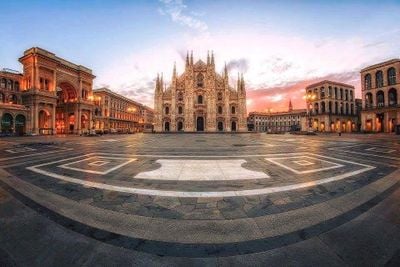
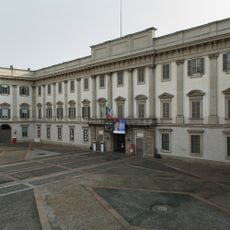
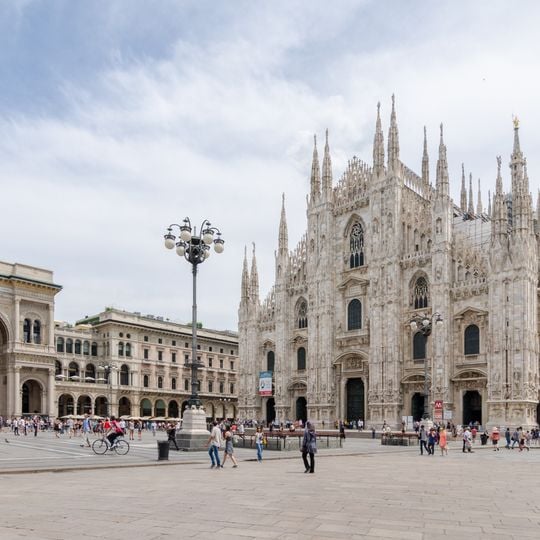
Piazza del Duomo is a square in Milan that forms the historic heart of the city and borders the Galleria Vittorio Emanuele II. The wide space connects several streets and opens toward the cathedral façade, surrounded by arcaded buildings and 19th-century palaces.
The first transformations began in the 14th century under Azzone Visconti, who reshaped the medieval core. The current form emerged between 1865 and 1873 following plans by Giuseppe Mengoni, who expanded the square as part of urban modernization.
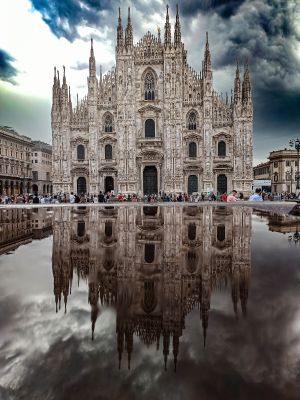
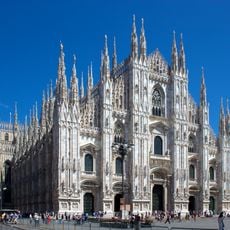
The square is named after the Duomo, which closes the view at its eastern end, not its northern side; the northern boundary is formed by the Palazzo dei Portici Settentrionali, next to the Galleria's monumental entrance. The Milanese use the space to mark major events, and the equestrian monument to Vittorio Emanuele II, inaugurated in 1896, stands at its centre.
The entire square is reserved for pedestrians and offers open access to all surrounding attractions. Most visitors come in the morning or early evening, when the light best highlights the façades.
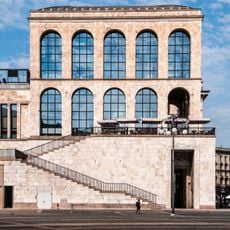
Giuseppe Mengoni, the architect who gave the square its present layout, died in 1877 after falling from scaffolding on the site while supervising the works. Of the two triumphal arches he planned, only the one at the Galleria entrance was finished; the second was abandoned and its intended spot was later taken by the Arengario, built in the Fascist era for speeches by the podestà or Mussolini.
The community of curious travelers
AroundUs brings together thousands of curated places, local tips, and hidden gems, enriched daily by 93,541 contributors worldwide.