Basilica vetus, Early Christian basilica site in Milan, Italy
Basilica vetus, also called Santa Maria Maggiore, stood under what is now the rear apse area of Milan's cathedral, centred beneath the northern sacristy. Construction began in 314, a year after the Edict of Milan, during the episcopate of Mirocles and was completed under his successor Maternus. Of the building only the wall of the facade rebuilt in the 9th century survives, kept in rooms of the Veneranda Fabbrica del Duomo and not open to the public.
Construction began in 314, a year after the Edict of Milan, under Bishop Mirocles and was completed by his successor Maternus, making it Milan's first Early Christian basilica after the edict. Bishop Angilbert I rebuilt it and renamed it Santa Maria Maggiore; his successor Angilbert II reconsecrated it in 836. Demolition began in 1386 to clear the site for the new cathedral.
The name vetus, Latin for "old", distinguished it from the nearby basilica maior, later renamed Santa Tecla. The two churches stood close together, with the baptistery of San Giovanni alle Fonti between them at the site of the modern cathedral entrance, and the small baptistery of Santo Stefano alle Fonti to the north. Saint Ambrose mentions the episcopal complex in a document of 386.
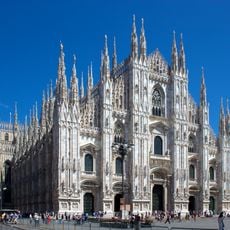
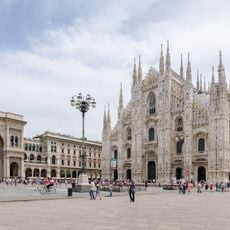
The former church's location lies beneath Milan's current cathedral in the city center. Visitors can explore the site by visiting the present-day cathedral building.
The coat of arms of the Cathedral's building organization featured this church's facade beneath Mary's mantle, showing its symbolic importance to the project. This artistic choice preserved the memory of the older church within the new cathedral's design identity.
The community of curious travelers
AroundUs brings together thousands of curated places, local tips, and hidden gems, enriched daily by 92,586 contributors worldwide.