See the monuments around you in AROpen chests in the app
Around Us is built for your phone — point your camera at the streets and discover the monuments and places around you in augmented reality.Around Us is built for your phone — chests unlock when you walk, explore and capture nearby places.
Lombardy: tourist sites, historic towns and mountain lakes
Lombardy includes some of the most visited places in northern Italy. Milan is home to much of the region's history: the Gothic cathedral of the Duomo, the Vittorio Emanuele II Gallery with its covered passages from the 19th century, La Scala theater, the Last Supper fresco in Santa Maria delle Grazie, the collections of the Brera Art Gallery, and the Sforza Castle. The Navigli neighborhoods with their old canals add another look to the city.
Beyond Milan, the region opens up to lakes surrounded by mountains. Lake Como attracts visitors to towns like Bellagio, Varenna, and Menaggio. Lake Maggiore has the Borromean Islands with their terraced gardens. The lakes of Orta and Iseo are quieter places to visit. Lake Garda stretches with its shores between beaches and medieval villages. Bergamo is split between the high city with its walls and the lower modern part. Brescia keeps Roman ruins and Lombard churches. Mantua, a UNESCO site, shows the Italian Renaissance. The Lombard Alps finish off the area with valleys like Valtellina and natural parks.
Lombardy: tourist sites, historic towns and mountain lakes
Lombardy includes some of the most visited places in northern Italy. Milan is home to much of the region's history: the Gothic cathedral of the Duomo, the Vittorio Emanuele II Gallery with its covered passages from the 19th century, La Scala theater, the Last Supper fresco in Santa Maria delle Grazie, the collections of the Brera Art Gallery, and the Sforza Castle. The Navigli neighborhoods with their old canals add another look to the city.
Beyond Milan, the region opens up to lakes surrounded by mountains. Lake Como attracts visitors to towns like Bellagio, Varenna, and Menaggio. Lake Maggiore has the Borromean Islands with their terraced gardens. The lakes of Orta and Iseo are quieter places to visit. Lake Garda stretches with its shores between beaches and medieval villages. Bergamo is split between the high city with its walls and the lower modern part. Brescia keeps Roman ruins and Lombard churches. Mantua, a UNESCO site, shows the Italian Renaissance. The Lombard Alps finish off the area with valleys like Valtellina and natural parks.
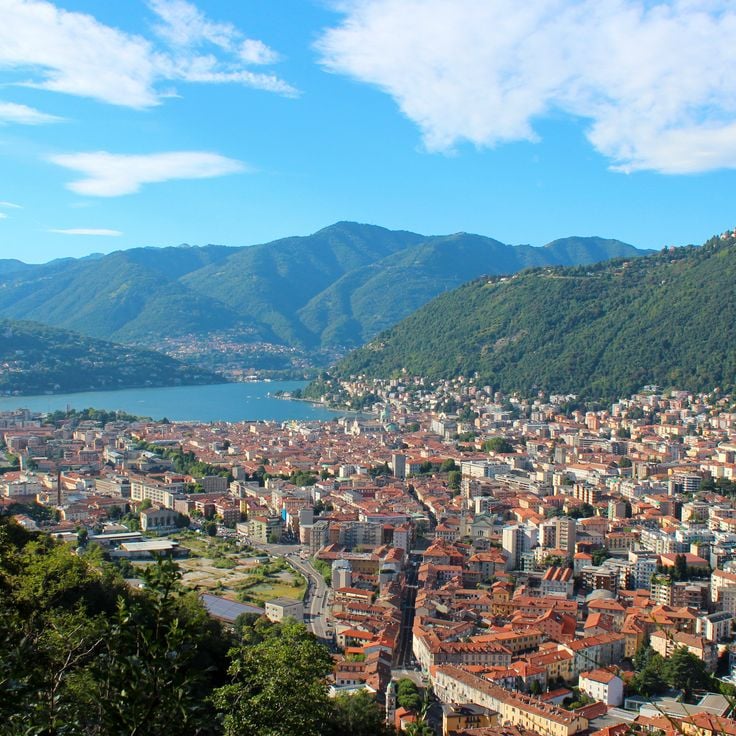
Como sits at the southern end of Lake Como and blends medieval history with lakeside living. The old town has narrow streets and a stone cathedral. Under the arcades of the historic center, shops and cafes line the way. The waterfront promenade is a place to walk and watch the mountains across the water. From here, boats depart to other villages on the lake.
The Galleria Vittorio Emanuele II in Milan is a covered passage built in the 19th century. It connects the Cathedral square with the Scala theater and serves as a place for shopping and walking. The gallery displays Belle Époque architecture with its glass domes and mosaic floors. Its spaces contain shops, cafes, and restaurants where visitors can spend time. It is one of Milan's defining features and draws many people each day.
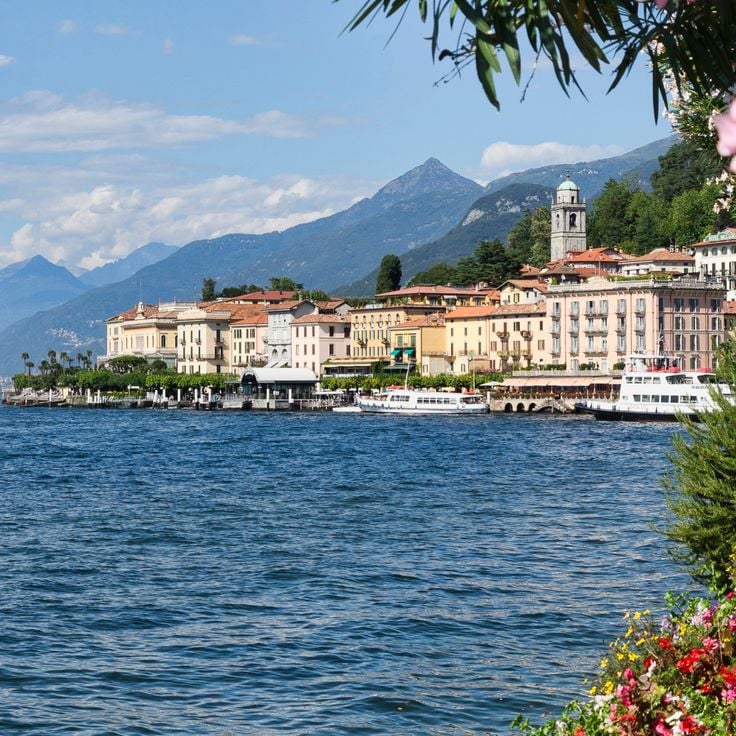
Bellagio is a village on a peninsula in Lake Como, set between mountains and water. Narrow streets wind through the town, connecting old buildings and squares. The lakeside has gardens with plants from southern regions. Steep pathways connect different levels of the village. Visitors walk through the streets, stop in cafes, or sit looking at the water and the mountains across the lake. The rhythm of daily life here follows the seasons, with more people in the summer months.
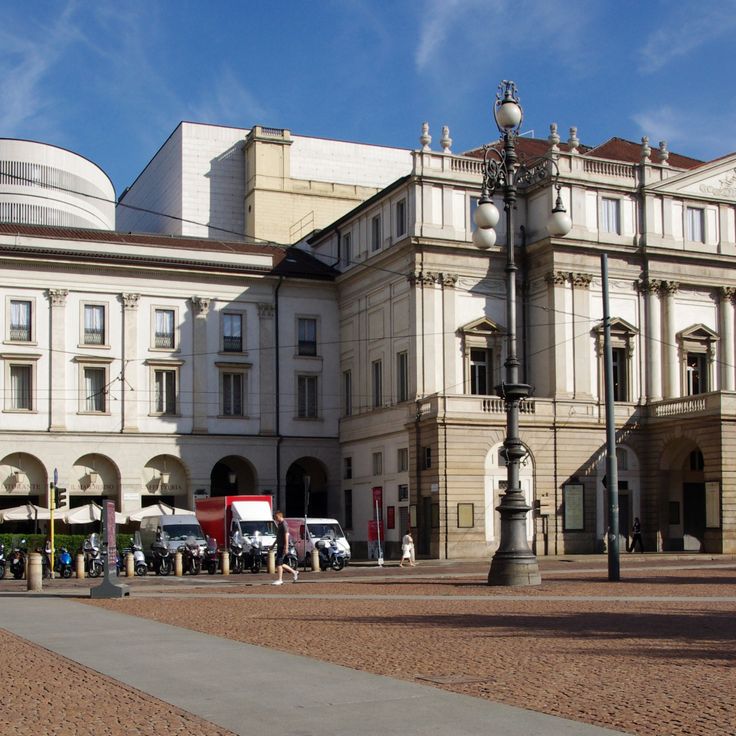
La Scala is one of the world's most celebrated opera houses, located in the heart of Milan. The theater presents operas, ballets, and concerts at the highest level. Visitors can explore the attached museum, which documents the theater's history and its most significant productions. The building itself is an important part of Milan's musical heritage and attracts music lovers from around the world.
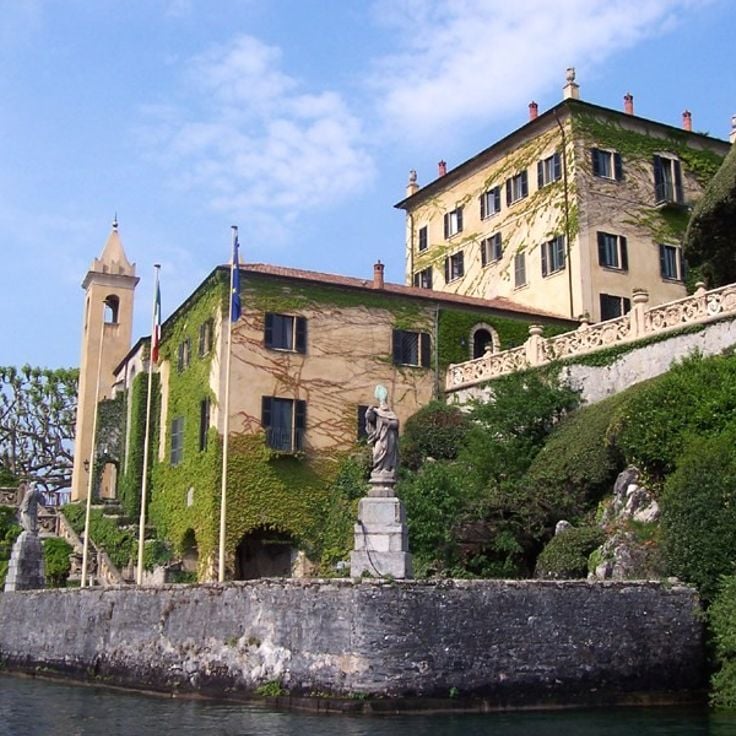
The Villa del Balbianello is an 18th-century residence built on a peninsula jutting into Lake Como. The house features terraced gardens that slope toward the water and balconies overlooking the lake. Its rooms are furnished to show how the wealthy lived on the shores of this Lombard lake. You can visit it only with a guided tour.
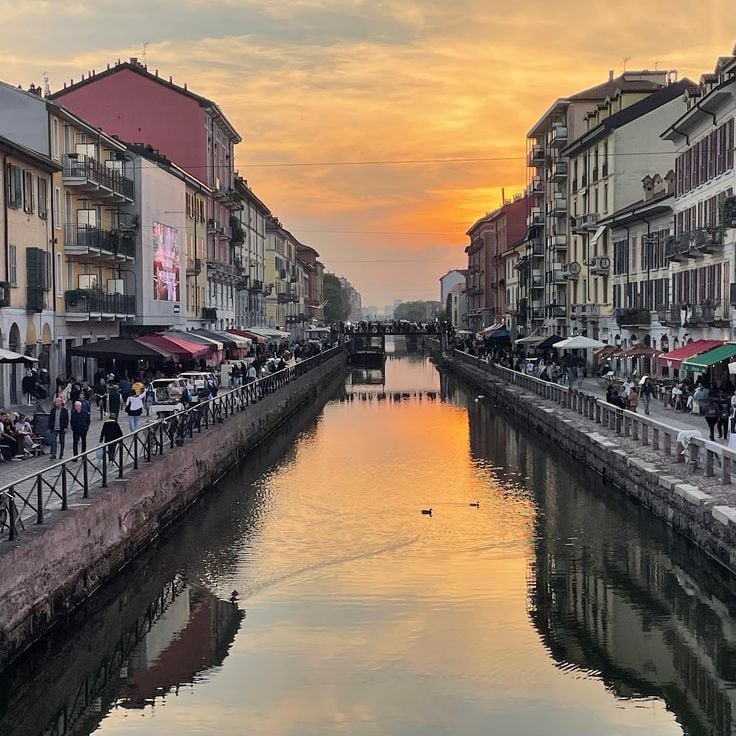
The Navigli are a network of historic canals running through Milan, part of the city's water system. Bars and restaurants line the waterways, and walking paths run alongside the channels. This neighborhood serves as a center for Milan's nightlife and offers visitors a different perspective on the city's character.
Santa Maria delle Grazie in Milan is a Renaissance church that houses one of the world's most celebrated paintings. Leonardo da Vinci's fresco of the Last Supper covers the wall of the refectory in the adjoining Dominican convent. The church itself displays the architectural style of 15th-century Lombardy. Visitors come from around the world to see this masterwork, which has captivated people for centuries and remains a testament to Leonardo's genius.
The Pinacoteca di Brera is an art museum located in Milan's historic center. This museum houses paintings spanning from the Middle Ages to the 20th century, displayed within a historical palace. The collection represents a significant part of Lombardy's artistic heritage and attracts visitors interested in Italian and European art.
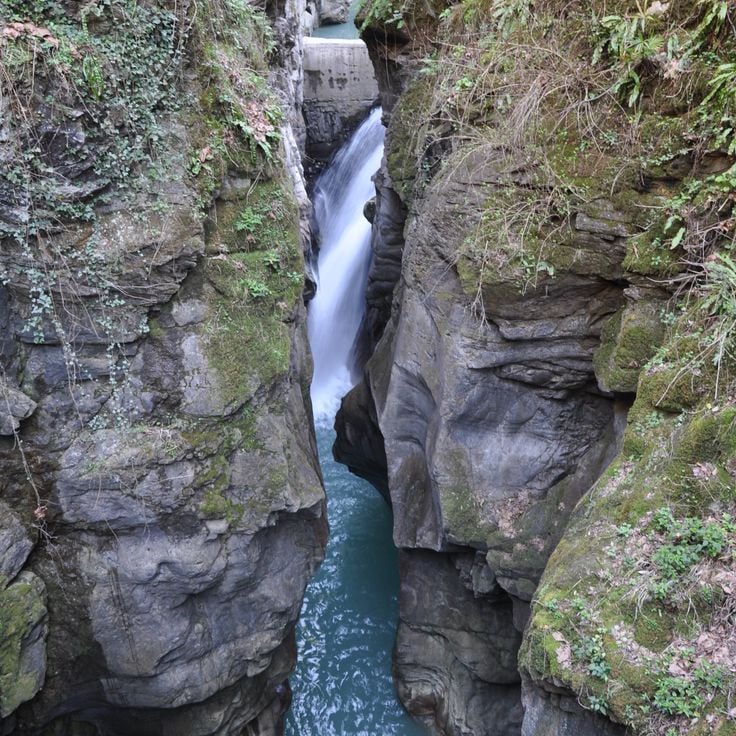
The Orrido di Bellano is a natural gorge carved by a river flowing toward Lake Como. Walking through it, you cross suspended walkways attached to the rock walls while waterfalls cascade around you. The short path takes you deep into the ravine where the sound of water echoes off the stone. Cool mist rises from below and the light filters through the narrow opening above. It is an easy walk that gives you a close view of the river and the geological layers of the surrounding rock.
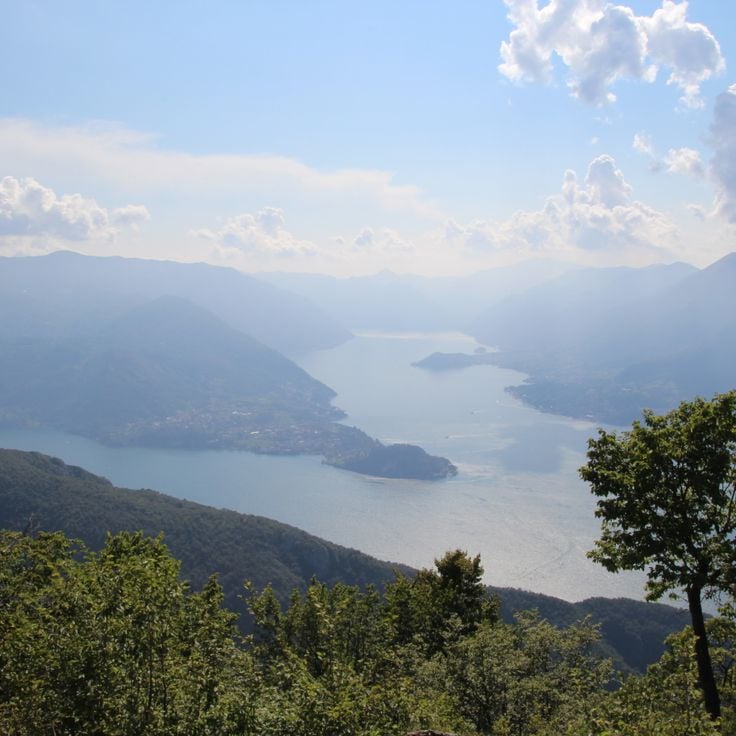
Lake Como is a large alpine lake in Lombardy, surrounded by wooded mountains and steep shores. Small villages with colorful houses line the water. Villas from different periods sit along the banks. The lake draws many visitors who travel by ferry between locations or walk along the shores. Bellagio, Varenna, and Menaggio are popular stops to pause and take in the views. The lake is central to the region and shows how nature and human settlements coexist.
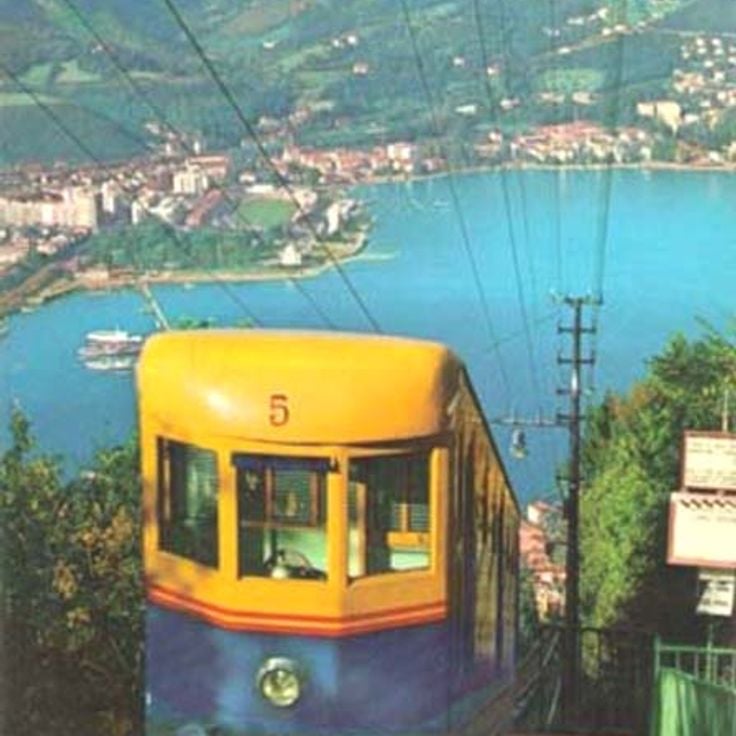
The Como-Brunate cable car carries visitors from the lakeshore up to the hillside village of Brunate in just a few minutes. From the top, you can see across Lake Como to the surrounding mountains and the lake's many inlets. On clear days, your view extends toward the Alps. The ride itself is part of the experience, as the cable car climbs steeply along the mountainside.
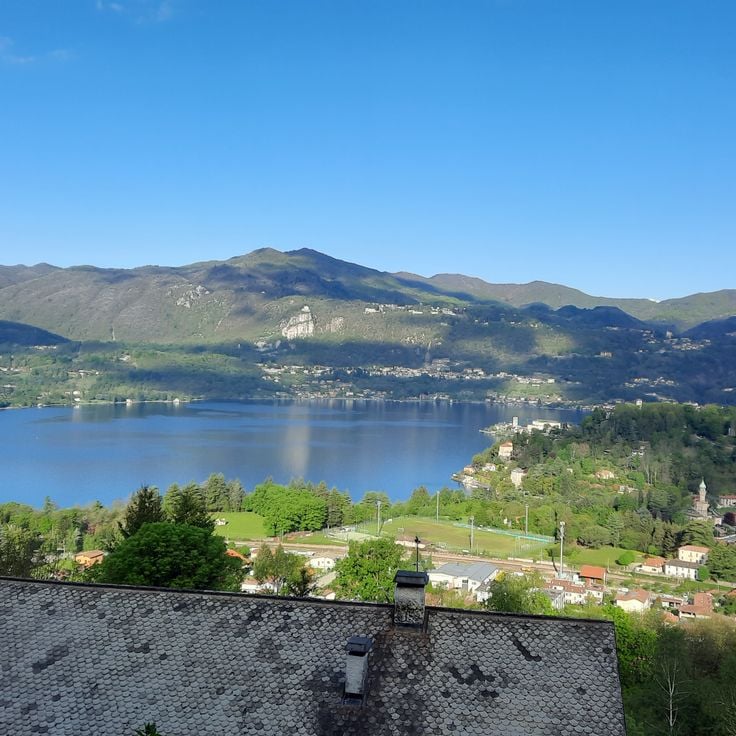
Lake Orta is a small lake in Lombardy that stands apart from the region's more famous lakes. It is surrounded by forests and small villages, including Orta San Giulio with its medieval island. The lake offers a quieter setting than Lake Como or Lake Maggiore. The shorelines are green and gentle, with views of the surrounding mountains. Visitors find less crowding here and more space for walking, exploring, and simply spending time by the water.
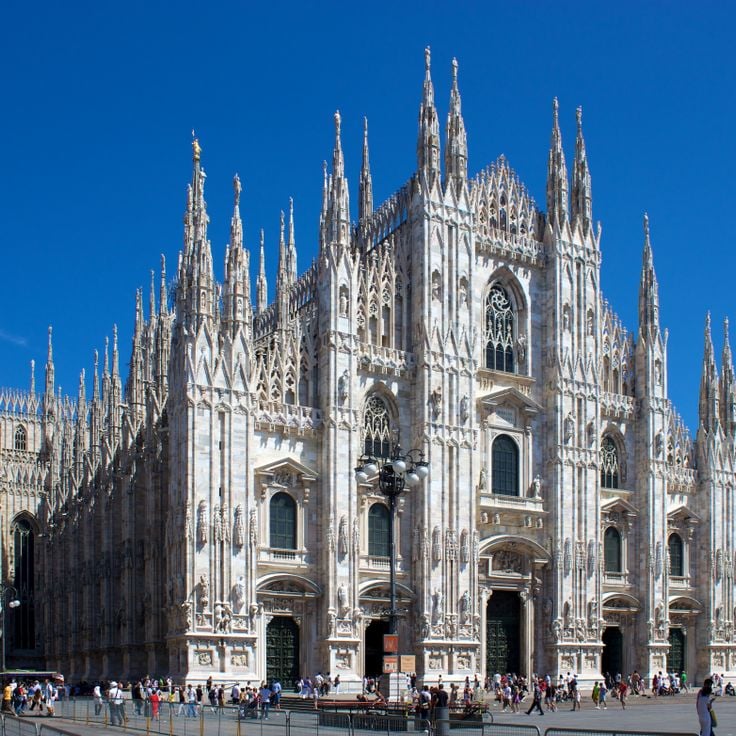
Milan Cathedral is a massive Gothic cathedral in the heart of Milan. Its facade is made of white marble and features numerous spires and ornaments. Visitors can climb to the terraces and look out over the city from above. This cathedral is one of the most important buildings in Lombardy and reflects the religious and artistic importance of Milan during the Middle Ages and Renaissance.
Varenna is a village on the shores of Lake Como. White houses with colorful facades line the waterfront. A promenade along the water invites visitors to walk and observe the small ports. The village sits in a peaceful setting surrounded by mountains. Ferry connections make it easy to arrive and connect with nearby towns.
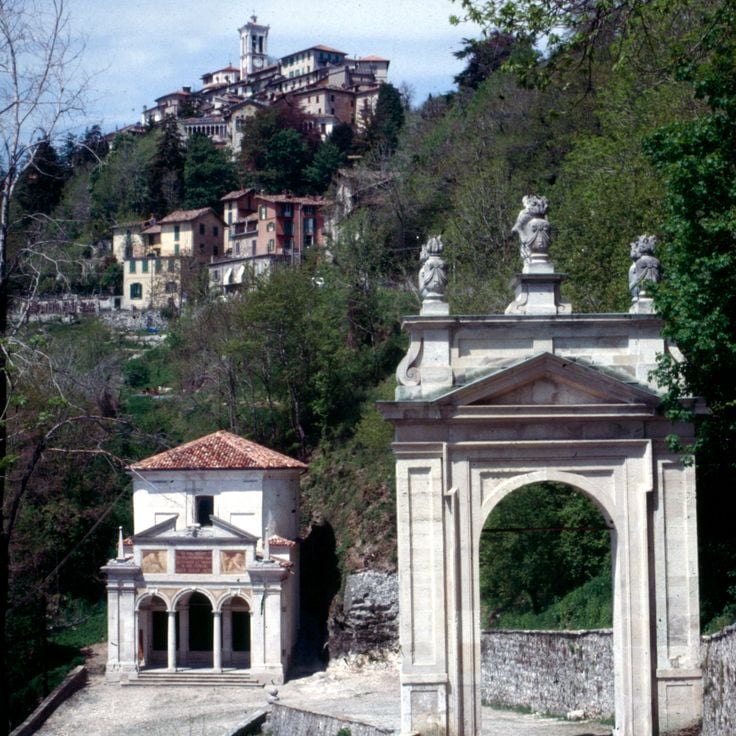
The Sacro Monte di Varese is a pilgrimage site in Lombardy where chapels form a stairway to the summit. Each chapel displays scenes from Christian history. As you walk up, you pass through wooded paths and stop at each chapel to pray or rest. From the top, you can see the lakes and mountains that surround this region.
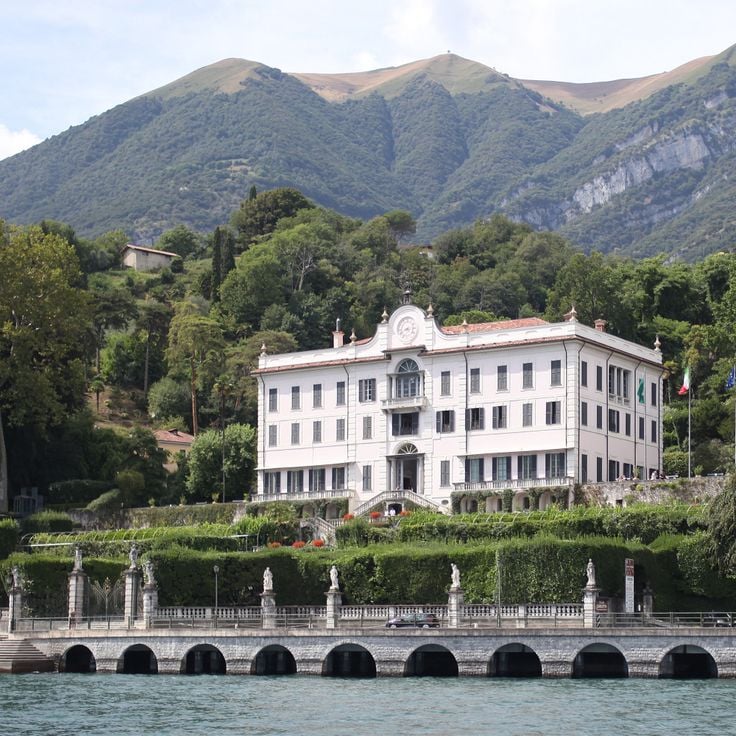
Villa Carlotta sits on the shores of Lake Como in Lombardy, a region containing some of northern Italy's most visited places. The villa is a grand house with extensive gardens where tropical and temperate plants grow. Inside, an art museum displays works from different periods. The building stands in a landscape of lakes surrounded by mountains, where villages like Bellagio and Varenna draw visitors.
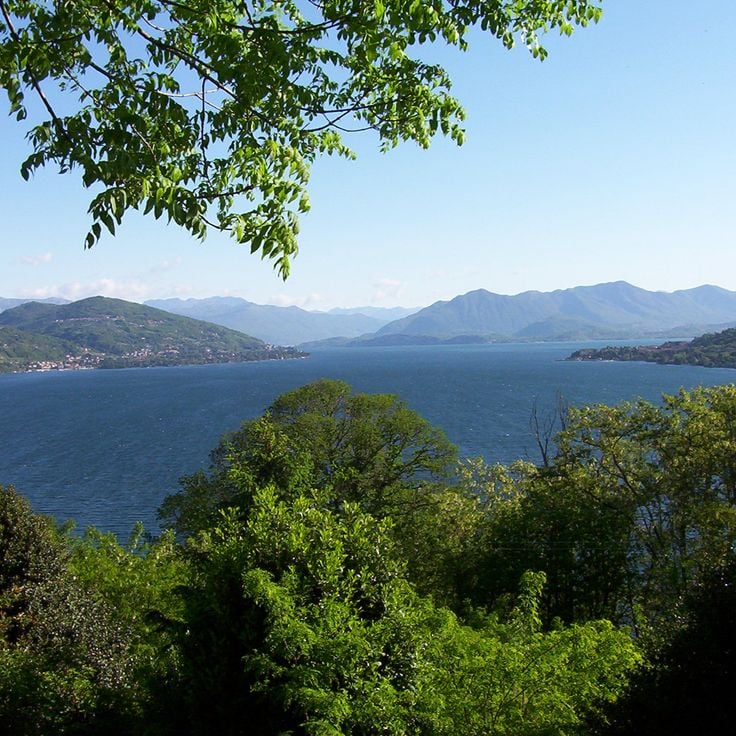
Lake Maggiore is a large alpine lake shared between Lombardy and Piedmont. Small lakeside towns dot its shores, nestled into the mountainous landscape. The lake serves as a gateway to the Borromean Islands, which feature terraced gardens. Waterfront promenades invite leisurely walks, and boat trips to the islands depart from several towns along the lake.
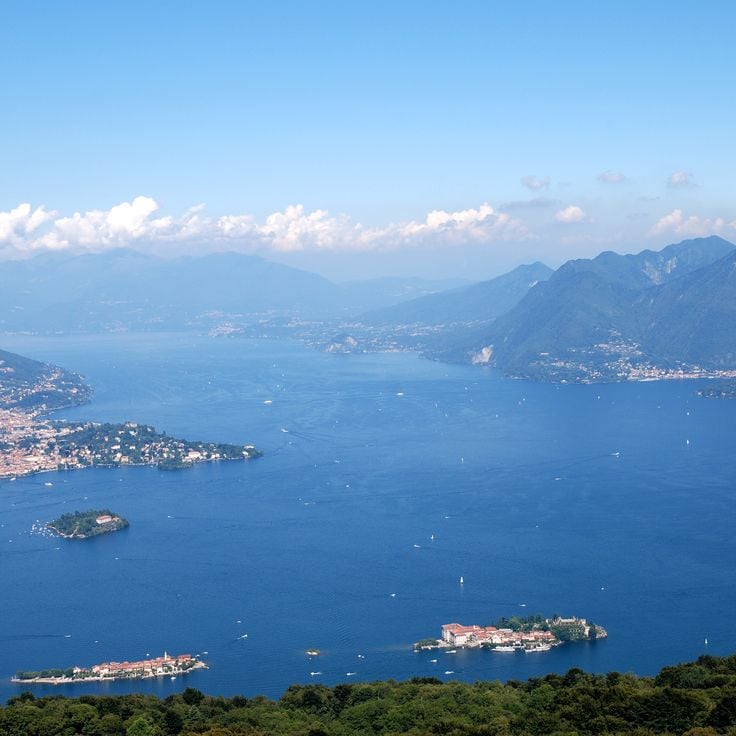
The Borromean Islands are a group of three islands in Lake Maggiore in Lombardy. They are part of the area that draws many visitors to northern Italy. The islands hold palaces and baroque gardens built on terraces. From Stresa you can reach them by boat. The Alps rise in the distance across the water.
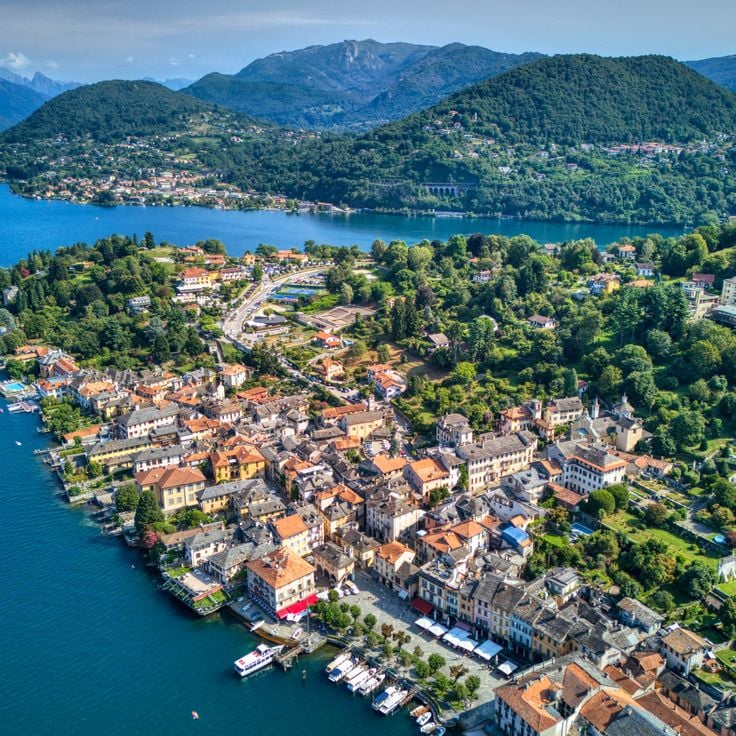
Orta San Giulio is a small lakeside village on Lake Orta. At the center of the lake sits the Basilica di San Giulio, built on a rocky island. Boats carry visitors to the island throughout the day. The village streets are narrow and wind between old buildings and quiet squares. The lake itself is surrounded by gentle hills. People come here to escape busier areas and to walk through streets that feel unchanged for centuries.
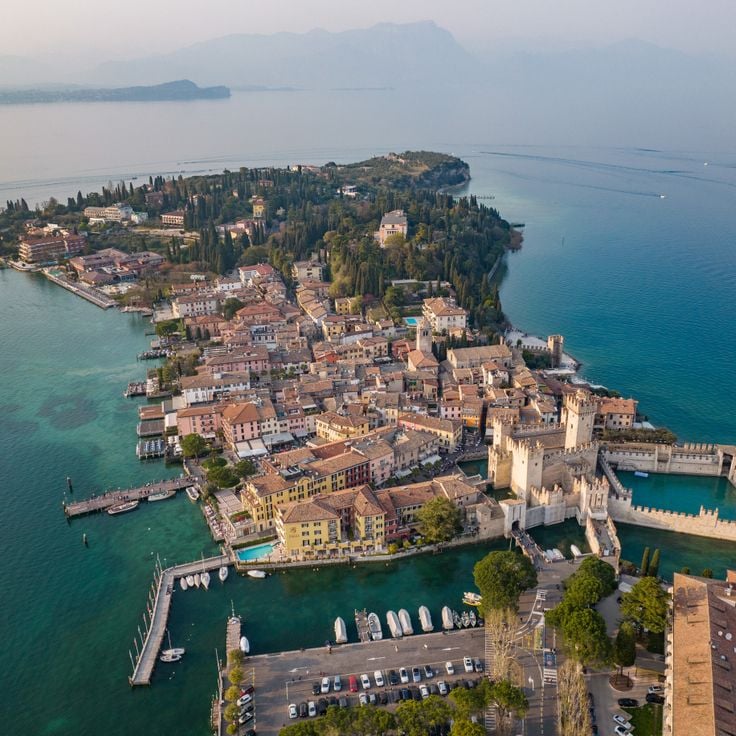
Sirmione sits on a peninsula in Lake Garda and combines history with natural surroundings. A medieval castle dominates the shoreline and dates to a period when powerful families controlled the region. Thermal springs rise from the lakebed and draw visitors seeking wellness and healing. The old town has narrow streets lined with shops and restaurants. Along the water, visitors can walk or relax on the beach. The lake itself turns turquoise and mountains rise in the distance.
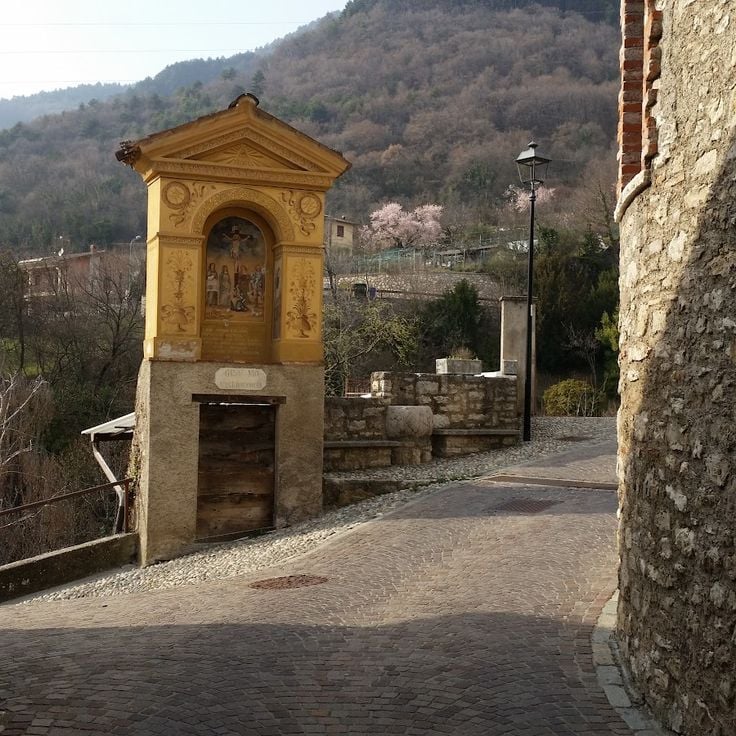
The Sacro Monte di Ossuccio is a religious complex of chapels and terraces that rise above Lake Como. This site combines religious art and architecture with the natural landscape of Lombardy's lakes. A woodland path leads to the ensemble, offering visitors views over the water and surrounding mountains as they climb.
Lake Iseo sits in Lombardy between Brescia and Bergamo. This alpine lake attracts visitors seeking a quieter experience than the more famous regional lakes. The shores remain relatively undeveloped, with small villages and fishing traditions. The water reflects the surrounding mountains, and the landscape feels open and spacious. Monte Isola, the largest island in the lake, rises from the water and can be reached by boat. Vineyards and olive groves cover the hillsides that slope down to the shoreline. The lake offers a place to swim, walk along the waterfront, and explore by boat.
Monte Isola sits in Lake Iseo and is the largest island in the lake. You can reach the island by boat from the shore. Small villages are scattered across the island, and a church stands at the top. A walking path goes around the entire island, making it possible to explore on foot.
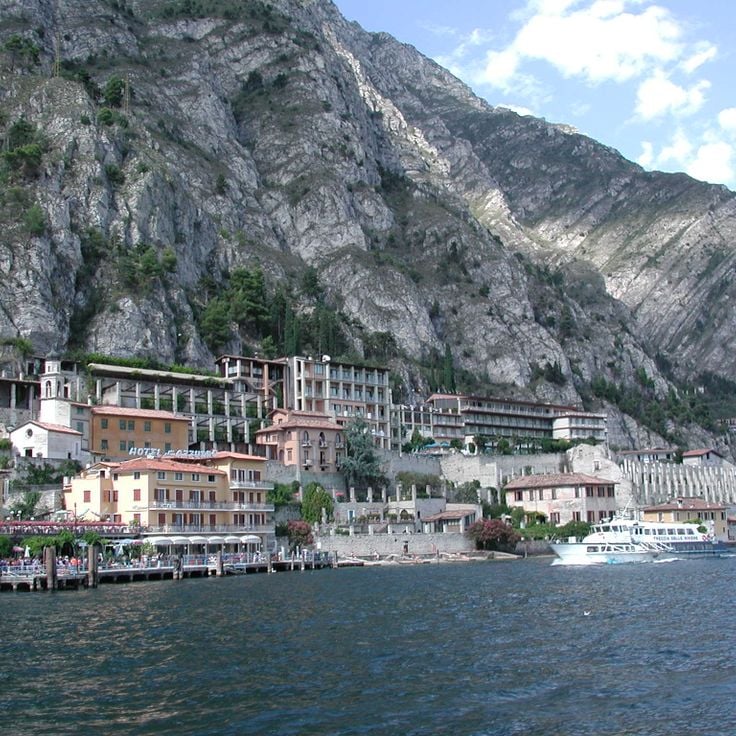
Limone sul Garda is a village on the shore of Lake Garda in Lombardy. The village has a small waterfront promenade where visitors can walk and enjoy views of the lake. The area is known for lemon cultivation, which has taken place here for centuries. The old town with its narrow streets and traditional houses remains as it was in the past. This is a place where you can discover the history and nature of Lake Garda together.
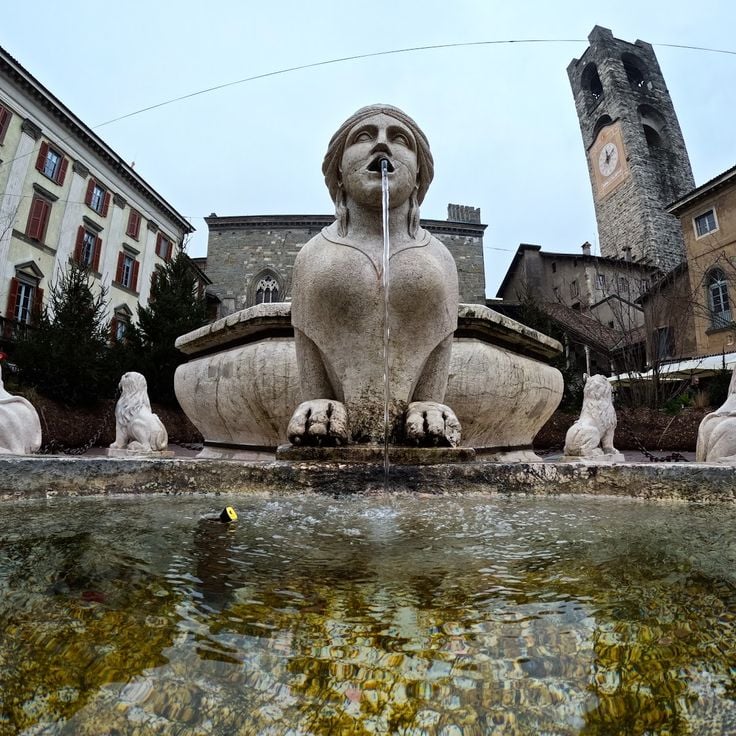
The Città Alta of Bergamo is the medieval upper town enclosed by Venetian walls that have stood for over 500 years. In this historic district, you'll find plazas, ancient churches, and small museums displaying the region's past. You can reach it either on foot through steep and winding streets or by taking the funicular railway. Once there, the atmosphere comes from narrow stone-paved lanes, shops, and cafes tucked into corners. From the walls, you get views of the modern lower city and the mountains beyond. The architecture and layout show clearly how significant Bergamo was during Venetian times.
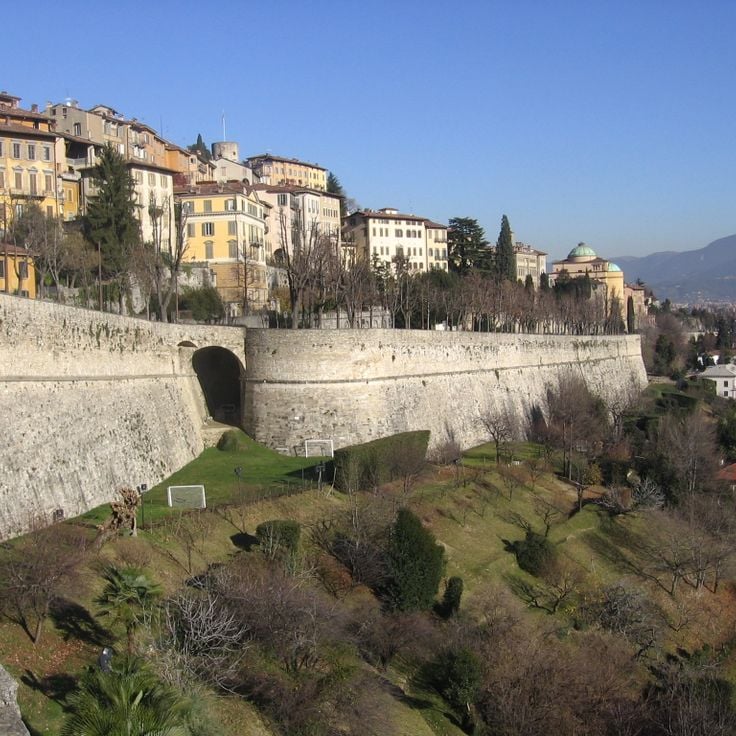
The Venetian walls of Bergamo are 16th-century fortifications that surround the old town. Built by the Venetian Republic, they form a complete ring around the upper city. Today, these walls function as a place for walking with views over the plains and surrounding landscape. Many people use the paths atop the walls as a circular route to see the city from above and discover the architectural details of the fortification.
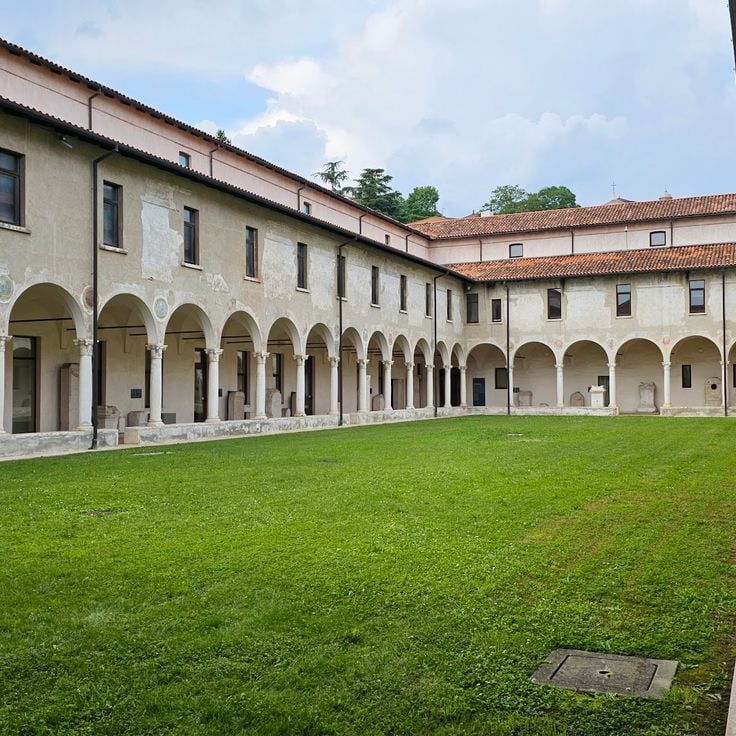
This UNESCO site in Brescia protects the remains of an ancient Roman forum. Archaeologists have uncovered and preserved the ruins to show what daily life was like for the Romans. The on-site museum displays Roman artifacts, mosaics, and sculptures discovered during excavations. The Church of Santa Giulia stands next to the forum, and its adjacent cloister is an important part of the site. Together, these buildings and objects tell the story of Brescia's history across many centuries.
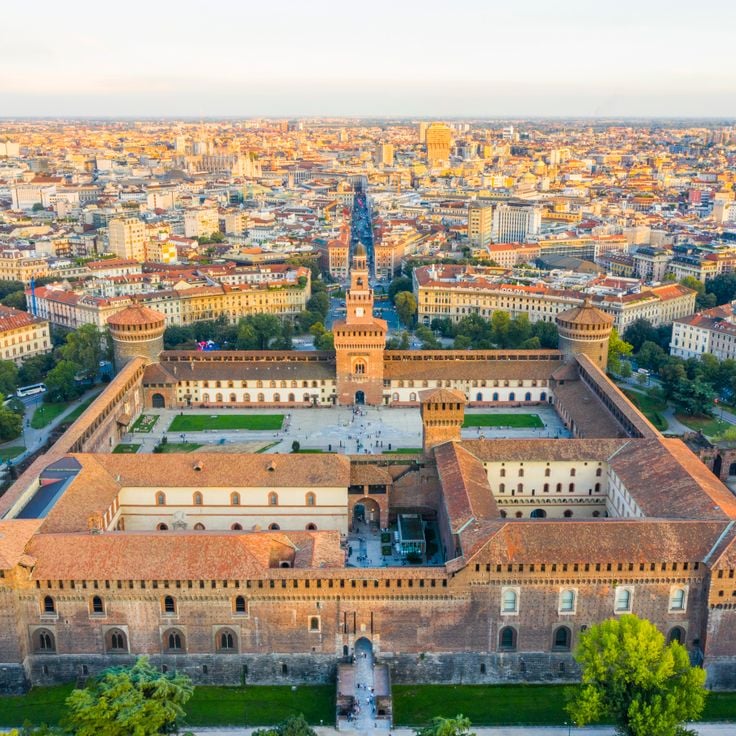
The Sforza Castle is a medieval fortress in the heart of Milan that now functions as a museum. Visitors walk through a spacious courtyard with arcades, surrounded by collections that tell the story of Milan through art and history. The building itself is part of Lombardy's main attractions and shows how the region connects its medieval past with the Renaissance.
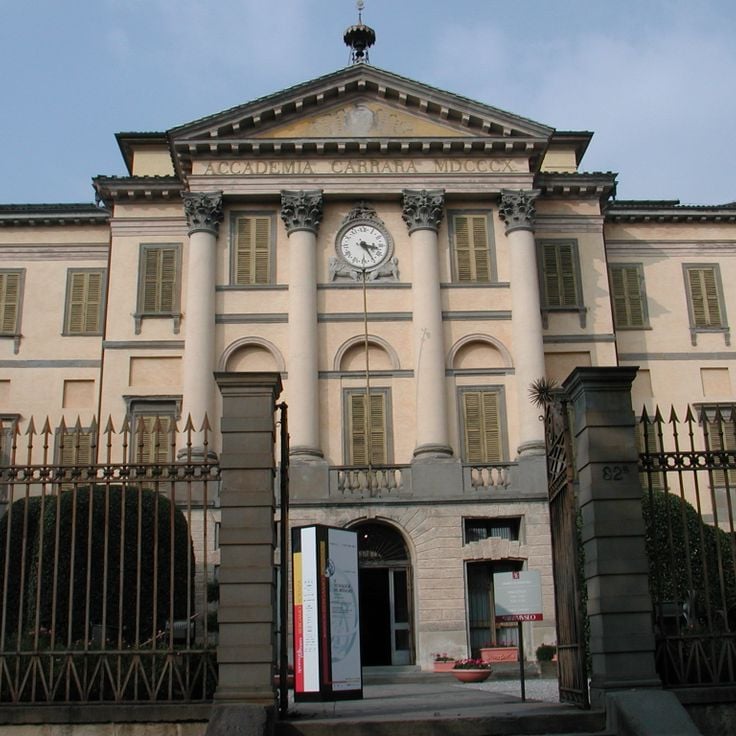
The Accademia Carrara sits in Bergamo's upper city and displays paintings from Venice and the Renaissance. The neoclassical building houses an art collection that shows Italian painting from the Middle Ages to modern times. Visitors find works by local and Italian artists displayed in a historic setting.
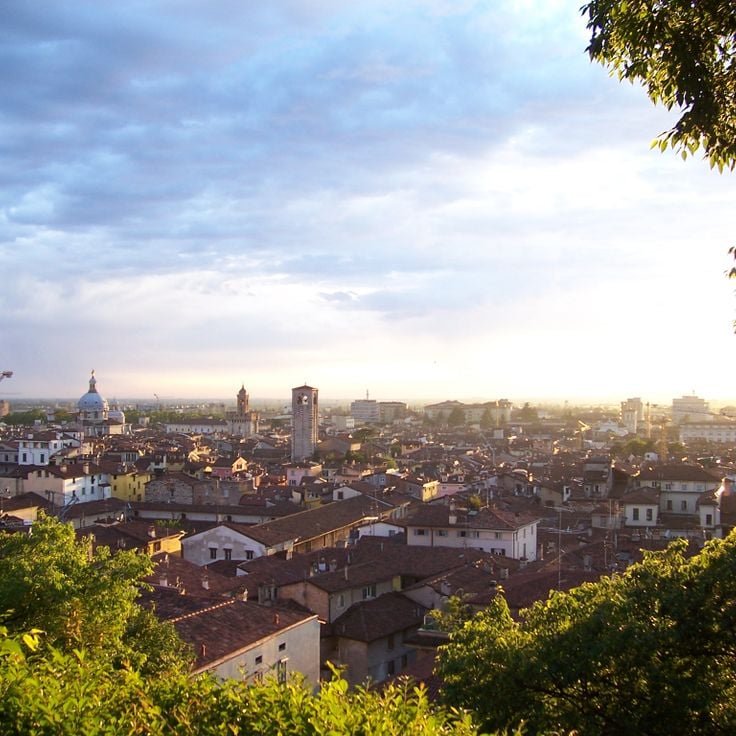
The Historic Centre of Brescia brings together different periods of Italian history in one place. The city has squares where people gather, a cathedral at its heart, and a castle perched on a hilltop. Walking through the narrow streets, you find shops and workshops alongside Renaissance buildings that speak of the city's former prosperity and importance.
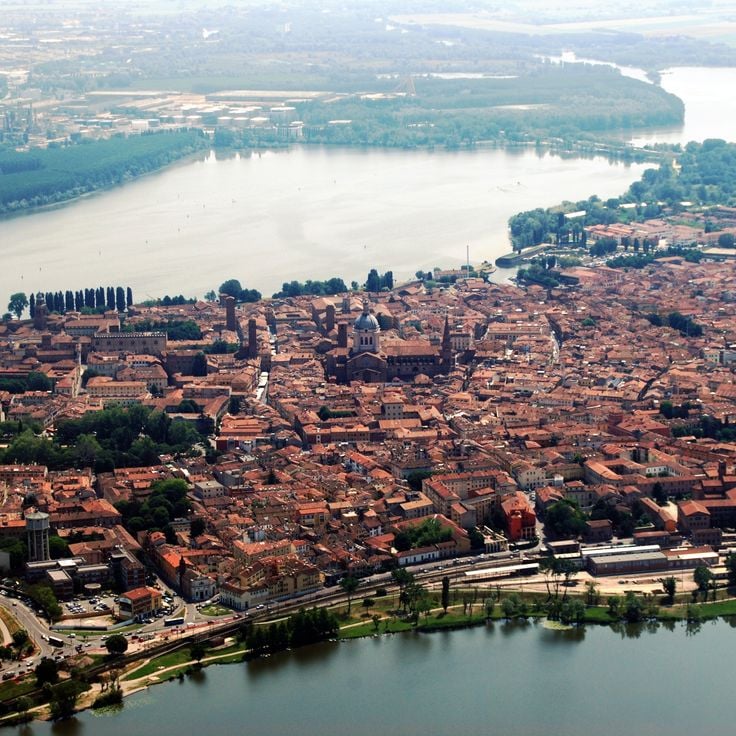
Mantua is a Renaissance city surrounded by water and recognized as a UNESCO World Heritage site. The city shows Italian Renaissance through its palaces, museums, and historic buildings. The Palazzo Ducale and the Basilica of Sant'Andrea are central structures. The old town preserves its medieval layout with squares bordered by arcaded galleries. Visitors find a mix of art collections, churches, and fortifications that reflect life during the Renaissance.
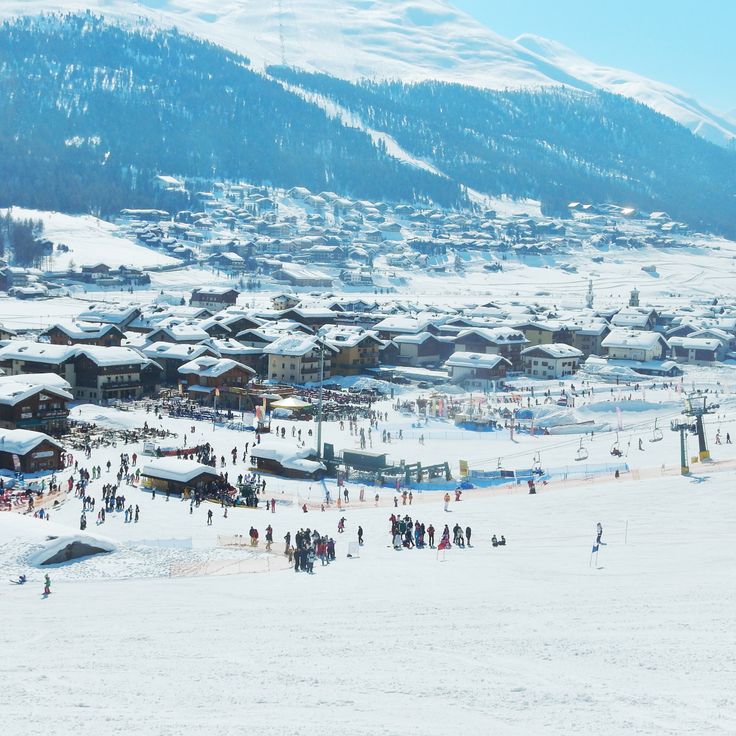
Livigno is a mountain village set high in the Alps, isolated from major roads and modern sprawl. The village has kept its original appearance with traditional stone houses and narrow lanes. In winter, visitors come for skiing and cross-country trails. In summer, hiking and mountain biking bring people to the area. The rhythm of life follows the seasons, and the remote location in an alpine valley has allowed the village to remain connected to its past. Daily life centers on nature and visitors who come for outdoor activity.
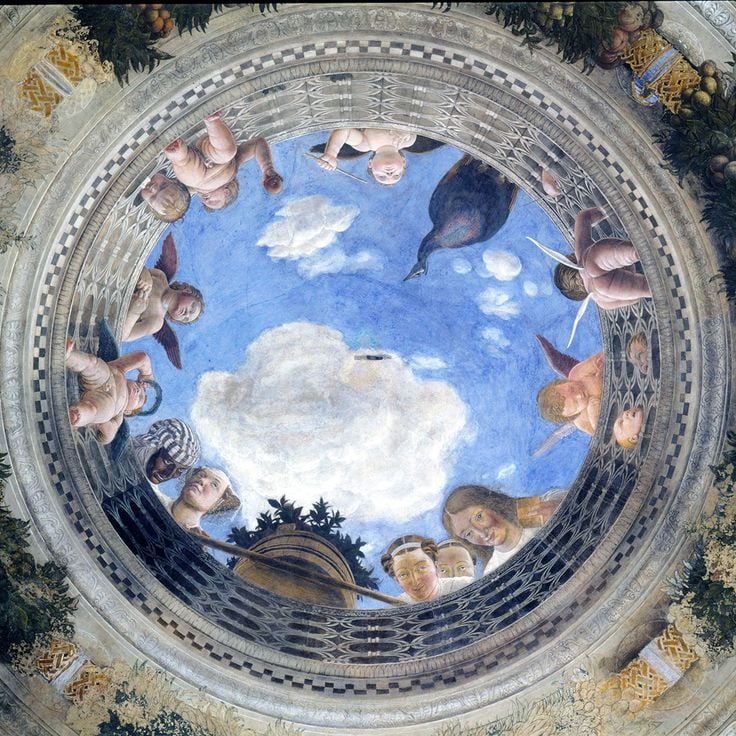
The Palazzo Ducale of Mantua served as the residence of the Gonzaga dukes for centuries. This palace displays the grandeur of the Italian Renaissance through its ornate rooms and art collections. The frescoes and decorations throughout the building tell the story of the Gonzaga family and their power. Mantegna created some of his finest works here, with his paintings covering the walls of the most important rooms. Visitors walk through apartments furnished with objects from the Renaissance period.
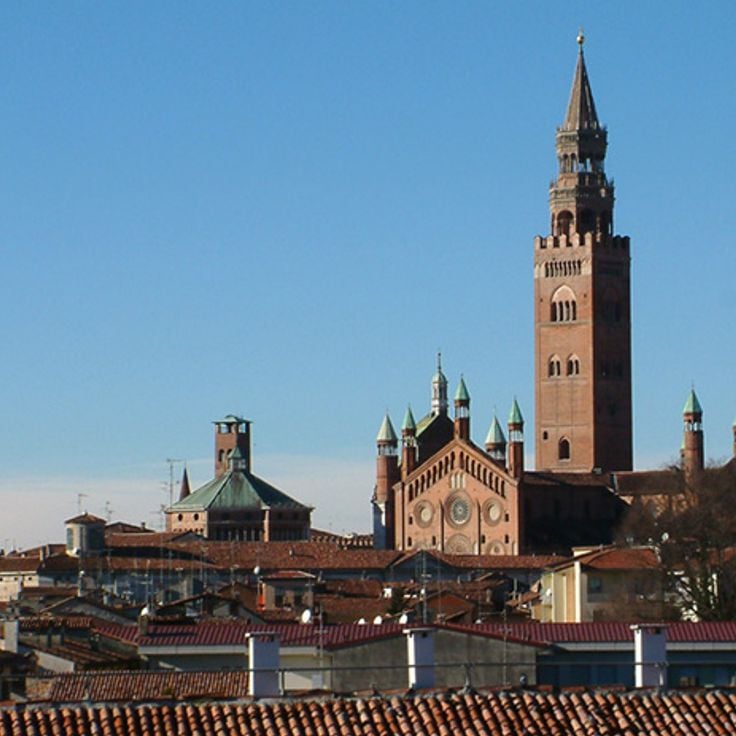
Cremona is a city in Lombardy known for its violin-making craft and lutherie tradition. The old town centers around the Torrazzo, a distinctive bell tower that dominates the skyline. Master craftsmen have built instruments here for centuries, and their workshops remain part of the city's character. The cathedral and city hall reflect medieval heritage. The combination of musical tradition and skilled craftsmanship gives Cremona a particular identity within the Lombard region.
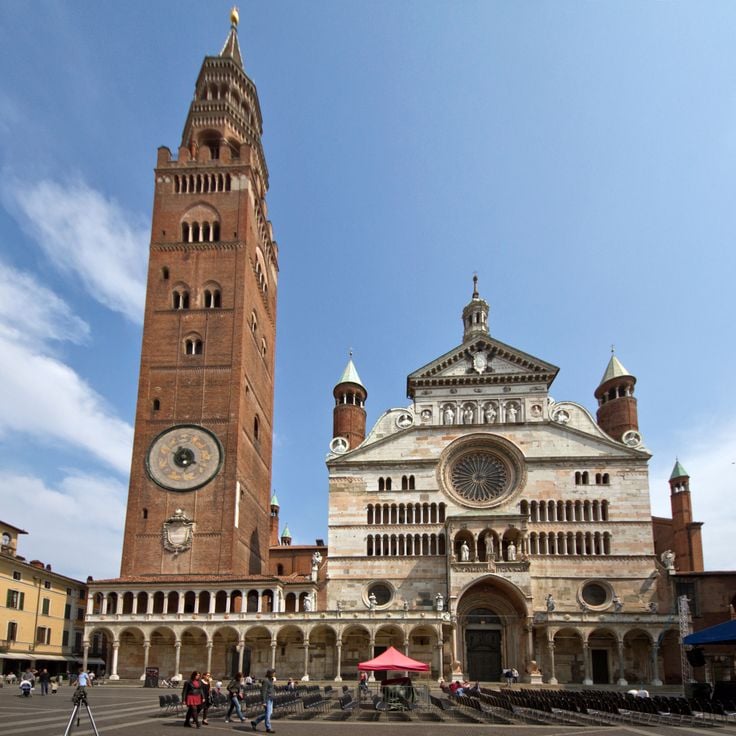
The Cathedral and Torrazzo of Cremona form an impressive ensemble from the 13th century that rises above the main piazza. The Torrazzo is one of Italy's tallest bell towers, standing over the city with its distinctive white and red marble pattern. The cathedral itself displays the Romanesque architecture typical of Lombardy with its layered stone details. Visitors enter through large bronze doors and find frescoes and artworks from different periods inside. You can climb the tower for views across Cremona and the surrounding plain.
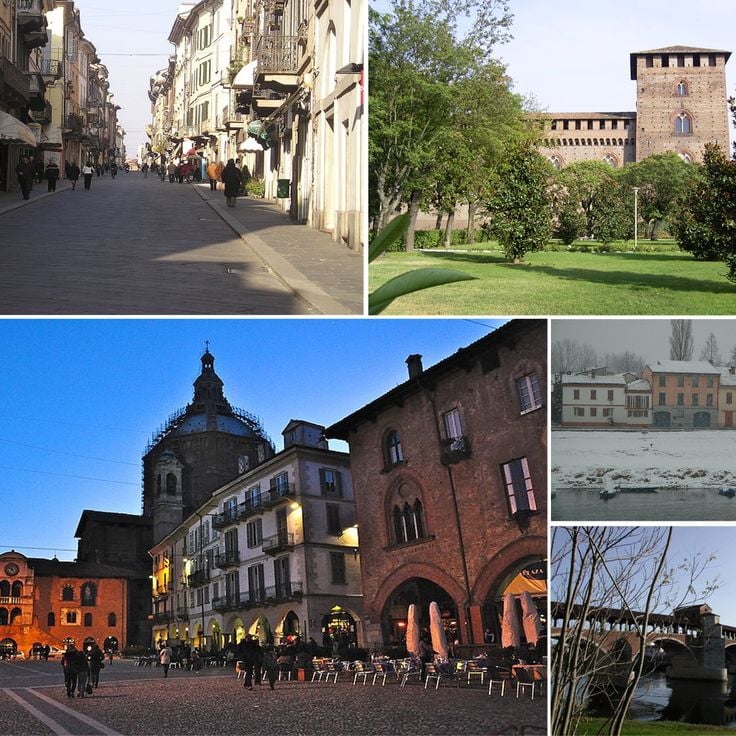
Pavia is a historic university city in Lombardy with an old town center marked by medieval and Renaissance buildings. The city is home to important churches and museums that tell its cultural story. The Visconti Castle stands as a landmark in the cityscape, and the Certosa di Pavia, a magnificent monastery outside the city, draws many visitors. The Ticino River flows through Pavia and creates a natural boundary. For centuries, the city has been an important center for education and learning.
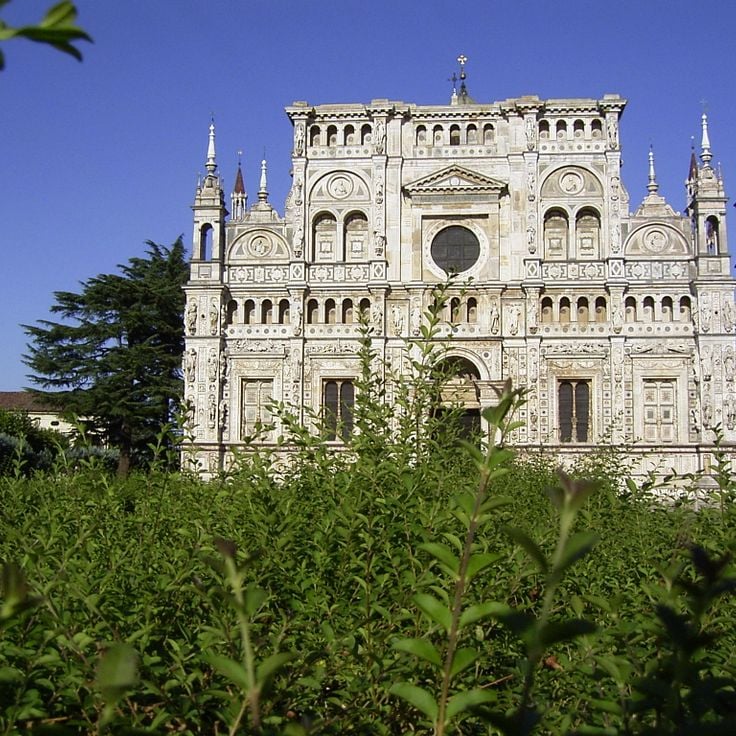
The Charterhouse of Pavia is a 15th-century monastery that combines the functions of a religious community with fortified defenses. The exterior displays elaborate decorative work that reflects the period's architectural style. Inside, visitors can see the cloister where monks gathered and the individual cells where they lived. This complex demonstrates the importance of such religious settlements in medieval Lombardy.
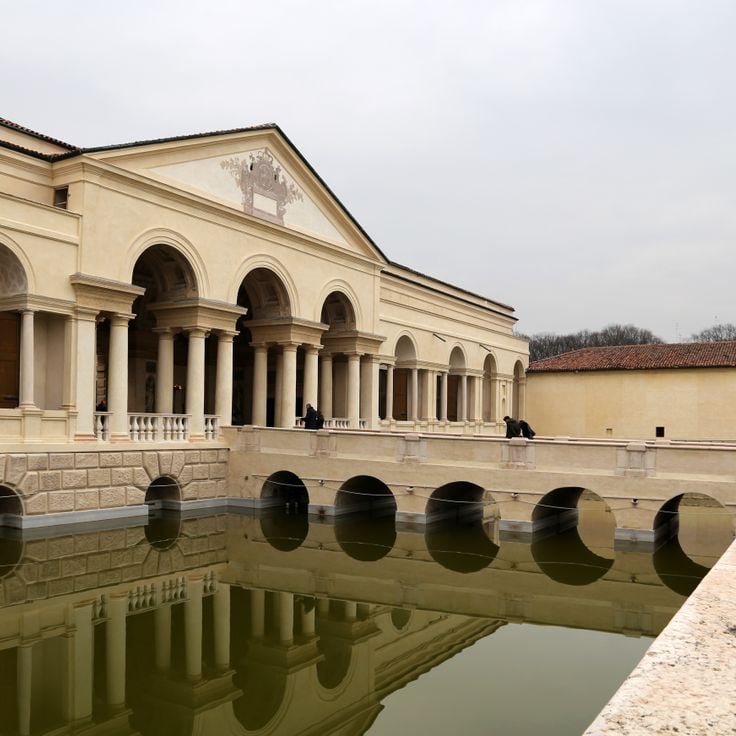
Palazzo Te in Mantua is a 16th-century pleasure palace designed by Giulio Romano for the Gonzaga family. The building features frescoes depicting mythological scenes that cover the rooms with vivid imagery. The walls tell stories of ancient gods and heroes. The garden is laid out according to Renaissance principles, with geometric shapes and classical elements that complement the palace architecture. This place shows the skill and wealth of the Gonzaga during their height of power.
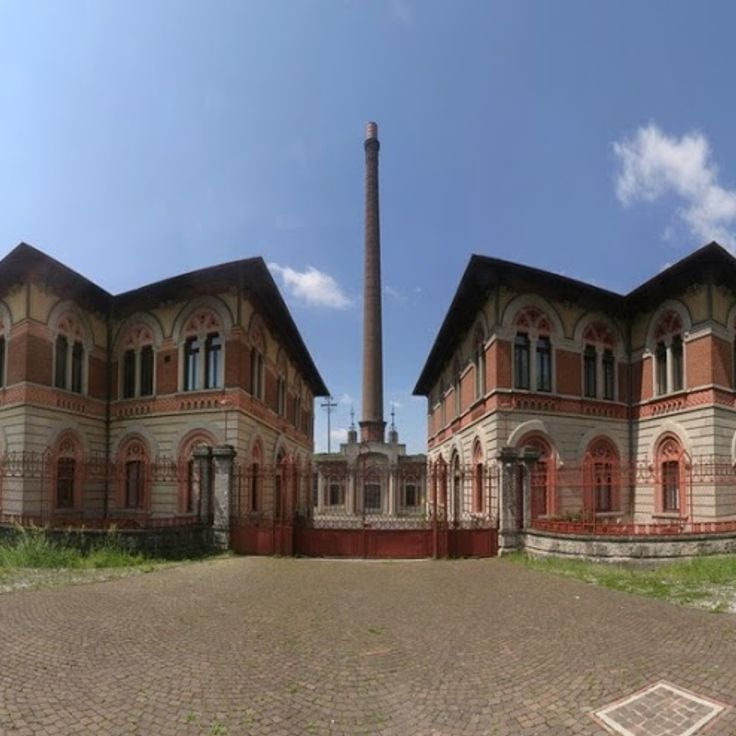
Crespi d'Adda is a 19th-century workers' village in Lombardy built according to a deliberate plan. The factory owner created this settlement to house employees and their families in an organized way. The village still has its original houses, church, school, and other structures. Walking through it, you can see how workers lived during the industrial era. The streets follow a regular layout, and every building seems to have been placed with purpose. This is an example of how industrialists shaped communities in northern Italy.
Varese is a green city known for its historic villas, manicured gardens, and proximity to nearby lakes. Located in Lombardy, it developed as a summer retreat for wealthy Milan families and retains that character today. The city offers visitors access to mountains and lakes in the surrounding area. Walking trails and smaller lakes nearby make it a destination for those seeking time outdoors away from larger urban centers.
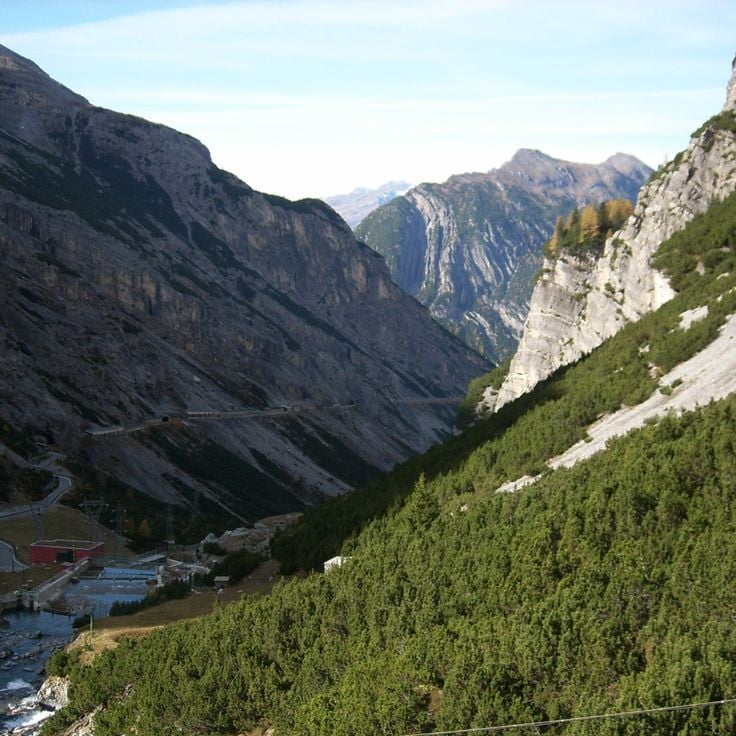
The Stelvio National Park is a large protected area in the Alps that spans multiple regions. The Lombard section sits in Valtellina and features mountains, forests, and trails. Visitors find alpine landscapes at different elevations. In summer, people come here to hike and explore nature. In winter, skiing and snowshoe paths attract sports enthusiasts. The park protects diverse plants and animals. From the high trails, eagles and chamois are often spotted. The landscape shifts between dense forest and open mountain meadows.
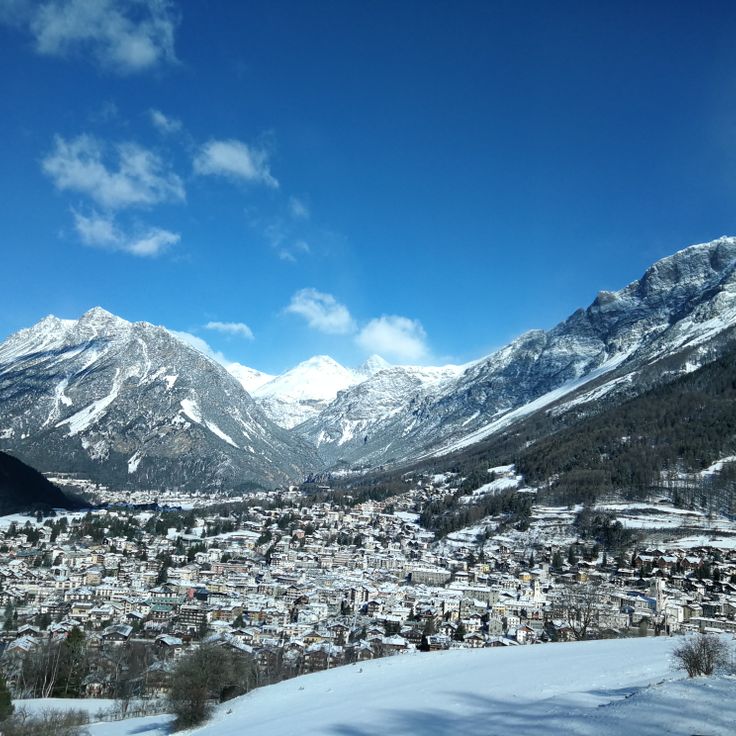
Bormio sits in the Valtellina valley and brings together mountain village life with thermal springs and skiing. The old town has narrow streets and historic buildings that reflect centuries of living in the Alps. Visitors come here to hike through forested valleys in warmer months or to ski on nearby slopes in winter. The natural hot springs are part of daily life, drawing both locals and travelers. The location works as a base for exploring the surrounding mountains and valleys on foot.
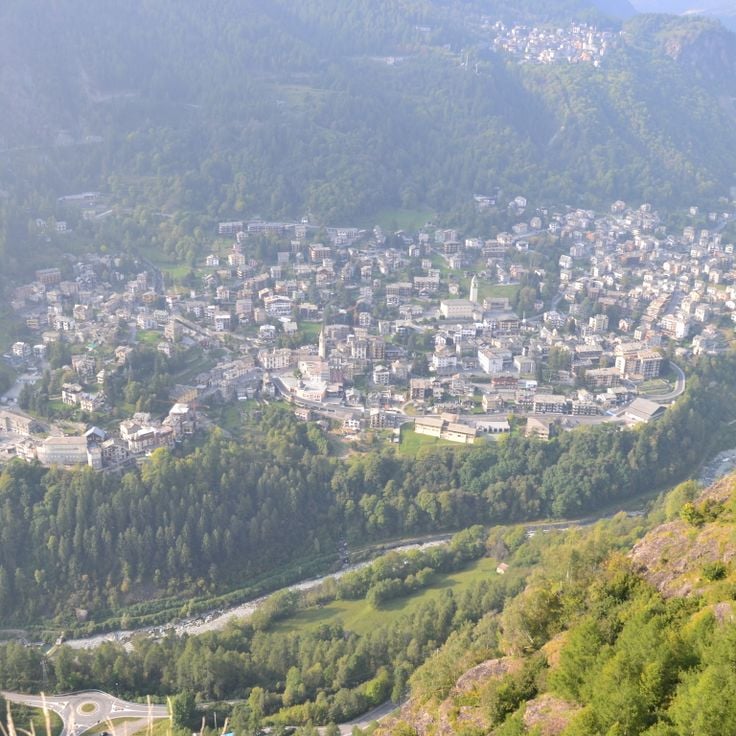
Valmalenco and Chiesa in Valmalenco are located in the Valtellina, part of Lombardy's Alpine landscape. The area draws visitors with mountain hikes through alpine valleys, glaciers, and wide views of the mountain ranges. The small village of Chiesa in Valmalenco sits in this mountain setting and provides access to the natural features of the region.
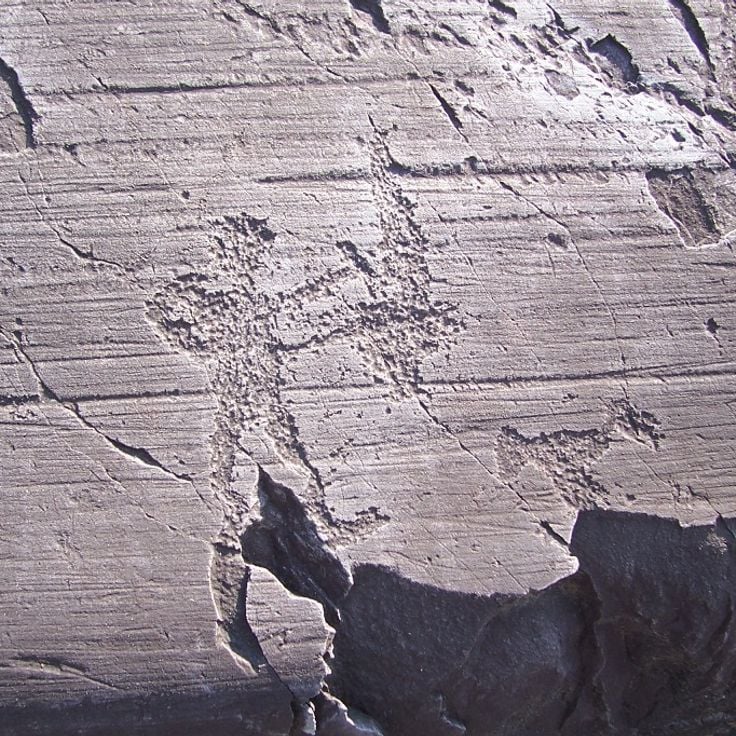
The rock engravings of Valcamonica are an important example of prehistoric rock art in Lombardy. These engravings are carved into rocks in the Brescia province and date back thousands of years. They show scenes from daily life, religious symbols, and animal figures. The oldest engravings were created before several thousand years ago. Visitors can see how early cultures expressed themselves artistically and how people from these times represented their world.
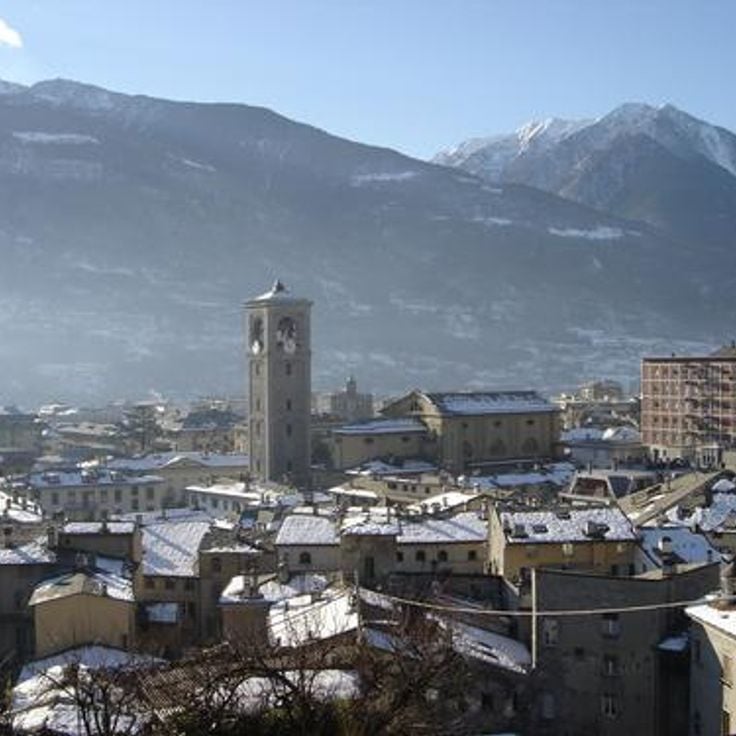
Sondrio is the main town of the Valtellina valley in Lombardy and serves as a central base for exploring this mountain region. The town holds museums and historic buildings that reflect the valley's past. From here, visitors can easily reach the area's various valleys, vineyards, and smaller villages.
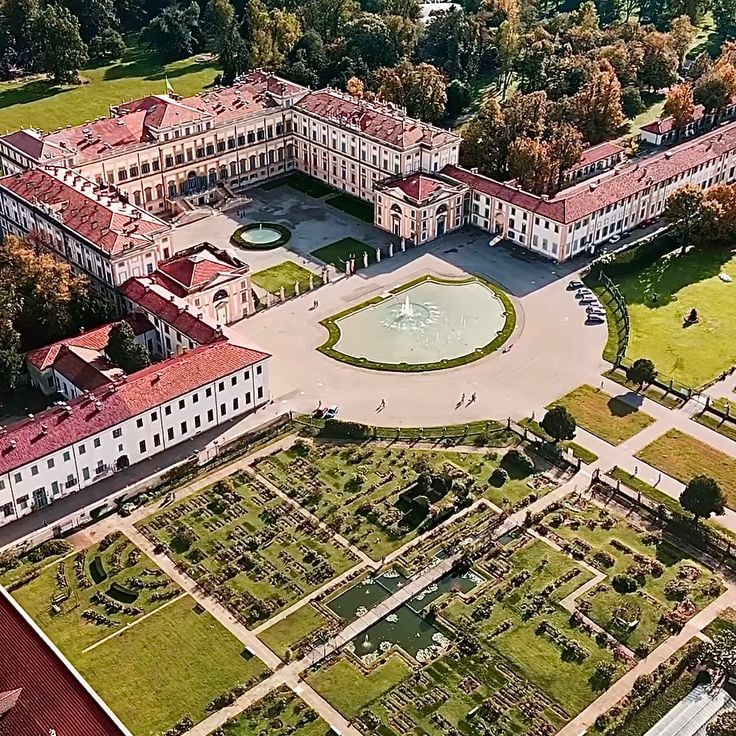
Villa Reale in Monza is an 18th-century palace built as a summer residence for the royal family. The surrounding park is a landscape garden with winding paths, trees, and open spaces. Today the villa functions as a museum where visitors can explore both the interior rooms and the gardens. The park is also known as the location of the famous Formula 1 race held each year on the racing circuit that runs through its grounds.
Como sits at the southern end of Lake Como and blends medieval history with lakeside living. The old town has narrow streets and a stone cathedral. Under the arcades of the historic center, shops and cafes line the way. The waterfront promenade is a place to walk and watch the mountains across the water. From here, boats depart to other villages on the lake.
The Galleria Vittorio Emanuele II in Milan is a covered passage built in the 19th century. It connects the Cathedral square with the Scala theater and serves as a place for shopping and walking. The gallery displays Belle Époque architecture with its glass domes and mosaic floors. Its spaces contain shops, cafes, and restaurants where visitors can spend time. It is one of Milan's defining features and draws many people each day.
Bellagio is a village on a peninsula in Lake Como, set between mountains and water. Narrow streets wind through the town, connecting old buildings and squares. The lakeside has gardens with plants from southern regions. Steep pathways connect different levels of the village. Visitors walk through the streets, stop in cafes, or sit looking at the water and the mountains across the lake. The rhythm of daily life here follows the seasons, with more people in the summer months.
La Scala is one of the world's most celebrated opera houses, located in the heart of Milan. The theater presents operas, ballets, and concerts at the highest level. Visitors can explore the attached museum, which documents the theater's history and its most significant productions. The building itself is an important part of Milan's musical heritage and attracts music lovers from around the world.
The Villa del Balbianello is an 18th-century residence built on a peninsula jutting into Lake Como. The house features terraced gardens that slope toward the water and balconies overlooking the lake. Its rooms are furnished to show how the wealthy lived on the shores of this Lombard lake. You can visit it only with a guided tour.
The Navigli are a network of historic canals running through Milan, part of the city's water system. Bars and restaurants line the waterways, and walking paths run alongside the channels. This neighborhood serves as a center for Milan's nightlife and offers visitors a different perspective on the city's character.
Santa Maria delle Grazie in Milan is a Renaissance church that houses one of the world's most celebrated paintings. Leonardo da Vinci's fresco of the Last Supper covers the wall of the refectory in the adjoining Dominican convent. The church itself displays the architectural style of 15th-century Lombardy. Visitors come from around the world to see this masterwork, which has captivated people for centuries and remains a testament to Leonardo's genius.
The Pinacoteca di Brera is an art museum located in Milan's historic center. This museum houses paintings spanning from the Middle Ages to the 20th century, displayed within a historical palace. The collection represents a significant part of Lombardy's artistic heritage and attracts visitors interested in Italian and European art.
The Orrido di Bellano is a natural gorge carved by a river flowing toward Lake Como. Walking through it, you cross suspended walkways attached to the rock walls while waterfalls cascade around you. The short path takes you deep into the ravine where the sound of water echoes off the stone. Cool mist rises from below and the light filters through the narrow opening above. It is an easy walk that gives you a close view of the river and the geological layers of the surrounding rock.
Lake Como is a large alpine lake in Lombardy, surrounded by wooded mountains and steep shores. Small villages with colorful houses line the water. Villas from different periods sit along the banks. The lake draws many visitors who travel by ferry between locations or walk along the shores. Bellagio, Varenna, and Menaggio are popular stops to pause and take in the views. The lake is central to the region and shows how nature and human settlements coexist.
The Como-Brunate cable car carries visitors from the lakeshore up to the hillside village of Brunate in just a few minutes. From the top, you can see across Lake Como to the surrounding mountains and the lake's many inlets. On clear days, your view extends toward the Alps. The ride itself is part of the experience, as the cable car climbs steeply along the mountainside.
Lake Orta is a small lake in Lombardy that stands apart from the region's more famous lakes. It is surrounded by forests and small villages, including Orta San Giulio with its medieval island. The lake offers a quieter setting than Lake Como or Lake Maggiore. The shorelines are green and gentle, with views of the surrounding mountains. Visitors find less crowding here and more space for walking, exploring, and simply spending time by the water.
Milan Cathedral is a massive Gothic cathedral in the heart of Milan. Its facade is made of white marble and features numerous spires and ornaments. Visitors can climb to the terraces and look out over the city from above. This cathedral is one of the most important buildings in Lombardy and reflects the religious and artistic importance of Milan during the Middle Ages and Renaissance.
Varenna is a village on the shores of Lake Como. White houses with colorful facades line the waterfront. A promenade along the water invites visitors to walk and observe the small ports. The village sits in a peaceful setting surrounded by mountains. Ferry connections make it easy to arrive and connect with nearby towns.
The Sacro Monte di Varese is a pilgrimage site in Lombardy where chapels form a stairway to the summit. Each chapel displays scenes from Christian history. As you walk up, you pass through wooded paths and stop at each chapel to pray or rest. From the top, you can see the lakes and mountains that surround this region.
Villa Carlotta sits on the shores of Lake Como in Lombardy, a region containing some of northern Italy's most visited places. The villa is a grand house with extensive gardens where tropical and temperate plants grow. Inside, an art museum displays works from different periods. The building stands in a landscape of lakes surrounded by mountains, where villages like Bellagio and Varenna draw visitors.
Lake Maggiore is a large alpine lake shared between Lombardy and Piedmont. Small lakeside towns dot its shores, nestled into the mountainous landscape. The lake serves as a gateway to the Borromean Islands, which feature terraced gardens. Waterfront promenades invite leisurely walks, and boat trips to the islands depart from several towns along the lake.
The Borromean Islands are a group of three islands in Lake Maggiore in Lombardy. They are part of the area that draws many visitors to northern Italy. The islands hold palaces and baroque gardens built on terraces. From Stresa you can reach them by boat. The Alps rise in the distance across the water.
Orta San Giulio is a small lakeside village on Lake Orta. At the center of the lake sits the Basilica di San Giulio, built on a rocky island. Boats carry visitors to the island throughout the day. The village streets are narrow and wind between old buildings and quiet squares. The lake itself is surrounded by gentle hills. People come here to escape busier areas and to walk through streets that feel unchanged for centuries.
Sirmione sits on a peninsula in Lake Garda and combines history with natural surroundings. A medieval castle dominates the shoreline and dates to a period when powerful families controlled the region. Thermal springs rise from the lakebed and draw visitors seeking wellness and healing. The old town has narrow streets lined with shops and restaurants. Along the water, visitors can walk or relax on the beach. The lake itself turns turquoise and mountains rise in the distance.
The Sacro Monte di Ossuccio is a religious complex of chapels and terraces that rise above Lake Como. This site combines religious art and architecture with the natural landscape of Lombardy's lakes. A woodland path leads to the ensemble, offering visitors views over the water and surrounding mountains as they climb.
Lake Iseo sits in Lombardy between Brescia and Bergamo. This alpine lake attracts visitors seeking a quieter experience than the more famous regional lakes. The shores remain relatively undeveloped, with small villages and fishing traditions. The water reflects the surrounding mountains, and the landscape feels open and spacious. Monte Isola, the largest island in the lake, rises from the water and can be reached by boat. Vineyards and olive groves cover the hillsides that slope down to the shoreline. The lake offers a place to swim, walk along the waterfront, and explore by boat.
Monte Isola sits in Lake Iseo and is the largest island in the lake. You can reach the island by boat from the shore. Small villages are scattered across the island, and a church stands at the top. A walking path goes around the entire island, making it possible to explore on foot.
Limone sul Garda is a village on the shore of Lake Garda in Lombardy. The village has a small waterfront promenade where visitors can walk and enjoy views of the lake. The area is known for lemon cultivation, which has taken place here for centuries. The old town with its narrow streets and traditional houses remains as it was in the past. This is a place where you can discover the history and nature of Lake Garda together.
The Città Alta of Bergamo is the medieval upper town enclosed by Venetian walls that have stood for over 500 years. In this historic district, you'll find plazas, ancient churches, and small museums displaying the region's past. You can reach it either on foot through steep and winding streets or by taking the funicular railway. Once there, the atmosphere comes from narrow stone-paved lanes, shops, and cafes tucked into corners. From the walls, you get views of the modern lower city and the mountains beyond. The architecture and layout show clearly how significant Bergamo was during Venetian times.
The Venetian walls of Bergamo are 16th-century fortifications that surround the old town. Built by the Venetian Republic, they form a complete ring around the upper city. Today, these walls function as a place for walking with views over the plains and surrounding landscape. Many people use the paths atop the walls as a circular route to see the city from above and discover the architectural details of the fortification.
This UNESCO site in Brescia protects the remains of an ancient Roman forum. Archaeologists have uncovered and preserved the ruins to show what daily life was like for the Romans. The on-site museum displays Roman artifacts, mosaics, and sculptures discovered during excavations. The Church of Santa Giulia stands next to the forum, and its adjacent cloister is an important part of the site. Together, these buildings and objects tell the story of Brescia's history across many centuries.
The Sforza Castle is a medieval fortress in the heart of Milan that now functions as a museum. Visitors walk through a spacious courtyard with arcades, surrounded by collections that tell the story of Milan through art and history. The building itself is part of Lombardy's main attractions and shows how the region connects its medieval past with the Renaissance.
The Accademia Carrara sits in Bergamo's upper city and displays paintings from Venice and the Renaissance. The neoclassical building houses an art collection that shows Italian painting from the Middle Ages to modern times. Visitors find works by local and Italian artists displayed in a historic setting.
The Historic Centre of Brescia brings together different periods of Italian history in one place. The city has squares where people gather, a cathedral at its heart, and a castle perched on a hilltop. Walking through the narrow streets, you find shops and workshops alongside Renaissance buildings that speak of the city's former prosperity and importance.
Mantua is a Renaissance city surrounded by water and recognized as a UNESCO World Heritage site. The city shows Italian Renaissance through its palaces, museums, and historic buildings. The Palazzo Ducale and the Basilica of Sant'Andrea are central structures. The old town preserves its medieval layout with squares bordered by arcaded galleries. Visitors find a mix of art collections, churches, and fortifications that reflect life during the Renaissance.
Livigno is a mountain village set high in the Alps, isolated from major roads and modern sprawl. The village has kept its original appearance with traditional stone houses and narrow lanes. In winter, visitors come for skiing and cross-country trails. In summer, hiking and mountain biking bring people to the area. The rhythm of life follows the seasons, and the remote location in an alpine valley has allowed the village to remain connected to its past. Daily life centers on nature and visitors who come for outdoor activity.
The Palazzo Ducale of Mantua served as the residence of the Gonzaga dukes for centuries. This palace displays the grandeur of the Italian Renaissance through its ornate rooms and art collections. The frescoes and decorations throughout the building tell the story of the Gonzaga family and their power. Mantegna created some of his finest works here, with his paintings covering the walls of the most important rooms. Visitors walk through apartments furnished with objects from the Renaissance period.
Cremona is a city in Lombardy known for its violin-making craft and lutherie tradition. The old town centers around the Torrazzo, a distinctive bell tower that dominates the skyline. Master craftsmen have built instruments here for centuries, and their workshops remain part of the city's character. The cathedral and city hall reflect medieval heritage. The combination of musical tradition and skilled craftsmanship gives Cremona a particular identity within the Lombard region.
The Cathedral and Torrazzo of Cremona form an impressive ensemble from the 13th century that rises above the main piazza. The Torrazzo is one of Italy's tallest bell towers, standing over the city with its distinctive white and red marble pattern. The cathedral itself displays the Romanesque architecture typical of Lombardy with its layered stone details. Visitors enter through large bronze doors and find frescoes and artworks from different periods inside. You can climb the tower for views across Cremona and the surrounding plain.
Pavia is a historic university city in Lombardy with an old town center marked by medieval and Renaissance buildings. The city is home to important churches and museums that tell its cultural story. The Visconti Castle stands as a landmark in the cityscape, and the Certosa di Pavia, a magnificent monastery outside the city, draws many visitors. The Ticino River flows through Pavia and creates a natural boundary. For centuries, the city has been an important center for education and learning.
The Charterhouse of Pavia is a 15th-century monastery that combines the functions of a religious community with fortified defenses. The exterior displays elaborate decorative work that reflects the period's architectural style. Inside, visitors can see the cloister where monks gathered and the individual cells where they lived. This complex demonstrates the importance of such religious settlements in medieval Lombardy.
Palazzo Te in Mantua is a 16th-century pleasure palace designed by Giulio Romano for the Gonzaga family. The building features frescoes depicting mythological scenes that cover the rooms with vivid imagery. The walls tell stories of ancient gods and heroes. The garden is laid out according to Renaissance principles, with geometric shapes and classical elements that complement the palace architecture. This place shows the skill and wealth of the Gonzaga during their height of power.
Crespi d'Adda is a 19th-century workers' village in Lombardy built according to a deliberate plan. The factory owner created this settlement to house employees and their families in an organized way. The village still has its original houses, church, school, and other structures. Walking through it, you can see how workers lived during the industrial era. The streets follow a regular layout, and every building seems to have been placed with purpose. This is an example of how industrialists shaped communities in northern Italy.
Varese is a green city known for its historic villas, manicured gardens, and proximity to nearby lakes. Located in Lombardy, it developed as a summer retreat for wealthy Milan families and retains that character today. The city offers visitors access to mountains and lakes in the surrounding area. Walking trails and smaller lakes nearby make it a destination for those seeking time outdoors away from larger urban centers.
The Stelvio National Park is a large protected area in the Alps that spans multiple regions. The Lombard section sits in Valtellina and features mountains, forests, and trails. Visitors find alpine landscapes at different elevations. In summer, people come here to hike and explore nature. In winter, skiing and snowshoe paths attract sports enthusiasts. The park protects diverse plants and animals. From the high trails, eagles and chamois are often spotted. The landscape shifts between dense forest and open mountain meadows.
Bormio sits in the Valtellina valley and brings together mountain village life with thermal springs and skiing. The old town has narrow streets and historic buildings that reflect centuries of living in the Alps. Visitors come here to hike through forested valleys in warmer months or to ski on nearby slopes in winter. The natural hot springs are part of daily life, drawing both locals and travelers. The location works as a base for exploring the surrounding mountains and valleys on foot.
Valmalenco and Chiesa in Valmalenco are located in the Valtellina, part of Lombardy's Alpine landscape. The area draws visitors with mountain hikes through alpine valleys, glaciers, and wide views of the mountain ranges. The small village of Chiesa in Valmalenco sits in this mountain setting and provides access to the natural features of the region.
The rock engravings of Valcamonica are an important example of prehistoric rock art in Lombardy. These engravings are carved into rocks in the Brescia province and date back thousands of years. They show scenes from daily life, religious symbols, and animal figures. The oldest engravings were created before several thousand years ago. Visitors can see how early cultures expressed themselves artistically and how people from these times represented their world.
Sondrio is the main town of the Valtellina valley in Lombardy and serves as a central base for exploring this mountain region. The town holds museums and historic buildings that reflect the valley's past. From here, visitors can easily reach the area's various valleys, vineyards, and smaller villages.
Villa Reale in Monza is an 18th-century palace built as a summer residence for the royal family. The surrounding park is a landscape garden with winding paths, trees, and open spaces. Today the villa functions as a museum where visitors can explore both the interior rooms and the gardens. The park is also known as the location of the famous Formula 1 race held each year on the racing circuit that runs through its grounds.
Como sits at the southern end of Lake Como and blends medieval history with lakeside living. The old town has narrow streets and a stone cathedral. Under the arcades of the historic center, shops and cafes line the way. The waterfront promenade is a place to walk and watch the mountains across the water. From here, boats depart to other villages on the lake.
The Galleria Vittorio Emanuele II in Milan is a covered passage built in the 19th century. It connects the Cathedral square with the Scala theater and serves as a place for shopping and walking. The gallery displays Belle Époque architecture with its glass domes and mosaic floors. Its spaces contain shops, cafes, and restaurants where visitors can spend time. It is one of Milan's defining features and draws many people each day.
Bellagio is a village on a peninsula in Lake Como, set between mountains and water. Narrow streets wind through the town, connecting old buildings and squares. The lakeside has gardens with plants from southern regions. Steep pathways connect different levels of the village. Visitors walk through the streets, stop in cafes, or sit looking at the water and the mountains across the lake. The rhythm of daily life here follows the seasons, with more people in the summer months.
La Scala is one of the world's most celebrated opera houses, located in the heart of Milan. The theater presents operas, ballets, and concerts at the highest level. Visitors can explore the attached museum, which documents the theater's history and its most significant productions. The building itself is an important part of Milan's musical heritage and attracts music lovers from around the world.
The Villa del Balbianello is an 18th-century residence built on a peninsula jutting into Lake Como. The house features terraced gardens that slope toward the water and balconies overlooking the lake. Its rooms are furnished to show how the wealthy lived on the shores of this Lombard lake. You can visit it only with a guided tour.
The Navigli are a network of historic canals running through Milan, part of the city's water system. Bars and restaurants line the waterways, and walking paths run alongside the channels. This neighborhood serves as a center for Milan's nightlife and offers visitors a different perspective on the city's character.
Santa Maria delle Grazie in Milan is a Renaissance church that houses one of the world's most celebrated paintings. Leonardo da Vinci's fresco of the Last Supper covers the wall of the refectory in the adjoining Dominican convent. The church itself displays the architectural style of 15th-century Lombardy. Visitors come from around the world to see this masterwork, which has captivated people for centuries and remains a testament to Leonardo's genius.
The Pinacoteca di Brera is an art museum located in Milan's historic center. This museum houses paintings spanning from the Middle Ages to the 20th century, displayed within a historical palace. The collection represents a significant part of Lombardy's artistic heritage and attracts visitors interested in Italian and European art.
The Orrido di Bellano is a natural gorge carved by a river flowing toward Lake Como. Walking through it, you cross suspended walkways attached to the rock walls while waterfalls cascade around you. The short path takes you deep into the ravine where the sound of water echoes off the stone. Cool mist rises from below and the light filters through the narrow opening above. It is an easy walk that gives you a close view of the river and the geological layers of the surrounding rock.
Lake Como is a large alpine lake in Lombardy, surrounded by wooded mountains and steep shores. Small villages with colorful houses line the water. Villas from different periods sit along the banks. The lake draws many visitors who travel by ferry between locations or walk along the shores. Bellagio, Varenna, and Menaggio are popular stops to pause and take in the views. The lake is central to the region and shows how nature and human settlements coexist.
The Como-Brunate cable car carries visitors from the lakeshore up to the hillside village of Brunate in just a few minutes. From the top, you can see across Lake Como to the surrounding mountains and the lake's many inlets. On clear days, your view extends toward the Alps. The ride itself is part of the experience, as the cable car climbs steeply along the mountainside.
Lake Orta is a small lake in Lombardy that stands apart from the region's more famous lakes. It is surrounded by forests and small villages, including Orta San Giulio with its medieval island. The lake offers a quieter setting than Lake Como or Lake Maggiore. The shorelines are green and gentle, with views of the surrounding mountains. Visitors find less crowding here and more space for walking, exploring, and simply spending time by the water.
Milan Cathedral is a massive Gothic cathedral in the heart of Milan. Its facade is made of white marble and features numerous spires and ornaments. Visitors can climb to the terraces and look out over the city from above. This cathedral is one of the most important buildings in Lombardy and reflects the religious and artistic importance of Milan during the Middle Ages and Renaissance.
Varenna is a village on the shores of Lake Como. White houses with colorful facades line the waterfront. A promenade along the water invites visitors to walk and observe the small ports. The village sits in a peaceful setting surrounded by mountains. Ferry connections make it easy to arrive and connect with nearby towns.
The Sacro Monte di Varese is a pilgrimage site in Lombardy where chapels form a stairway to the summit. Each chapel displays scenes from Christian history. As you walk up, you pass through wooded paths and stop at each chapel to pray or rest. From the top, you can see the lakes and mountains that surround this region.
Villa Carlotta sits on the shores of Lake Como in Lombardy, a region containing some of northern Italy's most visited places. The villa is a grand house with extensive gardens where tropical and temperate plants grow. Inside, an art museum displays works from different periods. The building stands in a landscape of lakes surrounded by mountains, where villages like Bellagio and Varenna draw visitors.
Lake Maggiore is a large alpine lake shared between Lombardy and Piedmont. Small lakeside towns dot its shores, nestled into the mountainous landscape. The lake serves as a gateway to the Borromean Islands, which feature terraced gardens. Waterfront promenades invite leisurely walks, and boat trips to the islands depart from several towns along the lake.
The Borromean Islands are a group of three islands in Lake Maggiore in Lombardy. They are part of the area that draws many visitors to northern Italy. The islands hold palaces and baroque gardens built on terraces. From Stresa you can reach them by boat. The Alps rise in the distance across the water.
Orta San Giulio is a small lakeside village on Lake Orta. At the center of the lake sits the Basilica di San Giulio, built on a rocky island. Boats carry visitors to the island throughout the day. The village streets are narrow and wind between old buildings and quiet squares. The lake itself is surrounded by gentle hills. People come here to escape busier areas and to walk through streets that feel unchanged for centuries.
Sirmione sits on a peninsula in Lake Garda and combines history with natural surroundings. A medieval castle dominates the shoreline and dates to a period when powerful families controlled the region. Thermal springs rise from the lakebed and draw visitors seeking wellness and healing. The old town has narrow streets lined with shops and restaurants. Along the water, visitors can walk or relax on the beach. The lake itself turns turquoise and mountains rise in the distance.
The Sacro Monte di Ossuccio is a religious complex of chapels and terraces that rise above Lake Como. This site combines religious art and architecture with the natural landscape of Lombardy's lakes. A woodland path leads to the ensemble, offering visitors views over the water and surrounding mountains as they climb.
Lake Iseo sits in Lombardy between Brescia and Bergamo. This alpine lake attracts visitors seeking a quieter experience than the more famous regional lakes. The shores remain relatively undeveloped, with small villages and fishing traditions. The water reflects the surrounding mountains, and the landscape feels open and spacious. Monte Isola, the largest island in the lake, rises from the water and can be reached by boat. Vineyards and olive groves cover the hillsides that slope down to the shoreline. The lake offers a place to swim, walk along the waterfront, and explore by boat.
Monte Isola sits in Lake Iseo and is the largest island in the lake. You can reach the island by boat from the shore. Small villages are scattered across the island, and a church stands at the top. A walking path goes around the entire island, making it possible to explore on foot.
Limone sul Garda is a village on the shore of Lake Garda in Lombardy. The village has a small waterfront promenade where visitors can walk and enjoy views of the lake. The area is known for lemon cultivation, which has taken place here for centuries. The old town with its narrow streets and traditional houses remains as it was in the past. This is a place where you can discover the history and nature of Lake Garda together.
The Città Alta of Bergamo is the medieval upper town enclosed by Venetian walls that have stood for over 500 years. In this historic district, you'll find plazas, ancient churches, and small museums displaying the region's past. You can reach it either on foot through steep and winding streets or by taking the funicular railway. Once there, the atmosphere comes from narrow stone-paved lanes, shops, and cafes tucked into corners. From the walls, you get views of the modern lower city and the mountains beyond. The architecture and layout show clearly how significant Bergamo was during Venetian times.
The Venetian walls of Bergamo are 16th-century fortifications that surround the old town. Built by the Venetian Republic, they form a complete ring around the upper city. Today, these walls function as a place for walking with views over the plains and surrounding landscape. Many people use the paths atop the walls as a circular route to see the city from above and discover the architectural details of the fortification.
This UNESCO site in Brescia protects the remains of an ancient Roman forum. Archaeologists have uncovered and preserved the ruins to show what daily life was like for the Romans. The on-site museum displays Roman artifacts, mosaics, and sculptures discovered during excavations. The Church of Santa Giulia stands next to the forum, and its adjacent cloister is an important part of the site. Together, these buildings and objects tell the story of Brescia's history across many centuries.
The Sforza Castle is a medieval fortress in the heart of Milan that now functions as a museum. Visitors walk through a spacious courtyard with arcades, surrounded by collections that tell the story of Milan through art and history. The building itself is part of Lombardy's main attractions and shows how the region connects its medieval past with the Renaissance.
The Accademia Carrara sits in Bergamo's upper city and displays paintings from Venice and the Renaissance. The neoclassical building houses an art collection that shows Italian painting from the Middle Ages to modern times. Visitors find works by local and Italian artists displayed in a historic setting.
The Historic Centre of Brescia brings together different periods of Italian history in one place. The city has squares where people gather, a cathedral at its heart, and a castle perched on a hilltop. Walking through the narrow streets, you find shops and workshops alongside Renaissance buildings that speak of the city's former prosperity and importance.
Mantua is a Renaissance city surrounded by water and recognized as a UNESCO World Heritage site. The city shows Italian Renaissance through its palaces, museums, and historic buildings. The Palazzo Ducale and the Basilica of Sant'Andrea are central structures. The old town preserves its medieval layout with squares bordered by arcaded galleries. Visitors find a mix of art collections, churches, and fortifications that reflect life during the Renaissance.
Livigno is a mountain village set high in the Alps, isolated from major roads and modern sprawl. The village has kept its original appearance with traditional stone houses and narrow lanes. In winter, visitors come for skiing and cross-country trails. In summer, hiking and mountain biking bring people to the area. The rhythm of life follows the seasons, and the remote location in an alpine valley has allowed the village to remain connected to its past. Daily life centers on nature and visitors who come for outdoor activity.
The Palazzo Ducale of Mantua served as the residence of the Gonzaga dukes for centuries. This palace displays the grandeur of the Italian Renaissance through its ornate rooms and art collections. The frescoes and decorations throughout the building tell the story of the Gonzaga family and their power. Mantegna created some of his finest works here, with his paintings covering the walls of the most important rooms. Visitors walk through apartments furnished with objects from the Renaissance period.
Cremona is a city in Lombardy known for its violin-making craft and lutherie tradition. The old town centers around the Torrazzo, a distinctive bell tower that dominates the skyline. Master craftsmen have built instruments here for centuries, and their workshops remain part of the city's character. The cathedral and city hall reflect medieval heritage. The combination of musical tradition and skilled craftsmanship gives Cremona a particular identity within the Lombard region.
The Cathedral and Torrazzo of Cremona form an impressive ensemble from the 13th century that rises above the main piazza. The Torrazzo is one of Italy's tallest bell towers, standing over the city with its distinctive white and red marble pattern. The cathedral itself displays the Romanesque architecture typical of Lombardy with its layered stone details. Visitors enter through large bronze doors and find frescoes and artworks from different periods inside. You can climb the tower for views across Cremona and the surrounding plain.
Pavia is a historic university city in Lombardy with an old town center marked by medieval and Renaissance buildings. The city is home to important churches and museums that tell its cultural story. The Visconti Castle stands as a landmark in the cityscape, and the Certosa di Pavia, a magnificent monastery outside the city, draws many visitors. The Ticino River flows through Pavia and creates a natural boundary. For centuries, the city has been an important center for education and learning.
The Charterhouse of Pavia is a 15th-century monastery that combines the functions of a religious community with fortified defenses. The exterior displays elaborate decorative work that reflects the period's architectural style. Inside, visitors can see the cloister where monks gathered and the individual cells where they lived. This complex demonstrates the importance of such religious settlements in medieval Lombardy.
Palazzo Te in Mantua is a 16th-century pleasure palace designed by Giulio Romano for the Gonzaga family. The building features frescoes depicting mythological scenes that cover the rooms with vivid imagery. The walls tell stories of ancient gods and heroes. The garden is laid out according to Renaissance principles, with geometric shapes and classical elements that complement the palace architecture. This place shows the skill and wealth of the Gonzaga during their height of power.
Crespi d'Adda is a 19th-century workers' village in Lombardy built according to a deliberate plan. The factory owner created this settlement to house employees and their families in an organized way. The village still has its original houses, church, school, and other structures. Walking through it, you can see how workers lived during the industrial era. The streets follow a regular layout, and every building seems to have been placed with purpose. This is an example of how industrialists shaped communities in northern Italy.
Varese is a green city known for its historic villas, manicured gardens, and proximity to nearby lakes. Located in Lombardy, it developed as a summer retreat for wealthy Milan families and retains that character today. The city offers visitors access to mountains and lakes in the surrounding area. Walking trails and smaller lakes nearby make it a destination for those seeking time outdoors away from larger urban centers.
The Stelvio National Park is a large protected area in the Alps that spans multiple regions. The Lombard section sits in Valtellina and features mountains, forests, and trails. Visitors find alpine landscapes at different elevations. In summer, people come here to hike and explore nature. In winter, skiing and snowshoe paths attract sports enthusiasts. The park protects diverse plants and animals. From the high trails, eagles and chamois are often spotted. The landscape shifts between dense forest and open mountain meadows.
Bormio sits in the Valtellina valley and brings together mountain village life with thermal springs and skiing. The old town has narrow streets and historic buildings that reflect centuries of living in the Alps. Visitors come here to hike through forested valleys in warmer months or to ski on nearby slopes in winter. The natural hot springs are part of daily life, drawing both locals and travelers. The location works as a base for exploring the surrounding mountains and valleys on foot.
Valmalenco and Chiesa in Valmalenco are located in the Valtellina, part of Lombardy's Alpine landscape. The area draws visitors with mountain hikes through alpine valleys, glaciers, and wide views of the mountain ranges. The small village of Chiesa in Valmalenco sits in this mountain setting and provides access to the natural features of the region.
The rock engravings of Valcamonica are an important example of prehistoric rock art in Lombardy. These engravings are carved into rocks in the Brescia province and date back thousands of years. They show scenes from daily life, religious symbols, and animal figures. The oldest engravings were created before several thousand years ago. Visitors can see how early cultures expressed themselves artistically and how people from these times represented their world.
Sondrio is the main town of the Valtellina valley in Lombardy and serves as a central base for exploring this mountain region. The town holds museums and historic buildings that reflect the valley's past. From here, visitors can easily reach the area's various valleys, vineyards, and smaller villages.
Villa Reale in Monza is an 18th-century palace built as a summer residence for the royal family. The surrounding park is a landscape garden with winding paths, trees, and open spaces. Today the villa functions as a museum where visitors can explore both the interior rooms and the gardens. The park is also known as the location of the famous Formula 1 race held each year on the racing circuit that runs through its grounds.