See the monuments around you in AROpen chests in the app
Around Us is built for your phone — point your camera at the streets and discover the monuments and places around you in augmented reality.Around Us is built for your phone — chests unlock when you walk, explore and capture nearby places.
Piedmont in Italy: must-see sites, old cities and vineyards
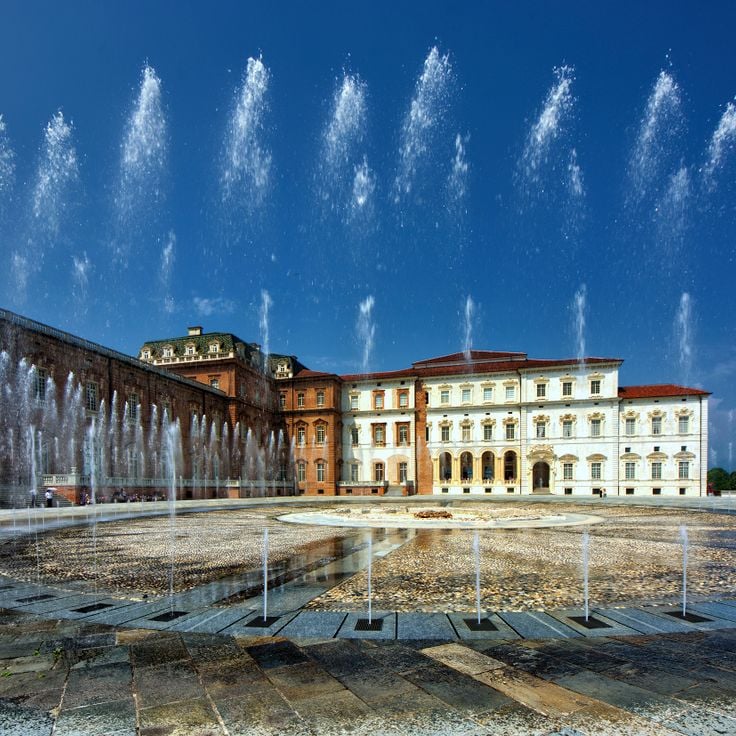
Piedmont stretches between the Alps and the plains of the Po, with towns from the past, hills covered in vineyards, and peaks that touch the borders of France and Switzerland. Turin, the main city of the region, has world-famous museums like the Egyptian Museum, squares with arcades, and royal homes that show the history of the House of Savoy. Around the city, there are palaces like the Venaria Reale and the Basilica di Superga. These places keep alive the royal tradition in parks and gardens open to visitors.
Further north, Lake Maggiore and Lake Orta have quiet shores. Fishing villages are next to gardens of old villas. In the south, the Langhe and Monferrato areas have vineyards that are protected by UNESCO. Small towns and cellars where wine like Barolo and Barbaresco age slowly can be found here. Castles, old churches, and walking paths fill this area, which you can enjoy by its buildings, views, and food traditions.
Piedmont in Italy: must-see sites, old cities and vineyards
Piedmont stretches between the Alps and the plains of the Po, with towns from the past, hills covered in vineyards, and peaks that touch the borders of France and Switzerland. Turin, the main city of the region, has world-famous museums like the Egyptian Museum, squares with arcades, and royal homes that show the history of the House of Savoy. Around the city, there are palaces like the Venaria Reale and the Basilica di Superga. These places keep alive the royal tradition in parks and gardens open to visitors.
Further north, Lake Maggiore and Lake Orta have quiet shores. Fishing villages are next to gardens of old villas. In the south, the Langhe and Monferrato areas have vineyards that are protected by UNESCO. Small towns and cellars where wine like Barolo and Barbaresco age slowly can be found here. Castles, old churches, and walking paths fill this area, which you can enjoy by its buildings, views, and food traditions.
The Palazzina di Caccia di Stupinigi is a baroque hunting lodge that stands as an architectural masterpiece of the House of Savoy. This building displays the refined facades and elaborate interior spaces characteristic of royal residences in this region. Located south of Turin, it represents one of the most important examples of princely power in Piedmont, an area that stretches between the Alps and the Po plain and contains numerous royal palaces and historical estates. Visitors find rooms decorated with stuccowork and paintings that still speak to the grandeur of Savoy rule.
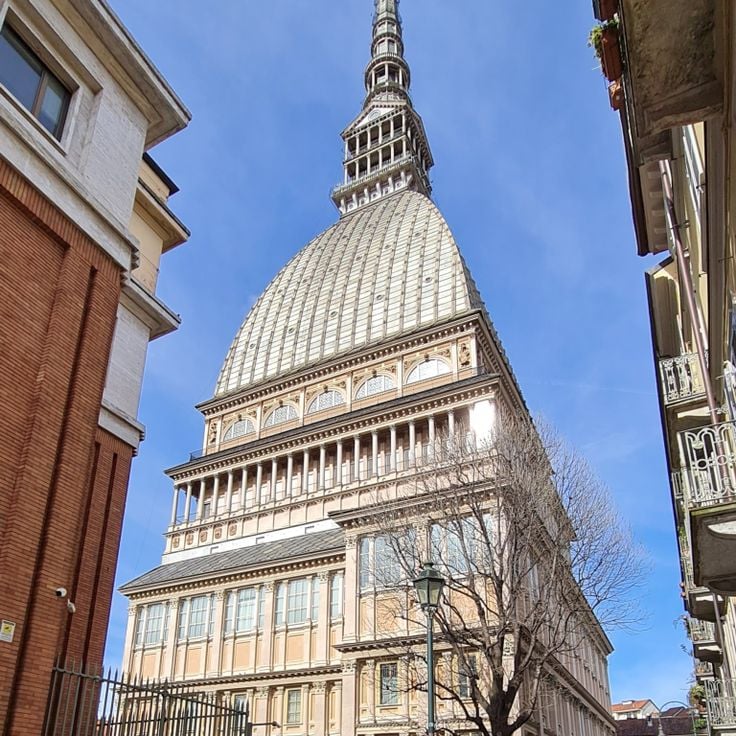
The Mole Antonelliana is a striking Turin landmark that houses the National Cinema Museum. The building stands out in the city skyline with its distinctive form and impresses visitors with its height and construction. Inside, the museum tells the story of cinema through collections and interactive displays. From the top of the building, you can see across Turin and the surrounding landscape. The monument blends Turin's architectural past with contemporary cultural spaces and draws people interested in cinema and city history.
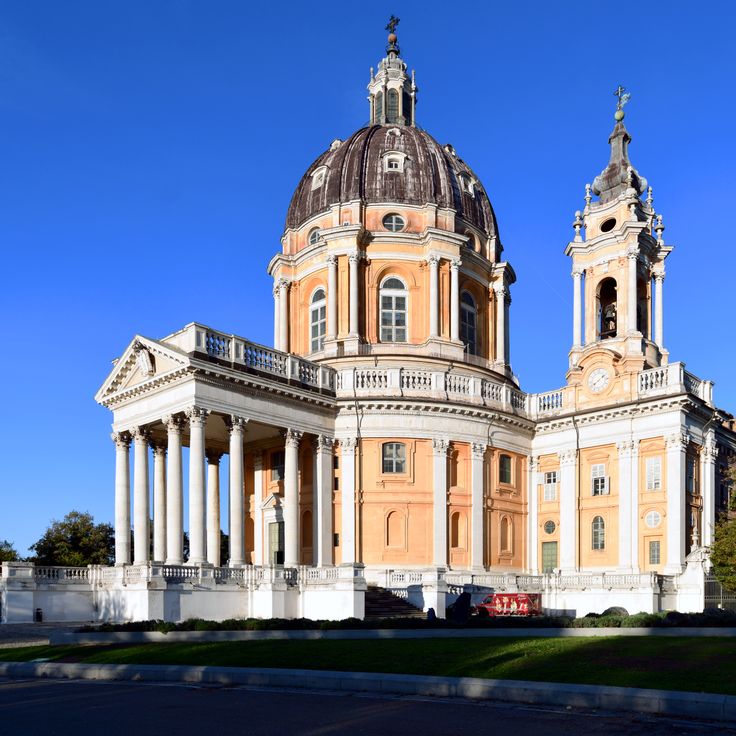
The Basilica di Superga sits on a hilltop above Turin and offers wide views of the city and the Alps. The building displays baroque architecture and connects to the history of Savoy rule that shaped this region. From here you can see Turin spreading across the plain, while the mountain ranges in the distance mark the border with Switzerland and France.
The Museo Egizio in Turin houses one of the world's most important collections of Egyptian antiquities. The museum's holdings include statues, papyri, sarcophagi, and everyday objects from ancient Egypt. Located in Turin's city center, it stands as a major cultural institution in the region. The displays present artworks and artifacts spanning different periods of Egyptian history. Visitors encounter objects that document the life and civilization of the ancient Nile Valley.
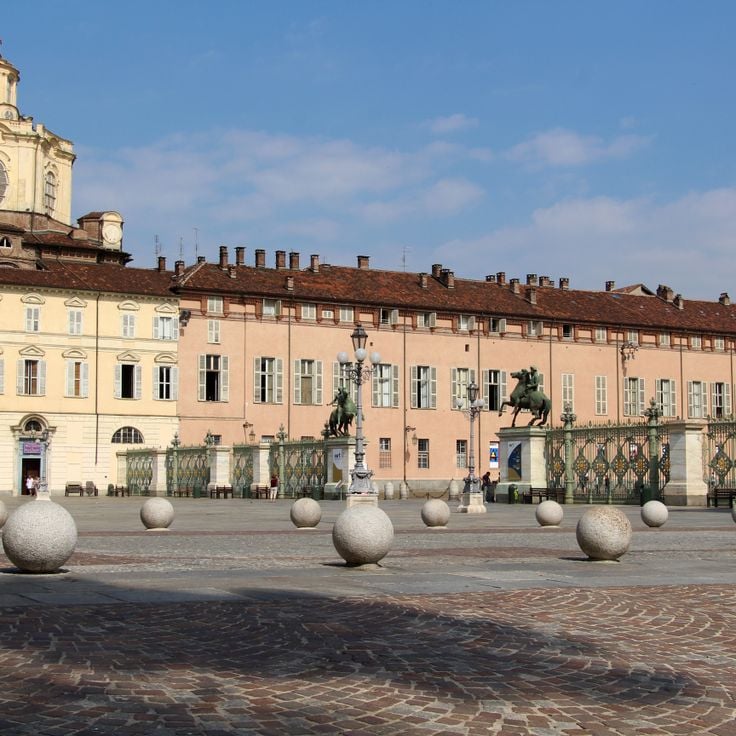
The Palazzo Reale was where the kings of Savoy lived in Turin. The rooms show the power of the family that ruled Piedmont for centuries. Inside you find halls decorated with frescoes, old furniture and artworks. The building stands near Turin's cathedral. Visitors walk through long corridors and rooms where kings once lived. The courtyard is modest but organizes the different sections of the palace. Everything has been carefully restored so its history remains visible.
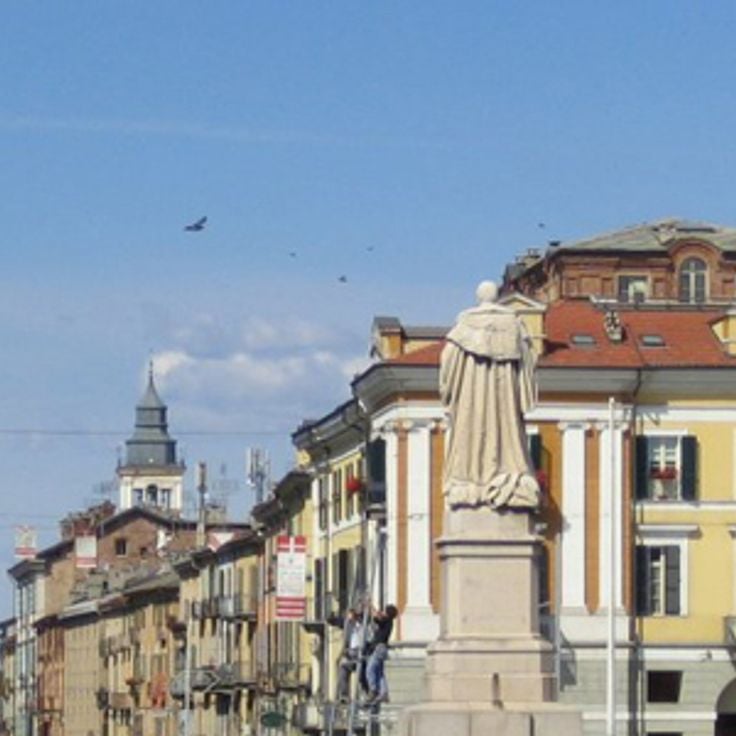
Piazza Castello is the heart of Turin and shows the layers of the city in one space. Arcades surround the square like protective arms, creating shaded areas where tourists and locals meet. Buildings from different periods stand here, telling stories from the time of the House of Savoy to the present day. The square feels like Turin's living room, where the city's life pulses and people gather to relax or shop.
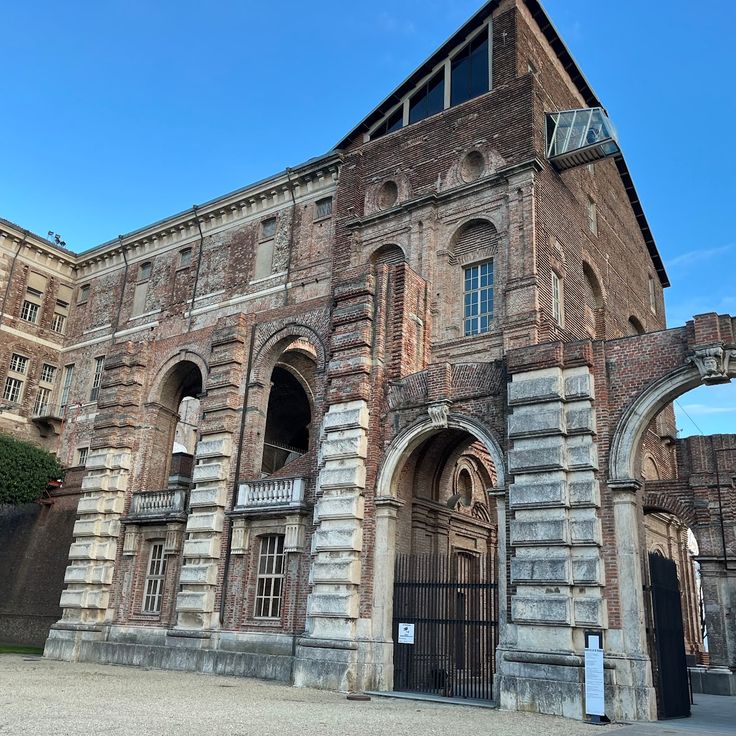
Castello di Rivoli is a 17th-century royal castle turned contemporary art museum, perched on the hills west of Turin. Originally built as a residence for the House of Savoy, it now displays works by modern and contemporary artists in rooms that still bear traces of its baroque past. Walking through the galleries, visitors encounter art installations, paintings, and sculptures set against the castle's original architecture. From the terraces, views stretch across the Po plain toward the Alps. The castle bridges its royal heritage with today's art scene.
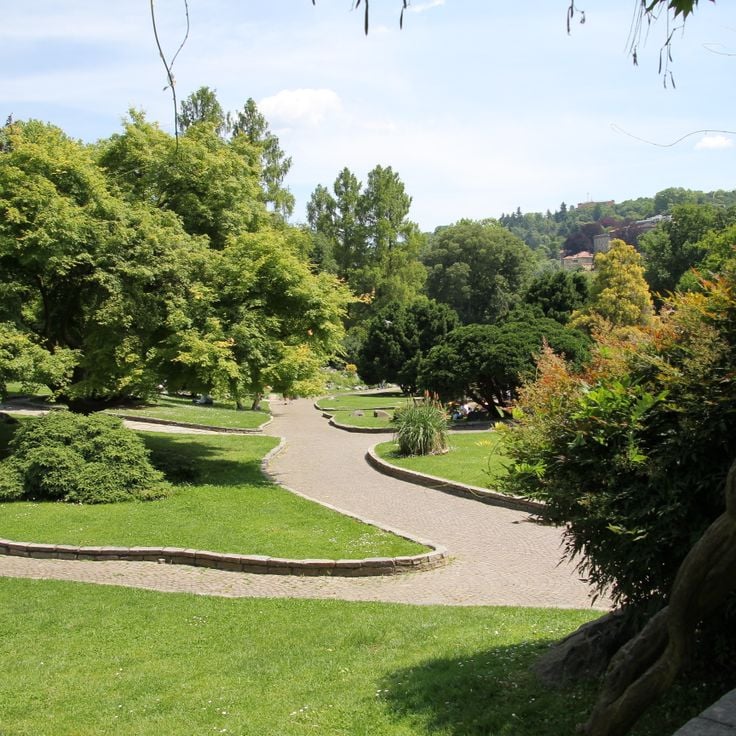
The Parco del Valentino is one of Turin's main parks and stretches along the Po River. Within the park sits the Borgo Medievale, a recreation of a medieval village with houses, streets, and a fortress showing how people lived in medieval times. The park offers green spaces for walking, areas to rest, and paths along the water. The Borgo Medievale interests visitors who want to understand how villages looked and functioned hundreds of years ago.
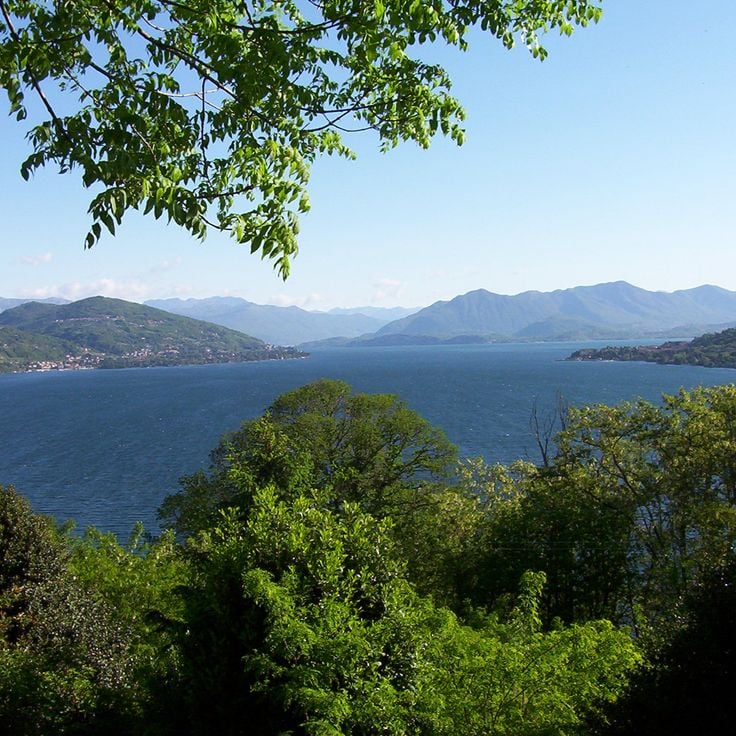
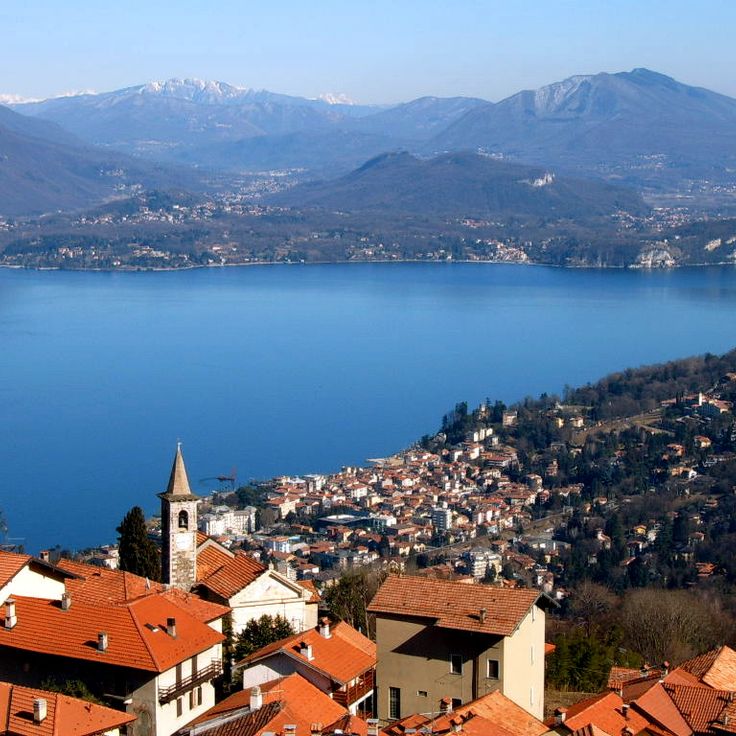
Lake Maggiore is a large alpine lake at the border between Italy and Switzerland. This body of water in Piedmont stretches between steep shores and mountains broken by inlets and small villages. The towns along the lake preserve the life of fishermen and craftspeople, while old villas with their gardens overlook the water. The region offers walking paths along the shores, small ports with boats, and a quiet shaped by the surrounding mountain landscape. The lake connects Piedmontese culture with the Swiss border and shows how water and mountains have shaped the people of this area for centuries.
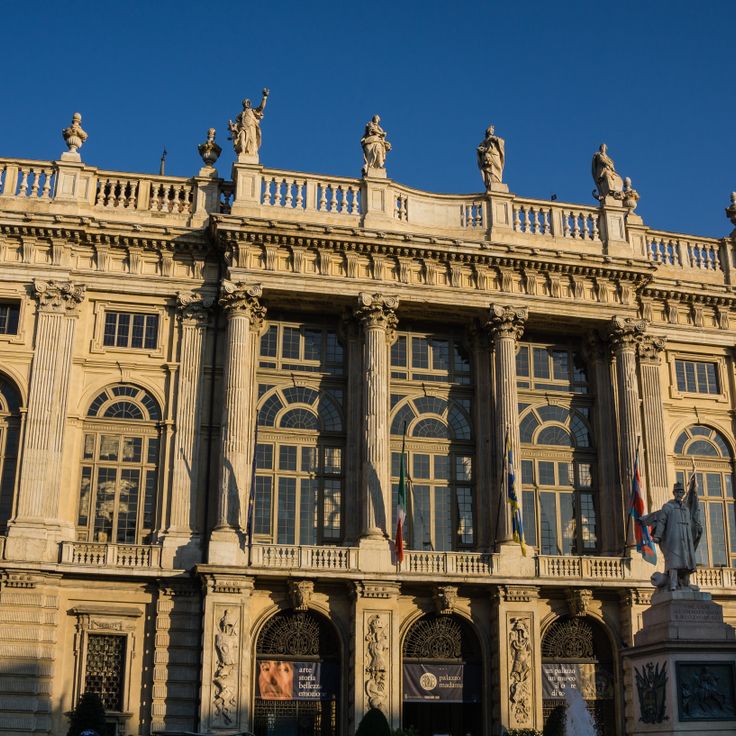
Palazzo Madama is a baroque palace located on Turin's Piazza Castello that now serves as a museum of ancient art. The palace blends architectural styles from different periods, reflecting Turin's long history as a seat of the House of Savoy. Inside, collections of furniture, ceramics, silver, and paintings display the life and power of Piedmont's nobility. Situated in central Turin, this palace is a key place to understand the baroque architecture and rich past of the region.
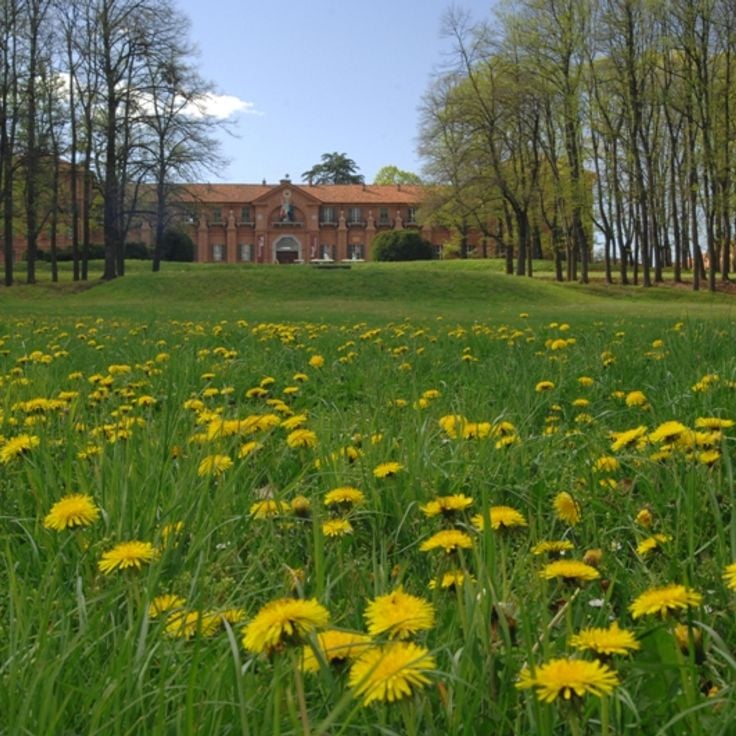
The Castello della Mandria is a royal castle in Venaria Reale that represents part of the Savoy heritage in the Piedmont region. The complex includes a castle that once served as a royal residence, along with extensive parks and historical lands. The building shows the architecture and refinement of centuries past. Rooms inside reveal how the royal family lived and spent their time. The surrounding park has paths for walking and spaces to spend time in nature. The grounds document the history of this region and its rulers across different periods.
Isola Madre is one of the three Borromean Islands in Lago Maggiore and is known for its botanical gardens. The island holds a castle from the 16th century and expansive park grounds with exotic plants, azaleas and camellias. Unlike Isola Bella with its grand palace, Isola Madre focuses on the beauty of nature. Visitors can walk through the gardens and enjoy the peace of the island. The island is reachable by boat from the mainland and offers views of the surrounding mountains and lake.
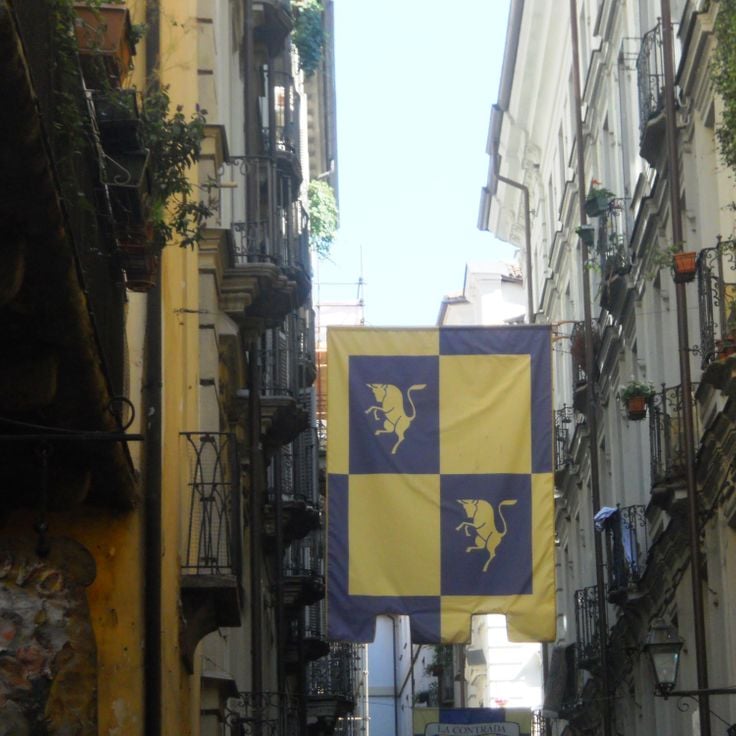
The historic center of Turin is the heart of the city, with its spacious squares, long covered arcades, and 17th-century buildings. The architecture defines this area, where broad streets open onto plazas surrounded by classical facades. Walking here, you pass under protective arcades that provide shade along long routes, discovering baroque details at every turn. This district shows how the city was shaped during the Savoy dynasty's rule and Turin's role as the region's capital. People stroll through, cafes sit beneath the arcades, and daily life mixes with history at every corner.
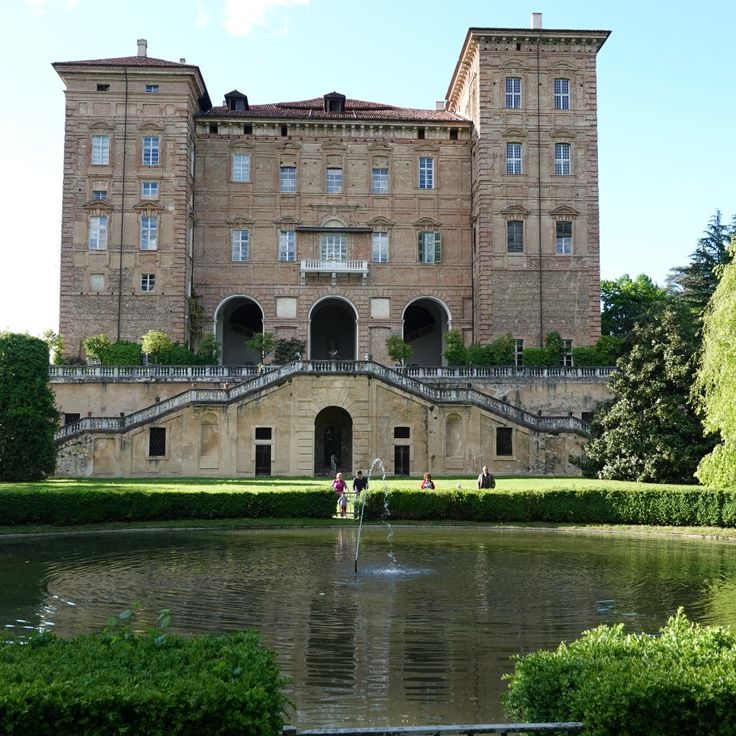
This castle in Agliè started as a medieval fortress and was later transformed into a baroque palace. Visitors can walk through rooms where art and historical objects are on display. The gardens surrounding the castle invite you to explore and show how noble families designed their estates. The castle tells the story of Piedmont, where power and art went hand in hand.
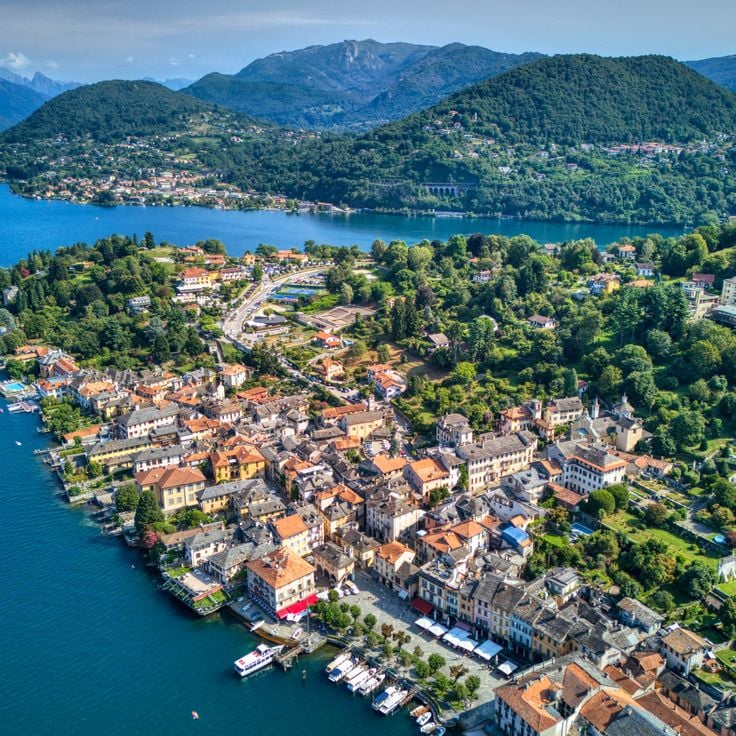
Orta San Giulio is a historic village on the shores of Lake Orta with narrow streets that open onto the Piazza Motta. The town has preserved its medieval character, with stone buildings and old artisan workshops. From the waterfront, you can see the Isola San Giulio, a small island with a basilica dating from the 4th century. This village is part of Piedmont, a region that stretches between the Alps and the Po plain, known for towns, castles, and vineyards that extend to the French and Swiss borders.
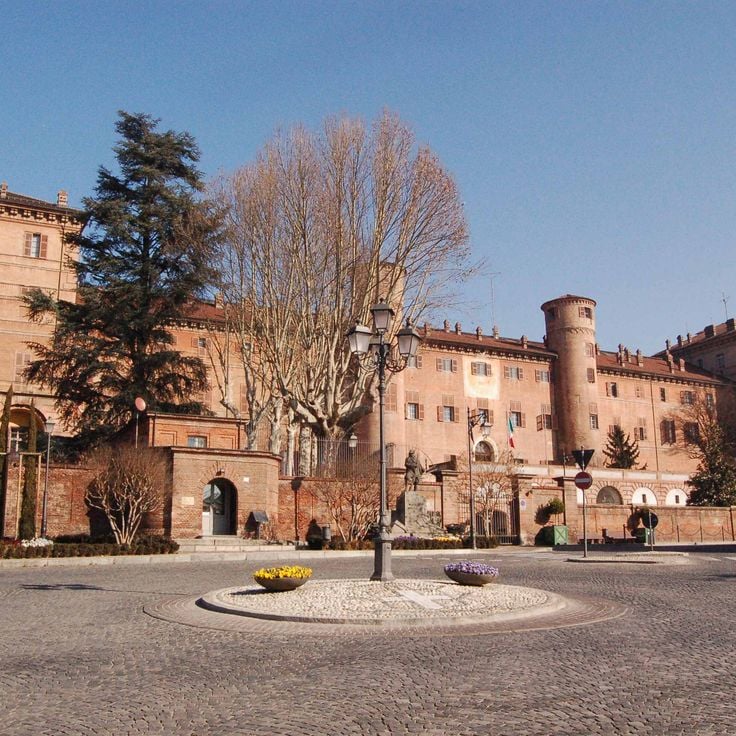
The Castello di Moncalieri stands on a hilltop overlooking the town of Moncalieri and reflects centuries of Savoy royal life. This castle combines Gothic architectural roots with Baroque additions made over time. From its position, you can see Turin and the surrounding hills of Piedmont. Inside, the rooms show how royalty lived here, with furnishings and artworks from different periods on display. Visitors walk through spaces that connect to the other royal residences spread across the region, understanding the dynasty's choice of locations.
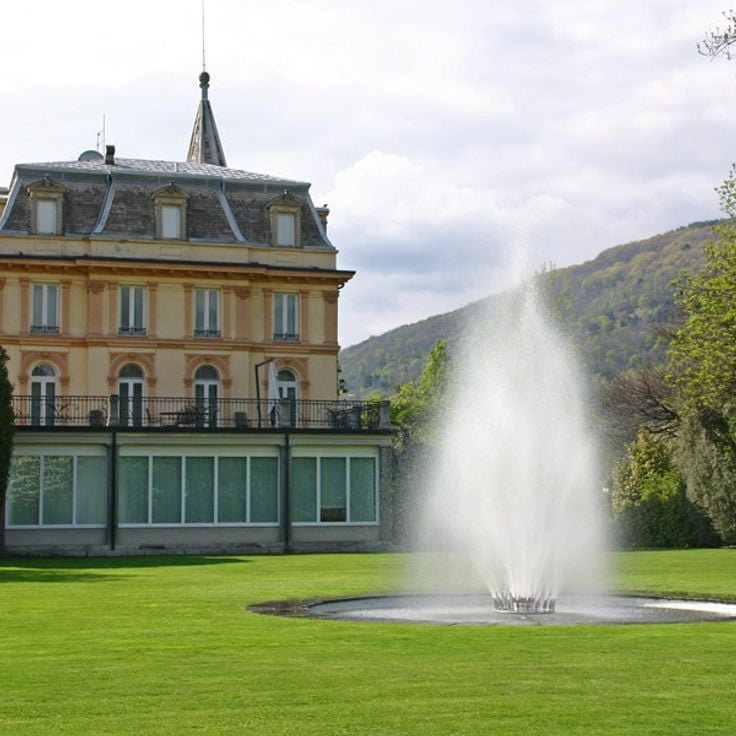
Villa Taranto in Verbania displays botanical gardens that slope down to the shores of Lago Maggiore. The property houses collections of plants from different climates arranged across terraced grounds. Visitors walk through areas of rare species and cultivated greenery while enjoying views of the lake and surrounding mountains. This place combines a historic villa with a passion for plants and offers a setting where garden and landscape meet.
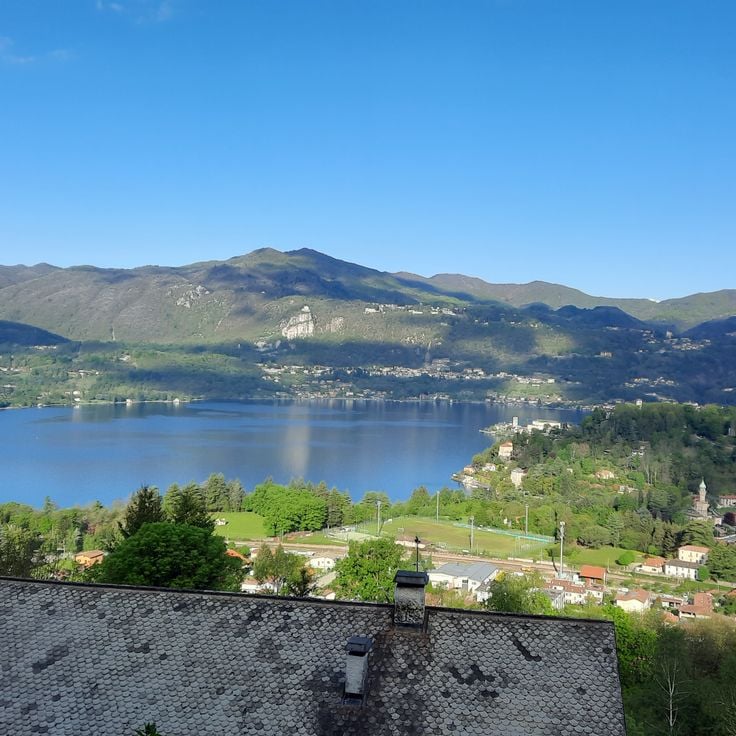
Lago d'Orta is a small alpine lake set among the hills of Piedmont. The water mirrors the surrounding mountains and forested shores. Along the lake lie small villages with old buildings where fishermen and artisans once lived. The island of San Giulio sits in the water, topped by an ancient church. Hikers find trails along the shore and through the woods. Light changes with the seasons, turning the water blue, green, or gray. People sit by the water's edge, and boats move slowly across the surface. The lake offers a quiet place and shows how people have lived here for centuries.
Barolo is a village in the Langhe hills surrounded by vineyards. The village has a medieval castle and is the center of wine tourism in this region. Visitors come here to visit the wine cellars where the famous Barolo wine ages and to explore the landscape covered with vines. The village preserves the history of this wine region and shows how people here have been making wine for centuries.
Isola San Giulio sits on Lago d'Orta and holds an abbey and a small basilica. You can reach the island by boat from the village of Orta San Giulio on the shore. Once on the island, you walk along narrow cobblestone paths past old houses and religious buildings. The basilica dates to the medieval period and displays simple, solemn architecture. Around the island you can make a quiet circuit that offers views of the water and surrounding hills. The place draws visitors who seek peace and history together.
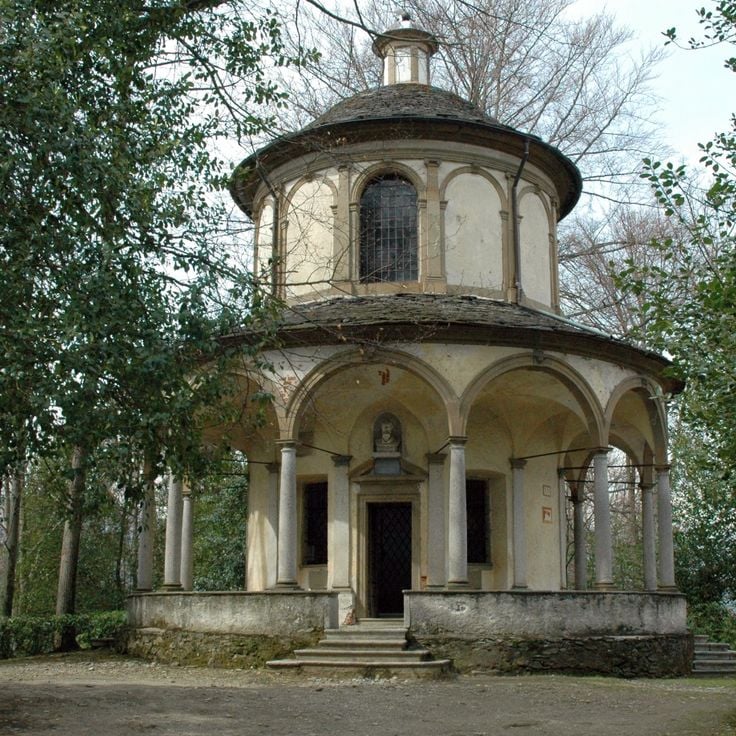
The Sacro Monte di Orta is a mountain sanctuary on an island in Lake Orta, featuring chapels and a sacred pathway that draws pilgrims and visitors. Built over centuries, it brings together artworks from different periods. From this place, views extend across the lake and surrounding hills. As a UNESCO World Heritage site, it shows how Piedmont combines religious sites with natural landscapes.
Stresa sits on the shore of Lake Maggiore, gazing across the water toward the mountains. The town developed in the 19th century as a resort for wealthy families who built grand villas with sprawling gardens. These houses still stand among palms and exotic plants. The lakeside promenade invites strolls, and from there you can see the islands and mountain landscape. Stresa combines the quiet life of the lake with proximity to the Alps and the wine regions of Piedmont.
Langhe-Roero and Monferrato are rolling hills in Piedmont where vineyards cover the gentle slopes. In this region, wines like Barolo and Barbaresco mature in cellars often set within small villages. The landscape appears as a mosaic of grapevines, medieval castles on hilltops, and Romanesque abbeys. Walking paths lead through the vineyards, and the villages maintain craft traditions and regional cooking. This area was recognized by UNESCO as a World Heritage site and brings together natural forms with human work across centuries.
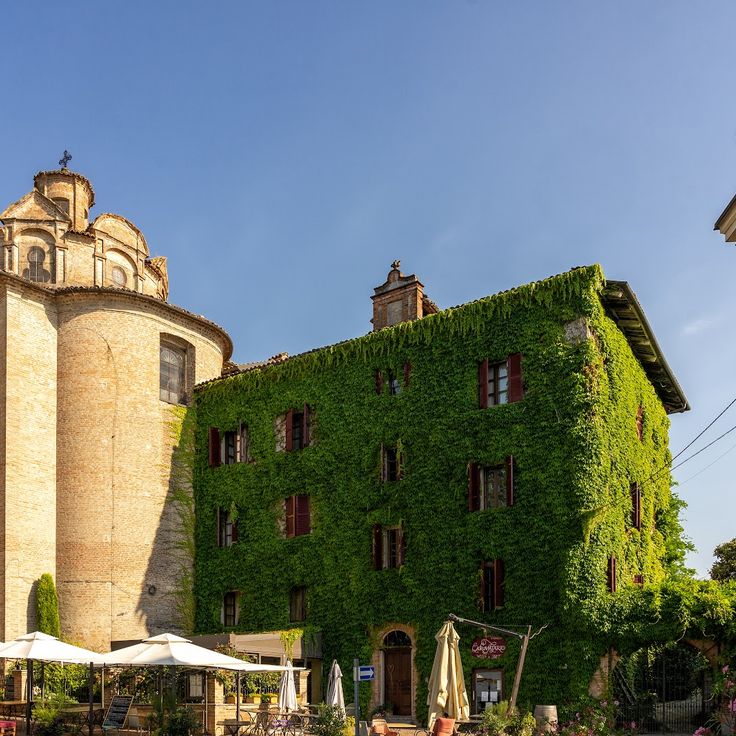
Barbaresco is a small village in the Langhe hills of Piedmont, centered around wine production. A medieval tower stands at the heart of the village, overlooking the vineyards that surround it. Roads wind through the grapevines, and many wineries welcome visitors to taste the local Barbaresco wine. The village itself is compact and quiet, with stone houses and narrow streets that lead to the central square.
Alba is a town in the Langhe hills known for its white truffles and Barolo wine. Located in the heart of a UNESCO World Heritage region, the town is surrounded by vineyards and rolling countryside. Alba draws visitors interested in local food traditions and medieval streets. The town serves as a center for gastronomy, blending history with culinary heritage.
La Morra is a village on a hilltop in the Langhe region of Piedmont. From here, you can see vineyards that roll down the slopes in neat rows. The village itself has narrow streets, old stone buildings, and a central square. People come here to take in the views and visit the wineries that produce Barolo and other wines. The place shows how people in this region have lived with winemaking for centuries.
Neive is a medieval village set among the vineyards of Piedmont's Langhe hills. The town has narrow streets, stone buildings, and a church that anchors its center. From this location, visitors can explore the nearby wine regions where Barolo and Barbaresco are produced. The village offers a quiet setting where traditional crafts and local food remain part of everyday life.
Grinzane Cavour is a medieval castle in the Langhe hills that houses a wine museum with historic cellars. This place tells the story of Piedmont through its collection of regional wines and shows how Barolo and Barbaresco wines have been cultivated and stored over centuries. The medieval building itself is part of this history, linking the architecture of the past with the wine culture that shapes this landscape.
Asti is a medieval town in the Monferrato region known for its sparkling wine. The historic center preserves the character of the Middle Ages, with towers rising above the old streets. The town has a long history connected to wine production and trade. Walking through the ancient lanes, you can see the architecture from past centuries. The wine from this region is known worldwide and continues to shape life in the town today.
Canelli is a wine town in Monferrato with historic underground cellars and wine museums. The city sits among vineyards and maintains a long tradition of winemaking. Visitors can explore the history of wine and learn about traditional production methods. The streets of the town reflect its deep connection to wine culture, with old cellars dug deep beneath the earth.
Nizza Monferrato is a village in the Monferrato hills known for its renowned wines and vineyard landscapes. The town sits among vineyards and historic buildings where winemaking tradition shapes daily life. You can walk through narrow streets and discover architecture from different periods. The surrounding vineyards spread across gentle hills and show how the region has lived from wine production for centuries.
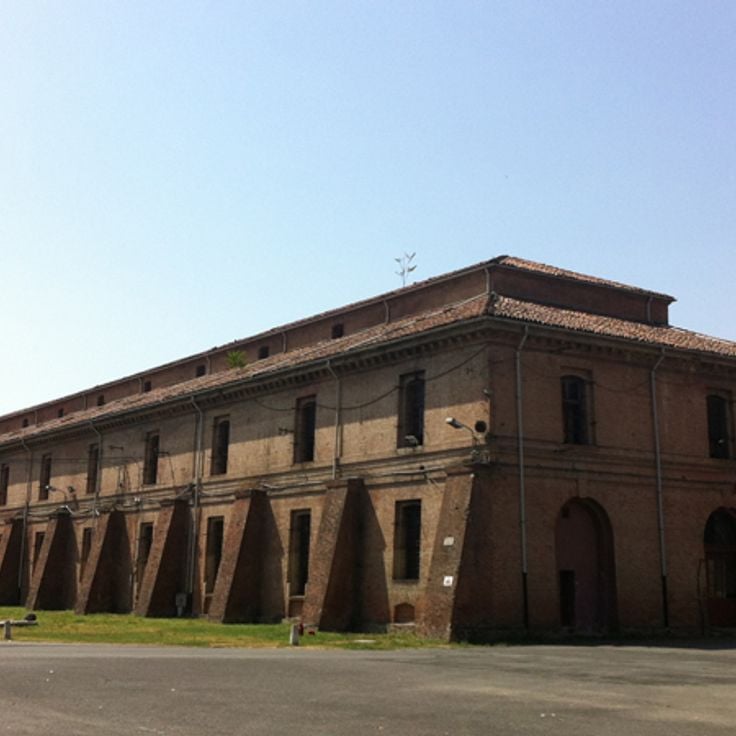
Alessandria is a historic city in the southern Piedmont region, where a distinctive star-shaped fortress dominates the landscape. Built in the 18th century, this fortification still displays its geometric bastions and ramparts that encircle the city like a defensive system. At the heart of Alessandria lies a medieval old town with narrow streets, ancient stone buildings, and architecture that reflects different historical periods. The city sits strategically between the northern Italian plains and the Monferrato hills, where the wine regions of Barolo and Barbaresco begin. With its military heritage and role as a regional trading center, Alessandria offers insight into Piedmont's past beyond Turin's better-known royal estates.
Cuneo is a city set between plains and mountains with a medieval heart and a weekly market. Located at the southern edge of Piedmont, it serves as a gateway for exploring the Langhe wine region and the nearby Alps. The city's history reaches back to medieval times, and the old town preserves a network of narrow streets and arcaded squares. The weekly market on Piazza Galimberti is the pulse of local life, where residents shop for regional products.
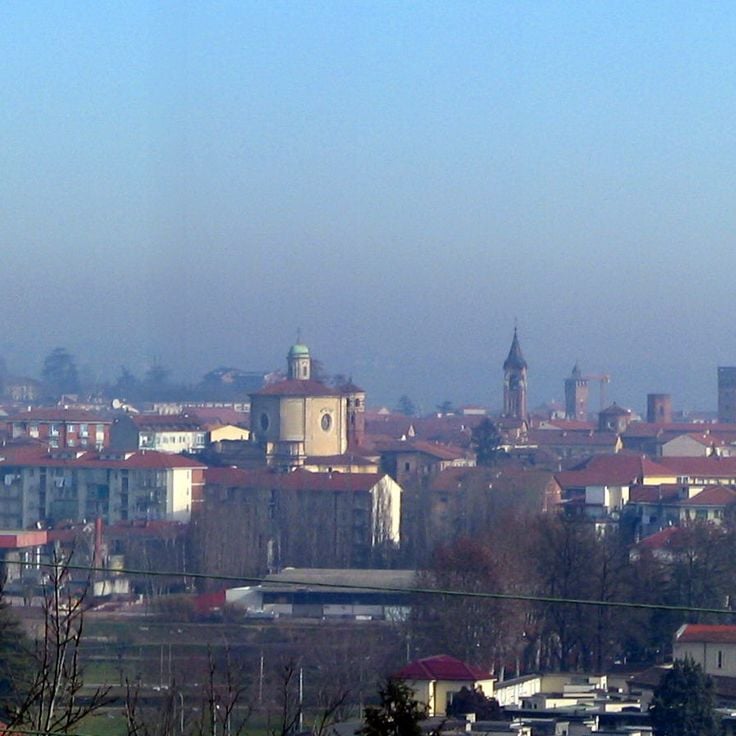
Novara is a historic city in the Piedmont region, positioned between the Alps and the Po Valley. The Basilica of San Gaudenzio dominates the skyline with its prominent dome, a landmark visible across the flat landscape. The city retains a medieval center with narrow streets and old buildings that reflect centuries of development. Novara has been an important crossroads for commerce and culture, shaped by the movements of people and goods through northern Italy.
Vercelli is a city in eastern Piedmont with medieval roots and a landscape shaped by rice cultivation. The city contains historic buildings and squares that tell the story of different periods in its past. Around the urban center, rice paddies stretch across the countryside, defining the region's character and economy. Visitors discover here a blend of urban history and rural tradition that reflects the diversity of Piedmont.
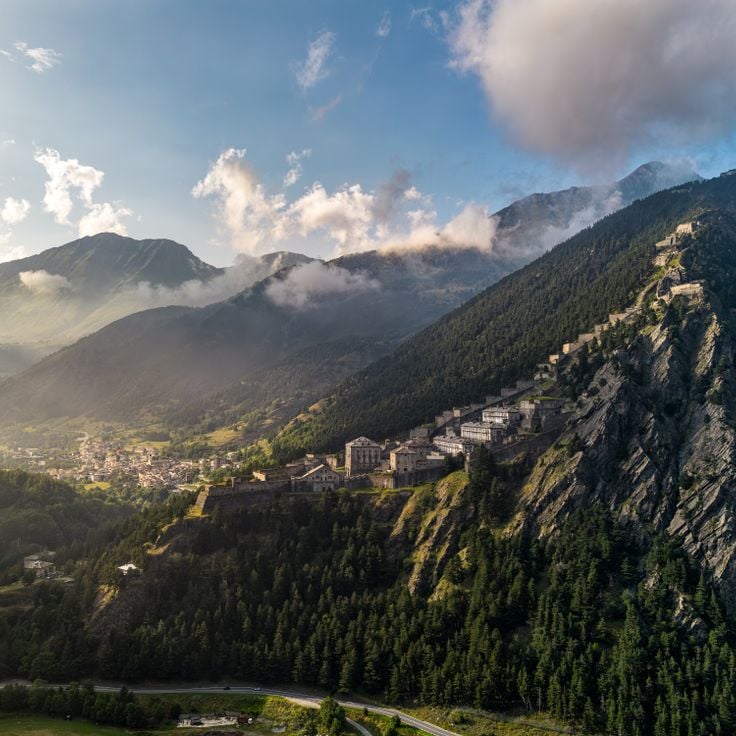
The Forte di Fenestrelle is a massive mountain fortress in the Val Chisone that stretches over several kilometers. Built between the 17th and 18th centuries, it served as part of the defense system of the Kingdom of Piedmont-Sardinia. Visitors can explore this fortification on guided tours and learn about the history of Alpine military construction. The fortress shows how soldiers lived and why this location was so important to protect the border with France.
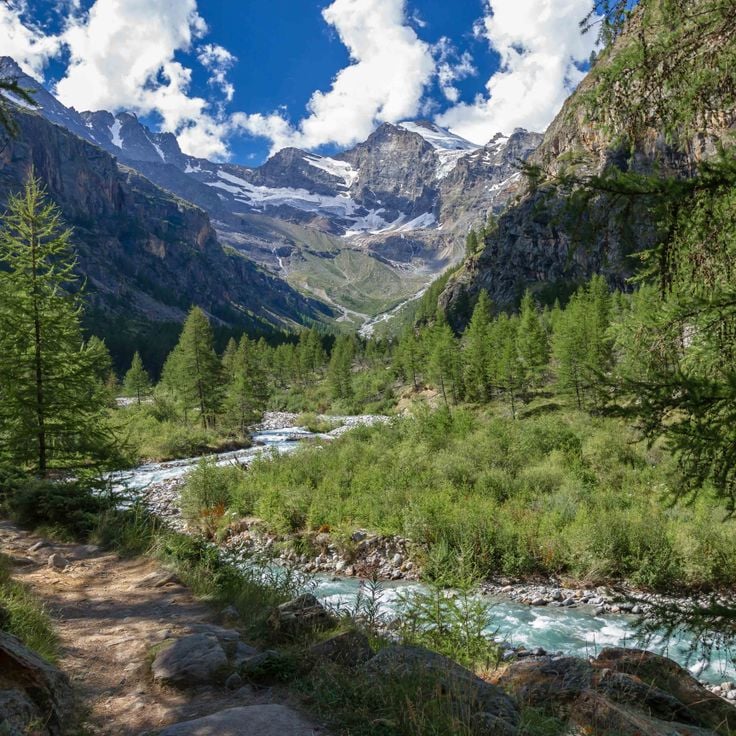
Gran Paradiso National Park sits in the Alps and stretches from valley floors to high mountain peaks. This park is known for its steep slopes, clear mountain lakes, and the ibex that roam freely throughout. Hikers can walk various trails through meadows and forests while spotting eagles and marmots. The park connects Piedmont with the Aosta Valley and offers visitors a chance to spend time in true mountain terrain, far from towns and villages.
The Cittadella di Alessandria is an 18th century fortress built in a star shape and stands as a major example of military architecture. Built strategically in Piedmont, it shows the engineering skill of its time. The fortress sits in a region defined by Baroque cities, vineyards, and royal residences. Visitors can walk along the geometric walls and see how this structure once helped control the territory.
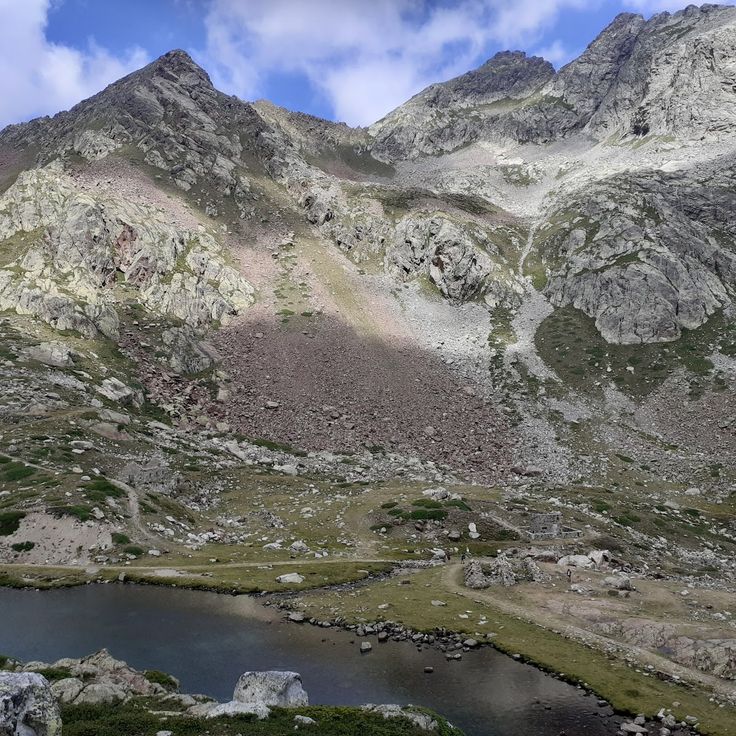
The Alpi Marittime Natural Park sits in the southern Alps and offers hiking trails, mountain lakes, and alpine refuges. It is part of a region that stretches between the Alps and the Po Valley, alternating between Baroque cities, vineyards, and peaks at the French and Swiss border. This protected area shows the diversity of Piedmont, which alongside royal residences and medieval castles also preserves nature with hiking opportunities and alpine traditions.
Bardonecchia is a mountain resort in Val di Susa that offers hiking, skiing, and access to the Alps. Located on the border between Piedmont and France, this place combines mountain activities with the heritage of the Alpine region. Visitors find ski slopes in winter and hiking trails in summer that lead through meadows and forests.
The Susa Valley is an Alpine valley that stretches between high peaks and connects the Piedmont region to France. Here you find historical forts from different periods, small villages perched on the slopes, and hiking trails that wind through forests and over mountain passes. The valley follows a river that has carved its path through stone over centuries. Fortifications from earlier times stand on rocky peaks and recall old conflicts along the border. The people who live here maintain their traditions and deep connection to the mountains.
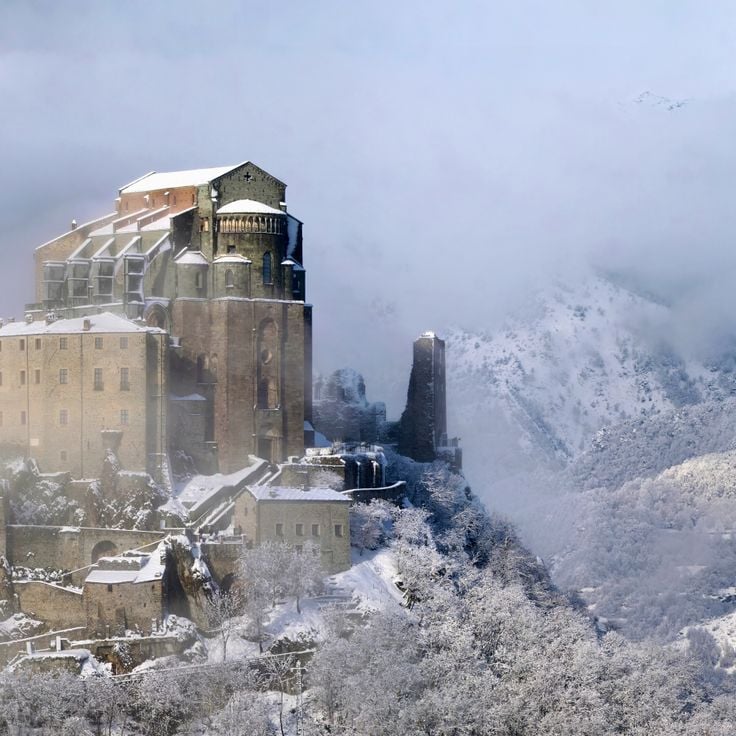
The Sacra di San Michele stands on a rocky spur in the Val di Susa, dominating this mountain valley landscape. This Benedictine abbey was built starting in the 10th century, combining Romanesque and Gothic styles. The complex features several structures integrated into the rock itself, including a church and monastery buildings. Visitors see the striking staircases and towers rising from the stone. Inside, artworks and frescoes reveal centuries of medieval history. The location on a mountain ridge gives views across the valley and surrounding peaks. The abbey served as a pilgrimage site and lay on ancient routes traveled by many over the centuries.
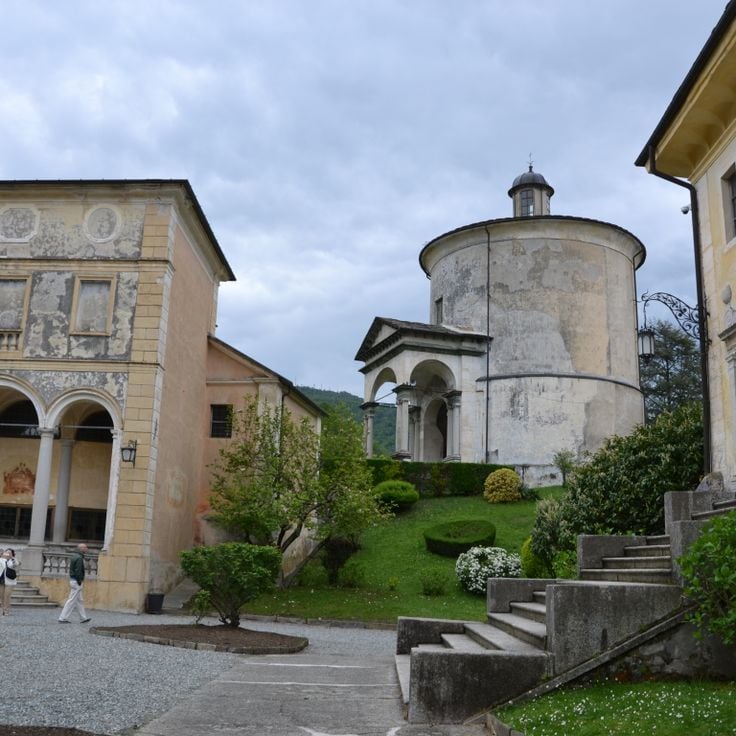
Sacro Monte di Varallo is a sacred mountain sanctuary in Valsesia in the Piedmont region. It is a UNESCO site with chapels and a pilgrimage path that winds through forests. This sanctuary fits into a region known for baroque towns, vineyards, and royal palaces. Along the way up the mountain, visitors find chapels containing sculptures, paintings, and religious artwork. The path takes walkers through nature, offering views of the valley and surrounding woods. The sanctuary combines faith with landscape, making it distinct from other monuments in Piedmont. People come here to walk the route, see the chapels, and experience the mountain setting.
Sestriere is a ski resort in the Alps that forms part of the Via Lattea ski area. Located at high altitude, this station offers slopes for different skill levels. Modern lift systems and facilities serve visitors throughout the winter season. Over decades, the resort has developed into a skiing destination that combines winter sports with the mountain landscape of Piedmont.
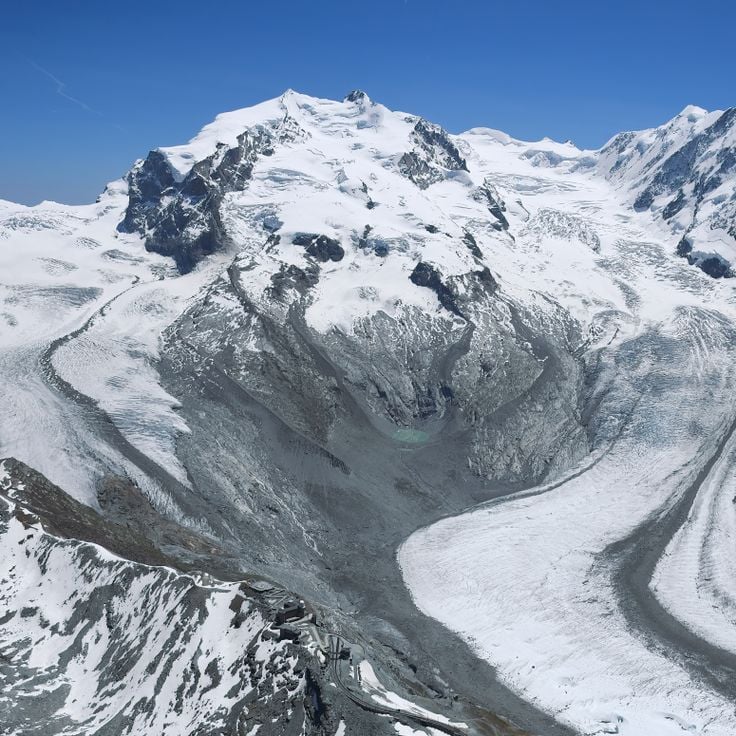
Monte Rosa shapes the landscape of Valle Anzasca with its peak extending to the border between Italy and Switzerland. Macugnaga sits in this alpine valley and offers access to hiking trails that wind through the mountain terrain. The village itself is small with traditional houses, where visitors can experience the proximity to this large mountain. Views of Monte Rosa define everyday life here and give the valley its character.
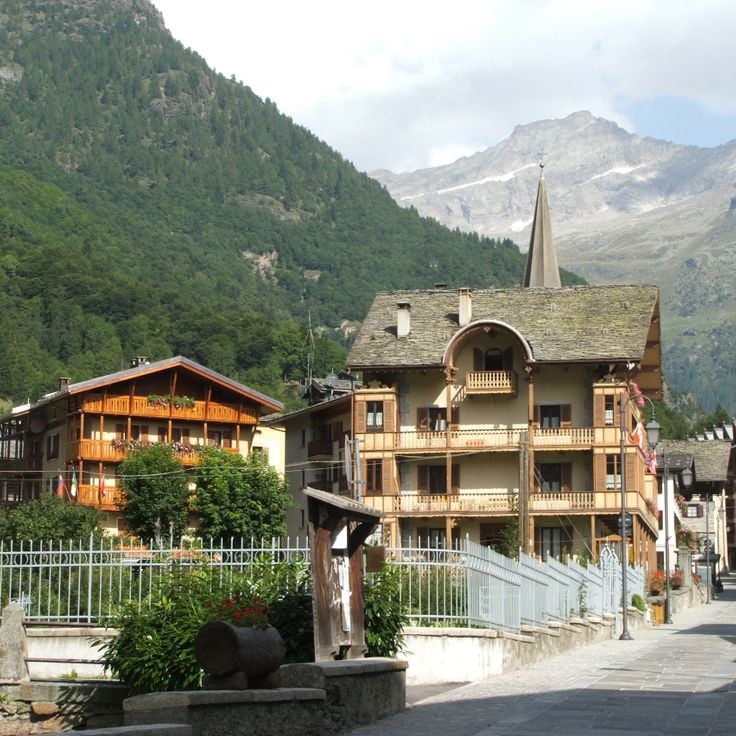
Alagna Valsesia sits in a high alpine valley surrounded by tall peaks. The village serves as a starting point for hikers and skiers exploring the slopes and trails. Houses feature steep roofs built to handle heavy snow, and residents keep old crafts and food traditions alive. Walking through the village, you see traditional architecture and local celebrations that show the long history of this mountain community.
The Santuario di Oropa sits high in the mountains above Biella and serves as a major pilgrimage site with several basilicas built over centuries. The complex brings together religious buildings in the Baroque style with the alpine landscape of Piedmont. Visitors find a reflective space surrounded by mountain forests and hiking trails. The sanctuary draws pilgrims and offers views over the surrounding valleys. Its architecture and location make it a significant religious and cultural site in the region.
The Palazzina di Caccia di Stupinigi is a baroque hunting lodge that stands as an architectural masterpiece of the House of Savoy. This building displays the refined facades and elaborate interior spaces characteristic of royal residences in this region. Located south of Turin, it represents one of the most important examples of princely power in Piedmont, an area that stretches between the Alps and the Po plain and contains numerous royal palaces and historical estates. Visitors find rooms decorated with stuccowork and paintings that still speak to the grandeur of Savoy rule.
The Mole Antonelliana is a striking Turin landmark that houses the National Cinema Museum. The building stands out in the city skyline with its distinctive form and impresses visitors with its height and construction. Inside, the museum tells the story of cinema through collections and interactive displays. From the top of the building, you can see across Turin and the surrounding landscape. The monument blends Turin's architectural past with contemporary cultural spaces and draws people interested in cinema and city history.
The Basilica di Superga sits on a hilltop above Turin and offers wide views of the city and the Alps. The building displays baroque architecture and connects to the history of Savoy rule that shaped this region. From here you can see Turin spreading across the plain, while the mountain ranges in the distance mark the border with Switzerland and France.
The Museo Egizio in Turin houses one of the world's most important collections of Egyptian antiquities. The museum's holdings include statues, papyri, sarcophagi, and everyday objects from ancient Egypt. Located in Turin's city center, it stands as a major cultural institution in the region. The displays present artworks and artifacts spanning different periods of Egyptian history. Visitors encounter objects that document the life and civilization of the ancient Nile Valley.
The Palazzo Reale was where the kings of Savoy lived in Turin. The rooms show the power of the family that ruled Piedmont for centuries. Inside you find halls decorated with frescoes, old furniture and artworks. The building stands near Turin's cathedral. Visitors walk through long corridors and rooms where kings once lived. The courtyard is modest but organizes the different sections of the palace. Everything has been carefully restored so its history remains visible.
Piazza Castello is the heart of Turin and shows the layers of the city in one space. Arcades surround the square like protective arms, creating shaded areas where tourists and locals meet. Buildings from different periods stand here, telling stories from the time of the House of Savoy to the present day. The square feels like Turin's living room, where the city's life pulses and people gather to relax or shop.
Castello di Rivoli is a 17th-century royal castle turned contemporary art museum, perched on the hills west of Turin. Originally built as a residence for the House of Savoy, it now displays works by modern and contemporary artists in rooms that still bear traces of its baroque past. Walking through the galleries, visitors encounter art installations, paintings, and sculptures set against the castle's original architecture. From the terraces, views stretch across the Po plain toward the Alps. The castle bridges its royal heritage with today's art scene.
The Parco del Valentino is one of Turin's main parks and stretches along the Po River. Within the park sits the Borgo Medievale, a recreation of a medieval village with houses, streets, and a fortress showing how people lived in medieval times. The park offers green spaces for walking, areas to rest, and paths along the water. The Borgo Medievale interests visitors who want to understand how villages looked and functioned hundreds of years ago.
Lake Maggiore is a large alpine lake at the border between Italy and Switzerland. This body of water in Piedmont stretches between steep shores and mountains broken by inlets and small villages. The towns along the lake preserve the life of fishermen and craftspeople, while old villas with their gardens overlook the water. The region offers walking paths along the shores, small ports with boats, and a quiet shaped by the surrounding mountain landscape. The lake connects Piedmontese culture with the Swiss border and shows how water and mountains have shaped the people of this area for centuries.
Palazzo Madama is a baroque palace located on Turin's Piazza Castello that now serves as a museum of ancient art. The palace blends architectural styles from different periods, reflecting Turin's long history as a seat of the House of Savoy. Inside, collections of furniture, ceramics, silver, and paintings display the life and power of Piedmont's nobility. Situated in central Turin, this palace is a key place to understand the baroque architecture and rich past of the region.
The Castello della Mandria is a royal castle in Venaria Reale that represents part of the Savoy heritage in the Piedmont region. The complex includes a castle that once served as a royal residence, along with extensive parks and historical lands. The building shows the architecture and refinement of centuries past. Rooms inside reveal how the royal family lived and spent their time. The surrounding park has paths for walking and spaces to spend time in nature. The grounds document the history of this region and its rulers across different periods.
Isola Madre is one of the three Borromean Islands in Lago Maggiore and is known for its botanical gardens. The island holds a castle from the 16th century and expansive park grounds with exotic plants, azaleas and camellias. Unlike Isola Bella with its grand palace, Isola Madre focuses on the beauty of nature. Visitors can walk through the gardens and enjoy the peace of the island. The island is reachable by boat from the mainland and offers views of the surrounding mountains and lake.
The historic center of Turin is the heart of the city, with its spacious squares, long covered arcades, and 17th-century buildings. The architecture defines this area, where broad streets open onto plazas surrounded by classical facades. Walking here, you pass under protective arcades that provide shade along long routes, discovering baroque details at every turn. This district shows how the city was shaped during the Savoy dynasty's rule and Turin's role as the region's capital. People stroll through, cafes sit beneath the arcades, and daily life mixes with history at every corner.
This castle in Agliè started as a medieval fortress and was later transformed into a baroque palace. Visitors can walk through rooms where art and historical objects are on display. The gardens surrounding the castle invite you to explore and show how noble families designed their estates. The castle tells the story of Piedmont, where power and art went hand in hand.
Orta San Giulio is a historic village on the shores of Lake Orta with narrow streets that open onto the Piazza Motta. The town has preserved its medieval character, with stone buildings and old artisan workshops. From the waterfront, you can see the Isola San Giulio, a small island with a basilica dating from the 4th century. This village is part of Piedmont, a region that stretches between the Alps and the Po plain, known for towns, castles, and vineyards that extend to the French and Swiss borders.
The Castello di Moncalieri stands on a hilltop overlooking the town of Moncalieri and reflects centuries of Savoy royal life. This castle combines Gothic architectural roots with Baroque additions made over time. From its position, you can see Turin and the surrounding hills of Piedmont. Inside, the rooms show how royalty lived here, with furnishings and artworks from different periods on display. Visitors walk through spaces that connect to the other royal residences spread across the region, understanding the dynasty's choice of locations.
Villa Taranto in Verbania displays botanical gardens that slope down to the shores of Lago Maggiore. The property houses collections of plants from different climates arranged across terraced grounds. Visitors walk through areas of rare species and cultivated greenery while enjoying views of the lake and surrounding mountains. This place combines a historic villa with a passion for plants and offers a setting where garden and landscape meet.
Lago d'Orta is a small alpine lake set among the hills of Piedmont. The water mirrors the surrounding mountains and forested shores. Along the lake lie small villages with old buildings where fishermen and artisans once lived. The island of San Giulio sits in the water, topped by an ancient church. Hikers find trails along the shore and through the woods. Light changes with the seasons, turning the water blue, green, or gray. People sit by the water's edge, and boats move slowly across the surface. The lake offers a quiet place and shows how people have lived here for centuries.
Barolo is a village in the Langhe hills surrounded by vineyards. The village has a medieval castle and is the center of wine tourism in this region. Visitors come here to visit the wine cellars where the famous Barolo wine ages and to explore the landscape covered with vines. The village preserves the history of this wine region and shows how people here have been making wine for centuries.
Isola San Giulio sits on Lago d'Orta and holds an abbey and a small basilica. You can reach the island by boat from the village of Orta San Giulio on the shore. Once on the island, you walk along narrow cobblestone paths past old houses and religious buildings. The basilica dates to the medieval period and displays simple, solemn architecture. Around the island you can make a quiet circuit that offers views of the water and surrounding hills. The place draws visitors who seek peace and history together.
The Sacro Monte di Orta is a mountain sanctuary on an island in Lake Orta, featuring chapels and a sacred pathway that draws pilgrims and visitors. Built over centuries, it brings together artworks from different periods. From this place, views extend across the lake and surrounding hills. As a UNESCO World Heritage site, it shows how Piedmont combines religious sites with natural landscapes.
Stresa sits on the shore of Lake Maggiore, gazing across the water toward the mountains. The town developed in the 19th century as a resort for wealthy families who built grand villas with sprawling gardens. These houses still stand among palms and exotic plants. The lakeside promenade invites strolls, and from there you can see the islands and mountain landscape. Stresa combines the quiet life of the lake with proximity to the Alps and the wine regions of Piedmont.
Langhe-Roero and Monferrato are rolling hills in Piedmont where vineyards cover the gentle slopes. In this region, wines like Barolo and Barbaresco mature in cellars often set within small villages. The landscape appears as a mosaic of grapevines, medieval castles on hilltops, and Romanesque abbeys. Walking paths lead through the vineyards, and the villages maintain craft traditions and regional cooking. This area was recognized by UNESCO as a World Heritage site and brings together natural forms with human work across centuries.
Barbaresco is a small village in the Langhe hills of Piedmont, centered around wine production. A medieval tower stands at the heart of the village, overlooking the vineyards that surround it. Roads wind through the grapevines, and many wineries welcome visitors to taste the local Barbaresco wine. The village itself is compact and quiet, with stone houses and narrow streets that lead to the central square.
Alba is a town in the Langhe hills known for its white truffles and Barolo wine. Located in the heart of a UNESCO World Heritage region, the town is surrounded by vineyards and rolling countryside. Alba draws visitors interested in local food traditions and medieval streets. The town serves as a center for gastronomy, blending history with culinary heritage.
La Morra is a village on a hilltop in the Langhe region of Piedmont. From here, you can see vineyards that roll down the slopes in neat rows. The village itself has narrow streets, old stone buildings, and a central square. People come here to take in the views and visit the wineries that produce Barolo and other wines. The place shows how people in this region have lived with winemaking for centuries.
Neive is a medieval village set among the vineyards of Piedmont's Langhe hills. The town has narrow streets, stone buildings, and a church that anchors its center. From this location, visitors can explore the nearby wine regions where Barolo and Barbaresco are produced. The village offers a quiet setting where traditional crafts and local food remain part of everyday life.
Grinzane Cavour is a medieval castle in the Langhe hills that houses a wine museum with historic cellars. This place tells the story of Piedmont through its collection of regional wines and shows how Barolo and Barbaresco wines have been cultivated and stored over centuries. The medieval building itself is part of this history, linking the architecture of the past with the wine culture that shapes this landscape.
Asti is a medieval town in the Monferrato region known for its sparkling wine. The historic center preserves the character of the Middle Ages, with towers rising above the old streets. The town has a long history connected to wine production and trade. Walking through the ancient lanes, you can see the architecture from past centuries. The wine from this region is known worldwide and continues to shape life in the town today.
Canelli is a wine town in Monferrato with historic underground cellars and wine museums. The city sits among vineyards and maintains a long tradition of winemaking. Visitors can explore the history of wine and learn about traditional production methods. The streets of the town reflect its deep connection to wine culture, with old cellars dug deep beneath the earth.
Nizza Monferrato is a village in the Monferrato hills known for its renowned wines and vineyard landscapes. The town sits among vineyards and historic buildings where winemaking tradition shapes daily life. You can walk through narrow streets and discover architecture from different periods. The surrounding vineyards spread across gentle hills and show how the region has lived from wine production for centuries.
Alessandria is a historic city in the southern Piedmont region, where a distinctive star-shaped fortress dominates the landscape. Built in the 18th century, this fortification still displays its geometric bastions and ramparts that encircle the city like a defensive system. At the heart of Alessandria lies a medieval old town with narrow streets, ancient stone buildings, and architecture that reflects different historical periods. The city sits strategically between the northern Italian plains and the Monferrato hills, where the wine regions of Barolo and Barbaresco begin. With its military heritage and role as a regional trading center, Alessandria offers insight into Piedmont's past beyond Turin's better-known royal estates.
Cuneo is a city set between plains and mountains with a medieval heart and a weekly market. Located at the southern edge of Piedmont, it serves as a gateway for exploring the Langhe wine region and the nearby Alps. The city's history reaches back to medieval times, and the old town preserves a network of narrow streets and arcaded squares. The weekly market on Piazza Galimberti is the pulse of local life, where residents shop for regional products.
Novara is a historic city in the Piedmont region, positioned between the Alps and the Po Valley. The Basilica of San Gaudenzio dominates the skyline with its prominent dome, a landmark visible across the flat landscape. The city retains a medieval center with narrow streets and old buildings that reflect centuries of development. Novara has been an important crossroads for commerce and culture, shaped by the movements of people and goods through northern Italy.
Vercelli is a city in eastern Piedmont with medieval roots and a landscape shaped by rice cultivation. The city contains historic buildings and squares that tell the story of different periods in its past. Around the urban center, rice paddies stretch across the countryside, defining the region's character and economy. Visitors discover here a blend of urban history and rural tradition that reflects the diversity of Piedmont.
The Forte di Fenestrelle is a massive mountain fortress in the Val Chisone that stretches over several kilometers. Built between the 17th and 18th centuries, it served as part of the defense system of the Kingdom of Piedmont-Sardinia. Visitors can explore this fortification on guided tours and learn about the history of Alpine military construction. The fortress shows how soldiers lived and why this location was so important to protect the border with France.
Gran Paradiso National Park sits in the Alps and stretches from valley floors to high mountain peaks. This park is known for its steep slopes, clear mountain lakes, and the ibex that roam freely throughout. Hikers can walk various trails through meadows and forests while spotting eagles and marmots. The park connects Piedmont with the Aosta Valley and offers visitors a chance to spend time in true mountain terrain, far from towns and villages.
The Cittadella di Alessandria is an 18th century fortress built in a star shape and stands as a major example of military architecture. Built strategically in Piedmont, it shows the engineering skill of its time. The fortress sits in a region defined by Baroque cities, vineyards, and royal residences. Visitors can walk along the geometric walls and see how this structure once helped control the territory.
The Alpi Marittime Natural Park sits in the southern Alps and offers hiking trails, mountain lakes, and alpine refuges. It is part of a region that stretches between the Alps and the Po Valley, alternating between Baroque cities, vineyards, and peaks at the French and Swiss border. This protected area shows the diversity of Piedmont, which alongside royal residences and medieval castles also preserves nature with hiking opportunities and alpine traditions.
Bardonecchia is a mountain resort in Val di Susa that offers hiking, skiing, and access to the Alps. Located on the border between Piedmont and France, this place combines mountain activities with the heritage of the Alpine region. Visitors find ski slopes in winter and hiking trails in summer that lead through meadows and forests.
The Susa Valley is an Alpine valley that stretches between high peaks and connects the Piedmont region to France. Here you find historical forts from different periods, small villages perched on the slopes, and hiking trails that wind through forests and over mountain passes. The valley follows a river that has carved its path through stone over centuries. Fortifications from earlier times stand on rocky peaks and recall old conflicts along the border. The people who live here maintain their traditions and deep connection to the mountains.
The Sacra di San Michele stands on a rocky spur in the Val di Susa, dominating this mountain valley landscape. This Benedictine abbey was built starting in the 10th century, combining Romanesque and Gothic styles. The complex features several structures integrated into the rock itself, including a church and monastery buildings. Visitors see the striking staircases and towers rising from the stone. Inside, artworks and frescoes reveal centuries of medieval history. The location on a mountain ridge gives views across the valley and surrounding peaks. The abbey served as a pilgrimage site and lay on ancient routes traveled by many over the centuries.
Sacro Monte di Varallo is a sacred mountain sanctuary in Valsesia in the Piedmont region. It is a UNESCO site with chapels and a pilgrimage path that winds through forests. This sanctuary fits into a region known for baroque towns, vineyards, and royal palaces. Along the way up the mountain, visitors find chapels containing sculptures, paintings, and religious artwork. The path takes walkers through nature, offering views of the valley and surrounding woods. The sanctuary combines faith with landscape, making it distinct from other monuments in Piedmont. People come here to walk the route, see the chapels, and experience the mountain setting.
Sestriere is a ski resort in the Alps that forms part of the Via Lattea ski area. Located at high altitude, this station offers slopes for different skill levels. Modern lift systems and facilities serve visitors throughout the winter season. Over decades, the resort has developed into a skiing destination that combines winter sports with the mountain landscape of Piedmont.
Monte Rosa shapes the landscape of Valle Anzasca with its peak extending to the border between Italy and Switzerland. Macugnaga sits in this alpine valley and offers access to hiking trails that wind through the mountain terrain. The village itself is small with traditional houses, where visitors can experience the proximity to this large mountain. Views of Monte Rosa define everyday life here and give the valley its character.
Alagna Valsesia sits in a high alpine valley surrounded by tall peaks. The village serves as a starting point for hikers and skiers exploring the slopes and trails. Houses feature steep roofs built to handle heavy snow, and residents keep old crafts and food traditions alive. Walking through the village, you see traditional architecture and local celebrations that show the long history of this mountain community.
The Santuario di Oropa sits high in the mountains above Biella and serves as a major pilgrimage site with several basilicas built over centuries. The complex brings together religious buildings in the Baroque style with the alpine landscape of Piedmont. Visitors find a reflective space surrounded by mountain forests and hiking trails. The sanctuary draws pilgrims and offers views over the surrounding valleys. Its architecture and location make it a significant religious and cultural site in the region.
The Palazzina di Caccia di Stupinigi is a baroque hunting lodge that stands as an architectural masterpiece of the House of Savoy. This building displays the refined facades and elaborate interior spaces characteristic of royal residences in this region. Located south of Turin, it represents one of the most important examples of princely power in Piedmont, an area that stretches between the Alps and the Po plain and contains numerous royal palaces and historical estates. Visitors find rooms decorated with stuccowork and paintings that still speak to the grandeur of Savoy rule.
The Mole Antonelliana is a striking Turin landmark that houses the National Cinema Museum. The building stands out in the city skyline with its distinctive form and impresses visitors with its height and construction. Inside, the museum tells the story of cinema through collections and interactive displays. From the top of the building, you can see across Turin and the surrounding landscape. The monument blends Turin's architectural past with contemporary cultural spaces and draws people interested in cinema and city history.
The Basilica di Superga sits on a hilltop above Turin and offers wide views of the city and the Alps. The building displays baroque architecture and connects to the history of Savoy rule that shaped this region. From here you can see Turin spreading across the plain, while the mountain ranges in the distance mark the border with Switzerland and France.
The Museo Egizio in Turin houses one of the world's most important collections of Egyptian antiquities. The museum's holdings include statues, papyri, sarcophagi, and everyday objects from ancient Egypt. Located in Turin's city center, it stands as a major cultural institution in the region. The displays present artworks and artifacts spanning different periods of Egyptian history. Visitors encounter objects that document the life and civilization of the ancient Nile Valley.
The Palazzo Reale was where the kings of Savoy lived in Turin. The rooms show the power of the family that ruled Piedmont for centuries. Inside you find halls decorated with frescoes, old furniture and artworks. The building stands near Turin's cathedral. Visitors walk through long corridors and rooms where kings once lived. The courtyard is modest but organizes the different sections of the palace. Everything has been carefully restored so its history remains visible.
Piazza Castello is the heart of Turin and shows the layers of the city in one space. Arcades surround the square like protective arms, creating shaded areas where tourists and locals meet. Buildings from different periods stand here, telling stories from the time of the House of Savoy to the present day. The square feels like Turin's living room, where the city's life pulses and people gather to relax or shop.
Castello di Rivoli is a 17th-century royal castle turned contemporary art museum, perched on the hills west of Turin. Originally built as a residence for the House of Savoy, it now displays works by modern and contemporary artists in rooms that still bear traces of its baroque past. Walking through the galleries, visitors encounter art installations, paintings, and sculptures set against the castle's original architecture. From the terraces, views stretch across the Po plain toward the Alps. The castle bridges its royal heritage with today's art scene.
The Parco del Valentino is one of Turin's main parks and stretches along the Po River. Within the park sits the Borgo Medievale, a recreation of a medieval village with houses, streets, and a fortress showing how people lived in medieval times. The park offers green spaces for walking, areas to rest, and paths along the water. The Borgo Medievale interests visitors who want to understand how villages looked and functioned hundreds of years ago.
Lake Maggiore is a large alpine lake at the border between Italy and Switzerland. This body of water in Piedmont stretches between steep shores and mountains broken by inlets and small villages. The towns along the lake preserve the life of fishermen and craftspeople, while old villas with their gardens overlook the water. The region offers walking paths along the shores, small ports with boats, and a quiet shaped by the surrounding mountain landscape. The lake connects Piedmontese culture with the Swiss border and shows how water and mountains have shaped the people of this area for centuries.
Palazzo Madama is a baroque palace located on Turin's Piazza Castello that now serves as a museum of ancient art. The palace blends architectural styles from different periods, reflecting Turin's long history as a seat of the House of Savoy. Inside, collections of furniture, ceramics, silver, and paintings display the life and power of Piedmont's nobility. Situated in central Turin, this palace is a key place to understand the baroque architecture and rich past of the region.
The Castello della Mandria is a royal castle in Venaria Reale that represents part of the Savoy heritage in the Piedmont region. The complex includes a castle that once served as a royal residence, along with extensive parks and historical lands. The building shows the architecture and refinement of centuries past. Rooms inside reveal how the royal family lived and spent their time. The surrounding park has paths for walking and spaces to spend time in nature. The grounds document the history of this region and its rulers across different periods.
Isola Madre is one of the three Borromean Islands in Lago Maggiore and is known for its botanical gardens. The island holds a castle from the 16th century and expansive park grounds with exotic plants, azaleas and camellias. Unlike Isola Bella with its grand palace, Isola Madre focuses on the beauty of nature. Visitors can walk through the gardens and enjoy the peace of the island. The island is reachable by boat from the mainland and offers views of the surrounding mountains and lake.
The historic center of Turin is the heart of the city, with its spacious squares, long covered arcades, and 17th-century buildings. The architecture defines this area, where broad streets open onto plazas surrounded by classical facades. Walking here, you pass under protective arcades that provide shade along long routes, discovering baroque details at every turn. This district shows how the city was shaped during the Savoy dynasty's rule and Turin's role as the region's capital. People stroll through, cafes sit beneath the arcades, and daily life mixes with history at every corner.
This castle in Agliè started as a medieval fortress and was later transformed into a baroque palace. Visitors can walk through rooms where art and historical objects are on display. The gardens surrounding the castle invite you to explore and show how noble families designed their estates. The castle tells the story of Piedmont, where power and art went hand in hand.
Orta San Giulio is a historic village on the shores of Lake Orta with narrow streets that open onto the Piazza Motta. The town has preserved its medieval character, with stone buildings and old artisan workshops. From the waterfront, you can see the Isola San Giulio, a small island with a basilica dating from the 4th century. This village is part of Piedmont, a region that stretches between the Alps and the Po plain, known for towns, castles, and vineyards that extend to the French and Swiss borders.
The Castello di Moncalieri stands on a hilltop overlooking the town of Moncalieri and reflects centuries of Savoy royal life. This castle combines Gothic architectural roots with Baroque additions made over time. From its position, you can see Turin and the surrounding hills of Piedmont. Inside, the rooms show how royalty lived here, with furnishings and artworks from different periods on display. Visitors walk through spaces that connect to the other royal residences spread across the region, understanding the dynasty's choice of locations.
Villa Taranto in Verbania displays botanical gardens that slope down to the shores of Lago Maggiore. The property houses collections of plants from different climates arranged across terraced grounds. Visitors walk through areas of rare species and cultivated greenery while enjoying views of the lake and surrounding mountains. This place combines a historic villa with a passion for plants and offers a setting where garden and landscape meet.
Lago d'Orta is a small alpine lake set among the hills of Piedmont. The water mirrors the surrounding mountains and forested shores. Along the lake lie small villages with old buildings where fishermen and artisans once lived. The island of San Giulio sits in the water, topped by an ancient church. Hikers find trails along the shore and through the woods. Light changes with the seasons, turning the water blue, green, or gray. People sit by the water's edge, and boats move slowly across the surface. The lake offers a quiet place and shows how people have lived here for centuries.
Barolo is a village in the Langhe hills surrounded by vineyards. The village has a medieval castle and is the center of wine tourism in this region. Visitors come here to visit the wine cellars where the famous Barolo wine ages and to explore the landscape covered with vines. The village preserves the history of this wine region and shows how people here have been making wine for centuries.
Isola San Giulio sits on Lago d'Orta and holds an abbey and a small basilica. You can reach the island by boat from the village of Orta San Giulio on the shore. Once on the island, you walk along narrow cobblestone paths past old houses and religious buildings. The basilica dates to the medieval period and displays simple, solemn architecture. Around the island you can make a quiet circuit that offers views of the water and surrounding hills. The place draws visitors who seek peace and history together.
The Sacro Monte di Orta is a mountain sanctuary on an island in Lake Orta, featuring chapels and a sacred pathway that draws pilgrims and visitors. Built over centuries, it brings together artworks from different periods. From this place, views extend across the lake and surrounding hills. As a UNESCO World Heritage site, it shows how Piedmont combines religious sites with natural landscapes.
Stresa sits on the shore of Lake Maggiore, gazing across the water toward the mountains. The town developed in the 19th century as a resort for wealthy families who built grand villas with sprawling gardens. These houses still stand among palms and exotic plants. The lakeside promenade invites strolls, and from there you can see the islands and mountain landscape. Stresa combines the quiet life of the lake with proximity to the Alps and the wine regions of Piedmont.
Langhe-Roero and Monferrato are rolling hills in Piedmont where vineyards cover the gentle slopes. In this region, wines like Barolo and Barbaresco mature in cellars often set within small villages. The landscape appears as a mosaic of grapevines, medieval castles on hilltops, and Romanesque abbeys. Walking paths lead through the vineyards, and the villages maintain craft traditions and regional cooking. This area was recognized by UNESCO as a World Heritage site and brings together natural forms with human work across centuries.
Barbaresco is a small village in the Langhe hills of Piedmont, centered around wine production. A medieval tower stands at the heart of the village, overlooking the vineyards that surround it. Roads wind through the grapevines, and many wineries welcome visitors to taste the local Barbaresco wine. The village itself is compact and quiet, with stone houses and narrow streets that lead to the central square.
Alba is a town in the Langhe hills known for its white truffles and Barolo wine. Located in the heart of a UNESCO World Heritage region, the town is surrounded by vineyards and rolling countryside. Alba draws visitors interested in local food traditions and medieval streets. The town serves as a center for gastronomy, blending history with culinary heritage.
La Morra is a village on a hilltop in the Langhe region of Piedmont. From here, you can see vineyards that roll down the slopes in neat rows. The village itself has narrow streets, old stone buildings, and a central square. People come here to take in the views and visit the wineries that produce Barolo and other wines. The place shows how people in this region have lived with winemaking for centuries.
Neive is a medieval village set among the vineyards of Piedmont's Langhe hills. The town has narrow streets, stone buildings, and a church that anchors its center. From this location, visitors can explore the nearby wine regions where Barolo and Barbaresco are produced. The village offers a quiet setting where traditional crafts and local food remain part of everyday life.
Grinzane Cavour is a medieval castle in the Langhe hills that houses a wine museum with historic cellars. This place tells the story of Piedmont through its collection of regional wines and shows how Barolo and Barbaresco wines have been cultivated and stored over centuries. The medieval building itself is part of this history, linking the architecture of the past with the wine culture that shapes this landscape.
Asti is a medieval town in the Monferrato region known for its sparkling wine. The historic center preserves the character of the Middle Ages, with towers rising above the old streets. The town has a long history connected to wine production and trade. Walking through the ancient lanes, you can see the architecture from past centuries. The wine from this region is known worldwide and continues to shape life in the town today.
Canelli is a wine town in Monferrato with historic underground cellars and wine museums. The city sits among vineyards and maintains a long tradition of winemaking. Visitors can explore the history of wine and learn about traditional production methods. The streets of the town reflect its deep connection to wine culture, with old cellars dug deep beneath the earth.
Nizza Monferrato is a village in the Monferrato hills known for its renowned wines and vineyard landscapes. The town sits among vineyards and historic buildings where winemaking tradition shapes daily life. You can walk through narrow streets and discover architecture from different periods. The surrounding vineyards spread across gentle hills and show how the region has lived from wine production for centuries.
Alessandria is a historic city in the southern Piedmont region, where a distinctive star-shaped fortress dominates the landscape. Built in the 18th century, this fortification still displays its geometric bastions and ramparts that encircle the city like a defensive system. At the heart of Alessandria lies a medieval old town with narrow streets, ancient stone buildings, and architecture that reflects different historical periods. The city sits strategically between the northern Italian plains and the Monferrato hills, where the wine regions of Barolo and Barbaresco begin. With its military heritage and role as a regional trading center, Alessandria offers insight into Piedmont's past beyond Turin's better-known royal estates.
Cuneo is a city set between plains and mountains with a medieval heart and a weekly market. Located at the southern edge of Piedmont, it serves as a gateway for exploring the Langhe wine region and the nearby Alps. The city's history reaches back to medieval times, and the old town preserves a network of narrow streets and arcaded squares. The weekly market on Piazza Galimberti is the pulse of local life, where residents shop for regional products.
Novara is a historic city in the Piedmont region, positioned between the Alps and the Po Valley. The Basilica of San Gaudenzio dominates the skyline with its prominent dome, a landmark visible across the flat landscape. The city retains a medieval center with narrow streets and old buildings that reflect centuries of development. Novara has been an important crossroads for commerce and culture, shaped by the movements of people and goods through northern Italy.
Vercelli is a city in eastern Piedmont with medieval roots and a landscape shaped by rice cultivation. The city contains historic buildings and squares that tell the story of different periods in its past. Around the urban center, rice paddies stretch across the countryside, defining the region's character and economy. Visitors discover here a blend of urban history and rural tradition that reflects the diversity of Piedmont.
The Forte di Fenestrelle is a massive mountain fortress in the Val Chisone that stretches over several kilometers. Built between the 17th and 18th centuries, it served as part of the defense system of the Kingdom of Piedmont-Sardinia. Visitors can explore this fortification on guided tours and learn about the history of Alpine military construction. The fortress shows how soldiers lived and why this location was so important to protect the border with France.
Gran Paradiso National Park sits in the Alps and stretches from valley floors to high mountain peaks. This park is known for its steep slopes, clear mountain lakes, and the ibex that roam freely throughout. Hikers can walk various trails through meadows and forests while spotting eagles and marmots. The park connects Piedmont with the Aosta Valley and offers visitors a chance to spend time in true mountain terrain, far from towns and villages.
The Cittadella di Alessandria is an 18th century fortress built in a star shape and stands as a major example of military architecture. Built strategically in Piedmont, it shows the engineering skill of its time. The fortress sits in a region defined by Baroque cities, vineyards, and royal residences. Visitors can walk along the geometric walls and see how this structure once helped control the territory.
The Alpi Marittime Natural Park sits in the southern Alps and offers hiking trails, mountain lakes, and alpine refuges. It is part of a region that stretches between the Alps and the Po Valley, alternating between Baroque cities, vineyards, and peaks at the French and Swiss border. This protected area shows the diversity of Piedmont, which alongside royal residences and medieval castles also preserves nature with hiking opportunities and alpine traditions.
Bardonecchia is a mountain resort in Val di Susa that offers hiking, skiing, and access to the Alps. Located on the border between Piedmont and France, this place combines mountain activities with the heritage of the Alpine region. Visitors find ski slopes in winter and hiking trails in summer that lead through meadows and forests.
The Susa Valley is an Alpine valley that stretches between high peaks and connects the Piedmont region to France. Here you find historical forts from different periods, small villages perched on the slopes, and hiking trails that wind through forests and over mountain passes. The valley follows a river that has carved its path through stone over centuries. Fortifications from earlier times stand on rocky peaks and recall old conflicts along the border. The people who live here maintain their traditions and deep connection to the mountains.
The Sacra di San Michele stands on a rocky spur in the Val di Susa, dominating this mountain valley landscape. This Benedictine abbey was built starting in the 10th century, combining Romanesque and Gothic styles. The complex features several structures integrated into the rock itself, including a church and monastery buildings. Visitors see the striking staircases and towers rising from the stone. Inside, artworks and frescoes reveal centuries of medieval history. The location on a mountain ridge gives views across the valley and surrounding peaks. The abbey served as a pilgrimage site and lay on ancient routes traveled by many over the centuries.
Sacro Monte di Varallo is a sacred mountain sanctuary in Valsesia in the Piedmont region. It is a UNESCO site with chapels and a pilgrimage path that winds through forests. This sanctuary fits into a region known for baroque towns, vineyards, and royal palaces. Along the way up the mountain, visitors find chapels containing sculptures, paintings, and religious artwork. The path takes walkers through nature, offering views of the valley and surrounding woods. The sanctuary combines faith with landscape, making it distinct from other monuments in Piedmont. People come here to walk the route, see the chapels, and experience the mountain setting.
Sestriere is a ski resort in the Alps that forms part of the Via Lattea ski area. Located at high altitude, this station offers slopes for different skill levels. Modern lift systems and facilities serve visitors throughout the winter season. Over decades, the resort has developed into a skiing destination that combines winter sports with the mountain landscape of Piedmont.
Monte Rosa shapes the landscape of Valle Anzasca with its peak extending to the border between Italy and Switzerland. Macugnaga sits in this alpine valley and offers access to hiking trails that wind through the mountain terrain. The village itself is small with traditional houses, where visitors can experience the proximity to this large mountain. Views of Monte Rosa define everyday life here and give the valley its character.
Alagna Valsesia sits in a high alpine valley surrounded by tall peaks. The village serves as a starting point for hikers and skiers exploring the slopes and trails. Houses feature steep roofs built to handle heavy snow, and residents keep old crafts and food traditions alive. Walking through the village, you see traditional architecture and local celebrations that show the long history of this mountain community.
The Santuario di Oropa sits high in the mountains above Biella and serves as a major pilgrimage site with several basilicas built over centuries. The complex brings together religious buildings in the Baroque style with the alpine landscape of Piedmont. Visitors find a reflective space surrounded by mountain forests and hiking trails. The sanctuary draws pilgrims and offers views over the surrounding valleys. Its architecture and location make it a significant religious and cultural site in the region.