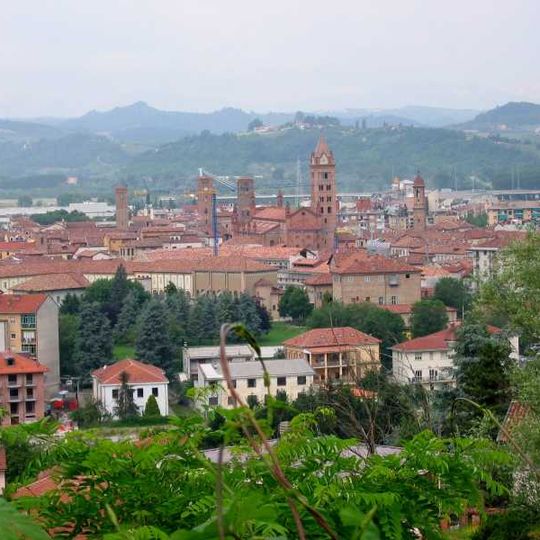
Alba, Medieval commune in Piedmont, Italy
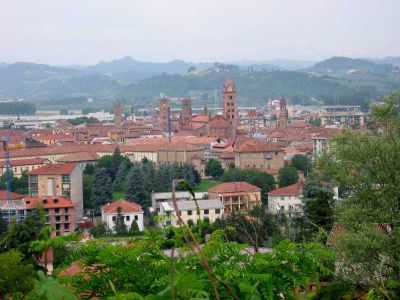
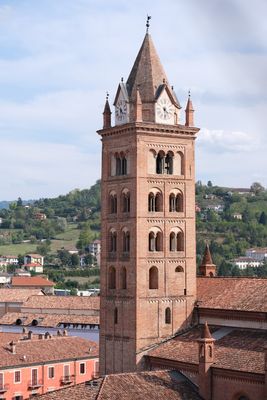
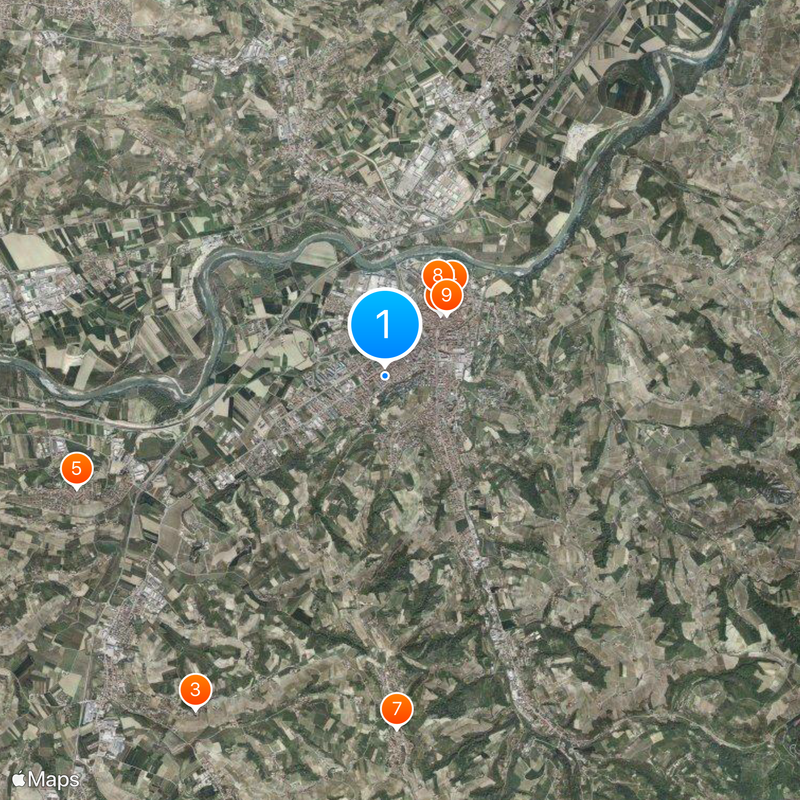
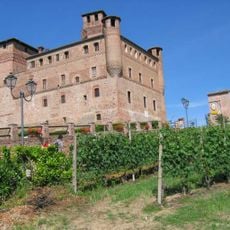
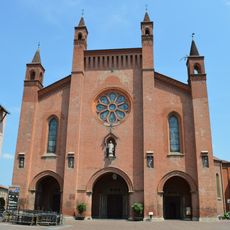
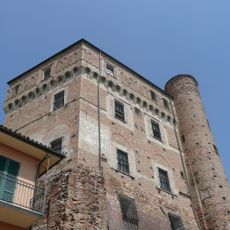
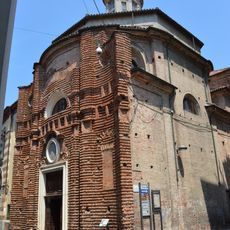
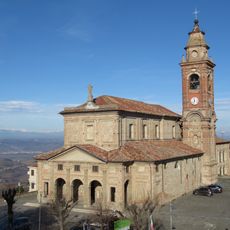
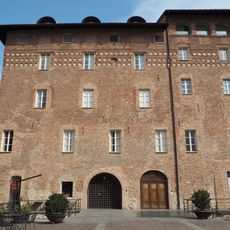
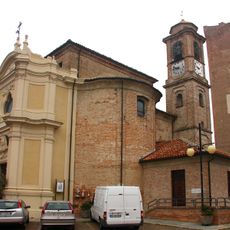
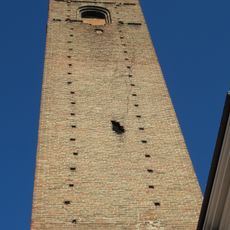
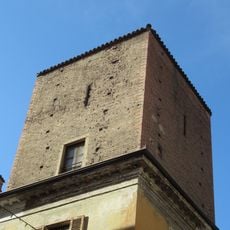
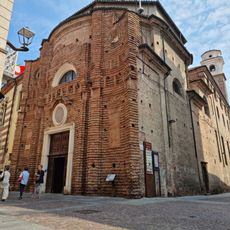
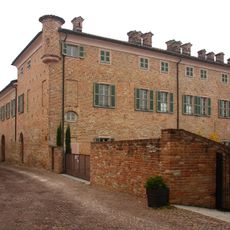
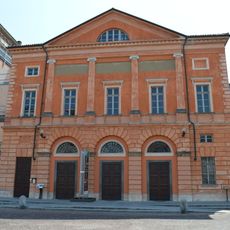
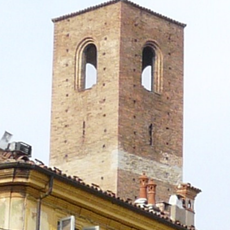
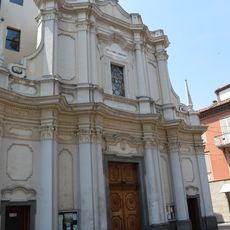
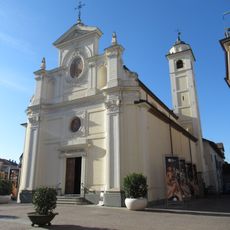
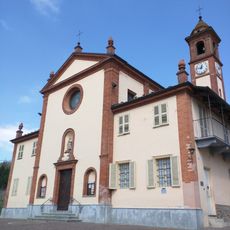
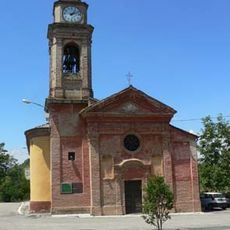
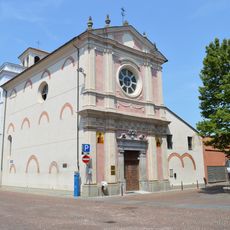
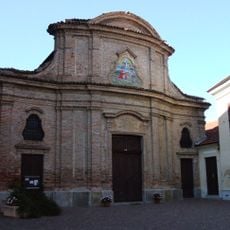
Alba is a commune in the Province of Cuneo in northwestern Italy, sitting along the Tanaro River at 172 meters above sea level. Around the historic center with its narrow lanes and tall brick facades, gentle hills covered with vineyards and small hamlets spread out toward the horizon.
The settlement was founded around 89 BCE by Roman consul Gnaeus Pompeius Strabo, who named it Alba Pompeia and positioned it on a major road between Turin and the coast. During the Middle Ages, control shifted several times among local noble families and neighboring cities, before the town later became part of the Kingdom of Sardinia.
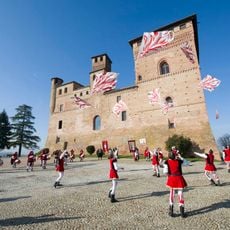
The name Alba comes from the Latin word for white, perhaps referring to the pale stone or the autumn fog that drifts through the Tanaro valley. Today, squares and narrow streets become a social hub during the October truffle fair, where locals and visitors gather around stalls and tasting counters.
The historic center is easy to explore on foot, with most points of interest within a 20-minute walk of each other. Many shops and eateries close for a few afternoon hours, so visiting in the morning or early evening often works better.
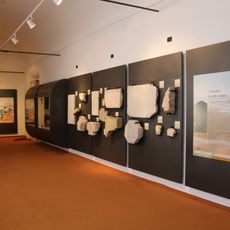
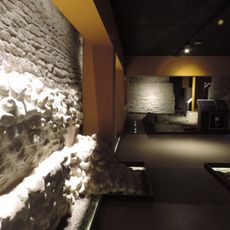
Beneath the town hall lie remains of a Roman amphitheater, whose foundations were uncovered during 20th-century excavations. Some sections of the ancient structure are now visible through glass panels set into the floor, offering a glimpse of the old construction.
The community of curious travelers
AroundUs brings together thousands of curated places, local tips, and hidden gems, enriched daily by 91,987 contributors worldwide.