Turin shows a mix of different times at every street corner, reflected in its buildings.
Turin sits along the Po River with hills rising on the horizon. The city combines Roman remains, baroque palaces, neoclassical churches and 20th-century buildings. Wide streets cross the center, arcades provide shade and shops line the sidewalks. Parks stretch along the riverbanks while basilicas and viewpoints occupy the hills above.
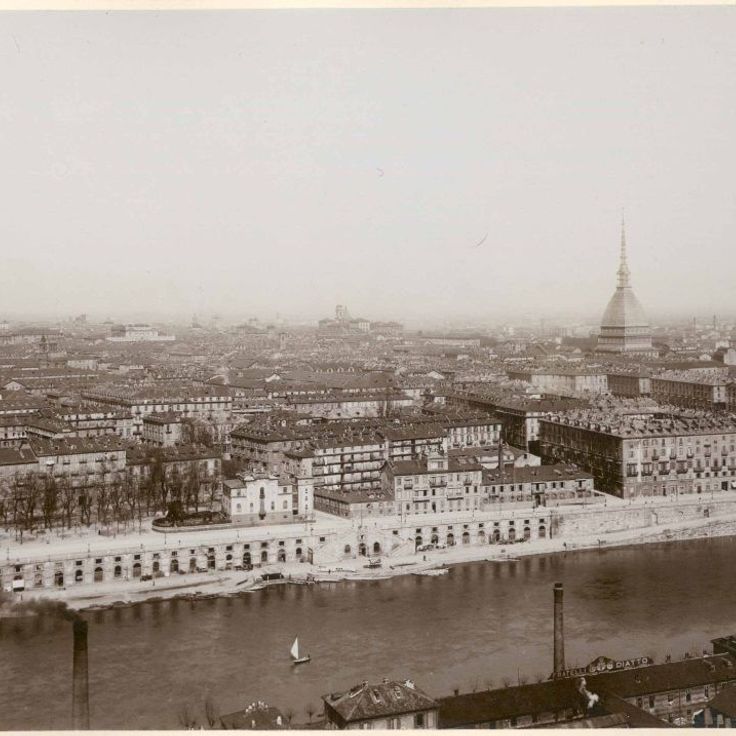
The Mole Antonelliana rises above the rooftops and now houses a museum. Piazza San Carlo and Piazza Castello are large open squares lined with cafés and historic facades. Valentino Park follows the river with paths, gardens and Castello del Valentino. The Palatine Towers show Roman walls, while Palazzo Madama blends medieval and baroque elements. The Royal Theatre and the Cathedral of San Giovanni Battista stand near the narrow lanes of the Quadrilatero Romano, where markets and small shops fill the streets. Via Roma connects shopping districts to Porta Nuova railway station. Mercato di Porta Palazzo is a large market with stalls full of food and everyday goods.
Turin shows a mix of different times at every street corner, reflected in its buildings.
Turin sits along the Po River with hills rising on the horizon. The city combines Roman remains, baroque palaces, neoclassical churches and 20th-century buildings. Wide streets cross the center, arcades provide shade and shops line the sidewalks. Parks stretch along the riverbanks while basilicas and viewpoints occupy the hills above.
The Mole Antonelliana rises above the rooftops and now houses a museum. Piazza San Carlo and Piazza Castello are large open squares lined with cafés and historic facades. Valentino Park follows the river with paths, gardens and Castello del Valentino. The Palatine Towers show Roman walls, while Palazzo Madama blends medieval and baroque elements. The Royal Theatre and the Cathedral of San Giovanni Battista stand near the narrow lanes of the Quadrilatero Romano, where markets and small shops fill the streets. Via Roma connects shopping districts to Porta Nuova railway station. Mercato di Porta Palazzo is a large market with stalls full of food and everyday goods.
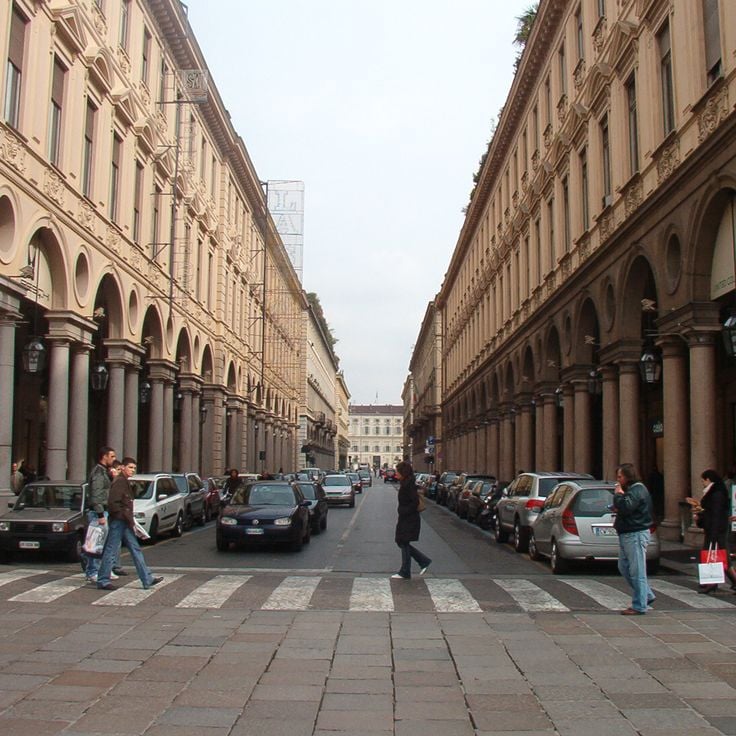
This central street crosses the old town from north to south, connecting Piazza Castello with Piazza San Carlo. Via Roma runs through long arcades with white columns and smooth arches built in the late nineteenth century. Under the arcades are shops of international brands, cafés and display windows. The floor is paved with large rectangular stone slabs. In the evening the storefronts light up the passages. Pedestrians move slowly, looking at the displays or sitting on the low benches along the walls.
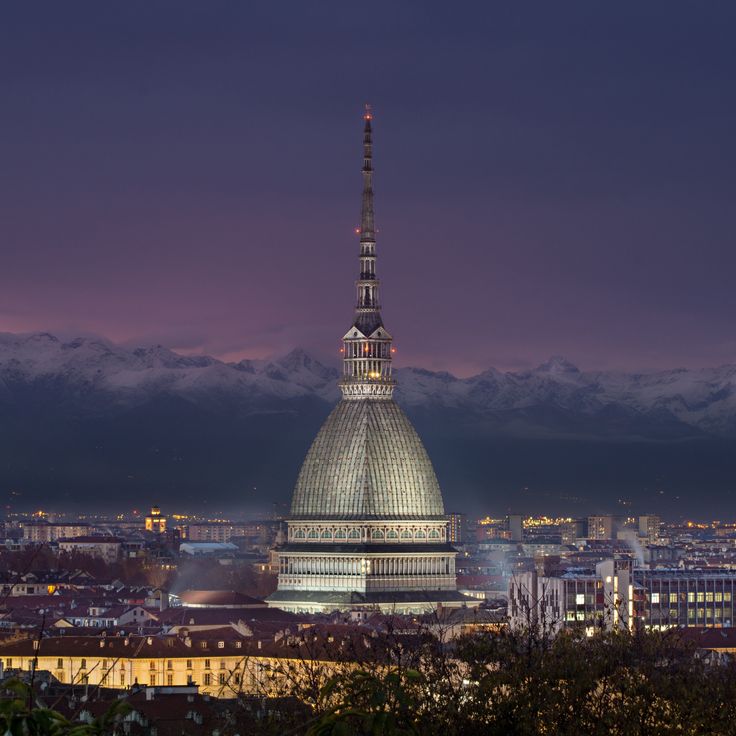
This tall tower stands in central Turin and houses the cinema museum. The collection shows cameras, projectors and props from different decades of film history. A glass elevator leads to the observation deck, where you can see the city, the surrounding hills and on clear days the Alps. The building was started in the 19th century and today attracts visitors interested in film technology or who want to enjoy the view over Turin.
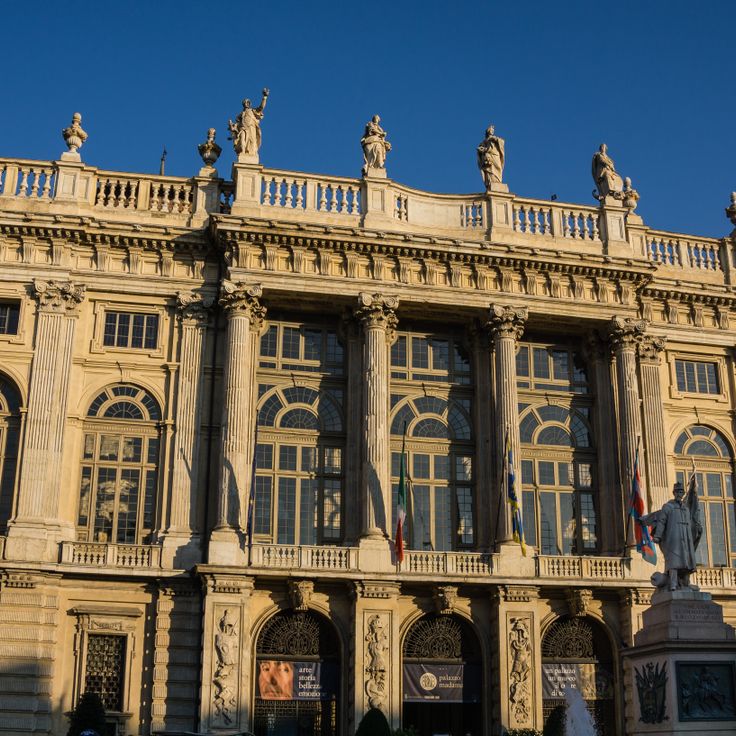
Palazzo Madama combines a medieval fortress with a baroque facade in the center of Turin. The building dates back to the 13th century, while the ornate front was added in the 18th century. Today this palace houses the Municipal Museum of Ancient Art with collections of sculpture, paintings, furniture and ceramics. The rooms display painted ceilings and historical interiors from different periods.
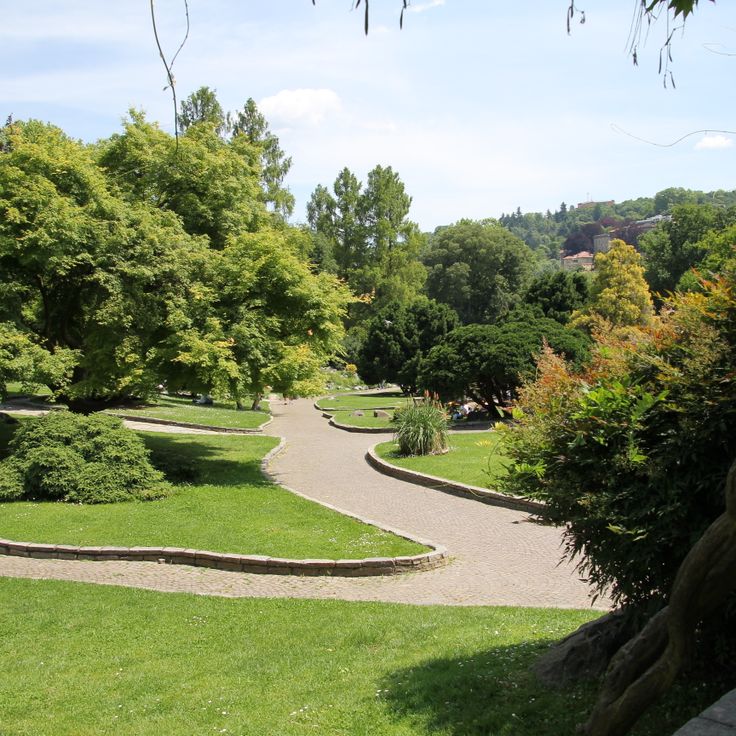
The park follows the Po River and was laid out in the nineteenth century for the people of Turin. Wide paths run through lawns and clusters of trees. The park holds a recreated medieval village and the university botanical gardens. The Castello del Valentino stands by the riverbank. Walkers, cyclists and families use the paths along the water and the green spaces under old trees.
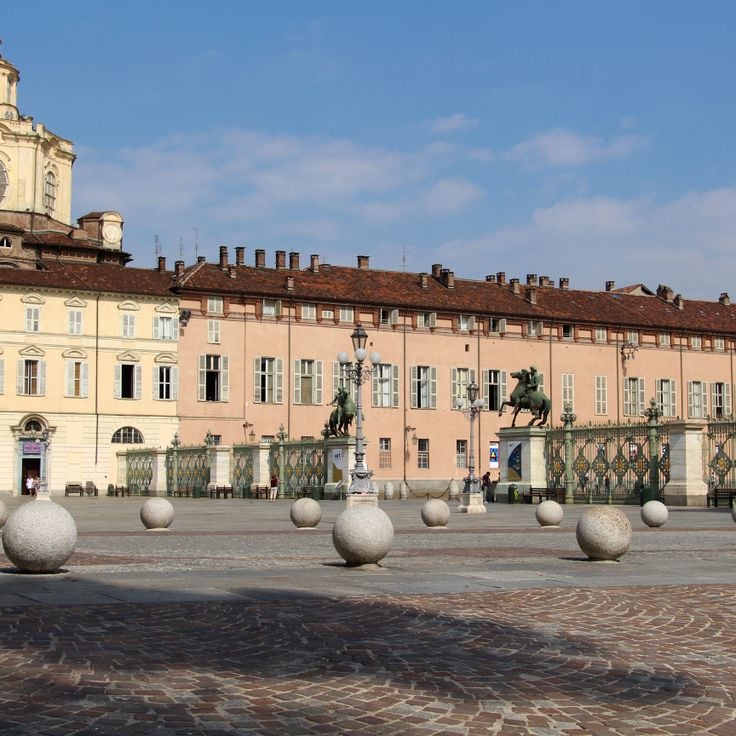
This central square connects several streets and feels open. Buildings with pale facades and arcades line the sides, providing shade. At the center stands Palazzo Madama, built over different periods. At one corner begins Palazzo Reale with its gardens. People cross the paving on foot, trams run along the edges. Cafés open under the arches. In the evening locals gather on benches or near the entrances. Photographers find light that changes with the time of day and architecture that spans several centuries.
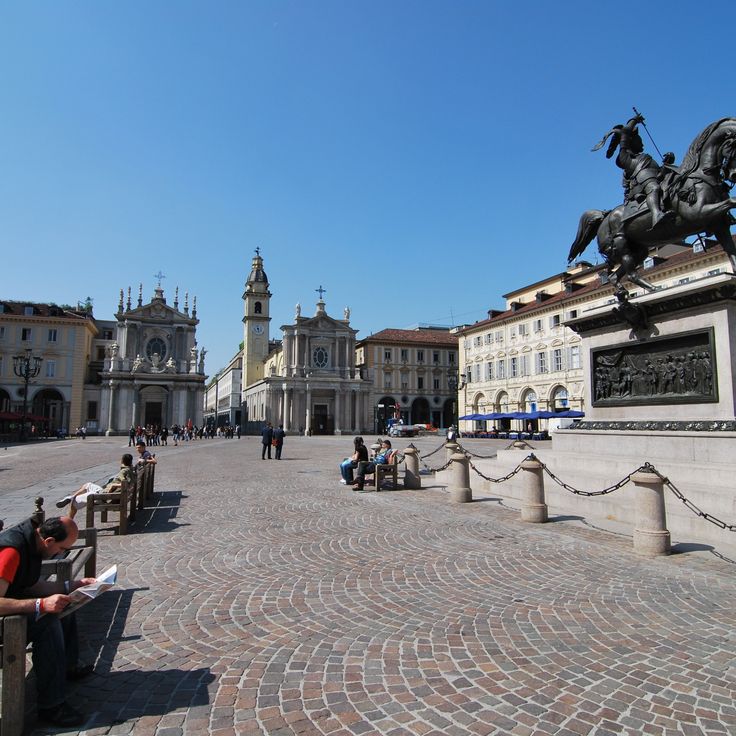
This 17th-century square shows baroque porticoes running along both sides. Two matching churches stand at the southern end. Historical cafes line up under the arcades, where people meet and linger. The open center serves for events and walks. Cobblestones cover the entire surface, surrounded by buildings from the same period. The architecture follows a symmetrical layout with uniform facades.
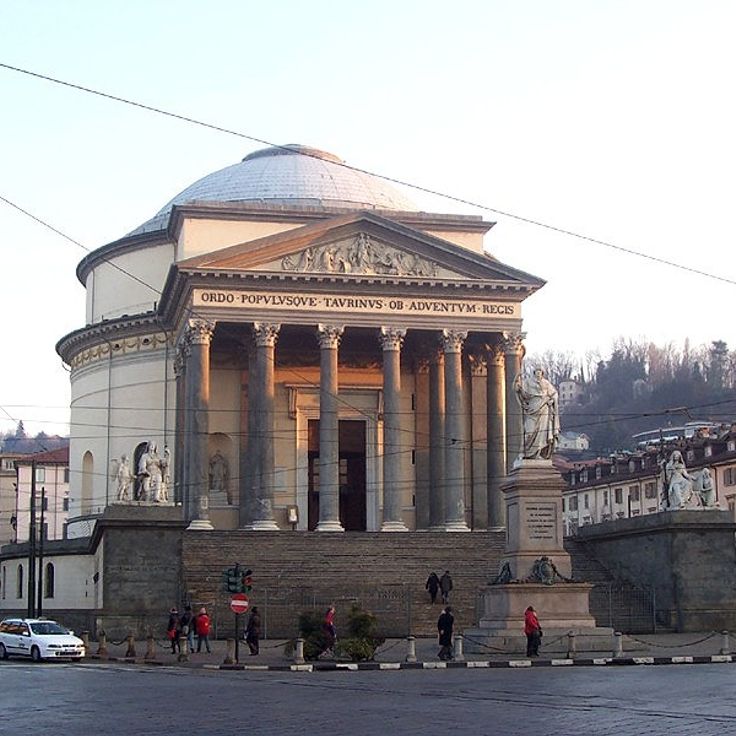
This church from the 1800s stands on the bank of the Po and presents a white facade, dome and columns. The neoclassical building was completed after the end of Napoleonic rule and is dedicated to the Mother of God. A wide staircase leads up to the portico, where Corinthian columns frame the entrance portal. From the square in front, you can see across the river to the old town with the Mole Antonelliana in the background. The Gran Madre di Dio is a good spot for capturing the Turin skyline and surrounding hills.
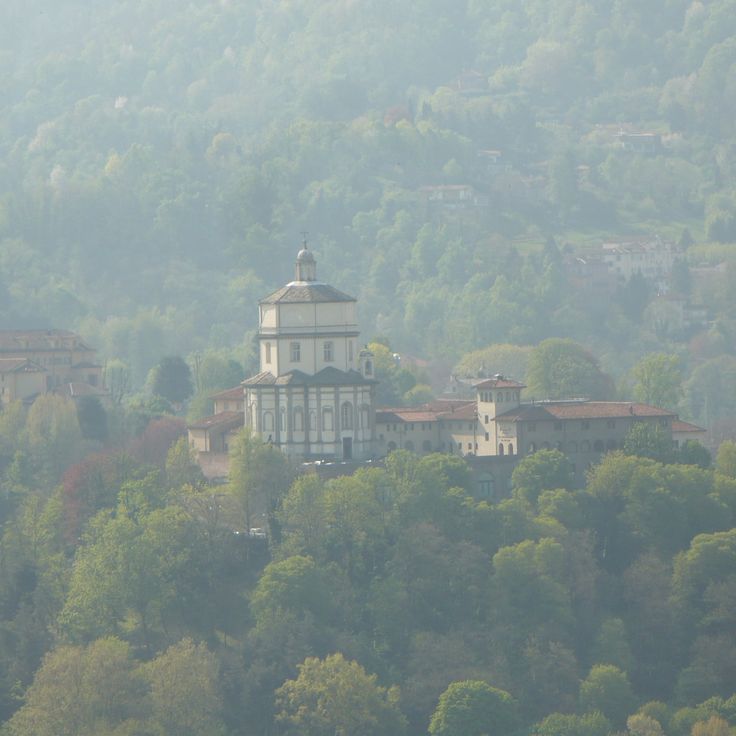
This 284-meter hill rises above the Po River and offers a complete view over Turin and the Alps beyond. From the top, the city spreads below with its rooftops, squares and the river winding through the plain. The church at the summit was built in the 16th century and serves as a landmark. A staircase leads up from the riverbank, making the climb accessible on foot. Many visitors arrive in late afternoon when the light softens over the mountains to the west. The location attracts photographers who want to capture the cityscape with the snow-capped peaks in the distance.
These 18th-century stone walls run along the Po and protect the city from flooding. The vaulted spaces beneath the walls house bars, restaurants and clubs that attract students and night owls after dark. The wide steps and terraces serve as meeting points during the day for relaxing by the river. In summer, people sit on the steps with drinks, watching the sunset over the water.
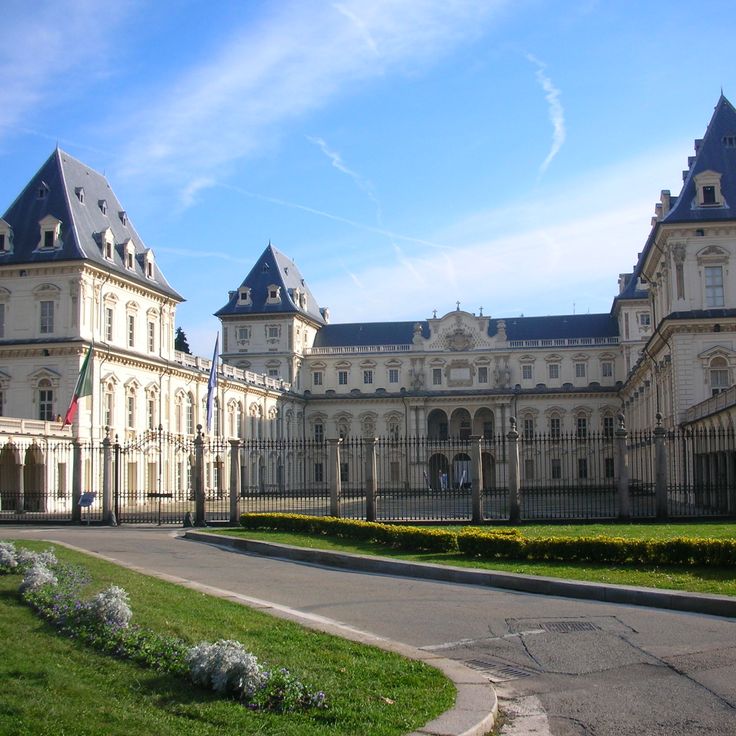
This 17th-century castle now houses the architecture faculty and stands along the banks of the Po. The baroque structure shows French influences through its towers and ornate facades. The inner courtyard and surrounding gardens connect to Parco del Valentino, forming a frame for the building. From here, views open onto the river and the landscape beyond.
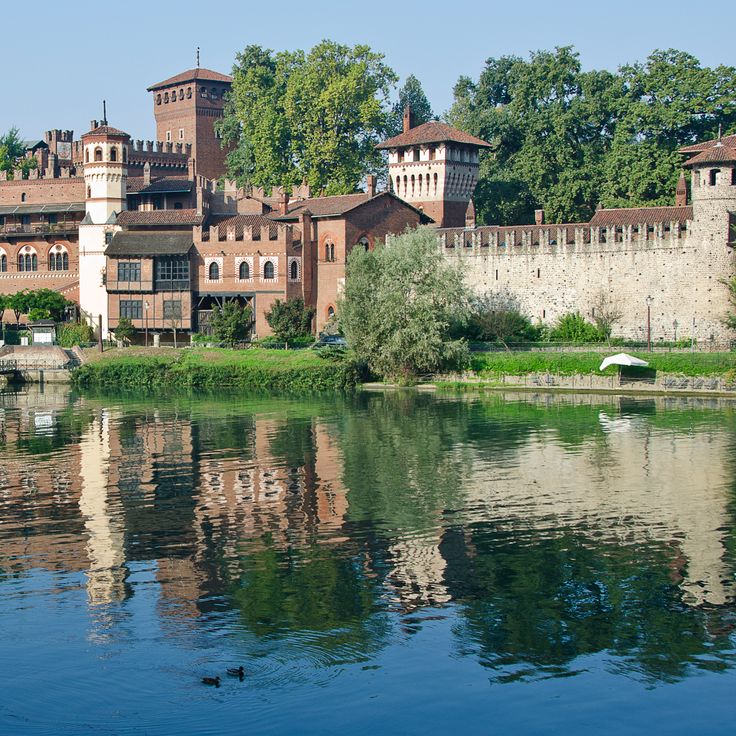
This replica of a medieval settlement from 1884 shows architecture from the 15th century in Piedmont and the Aosta Valley. The Borgo Medievale sits along the Po River and serves as a backdrop for photographers interested in historic buildings. The facades, towers and inner courtyards recall villages in the region and form a quiet contrast to the modern city. Visitors find craft shops, narrow lanes and a small garden that recreates the rural setting of the past.
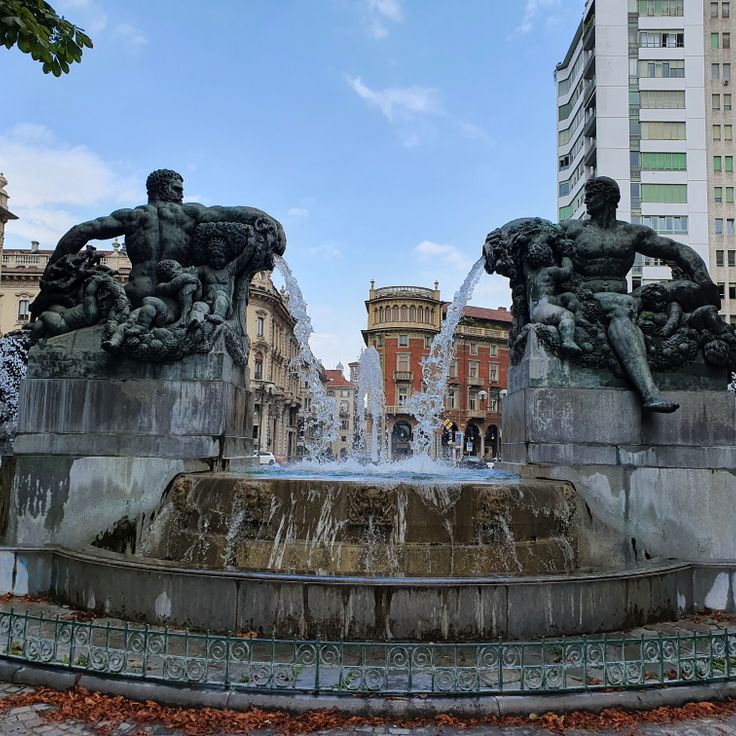
This fountain from 1930 shows four female figures representing the seasons. The Fontana Angelica belongs to the photography sites in Turin that document the neoclassical and baroque elements of the city. The fountain sits in the urban space between historic palaces and public squares, where water and sculpture complement the architectural heritage.
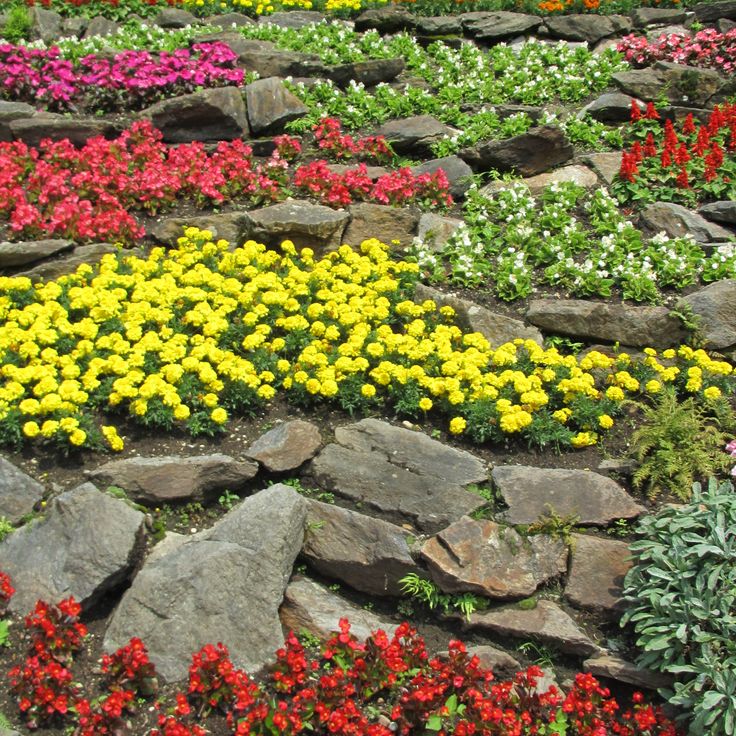
This rock garden in Parco del Valentino displays over 400 plant species among natural stone formations and water features. Winding paths lead through the grounds, where alpine and Mediterranean vegetation grow side by side. The planting follows the natural terrain and creates different microclimates. Visitors find shaded areas under trees and open sections with stone arrangements. The grounds connect botanical variety with the park landscape along the Po River.
This district from the 1st century BC shows a regular street grid from Roman times. Today, restaurants, shops and cafes occupy the area and bring it to life. The ancient structure remains visible in the urban layout, and the streets connect the surrounding squares. The Quadrilatero Romano offers insight into the early history of Turin while serving as a lively photography spot with historical background and everyday life in the present.
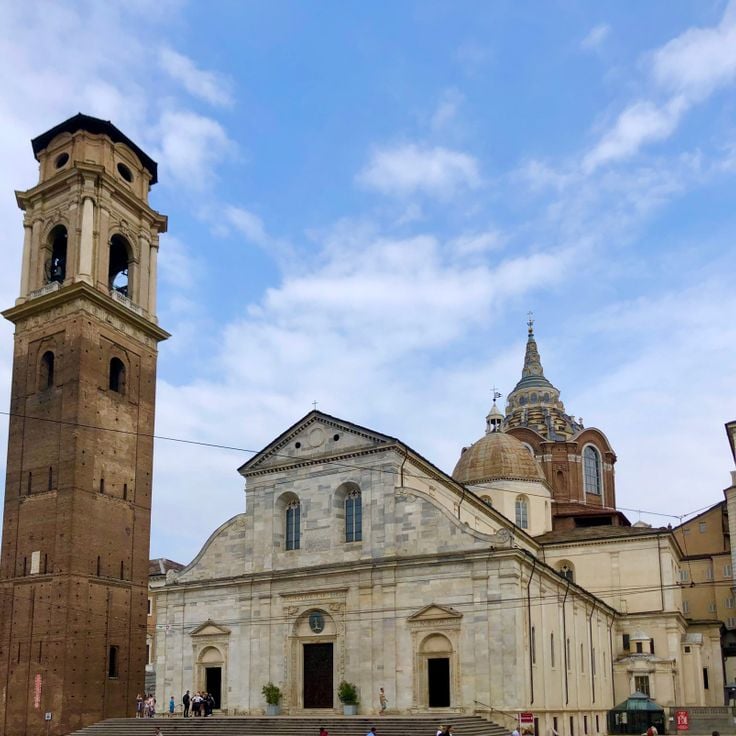
This cathedral from the 15th century keeps the Shroud of Turin in a dedicated chapel. The building combines Renaissance forms with later additions from the Baroque period. Three portals lead inside, where columns and arches alternate. The white marble facade stands next to remains of Roman structures. Visitors find a quiet place in the city center, where religious tradition and history meet.
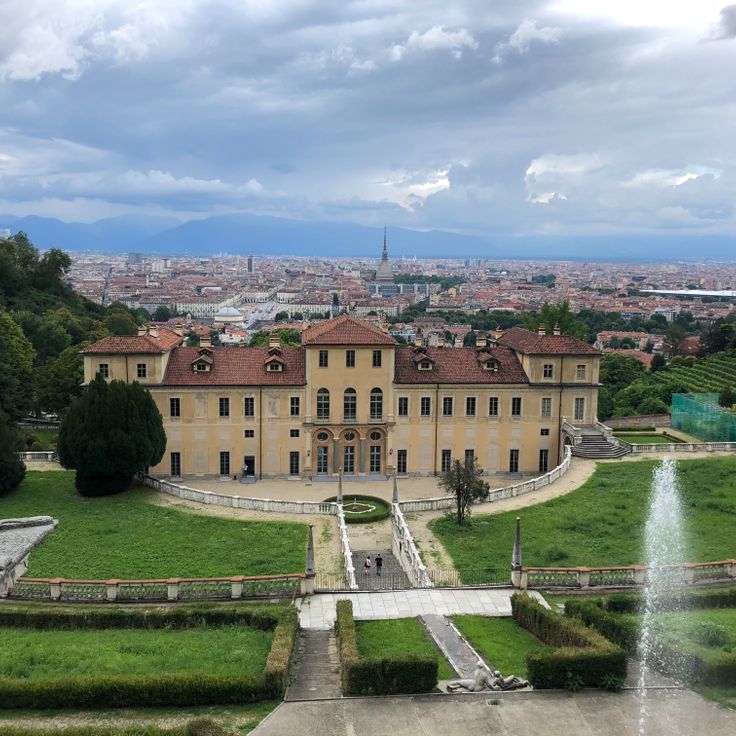
This 17th-century residence sits on the hillside above the city, combining architectural elements with landscaped outdoor areas. Villa della Regina features interior rooms with original frescoes and furnishings that reflect the baroque style of the period. The Italian gardens extend across terraced levels, offering vineyards, fountains and walking paths. From the upper terraces, views stretch over rooftops toward the mountains. The rooms are decorated with period details and stucco work, while the gardens alternate between geometric beds and green alcoves.
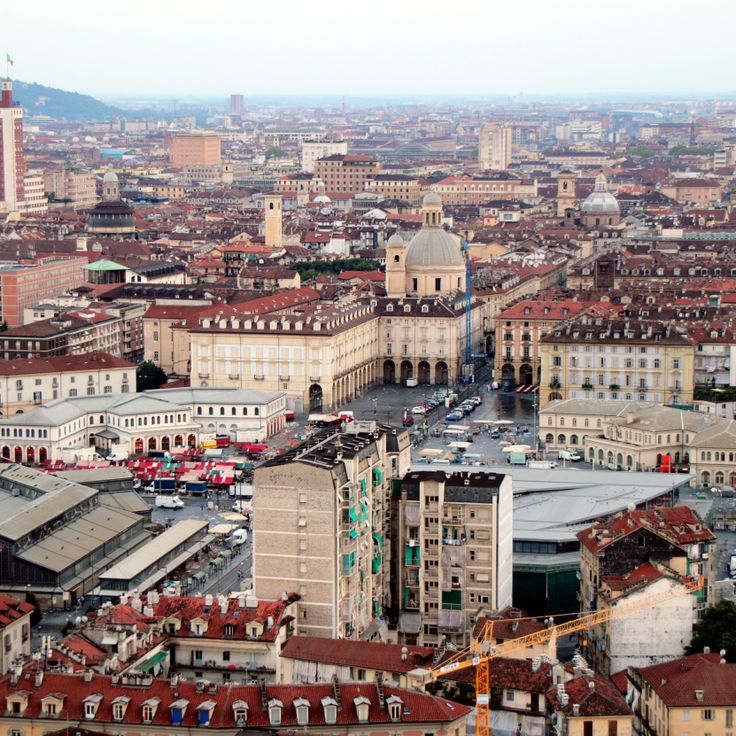
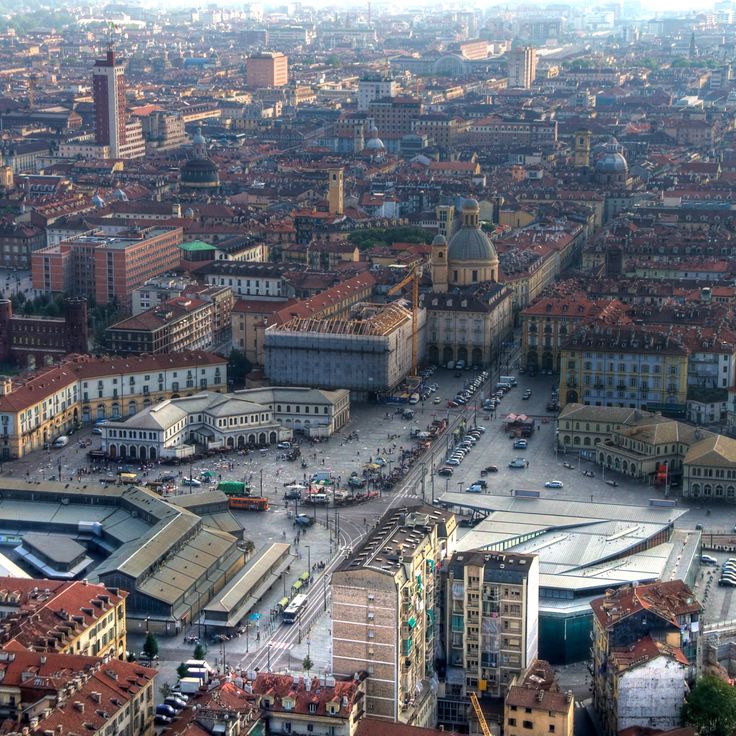
This market extends across an area the size of more than eight football fields. Six mornings each week, vendors and shoppers crowd between stalls selling fruit, vegetables, cheese, meat and textiles. The square fills with loud voices, the smell of fresh produce and colorful displays under the awnings during early morning hours.
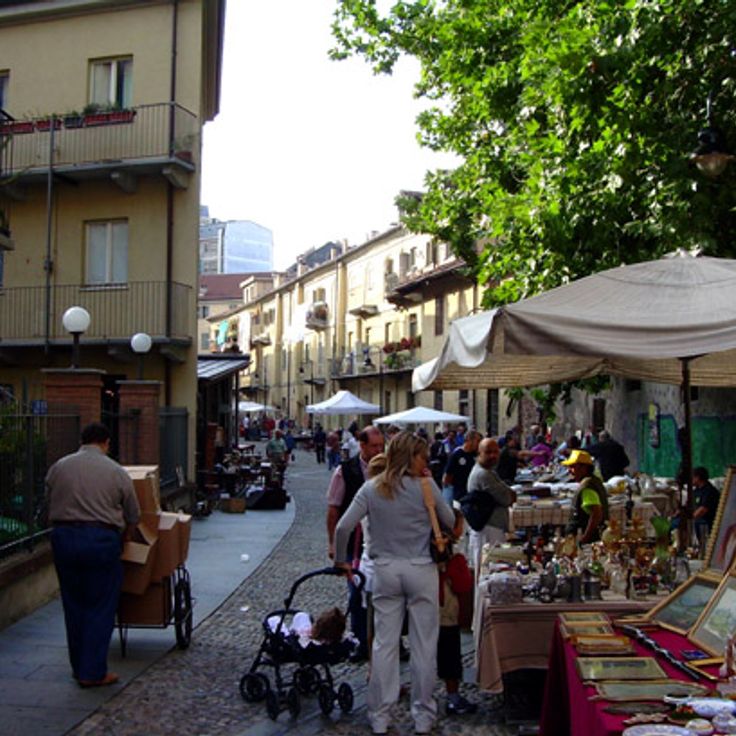
This market spreads through the old neighborhood every Saturday, turning the streets into a large open-air bazaar. Around 250 stalls offer antique furniture, used books, records, ceramics, tools and all kinds of collectibles. Vendors and visitors negotiate directly on the pavement, surrounded by historic buildings. The atmosphere recalls a traditional flea market, where people browse through boxes and displays. The Balon has been held for generations and attracts locals as well as travelers looking for old objects or souvenirs. For photography, the market offers scenes of everyday life, portraits of vendors and details of items that tell stories from past decades. The market takes place in the Borgo Dora district, which is worth visiting even outside market days.
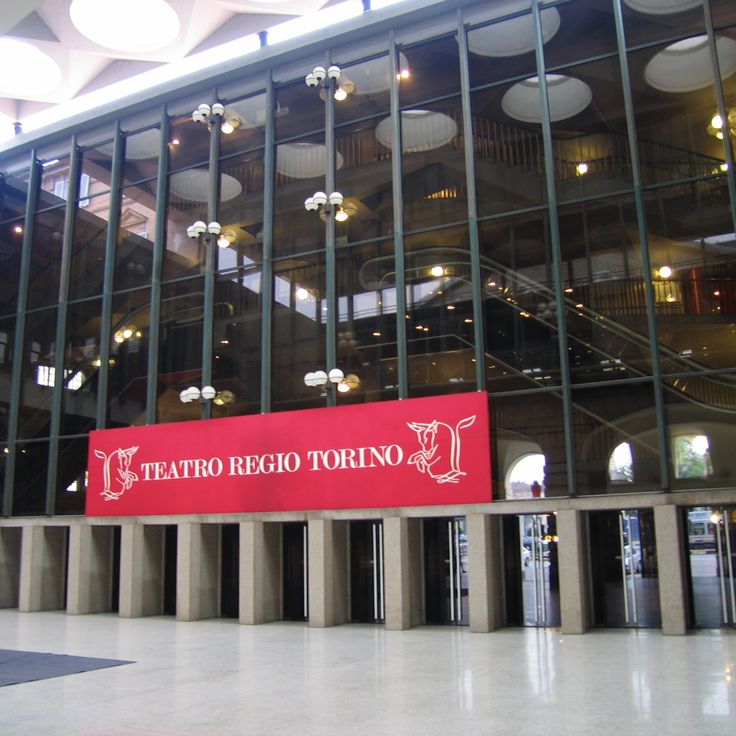
This opera house in Turin presents classical and modern operas in a historical building with red velvet seats. The concert hall offers regular performances of opera, ballet and orchestral music. The rooms display gilded decorations, multiple balconies and a painted ceiling. The theater sits near Piazza Castello in the center of the city. Visitors can attend guided tours that pass through the performance spaces and behind the stage. The season runs from autumn to spring with rotating programs.
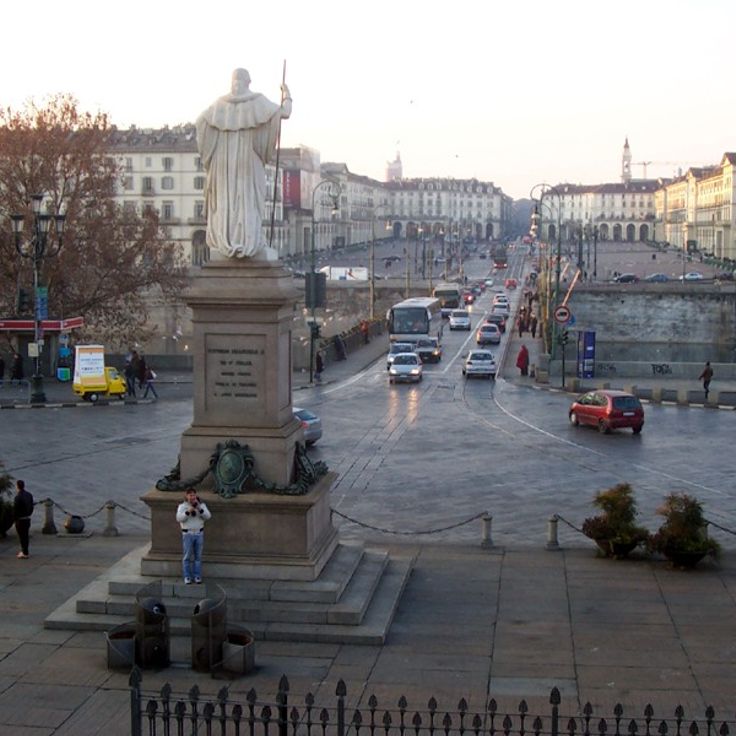
This piazza connects the old town to the banks of the Po and ranks among the largest arcaded squares in Europe. The arches frame cafes and restaurants with tables spreading across the sidewalks. In the evening, locals and visitors gather here to take in the view of the hills or head toward the riverside nightlife district. The terraces fill up quickly in good weather, while a steady flow of people passes under the arcades.
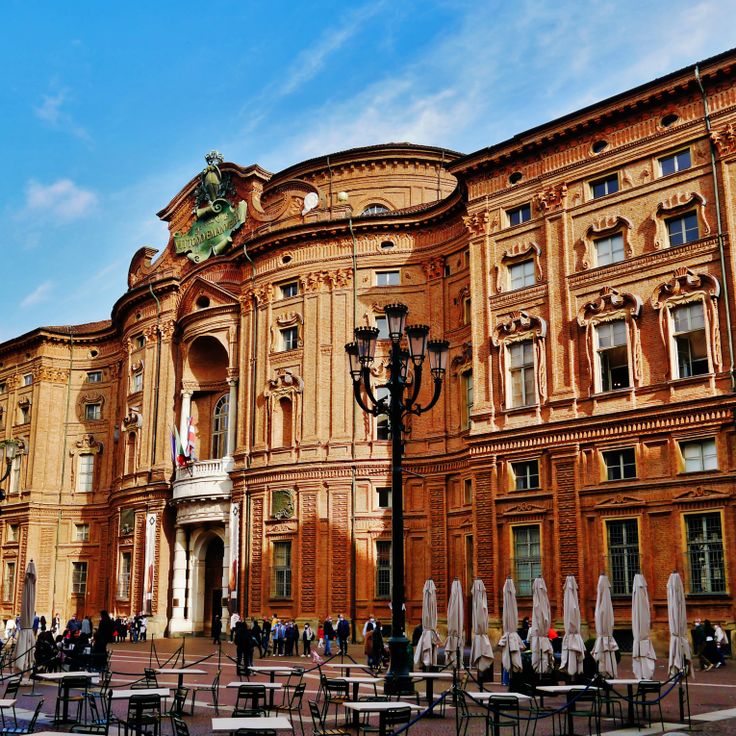
This 17th-century palace houses the Museum of Italian Risorgimento and displays a red brick facade. The curved frontage combines baroque ornamentation with terracotta decorations. The inner courtyard leads to halls where documents, paintings and objects tell the story of Italian unification. The rooms preserve stucco work, frescoes and historical furnishings.
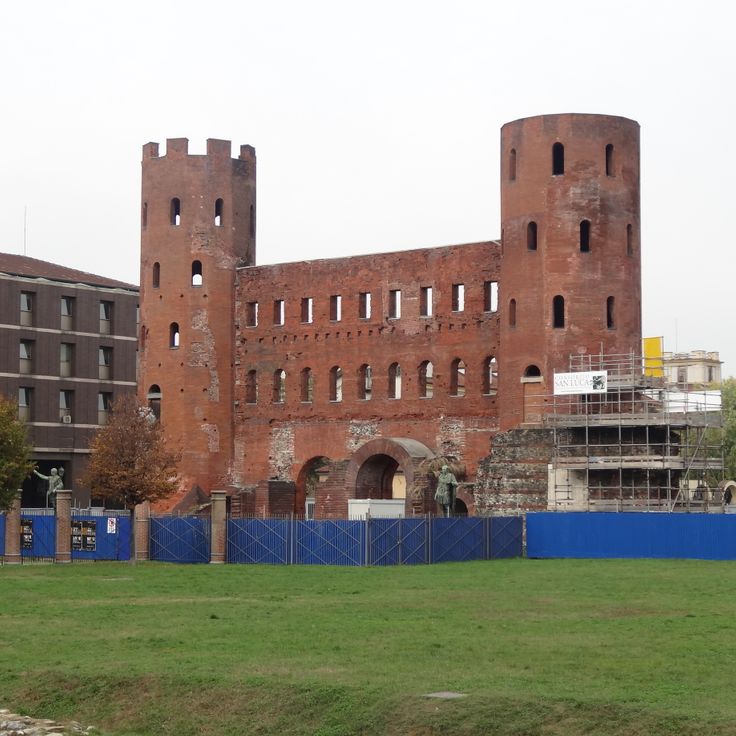
These Roman towers from the first century mark the entrance to the ancient city of Augusta Taurinorum and stand among the best preserved Roman structures in northern Italy. The two towers flank a central gate and still show the original brick construction. Visitors can walk through the arches and observe the massive walls up close, while the surrounding archaeological area displays remains of the Roman city wall.
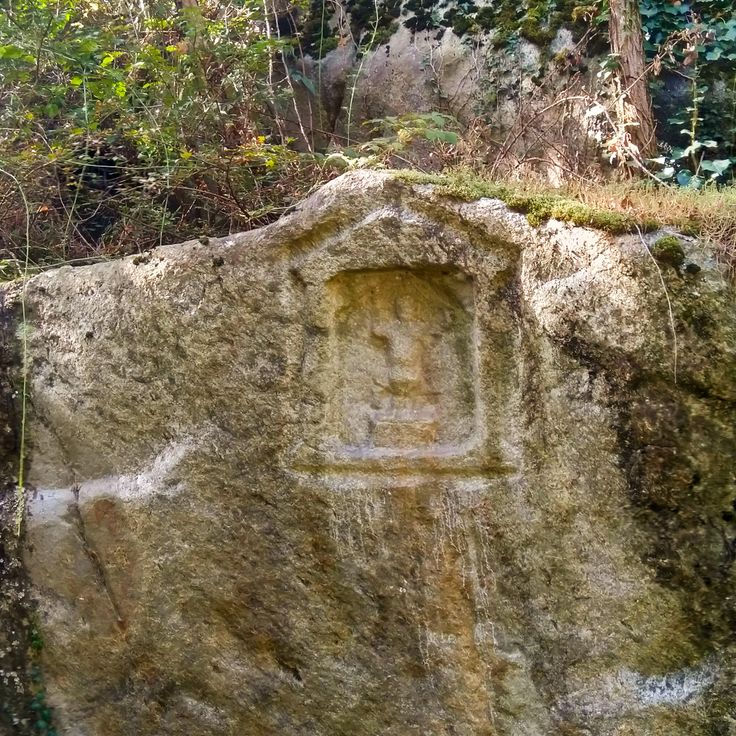
These stone reliefs from the 11th century show Islamic motifs and document the cultural exchange of this region. The carvings represent rare medieval evidence of Eastern influences in northern Italy and form an unusual photographic subject in the Turin area. The reliefs are located in Borgone Susa, a town in the Susa Valley west of the city.
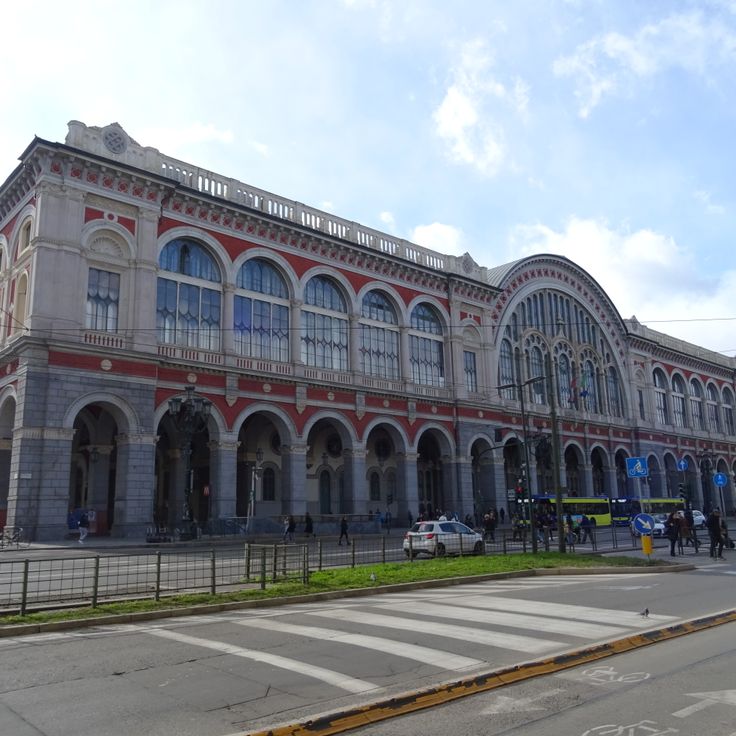
This station is the main transport center of Turin and displays a historical facade from the 19th century. The large entrance hall contains shops and restaurants where travelers arrive, depart or spend waiting time. The station connects the city to national and international destinations and forms a central point for visitors exploring Turin. Railway tracks converge from all directions, and the building joins old architecture with modern railway operations. For photography, the facade and the busy interior offer many subjects.
The Turin Eye rises up to 150 meters and offers a full view over the city and the Alps. This tethered balloon floats in a calm ascent above the urban landscape and shows the Baroque rooftops, the bends of the Po River, the green hills around the city and the mountain range on the horizon. On clear days the view reaches far beyond the borders of the town. The balloon lifts off from Parco del Valentino, one of the largest green spaces in the city. The ride lasts a few minutes and is attached to a steel cable that keeps the balloon safely grounded. Visitors gain insight into the structure of the city, the layout of the streets and the distribution of the buildings.
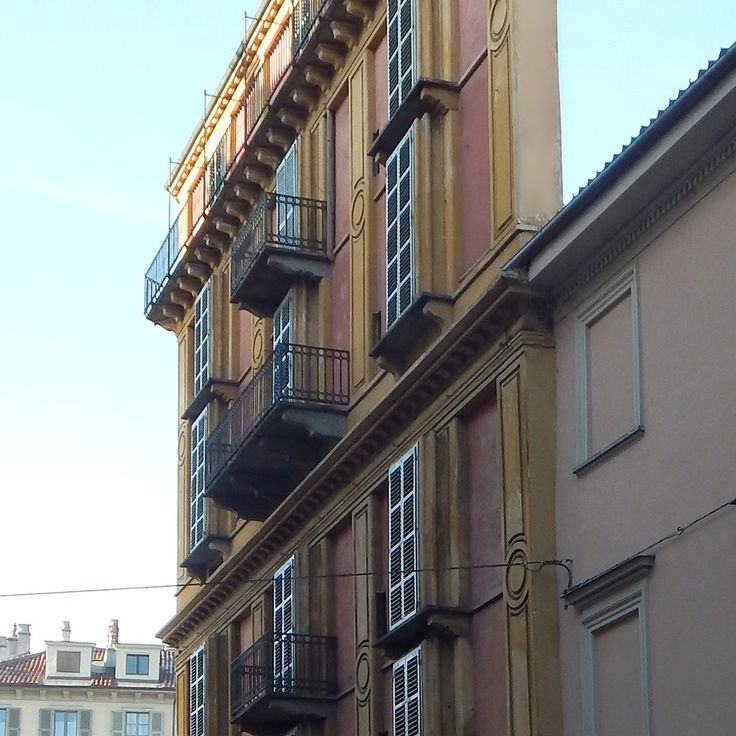
This narrow residential building from 1840 stands wedged between larger structures like a thin slice pressed into a tight gap. The yellow facade catches your eye as you walk down the street. At its narrowest point, the building measures only about one meter (3 feet) across. The unusual shape came about because the architect used a small plot of land squeezed between two existing buildings. Today the Fetta di Polenta is a well-known example of creative architecture in Turin, showing how builders adapted to difficult urban conditions. The building is still home to residents and stands as a reminder of past inventiveness.
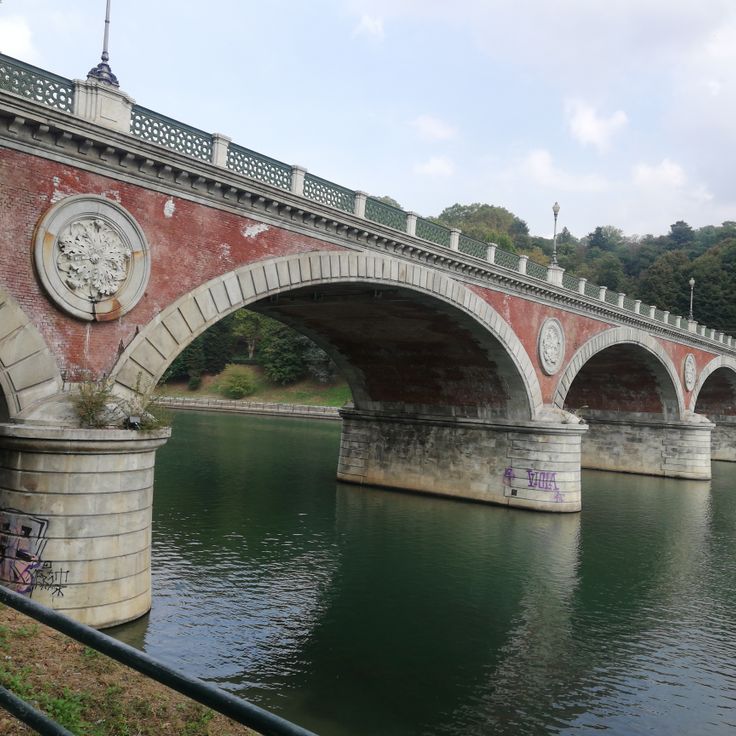
This 19th century bridge connects the city center with the Turin hills. Three stone arches span the Po. The structure works well for shots of the river landscape and the hills beyond. From here you see the water, both banks and the green ridges in the background.
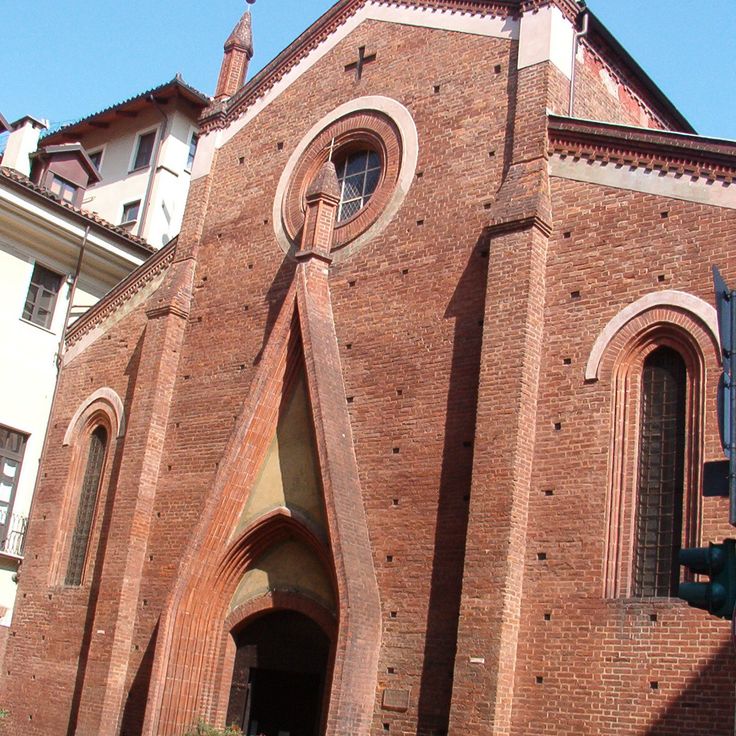
This basilica from the 13th century combines Romanesque and Gothic architectural elements with Baroque additions from later centuries, making it a layered photography subject in Turin.
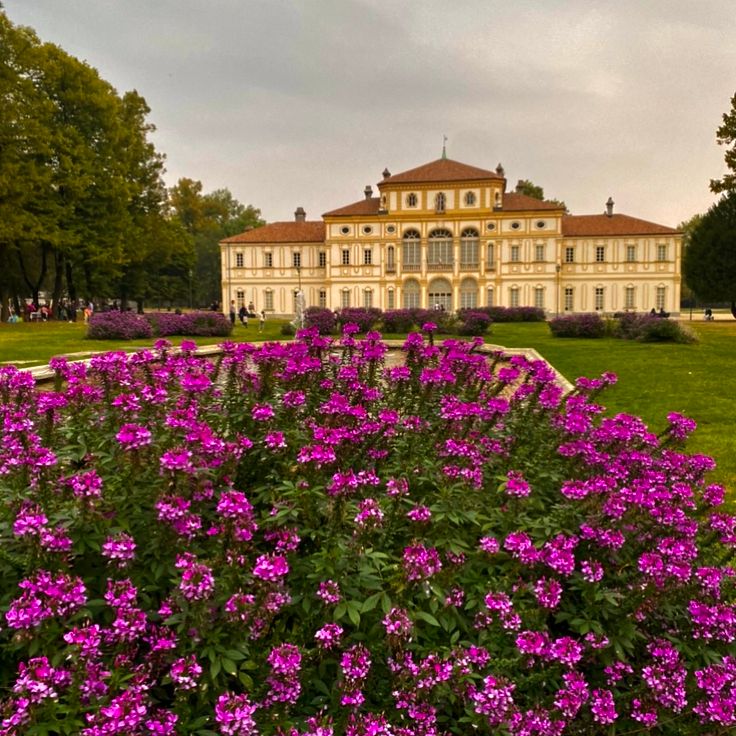
This park sits in western Turin and combines historic architecture with public green space. The grounds hold an 18th century villa surrounded by geometric gardens and water features. Old trees provide shade over wide paths, while small ponds and channels run through the layout. Residents use the park for walking, reading, or taking short breaks under the trees. The villa and its surroundings show baroque design principles that now serve as a quiet alternative to the busy streets of Turin. Photo opportunities arise from the interplay between architecture, water, and maintained greenery.
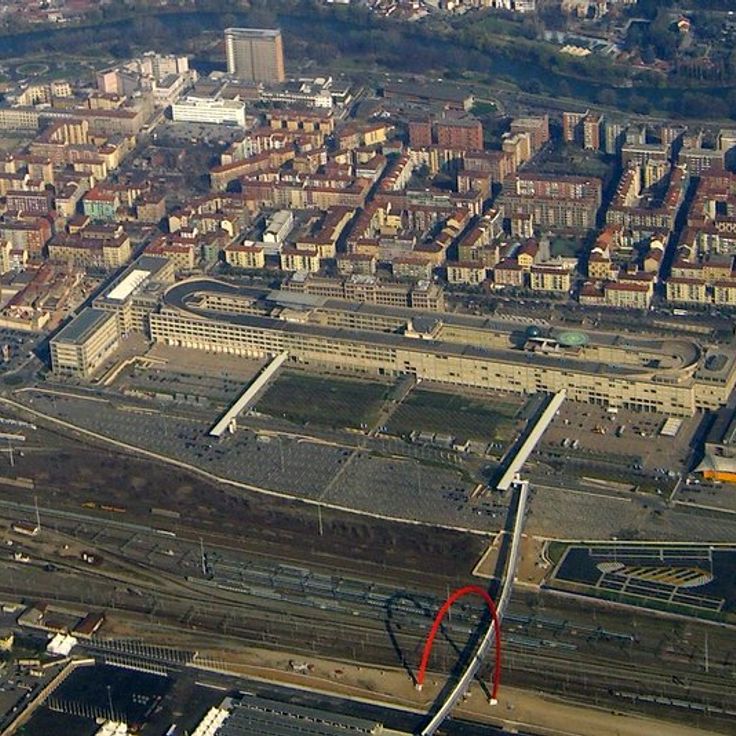
The Fiat Lingotto Factory was built in 1923 as a car production plant and brought a new kind of industry to Turin. The building rises five stories and carries an oval test track on its roof, where vehicles once completed their circuits. This track sits several meters above street level and gives a broad view over the city and the mountains. Today the factory holds shops, a congress center and exhibition spaces. The architecture shows the industrial past with long halls, large windows and open rooms. Visitors can walk through the corridors and explore the structure that once employed thousands of workers. For photographers in Turin, the factory offers lines, perspectives and the meeting of old industry with new use.
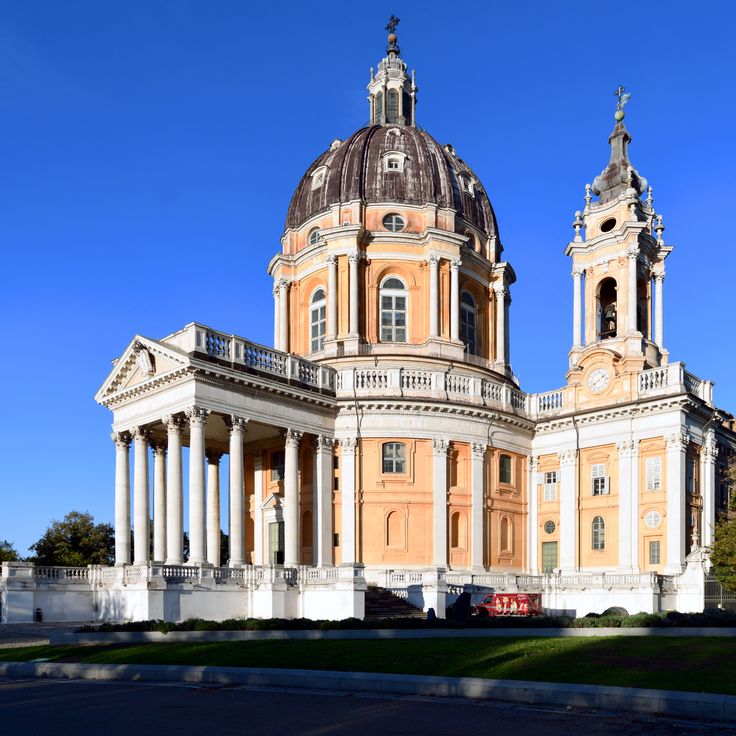
The Basilica of Superga rises at 672 meters above sea level and offers views across Turin and the Alps. This 18th-century church was built on a hilltop and can be reached by a historic rack railway. The facade displays baroque architecture with a central dome and two bell towers. Inside are the royal tombs of the House of Savoy. The surroundings allow for photographs of the city skyline against the Alpine backdrop. On clear days, visibility extends to Monte Rosa. The site combines religious architecture with landscape photography.
This central street crosses the old town from north to south, connecting Piazza Castello with Piazza San Carlo. Via Roma runs through long arcades with white columns and smooth arches built in the late nineteenth century. Under the arcades are shops of international brands, cafés and display windows. The floor is paved with large rectangular stone slabs. In the evening the storefronts light up the passages. Pedestrians move slowly, looking at the displays or sitting on the low benches along the walls.
This tall tower stands in central Turin and houses the cinema museum. The collection shows cameras, projectors and props from different decades of film history. A glass elevator leads to the observation deck, where you can see the city, the surrounding hills and on clear days the Alps. The building was started in the 19th century and today attracts visitors interested in film technology or who want to enjoy the view over Turin.
Palazzo Madama combines a medieval fortress with a baroque facade in the center of Turin. The building dates back to the 13th century, while the ornate front was added in the 18th century. Today this palace houses the Municipal Museum of Ancient Art with collections of sculpture, paintings, furniture and ceramics. The rooms display painted ceilings and historical interiors from different periods.
The park follows the Po River and was laid out in the nineteenth century for the people of Turin. Wide paths run through lawns and clusters of trees. The park holds a recreated medieval village and the university botanical gardens. The Castello del Valentino stands by the riverbank. Walkers, cyclists and families use the paths along the water and the green spaces under old trees.
This central square connects several streets and feels open. Buildings with pale facades and arcades line the sides, providing shade. At the center stands Palazzo Madama, built over different periods. At one corner begins Palazzo Reale with its gardens. People cross the paving on foot, trams run along the edges. Cafés open under the arches. In the evening locals gather on benches or near the entrances. Photographers find light that changes with the time of day and architecture that spans several centuries.
This 17th-century square shows baroque porticoes running along both sides. Two matching churches stand at the southern end. Historical cafes line up under the arcades, where people meet and linger. The open center serves for events and walks. Cobblestones cover the entire surface, surrounded by buildings from the same period. The architecture follows a symmetrical layout with uniform facades.
This church from the 1800s stands on the bank of the Po and presents a white facade, dome and columns. The neoclassical building was completed after the end of Napoleonic rule and is dedicated to the Mother of God. A wide staircase leads up to the portico, where Corinthian columns frame the entrance portal. From the square in front, you can see across the river to the old town with the Mole Antonelliana in the background. The Gran Madre di Dio is a good spot for capturing the Turin skyline and surrounding hills.
This 284-meter hill rises above the Po River and offers a complete view over Turin and the Alps beyond. From the top, the city spreads below with its rooftops, squares and the river winding through the plain. The church at the summit was built in the 16th century and serves as a landmark. A staircase leads up from the riverbank, making the climb accessible on foot. Many visitors arrive in late afternoon when the light softens over the mountains to the west. The location attracts photographers who want to capture the cityscape with the snow-capped peaks in the distance.
These 18th-century stone walls run along the Po and protect the city from flooding. The vaulted spaces beneath the walls house bars, restaurants and clubs that attract students and night owls after dark. The wide steps and terraces serve as meeting points during the day for relaxing by the river. In summer, people sit on the steps with drinks, watching the sunset over the water.
This 17th-century castle now houses the architecture faculty and stands along the banks of the Po. The baroque structure shows French influences through its towers and ornate facades. The inner courtyard and surrounding gardens connect to Parco del Valentino, forming a frame for the building. From here, views open onto the river and the landscape beyond.
This replica of a medieval settlement from 1884 shows architecture from the 15th century in Piedmont and the Aosta Valley. The Borgo Medievale sits along the Po River and serves as a backdrop for photographers interested in historic buildings. The facades, towers and inner courtyards recall villages in the region and form a quiet contrast to the modern city. Visitors find craft shops, narrow lanes and a small garden that recreates the rural setting of the past.
This fountain from 1930 shows four female figures representing the seasons. The Fontana Angelica belongs to the photography sites in Turin that document the neoclassical and baroque elements of the city. The fountain sits in the urban space between historic palaces and public squares, where water and sculpture complement the architectural heritage.
This rock garden in Parco del Valentino displays over 400 plant species among natural stone formations and water features. Winding paths lead through the grounds, where alpine and Mediterranean vegetation grow side by side. The planting follows the natural terrain and creates different microclimates. Visitors find shaded areas under trees and open sections with stone arrangements. The grounds connect botanical variety with the park landscape along the Po River.
This district from the 1st century BC shows a regular street grid from Roman times. Today, restaurants, shops and cafes occupy the area and bring it to life. The ancient structure remains visible in the urban layout, and the streets connect the surrounding squares. The Quadrilatero Romano offers insight into the early history of Turin while serving as a lively photography spot with historical background and everyday life in the present.
This cathedral from the 15th century keeps the Shroud of Turin in a dedicated chapel. The building combines Renaissance forms with later additions from the Baroque period. Three portals lead inside, where columns and arches alternate. The white marble facade stands next to remains of Roman structures. Visitors find a quiet place in the city center, where religious tradition and history meet.
This 17th-century residence sits on the hillside above the city, combining architectural elements with landscaped outdoor areas. Villa della Regina features interior rooms with original frescoes and furnishings that reflect the baroque style of the period. The Italian gardens extend across terraced levels, offering vineyards, fountains and walking paths. From the upper terraces, views stretch over rooftops toward the mountains. The rooms are decorated with period details and stucco work, while the gardens alternate between geometric beds and green alcoves.
This market extends across an area the size of more than eight football fields. Six mornings each week, vendors and shoppers crowd between stalls selling fruit, vegetables, cheese, meat and textiles. The square fills with loud voices, the smell of fresh produce and colorful displays under the awnings during early morning hours.
This market spreads through the old neighborhood every Saturday, turning the streets into a large open-air bazaar. Around 250 stalls offer antique furniture, used books, records, ceramics, tools and all kinds of collectibles. Vendors and visitors negotiate directly on the pavement, surrounded by historic buildings. The atmosphere recalls a traditional flea market, where people browse through boxes and displays. The Balon has been held for generations and attracts locals as well as travelers looking for old objects or souvenirs. For photography, the market offers scenes of everyday life, portraits of vendors and details of items that tell stories from past decades. The market takes place in the Borgo Dora district, which is worth visiting even outside market days.
This opera house in Turin presents classical and modern operas in a historical building with red velvet seats. The concert hall offers regular performances of opera, ballet and orchestral music. The rooms display gilded decorations, multiple balconies and a painted ceiling. The theater sits near Piazza Castello in the center of the city. Visitors can attend guided tours that pass through the performance spaces and behind the stage. The season runs from autumn to spring with rotating programs.
This piazza connects the old town to the banks of the Po and ranks among the largest arcaded squares in Europe. The arches frame cafes and restaurants with tables spreading across the sidewalks. In the evening, locals and visitors gather here to take in the view of the hills or head toward the riverside nightlife district. The terraces fill up quickly in good weather, while a steady flow of people passes under the arcades.
This 17th-century palace houses the Museum of Italian Risorgimento and displays a red brick facade. The curved frontage combines baroque ornamentation with terracotta decorations. The inner courtyard leads to halls where documents, paintings and objects tell the story of Italian unification. The rooms preserve stucco work, frescoes and historical furnishings.
These Roman towers from the first century mark the entrance to the ancient city of Augusta Taurinorum and stand among the best preserved Roman structures in northern Italy. The two towers flank a central gate and still show the original brick construction. Visitors can walk through the arches and observe the massive walls up close, while the surrounding archaeological area displays remains of the Roman city wall.
These stone reliefs from the 11th century show Islamic motifs and document the cultural exchange of this region. The carvings represent rare medieval evidence of Eastern influences in northern Italy and form an unusual photographic subject in the Turin area. The reliefs are located in Borgone Susa, a town in the Susa Valley west of the city.
This station is the main transport center of Turin and displays a historical facade from the 19th century. The large entrance hall contains shops and restaurants where travelers arrive, depart or spend waiting time. The station connects the city to national and international destinations and forms a central point for visitors exploring Turin. Railway tracks converge from all directions, and the building joins old architecture with modern railway operations. For photography, the facade and the busy interior offer many subjects.
The Turin Eye rises up to 150 meters and offers a full view over the city and the Alps. This tethered balloon floats in a calm ascent above the urban landscape and shows the Baroque rooftops, the bends of the Po River, the green hills around the city and the mountain range on the horizon. On clear days the view reaches far beyond the borders of the town. The balloon lifts off from Parco del Valentino, one of the largest green spaces in the city. The ride lasts a few minutes and is attached to a steel cable that keeps the balloon safely grounded. Visitors gain insight into the structure of the city, the layout of the streets and the distribution of the buildings.
This narrow residential building from 1840 stands wedged between larger structures like a thin slice pressed into a tight gap. The yellow facade catches your eye as you walk down the street. At its narrowest point, the building measures only about one meter (3 feet) across. The unusual shape came about because the architect used a small plot of land squeezed between two existing buildings. Today the Fetta di Polenta is a well-known example of creative architecture in Turin, showing how builders adapted to difficult urban conditions. The building is still home to residents and stands as a reminder of past inventiveness.
This 19th century bridge connects the city center with the Turin hills. Three stone arches span the Po. The structure works well for shots of the river landscape and the hills beyond. From here you see the water, both banks and the green ridges in the background.
This basilica from the 13th century combines Romanesque and Gothic architectural elements with Baroque additions from later centuries, making it a layered photography subject in Turin.
This park sits in western Turin and combines historic architecture with public green space. The grounds hold an 18th century villa surrounded by geometric gardens and water features. Old trees provide shade over wide paths, while small ponds and channels run through the layout. Residents use the park for walking, reading, or taking short breaks under the trees. The villa and its surroundings show baroque design principles that now serve as a quiet alternative to the busy streets of Turin. Photo opportunities arise from the interplay between architecture, water, and maintained greenery.
The Fiat Lingotto Factory was built in 1923 as a car production plant and brought a new kind of industry to Turin. The building rises five stories and carries an oval test track on its roof, where vehicles once completed their circuits. This track sits several meters above street level and gives a broad view over the city and the mountains. Today the factory holds shops, a congress center and exhibition spaces. The architecture shows the industrial past with long halls, large windows and open rooms. Visitors can walk through the corridors and explore the structure that once employed thousands of workers. For photographers in Turin, the factory offers lines, perspectives and the meeting of old industry with new use.
The Basilica of Superga rises at 672 meters above sea level and offers views across Turin and the Alps. This 18th-century church was built on a hilltop and can be reached by a historic rack railway. The facade displays baroque architecture with a central dome and two bell towers. Inside are the royal tombs of the House of Savoy. The surroundings allow for photographs of the city skyline against the Alpine backdrop. On clear days, visibility extends to Monte Rosa. The site combines religious architecture with landscape photography.
This central street crosses the old town from north to south, connecting Piazza Castello with Piazza San Carlo. Via Roma runs through long arcades with white columns and smooth arches built in the late nineteenth century. Under the arcades are shops of international brands, cafés and display windows. The floor is paved with large rectangular stone slabs. In the evening the storefronts light up the passages. Pedestrians move slowly, looking at the displays or sitting on the low benches along the walls.
This tall tower stands in central Turin and houses the cinema museum. The collection shows cameras, projectors and props from different decades of film history. A glass elevator leads to the observation deck, where you can see the city, the surrounding hills and on clear days the Alps. The building was started in the 19th century and today attracts visitors interested in film technology or who want to enjoy the view over Turin.
Palazzo Madama combines a medieval fortress with a baroque facade in the center of Turin. The building dates back to the 13th century, while the ornate front was added in the 18th century. Today this palace houses the Municipal Museum of Ancient Art with collections of sculpture, paintings, furniture and ceramics. The rooms display painted ceilings and historical interiors from different periods.
The park follows the Po River and was laid out in the nineteenth century for the people of Turin. Wide paths run through lawns and clusters of trees. The park holds a recreated medieval village and the university botanical gardens. The Castello del Valentino stands by the riverbank. Walkers, cyclists and families use the paths along the water and the green spaces under old trees.
This central square connects several streets and feels open. Buildings with pale facades and arcades line the sides, providing shade. At the center stands Palazzo Madama, built over different periods. At one corner begins Palazzo Reale with its gardens. People cross the paving on foot, trams run along the edges. Cafés open under the arches. In the evening locals gather on benches or near the entrances. Photographers find light that changes with the time of day and architecture that spans several centuries.
This 17th-century square shows baroque porticoes running along both sides. Two matching churches stand at the southern end. Historical cafes line up under the arcades, where people meet and linger. The open center serves for events and walks. Cobblestones cover the entire surface, surrounded by buildings from the same period. The architecture follows a symmetrical layout with uniform facades.
This church from the 1800s stands on the bank of the Po and presents a white facade, dome and columns. The neoclassical building was completed after the end of Napoleonic rule and is dedicated to the Mother of God. A wide staircase leads up to the portico, where Corinthian columns frame the entrance portal. From the square in front, you can see across the river to the old town with the Mole Antonelliana in the background. The Gran Madre di Dio is a good spot for capturing the Turin skyline and surrounding hills.
This 284-meter hill rises above the Po River and offers a complete view over Turin and the Alps beyond. From the top, the city spreads below with its rooftops, squares and the river winding through the plain. The church at the summit was built in the 16th century and serves as a landmark. A staircase leads up from the riverbank, making the climb accessible on foot. Many visitors arrive in late afternoon when the light softens over the mountains to the west. The location attracts photographers who want to capture the cityscape with the snow-capped peaks in the distance.
These 18th-century stone walls run along the Po and protect the city from flooding. The vaulted spaces beneath the walls house bars, restaurants and clubs that attract students and night owls after dark. The wide steps and terraces serve as meeting points during the day for relaxing by the river. In summer, people sit on the steps with drinks, watching the sunset over the water.
This 17th-century castle now houses the architecture faculty and stands along the banks of the Po. The baroque structure shows French influences through its towers and ornate facades. The inner courtyard and surrounding gardens connect to Parco del Valentino, forming a frame for the building. From here, views open onto the river and the landscape beyond.
This replica of a medieval settlement from 1884 shows architecture from the 15th century in Piedmont and the Aosta Valley. The Borgo Medievale sits along the Po River and serves as a backdrop for photographers interested in historic buildings. The facades, towers and inner courtyards recall villages in the region and form a quiet contrast to the modern city. Visitors find craft shops, narrow lanes and a small garden that recreates the rural setting of the past.
This fountain from 1930 shows four female figures representing the seasons. The Fontana Angelica belongs to the photography sites in Turin that document the neoclassical and baroque elements of the city. The fountain sits in the urban space between historic palaces and public squares, where water and sculpture complement the architectural heritage.
This rock garden in Parco del Valentino displays over 400 plant species among natural stone formations and water features. Winding paths lead through the grounds, where alpine and Mediterranean vegetation grow side by side. The planting follows the natural terrain and creates different microclimates. Visitors find shaded areas under trees and open sections with stone arrangements. The grounds connect botanical variety with the park landscape along the Po River.
This district from the 1st century BC shows a regular street grid from Roman times. Today, restaurants, shops and cafes occupy the area and bring it to life. The ancient structure remains visible in the urban layout, and the streets connect the surrounding squares. The Quadrilatero Romano offers insight into the early history of Turin while serving as a lively photography spot with historical background and everyday life in the present.
This cathedral from the 15th century keeps the Shroud of Turin in a dedicated chapel. The building combines Renaissance forms with later additions from the Baroque period. Three portals lead inside, where columns and arches alternate. The white marble facade stands next to remains of Roman structures. Visitors find a quiet place in the city center, where religious tradition and history meet.
This 17th-century residence sits on the hillside above the city, combining architectural elements with landscaped outdoor areas. Villa della Regina features interior rooms with original frescoes and furnishings that reflect the baroque style of the period. The Italian gardens extend across terraced levels, offering vineyards, fountains and walking paths. From the upper terraces, views stretch over rooftops toward the mountains. The rooms are decorated with period details and stucco work, while the gardens alternate between geometric beds and green alcoves.
This market extends across an area the size of more than eight football fields. Six mornings each week, vendors and shoppers crowd between stalls selling fruit, vegetables, cheese, meat and textiles. The square fills with loud voices, the smell of fresh produce and colorful displays under the awnings during early morning hours.
This market spreads through the old neighborhood every Saturday, turning the streets into a large open-air bazaar. Around 250 stalls offer antique furniture, used books, records, ceramics, tools and all kinds of collectibles. Vendors and visitors negotiate directly on the pavement, surrounded by historic buildings. The atmosphere recalls a traditional flea market, where people browse through boxes and displays. The Balon has been held for generations and attracts locals as well as travelers looking for old objects or souvenirs. For photography, the market offers scenes of everyday life, portraits of vendors and details of items that tell stories from past decades. The market takes place in the Borgo Dora district, which is worth visiting even outside market days.
This opera house in Turin presents classical and modern operas in a historical building with red velvet seats. The concert hall offers regular performances of opera, ballet and orchestral music. The rooms display gilded decorations, multiple balconies and a painted ceiling. The theater sits near Piazza Castello in the center of the city. Visitors can attend guided tours that pass through the performance spaces and behind the stage. The season runs from autumn to spring with rotating programs.
This piazza connects the old town to the banks of the Po and ranks among the largest arcaded squares in Europe. The arches frame cafes and restaurants with tables spreading across the sidewalks. In the evening, locals and visitors gather here to take in the view of the hills or head toward the riverside nightlife district. The terraces fill up quickly in good weather, while a steady flow of people passes under the arcades.
This 17th-century palace houses the Museum of Italian Risorgimento and displays a red brick facade. The curved frontage combines baroque ornamentation with terracotta decorations. The inner courtyard leads to halls where documents, paintings and objects tell the story of Italian unification. The rooms preserve stucco work, frescoes and historical furnishings.
These Roman towers from the first century mark the entrance to the ancient city of Augusta Taurinorum and stand among the best preserved Roman structures in northern Italy. The two towers flank a central gate and still show the original brick construction. Visitors can walk through the arches and observe the massive walls up close, while the surrounding archaeological area displays remains of the Roman city wall.
These stone reliefs from the 11th century show Islamic motifs and document the cultural exchange of this region. The carvings represent rare medieval evidence of Eastern influences in northern Italy and form an unusual photographic subject in the Turin area. The reliefs are located in Borgone Susa, a town in the Susa Valley west of the city.
This station is the main transport center of Turin and displays a historical facade from the 19th century. The large entrance hall contains shops and restaurants where travelers arrive, depart or spend waiting time. The station connects the city to national and international destinations and forms a central point for visitors exploring Turin. Railway tracks converge from all directions, and the building joins old architecture with modern railway operations. For photography, the facade and the busy interior offer many subjects.
The Turin Eye rises up to 150 meters and offers a full view over the city and the Alps. This tethered balloon floats in a calm ascent above the urban landscape and shows the Baroque rooftops, the bends of the Po River, the green hills around the city and the mountain range on the horizon. On clear days the view reaches far beyond the borders of the town. The balloon lifts off from Parco del Valentino, one of the largest green spaces in the city. The ride lasts a few minutes and is attached to a steel cable that keeps the balloon safely grounded. Visitors gain insight into the structure of the city, the layout of the streets and the distribution of the buildings.
This narrow residential building from 1840 stands wedged between larger structures like a thin slice pressed into a tight gap. The yellow facade catches your eye as you walk down the street. At its narrowest point, the building measures only about one meter (3 feet) across. The unusual shape came about because the architect used a small plot of land squeezed between two existing buildings. Today the Fetta di Polenta is a well-known example of creative architecture in Turin, showing how builders adapted to difficult urban conditions. The building is still home to residents and stands as a reminder of past inventiveness.
This 19th century bridge connects the city center with the Turin hills. Three stone arches span the Po. The structure works well for shots of the river landscape and the hills beyond. From here you see the water, both banks and the green ridges in the background.
This basilica from the 13th century combines Romanesque and Gothic architectural elements with Baroque additions from later centuries, making it a layered photography subject in Turin.
This park sits in western Turin and combines historic architecture with public green space. The grounds hold an 18th century villa surrounded by geometric gardens and water features. Old trees provide shade over wide paths, while small ponds and channels run through the layout. Residents use the park for walking, reading, or taking short breaks under the trees. The villa and its surroundings show baroque design principles that now serve as a quiet alternative to the busy streets of Turin. Photo opportunities arise from the interplay between architecture, water, and maintained greenery.
The Fiat Lingotto Factory was built in 1923 as a car production plant and brought a new kind of industry to Turin. The building rises five stories and carries an oval test track on its roof, where vehicles once completed their circuits. This track sits several meters above street level and gives a broad view over the city and the mountains. Today the factory holds shops, a congress center and exhibition spaces. The architecture shows the industrial past with long halls, large windows and open rooms. Visitors can walk through the corridors and explore the structure that once employed thousands of workers. For photographers in Turin, the factory offers lines, perspectives and the meeting of old industry with new use.
The Basilica of Superga rises at 672 meters above sea level and offers views across Turin and the Alps. This 18th-century church was built on a hilltop and can be reached by a historic rack railway. The facade displays baroque architecture with a central dome and two bell towers. Inside are the royal tombs of the House of Savoy. The surroundings allow for photographs of the city skyline against the Alpine backdrop. On clear days, visibility extends to Monte Rosa. The site combines religious architecture with landscape photography.
Visiting Turin late in the afternoon allows you to see the golden light on the baroque facades. The cafes on Piazza San Carlo fill the sidewalks, and the mood shifts as the hours pass. It is the time when the city shows its true pace, away from the busy tourist routes of the day.