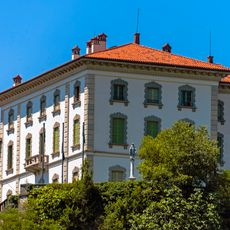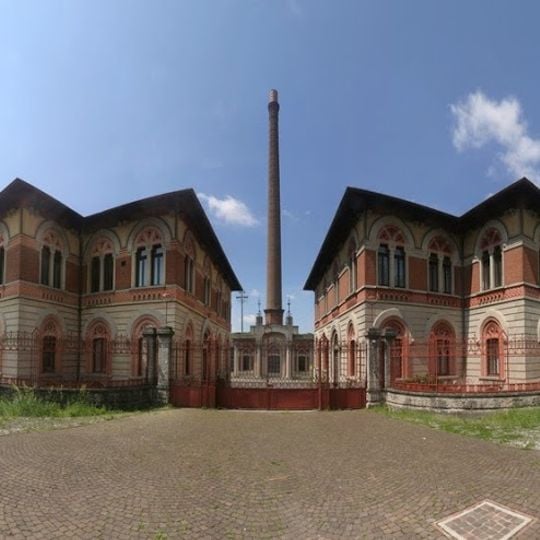
Villaggio operaio di Crespi d'Adda, Worker's village in Capriate San Gervasio, Italy
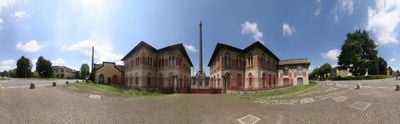
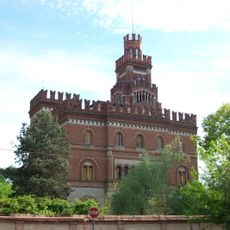
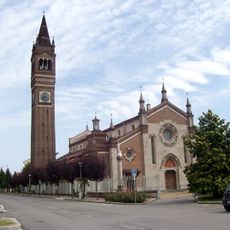
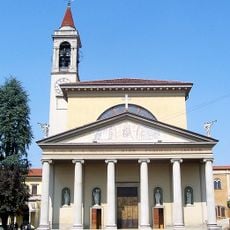
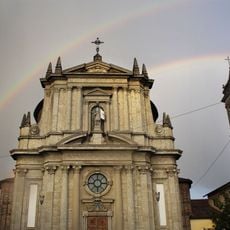
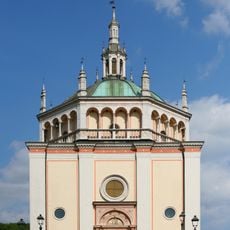
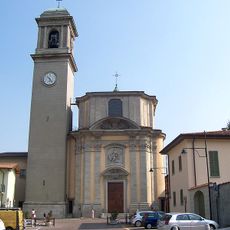
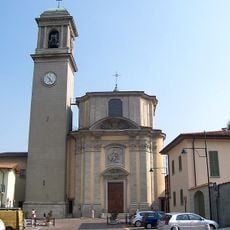
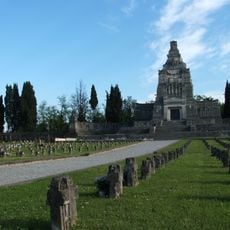
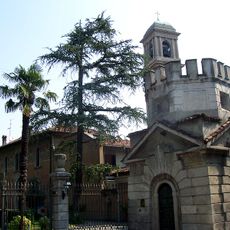
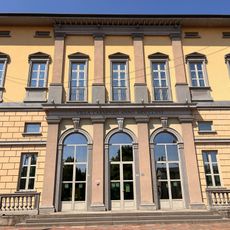
Villaggio operaio di Crespi d'Adda is a workers' village in northern Italy built in 1877 around a textile factory. The settlement spans several hectares with straight streets, identical brick worker houses featuring front gardens, a church with a pointed spire, a school, a hospital, and large red factory buildings made of terracotta.
Textile industrialist Cristoforo Crespi founded the village in 1877 as an integrated community around his cotton factory. The project grew into a complete settlement within 50 years, with schools, hospitals, churches, and sports facilities, reflecting Crespi's commitment to worker welfare.
The village is named after Cristoforo Crespi, the factory owner who built it. The church with its pointed spire remains a central gathering place that shows how important community and faith were to the workers' daily lives.
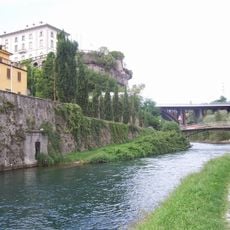
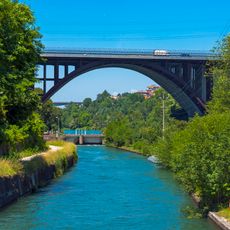
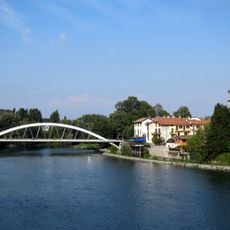
The village is located on the banks of the Adda River and has well-maintained streets and open spaces that make navigation straightforward. You can walk through the settlement on your own or join guided tours that explain the factory work and daily life of the residents.
The factory closed in 2003, yet many original residents and their descendants still live in the village and keep its story alive. A former mill worker manages a historical archive housed above the school, preserving documents and photographs that reveal what daily work and family life looked like in this industrial community.
The community of curious travelers
AroundUs brings together thousands of curated places, local tips, and hidden gems, enriched daily by 92,358 contributors worldwide.