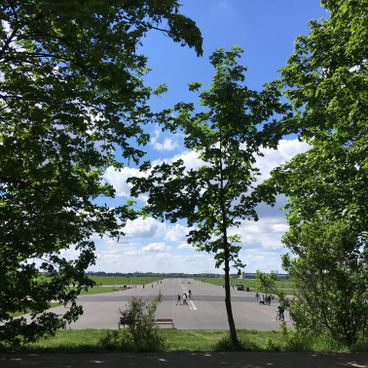
This collection brings together nightclubs that have shaped global electronic culture, from Berlin's techno temples to Mediterranean party venues. Places like Berghain, located in a former power plant in Berlin, or Bassiani in Tbilisi, tucked under a Soviet stadium, demonstrate how these spaces convert abandoned industrial sites into temples of electronic music. In Ibiza, clubs such as Pacha, Amnesia, and DC10 have maintained a party tradition for decades that attracts thousands of visitors from around the world each summer. Each destination offers a different approach to nightlife. London’s Fabric favors a focused programming in an underground space, while Ushuaia Ibiza hosts outdoor concerts by the pool. Amsterdam’s De School provides an experience set in a former technical school, and Tokyo’s Contact features a minimalist stage reflecting Japanese contemporary aesthetics. These clubs serve as gateways into local music scenes and their engaged communities.
Berlin, Germany
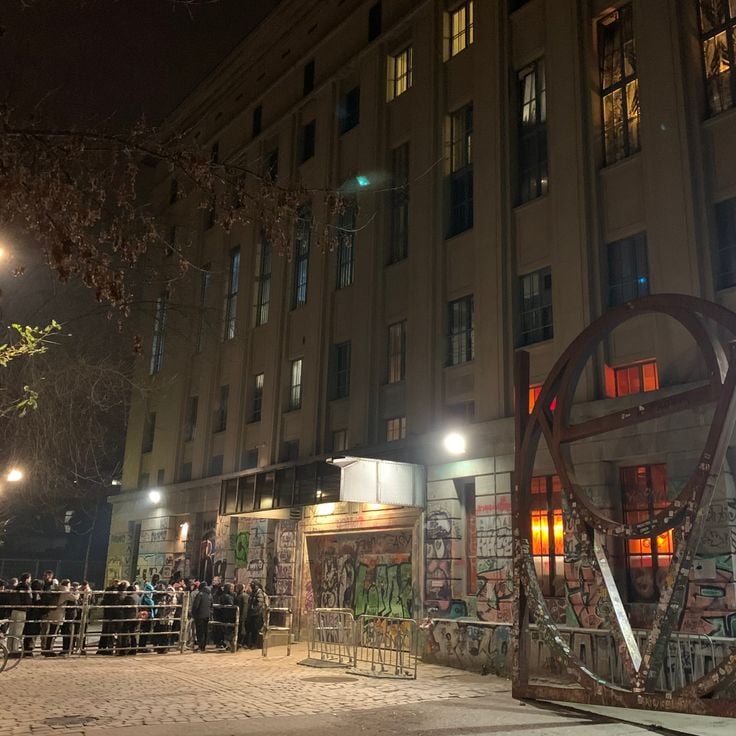
Berghain transformed a former power plant built in 1953 in Berlin's Friedrichshain district into one of Europe's most significant techno clubs. The space spans multiple floors and uses the building's industrial architecture with high ceilings and exposed concrete walls. The main hall accommodates several thousand visitors and features a sophisticated Funktion One sound system. On the first floor sits Panorama Bar, a smaller room with glass fronts and views over the Spree River. Berghain typically opens Friday evening and closes Monday morning. The door policy is known for being strict and selective. DJs including Ben Klock, Marcel Dettmann and Len Faki have established residencies here and shape the club's programming.
London, United Kingdom
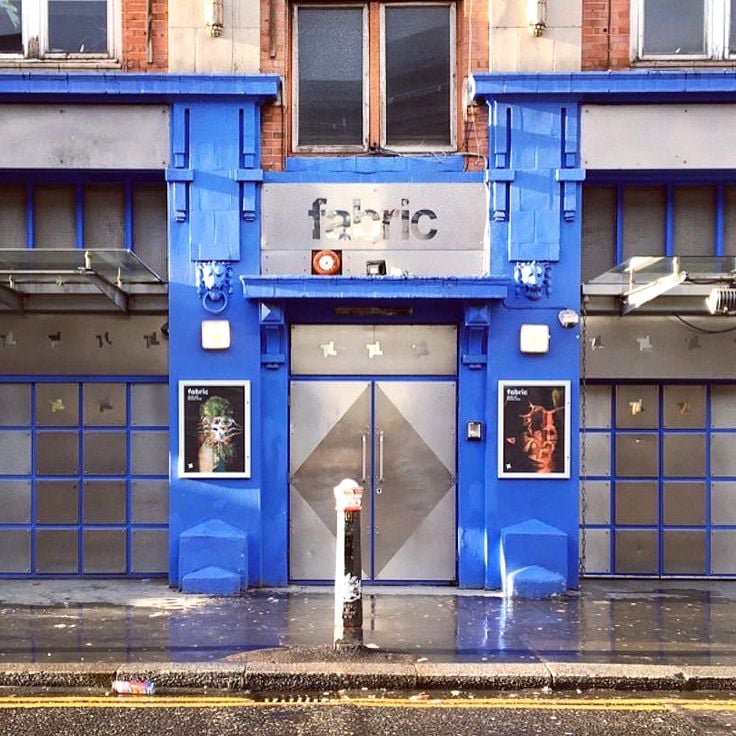
This Farringdon club has served as a reference point for electronic music in London since opening in 1999. Fabric spans three rooms with different sonic orientations and welcomes several thousand visitors each weekend. The technical setup includes a bodytonic sound system that transmits vibrations directly through the floor. After a temporary closure in 2016, the club reopened under enhanced security measures and remains an important venue for international DJs and producers of electronic music.
Ibiza, Spain
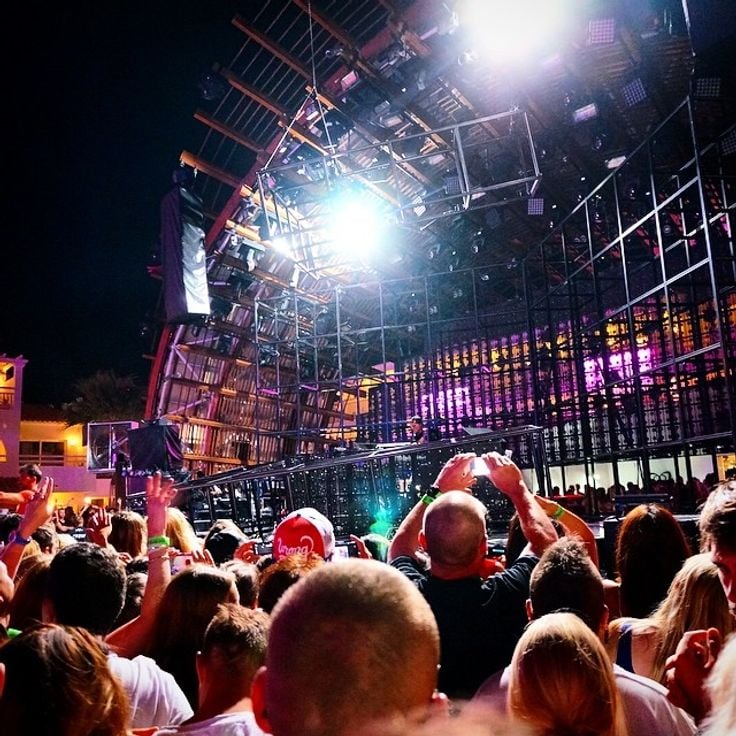
Ushuaia Ibiza combines electronic music with open-air concerts and pool parties under the Mediterranean sun. The club hosts daily events featuring international DJs and live acts on an outdoor stage, while guests move between pool areas and terraces. The setting differs from traditional indoor clubs by combining daylight, palm trees and open sky. The venue attracts crowds during the summer season who seek to pair electronic music with a resort experience.
Singapore, Singapore
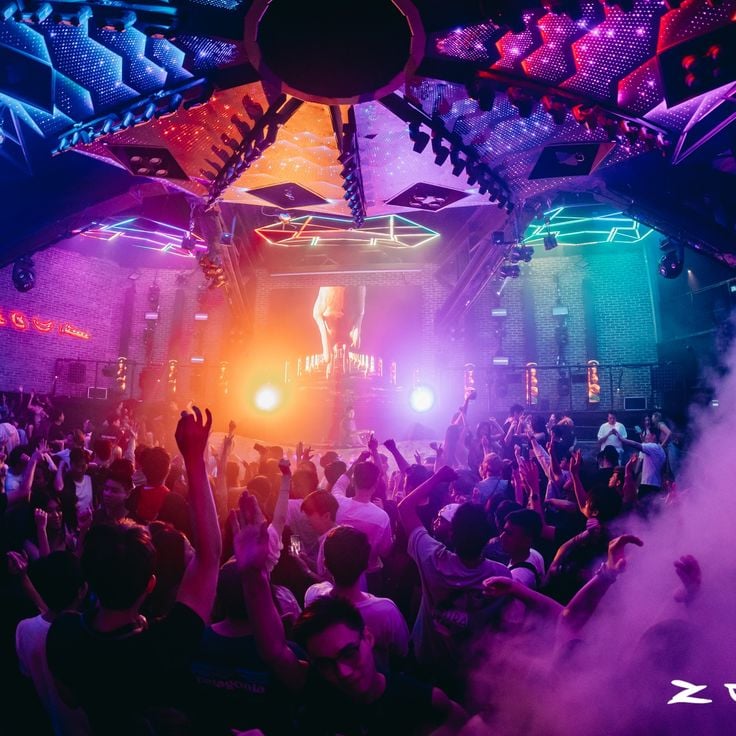
This club combines electronic music with urban nightlife culture in a multi-floor complex that brings together different musical styles under one roof. Zouk Singapore presents international DJs and local artists across several distinctly designed rooms, from the main stage with large-format sound system to more intimate spaces for specialized genres. Programming ranges from house and techno to hip-hop and Asian electronic productions. Since opening, the club has established itself as a venue for regional festivals that draw thousands of visitors from across Southeast Asia.
Ibiza, Spain
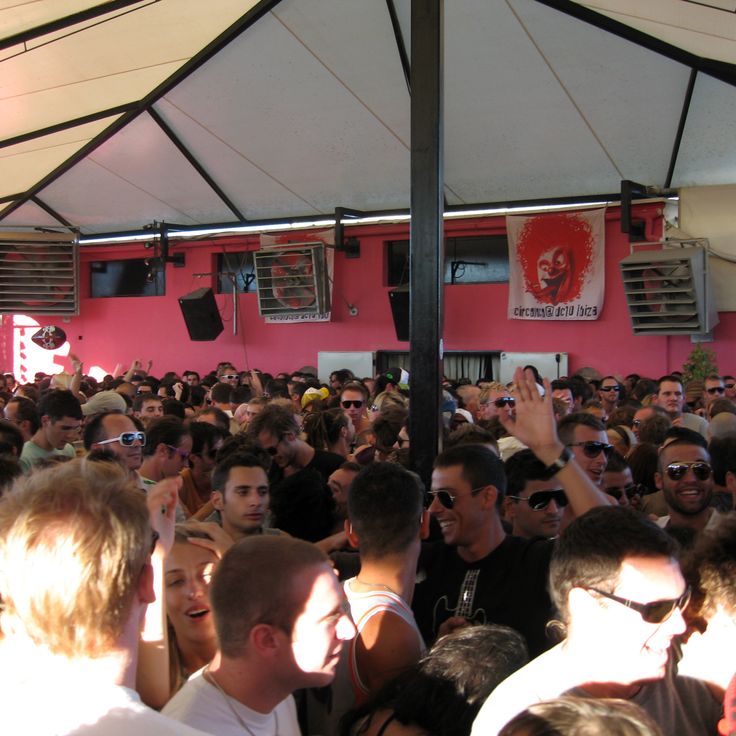
This club occupies a former airplane hangar near Ibiza airport and has drawn techno fans from around the world for over two decades. DC10 built its reputation on raw, uncompromising programming that prioritizes underground DJs and experimental sets. The interior avoids unnecessary decoration and focuses on the music in an industrial setting that preserves the building's origins. The terrace provides an outdoor area for daytime parties that complement the club's schedule. This venue represents a different approach from the island's large commercial clubs and attracts an audience seeking authenticity and musical quality.
Ibiza, Spain
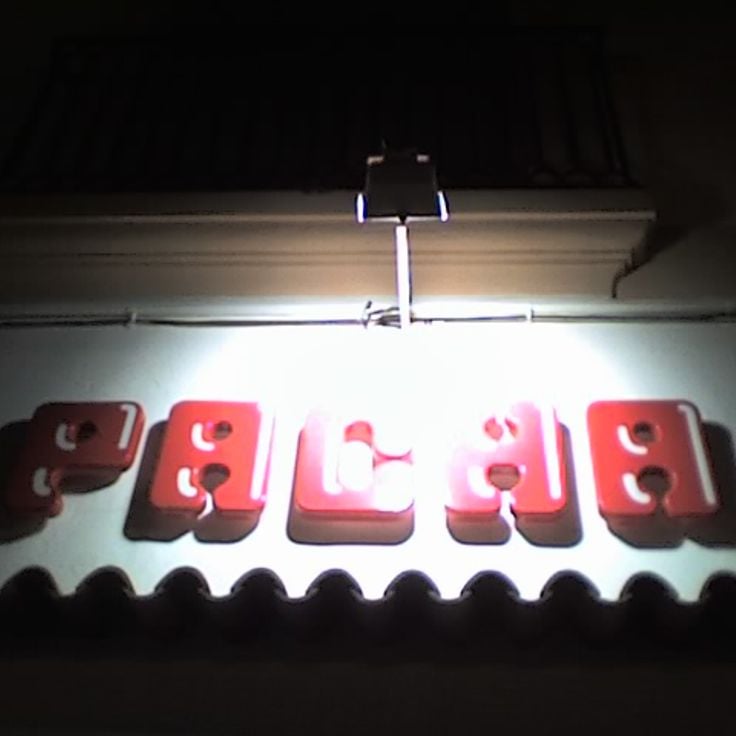
Pacha Ibiza has shaped the electronic music scene of the Balearic Island since 1973. The club, recognizable by its logo featuring two red cherries, draws international DJs and audiences from around the world each summer. The venue comprises several areas, including the main room with its distinctive vaulted ceiling, multiple smaller rooms, and a terrace overlooking the Mediterranean. Events run throughout the season from May through October, with some residencies having been part of the program for decades. The design blends Mediterranean elements with modern lighting technology and a sound system specifically configured for electronic music.
Zrce, Croatia
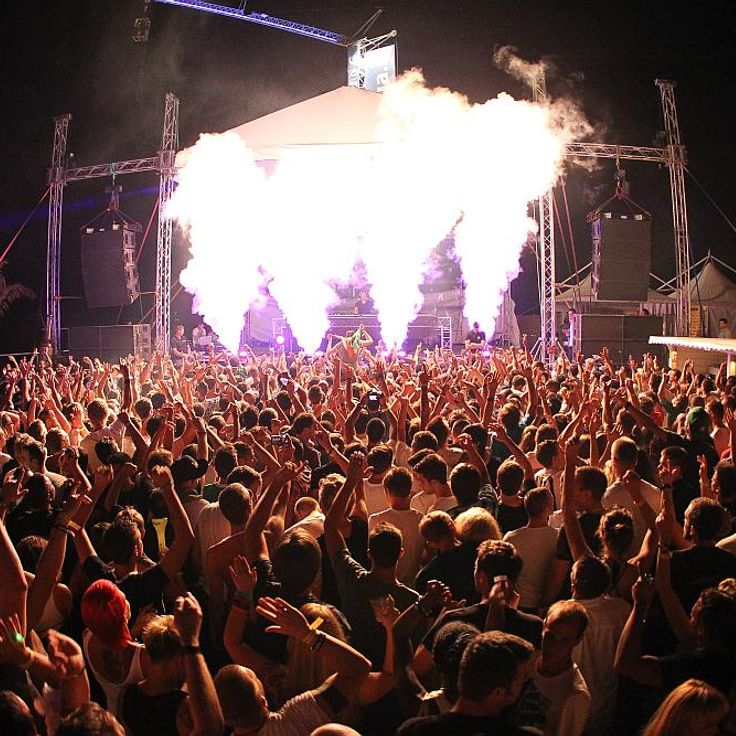
The Papaya Club on Plage de Zrce merges electronic music with a beachfront location on Croatia's Adriatic coast. The open-air venue presents a mix of local and international DJs and regularly draws several thousand visitors during the summer months. The club occupies several thousand square feet of space directly on the waterfront, where parties continue until dawn. The facility includes multiple dance floors, bars and direct beach access. Papaya has established itself as a central stop on the European festival circuit and helps position Zrce as a destination for electronic music.
Ibiza, Spain
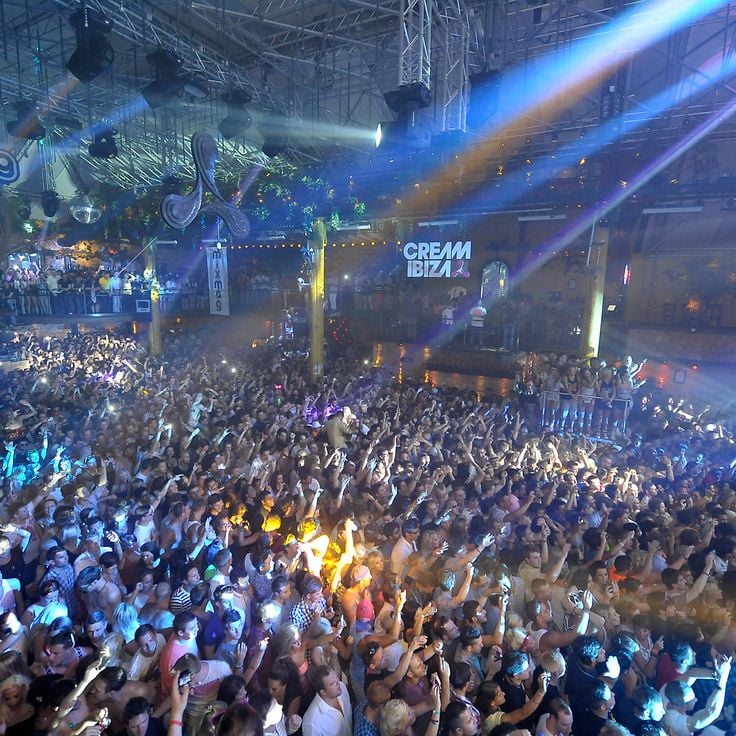
This club stands among the pioneers of Ibiza's electronic music scene, having opened its doors in the early 1970s. Amnesia helped shape the island's nightlife and hosts internationally recognized DJs across two dance floors each week. The open main room features no roof, creating an unusual open-air setting, while the enclosed second room presents darker sounds. Programming includes regular residencies from established labels and draws visitors from various countries throughout the summer season. The club's history connects closely to the development of the Balearic house movement, which gained international recognition from here in the 1980s.
Amsterdam, Netherlands
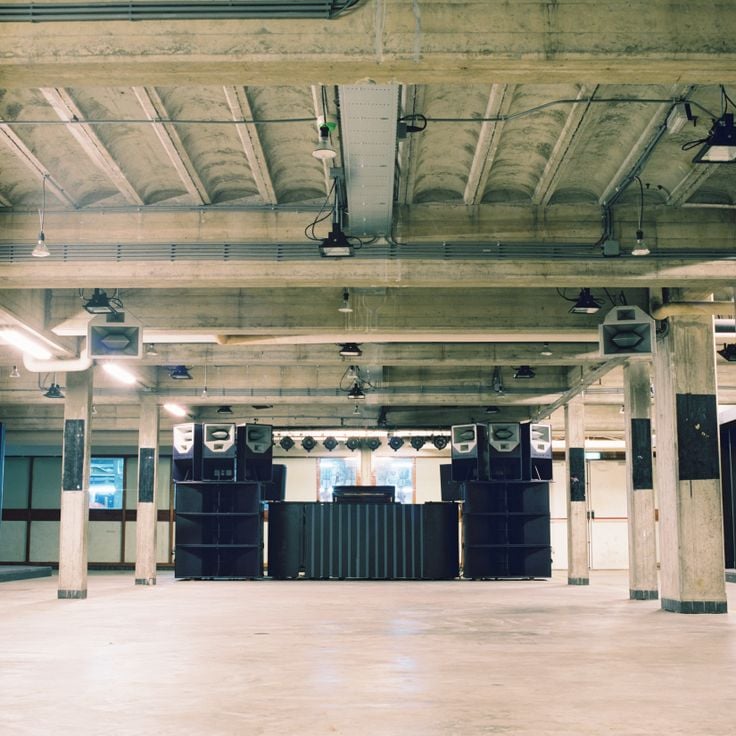
De School Amsterdam occupies a former vocational school building in the western part of the city and combines multiple functions under one roof. The complex houses a club with a dance floor, a restaurant, a bar, and art exhibition spaces. The 1960s building has been deliberately preserved in its industrial character, featuring exposed concrete and functional design. Programming focuses on electronic music with international and local DJs, while the restaurant serves dishes made with seasonal ingredients during daytime hours. This integration of different activities creates a continuously used space that has shaped Amsterdam's club scene since 2016, bringing together night revelers with art enthusiasts.
Tbilisi, Georgia
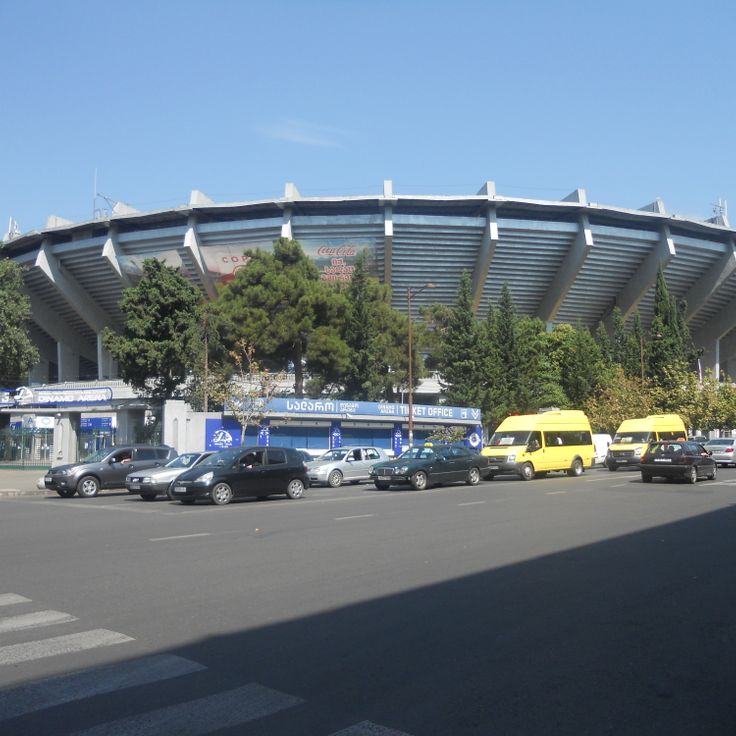
Bassiani occupies a former swimming pool beneath Tbilisi's Soviet-era Dinamo Stadium. The club presents international and Georgian DJs on a sound system that draws techno purists. Soviet-period architecture with concrete walls and low ceilings creates an acoustic environment for extended sets. Bassiani has established itself as a center of electronic music in the Caucasus since opening in 2014, attracting visitors from Eastern Europe and beyond. The club typically opens on weekends and hosts sessions that continue into late Sunday afternoon.
Tokyo, Japan
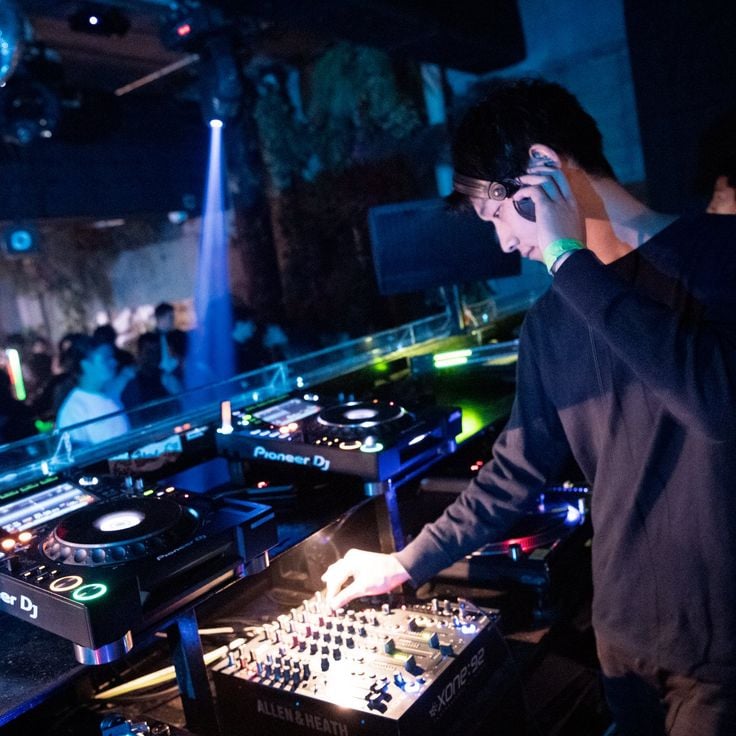
The club sits in the Daikanyama neighborhood and opened in 2019 inside a multi-story building that previously housed a discotheque. Contact Tokyo presents Japanese and international DJs who specialize in minimal techno and deep house. The main room features a sound system designed by local audio engineers, while a second room accommodates experimental sets. The crowd consists mostly of locals who dance until the early morning hours. The entrance is located on a quiet side street, giving the club a discreet presence.
Chongqing, China
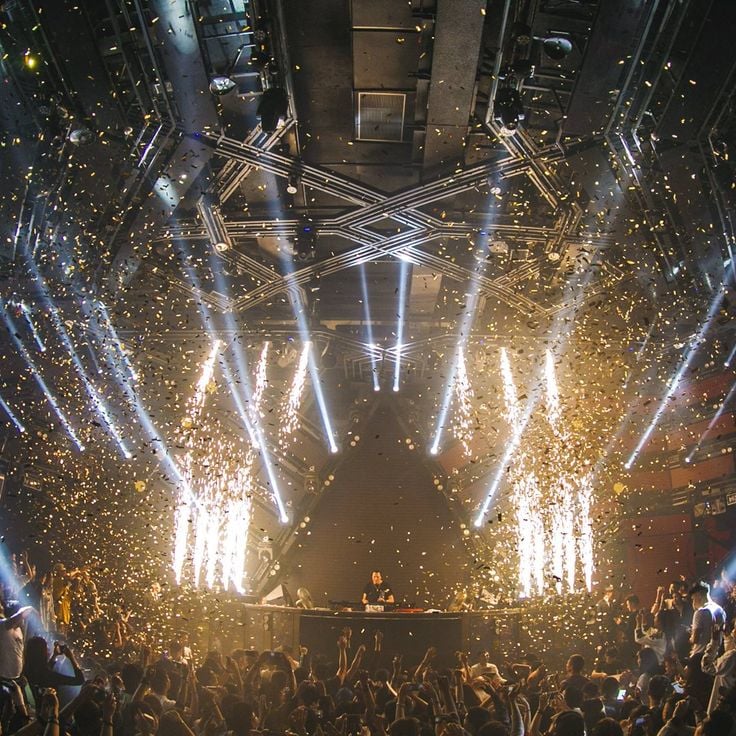
Space Plus stands as one of Chongqing's leading electronic music venues, regularly hosting international DJs alongside Chinese artists from the regional scene. The programming spans house, techno and related genres, drawing crowds that extend beyond the local club community. The venue features multiple dance floors and a sound system designed for electronic music. This club has established itself as part of China's developing nightlife culture, contributing to the growing scene in this Yangtze River metropolis of several million. The venue reflects the evolution of urban nightlife in western China, where electronic music increasingly attracts a young, internationally minded audience.
Mykonos, Greece
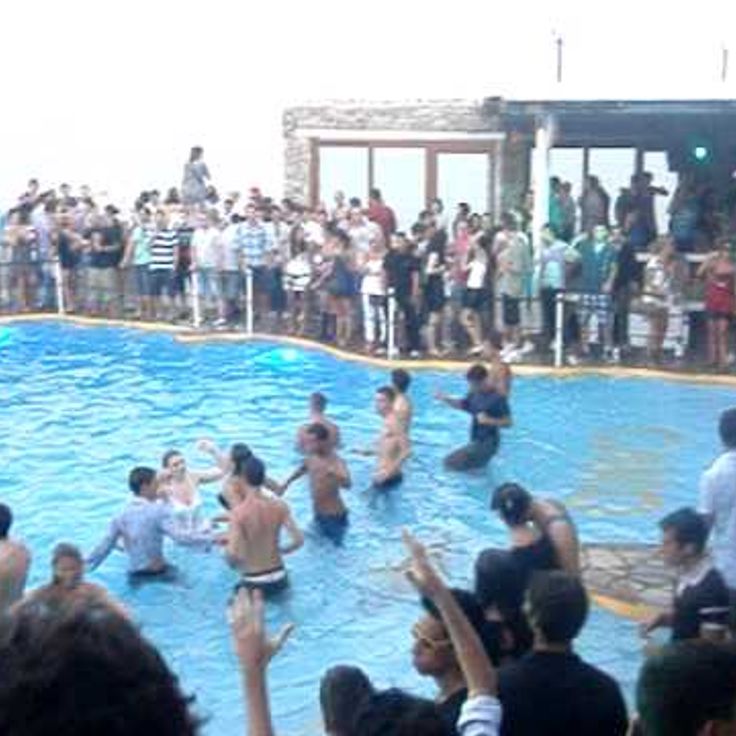
Cavo Paradiso sits on a cliff overlooking the Aegean Sea and has combined electronic music with a coastal setting since opening in 1993. The club uses the natural rock formation of Paradise Beach as its backdrop for a sound system that has attracted DJs like Carl Cox, Sven Väth, and Luciano over the years. Parties begin after midnight and continue until sunrise, when the first light hits the dance floor from the water. Cavo Paradiso shows how Greek islands approach electronic music venues through open structures where techno and house blend with sea air and steep terrain.
Brussels, Belgium
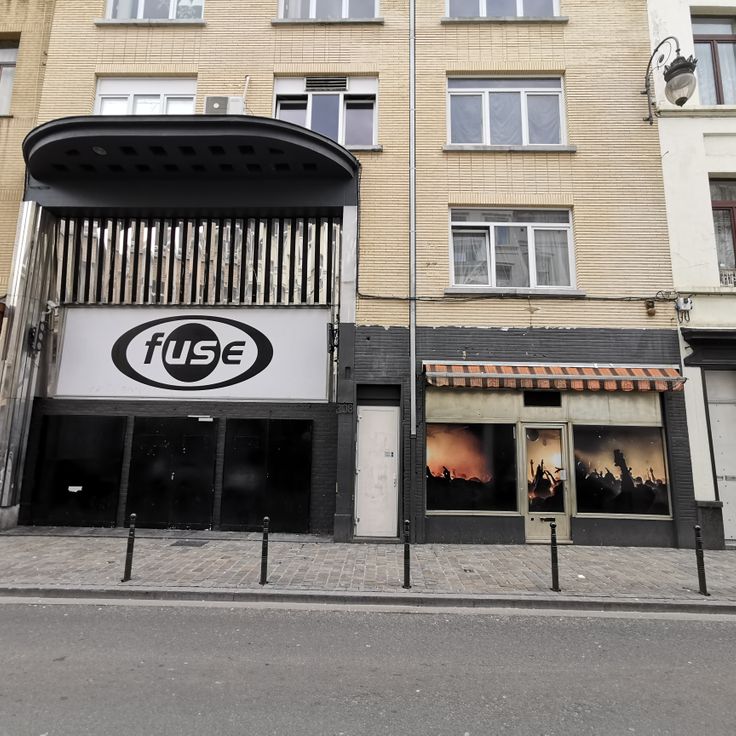
This club has shaped Belgium's electronic scene since 1994. The programming brings together local and international DJs for regular events covering the electronic spectrum from techno to house. Fuse draws a crowd that has helped define Belgian club culture over three decades. The venue in central Brussels offers multiple dance floors with different sound systems, allowing various musical directions to run simultaneously.
Ibiza, Spain
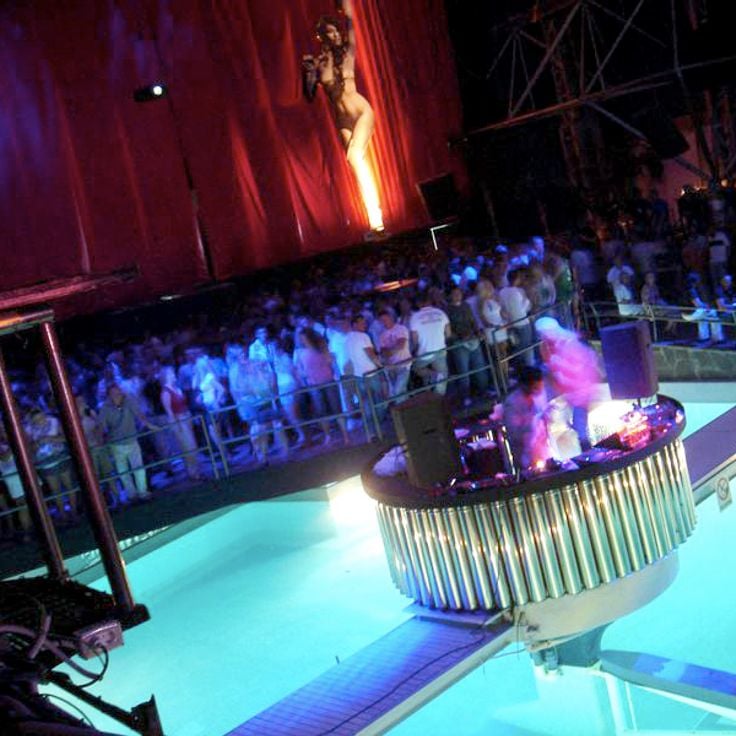
Privilege Ibiza has held the Guinness World Record as the largest nightclub in the world since 1995. The venue features a main hall covering 108,000 square feet (10,000 square meters) of covered space, a retractable roof and a swimming pool. The club helped shape the rave movement of the 1990s and hosted the legendary Manumission party series from 1999 to 2018. The architecture combines industrial elements with an outdoor terrace and several bars. The site is located about 4.3 miles (7 kilometers) from Ibiza Town on the road to Sant Antoni.
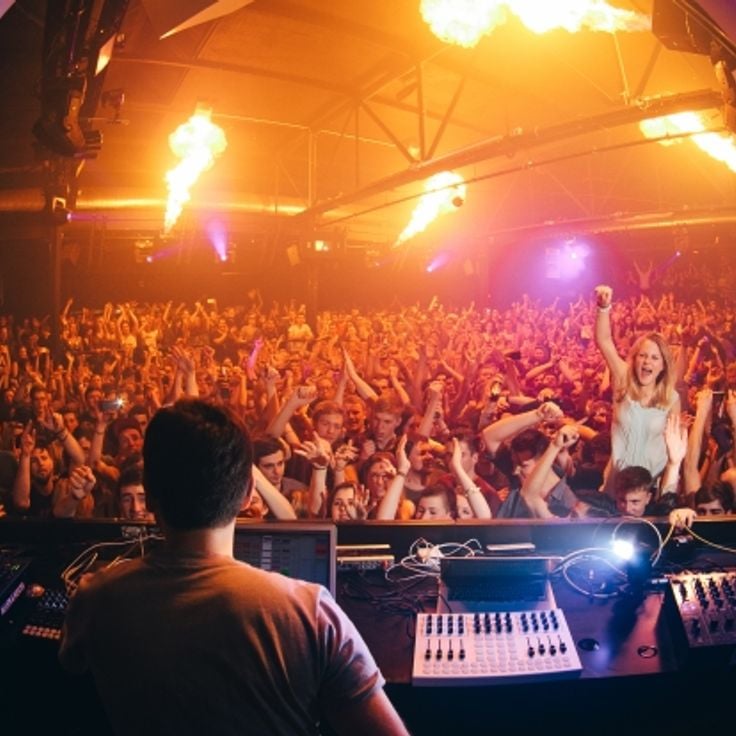
Cologne, Germany
BOOTSHAUS Cologne has established itself as an important venue for electronic music in the Rhineland. This club regularly hosts events featuring international DJs and local artists from the electronic scene. Programming covers various styles from techno to house to hardstyle, drawing crowds from the region and beyond. The facility includes multiple areas with different sound systems, each designed for specific musical directions.
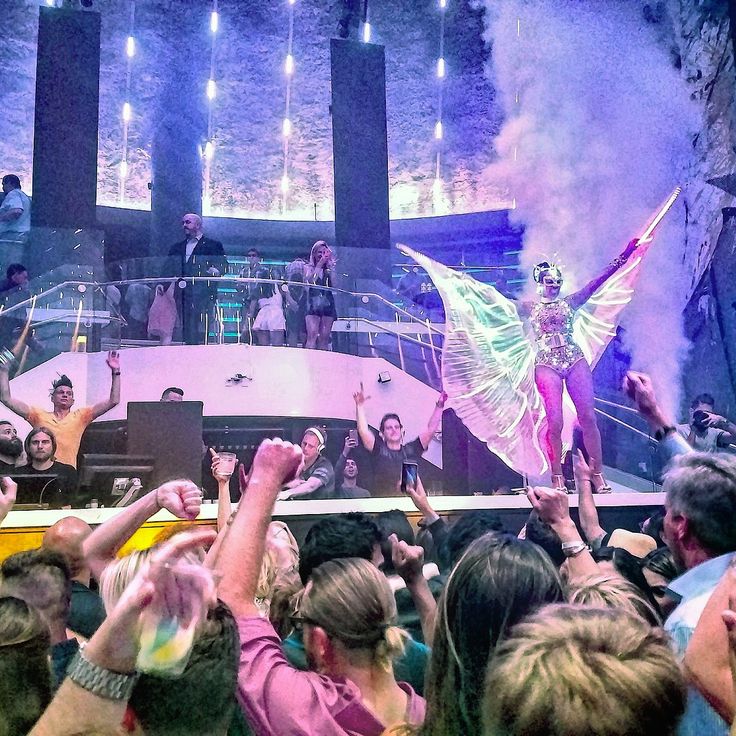
Miami, USA
LIV Miami is among the city's most recognized venues for electronic music and late-night entertainment. The club sits inside the Fontainebleau Hotel directly on the beach and has drawn an international crowd since opening in 2008. Programming focuses on prominent DJs from the electronic music scene who regularly perform extended sets. The venue features an advanced lighting and sound system along with multiple areas that extend from the main room to an outdoor terrace overlooking the pool. Capacity reaches around 2,000 people, and the crowd includes locals, tourists and occasional celebrity guests drawn to Miami Beach's nightlife.

Suffolk, United Kingdom
The Hoxne Treasure is an extraordinary Roman discovery from Suffolk in England. This collection of everyday objects and jewelry was buried in the earth and later found. The items date to the 4th century and reveal how wealthy people lived during Roman times. You can see the fine details of Roman craftsmanship and learn which objects were used in daily life. The treasure shows us what life was like during the Roman occupation of Britain.
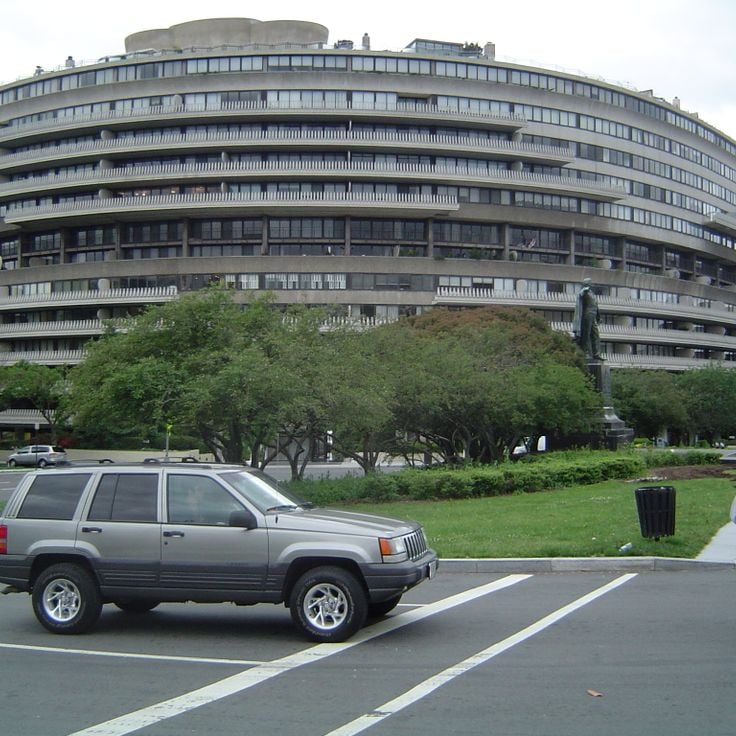
Washington, D.C., United States of America
Watergate is a nightclub in Washington, D.C. that plays host to electronic music and dance culture. Located along the Potomac River, the venue offers a contemporary space where visitors gather to experience live performances and DJ sets. The club connects to the city's broader music scene and draws people interested in electronic sounds and late-night entertainment.
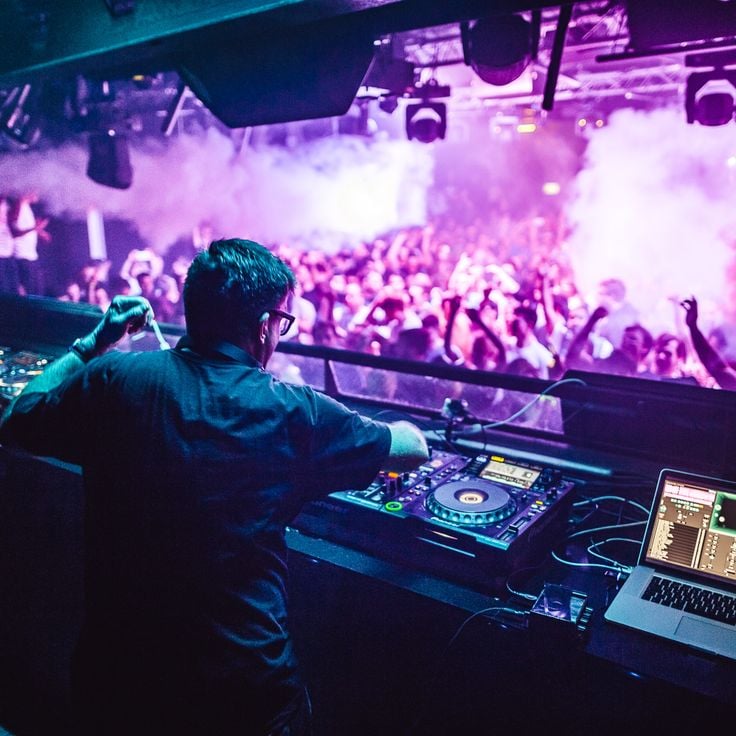
London, United Kingdom
Ministry of Sound is a nightclub in London that shaped electronic music culture in Britain. Located in a former warehouse, the club features sophisticated sound systems and attracts electronic music enthusiasts from around the world. Its history spans decades, hosting countless DJ performances and becoming a key venue for house and techno scenes across Europe.
United Kingdom
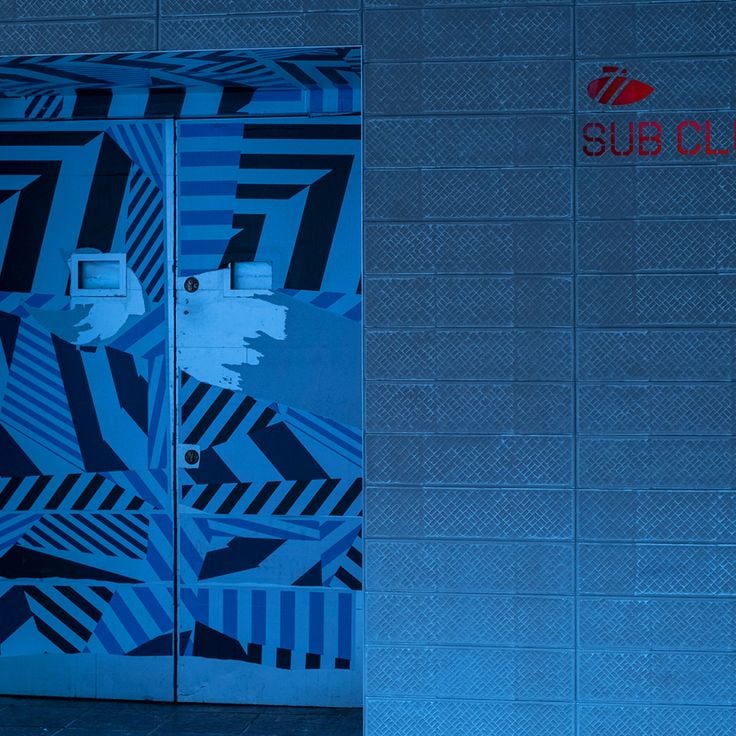
Sub Club is a place where music and history converge beneath Glasgow's streets. For decades, this underground venue has been home to electronic sounds that shaped dance culture. Visitors from around the world come here to experience the energy of techno and house music in an intimate underground setting. The dark rooms and state-of-the-art sound system create a space where people from different backgrounds gather to move together. This club remains a central point in the global electronic music community.
Paris, France
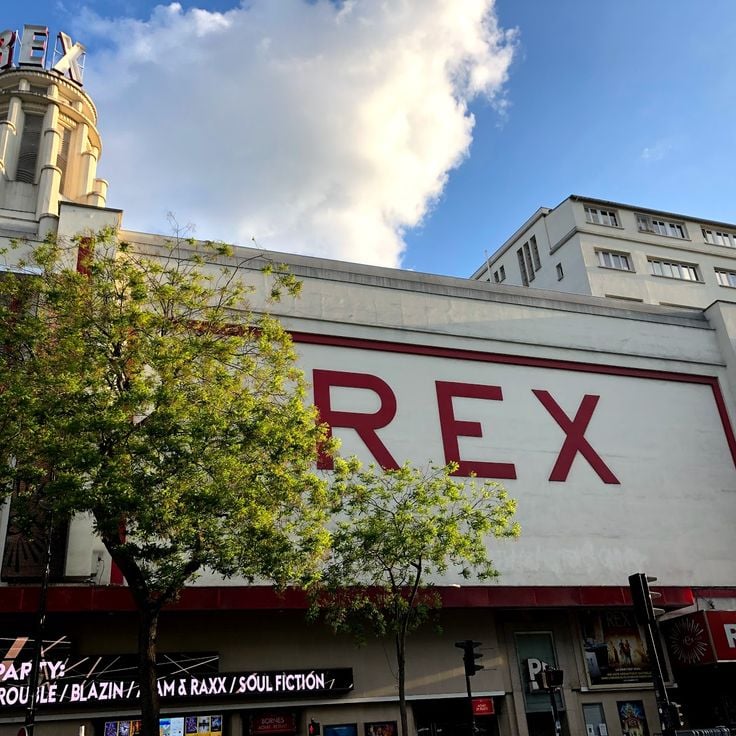
Rex Club is an electronic music venue in the heart of Paris and a key location in the French techno and house scene. This club preserves the legendary dance culture of the French capital and has attracted music lovers from around the world seeking to experience international and local DJ talent.
United States
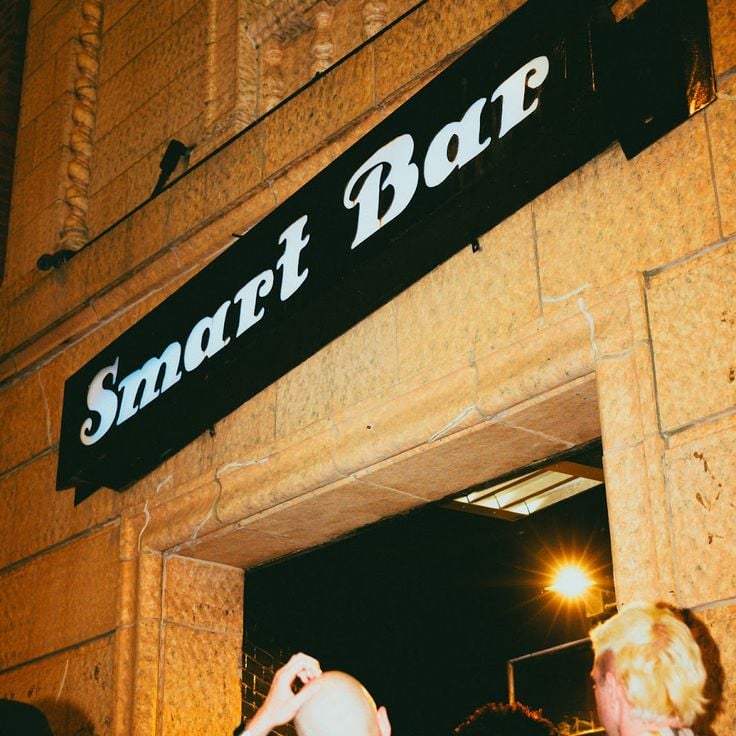
Smart Bar is a music venue in the United States dedicated to electronic music and dance culture. As an established location, this club contributes to the global scenes that shape electronic music and its communities. Smart Bar brings together local and international artists and offers a space where techno, house, and related genres are celebrated. The club reflects the American take on this worldwide movement.
Tokyo, Japan
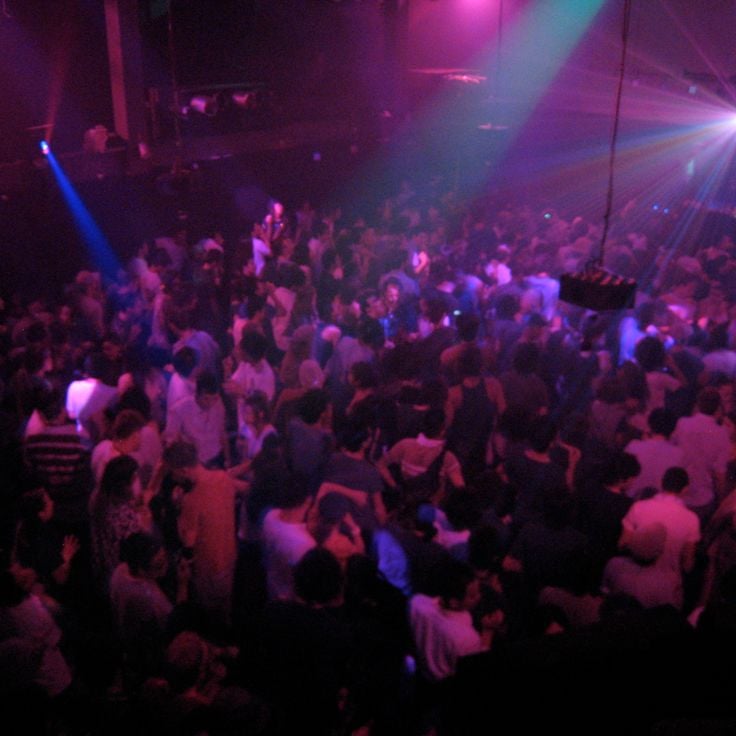
Womb Club is a storied dance club in Tokyo that has shaped electronic music culture for many years. The venue offers an intimate underground space where music lovers gather to dance. With its modern lighting and sound systems, this club creates an experience that reflects contemporary Japanese aesthetics. Womb Club serves as a gateway to the local music scene and draws people from around the world who appreciate electronic culture.
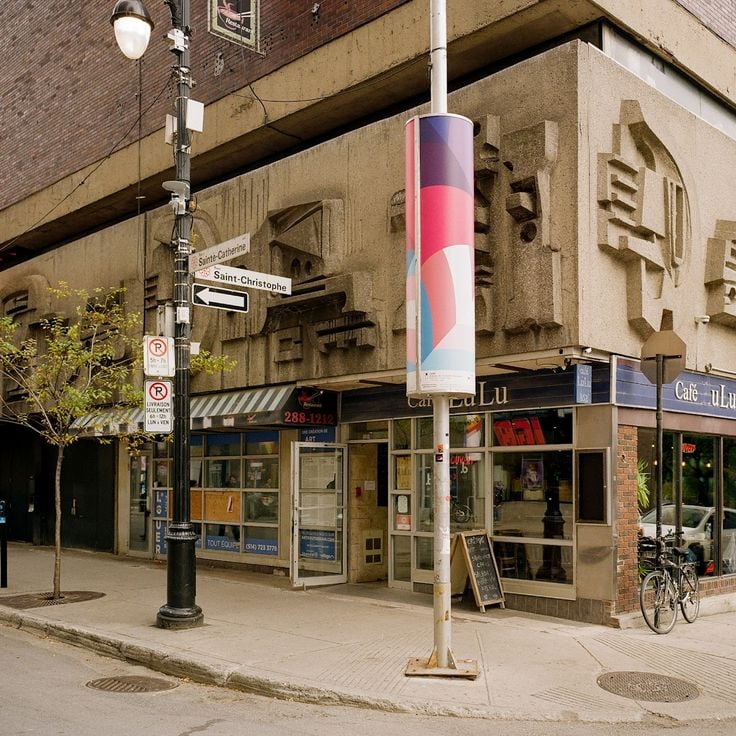
Montreal, Canada
Stereo is a nightclub in Montreal that has shaped electronic music culture in Canada. Like other major clubs worldwide, this venue has attracted artists and fans who have developed the techno and house music scene. The club provides a space where the local community gathers and shares musical experiences.
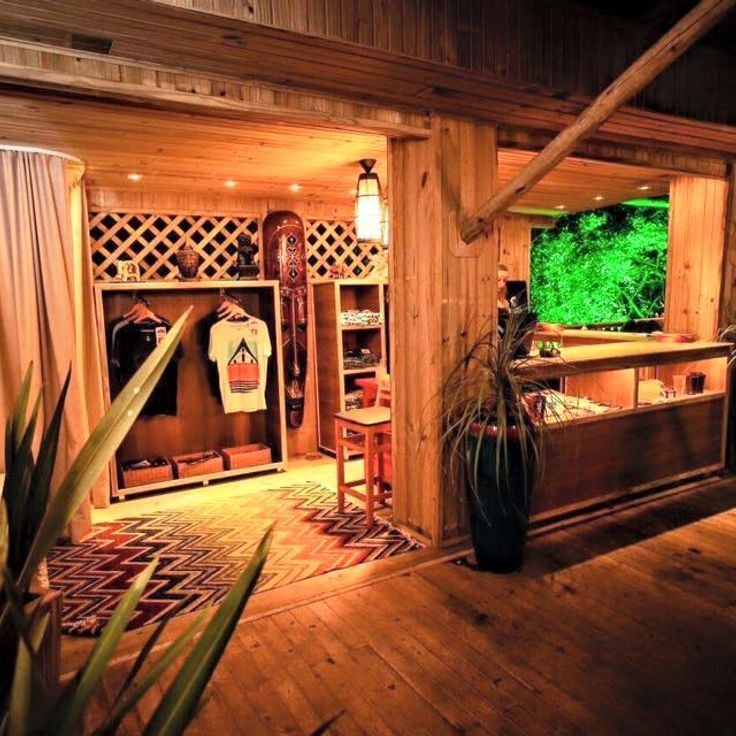
Brazil
Warung Beach Club is a legendary venue for electronic music on the Brazilian coast. This club has established itself as a gathering place for dance enthusiasts, where international and local artists perform their music in a free and casual setting. Warung Beach Club embodies Brazil's vibrant music scene and merges electronic sounds with the relaxed seaside atmosphere.
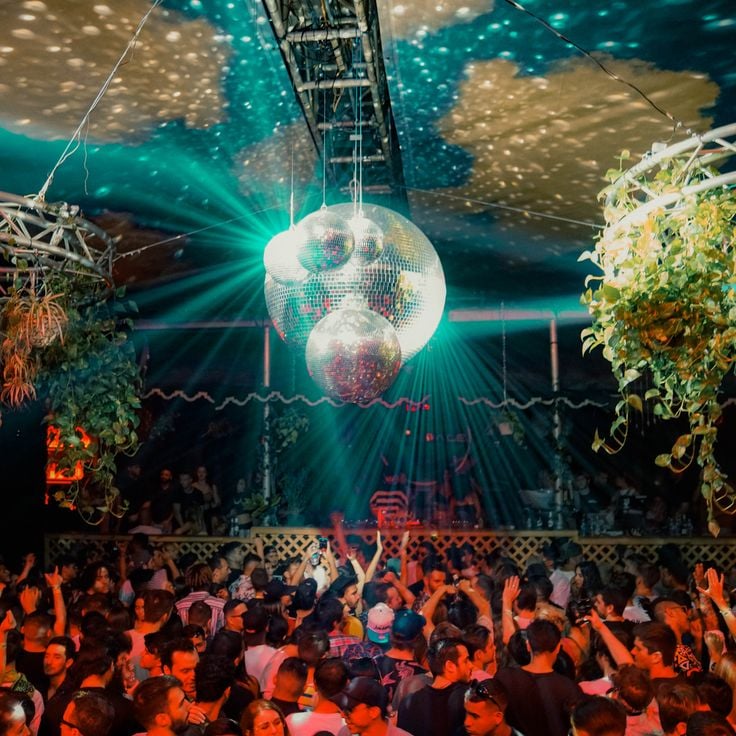
Miami, United States
Club Space is a nightclub in Miami that celebrates electronic music and dance culture. This venue has become an important gathering place for those who love techno and house music, contributing to the electronic scene that shapes clubs worldwide. Club Space provides a space where music and community merge, bringing together people from different backgrounds.