In Albania, national parks, ancient ruins, thermal springs, and coastal sites form a diverse landscape. From the Alpine peaks of Theth to the archaeological remains of Butrint, each location reveals the country's natural formations and cultural heritage. The terrain includes mountain passes, river canyons, coastal cliffs, and traditional villages.
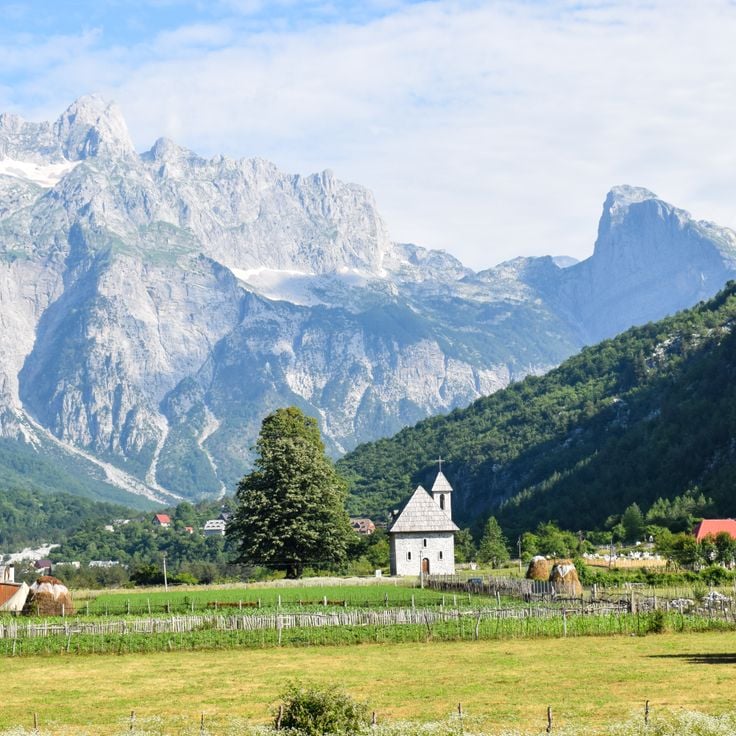
Shkodër, Albania
The largest protected area within the Albanian Alps contains high mountain peaks, deep valleys, waterfalls and forested slopes with traditional stone houses.

Sarandë, Albania
Natural water spring with a depth over 50 meters creates a dark blue center surrounded by light blue water, resembling an iris formation.
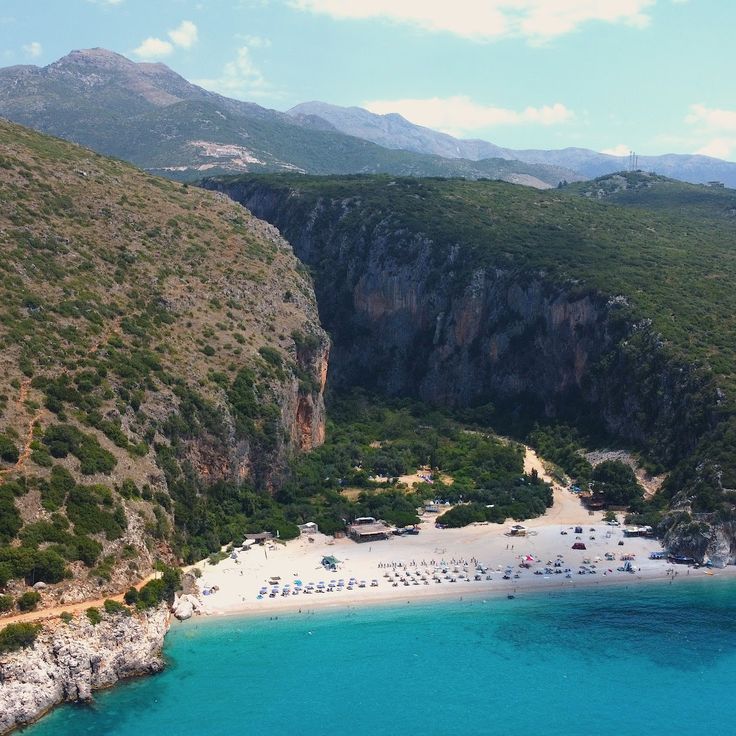
Vlorë, Albania
Remote beach with white pebbles stretches 350 meters between limestone cliffs. Access requires a 30-minute walk through a rocky canyon.
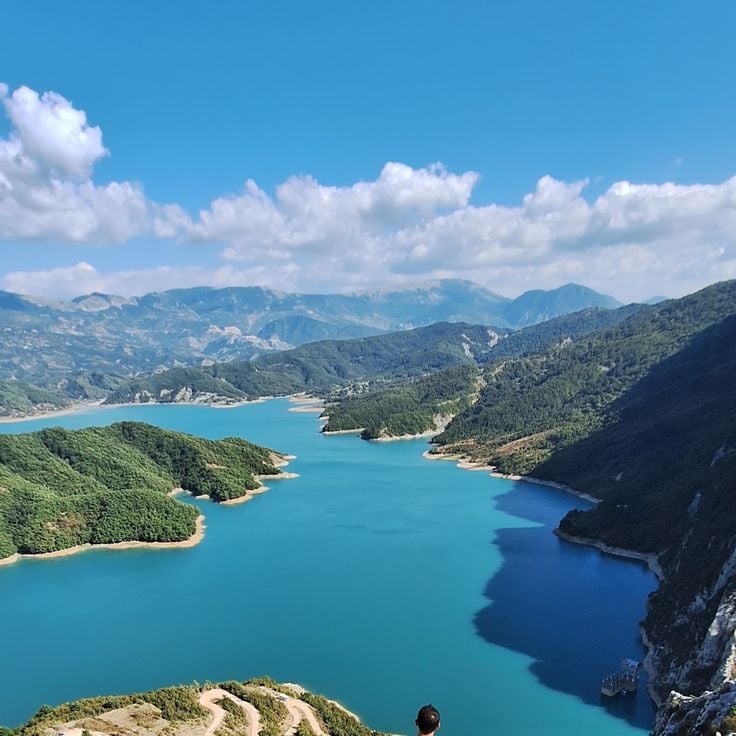
Tirana, Albania
Artificial reservoir formed by the Terkuza River provides drinking water to Tirana. Mountains rise 1500 meters above the green water surface.
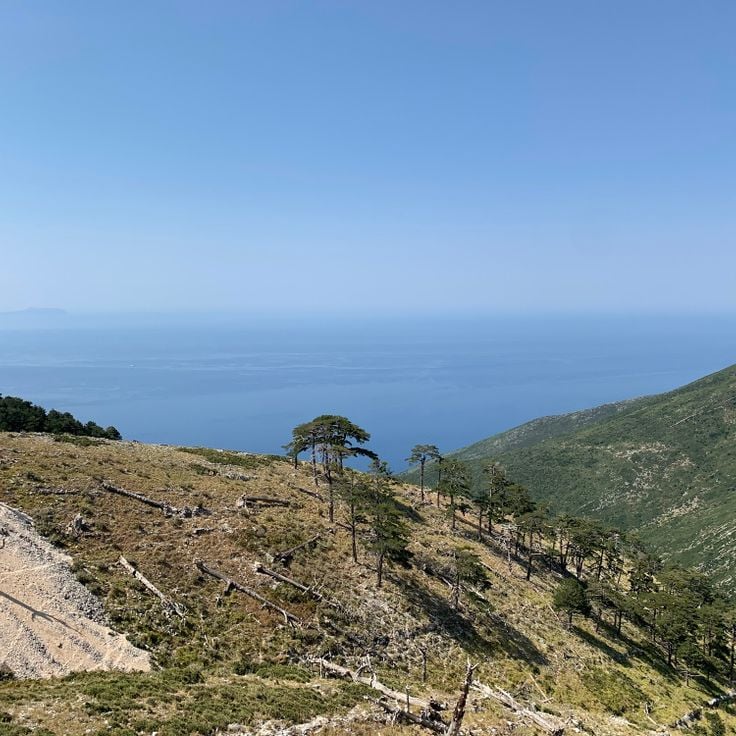
Vlorë, Albania
The mountain road reaches an elevation of 1,027 meters and connects the Dukat Valley with the Albanian Riviera. The pass overlooks the Ionian Sea coast.
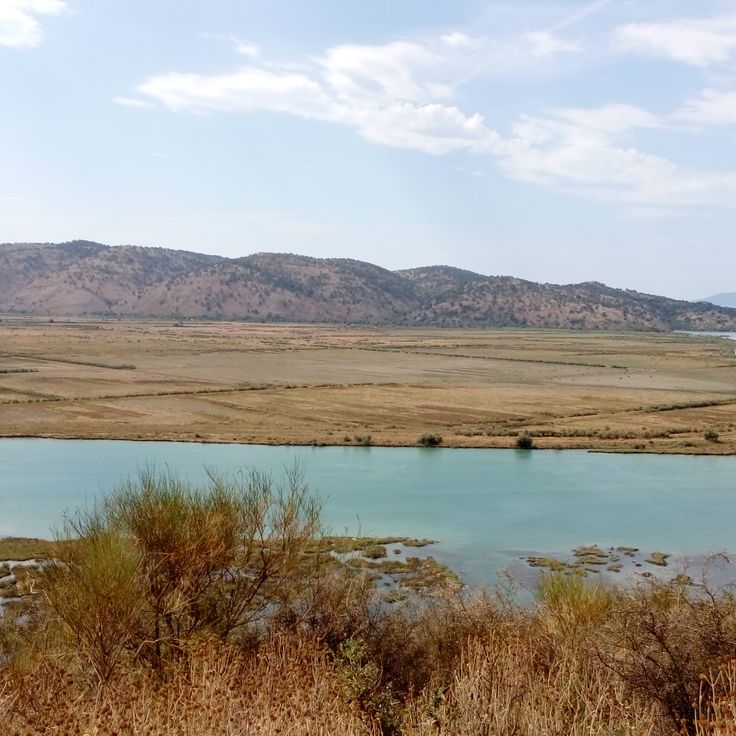
Sarandë, Albania
The archaeological site contains remains of structures from the 7th century BCE through the Middle Ages, including a Roman theater, public baths, and a baptistery.
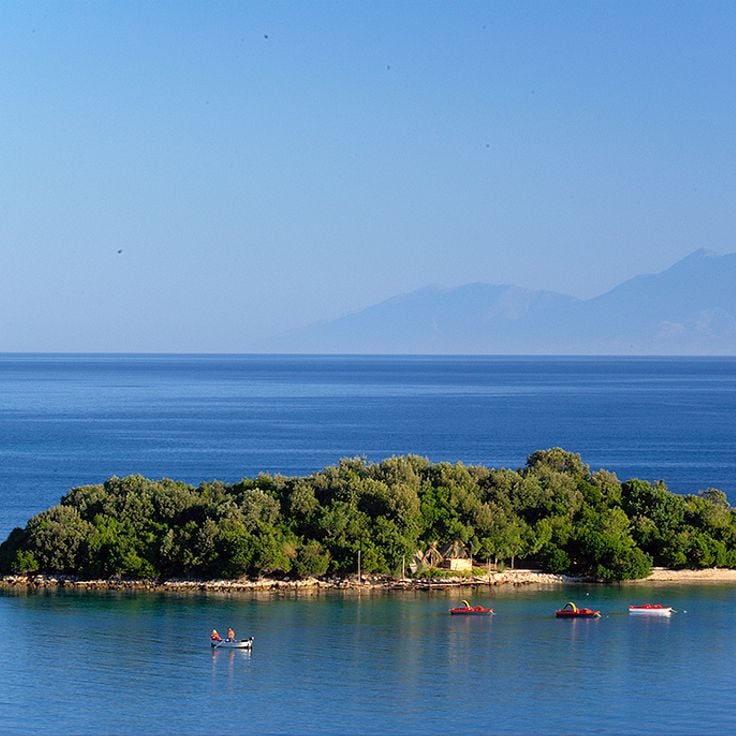
Sarandë, Albania
Four small islands sit 50 meters from the shore in the Ionian Sea. The area features Mediterranean vegetation, beaches, and underwater rock formations.
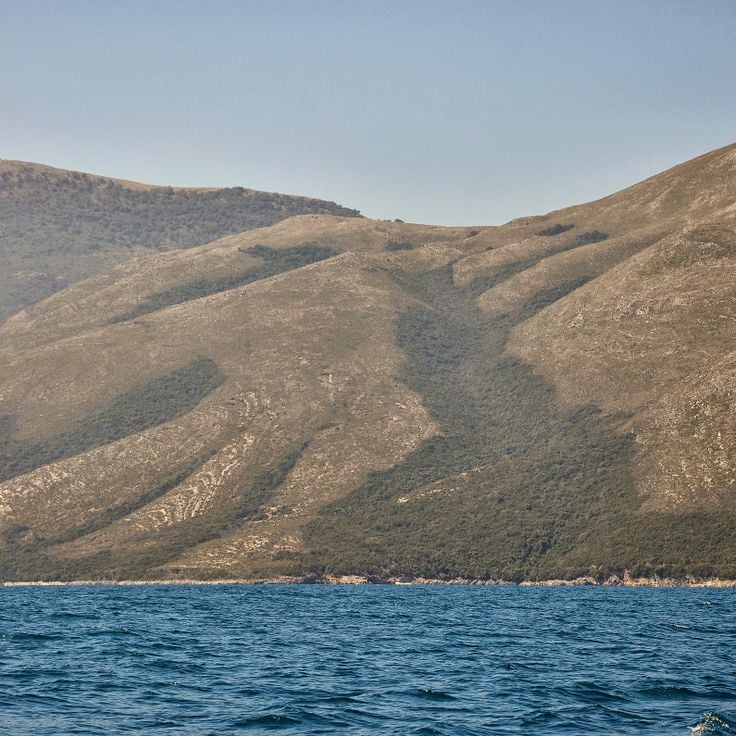
Vlorë, Albania
The 16-kilometer peninsula separates the Adriatic and Ionian seas. The limestone cliffs contain caves, while the waters house dolphins and Mediterranean monk seals.
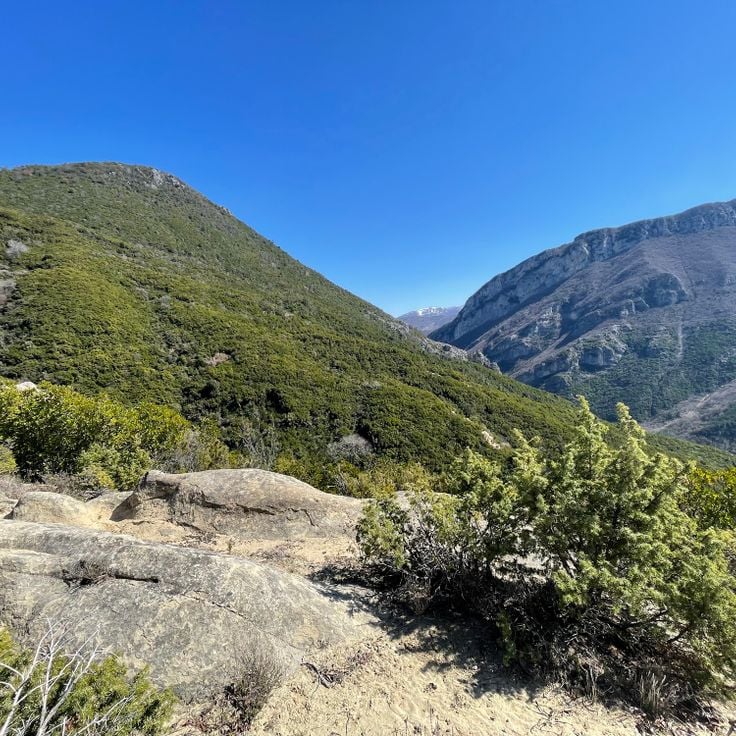
Tirana, Albania
The limestone walls stretch along the Erzen River for 2 kilometers. Visitors can walk through water passages and observe geological formations.
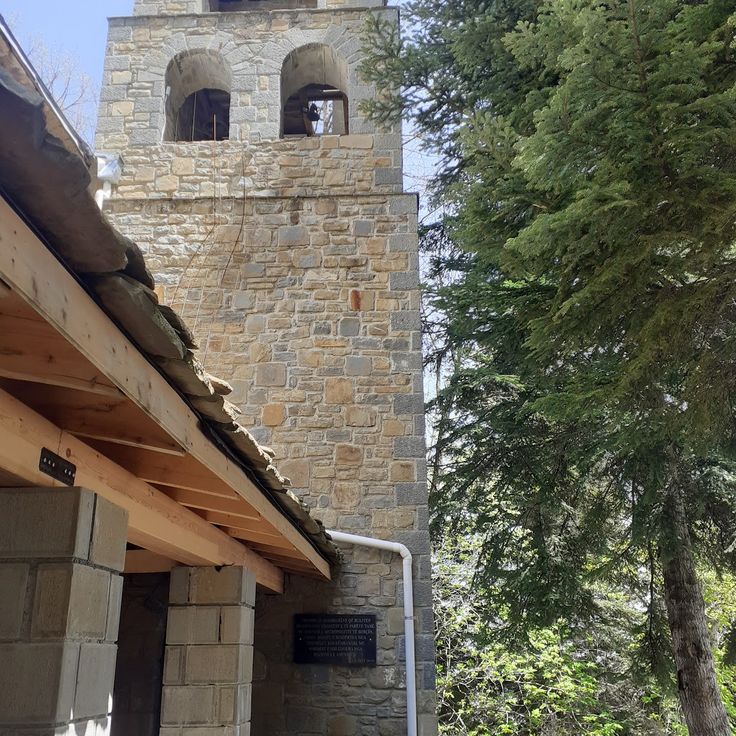
Korçë, Albania
Stone houses with wooden balconies line the streets of this mountain settlement at 1344 meters elevation, where residents maintain traditional customs.
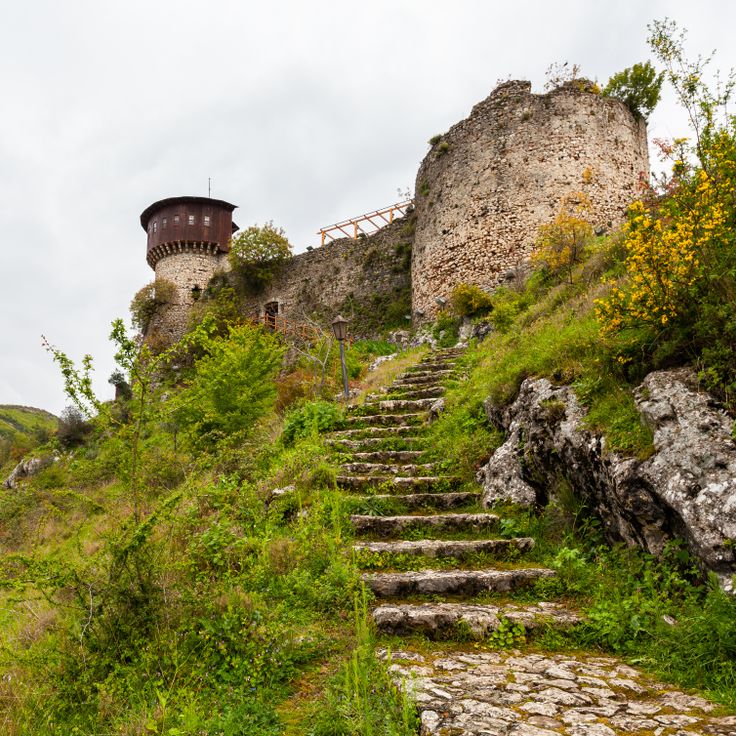
Tirana, Albania
Built in the 5th century, this triangular fortress stands on a rocky hill. Its tower housed military troops until the 20th century.
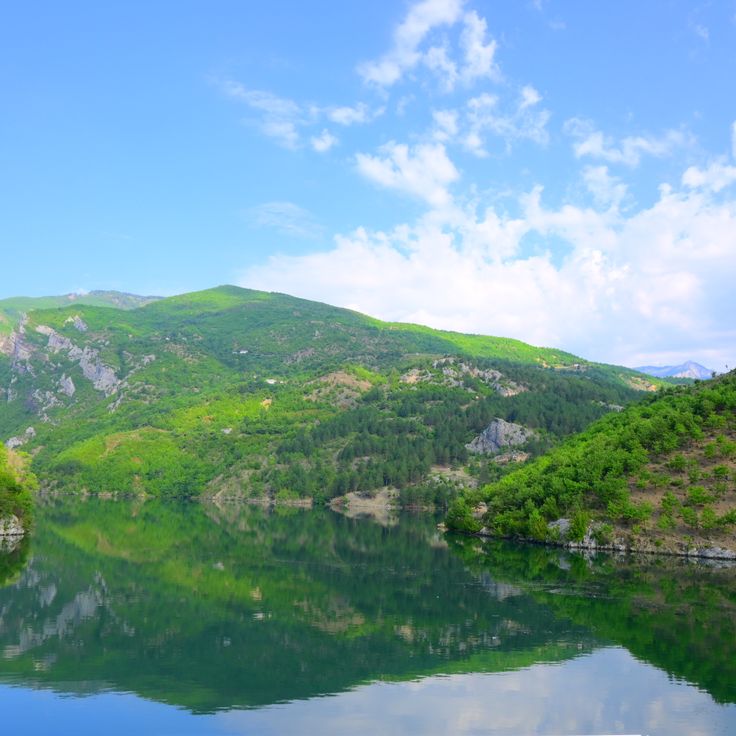
Shkodër, Albania
This 34-kilometer reservoir formed by a hydroelectric dam in 1978 sits between vertical canyon walls reaching heights of 500 meters.
Vlorë, Albania
Archaeological site featuring stone walls, amphitheater ruins, and artifacts from the 5th century BC Illyrian civilization.
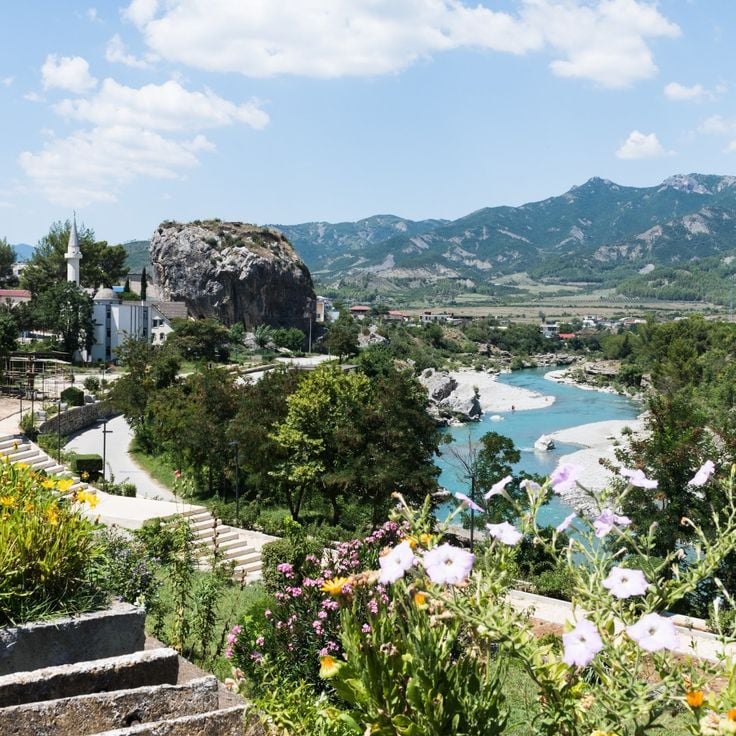
Përmet, Albania
Mineral springs reaching temperatures of 32°C, situated in a valley near limestone cliffs beside the Vjosa River.
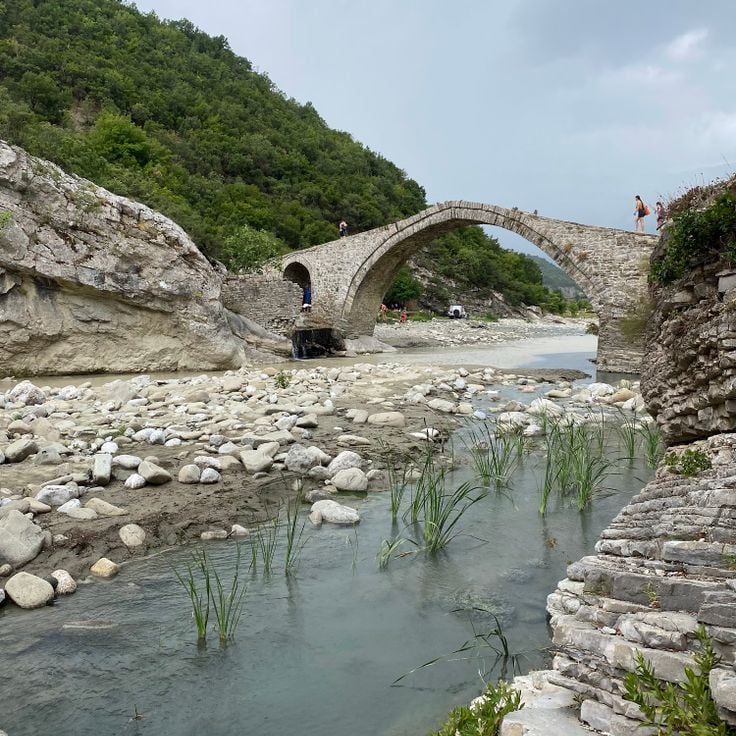
Përmet, Albania
Natural stone pools with sulfur-rich water at 30°C, next to an arched Ottoman bridge from the 1700s.
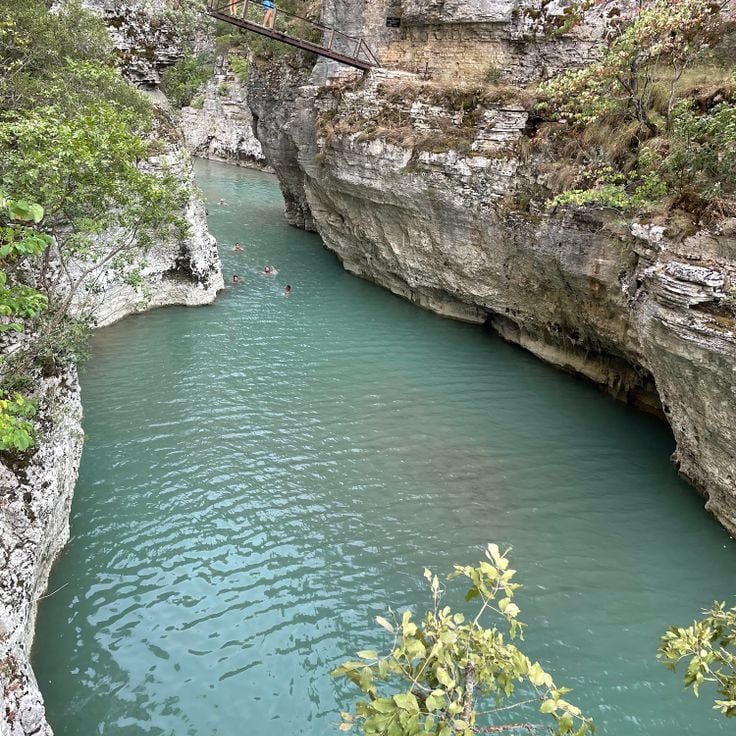
Berat, Albania
Canyon with vertical walls rising 100 meters above the Osumi River, forming multiple waterfalls and rock formations.
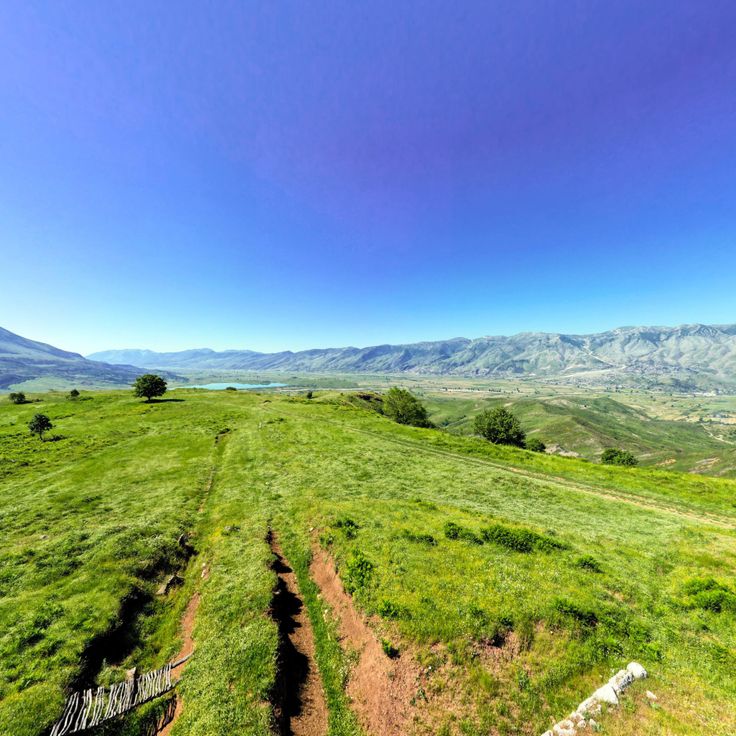
Gjirokastër, Albania
Archaeological site from 295 BC featuring stone walls, thermal baths, residential quarters and a Greek theater on a hilltop location.
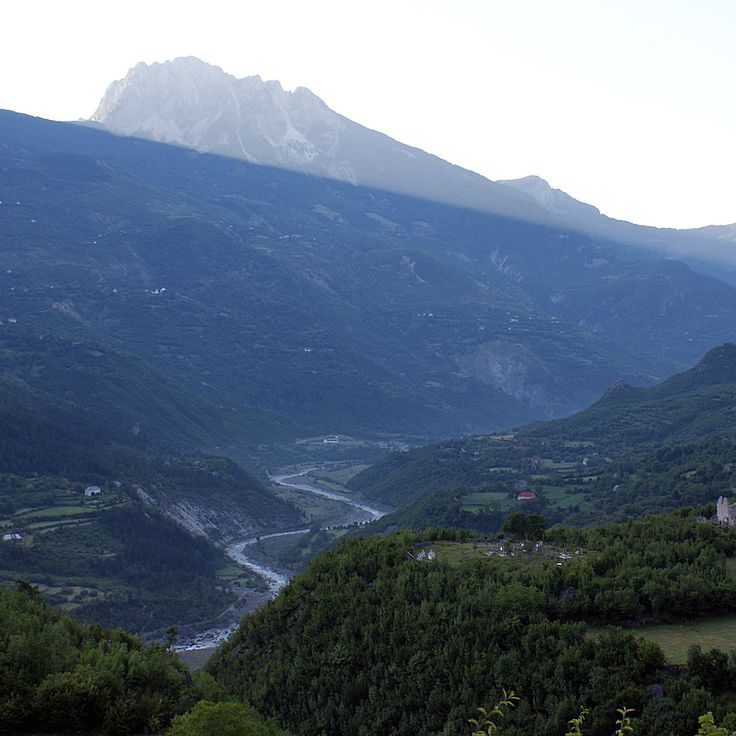
Shkodër, Albania
Mountain river flowing through limestone canyons with clear water pools, surrounded by beech forests and traditional alpine villages.