See the monuments around you in AROpen chests in the app
Around Us is built for your phone — point your camera at the streets and discover the monuments and places around you in augmented reality.Around Us is built for your phone — chests unlock when you walk, explore and capture nearby places.
Washington DC, the capital of the United States, houses the three branches of federal government and the nation's most significant political institutions. The White House serves as the presidential residence, while the Capitol building hosts Congress and the Supreme Court represents the judicial branch. The National Mall extends 2 miles (3 kilometers) and connects historic monuments such as the Lincoln Memorial, Jefferson Memorial, and Washington Monument, which commemorate the nation's founders.
The city holds an exceptional concentration of museums, many belonging to the Smithsonian Institution and offering free admission. The National Air and Space Museum displays the history of aviation and space exploration, while the National Gallery of Art presents an extensive collection of European and American art. The Library of Congress preserves over 170 million items and ranks as the largest library in the world. Memorials such as the Vietnam Veterans Memorial and the Martin Luther King Jr. Memorial honor significant events and figures in American history. Historic districts like Georgetown and Embassy Row, along with green spaces such as the Tidal Basin and Theodore Roosevelt Island Park, complement the capital's cultural and natural offerings.
Washington DC, the capital of the United States, houses the three branches of federal government and the nation's most significant political institutions. The White House serves as the presidential residence, while the Capitol building hosts Congress and the Supreme Court represents the judicial branch. The National Mall extends 2 miles (3 kilometers) and connects historic monuments such as the Lincoln Memorial, Jefferson Memorial, and Washington Monument, which commemorate the nation's founders.
The city holds an exceptional concentration of museums, many belonging to the Smithsonian Institution and offering free admission. The National Air and Space Museum displays the history of aviation and space exploration, while the National Gallery of Art presents an extensive collection of European and American art. The Library of Congress preserves over 170 million items and ranks as the largest library in the world. Memorials such as the Vietnam Veterans Memorial and the Martin Luther King Jr. Memorial honor significant events and figures in American history. Historic districts like Georgetown and Embassy Row, along with green spaces such as the Tidal Basin and Theodore Roosevelt Island Park, complement the capital's cultural and natural offerings.
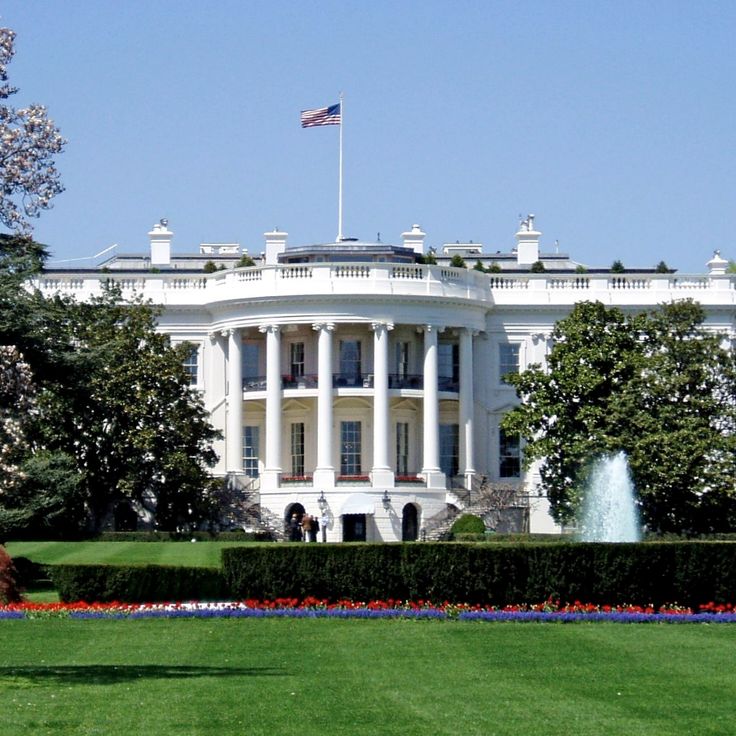
The White House serves as the official residence and workplace of the President of the United States and has been a central symbol of American government in Washington DC since 1800. This neoclassical building comprises six floors with 132 rooms across approximately 55,000 square feet (5,100 square meters) of floor space. The structure combines the functions of a private home with those of a seat of government and plays an essential role in the political life of the nation's capital. Visitors can tour selected areas and learn about the history of the American presidency.
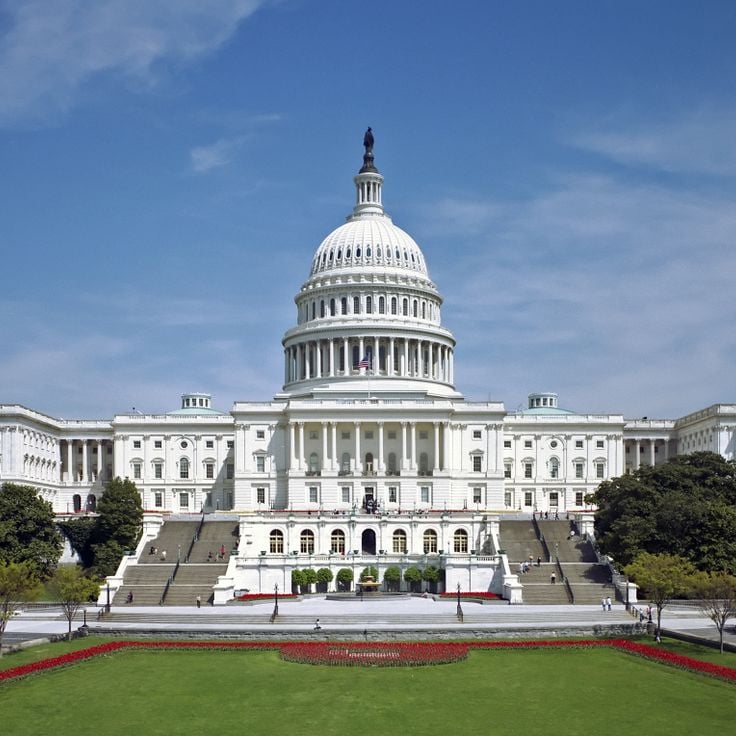
The United States Capitol serves as the central government building in this collection and houses the Congress of the United States. This structure features a cast iron dome and contains 540 rooms, constructed between 1793 and 1800. The building functions as the legislative center of American democracy and stands at the heart of the nation's capital. The Capitol represents a key symbol of the nation and forms a central part of Washington's political architecture, surrounded by other major institutions including the White House and national museums.
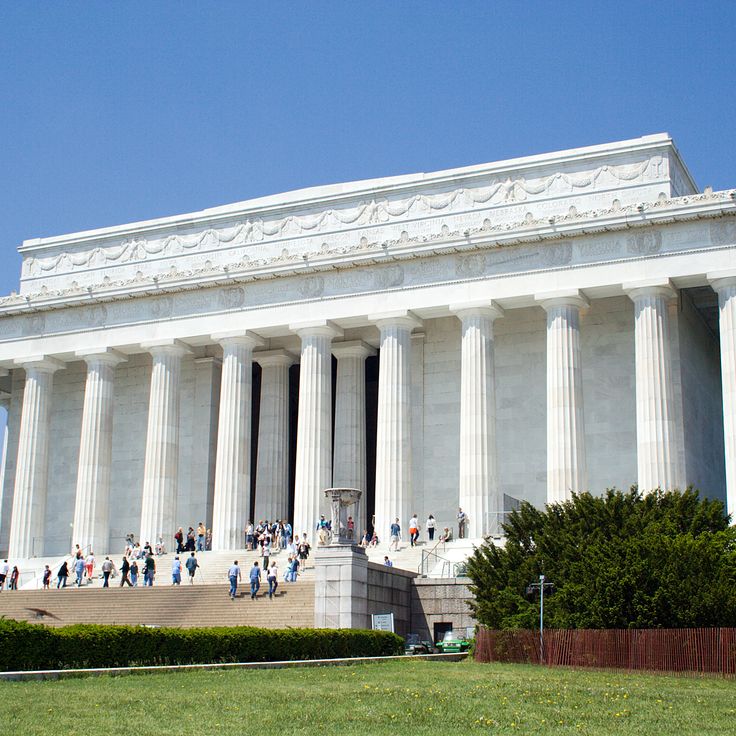
The Lincoln Memorial is a temple style marble building featuring a 19-foot (5.8 meter) seated statue of President Lincoln. This monument opened in 1922 and stands at the western end of the National Mall. The memorial honors Abraham Lincoln, the 16th President of the United States, and serves as one of the key monuments in the nation's capital. The structure is an important part of Washington DC's political and historical landscape, complementing nearby institutions like the Capitol and the White House.
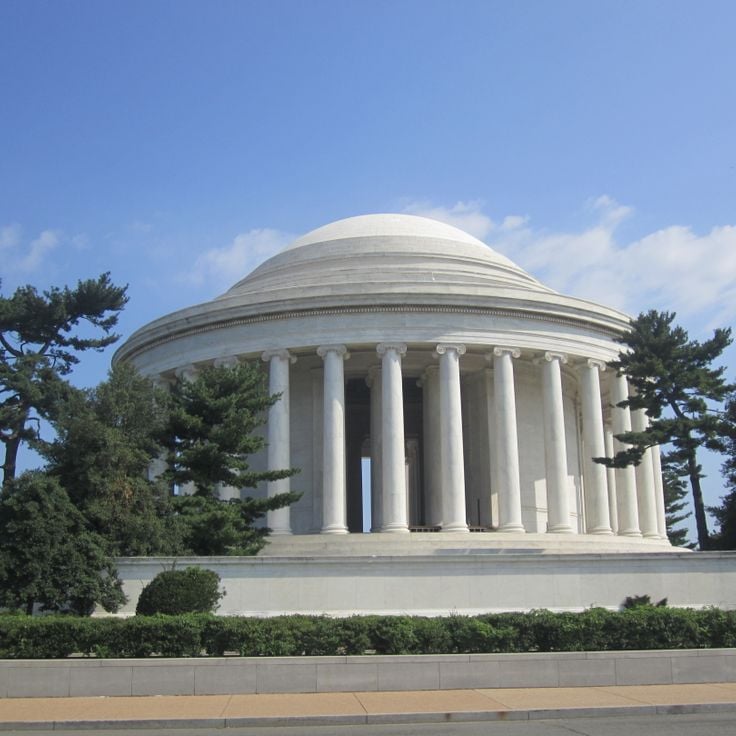
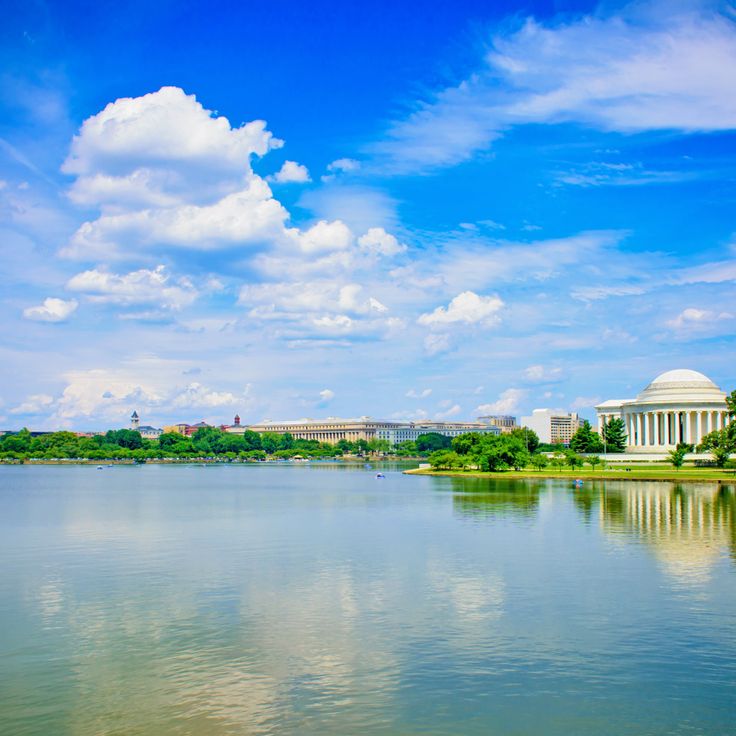
This circular memorial on the Tidal Basin honors Thomas Jefferson, the third President of the United States and primary author of the Declaration of Independence. Completed in 1943, the structure follows the design of the Roman Pantheon with 26 Ionic columns supporting a dome. At the center stands a 19-foot (5.8 meter) bronze statue of Jefferson. The walls feature inscriptions from his most important writings, including the Declaration of Independence and the Virginia Statute for Religious Freedom. The Jefferson Memorial is one of the central historical sites in the nation's capital, positioned across from the White House on the southern shore of the basin.
This central park extends for 1.2 miles (2 kilometers) between the Capitol and the Lincoln Memorial, forming the symbolic heart of the American capital. The National Mall contains major Smithsonian Institution museums, national monuments, and the Reflecting Pool. The public space serves as a venue for national ceremonies, demonstrations, and commemorative events. The expansive green area connects Washington's most important government buildings and cultural institutions, representing the democratic values of the United States.
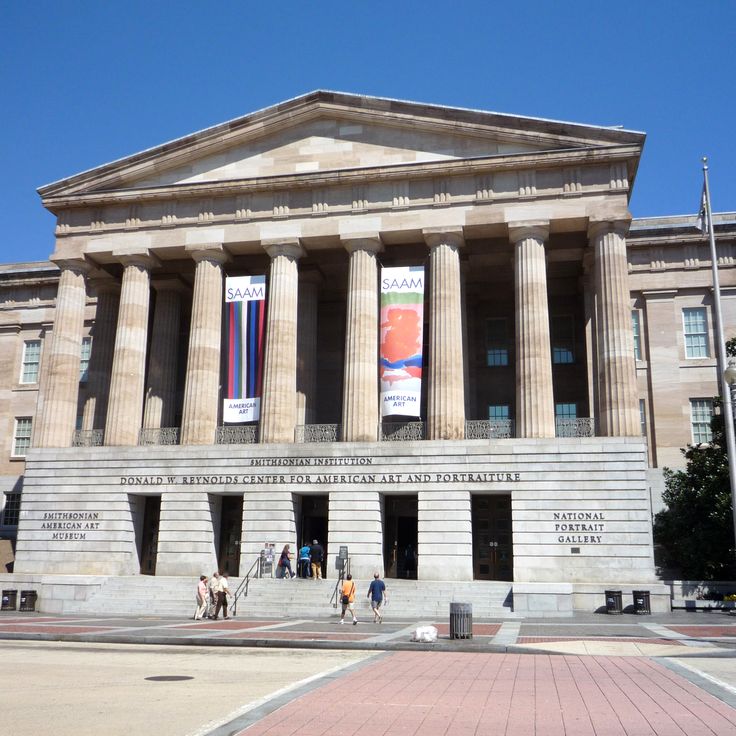
This institution is a museum complex in central Washington DC with 19 public museums that offer free admission. The Smithsonian includes natural history, aviation and space history, and American history collections. The institution was founded in 1846 and serves to increase and diffuse knowledge. Its locations include buildings along the National Mall that house research centers, archives, and exhibition spaces.
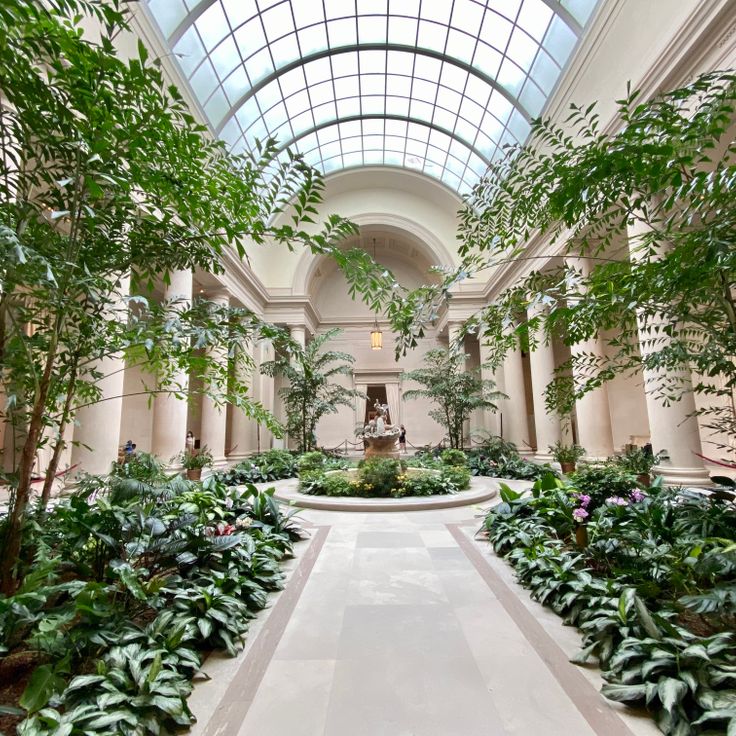
The National Gallery of Art preserves over 150,000 artworks spanning from medieval paintings to contemporary art. This museum divides its collections between two buildings: the West Building displays European and American masterpieces from the 13th through 19th centuries, while the East Building presents modern and contemporary art. This institution in Washington D.C. complements the capital's museum landscape with major works by artists including da Vinci, Rembrandt, Monet, Picasso, and Rothko.
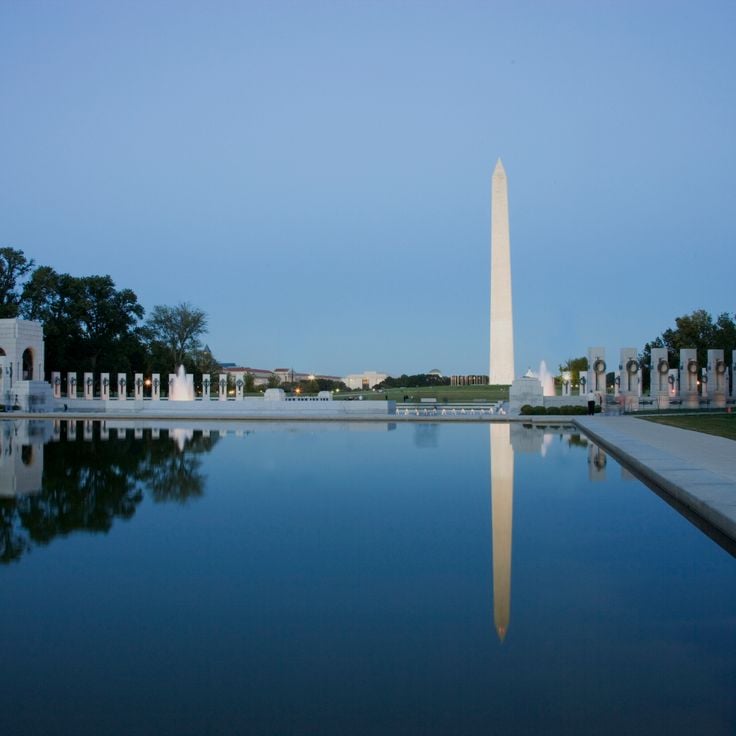
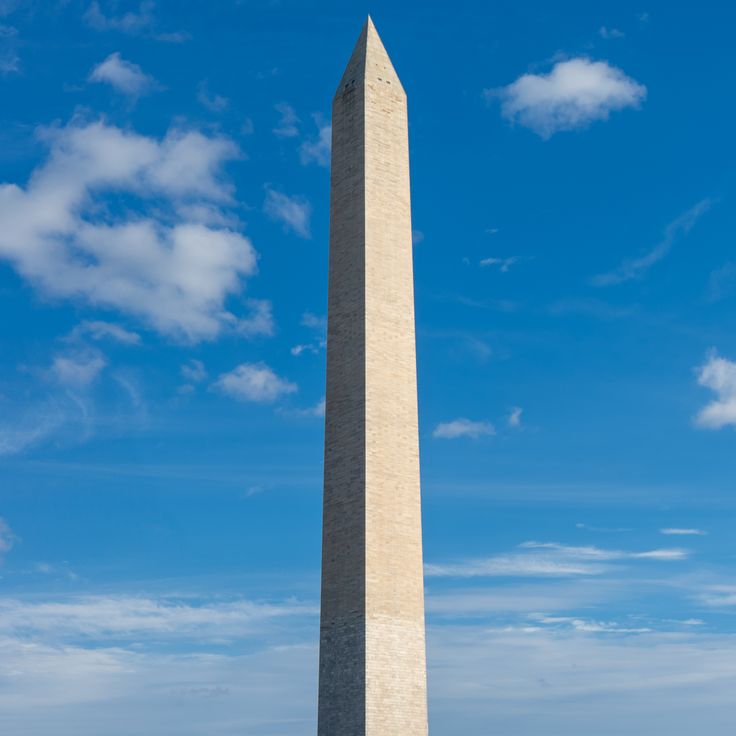
This obelisk monument rises 557 feet (169 meters) above the capital and marks a central point on the National Mall. The structure was built between 1848 and 1884 from marble and granite to honor George Washington as the first president of the United States. From the observation deck at the top, visitors survey the Capitol, the White House, and other significant government buildings across the city. The monument forms a central axis of political symbolism in Washington DC together with the Lincoln Memorial and the Capitol.
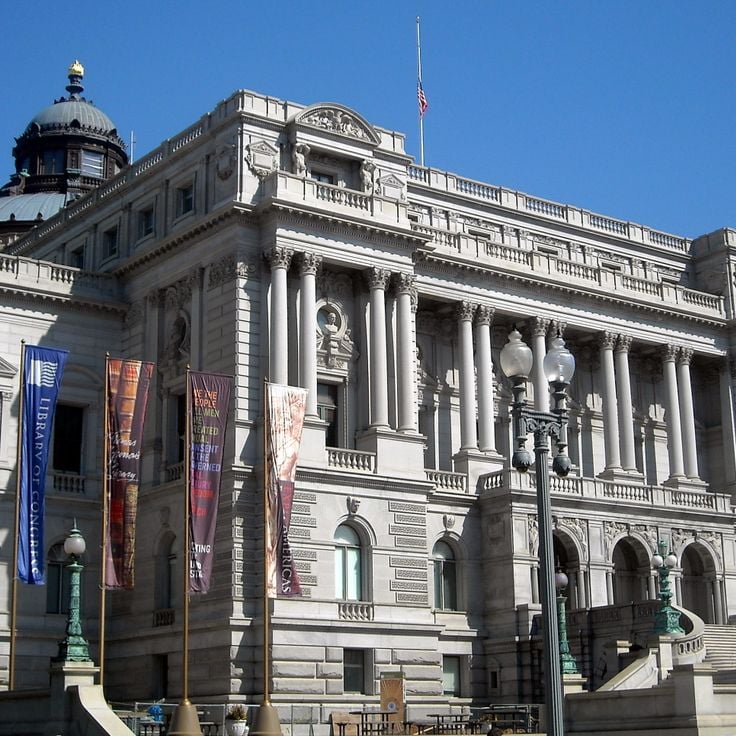
This national library serves as the research facility for Congress and the public, housing over 170 million items in 470 languages. The collection includes books, manuscripts, photographs, maps, and sound recordings from around the world. The institution was established in 1800 under President John Adams and occupies three buildings on Capitol Hill. As the largest library in the world, it documents American history and culture as well as international collections. The reading rooms and exhibition spaces are accessible to researchers and visitors, displaying valuable historical documents.
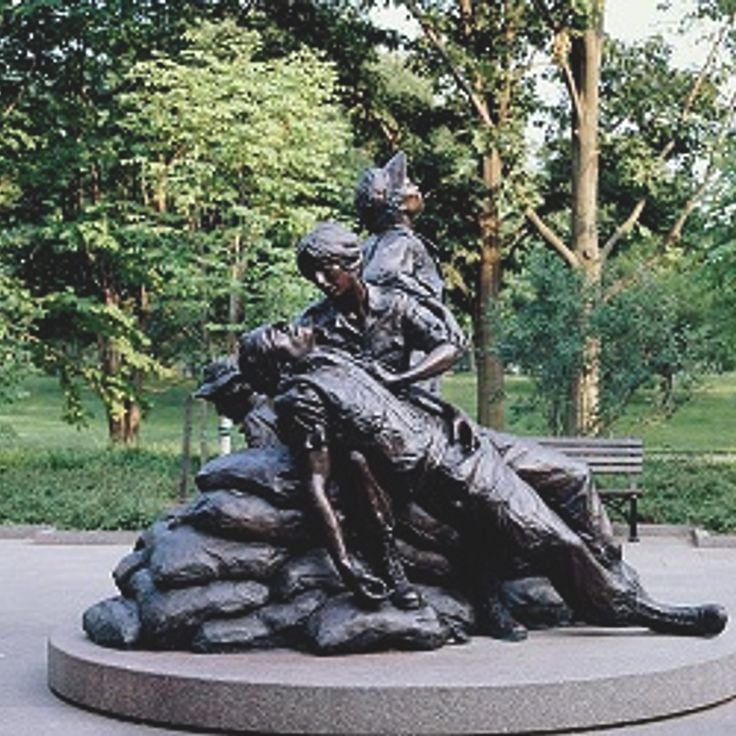
This memorial to fallen soldiers of the Vietnam War consists of a black granite wall bearing the names of 58,318 American service members. The structure designed by Maya Lin was completed in 1982 and is located on the National Mall. The wall extends 246 feet (75 meters) in length and is inscribed in chronological order of deaths. The Vietnam Veterans Memorial ranks among the capital's most important memorials and commemorates the casualties of the Vietnam War between 1955 and 1975.
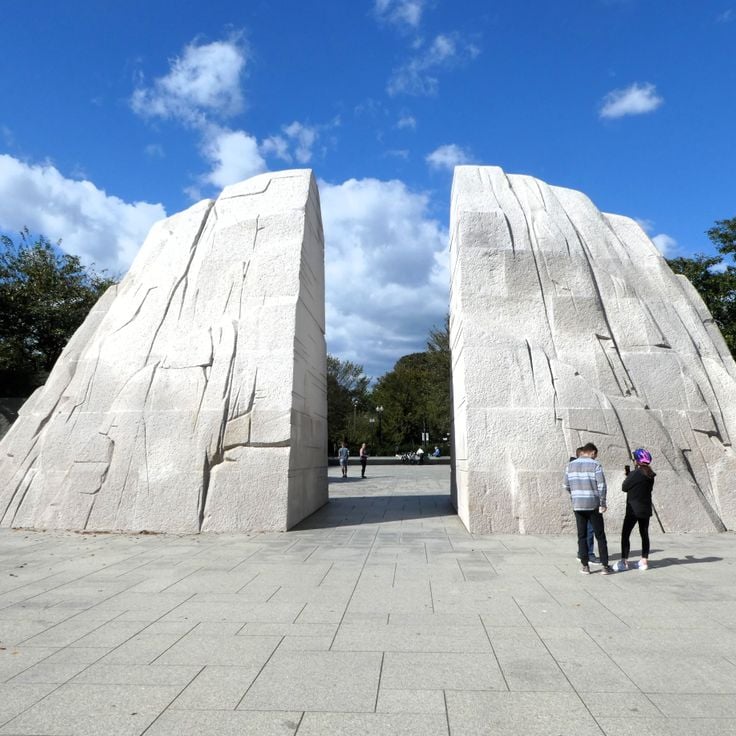
This memorial in the National Mall honors Martin Luther King Jr. through a 30-foot granite statue carved from white stone. The monument was dedicated in 2011 and depicts the civil rights leader in a commanding pose. The site includes inscription walls featuring excerpts from his speeches and writings. Located between the Lincoln Memorial and the Jefferson Memorial along the Tidal Basin, this memorial forms part of the capital's commemorative landscape documenting American history and the civil rights movement.
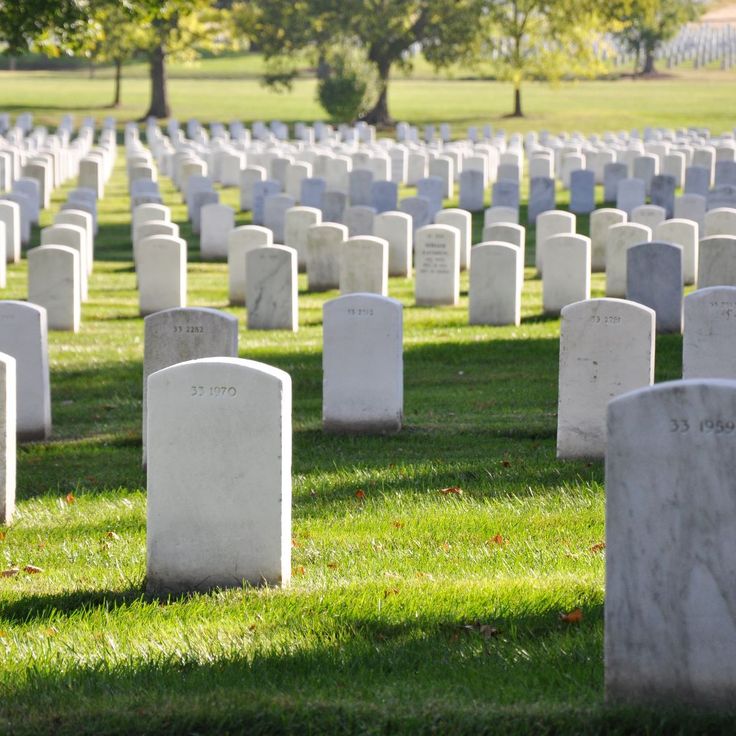
Arlington National Cemetery spans 624 acres (252 hectares) and serves as the primary military burial ground of the United States with over 400,000 graves. The cemetery contains the Tomb of the Unknown Soldier and the final resting place of President John F. Kennedy. Located across the Potomac River from Washington DC, this national cemetery honors members of the armed forces and notable figures in American history.
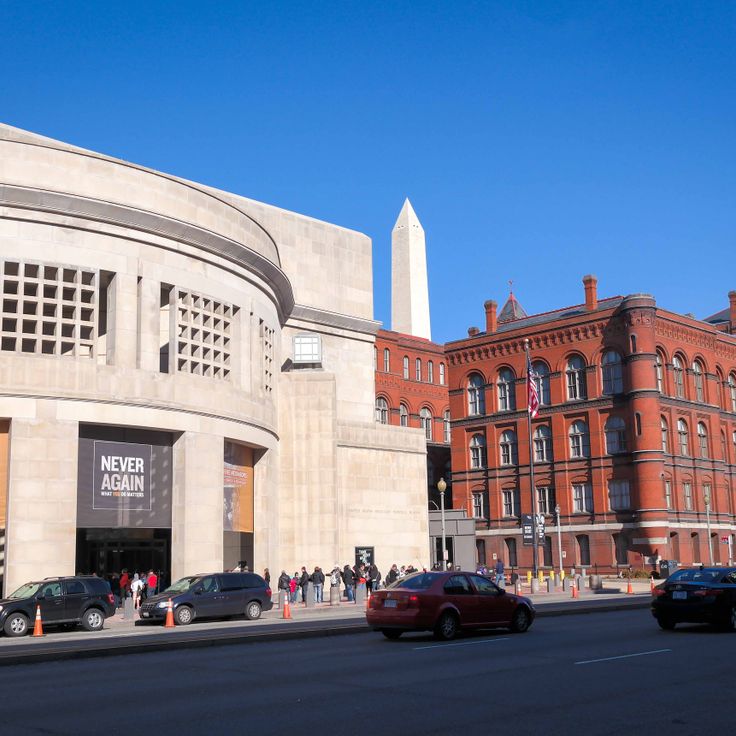
This museum documents the systematic persecution and murder of European Jews during the Holocaust through photographs, objects and survivor testimonies. The exhibition presents historical events from 1933 to 1945 and preserves the memory of the victims. The Holocaust Memorial Museum provides visitors in the American capital with an understanding of this tragedy and its significance for future generations through permanent and temporary displays.
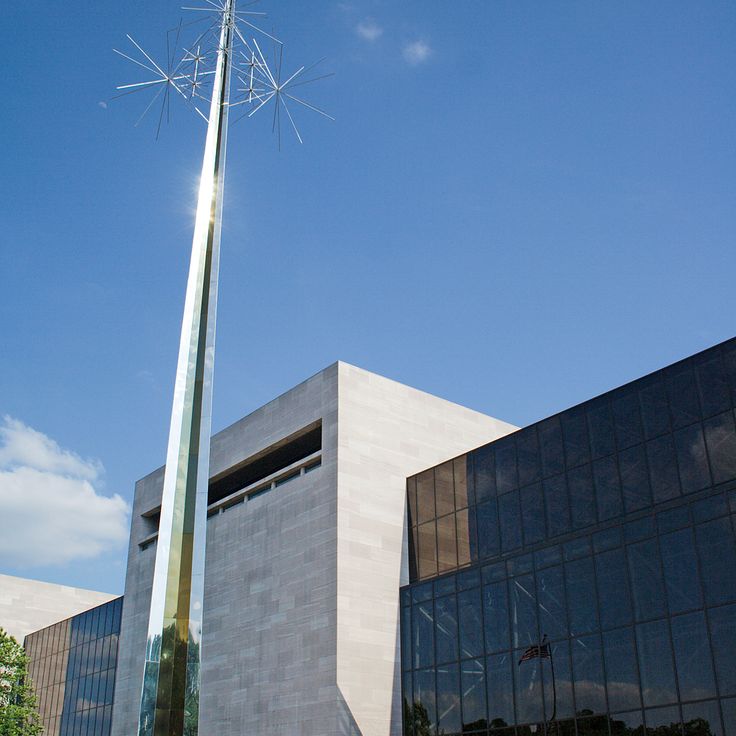
This museum houses an extensive collection of original aircraft, spacecraft and artifacts documenting the development of aviation and space technology. The National Air and Space Museum displays historic flying machines from the earliest powered flights to modern space exploration, showing visitors the technological evolution of these fields. As part of the Smithsonian Institution, it contributes to the capital's educational landscape.
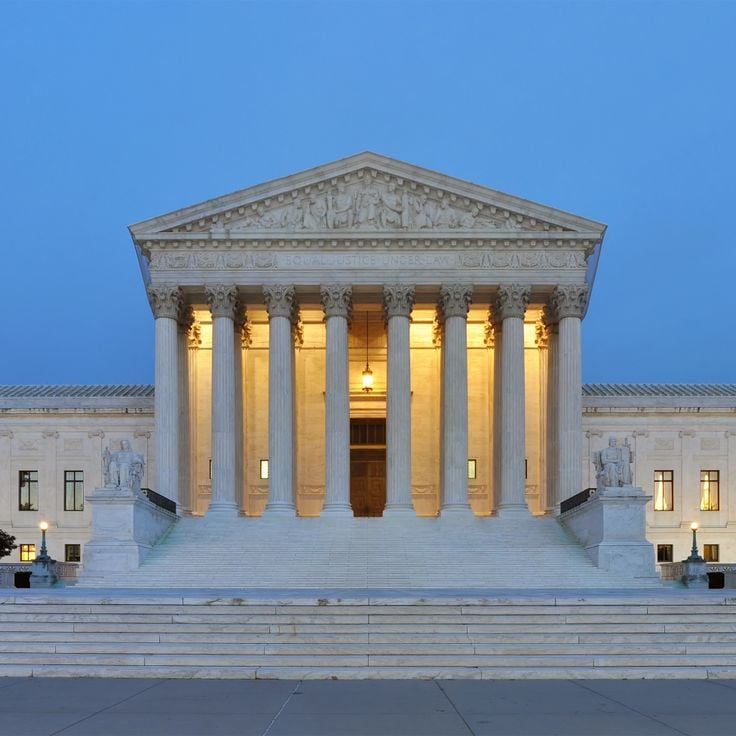
The United States Supreme Court Building serves as the home of the highest federal court in the nation, where nine justices preside over constitutional matters and legal disputes of national importance. This neoclassical structure was completed in 1935 and features a white marble facade with Corinthian columns that rise 32 feet (9.8 meters) high. The interior includes the courtroom, conference rooms, and a legal library housing over 500,000 volumes. Located across from the Capitol on First Street, this building represents the judicial branch of the federal government. Public tours allow visitors to view the courtroom and learn about the constitutional role of the Supreme Court in the American legal system.
This historic district preserves residential and commercial buildings from the 18th century that rank among the oldest surviving structures in the capital. The Georgetown University campus forms part of the district and contributes to its architectural variety. The streets document early urban development in Washington before the establishment of the District of Columbia. The district extends along the Potomac River and displays Federal and Georgian architectural styles from the colonial period. The preserved buildings now serve as residences, shops and educational facilities.
This artificial water basin regulates the Potomac River water levels and protects Washington from flooding since 1890. The Tidal Basin forms part of West Potomac Park and covers an area of 107 acres (43 hectares). The structure features two gatehouses that balance water levels between the river and the basin. Several thousand Japanese cherry trees line the shoreline and bloom each spring. The basin reaches approximately 10 feet (3 meters) in depth and is surrounded by monuments including the Jefferson Memorial and the Martin Luther King Jr. Memorial. Walking paths circle the entire body of water.
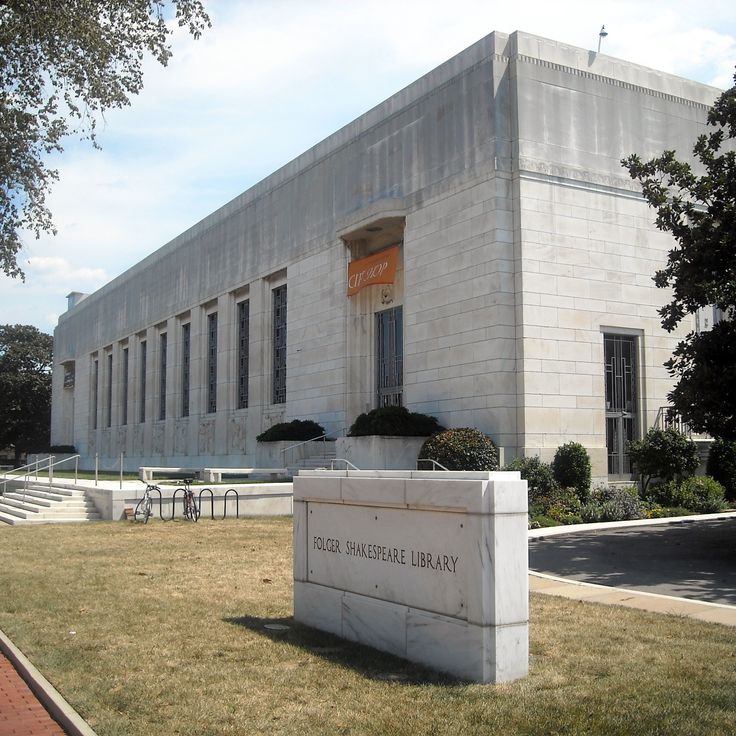
The Folger Shakespeare Library holds the world's largest collection of printed works by William Shakespeare. This research library preserves 82 First Folios and more than 60,000 manuscripts from the Renaissance period. The institution serves scholars studying English and American literature and history. Beyond the historic texts, the collection includes books, prints, and artwork from the 16th and 17th centuries. This library in the heart of the nation's capital contributes to Washington DC's concentration of national cultural institutions.
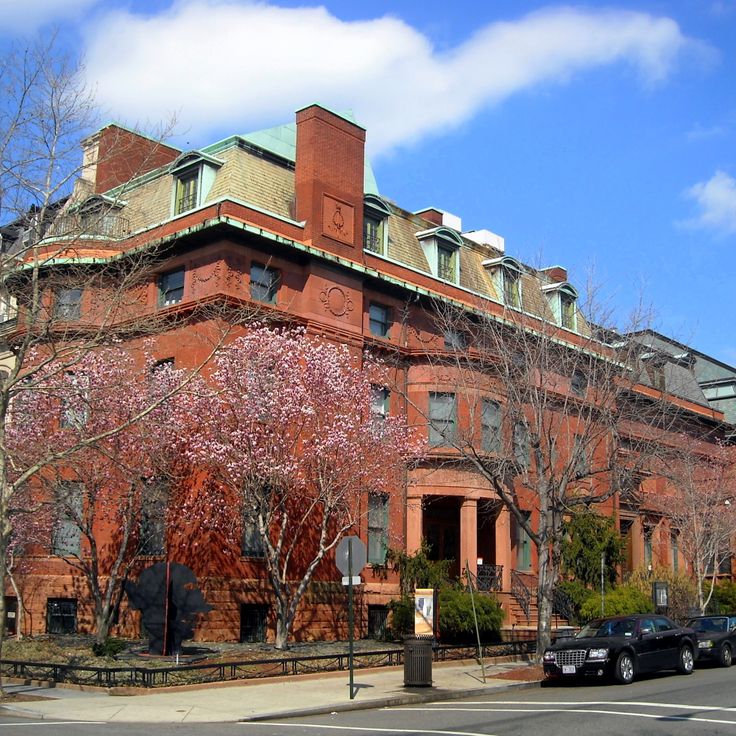
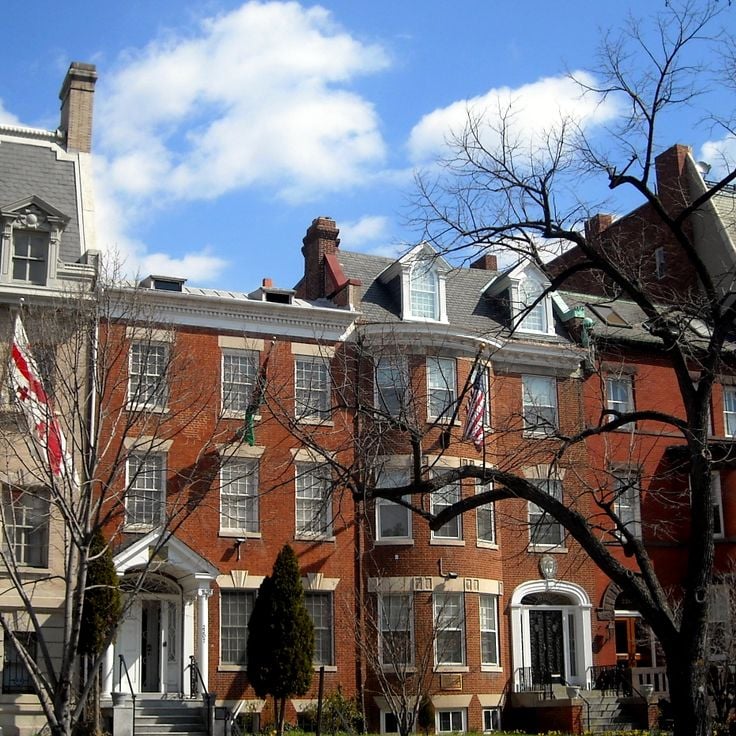
Embassy Row extends along Massachusetts Avenue between Scott Circle and the Naval Observatory and houses over 175 foreign embassies and diplomatic missions. This area forms the diplomatic center of Washington DC, where buildings of varying architectural styles reflect the diversity of represented nations. Massachusetts Avenue passes through several neighborhoods and connects the political center of the capital with the diplomatic facilities that have been established here since the early 20th century. Embassy Row is part of Washington's urban landscape and demonstrates the international significance of the city as the seat of government of the United States.
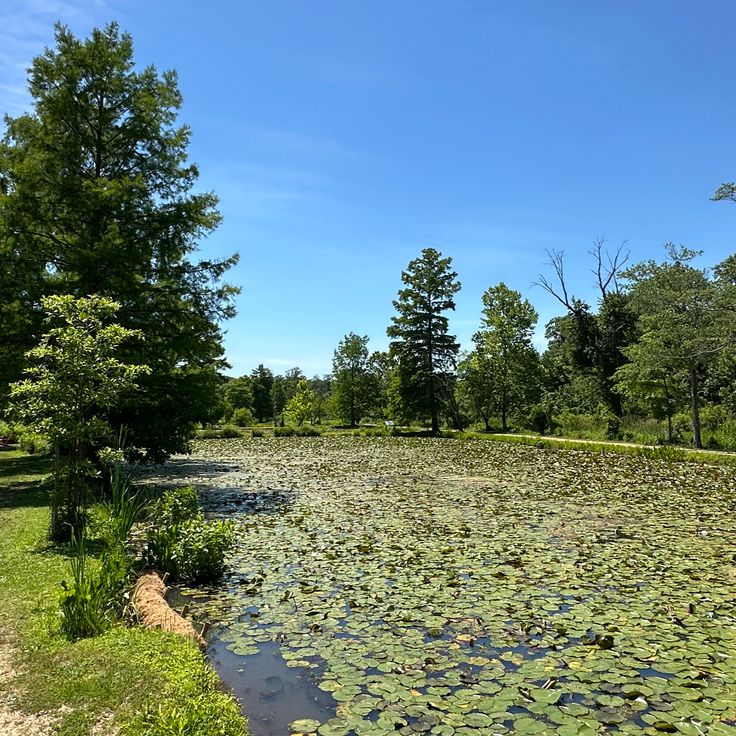
Kenilworth Aquatic Gardens comprises 45 ponds with aquatic plants and a marsh area with native plant species along the Anacostia River. This site in the capital provides a botanical space for aquatic flora and serves as a natural recreation area. The ponds display various water lilies and lotus plants, while the marshland offers habitat for waterfowl and other wildlife. The gardens are part of the National Park Service and are located in northeast Washington along the riverfront.
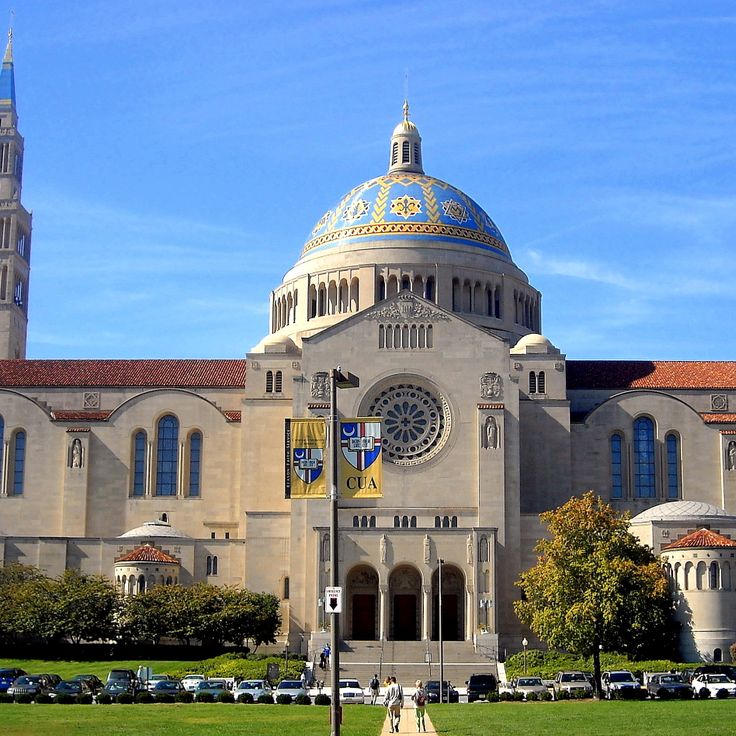
This Roman Catholic church covers 77,000 square feet (7,155 square meters) and accommodates 6,000 people in its main space. The Basilica of National Shrine of the Immaculate Conception serves as an important religious center in the nation's capital. The building combines Byzantine and Romanesque architectural styles and ranks among the largest Catholic churches in North America. The interior displays numerous mosaics and artworks depicting various aspects of Catholic faith. The basilica is located in the northeast part of the city, near the Catholic University of America.
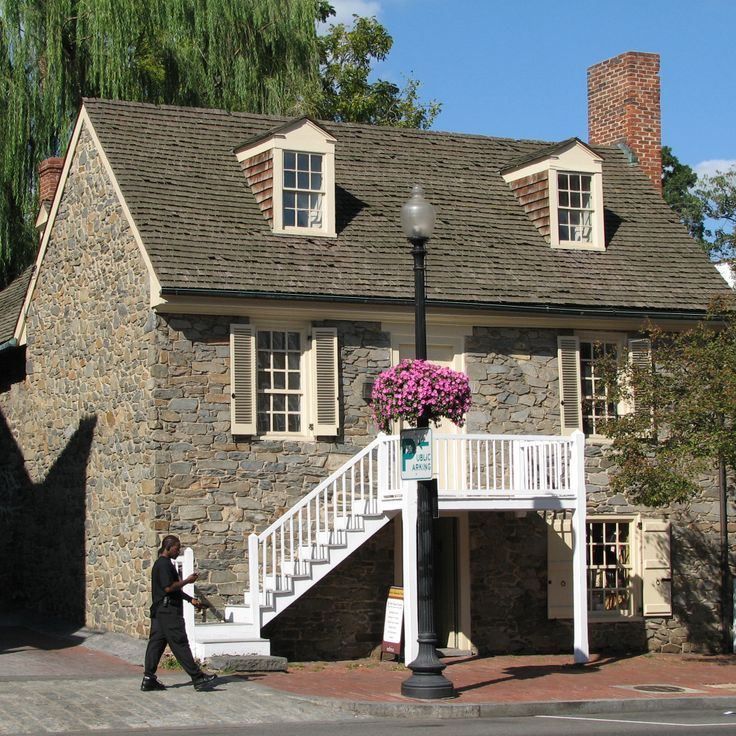
This colonial house was built in 1765 using local granite and maintains its original 18th-century construction state. The Old Stone House stands as one of the oldest surviving structures in Washington DC, showing the early building methods of the region before the capital's establishment. The structure documents colonial-era craftsmanship with its thick stone walls and authentic architectural details. The house serves as a historical record of the pre-revolutionary era in the nation's capital.
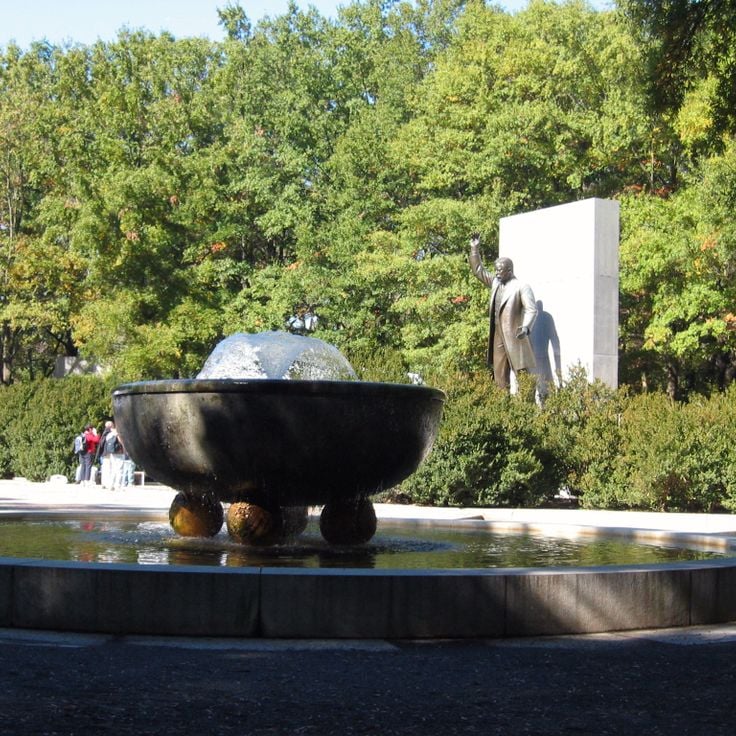
This wooded island in the Potomac River provides a 90-acre (36-hectare) nature preserve with a network of trails that wind through bottomland forest and marshland. Theodore Roosevelt Island Park contains a central memorial plaza with a 17-foot (5-meter) bronze statue of the 26th president, surrounded by four granite tablets inscribed with his quotations. The island serves as a wildlife sanctuary in the middle of the capital city and provides habitat for various bird species and small mammals. Access is via a footbridge from the George Washington Memorial Parkway.
This underground music venue offers a 500-person capacity and features a large dance floor with a cork-cushioned wooden surface. The U Street Music Hall occupies space in one of the capital's most culturally significant neighborhoods and showcases Washington's live music scene beyond the official institutions. The venue contributes to the city's diverse cultural landscape, which extends beyond the national museums and historical monuments to include contemporary music and nightlife spaces.
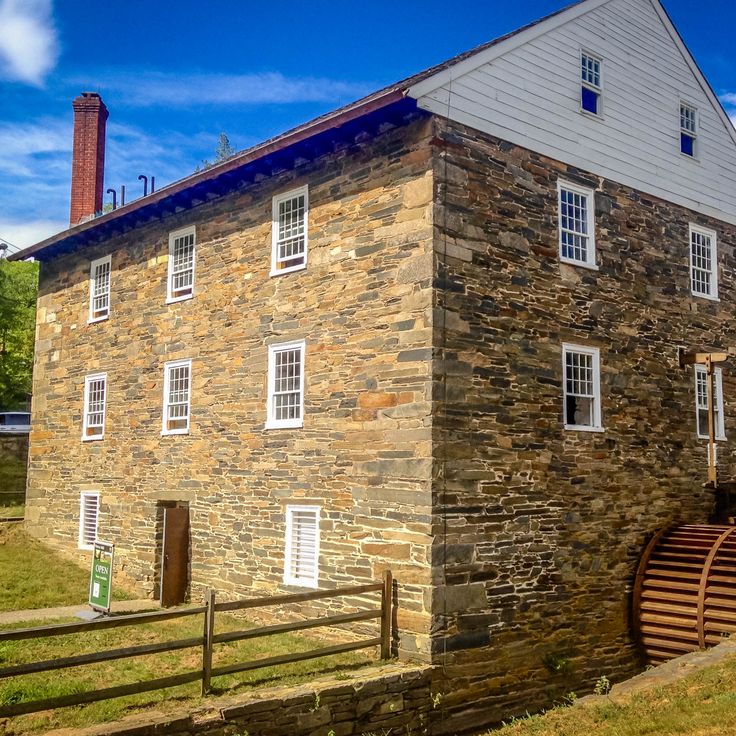
This stone mill from the 19th century stands in Rock Creek Park and demonstrates historical grain processing methods. Peirce Mill was built in 1829 and operated as a water-powered gristmill. The mill is now part of an educational program that introduces visitors to traditional milling techniques and the agricultural history of the region around the United States capital. The site includes the mill building with a functioning mill wheel along with adjacent historical structures.
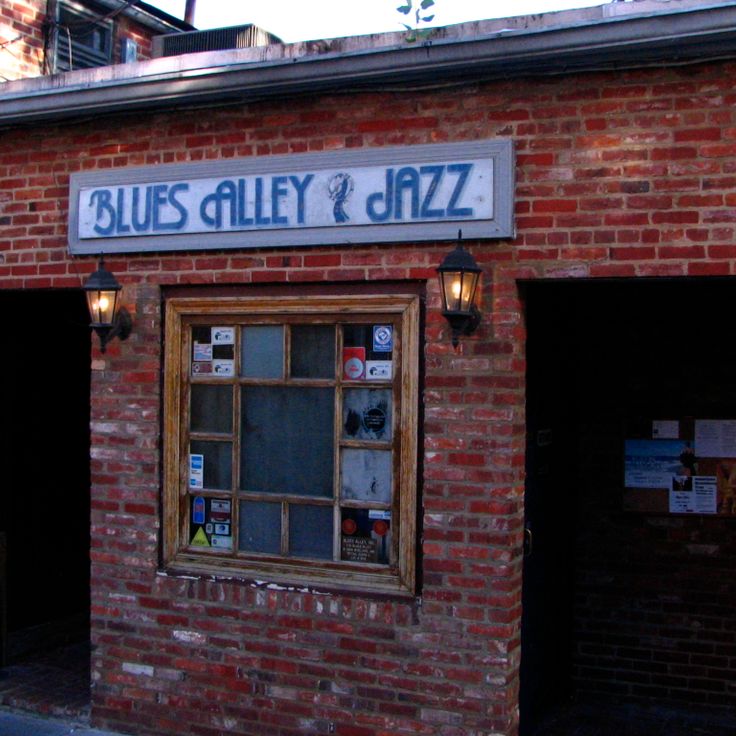
This jazz club was established in 1965 in Georgetown and presents national and international musicians performing each evening. Blues Alley is one of the oldest jazz venues in the city and offers an intimate setting for live performances. The club is located in a historic alley and adds authentic jazz music to the cultural offerings of the capital. The stage has hosted numerous well-known artists over the decades.
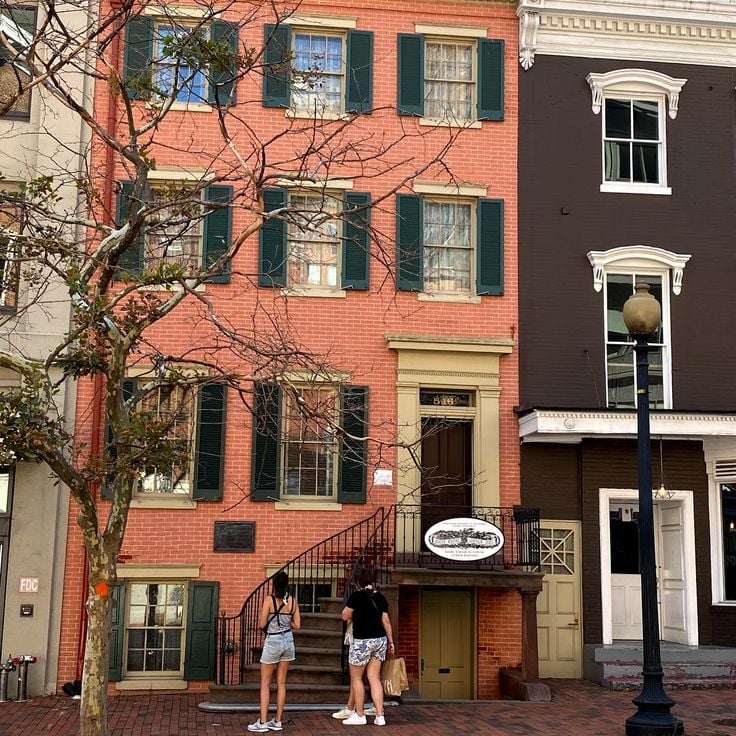
The Petersen House is the 19th century building where President Abraham Lincoln was carried after being shot at Ford's Theatre and spent his final hours. This historic residence stands directly across the street from the theater and preserves the rooms where Lincoln died on April 15, 1865. The house contains period furnishings and displays that document the medical efforts to save the president's life during that night. Managed by the National Park Service, the Petersen House forms part of the Ford's Theatre National Historic Site and contributes to Washington DC's collection of presidential memorials and monuments that tell the story of American political history.
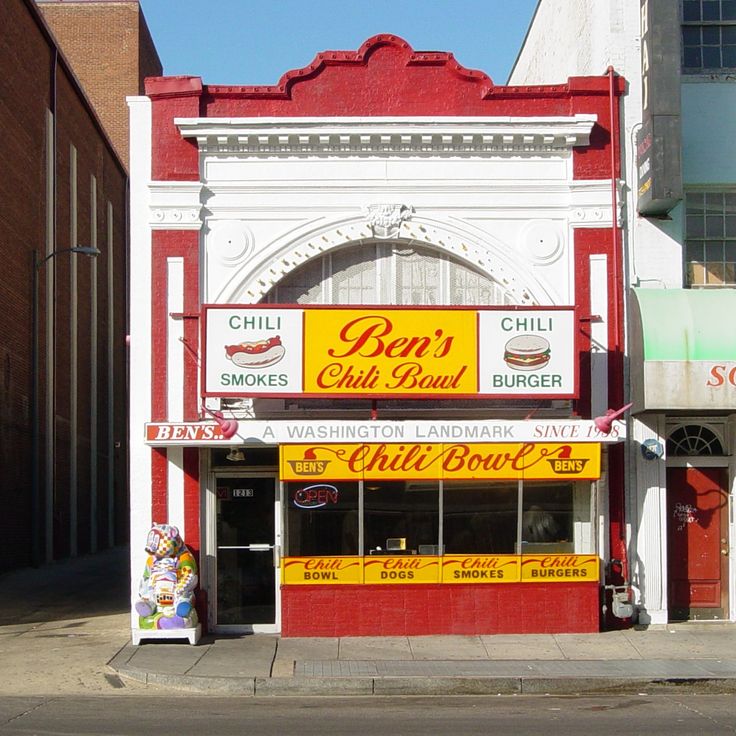
This restaurant on U Street was established in 1958 and is known for its regional specialties and its role in the civil rights movement. Ben's Chili Bowl belongs to Washington's culinary history and has witnessed the development of the historic U Street Corridor. The establishment has served as a meeting place for over six decades and reflects the social history of the capital. The menu focuses on traditional American dishes with local ties.
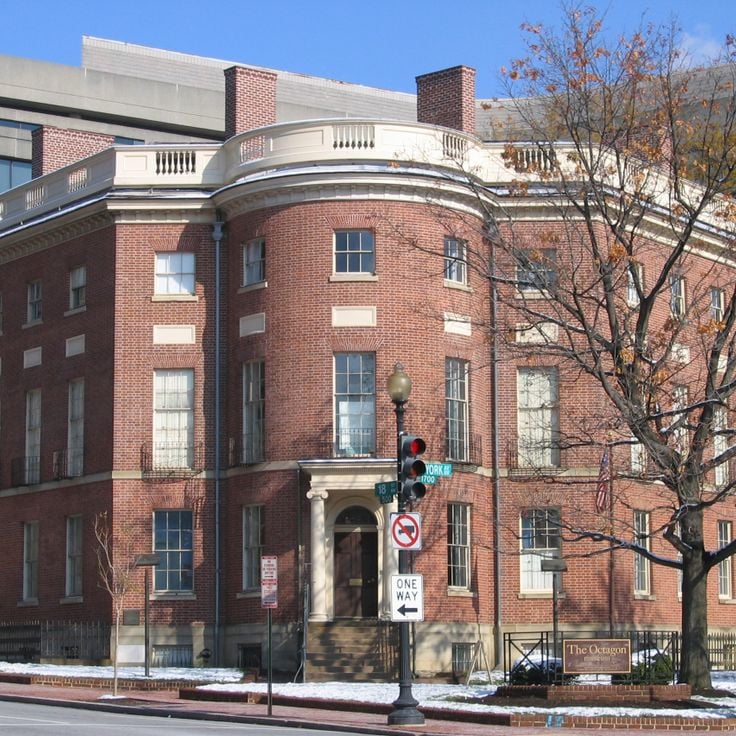
The Octagon Museum occupies a historic building from 1799 and displays early American architecture and interior design from the Federal era. This museum in Washington DC documents the architectural development of the young American republic and presents original furnishings from around 1800. The exhibition provides insights into the architectural and design principles of the founding period of the United States.
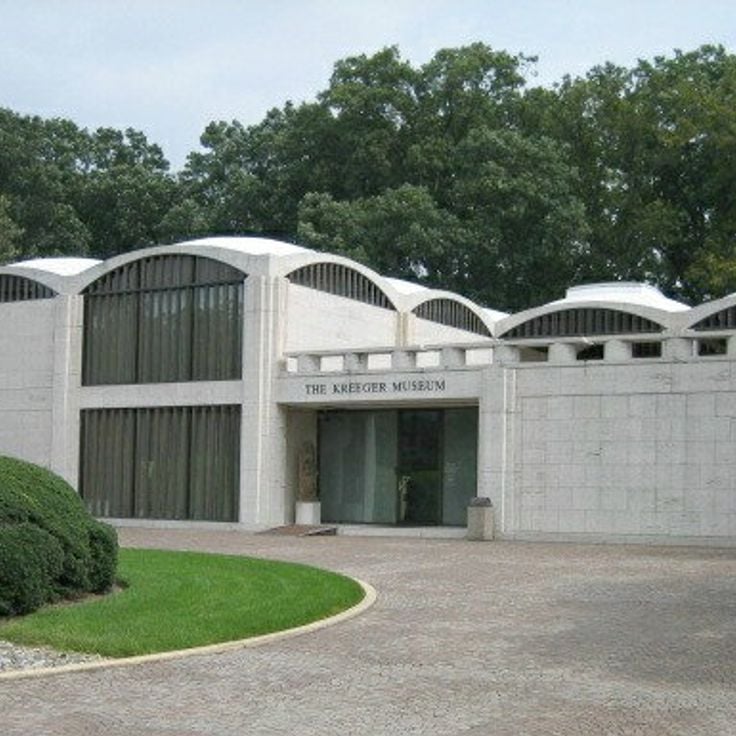
The Kreeger Museum displays the private art collection of David Kreeger in his former villa. The collection includes modern paintings and sculptures by artists from the 19th and 20th centuries. This museum contributes to the capital's cultural offerings with works by Monet, Picasso, and Rodin. The architecturally notable villa was designed by architect Philip Johnson. Guided tours provide access to the exhibition rooms and the sculpture garden.
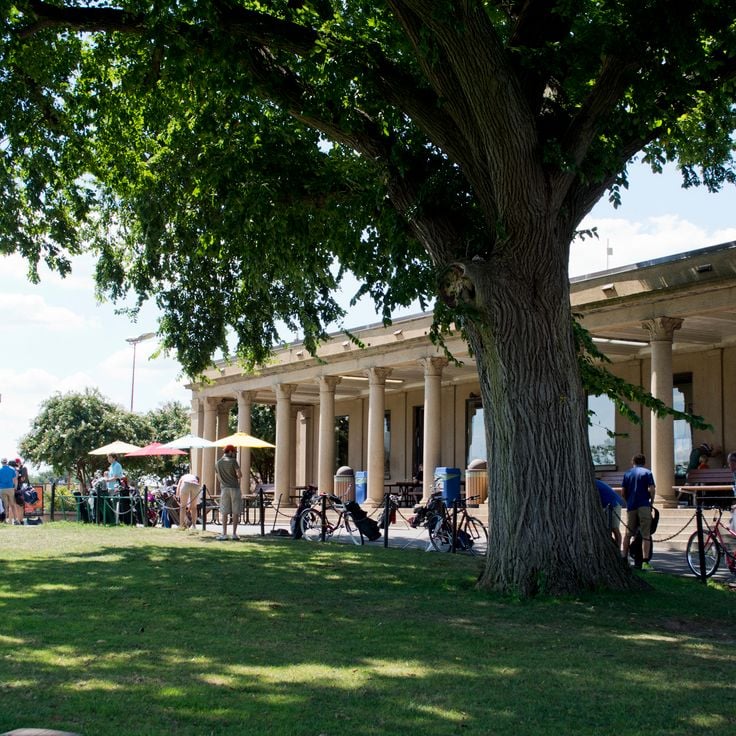
East Potomac Park is a long, narrow strip of land in the southwest corner of Washington D.C., sitting on a peninsula between the Potomac River and the Washington Channel. In spring, cherry trees bloom along the paths, drawing locals and visitors alike. People come here to walk, jog, cycle, or simply sit by the water. The park feels removed from the busy center of the city, even though it is just a short distance from the National Mall.
The Phillips Collection is America's first museum of modern art, established in 1921 within a Georgian Revival residence. This institution displays impressionist and post-impressionist paintings by Renoir and Van Gogh alongside significant works by 20th century American painters. The museum preserves a collection of over 5,000 artworks in an intimate setting that reflects the personal character of the original residence and underscores Washington's central role as a cultural hub of the nation.
The White House serves as the official residence and workplace of the President of the United States and has been a central symbol of American government in Washington DC since 1800. This neoclassical building comprises six floors with 132 rooms across approximately 55,000 square feet (5,100 square meters) of floor space. The structure combines the functions of a private home with those of a seat of government and plays an essential role in the political life of the nation's capital. Visitors can tour selected areas and learn about the history of the American presidency.
The United States Capitol serves as the central government building in this collection and houses the Congress of the United States. This structure features a cast iron dome and contains 540 rooms, constructed between 1793 and 1800. The building functions as the legislative center of American democracy and stands at the heart of the nation's capital. The Capitol represents a key symbol of the nation and forms a central part of Washington's political architecture, surrounded by other major institutions including the White House and national museums.
The Lincoln Memorial is a temple style marble building featuring a 19-foot (5.8 meter) seated statue of President Lincoln. This monument opened in 1922 and stands at the western end of the National Mall. The memorial honors Abraham Lincoln, the 16th President of the United States, and serves as one of the key monuments in the nation's capital. The structure is an important part of Washington DC's political and historical landscape, complementing nearby institutions like the Capitol and the White House.
This circular memorial on the Tidal Basin honors Thomas Jefferson, the third President of the United States and primary author of the Declaration of Independence. Completed in 1943, the structure follows the design of the Roman Pantheon with 26 Ionic columns supporting a dome. At the center stands a 19-foot (5.8 meter) bronze statue of Jefferson. The walls feature inscriptions from his most important writings, including the Declaration of Independence and the Virginia Statute for Religious Freedom. The Jefferson Memorial is one of the central historical sites in the nation's capital, positioned across from the White House on the southern shore of the basin.
This central park extends for 1.2 miles (2 kilometers) between the Capitol and the Lincoln Memorial, forming the symbolic heart of the American capital. The National Mall contains major Smithsonian Institution museums, national monuments, and the Reflecting Pool. The public space serves as a venue for national ceremonies, demonstrations, and commemorative events. The expansive green area connects Washington's most important government buildings and cultural institutions, representing the democratic values of the United States.
This institution is a museum complex in central Washington DC with 19 public museums that offer free admission. The Smithsonian includes natural history, aviation and space history, and American history collections. The institution was founded in 1846 and serves to increase and diffuse knowledge. Its locations include buildings along the National Mall that house research centers, archives, and exhibition spaces.
The National Gallery of Art preserves over 150,000 artworks spanning from medieval paintings to contemporary art. This museum divides its collections between two buildings: the West Building displays European and American masterpieces from the 13th through 19th centuries, while the East Building presents modern and contemporary art. This institution in Washington D.C. complements the capital's museum landscape with major works by artists including da Vinci, Rembrandt, Monet, Picasso, and Rothko.
This obelisk monument rises 557 feet (169 meters) above the capital and marks a central point on the National Mall. The structure was built between 1848 and 1884 from marble and granite to honor George Washington as the first president of the United States. From the observation deck at the top, visitors survey the Capitol, the White House, and other significant government buildings across the city. The monument forms a central axis of political symbolism in Washington DC together with the Lincoln Memorial and the Capitol.
This national library serves as the research facility for Congress and the public, housing over 170 million items in 470 languages. The collection includes books, manuscripts, photographs, maps, and sound recordings from around the world. The institution was established in 1800 under President John Adams and occupies three buildings on Capitol Hill. As the largest library in the world, it documents American history and culture as well as international collections. The reading rooms and exhibition spaces are accessible to researchers and visitors, displaying valuable historical documents.
This memorial to fallen soldiers of the Vietnam War consists of a black granite wall bearing the names of 58,318 American service members. The structure designed by Maya Lin was completed in 1982 and is located on the National Mall. The wall extends 246 feet (75 meters) in length and is inscribed in chronological order of deaths. The Vietnam Veterans Memorial ranks among the capital's most important memorials and commemorates the casualties of the Vietnam War between 1955 and 1975.
This memorial in the National Mall honors Martin Luther King Jr. through a 30-foot granite statue carved from white stone. The monument was dedicated in 2011 and depicts the civil rights leader in a commanding pose. The site includes inscription walls featuring excerpts from his speeches and writings. Located between the Lincoln Memorial and the Jefferson Memorial along the Tidal Basin, this memorial forms part of the capital's commemorative landscape documenting American history and the civil rights movement.
Arlington National Cemetery spans 624 acres (252 hectares) and serves as the primary military burial ground of the United States with over 400,000 graves. The cemetery contains the Tomb of the Unknown Soldier and the final resting place of President John F. Kennedy. Located across the Potomac River from Washington DC, this national cemetery honors members of the armed forces and notable figures in American history.
This museum documents the systematic persecution and murder of European Jews during the Holocaust through photographs, objects and survivor testimonies. The exhibition presents historical events from 1933 to 1945 and preserves the memory of the victims. The Holocaust Memorial Museum provides visitors in the American capital with an understanding of this tragedy and its significance for future generations through permanent and temporary displays.
This museum houses an extensive collection of original aircraft, spacecraft and artifacts documenting the development of aviation and space technology. The National Air and Space Museum displays historic flying machines from the earliest powered flights to modern space exploration, showing visitors the technological evolution of these fields. As part of the Smithsonian Institution, it contributes to the capital's educational landscape.
The United States Supreme Court Building serves as the home of the highest federal court in the nation, where nine justices preside over constitutional matters and legal disputes of national importance. This neoclassical structure was completed in 1935 and features a white marble facade with Corinthian columns that rise 32 feet (9.8 meters) high. The interior includes the courtroom, conference rooms, and a legal library housing over 500,000 volumes. Located across from the Capitol on First Street, this building represents the judicial branch of the federal government. Public tours allow visitors to view the courtroom and learn about the constitutional role of the Supreme Court in the American legal system.
This historic district preserves residential and commercial buildings from the 18th century that rank among the oldest surviving structures in the capital. The Georgetown University campus forms part of the district and contributes to its architectural variety. The streets document early urban development in Washington before the establishment of the District of Columbia. The district extends along the Potomac River and displays Federal and Georgian architectural styles from the colonial period. The preserved buildings now serve as residences, shops and educational facilities.
This artificial water basin regulates the Potomac River water levels and protects Washington from flooding since 1890. The Tidal Basin forms part of West Potomac Park and covers an area of 107 acres (43 hectares). The structure features two gatehouses that balance water levels between the river and the basin. Several thousand Japanese cherry trees line the shoreline and bloom each spring. The basin reaches approximately 10 feet (3 meters) in depth and is surrounded by monuments including the Jefferson Memorial and the Martin Luther King Jr. Memorial. Walking paths circle the entire body of water.
The Folger Shakespeare Library holds the world's largest collection of printed works by William Shakespeare. This research library preserves 82 First Folios and more than 60,000 manuscripts from the Renaissance period. The institution serves scholars studying English and American literature and history. Beyond the historic texts, the collection includes books, prints, and artwork from the 16th and 17th centuries. This library in the heart of the nation's capital contributes to Washington DC's concentration of national cultural institutions.
Embassy Row extends along Massachusetts Avenue between Scott Circle and the Naval Observatory and houses over 175 foreign embassies and diplomatic missions. This area forms the diplomatic center of Washington DC, where buildings of varying architectural styles reflect the diversity of represented nations. Massachusetts Avenue passes through several neighborhoods and connects the political center of the capital with the diplomatic facilities that have been established here since the early 20th century. Embassy Row is part of Washington's urban landscape and demonstrates the international significance of the city as the seat of government of the United States.
Kenilworth Aquatic Gardens comprises 45 ponds with aquatic plants and a marsh area with native plant species along the Anacostia River. This site in the capital provides a botanical space for aquatic flora and serves as a natural recreation area. The ponds display various water lilies and lotus plants, while the marshland offers habitat for waterfowl and other wildlife. The gardens are part of the National Park Service and are located in northeast Washington along the riverfront.
This Roman Catholic church covers 77,000 square feet (7,155 square meters) and accommodates 6,000 people in its main space. The Basilica of National Shrine of the Immaculate Conception serves as an important religious center in the nation's capital. The building combines Byzantine and Romanesque architectural styles and ranks among the largest Catholic churches in North America. The interior displays numerous mosaics and artworks depicting various aspects of Catholic faith. The basilica is located in the northeast part of the city, near the Catholic University of America.
This colonial house was built in 1765 using local granite and maintains its original 18th-century construction state. The Old Stone House stands as one of the oldest surviving structures in Washington DC, showing the early building methods of the region before the capital's establishment. The structure documents colonial-era craftsmanship with its thick stone walls and authentic architectural details. The house serves as a historical record of the pre-revolutionary era in the nation's capital.
This wooded island in the Potomac River provides a 90-acre (36-hectare) nature preserve with a network of trails that wind through bottomland forest and marshland. Theodore Roosevelt Island Park contains a central memorial plaza with a 17-foot (5-meter) bronze statue of the 26th president, surrounded by four granite tablets inscribed with his quotations. The island serves as a wildlife sanctuary in the middle of the capital city and provides habitat for various bird species and small mammals. Access is via a footbridge from the George Washington Memorial Parkway.
This underground music venue offers a 500-person capacity and features a large dance floor with a cork-cushioned wooden surface. The U Street Music Hall occupies space in one of the capital's most culturally significant neighborhoods and showcases Washington's live music scene beyond the official institutions. The venue contributes to the city's diverse cultural landscape, which extends beyond the national museums and historical monuments to include contemporary music and nightlife spaces.
This stone mill from the 19th century stands in Rock Creek Park and demonstrates historical grain processing methods. Peirce Mill was built in 1829 and operated as a water-powered gristmill. The mill is now part of an educational program that introduces visitors to traditional milling techniques and the agricultural history of the region around the United States capital. The site includes the mill building with a functioning mill wheel along with adjacent historical structures.
This jazz club was established in 1965 in Georgetown and presents national and international musicians performing each evening. Blues Alley is one of the oldest jazz venues in the city and offers an intimate setting for live performances. The club is located in a historic alley and adds authentic jazz music to the cultural offerings of the capital. The stage has hosted numerous well-known artists over the decades.
The Petersen House is the 19th century building where President Abraham Lincoln was carried after being shot at Ford's Theatre and spent his final hours. This historic residence stands directly across the street from the theater and preserves the rooms where Lincoln died on April 15, 1865. The house contains period furnishings and displays that document the medical efforts to save the president's life during that night. Managed by the National Park Service, the Petersen House forms part of the Ford's Theatre National Historic Site and contributes to Washington DC's collection of presidential memorials and monuments that tell the story of American political history.
This restaurant on U Street was established in 1958 and is known for its regional specialties and its role in the civil rights movement. Ben's Chili Bowl belongs to Washington's culinary history and has witnessed the development of the historic U Street Corridor. The establishment has served as a meeting place for over six decades and reflects the social history of the capital. The menu focuses on traditional American dishes with local ties.
The Octagon Museum occupies a historic building from 1799 and displays early American architecture and interior design from the Federal era. This museum in Washington DC documents the architectural development of the young American republic and presents original furnishings from around 1800. The exhibition provides insights into the architectural and design principles of the founding period of the United States.
The Kreeger Museum displays the private art collection of David Kreeger in his former villa. The collection includes modern paintings and sculptures by artists from the 19th and 20th centuries. This museum contributes to the capital's cultural offerings with works by Monet, Picasso, and Rodin. The architecturally notable villa was designed by architect Philip Johnson. Guided tours provide access to the exhibition rooms and the sculpture garden.
East Potomac Park is a long, narrow strip of land in the southwest corner of Washington D.C., sitting on a peninsula between the Potomac River and the Washington Channel. In spring, cherry trees bloom along the paths, drawing locals and visitors alike. People come here to walk, jog, cycle, or simply sit by the water. The park feels removed from the busy center of the city, even though it is just a short distance from the National Mall.
The Phillips Collection is America's first museum of modern art, established in 1921 within a Georgian Revival residence. This institution displays impressionist and post-impressionist paintings by Renoir and Van Gogh alongside significant works by 20th century American painters. The museum preserves a collection of over 5,000 artworks in an intimate setting that reflects the personal character of the original residence and underscores Washington's central role as a cultural hub of the nation.
The White House serves as the official residence and workplace of the President of the United States and has been a central symbol of American government in Washington DC since 1800. This neoclassical building comprises six floors with 132 rooms across approximately 55,000 square feet (5,100 square meters) of floor space. The structure combines the functions of a private home with those of a seat of government and plays an essential role in the political life of the nation's capital. Visitors can tour selected areas and learn about the history of the American presidency.
The United States Capitol serves as the central government building in this collection and houses the Congress of the United States. This structure features a cast iron dome and contains 540 rooms, constructed between 1793 and 1800. The building functions as the legislative center of American democracy and stands at the heart of the nation's capital. The Capitol represents a key symbol of the nation and forms a central part of Washington's political architecture, surrounded by other major institutions including the White House and national museums.
The Lincoln Memorial is a temple style marble building featuring a 19-foot (5.8 meter) seated statue of President Lincoln. This monument opened in 1922 and stands at the western end of the National Mall. The memorial honors Abraham Lincoln, the 16th President of the United States, and serves as one of the key monuments in the nation's capital. The structure is an important part of Washington DC's political and historical landscape, complementing nearby institutions like the Capitol and the White House.
This circular memorial on the Tidal Basin honors Thomas Jefferson, the third President of the United States and primary author of the Declaration of Independence. Completed in 1943, the structure follows the design of the Roman Pantheon with 26 Ionic columns supporting a dome. At the center stands a 19-foot (5.8 meter) bronze statue of Jefferson. The walls feature inscriptions from his most important writings, including the Declaration of Independence and the Virginia Statute for Religious Freedom. The Jefferson Memorial is one of the central historical sites in the nation's capital, positioned across from the White House on the southern shore of the basin.
This central park extends for 1.2 miles (2 kilometers) between the Capitol and the Lincoln Memorial, forming the symbolic heart of the American capital. The National Mall contains major Smithsonian Institution museums, national monuments, and the Reflecting Pool. The public space serves as a venue for national ceremonies, demonstrations, and commemorative events. The expansive green area connects Washington's most important government buildings and cultural institutions, representing the democratic values of the United States.
This institution is a museum complex in central Washington DC with 19 public museums that offer free admission. The Smithsonian includes natural history, aviation and space history, and American history collections. The institution was founded in 1846 and serves to increase and diffuse knowledge. Its locations include buildings along the National Mall that house research centers, archives, and exhibition spaces.
The National Gallery of Art preserves over 150,000 artworks spanning from medieval paintings to contemporary art. This museum divides its collections between two buildings: the West Building displays European and American masterpieces from the 13th through 19th centuries, while the East Building presents modern and contemporary art. This institution in Washington D.C. complements the capital's museum landscape with major works by artists including da Vinci, Rembrandt, Monet, Picasso, and Rothko.
This obelisk monument rises 557 feet (169 meters) above the capital and marks a central point on the National Mall. The structure was built between 1848 and 1884 from marble and granite to honor George Washington as the first president of the United States. From the observation deck at the top, visitors survey the Capitol, the White House, and other significant government buildings across the city. The monument forms a central axis of political symbolism in Washington DC together with the Lincoln Memorial and the Capitol.
This national library serves as the research facility for Congress and the public, housing over 170 million items in 470 languages. The collection includes books, manuscripts, photographs, maps, and sound recordings from around the world. The institution was established in 1800 under President John Adams and occupies three buildings on Capitol Hill. As the largest library in the world, it documents American history and culture as well as international collections. The reading rooms and exhibition spaces are accessible to researchers and visitors, displaying valuable historical documents.
This memorial to fallen soldiers of the Vietnam War consists of a black granite wall bearing the names of 58,318 American service members. The structure designed by Maya Lin was completed in 1982 and is located on the National Mall. The wall extends 246 feet (75 meters) in length and is inscribed in chronological order of deaths. The Vietnam Veterans Memorial ranks among the capital's most important memorials and commemorates the casualties of the Vietnam War between 1955 and 1975.
This memorial in the National Mall honors Martin Luther King Jr. through a 30-foot granite statue carved from white stone. The monument was dedicated in 2011 and depicts the civil rights leader in a commanding pose. The site includes inscription walls featuring excerpts from his speeches and writings. Located between the Lincoln Memorial and the Jefferson Memorial along the Tidal Basin, this memorial forms part of the capital's commemorative landscape documenting American history and the civil rights movement.
Arlington National Cemetery spans 624 acres (252 hectares) and serves as the primary military burial ground of the United States with over 400,000 graves. The cemetery contains the Tomb of the Unknown Soldier and the final resting place of President John F. Kennedy. Located across the Potomac River from Washington DC, this national cemetery honors members of the armed forces and notable figures in American history.
This museum documents the systematic persecution and murder of European Jews during the Holocaust through photographs, objects and survivor testimonies. The exhibition presents historical events from 1933 to 1945 and preserves the memory of the victims. The Holocaust Memorial Museum provides visitors in the American capital with an understanding of this tragedy and its significance for future generations through permanent and temporary displays.
This museum houses an extensive collection of original aircraft, spacecraft and artifacts documenting the development of aviation and space technology. The National Air and Space Museum displays historic flying machines from the earliest powered flights to modern space exploration, showing visitors the technological evolution of these fields. As part of the Smithsonian Institution, it contributes to the capital's educational landscape.
The United States Supreme Court Building serves as the home of the highest federal court in the nation, where nine justices preside over constitutional matters and legal disputes of national importance. This neoclassical structure was completed in 1935 and features a white marble facade with Corinthian columns that rise 32 feet (9.8 meters) high. The interior includes the courtroom, conference rooms, and a legal library housing over 500,000 volumes. Located across from the Capitol on First Street, this building represents the judicial branch of the federal government. Public tours allow visitors to view the courtroom and learn about the constitutional role of the Supreme Court in the American legal system.
This historic district preserves residential and commercial buildings from the 18th century that rank among the oldest surviving structures in the capital. The Georgetown University campus forms part of the district and contributes to its architectural variety. The streets document early urban development in Washington before the establishment of the District of Columbia. The district extends along the Potomac River and displays Federal and Georgian architectural styles from the colonial period. The preserved buildings now serve as residences, shops and educational facilities.
This artificial water basin regulates the Potomac River water levels and protects Washington from flooding since 1890. The Tidal Basin forms part of West Potomac Park and covers an area of 107 acres (43 hectares). The structure features two gatehouses that balance water levels between the river and the basin. Several thousand Japanese cherry trees line the shoreline and bloom each spring. The basin reaches approximately 10 feet (3 meters) in depth and is surrounded by monuments including the Jefferson Memorial and the Martin Luther King Jr. Memorial. Walking paths circle the entire body of water.
The Folger Shakespeare Library holds the world's largest collection of printed works by William Shakespeare. This research library preserves 82 First Folios and more than 60,000 manuscripts from the Renaissance period. The institution serves scholars studying English and American literature and history. Beyond the historic texts, the collection includes books, prints, and artwork from the 16th and 17th centuries. This library in the heart of the nation's capital contributes to Washington DC's concentration of national cultural institutions.
Embassy Row extends along Massachusetts Avenue between Scott Circle and the Naval Observatory and houses over 175 foreign embassies and diplomatic missions. This area forms the diplomatic center of Washington DC, where buildings of varying architectural styles reflect the diversity of represented nations. Massachusetts Avenue passes through several neighborhoods and connects the political center of the capital with the diplomatic facilities that have been established here since the early 20th century. Embassy Row is part of Washington's urban landscape and demonstrates the international significance of the city as the seat of government of the United States.
Kenilworth Aquatic Gardens comprises 45 ponds with aquatic plants and a marsh area with native plant species along the Anacostia River. This site in the capital provides a botanical space for aquatic flora and serves as a natural recreation area. The ponds display various water lilies and lotus plants, while the marshland offers habitat for waterfowl and other wildlife. The gardens are part of the National Park Service and are located in northeast Washington along the riverfront.
This Roman Catholic church covers 77,000 square feet (7,155 square meters) and accommodates 6,000 people in its main space. The Basilica of National Shrine of the Immaculate Conception serves as an important religious center in the nation's capital. The building combines Byzantine and Romanesque architectural styles and ranks among the largest Catholic churches in North America. The interior displays numerous mosaics and artworks depicting various aspects of Catholic faith. The basilica is located in the northeast part of the city, near the Catholic University of America.
This colonial house was built in 1765 using local granite and maintains its original 18th-century construction state. The Old Stone House stands as one of the oldest surviving structures in Washington DC, showing the early building methods of the region before the capital's establishment. The structure documents colonial-era craftsmanship with its thick stone walls and authentic architectural details. The house serves as a historical record of the pre-revolutionary era in the nation's capital.
This wooded island in the Potomac River provides a 90-acre (36-hectare) nature preserve with a network of trails that wind through bottomland forest and marshland. Theodore Roosevelt Island Park contains a central memorial plaza with a 17-foot (5-meter) bronze statue of the 26th president, surrounded by four granite tablets inscribed with his quotations. The island serves as a wildlife sanctuary in the middle of the capital city and provides habitat for various bird species and small mammals. Access is via a footbridge from the George Washington Memorial Parkway.
This underground music venue offers a 500-person capacity and features a large dance floor with a cork-cushioned wooden surface. The U Street Music Hall occupies space in one of the capital's most culturally significant neighborhoods and showcases Washington's live music scene beyond the official institutions. The venue contributes to the city's diverse cultural landscape, which extends beyond the national museums and historical monuments to include contemporary music and nightlife spaces.
This stone mill from the 19th century stands in Rock Creek Park and demonstrates historical grain processing methods. Peirce Mill was built in 1829 and operated as a water-powered gristmill. The mill is now part of an educational program that introduces visitors to traditional milling techniques and the agricultural history of the region around the United States capital. The site includes the mill building with a functioning mill wheel along with adjacent historical structures.
This jazz club was established in 1965 in Georgetown and presents national and international musicians performing each evening. Blues Alley is one of the oldest jazz venues in the city and offers an intimate setting for live performances. The club is located in a historic alley and adds authentic jazz music to the cultural offerings of the capital. The stage has hosted numerous well-known artists over the decades.
The Petersen House is the 19th century building where President Abraham Lincoln was carried after being shot at Ford's Theatre and spent his final hours. This historic residence stands directly across the street from the theater and preserves the rooms where Lincoln died on April 15, 1865. The house contains period furnishings and displays that document the medical efforts to save the president's life during that night. Managed by the National Park Service, the Petersen House forms part of the Ford's Theatre National Historic Site and contributes to Washington DC's collection of presidential memorials and monuments that tell the story of American political history.
This restaurant on U Street was established in 1958 and is known for its regional specialties and its role in the civil rights movement. Ben's Chili Bowl belongs to Washington's culinary history and has witnessed the development of the historic U Street Corridor. The establishment has served as a meeting place for over six decades and reflects the social history of the capital. The menu focuses on traditional American dishes with local ties.
The Octagon Museum occupies a historic building from 1799 and displays early American architecture and interior design from the Federal era. This museum in Washington DC documents the architectural development of the young American republic and presents original furnishings from around 1800. The exhibition provides insights into the architectural and design principles of the founding period of the United States.
The Kreeger Museum displays the private art collection of David Kreeger in his former villa. The collection includes modern paintings and sculptures by artists from the 19th and 20th centuries. This museum contributes to the capital's cultural offerings with works by Monet, Picasso, and Rodin. The architecturally notable villa was designed by architect Philip Johnson. Guided tours provide access to the exhibition rooms and the sculpture garden.
East Potomac Park is a long, narrow strip of land in the southwest corner of Washington D.C., sitting on a peninsula between the Potomac River and the Washington Channel. In spring, cherry trees bloom along the paths, drawing locals and visitors alike. People come here to walk, jog, cycle, or simply sit by the water. The park feels removed from the busy center of the city, even though it is just a short distance from the National Mall.
The Phillips Collection is America's first museum of modern art, established in 1921 within a Georgian Revival residence. This institution displays impressionist and post-impressionist paintings by Renoir and Van Gogh alongside significant works by 20th century American painters. The museum preserves a collection of over 5,000 artworks in an intimate setting that reflects the personal character of the original residence and underscores Washington's central role as a cultural hub of the nation.