See the monuments around you in AROpen chests in the app
Around Us is built for your phone — point your camera at the streets and discover the monuments and places around you in augmented reality.Around Us is built for your phone — chests unlock when you walk, explore and capture nearby places.
Space research and UFOs: scientific facilities, museums, and observation sites
Sites dedicated to space research and UFO phenomena include scientific facilities and historic places where humans try to understand the universe and explore the question of extraterrestrial life. These sites include radio telescopes that listen to signals from space, space launch centers, labs where planetary missions are planned, and museums that keep the history of space programs.
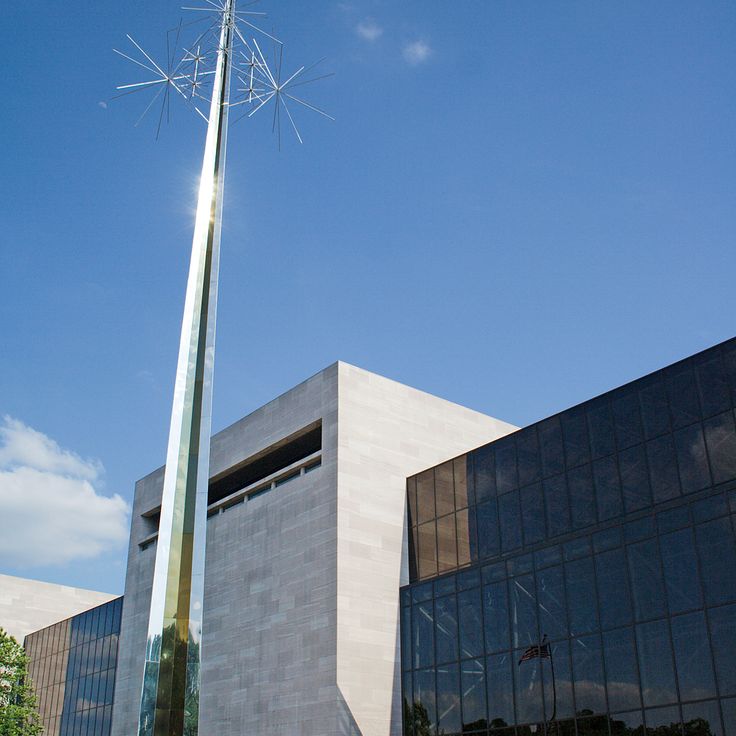
Some places like the Very Large Array in New Mexico or the Jodrell Bank Observatory in England have been watching the cosmos for decades. Others, like the Kennedy Space Center in Florida or the Jet Propulsion Laboratory in California, serve as bases for current space missions. The Smithsonian National Air and Space Museum in Washington holds thousands of objects from the history of space exploration. The Roswell Museum in New Mexico documents one of the most famous UFO incidents. Area 51 in Nevada, a military site closed to the public, keeps fueling rumors about secret aerospace research.
Space research and UFOs: scientific facilities, museums, and observation sites
Sites dedicated to space research and UFO phenomena include scientific facilities and historic places where humans try to understand the universe and explore the question of extraterrestrial life. These sites include radio telescopes that listen to signals from space, space launch centers, labs where planetary missions are planned, and museums that keep the history of space programs.
Some places like the Very Large Array in New Mexico or the Jodrell Bank Observatory in England have been watching the cosmos for decades. Others, like the Kennedy Space Center in Florida or the Jet Propulsion Laboratory in California, serve as bases for current space missions. The Smithsonian National Air and Space Museum in Washington holds thousands of objects from the history of space exploration. The Roswell Museum in New Mexico documents one of the most famous UFO incidents. Area 51 in Nevada, a military site closed to the public, keeps fueling rumors about secret aerospace research.
The Very Large Array consists of 27 radio telescopes positioned across the Plains of San Agustin in a Y-shaped configuration. This scientific facility receives and analyzes radio waves from space to study astronomical objects and search for potential signals from extraterrestrial intelligence. The telescopes can be linked together to achieve the resolution of a single instrument measuring up to 22 miles (36 kilometers) in diameter. The Very Large Array serves as a research center for investigating galaxies, pulsars, black holes, and other cosmic phenomena while contributing to the search for extraterrestrial life.
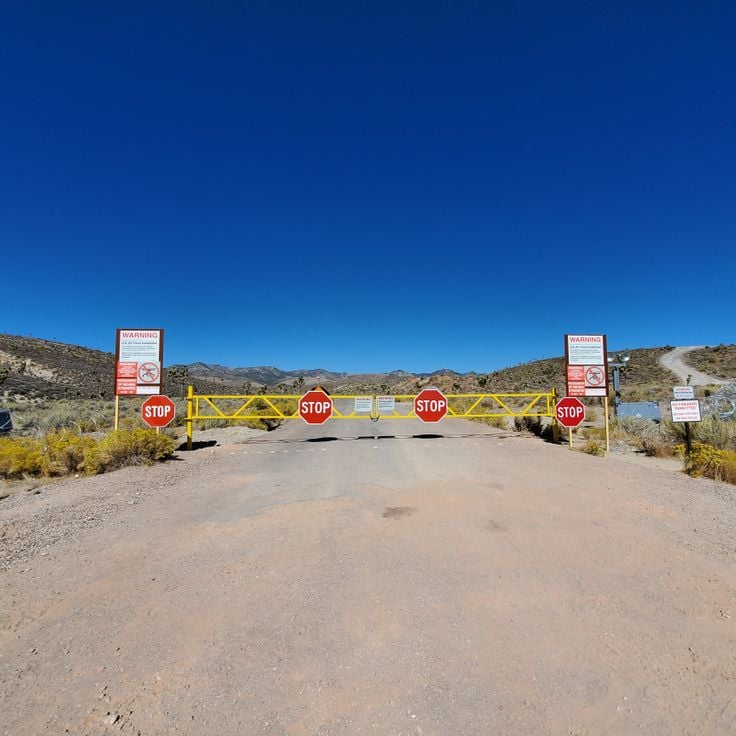
This military research facility in the Nevada desert remains closed to public access and has generated decades of speculation about classified aerospace projects. Area 51 is located within the Nevada Test and Training Range and officially serves as a testing site for experimental aircraft operated by the United States Air Force. The strict secrecy and access controls surrounding the installation have fueled numerous theories about the testing of extraterrestrial technology. The area was officially acknowledged by the government in 2013 as a testing facility after remaining absent from public documents for decades. The nearby town of Rachel has become a gathering point for those interested in exploring the periphery of the installation.
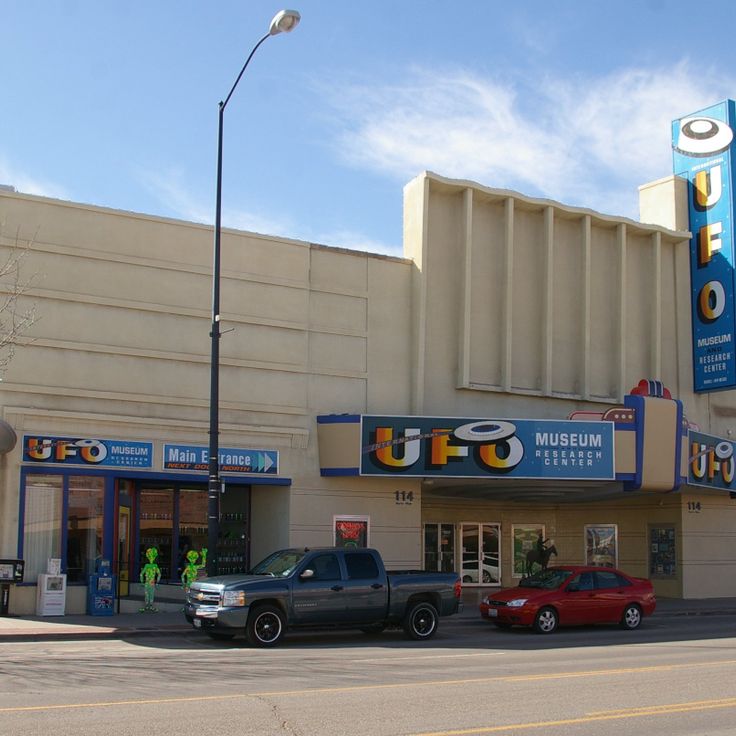
This museum documents the crash of an unknown flying object in 1947 near Roswell through an extensive collection of photographs, official documents, and eyewitness accounts. The Roswell UFO Museum preserves materials related to one of the most widely discussed UFO incidents in history, providing visitors with access to archives about the military response, the subsequent investigation, and the various theories regarding the nature of the crashed object. The exhibits present contemporary press reports, interviews with civilians and military personnel, and artifacts allegedly recovered from the crash site.
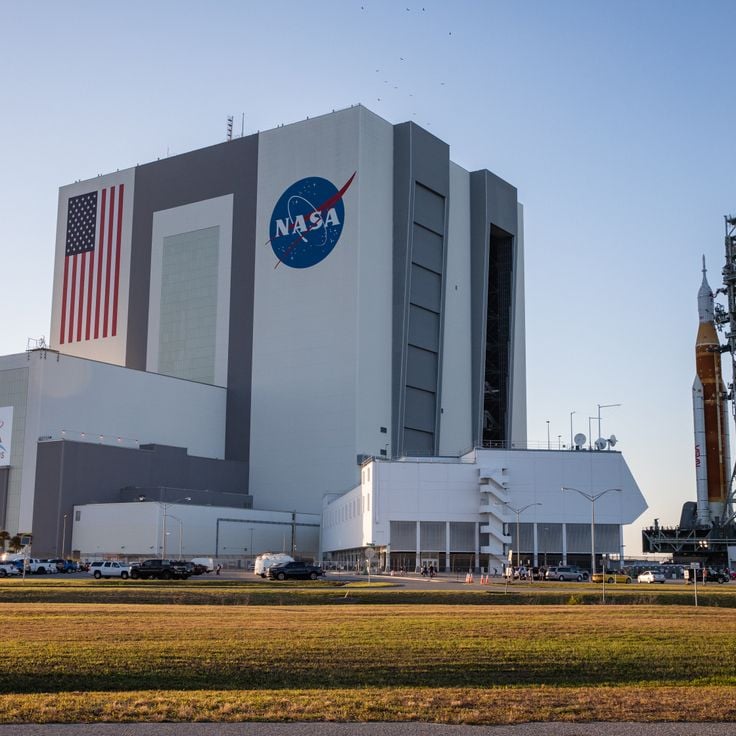
The Kennedy Space Center is a major launch facility in Florida that has served as the primary launch site for NASA crewed and uncrewed missions since the 1960s. This facility includes the massive Vehicle Assembly Building where rockets are assembled, the Launch Control Center that monitors all launch operations, and an extensive visitor center featuring historical artifacts from the Mercury, Gemini, Apollo, and Space Shuttle programs. The Kennedy Space Center remains an active spaceport and continues to host modern launch facilities for commercial and government space missions while serving as an educational institution that provides visitors with insights into American space exploration.
The Smithsonian National Air and Space Museum houses over 60,000 artifacts documenting the history of aviation and space exploration since 1903. This museum complex provides insight into the development of space research and displays original spacecraft, historic aircraft, and scientific instruments. The collection includes exhibits ranging from early flight pioneers to modern space missions and serves to document the search for extraterrestrial life and humanity's journey into space.
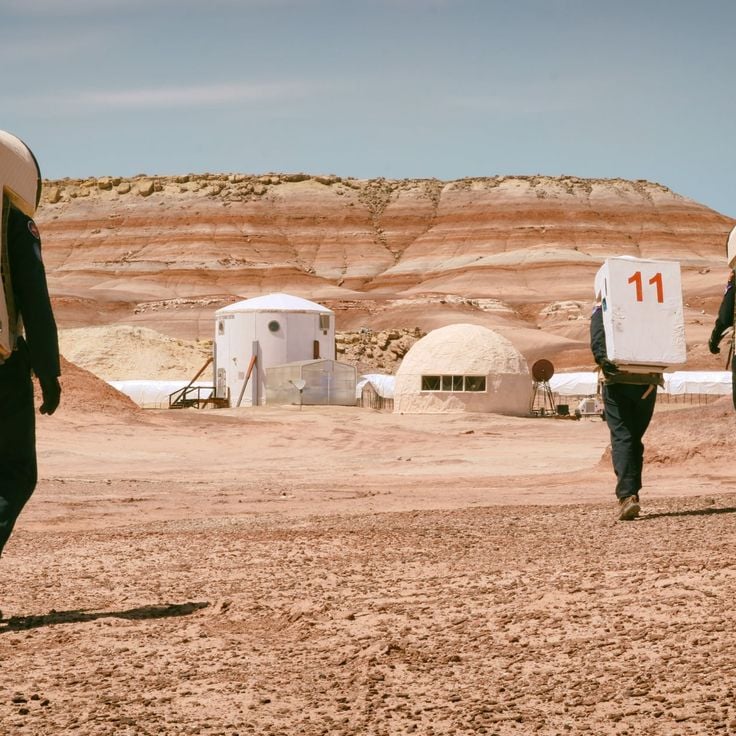
The Mars Desert Research Station is a research facility in the Utah desert that simulates conditions of Mars missions. This station serves scientific studies and crew training for future manned missions to Mars. Researchers and scientists live and work here under conditions similar to those on the Red Planet, testing protocols, equipment, and procedures required for space exploration. The station contributes to understanding the challenges humans would face during interplanetary travel.
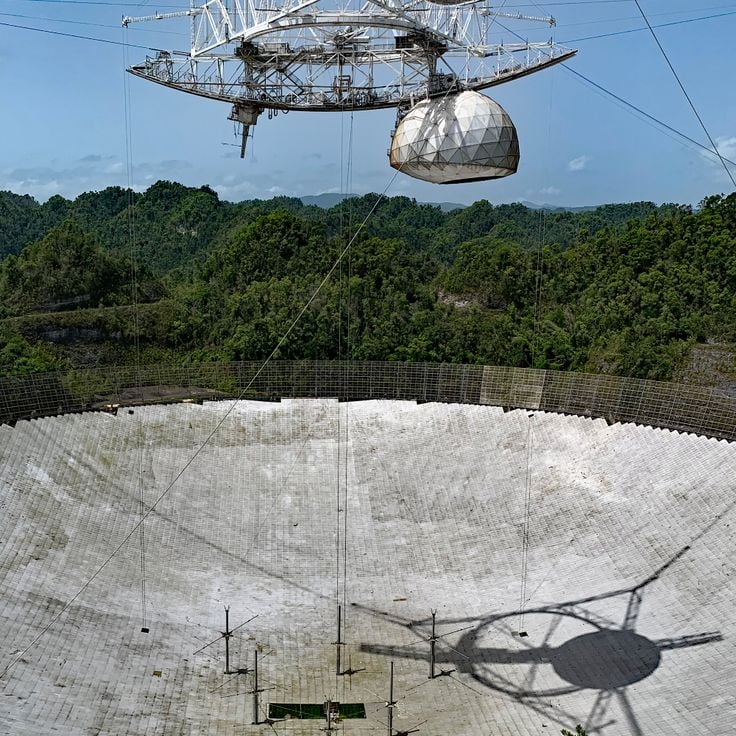
The Arecibo Observatory housed a radio telescope with a 1000 foot (305 meter) diameter that conducted astronomical research and detected radio signals from space. This research facility played a central role in the search for extraterrestrial life through the SETI program and performed major observations of planets, asteroids, and distant galaxies. The observatory transmitted the Arecibo message into space in 1974 and collected decades of data on pulsars and other cosmic phenomena. The facility ceased operations in 2020 after the support structure collapsed.
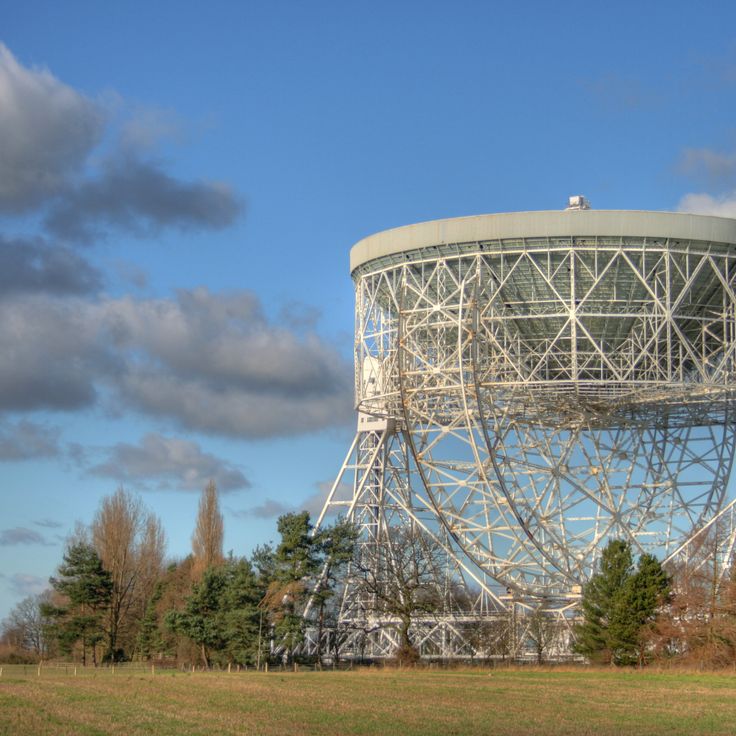
The Jodrell Bank Observatory in Cheshire serves as a major center for radio astronomy, equipped with a 250 foot (76 meter) Lovell Telescope. This research facility has studied celestial bodies and cosmic phenomena since the 1950s, investigating pulsars, quasars, and cosmic microwave background radiation. The observatory has contributed to tracking early space probes and advancing space exploration research. As part of this collection of space research sites, Jodrell Bank demonstrates the technological development in humanity's search for extraterrestrial life and understanding of the universe.
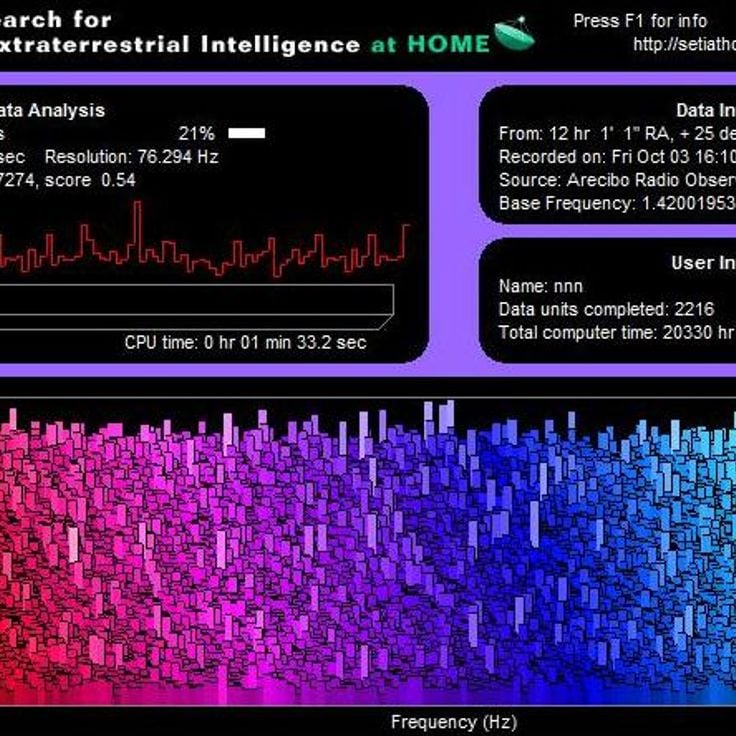
The SETI Institute is a research facility in California dedicated to the search for extraterrestrial life. More than 100 scientists analyze astronomical data and examine signals from space to find evidence of intelligent civilizations beyond Earth. The institute operates various programs to study planets, stars, and other celestial bodies, contributing substantially to the scientific investigation of whether we are alone in the universe. This facility combines modern technology with theoretical research and makes important contributions to space exploration.
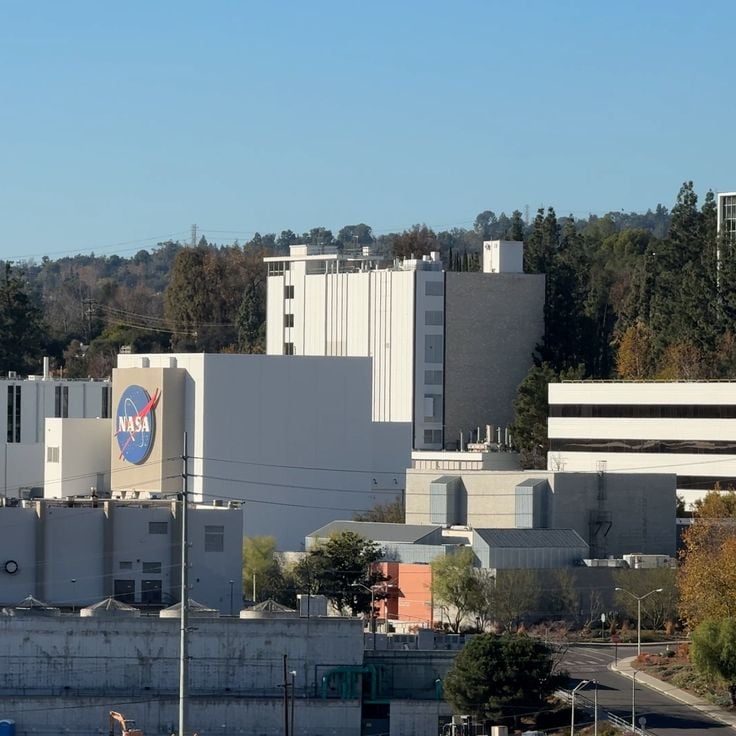
The NASA Jet Propulsion Laboratory is a research facility in California dedicated to the development and control of space probes and robotic vehicles for planetary missions. This facility plays a central role in space exploration and has enabled numerous unmanned expeditions to other planets, moons, and asteroids. The laboratory develops technological systems for solar system exploration and contributes to the scientific investigation of extraterrestrial worlds. As part of the American space agency, this facility documents findings about celestial bodies and advances understanding of planetary sciences.
The International Space Station is a modular orbital laboratory at an altitude of approximately 250 miles (400 kilometers) that serves as a collaborative research facility for scientists from 15 nations. This station represents an unprecedented international partnership in space research, enabling experiments in biology, physics, astronomy, and materials science under microgravity conditions. The continuous human presence in Earth orbit provides essential insights for future manned missions and contributes to understanding the effects of extended spaceflight on the human body.
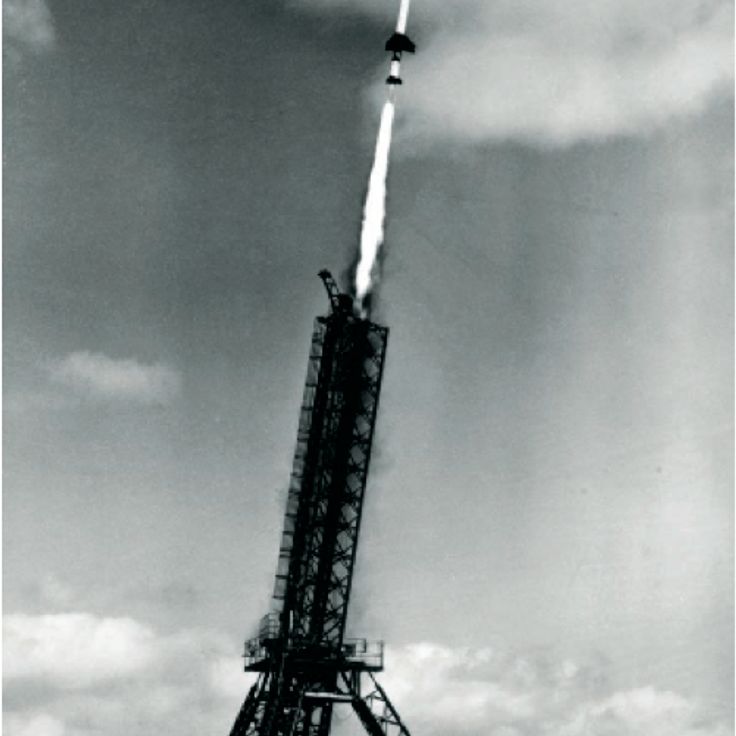
The Woomera Range Complex is a testing facility in South Australia that spans approximately 47,000 square miles (122,000 square kilometers) and serves for rocket tests and satellite launches. This installation ranks among the largest testing ranges in the world and has played a central role in Australian and international space research since the 1940s. The complex features launch pads, tracking stations, and testing facilities used for the development of space technologies. Scientists and engineers conduct tests here for launch vehicles, satellite systems, and other space-related technologies, making the Woomera Range Complex an important site for space exploration research.
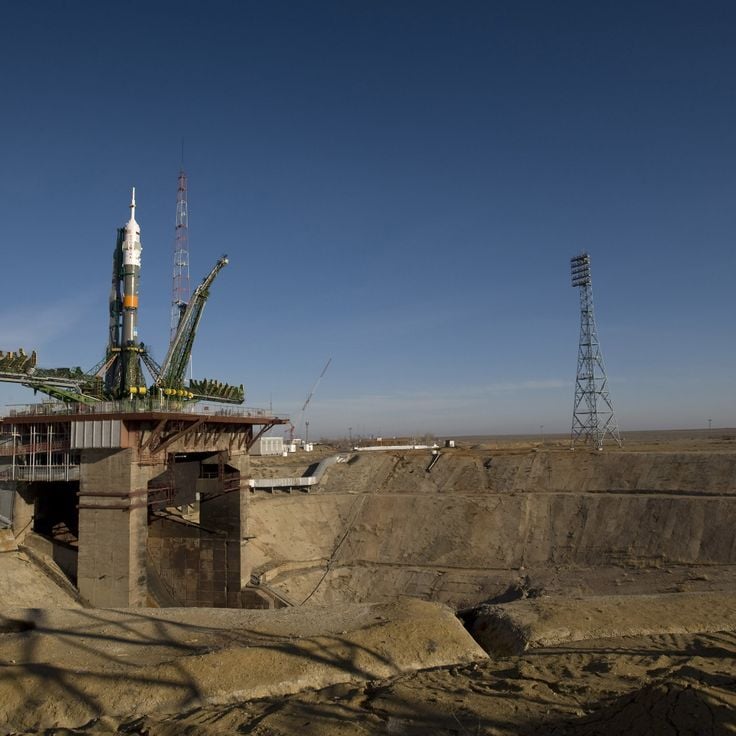
The Baikonur Cosmodrome is a space launch facility that has been operating since 1957 and includes nine launch pads for various types of rockets. This installation spans approximately 6,700 square miles (17,000 square kilometers) of territory in the Kazakh steppe and serves as a major departure point for crewed and uncrewed space missions. The space center played a central role in early space exploration history and continues to host international rocket launches for scientific research and human spaceflight programs.
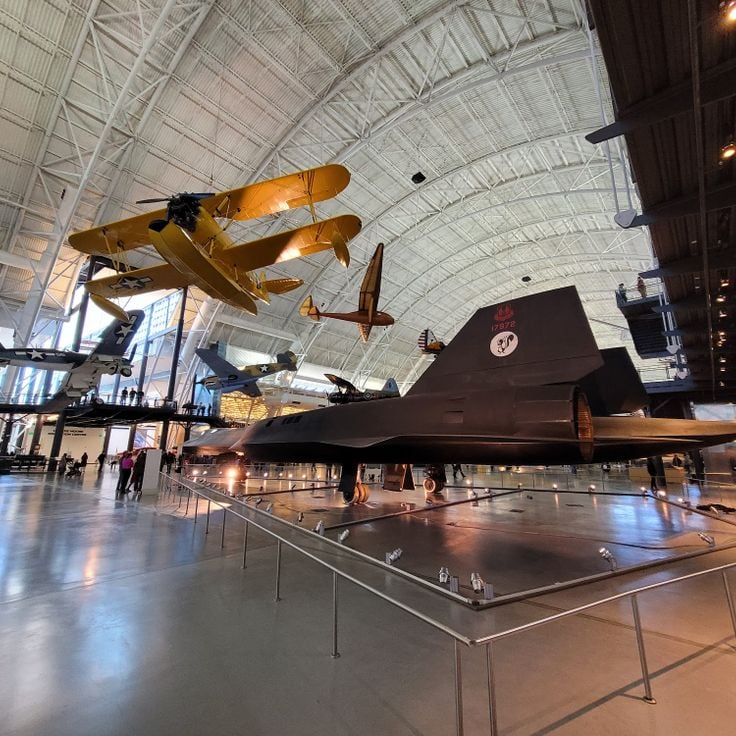
The National Air and Space Museum Steven F. Udvar-Hazy Center displays a comprehensive collection of aviation and space artifacts documenting human progress in space exploration. This center houses 2,900 exhibits across 764,000 square feet (71,000 square meters) of display space, including historic spacecraft, satellites, and scientific instruments used in the exploration of space and the search for extraterrestrial life. The collection illustrates the technological development of space travel and presents important artifacts from space history.
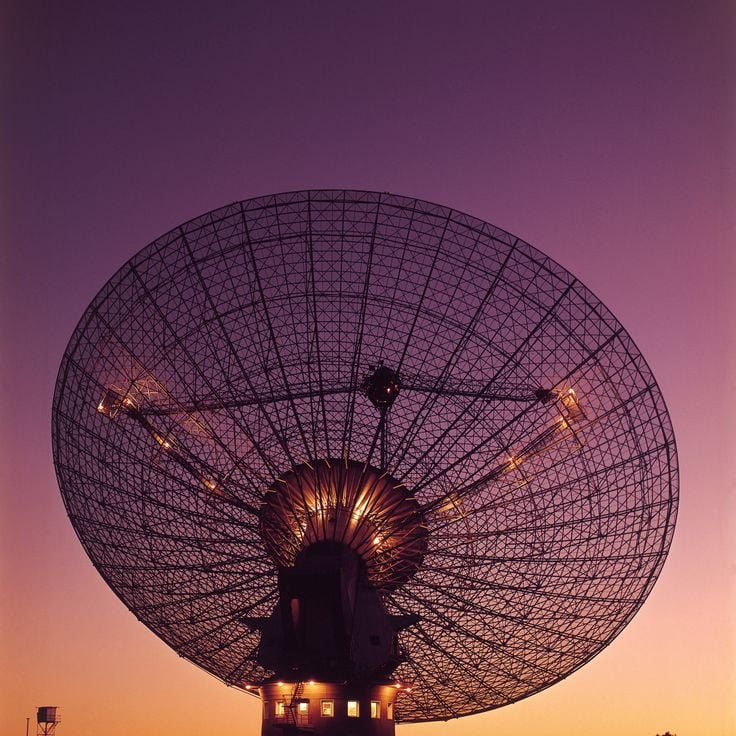
The Parkes Observatory operates a 210-foot (64-meter) radio telescope that has been functioning since 1961 for deep space communication and research. This facility supports NASA missions and astronomical investigations, receiving data from distant spacecraft and contributing to the search for signals from beyond Earth. The observatory has participated in numerous important space missions, including the Apollo moon landings, and continues to study distant galaxies, pulsars, and other cosmic phenomena. The site features advanced receiving technology and collaborates with international research institutions to expand understanding of the universe and potential extraterrestrial communications.
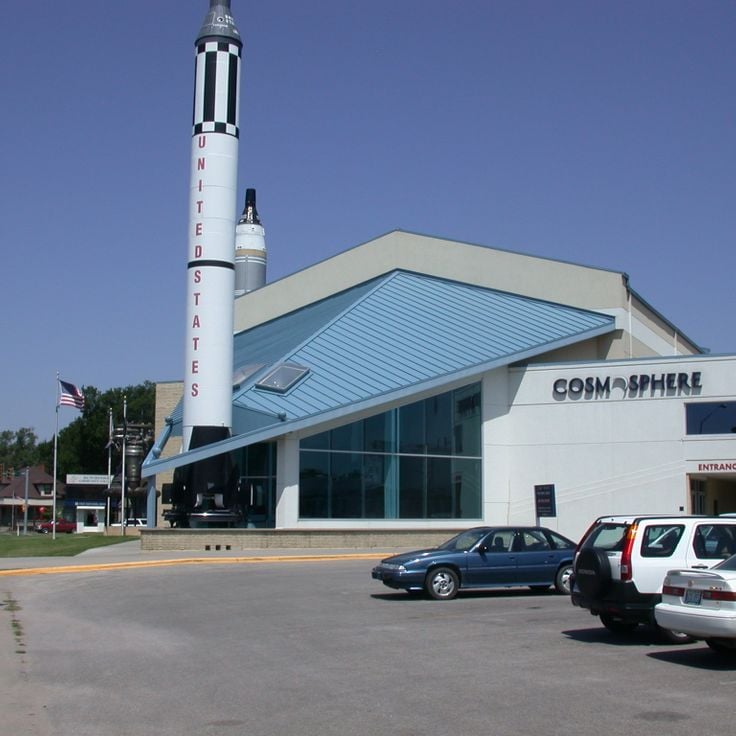
The Cosmosphere is a major space museum in Kansas housing over 13,000 exhibits documenting the history of space exploration. This facility contains space capsules, satellites, and the largest collection of Soviet space artifacts outside Russia. The museum chronicles the technological development of space travel during the Cold War era and displays authentic objects from both superpowers. Visitors can examine original spacecraft, scientific instruments, and historical documents from various phases of space research that illustrate the technical advances and international efforts to explore outer space.
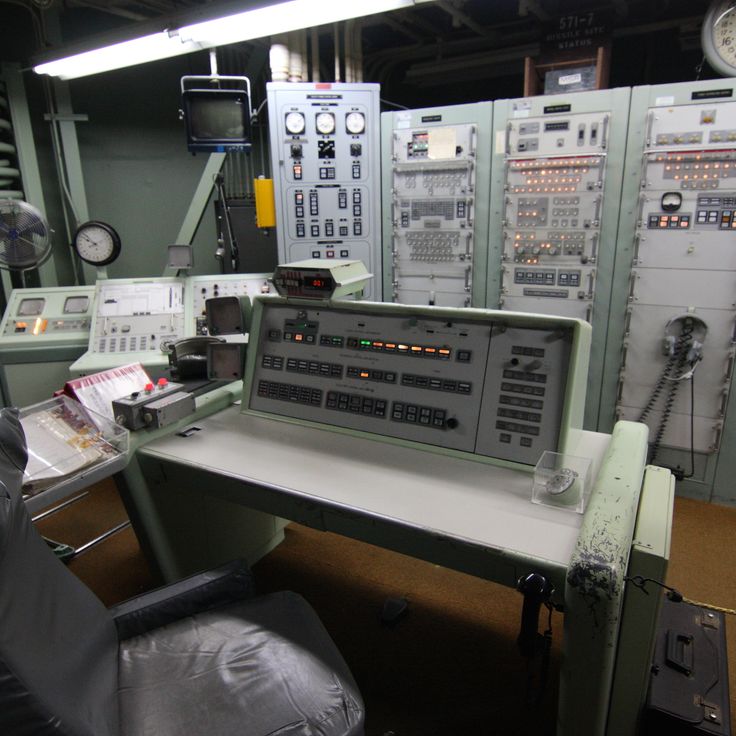
The Titan Missile Museum preserves a decommissioned missile complex from the Cold War period, featuring an original Titan II intercontinental ballistic missile silo system. Visitors can explore the underground control center, launch facilities, and connecting tunnels that operated during the nuclear deterrence era from the 1960s through the 1980s. This facility maintains a complete Titan II missile as a historical record of American space and defense technology from that period.
The Very Large Array consists of 27 radio telescopes positioned across the Plains of San Agustin in a Y-shaped configuration. This scientific facility receives and analyzes radio waves from space to study astronomical objects and search for potential signals from extraterrestrial intelligence. The telescopes can be linked together to achieve the resolution of a single instrument measuring up to 22 miles (36 kilometers) in diameter. The Very Large Array serves as a research center for investigating galaxies, pulsars, black holes, and other cosmic phenomena while contributing to the search for extraterrestrial life.
This military research facility in the Nevada desert remains closed to public access and has generated decades of speculation about classified aerospace projects. Area 51 is located within the Nevada Test and Training Range and officially serves as a testing site for experimental aircraft operated by the United States Air Force. The strict secrecy and access controls surrounding the installation have fueled numerous theories about the testing of extraterrestrial technology. The area was officially acknowledged by the government in 2013 as a testing facility after remaining absent from public documents for decades. The nearby town of Rachel has become a gathering point for those interested in exploring the periphery of the installation.
This museum documents the crash of an unknown flying object in 1947 near Roswell through an extensive collection of photographs, official documents, and eyewitness accounts. The Roswell UFO Museum preserves materials related to one of the most widely discussed UFO incidents in history, providing visitors with access to archives about the military response, the subsequent investigation, and the various theories regarding the nature of the crashed object. The exhibits present contemporary press reports, interviews with civilians and military personnel, and artifacts allegedly recovered from the crash site.
The Kennedy Space Center is a major launch facility in Florida that has served as the primary launch site for NASA crewed and uncrewed missions since the 1960s. This facility includes the massive Vehicle Assembly Building where rockets are assembled, the Launch Control Center that monitors all launch operations, and an extensive visitor center featuring historical artifacts from the Mercury, Gemini, Apollo, and Space Shuttle programs. The Kennedy Space Center remains an active spaceport and continues to host modern launch facilities for commercial and government space missions while serving as an educational institution that provides visitors with insights into American space exploration.
The Smithsonian National Air and Space Museum houses over 60,000 artifacts documenting the history of aviation and space exploration since 1903. This museum complex provides insight into the development of space research and displays original spacecraft, historic aircraft, and scientific instruments. The collection includes exhibits ranging from early flight pioneers to modern space missions and serves to document the search for extraterrestrial life and humanity's journey into space.
The Mars Desert Research Station is a research facility in the Utah desert that simulates conditions of Mars missions. This station serves scientific studies and crew training for future manned missions to Mars. Researchers and scientists live and work here under conditions similar to those on the Red Planet, testing protocols, equipment, and procedures required for space exploration. The station contributes to understanding the challenges humans would face during interplanetary travel.
The Arecibo Observatory housed a radio telescope with a 1000 foot (305 meter) diameter that conducted astronomical research and detected radio signals from space. This research facility played a central role in the search for extraterrestrial life through the SETI program and performed major observations of planets, asteroids, and distant galaxies. The observatory transmitted the Arecibo message into space in 1974 and collected decades of data on pulsars and other cosmic phenomena. The facility ceased operations in 2020 after the support structure collapsed.
The Jodrell Bank Observatory in Cheshire serves as a major center for radio astronomy, equipped with a 250 foot (76 meter) Lovell Telescope. This research facility has studied celestial bodies and cosmic phenomena since the 1950s, investigating pulsars, quasars, and cosmic microwave background radiation. The observatory has contributed to tracking early space probes and advancing space exploration research. As part of this collection of space research sites, Jodrell Bank demonstrates the technological development in humanity's search for extraterrestrial life and understanding of the universe.
The SETI Institute is a research facility in California dedicated to the search for extraterrestrial life. More than 100 scientists analyze astronomical data and examine signals from space to find evidence of intelligent civilizations beyond Earth. The institute operates various programs to study planets, stars, and other celestial bodies, contributing substantially to the scientific investigation of whether we are alone in the universe. This facility combines modern technology with theoretical research and makes important contributions to space exploration.
The NASA Jet Propulsion Laboratory is a research facility in California dedicated to the development and control of space probes and robotic vehicles for planetary missions. This facility plays a central role in space exploration and has enabled numerous unmanned expeditions to other planets, moons, and asteroids. The laboratory develops technological systems for solar system exploration and contributes to the scientific investigation of extraterrestrial worlds. As part of the American space agency, this facility documents findings about celestial bodies and advances understanding of planetary sciences.
The International Space Station is a modular orbital laboratory at an altitude of approximately 250 miles (400 kilometers) that serves as a collaborative research facility for scientists from 15 nations. This station represents an unprecedented international partnership in space research, enabling experiments in biology, physics, astronomy, and materials science under microgravity conditions. The continuous human presence in Earth orbit provides essential insights for future manned missions and contributes to understanding the effects of extended spaceflight on the human body.
The Woomera Range Complex is a testing facility in South Australia that spans approximately 47,000 square miles (122,000 square kilometers) and serves for rocket tests and satellite launches. This installation ranks among the largest testing ranges in the world and has played a central role in Australian and international space research since the 1940s. The complex features launch pads, tracking stations, and testing facilities used for the development of space technologies. Scientists and engineers conduct tests here for launch vehicles, satellite systems, and other space-related technologies, making the Woomera Range Complex an important site for space exploration research.
The Baikonur Cosmodrome is a space launch facility that has been operating since 1957 and includes nine launch pads for various types of rockets. This installation spans approximately 6,700 square miles (17,000 square kilometers) of territory in the Kazakh steppe and serves as a major departure point for crewed and uncrewed space missions. The space center played a central role in early space exploration history and continues to host international rocket launches for scientific research and human spaceflight programs.
The National Air and Space Museum Steven F. Udvar-Hazy Center displays a comprehensive collection of aviation and space artifacts documenting human progress in space exploration. This center houses 2,900 exhibits across 764,000 square feet (71,000 square meters) of display space, including historic spacecraft, satellites, and scientific instruments used in the exploration of space and the search for extraterrestrial life. The collection illustrates the technological development of space travel and presents important artifacts from space history.
The Parkes Observatory operates a 210-foot (64-meter) radio telescope that has been functioning since 1961 for deep space communication and research. This facility supports NASA missions and astronomical investigations, receiving data from distant spacecraft and contributing to the search for signals from beyond Earth. The observatory has participated in numerous important space missions, including the Apollo moon landings, and continues to study distant galaxies, pulsars, and other cosmic phenomena. The site features advanced receiving technology and collaborates with international research institutions to expand understanding of the universe and potential extraterrestrial communications.
The Cosmosphere is a major space museum in Kansas housing over 13,000 exhibits documenting the history of space exploration. This facility contains space capsules, satellites, and the largest collection of Soviet space artifacts outside Russia. The museum chronicles the technological development of space travel during the Cold War era and displays authentic objects from both superpowers. Visitors can examine original spacecraft, scientific instruments, and historical documents from various phases of space research that illustrate the technical advances and international efforts to explore outer space.
The Titan Missile Museum preserves a decommissioned missile complex from the Cold War period, featuring an original Titan II intercontinental ballistic missile silo system. Visitors can explore the underground control center, launch facilities, and connecting tunnels that operated during the nuclear deterrence era from the 1960s through the 1980s. This facility maintains a complete Titan II missile as a historical record of American space and defense technology from that period.
The Very Large Array consists of 27 radio telescopes positioned across the Plains of San Agustin in a Y-shaped configuration. This scientific facility receives and analyzes radio waves from space to study astronomical objects and search for potential signals from extraterrestrial intelligence. The telescopes can be linked together to achieve the resolution of a single instrument measuring up to 22 miles (36 kilometers) in diameter. The Very Large Array serves as a research center for investigating galaxies, pulsars, black holes, and other cosmic phenomena while contributing to the search for extraterrestrial life.
This military research facility in the Nevada desert remains closed to public access and has generated decades of speculation about classified aerospace projects. Area 51 is located within the Nevada Test and Training Range and officially serves as a testing site for experimental aircraft operated by the United States Air Force. The strict secrecy and access controls surrounding the installation have fueled numerous theories about the testing of extraterrestrial technology. The area was officially acknowledged by the government in 2013 as a testing facility after remaining absent from public documents for decades. The nearby town of Rachel has become a gathering point for those interested in exploring the periphery of the installation.
This museum documents the crash of an unknown flying object in 1947 near Roswell through an extensive collection of photographs, official documents, and eyewitness accounts. The Roswell UFO Museum preserves materials related to one of the most widely discussed UFO incidents in history, providing visitors with access to archives about the military response, the subsequent investigation, and the various theories regarding the nature of the crashed object. The exhibits present contemporary press reports, interviews with civilians and military personnel, and artifacts allegedly recovered from the crash site.
The Kennedy Space Center is a major launch facility in Florida that has served as the primary launch site for NASA crewed and uncrewed missions since the 1960s. This facility includes the massive Vehicle Assembly Building where rockets are assembled, the Launch Control Center that monitors all launch operations, and an extensive visitor center featuring historical artifacts from the Mercury, Gemini, Apollo, and Space Shuttle programs. The Kennedy Space Center remains an active spaceport and continues to host modern launch facilities for commercial and government space missions while serving as an educational institution that provides visitors with insights into American space exploration.
The Smithsonian National Air and Space Museum houses over 60,000 artifacts documenting the history of aviation and space exploration since 1903. This museum complex provides insight into the development of space research and displays original spacecraft, historic aircraft, and scientific instruments. The collection includes exhibits ranging from early flight pioneers to modern space missions and serves to document the search for extraterrestrial life and humanity's journey into space.
The Mars Desert Research Station is a research facility in the Utah desert that simulates conditions of Mars missions. This station serves scientific studies and crew training for future manned missions to Mars. Researchers and scientists live and work here under conditions similar to those on the Red Planet, testing protocols, equipment, and procedures required for space exploration. The station contributes to understanding the challenges humans would face during interplanetary travel.
The Arecibo Observatory housed a radio telescope with a 1000 foot (305 meter) diameter that conducted astronomical research and detected radio signals from space. This research facility played a central role in the search for extraterrestrial life through the SETI program and performed major observations of planets, asteroids, and distant galaxies. The observatory transmitted the Arecibo message into space in 1974 and collected decades of data on pulsars and other cosmic phenomena. The facility ceased operations in 2020 after the support structure collapsed.
The Jodrell Bank Observatory in Cheshire serves as a major center for radio astronomy, equipped with a 250 foot (76 meter) Lovell Telescope. This research facility has studied celestial bodies and cosmic phenomena since the 1950s, investigating pulsars, quasars, and cosmic microwave background radiation. The observatory has contributed to tracking early space probes and advancing space exploration research. As part of this collection of space research sites, Jodrell Bank demonstrates the technological development in humanity's search for extraterrestrial life and understanding of the universe.
The SETI Institute is a research facility in California dedicated to the search for extraterrestrial life. More than 100 scientists analyze astronomical data and examine signals from space to find evidence of intelligent civilizations beyond Earth. The institute operates various programs to study planets, stars, and other celestial bodies, contributing substantially to the scientific investigation of whether we are alone in the universe. This facility combines modern technology with theoretical research and makes important contributions to space exploration.
The NASA Jet Propulsion Laboratory is a research facility in California dedicated to the development and control of space probes and robotic vehicles for planetary missions. This facility plays a central role in space exploration and has enabled numerous unmanned expeditions to other planets, moons, and asteroids. The laboratory develops technological systems for solar system exploration and contributes to the scientific investigation of extraterrestrial worlds. As part of the American space agency, this facility documents findings about celestial bodies and advances understanding of planetary sciences.
The International Space Station is a modular orbital laboratory at an altitude of approximately 250 miles (400 kilometers) that serves as a collaborative research facility for scientists from 15 nations. This station represents an unprecedented international partnership in space research, enabling experiments in biology, physics, astronomy, and materials science under microgravity conditions. The continuous human presence in Earth orbit provides essential insights for future manned missions and contributes to understanding the effects of extended spaceflight on the human body.
The Woomera Range Complex is a testing facility in South Australia that spans approximately 47,000 square miles (122,000 square kilometers) and serves for rocket tests and satellite launches. This installation ranks among the largest testing ranges in the world and has played a central role in Australian and international space research since the 1940s. The complex features launch pads, tracking stations, and testing facilities used for the development of space technologies. Scientists and engineers conduct tests here for launch vehicles, satellite systems, and other space-related technologies, making the Woomera Range Complex an important site for space exploration research.
The Baikonur Cosmodrome is a space launch facility that has been operating since 1957 and includes nine launch pads for various types of rockets. This installation spans approximately 6,700 square miles (17,000 square kilometers) of territory in the Kazakh steppe and serves as a major departure point for crewed and uncrewed space missions. The space center played a central role in early space exploration history and continues to host international rocket launches for scientific research and human spaceflight programs.
The National Air and Space Museum Steven F. Udvar-Hazy Center displays a comprehensive collection of aviation and space artifacts documenting human progress in space exploration. This center houses 2,900 exhibits across 764,000 square feet (71,000 square meters) of display space, including historic spacecraft, satellites, and scientific instruments used in the exploration of space and the search for extraterrestrial life. The collection illustrates the technological development of space travel and presents important artifacts from space history.
The Parkes Observatory operates a 210-foot (64-meter) radio telescope that has been functioning since 1961 for deep space communication and research. This facility supports NASA missions and astronomical investigations, receiving data from distant spacecraft and contributing to the search for signals from beyond Earth. The observatory has participated in numerous important space missions, including the Apollo moon landings, and continues to study distant galaxies, pulsars, and other cosmic phenomena. The site features advanced receiving technology and collaborates with international research institutions to expand understanding of the universe and potential extraterrestrial communications.
The Cosmosphere is a major space museum in Kansas housing over 13,000 exhibits documenting the history of space exploration. This facility contains space capsules, satellites, and the largest collection of Soviet space artifacts outside Russia. The museum chronicles the technological development of space travel during the Cold War era and displays authentic objects from both superpowers. Visitors can examine original spacecraft, scientific instruments, and historical documents from various phases of space research that illustrate the technical advances and international efforts to explore outer space.
The Titan Missile Museum preserves a decommissioned missile complex from the Cold War period, featuring an original Titan II intercontinental ballistic missile silo system. Visitors can explore the underground control center, launch facilities, and connecting tunnels that operated during the nuclear deterrence era from the 1960s through the 1980s. This facility maintains a complete Titan II missile as a historical record of American space and defense technology from that period.