See the monuments around you in AROpen chests in the app
Around Us is built for your phone — point your camera at the streets and discover the monuments and places around you in augmented reality.Around Us is built for your phone — chests unlock when you walk, explore and capture nearby places.
Secret military sites and underground facilities around the world
This collection brings together underground military sites, strategic bunkers, and highly secured installations across the world. Many of these places were built during the Cold War, when nuclear threats pushed governments to create protected command centers deep under mountains or in remote areas. Some remain active today, serving national security purposes, while others have been decommissioned but preserve their massive concrete structures and tunnels. Though their existence is known from public sources, access remains strictly forbidden.
The sites include the Raven Rock Mountain Complex in Pennsylvania, carved deep into the Appalachian Mountains with tunnels stretching for miles through solid rock, and the Cheyenne Mountain Space Force Station in Colorado, where rooms rest on massive springs inside the Rocky Mountains to absorb shocks from potential attacks. In Russia, the Skalisty submarine base serves nuclear submarines through underground piers carved directly into rock along the Barents Sea. RAF Menwith Hill in North Yorkshire spreads across a wide area marked by white geodesic domes that protect satellite antennas, while the Svalbard Global Seed Vault lies embedded in arctic permafrost, storing millions of plant seeds behind thick concrete walls. These places show how governments sought to protect command systems, military operations, and even biological reserves by building deep into mountains or along remote coastlines, creating installations that remain largely hidden from public view.
Secret military sites and underground facilities around the world
This collection brings together underground military sites, strategic bunkers, and highly secured installations across the world. Many of these places were built during the Cold War, when nuclear threats pushed governments to create protected command centers deep under mountains or in remote areas. Some remain active today, serving national security purposes, while others have been decommissioned but preserve their massive concrete structures and tunnels. Though their existence is known from public sources, access remains strictly forbidden.
The sites include the Raven Rock Mountain Complex in Pennsylvania, carved deep into the Appalachian Mountains with tunnels stretching for miles through solid rock, and the Cheyenne Mountain Space Force Station in Colorado, where rooms rest on massive springs inside the Rocky Mountains to absorb shocks from potential attacks. In Russia, the Skalisty submarine base serves nuclear submarines through underground piers carved directly into rock along the Barents Sea. RAF Menwith Hill in North Yorkshire spreads across a wide area marked by white geodesic domes that protect satellite antennas, while the Svalbard Global Seed Vault lies embedded in arctic permafrost, storing millions of plant seeds behind thick concrete walls. These places show how governments sought to protect command systems, military operations, and even biological reserves by building deep into mountains or along remote coastlines, creating installations that remain largely hidden from public view.
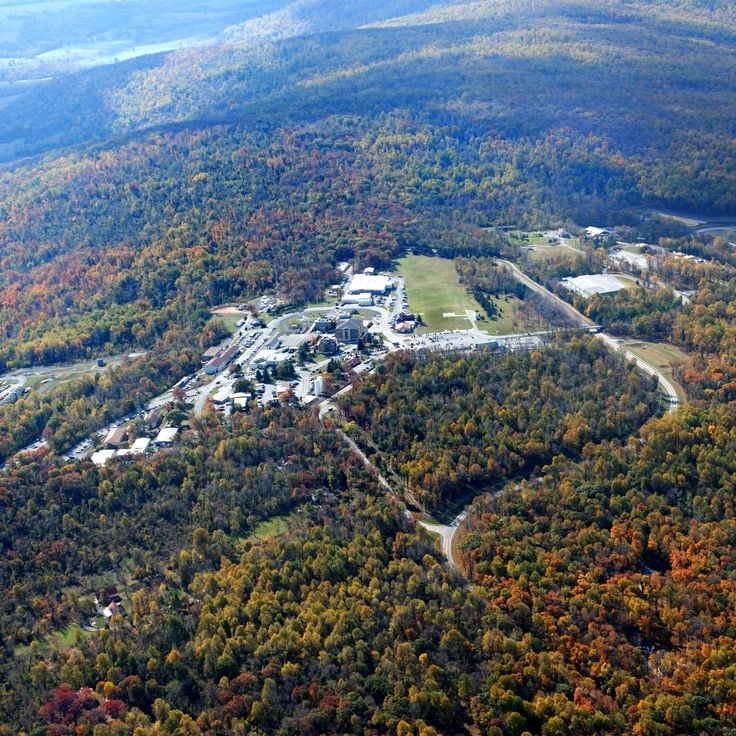
The Raven Rock Mountain Complex is an underground command center carved deep into the rock of the Appalachian Mountains. The facility was built during the Cold War to protect the leadership of the United States in times of crisis. Massive steel doors seal the entrances, while tunnels stretch for miles through the mountain. Inside, there are offices, communication rooms, and facilities for self-sufficiency. The base sits away from public roads, surrounded by dense forest and restricted military land. To this day, the complex remains active and serves as an alternate site for military operations.
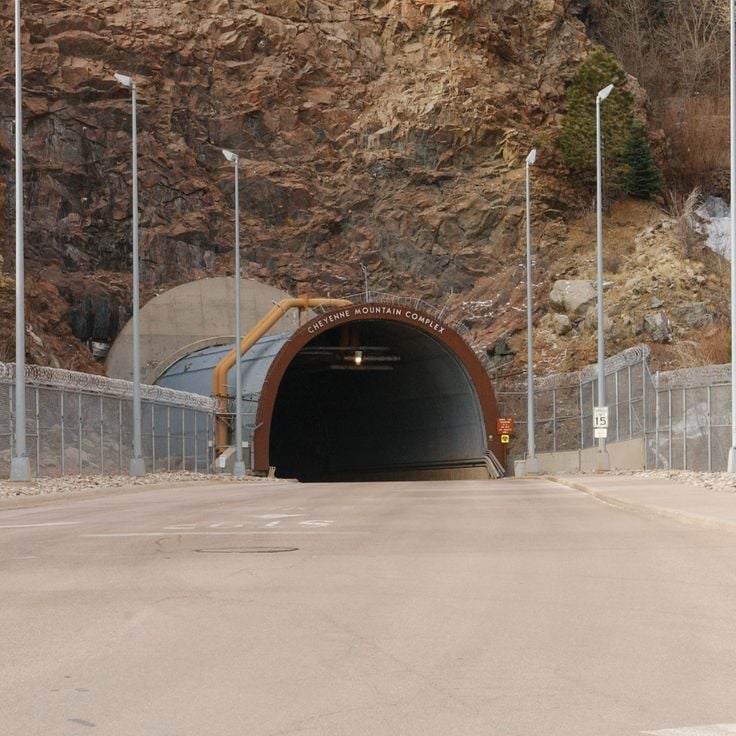
The Cheyenne Mountain Space Force Station is an underground military base built inside a mountain in the Rocky Mountains. It was constructed during the Cold War to protect command and control centers from nuclear attacks. The facility lies deep within the rock and houses rooms for monitoring airspace and outer space. Thick steel blast doors secure the entrances, and the interior chambers rest on massive springs to absorb shocks. Today, the station operates early warning systems and tracks satellites. Access is strictly forbidden, and the base remains one of the most widely known secret installations of the American armed forces.
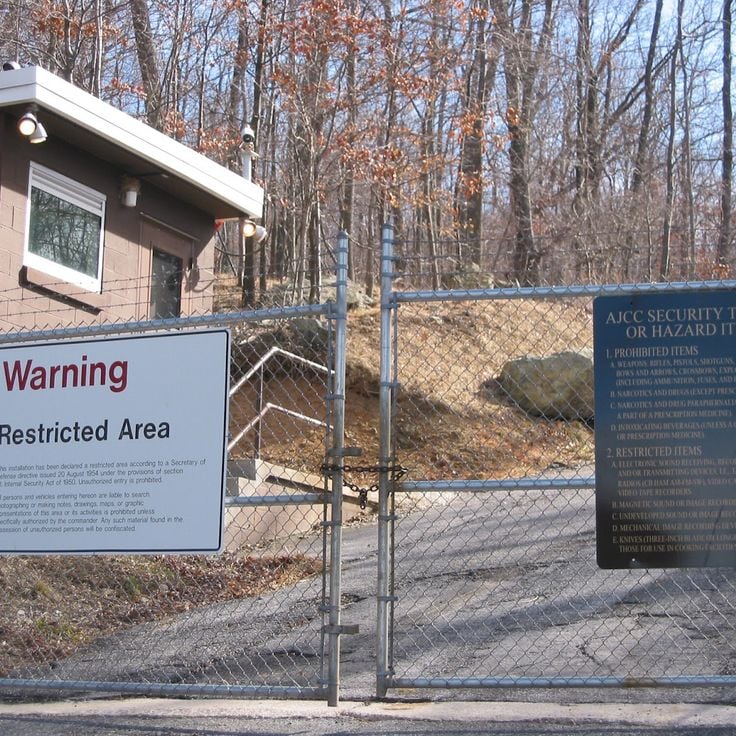
This underground operations center in Virginia was built to shelter government officials during national emergencies. The facility lies deep inside the mountain and has autonomous systems for power, water and communications. It contains dormitories, offices and control rooms. The center was built during the Cold War and remains active for emergency planning. Access is tightly controlled and the site is constantly guarded.
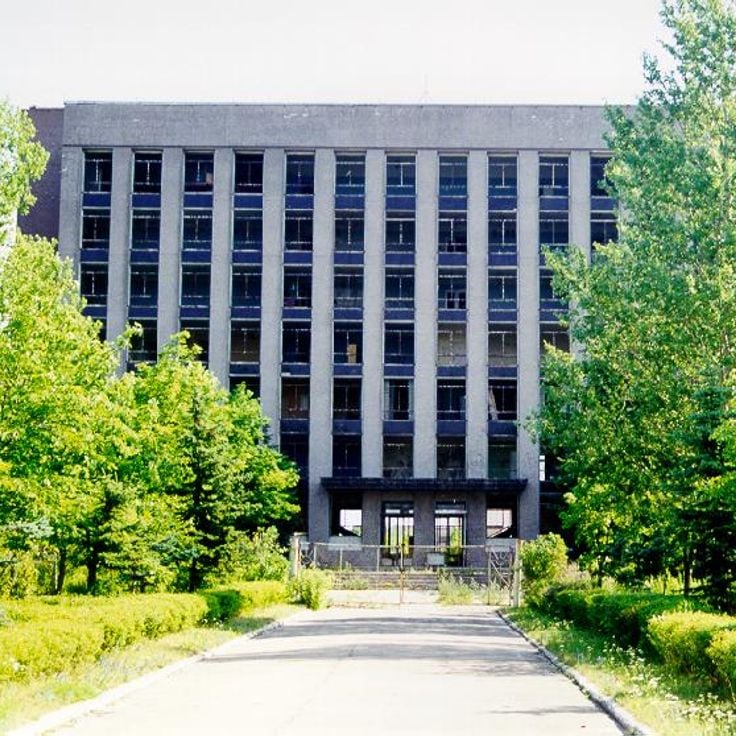
This submarine base is in Gadzhiyevo on the Barents Sea coast of the Kola Peninsula in Russia. Skalisty serves the Russian Navy as a facility for nuclear submarines since the 1960s. The installation includes underground piers, maintenance areas and military infrastructure carved into rock. Submarines enter protected sections directly beneath the mountain. The site remains a restricted zone with access strictly controlled.
This Soviet submarine crew training facility is located in Paldiski, Estonia, and was built during the Cold War. The complex housed two shore-based reactors to simulate conditions aboard nuclear-powered submarines. After the withdrawal of Soviet forces in the early 1990s, the facility was closed and sealed. The massive concrete shells of the reactor buildings remain visible along the coast, offering a reminder of this town's military past. The site has been under Estonian control since independence and remains restricted to the public.
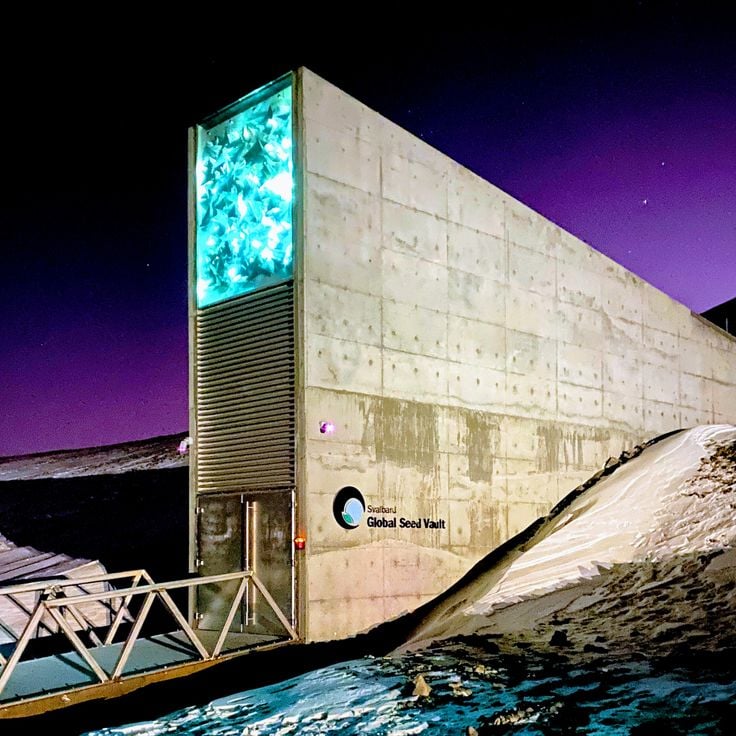
This seed vault lies on Spitsbergen island in the Norwegian Svalbard archipelago, embedded in the permafrost of an arctic mountain slope. It stores millions of plant seeds from around the world as a biological reserve for future generations. The entrance is visible from outside, but the interior remains sealed and temperature controlled, protected by thick concrete walls and security doors.
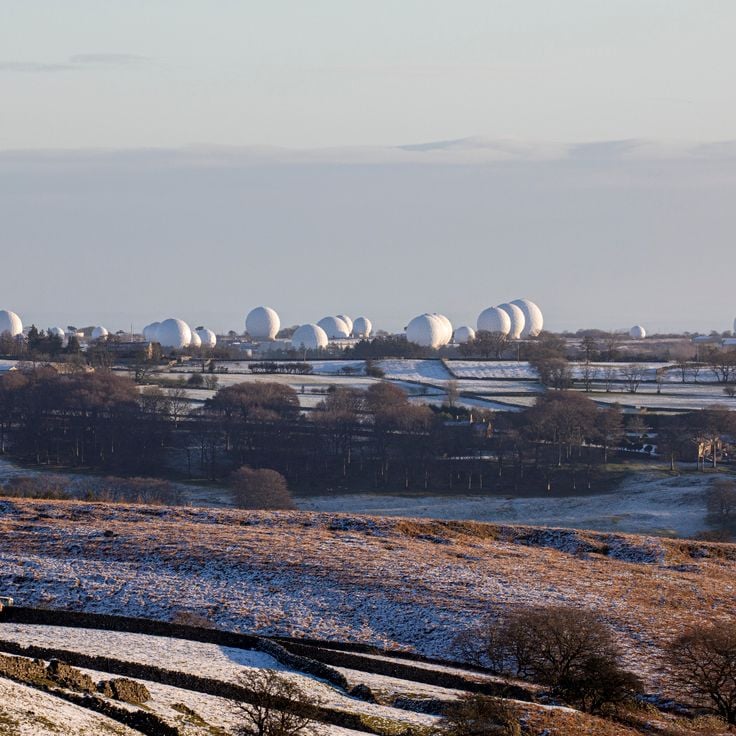
This station in North Yorkshire is one of the largest signals intelligence facilities outside the United States. RAF Menwith Hill consists of several white geodesic domes scattered across a wide site, protecting satellite antennas and communications equipment. The facility monitors electronic signals and supports intelligence collaboration between the United States and the United Kingdom. The perimeter is fenced, under video surveillance, and constantly patrolled by security forces. The geodesic domes, also called radomes, dominate the landscape and are visible from a distance. Inside this military installation, US military personnel and British staff work on monitoring global communications.
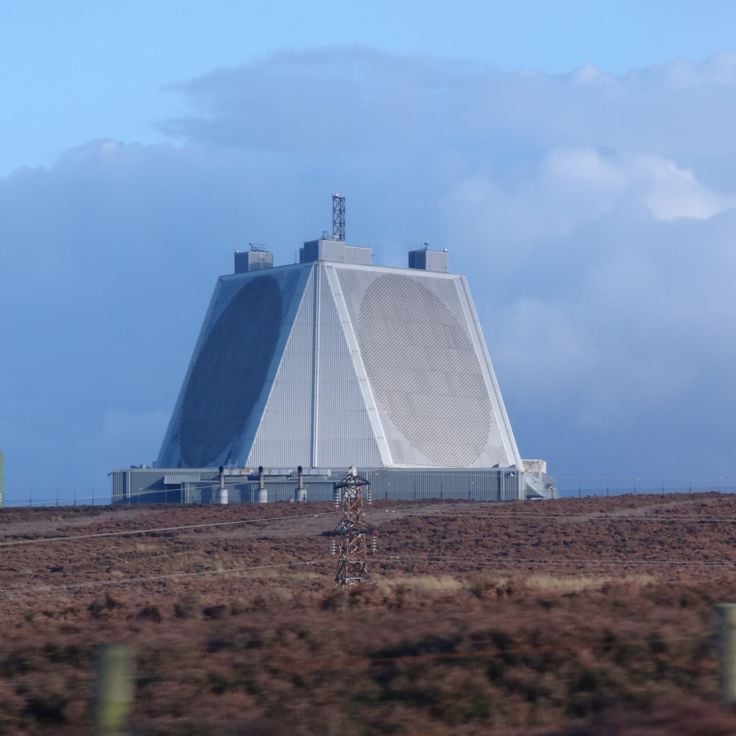
This radar station stands on the high moors of North Yorkshire and has been watching the skies over the North Atlantic since the 1960s. The three large white domes of the first generation were later replaced by a pyramid-shaped structure that now defines the landscape. RAF Fylingdales is part of a network of early warning systems and tracks ballistic missiles and space objects. The site lies in a remote moorland setting, surrounded by heather and rocky hills. Access is restricted, and high fences mark the edge of the military zone.
This military fortress in Lyon is part of a system of defensive structures built in the late 19th century to protect the city. The fort sits on a hill and includes underground passages, casemates, and gun emplacements carved into the rock. The site shows the military architecture of its time and was built to control strategic points. Today the fort stands empty, but its structures remain intact and show how such defensive installations were designed and used.
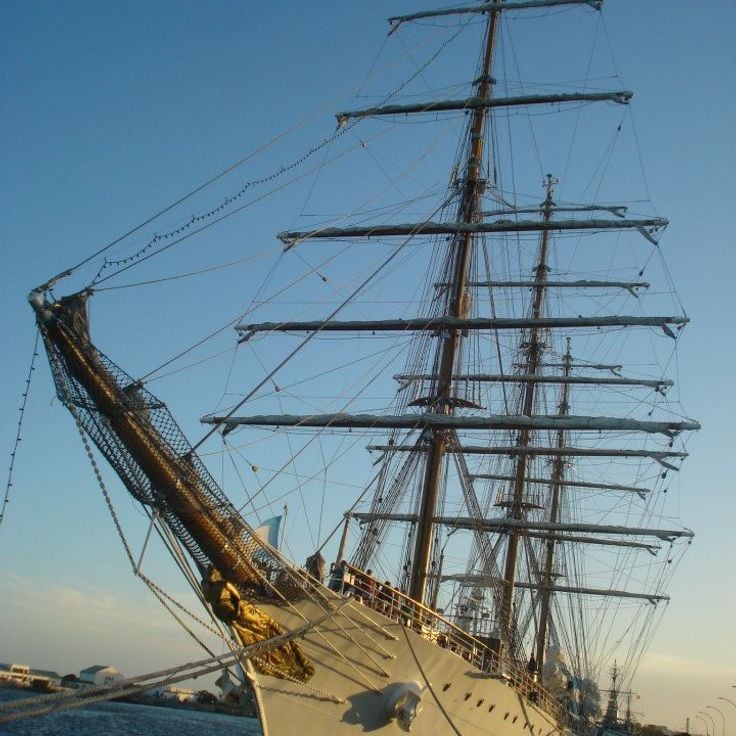
This naval base on the Atlantic coast sits south of Mar del Plata in a restricted military zone. The facility serves the Argentine Navy as a training center and port for warships. Its grounds hold barracks, workshops, storage buildings, and administrative offices. Several piers extend into the ocean where vessels dock and undergo maintenance. Part of the installation is underground and includes protected rooms for communications and operations. The compound is fenced, and guards control the access roads. From outside, only the main buildings and harbor structures are visible.
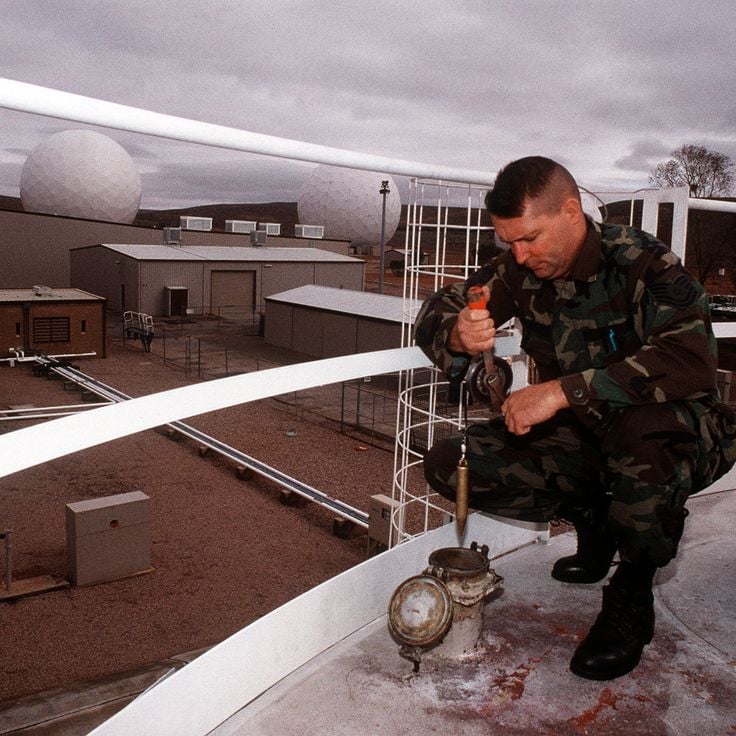
This former ground station in South Australia once served military satellite surveillance. The Nurrungar facility was part of an international defense network for early detection of missile launches and was operated jointly by the United States and Australia. The station sat isolated in the desert, surrounded by red earth and low scrub. Large parabolic antennas and technical buildings shaped the appearance of the site. Today the facility is no longer operational, but the structures have largely remained intact and document an era of surveillance technology during the Cold War.
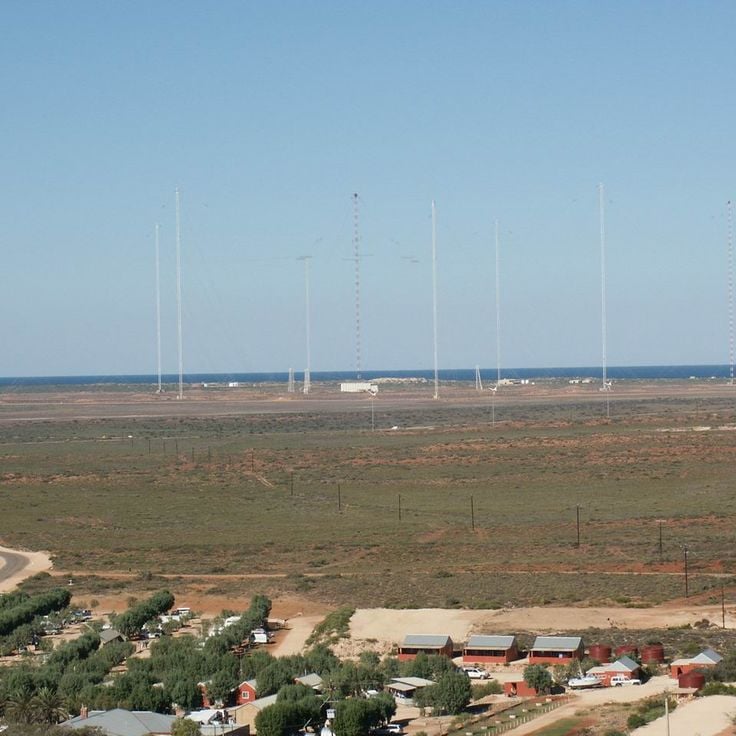
This naval communication station serves the United States and Australia for submarine communication across the Indian Ocean and Pacific. The facility uses transmission towers over 1,000 feet (300 meters) tall that broadcast low-frequency signals. It was built during the Cold War and remains an active military installation. Access is strictly controlled and closed to the public.
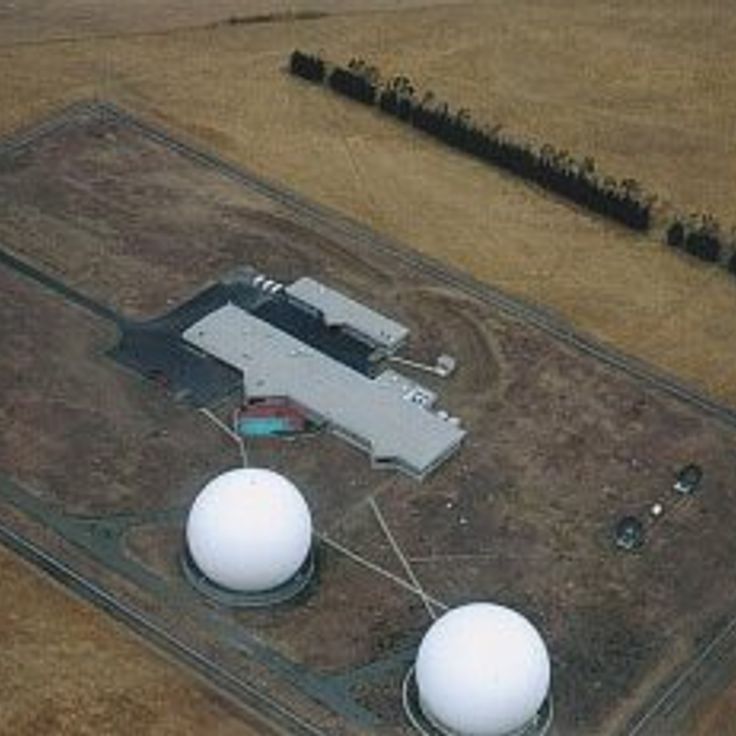
This satellite monitoring station sits in a remote valley on the South Island of New Zealand and was built in the 1980s. It forms part of the ECHELON network, a system used to intercept international communications. The site consists of several white geodesic domes that shelter large dish antennas. The landscape around it is sparse, surrounded by hills, and secured by fencing and guards. It remains active and focuses on intercepting satellite transmissions across the Pacific region. Public access to the station is completely restricted.
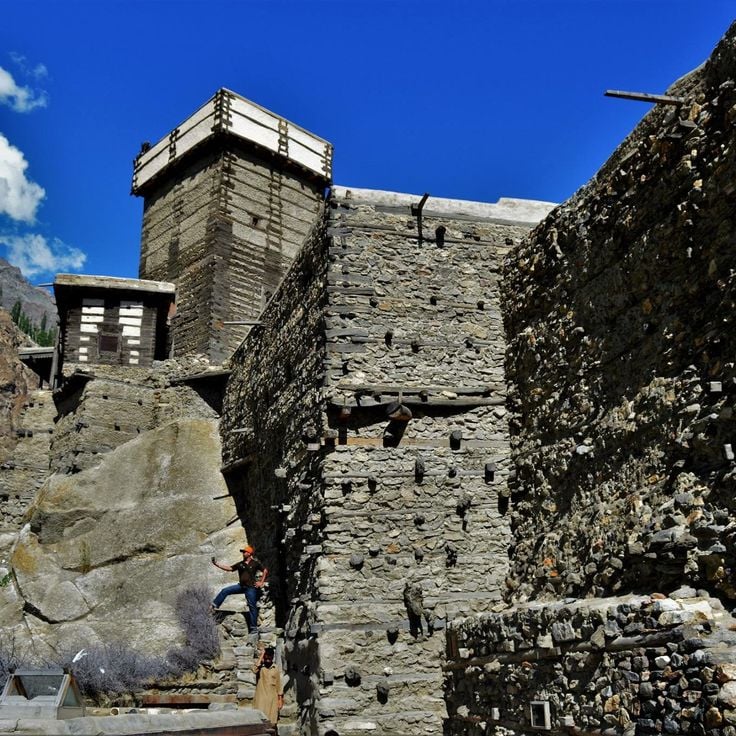
This fort from the 11th century stands above the Hunza Valley in northern Pakistan. The compound was once a center of military power and residence of local rulers. Its walls overlook the valley and surrounding mountains while controlling access to the region. Behind the stone walls lie rooms and courtyards that show how ruling families and guards lived together. The fort is now restored and open, though its role as a fortified watchtower ended centuries ago.
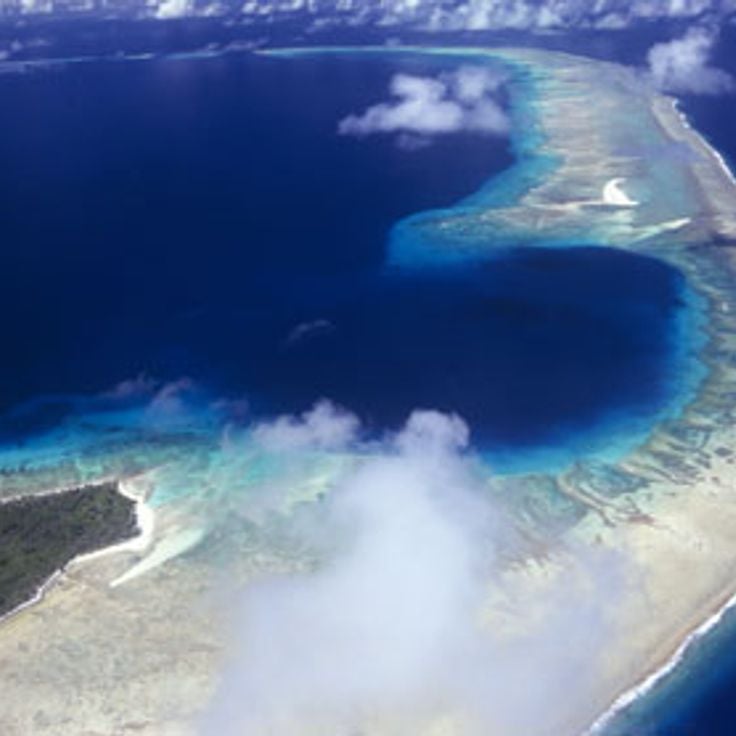
This atoll in the Pacific served as a nuclear testing ground between 1946 and 1958. The United States conducted more than twenty detonations here, including tests of thermonuclear weapons. Local residents were relocated before the tests began. Today, sunken ships and traces of radiation remain as reminders of this past. The area is still unsuitable for permanent habitation, though radiation levels have decreased.
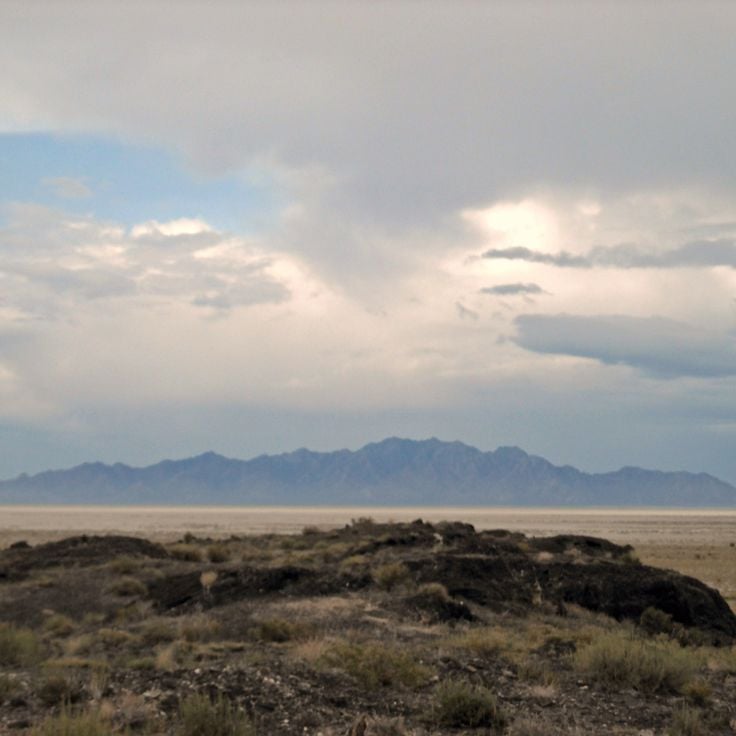
This military testing facility sits in a remote desert region of western Utah and has been used since the 1940s to test chemical, biological, and radiological weapons. The site spans a vast, arid landscape of flat plains and scattered low mountains, where the military conducts experiments involving explosives, smoke clouds, and various defense systems. The base is secured by fences and warning signs, with access completely restricted to the public. The surrounding environment consists of sand, scrub brush, and occasional military vehicles moving across unpaved roads. Some areas include replicas of foreign buildings and settlements used for simulations. The air is dry, the sun is intense, and nights turn sharply cold. The facility remains an active part of American defense research.
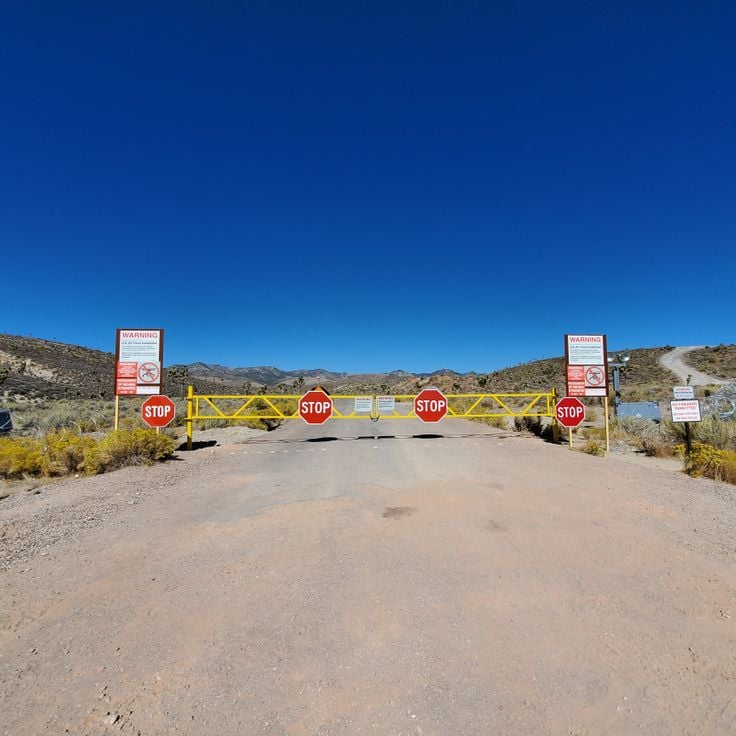
This classified military installation sits in the Nevada desert, roughly 83 miles (134 kilometers) northwest of Las Vegas. The site has served as a testing ground for experimental aircraft and secret aviation technologies since the 1950s. The base is surrounded by restricted zones, and the airspace above is completely closed. Guards and warning signs mark the boundaries. Visitors are turned away immediately. The facility remains active and controlled by the US military, though official details are sparse.
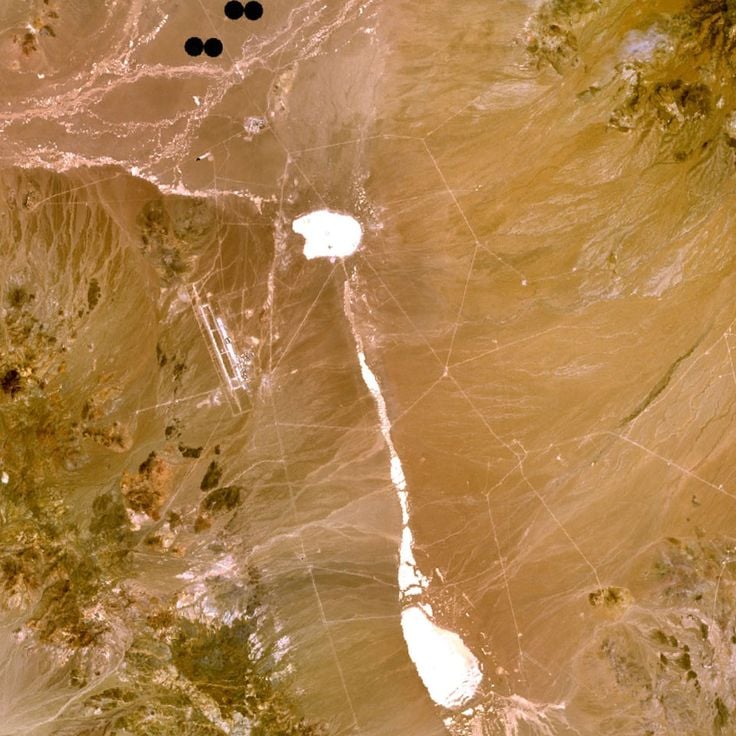
This military testing facility in the Nevada desert has served since the 1950s for trials of classified weapon systems and experimental aircraft. The site sits remote in dry terrain, surrounded by mountains and endless stretches of sand. Among other things, stealth technologies were tested here before becoming publicly known. The area is entirely fenced and guarded by military personnel. In the surrounding region, unusual aircraft movements occasionally appear in the sky, related to ongoing tests. The nearest town lies about 70 miles (110 kilometers) away, making the region extremely sparse in population.
This military spaceport in Russia has served for decades as a classified testing and launch site for ballistic missiles, satellites, and experimental space technology. Kapustin Yar sits in an isolated steppe region and contains underground bunkers, command centers, and launch pads used for strategic missile testing. The site is heavily guarded and inaccessible to the public. The facility continues to play an important role in Russian military and space infrastructure.
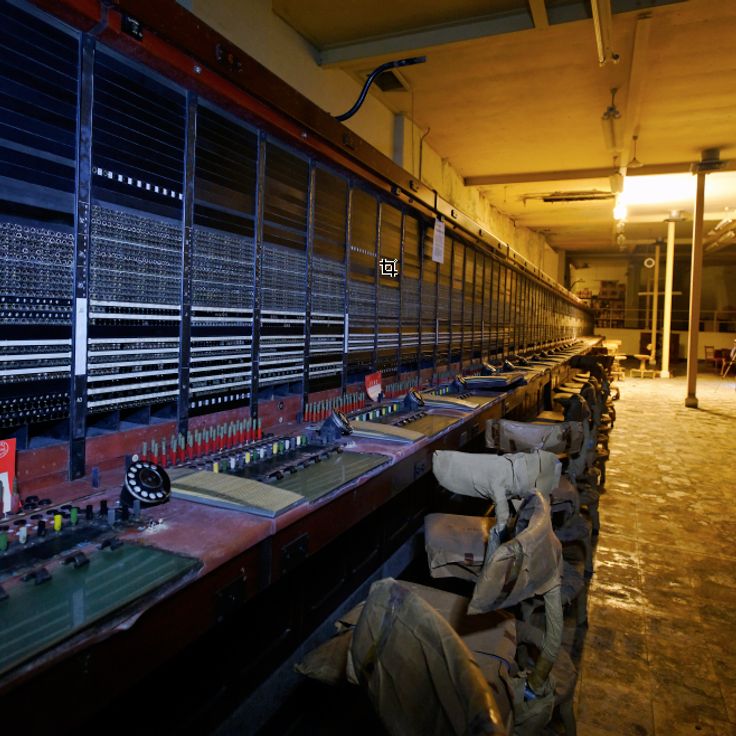
This underground facility in Corsham was built during the Cold War as an emergency shelter for the British government in case of war. The Central Government War Headquarters extends over several levels beneath a former quarry and includes offices, communication rooms, a BBC broadcasting hall, and accommodation for thousands of people. Corridors connect work areas, canteens, and technical facilities. The site was deactivated in the 1990s, but the structure remains intact. Above ground, ordinary buildings mark the location, while most rooms lie deep within the rock. The place shows how Britain prepared for nuclear conflict.
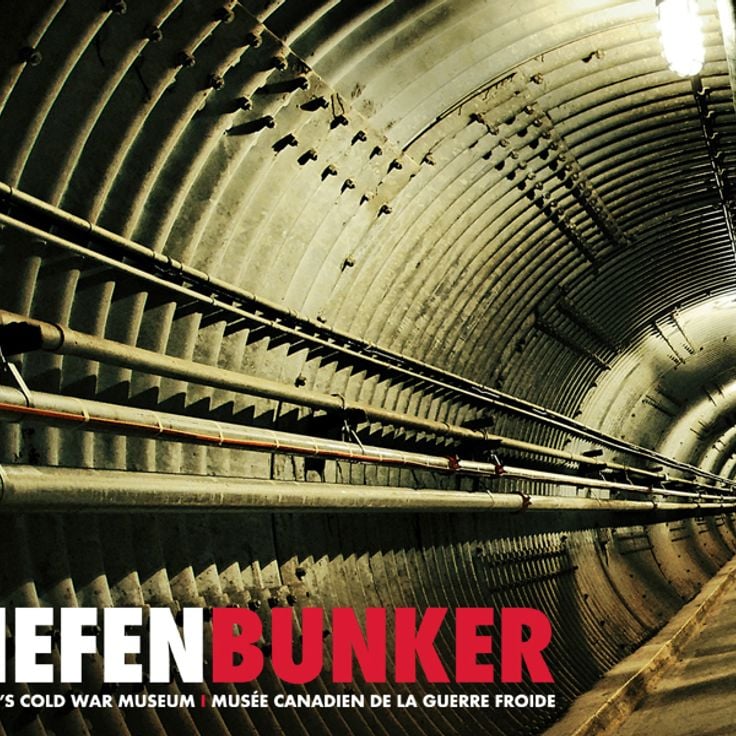
This former command center sits about 20 miles (30 kilometers) west of Ottawa and was built during the 1960s as a shelter during the Cold War. The underground complex was designed to house senior government officials in the event of a nuclear attack and was carved deep into the rock. The facility includes thick steel blast doors, air filtration systems, and storage rooms for food supplies. After the Cold War ended, the bunker was decommissioned and later opened as a museum where visitors can walk through corridors, communication rooms, and dormitories.
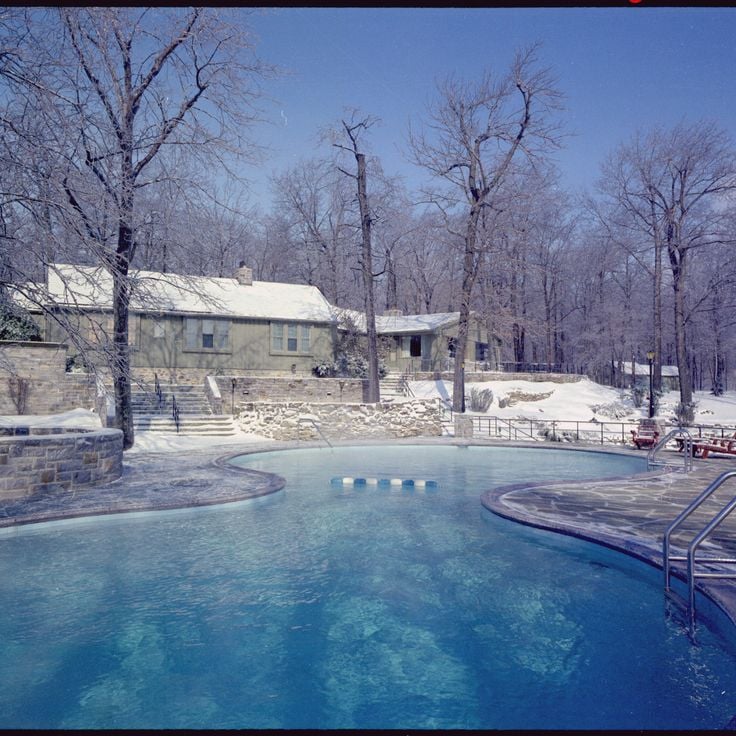
This presidential retreat sits in a wooded mountain area west of Washington and has served for decades as a shielded place where American presidents meet visitors and take breaks from official duties. The compound includes several wood and stone buildings scattered across a wide terrain guarded by military personnel. The surroundings are quiet and wrapped in thick forest, far from public roads and curious eyes. Meetings with foreign leaders take place here in informal settings, while the president also uses the facility for rest and private time away from the capital.
This nuclear test facility lies in North Hamgyŏng Province and was the only site where North Korea conducted underground nuclear tests for decades. Between 2006 and 2017, six confirmed tests took place here, carried out in deep tunnels beneath the mountains. The site consists of several tunnels driven into the slopes of Mount Mantap, where blast chambers and access roads are located. After the last test in 2017, the government ordered three of the tunnels to be collapsed and sealed while international observers watched. Satellite images since then show collapsed portals, but the question of whether additional tunnels exist or remain usable stays open. The area around the facility is a military exclusion zone, surrounded by checkpoints and security perimeters that prevent any access. The landscape is barren, with rocky mountains and sparse vegetation, and the nearest villages lie several miles away. Punggye-ri belongs to the group of highly secret military installations around the world that emerged during the Cold War and after, when governments built nuclear defense systems deep underground.
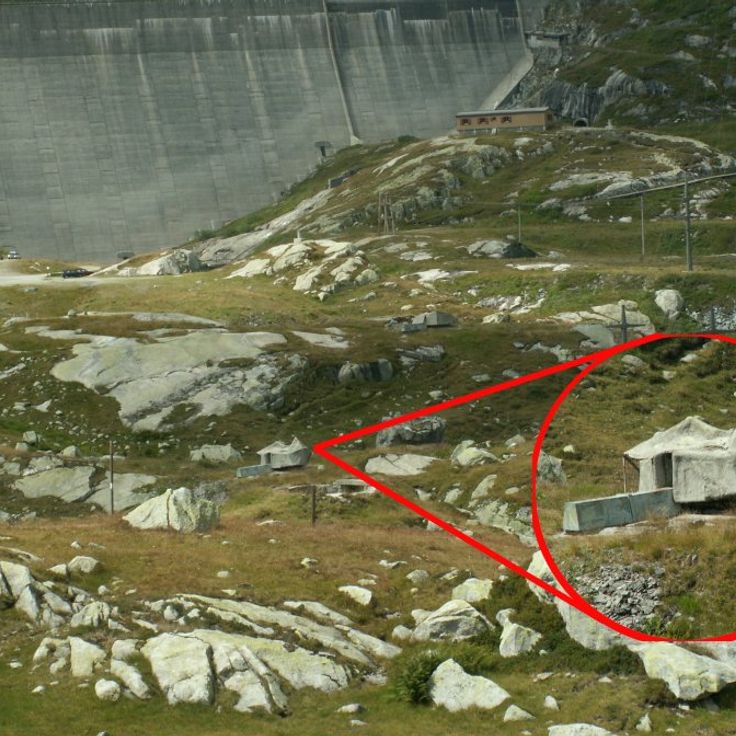
This defense network stands among the largest military fallback systems built into the Alps during World War II. Starting in 1940, the Swiss government developed a strategy to defend the most critical areas if an invasion occurred, withdrawing troops and resources into the mountains. The National Redoubt consists of underground fortresses blasted into rock, connected through tunnels and reinforced with thick concrete walls designed to withstand artillery and bombs. Thousands of soldiers could have operated from there for months, protected inside the mountains. Switzerland used its geography to create a fortress meant to deter attackers. Many sections were maintained after the war, though some are now decommissioned. The structures remain hidden along mountain slopes, barely visible from the outside.
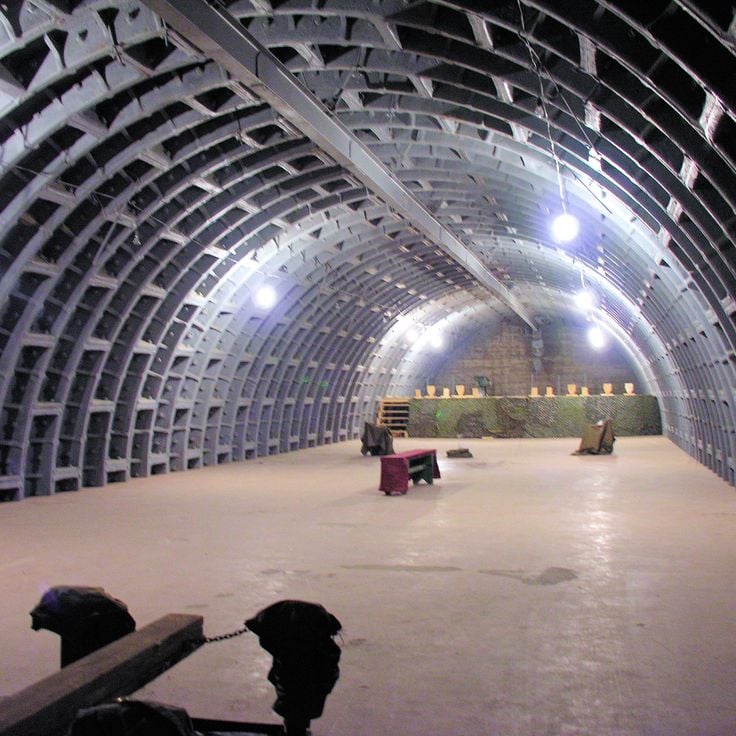
This command post was built during the Cold War to protect military leadership in case of nuclear conflict. The facility lies about 200 feet (60 meters) below ground in Tagansky District and consists of a network of tunnels and rooms dug into the rock. Thick concrete walls separate different sections, and heavy steel doors were meant to seal the facility against radioactive fallout. The command post was decommissioned in the 1990s. Today visitors can walk through the corridors on guided tours and see the rooms with their equipment, including communication devices and storage areas that give a sense of what life underground would have been like.
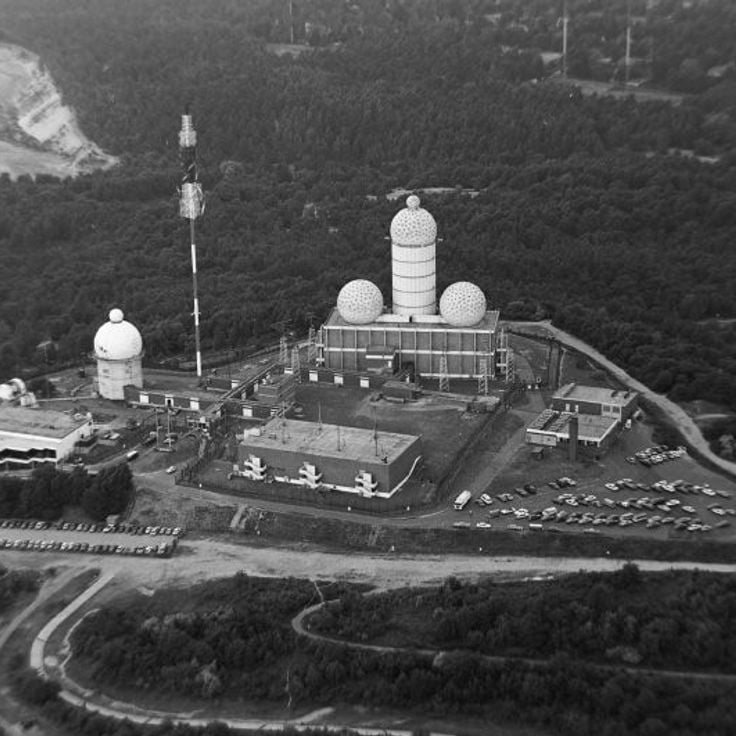
This former listening station sits on a hill in Grunewald, built from rubble piled after the Second World War. During the Cold War, Western Allied forces used the site to intercept radio signals from East Berlin and other Warsaw Pact territories. Large white domes protected antennas that tracked communication across great distances. Since the withdrawal of forces in the 1990s, the buildings stand empty, their concrete walls and silent radar domes marking the strategic importance the place once held. The site rests in a forested area on the western edge of Berlin.
This bunker lies under a busy street in Moscow and shows how the Soviet Union prepared for nuclear war during the Cold War. The facility was built in the 1950s and served as a protected command room for civil defense and military operations. The rooms inside are now a museum, where visitors see communication devices, maps, protective gear, and sleeping quarters. The thick concrete walls were designed to block radioactive fallout, while air filters kept a sealed environment for many days. The site shows how deeply Moscow dug into the earth to protect key functions from attack.
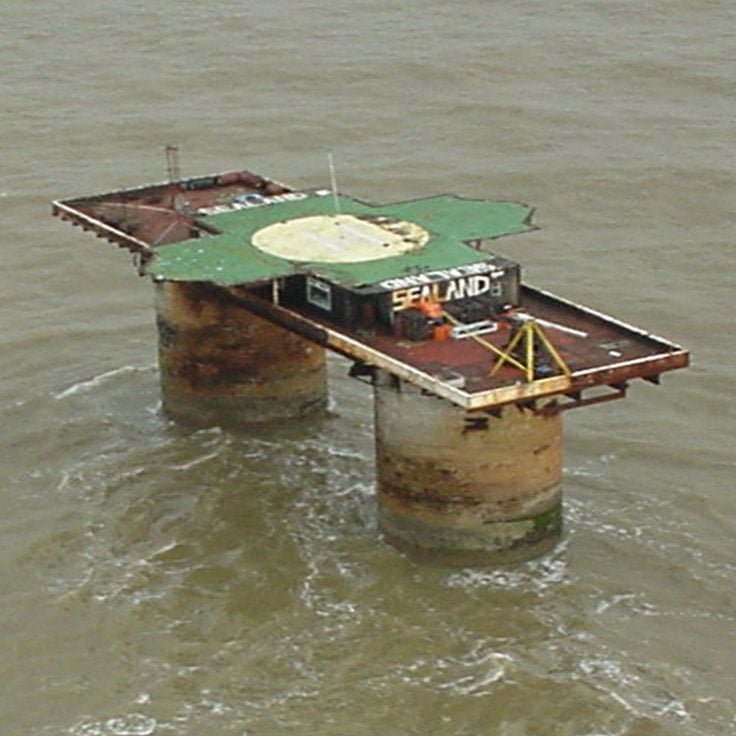
This artificial platform stands on two concrete towers about six miles (10 km) off the coast of Suffolk in open water. It was built during World War II by the British Navy to defend against aircraft and guard the approach to the Thames Estuary. After the war, the military abandoned the structure, and in the 1960s a private individual occupied it and later declared his own microstate. Since then, there have been flags, passports, and a self-proclaimed government, though no country has ever recognized the claims. The platform itself consists of two hollow towers connected by a flat steel deck, with shipping containers and antennas on top. Access is only by boat or helicopter, and the interior holds small rooms inside the concrete columns. The sea surrounds the structure entirely, and during rough weather waves crash against the base.
The Raven Rock Mountain Complex is an underground command center carved deep into the rock of the Appalachian Mountains. The facility was built during the Cold War to protect the leadership of the United States in times of crisis. Massive steel doors seal the entrances, while tunnels stretch for miles through the mountain. Inside, there are offices, communication rooms, and facilities for self-sufficiency. The base sits away from public roads, surrounded by dense forest and restricted military land. To this day, the complex remains active and serves as an alternate site for military operations.
The Cheyenne Mountain Space Force Station is an underground military base built inside a mountain in the Rocky Mountains. It was constructed during the Cold War to protect command and control centers from nuclear attacks. The facility lies deep within the rock and houses rooms for monitoring airspace and outer space. Thick steel blast doors secure the entrances, and the interior chambers rest on massive springs to absorb shocks. Today, the station operates early warning systems and tracks satellites. Access is strictly forbidden, and the base remains one of the most widely known secret installations of the American armed forces.
This underground operations center in Virginia was built to shelter government officials during national emergencies. The facility lies deep inside the mountain and has autonomous systems for power, water and communications. It contains dormitories, offices and control rooms. The center was built during the Cold War and remains active for emergency planning. Access is tightly controlled and the site is constantly guarded.
This submarine base is in Gadzhiyevo on the Barents Sea coast of the Kola Peninsula in Russia. Skalisty serves the Russian Navy as a facility for nuclear submarines since the 1960s. The installation includes underground piers, maintenance areas and military infrastructure carved into rock. Submarines enter protected sections directly beneath the mountain. The site remains a restricted zone with access strictly controlled.
This Soviet submarine crew training facility is located in Paldiski, Estonia, and was built during the Cold War. The complex housed two shore-based reactors to simulate conditions aboard nuclear-powered submarines. After the withdrawal of Soviet forces in the early 1990s, the facility was closed and sealed. The massive concrete shells of the reactor buildings remain visible along the coast, offering a reminder of this town's military past. The site has been under Estonian control since independence and remains restricted to the public.
This seed vault lies on Spitsbergen island in the Norwegian Svalbard archipelago, embedded in the permafrost of an arctic mountain slope. It stores millions of plant seeds from around the world as a biological reserve for future generations. The entrance is visible from outside, but the interior remains sealed and temperature controlled, protected by thick concrete walls and security doors.
This station in North Yorkshire is one of the largest signals intelligence facilities outside the United States. RAF Menwith Hill consists of several white geodesic domes scattered across a wide site, protecting satellite antennas and communications equipment. The facility monitors electronic signals and supports intelligence collaboration between the United States and the United Kingdom. The perimeter is fenced, under video surveillance, and constantly patrolled by security forces. The geodesic domes, also called radomes, dominate the landscape and are visible from a distance. Inside this military installation, US military personnel and British staff work on monitoring global communications.
This radar station stands on the high moors of North Yorkshire and has been watching the skies over the North Atlantic since the 1960s. The three large white domes of the first generation were later replaced by a pyramid-shaped structure that now defines the landscape. RAF Fylingdales is part of a network of early warning systems and tracks ballistic missiles and space objects. The site lies in a remote moorland setting, surrounded by heather and rocky hills. Access is restricted, and high fences mark the edge of the military zone.
This military fortress in Lyon is part of a system of defensive structures built in the late 19th century to protect the city. The fort sits on a hill and includes underground passages, casemates, and gun emplacements carved into the rock. The site shows the military architecture of its time and was built to control strategic points. Today the fort stands empty, but its structures remain intact and show how such defensive installations were designed and used.
This naval base on the Atlantic coast sits south of Mar del Plata in a restricted military zone. The facility serves the Argentine Navy as a training center and port for warships. Its grounds hold barracks, workshops, storage buildings, and administrative offices. Several piers extend into the ocean where vessels dock and undergo maintenance. Part of the installation is underground and includes protected rooms for communications and operations. The compound is fenced, and guards control the access roads. From outside, only the main buildings and harbor structures are visible.
This former ground station in South Australia once served military satellite surveillance. The Nurrungar facility was part of an international defense network for early detection of missile launches and was operated jointly by the United States and Australia. The station sat isolated in the desert, surrounded by red earth and low scrub. Large parabolic antennas and technical buildings shaped the appearance of the site. Today the facility is no longer operational, but the structures have largely remained intact and document an era of surveillance technology during the Cold War.
This naval communication station serves the United States and Australia for submarine communication across the Indian Ocean and Pacific. The facility uses transmission towers over 1,000 feet (300 meters) tall that broadcast low-frequency signals. It was built during the Cold War and remains an active military installation. Access is strictly controlled and closed to the public.
This satellite monitoring station sits in a remote valley on the South Island of New Zealand and was built in the 1980s. It forms part of the ECHELON network, a system used to intercept international communications. The site consists of several white geodesic domes that shelter large dish antennas. The landscape around it is sparse, surrounded by hills, and secured by fencing and guards. It remains active and focuses on intercepting satellite transmissions across the Pacific region. Public access to the station is completely restricted.
This fort from the 11th century stands above the Hunza Valley in northern Pakistan. The compound was once a center of military power and residence of local rulers. Its walls overlook the valley and surrounding mountains while controlling access to the region. Behind the stone walls lie rooms and courtyards that show how ruling families and guards lived together. The fort is now restored and open, though its role as a fortified watchtower ended centuries ago.
This atoll in the Pacific served as a nuclear testing ground between 1946 and 1958. The United States conducted more than twenty detonations here, including tests of thermonuclear weapons. Local residents were relocated before the tests began. Today, sunken ships and traces of radiation remain as reminders of this past. The area is still unsuitable for permanent habitation, though radiation levels have decreased.
This military testing facility sits in a remote desert region of western Utah and has been used since the 1940s to test chemical, biological, and radiological weapons. The site spans a vast, arid landscape of flat plains and scattered low mountains, where the military conducts experiments involving explosives, smoke clouds, and various defense systems. The base is secured by fences and warning signs, with access completely restricted to the public. The surrounding environment consists of sand, scrub brush, and occasional military vehicles moving across unpaved roads. Some areas include replicas of foreign buildings and settlements used for simulations. The air is dry, the sun is intense, and nights turn sharply cold. The facility remains an active part of American defense research.
This classified military installation sits in the Nevada desert, roughly 83 miles (134 kilometers) northwest of Las Vegas. The site has served as a testing ground for experimental aircraft and secret aviation technologies since the 1950s. The base is surrounded by restricted zones, and the airspace above is completely closed. Guards and warning signs mark the boundaries. Visitors are turned away immediately. The facility remains active and controlled by the US military, though official details are sparse.
This military testing facility in the Nevada desert has served since the 1950s for trials of classified weapon systems and experimental aircraft. The site sits remote in dry terrain, surrounded by mountains and endless stretches of sand. Among other things, stealth technologies were tested here before becoming publicly known. The area is entirely fenced and guarded by military personnel. In the surrounding region, unusual aircraft movements occasionally appear in the sky, related to ongoing tests. The nearest town lies about 70 miles (110 kilometers) away, making the region extremely sparse in population.
This military spaceport in Russia has served for decades as a classified testing and launch site for ballistic missiles, satellites, and experimental space technology. Kapustin Yar sits in an isolated steppe region and contains underground bunkers, command centers, and launch pads used for strategic missile testing. The site is heavily guarded and inaccessible to the public. The facility continues to play an important role in Russian military and space infrastructure.
This underground facility in Corsham was built during the Cold War as an emergency shelter for the British government in case of war. The Central Government War Headquarters extends over several levels beneath a former quarry and includes offices, communication rooms, a BBC broadcasting hall, and accommodation for thousands of people. Corridors connect work areas, canteens, and technical facilities. The site was deactivated in the 1990s, but the structure remains intact. Above ground, ordinary buildings mark the location, while most rooms lie deep within the rock. The place shows how Britain prepared for nuclear conflict.
This former command center sits about 20 miles (30 kilometers) west of Ottawa and was built during the 1960s as a shelter during the Cold War. The underground complex was designed to house senior government officials in the event of a nuclear attack and was carved deep into the rock. The facility includes thick steel blast doors, air filtration systems, and storage rooms for food supplies. After the Cold War ended, the bunker was decommissioned and later opened as a museum where visitors can walk through corridors, communication rooms, and dormitories.
This presidential retreat sits in a wooded mountain area west of Washington and has served for decades as a shielded place where American presidents meet visitors and take breaks from official duties. The compound includes several wood and stone buildings scattered across a wide terrain guarded by military personnel. The surroundings are quiet and wrapped in thick forest, far from public roads and curious eyes. Meetings with foreign leaders take place here in informal settings, while the president also uses the facility for rest and private time away from the capital.
This nuclear test facility lies in North Hamgyŏng Province and was the only site where North Korea conducted underground nuclear tests for decades. Between 2006 and 2017, six confirmed tests took place here, carried out in deep tunnels beneath the mountains. The site consists of several tunnels driven into the slopes of Mount Mantap, where blast chambers and access roads are located. After the last test in 2017, the government ordered three of the tunnels to be collapsed and sealed while international observers watched. Satellite images since then show collapsed portals, but the question of whether additional tunnels exist or remain usable stays open. The area around the facility is a military exclusion zone, surrounded by checkpoints and security perimeters that prevent any access. The landscape is barren, with rocky mountains and sparse vegetation, and the nearest villages lie several miles away. Punggye-ri belongs to the group of highly secret military installations around the world that emerged during the Cold War and after, when governments built nuclear defense systems deep underground.
This defense network stands among the largest military fallback systems built into the Alps during World War II. Starting in 1940, the Swiss government developed a strategy to defend the most critical areas if an invasion occurred, withdrawing troops and resources into the mountains. The National Redoubt consists of underground fortresses blasted into rock, connected through tunnels and reinforced with thick concrete walls designed to withstand artillery and bombs. Thousands of soldiers could have operated from there for months, protected inside the mountains. Switzerland used its geography to create a fortress meant to deter attackers. Many sections were maintained after the war, though some are now decommissioned. The structures remain hidden along mountain slopes, barely visible from the outside.
This command post was built during the Cold War to protect military leadership in case of nuclear conflict. The facility lies about 200 feet (60 meters) below ground in Tagansky District and consists of a network of tunnels and rooms dug into the rock. Thick concrete walls separate different sections, and heavy steel doors were meant to seal the facility against radioactive fallout. The command post was decommissioned in the 1990s. Today visitors can walk through the corridors on guided tours and see the rooms with their equipment, including communication devices and storage areas that give a sense of what life underground would have been like.
This former listening station sits on a hill in Grunewald, built from rubble piled after the Second World War. During the Cold War, Western Allied forces used the site to intercept radio signals from East Berlin and other Warsaw Pact territories. Large white domes protected antennas that tracked communication across great distances. Since the withdrawal of forces in the 1990s, the buildings stand empty, their concrete walls and silent radar domes marking the strategic importance the place once held. The site rests in a forested area on the western edge of Berlin.
This bunker lies under a busy street in Moscow and shows how the Soviet Union prepared for nuclear war during the Cold War. The facility was built in the 1950s and served as a protected command room for civil defense and military operations. The rooms inside are now a museum, where visitors see communication devices, maps, protective gear, and sleeping quarters. The thick concrete walls were designed to block radioactive fallout, while air filters kept a sealed environment for many days. The site shows how deeply Moscow dug into the earth to protect key functions from attack.
This artificial platform stands on two concrete towers about six miles (10 km) off the coast of Suffolk in open water. It was built during World War II by the British Navy to defend against aircraft and guard the approach to the Thames Estuary. After the war, the military abandoned the structure, and in the 1960s a private individual occupied it and later declared his own microstate. Since then, there have been flags, passports, and a self-proclaimed government, though no country has ever recognized the claims. The platform itself consists of two hollow towers connected by a flat steel deck, with shipping containers and antennas on top. Access is only by boat or helicopter, and the interior holds small rooms inside the concrete columns. The sea surrounds the structure entirely, and during rough weather waves crash against the base.
The Raven Rock Mountain Complex is an underground command center carved deep into the rock of the Appalachian Mountains. The facility was built during the Cold War to protect the leadership of the United States in times of crisis. Massive steel doors seal the entrances, while tunnels stretch for miles through the mountain. Inside, there are offices, communication rooms, and facilities for self-sufficiency. The base sits away from public roads, surrounded by dense forest and restricted military land. To this day, the complex remains active and serves as an alternate site for military operations.
The Cheyenne Mountain Space Force Station is an underground military base built inside a mountain in the Rocky Mountains. It was constructed during the Cold War to protect command and control centers from nuclear attacks. The facility lies deep within the rock and houses rooms for monitoring airspace and outer space. Thick steel blast doors secure the entrances, and the interior chambers rest on massive springs to absorb shocks. Today, the station operates early warning systems and tracks satellites. Access is strictly forbidden, and the base remains one of the most widely known secret installations of the American armed forces.
This underground operations center in Virginia was built to shelter government officials during national emergencies. The facility lies deep inside the mountain and has autonomous systems for power, water and communications. It contains dormitories, offices and control rooms. The center was built during the Cold War and remains active for emergency planning. Access is tightly controlled and the site is constantly guarded.
This submarine base is in Gadzhiyevo on the Barents Sea coast of the Kola Peninsula in Russia. Skalisty serves the Russian Navy as a facility for nuclear submarines since the 1960s. The installation includes underground piers, maintenance areas and military infrastructure carved into rock. Submarines enter protected sections directly beneath the mountain. The site remains a restricted zone with access strictly controlled.
This Soviet submarine crew training facility is located in Paldiski, Estonia, and was built during the Cold War. The complex housed two shore-based reactors to simulate conditions aboard nuclear-powered submarines. After the withdrawal of Soviet forces in the early 1990s, the facility was closed and sealed. The massive concrete shells of the reactor buildings remain visible along the coast, offering a reminder of this town's military past. The site has been under Estonian control since independence and remains restricted to the public.
This seed vault lies on Spitsbergen island in the Norwegian Svalbard archipelago, embedded in the permafrost of an arctic mountain slope. It stores millions of plant seeds from around the world as a biological reserve for future generations. The entrance is visible from outside, but the interior remains sealed and temperature controlled, protected by thick concrete walls and security doors.
This station in North Yorkshire is one of the largest signals intelligence facilities outside the United States. RAF Menwith Hill consists of several white geodesic domes scattered across a wide site, protecting satellite antennas and communications equipment. The facility monitors electronic signals and supports intelligence collaboration between the United States and the United Kingdom. The perimeter is fenced, under video surveillance, and constantly patrolled by security forces. The geodesic domes, also called radomes, dominate the landscape and are visible from a distance. Inside this military installation, US military personnel and British staff work on monitoring global communications.
This radar station stands on the high moors of North Yorkshire and has been watching the skies over the North Atlantic since the 1960s. The three large white domes of the first generation were later replaced by a pyramid-shaped structure that now defines the landscape. RAF Fylingdales is part of a network of early warning systems and tracks ballistic missiles and space objects. The site lies in a remote moorland setting, surrounded by heather and rocky hills. Access is restricted, and high fences mark the edge of the military zone.
This military fortress in Lyon is part of a system of defensive structures built in the late 19th century to protect the city. The fort sits on a hill and includes underground passages, casemates, and gun emplacements carved into the rock. The site shows the military architecture of its time and was built to control strategic points. Today the fort stands empty, but its structures remain intact and show how such defensive installations were designed and used.
This naval base on the Atlantic coast sits south of Mar del Plata in a restricted military zone. The facility serves the Argentine Navy as a training center and port for warships. Its grounds hold barracks, workshops, storage buildings, and administrative offices. Several piers extend into the ocean where vessels dock and undergo maintenance. Part of the installation is underground and includes protected rooms for communications and operations. The compound is fenced, and guards control the access roads. From outside, only the main buildings and harbor structures are visible.
This former ground station in South Australia once served military satellite surveillance. The Nurrungar facility was part of an international defense network for early detection of missile launches and was operated jointly by the United States and Australia. The station sat isolated in the desert, surrounded by red earth and low scrub. Large parabolic antennas and technical buildings shaped the appearance of the site. Today the facility is no longer operational, but the structures have largely remained intact and document an era of surveillance technology during the Cold War.
This naval communication station serves the United States and Australia for submarine communication across the Indian Ocean and Pacific. The facility uses transmission towers over 1,000 feet (300 meters) tall that broadcast low-frequency signals. It was built during the Cold War and remains an active military installation. Access is strictly controlled and closed to the public.
This satellite monitoring station sits in a remote valley on the South Island of New Zealand and was built in the 1980s. It forms part of the ECHELON network, a system used to intercept international communications. The site consists of several white geodesic domes that shelter large dish antennas. The landscape around it is sparse, surrounded by hills, and secured by fencing and guards. It remains active and focuses on intercepting satellite transmissions across the Pacific region. Public access to the station is completely restricted.
This fort from the 11th century stands above the Hunza Valley in northern Pakistan. The compound was once a center of military power and residence of local rulers. Its walls overlook the valley and surrounding mountains while controlling access to the region. Behind the stone walls lie rooms and courtyards that show how ruling families and guards lived together. The fort is now restored and open, though its role as a fortified watchtower ended centuries ago.
This atoll in the Pacific served as a nuclear testing ground between 1946 and 1958. The United States conducted more than twenty detonations here, including tests of thermonuclear weapons. Local residents were relocated before the tests began. Today, sunken ships and traces of radiation remain as reminders of this past. The area is still unsuitable for permanent habitation, though radiation levels have decreased.
This military testing facility sits in a remote desert region of western Utah and has been used since the 1940s to test chemical, biological, and radiological weapons. The site spans a vast, arid landscape of flat plains and scattered low mountains, where the military conducts experiments involving explosives, smoke clouds, and various defense systems. The base is secured by fences and warning signs, with access completely restricted to the public. The surrounding environment consists of sand, scrub brush, and occasional military vehicles moving across unpaved roads. Some areas include replicas of foreign buildings and settlements used for simulations. The air is dry, the sun is intense, and nights turn sharply cold. The facility remains an active part of American defense research.
This classified military installation sits in the Nevada desert, roughly 83 miles (134 kilometers) northwest of Las Vegas. The site has served as a testing ground for experimental aircraft and secret aviation technologies since the 1950s. The base is surrounded by restricted zones, and the airspace above is completely closed. Guards and warning signs mark the boundaries. Visitors are turned away immediately. The facility remains active and controlled by the US military, though official details are sparse.
This military testing facility in the Nevada desert has served since the 1950s for trials of classified weapon systems and experimental aircraft. The site sits remote in dry terrain, surrounded by mountains and endless stretches of sand. Among other things, stealth technologies were tested here before becoming publicly known. The area is entirely fenced and guarded by military personnel. In the surrounding region, unusual aircraft movements occasionally appear in the sky, related to ongoing tests. The nearest town lies about 70 miles (110 kilometers) away, making the region extremely sparse in population.
This military spaceport in Russia has served for decades as a classified testing and launch site for ballistic missiles, satellites, and experimental space technology. Kapustin Yar sits in an isolated steppe region and contains underground bunkers, command centers, and launch pads used for strategic missile testing. The site is heavily guarded and inaccessible to the public. The facility continues to play an important role in Russian military and space infrastructure.
This underground facility in Corsham was built during the Cold War as an emergency shelter for the British government in case of war. The Central Government War Headquarters extends over several levels beneath a former quarry and includes offices, communication rooms, a BBC broadcasting hall, and accommodation for thousands of people. Corridors connect work areas, canteens, and technical facilities. The site was deactivated in the 1990s, but the structure remains intact. Above ground, ordinary buildings mark the location, while most rooms lie deep within the rock. The place shows how Britain prepared for nuclear conflict.
This former command center sits about 20 miles (30 kilometers) west of Ottawa and was built during the 1960s as a shelter during the Cold War. The underground complex was designed to house senior government officials in the event of a nuclear attack and was carved deep into the rock. The facility includes thick steel blast doors, air filtration systems, and storage rooms for food supplies. After the Cold War ended, the bunker was decommissioned and later opened as a museum where visitors can walk through corridors, communication rooms, and dormitories.
This presidential retreat sits in a wooded mountain area west of Washington and has served for decades as a shielded place where American presidents meet visitors and take breaks from official duties. The compound includes several wood and stone buildings scattered across a wide terrain guarded by military personnel. The surroundings are quiet and wrapped in thick forest, far from public roads and curious eyes. Meetings with foreign leaders take place here in informal settings, while the president also uses the facility for rest and private time away from the capital.
This nuclear test facility lies in North Hamgyŏng Province and was the only site where North Korea conducted underground nuclear tests for decades. Between 2006 and 2017, six confirmed tests took place here, carried out in deep tunnels beneath the mountains. The site consists of several tunnels driven into the slopes of Mount Mantap, where blast chambers and access roads are located. After the last test in 2017, the government ordered three of the tunnels to be collapsed and sealed while international observers watched. Satellite images since then show collapsed portals, but the question of whether additional tunnels exist or remain usable stays open. The area around the facility is a military exclusion zone, surrounded by checkpoints and security perimeters that prevent any access. The landscape is barren, with rocky mountains and sparse vegetation, and the nearest villages lie several miles away. Punggye-ri belongs to the group of highly secret military installations around the world that emerged during the Cold War and after, when governments built nuclear defense systems deep underground.
This defense network stands among the largest military fallback systems built into the Alps during World War II. Starting in 1940, the Swiss government developed a strategy to defend the most critical areas if an invasion occurred, withdrawing troops and resources into the mountains. The National Redoubt consists of underground fortresses blasted into rock, connected through tunnels and reinforced with thick concrete walls designed to withstand artillery and bombs. Thousands of soldiers could have operated from there for months, protected inside the mountains. Switzerland used its geography to create a fortress meant to deter attackers. Many sections were maintained after the war, though some are now decommissioned. The structures remain hidden along mountain slopes, barely visible from the outside.
This command post was built during the Cold War to protect military leadership in case of nuclear conflict. The facility lies about 200 feet (60 meters) below ground in Tagansky District and consists of a network of tunnels and rooms dug into the rock. Thick concrete walls separate different sections, and heavy steel doors were meant to seal the facility against radioactive fallout. The command post was decommissioned in the 1990s. Today visitors can walk through the corridors on guided tours and see the rooms with their equipment, including communication devices and storage areas that give a sense of what life underground would have been like.
This former listening station sits on a hill in Grunewald, built from rubble piled after the Second World War. During the Cold War, Western Allied forces used the site to intercept radio signals from East Berlin and other Warsaw Pact territories. Large white domes protected antennas that tracked communication across great distances. Since the withdrawal of forces in the 1990s, the buildings stand empty, their concrete walls and silent radar domes marking the strategic importance the place once held. The site rests in a forested area on the western edge of Berlin.
This bunker lies under a busy street in Moscow and shows how the Soviet Union prepared for nuclear war during the Cold War. The facility was built in the 1950s and served as a protected command room for civil defense and military operations. The rooms inside are now a museum, where visitors see communication devices, maps, protective gear, and sleeping quarters. The thick concrete walls were designed to block radioactive fallout, while air filters kept a sealed environment for many days. The site shows how deeply Moscow dug into the earth to protect key functions from attack.
This artificial platform stands on two concrete towers about six miles (10 km) off the coast of Suffolk in open water. It was built during World War II by the British Navy to defend against aircraft and guard the approach to the Thames Estuary. After the war, the military abandoned the structure, and in the 1960s a private individual occupied it and later declared his own microstate. Since then, there have been flags, passports, and a self-proclaimed government, though no country has ever recognized the claims. The platform itself consists of two hollow towers connected by a flat steel deck, with shipping containers and antennas on top. Access is only by boat or helicopter, and the interior holds small rooms inside the concrete columns. The sea surrounds the structure entirely, and during rough weather waves crash against the base.