See the monuments around you in AROpen chests in the app
Around Us is built for your phone — point your camera at the streets and discover the monuments and places around you in augmented reality.Around Us is built for your phone — chests unlock when you walk, explore and capture nearby places.
Kansas City: 30 must-see places to explore the city
Kansas City holds a special place between the farming states of the Midwest and the big cities on the East Coast. It keeps the feel of a medium-sized city, with its working-class neighborhoods and quiet suburbs, while also playing an important role in American history. Here, you see the architecture from the 1910s, traces of river trade, jazz and baseball memories, and a lively arts scene that has been growing in recent years.
There are places like the Nelson-Atkins Museum of Art, which displays European and Asian paintings in a 1930s building, and the Liberty Memorial, a war monument overlooking downtown. The Crossroads district becomes lively in the evenings with galleries and cafes. Union Station, the old train station, is now a planetarium and science museum. The stadiums, especially Arrowhead, echo during football games. Along the Missouri River, the banks are perfect for walking or biking. Each spot offers a different view of this city, which stays quiet but has lots of character.
Kansas City: 30 must-see places to explore the city
Kansas City holds a special place between the farming states of the Midwest and the big cities on the East Coast. It keeps the feel of a medium-sized city, with its working-class neighborhoods and quiet suburbs, while also playing an important role in American history. Here, you see the architecture from the 1910s, traces of river trade, jazz and baseball memories, and a lively arts scene that has been growing in recent years.
There are places like the Nelson-Atkins Museum of Art, which displays European and Asian paintings in a 1930s building, and the Liberty Memorial, a war monument overlooking downtown. The Crossroads district becomes lively in the evenings with galleries and cafes. Union Station, the old train station, is now a planetarium and science museum. The stadiums, especially Arrowhead, echo during football games. Along the Missouri River, the banks are perfect for walking or biking. Each spot offers a different view of this city, which stays quiet but has lots of character.
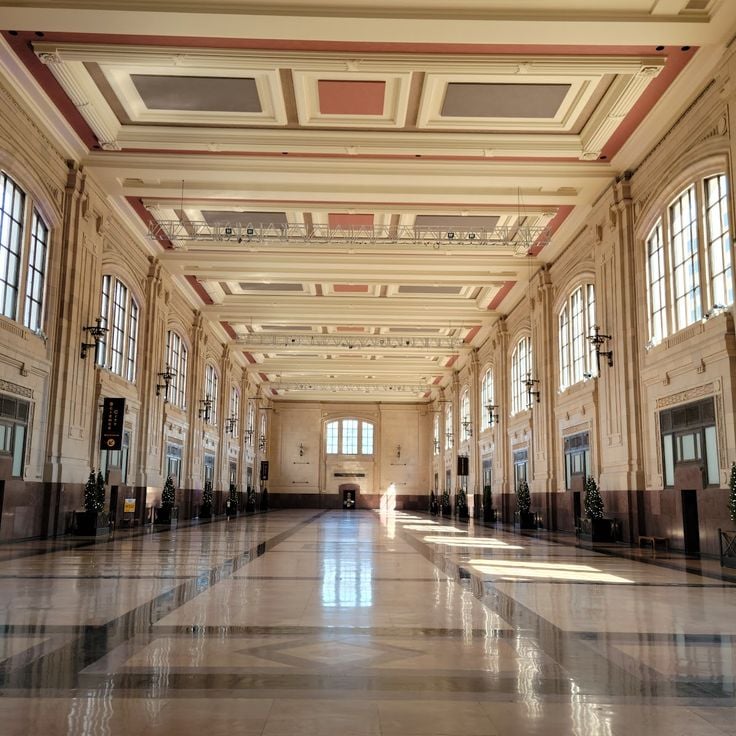
Union Station was a railroad terminal that welcomed thousands of travelers every day until service declined in the 1980s. The building reopened in the 1990s after renovation and now houses a science museum, a theater, a planetarium, and exhibition spaces. The main hall rises over 95 feet (30 meters) and shows the construction style of the 1910s with wide arches, tall windows, and thick walls. The ceiling features plaster moldings. Visitors walk through the broad entrance hall where ticket counters once stood. Today there are information desks and seating areas. The side wings hold permanent exhibits on science and history. The planetarium presents shows about the solar system and distant galaxies. Downstairs there is a café and a museum shop. The platforms are no longer in use, but part of the tracks remains visible. Union Station stands south of downtown, near the Liberty Memorial. The façade is lit at night. The building shows how Kansas City turns old infrastructure into cultural spaces.
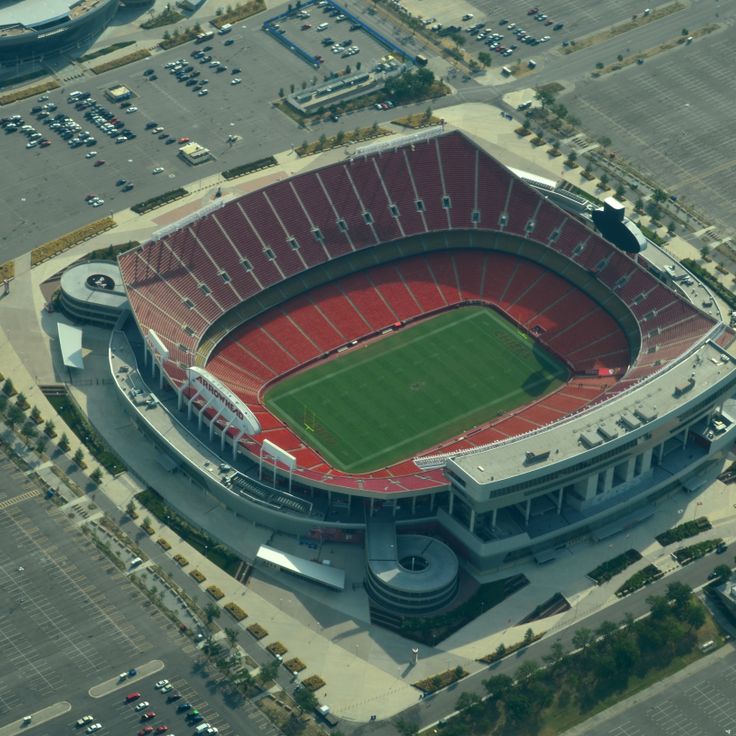
Arrowhead Stadium sits in the eastern part of the city and was built in 1972 for the Kansas City Chiefs. It holds more than 76,000 (70,000) spectators and ranks among the loudest venues in professional football because the stands reflect sound back onto the field. On game days thousands of fans fill the parking lots, grill before kickoff, and wear red jerseys. The atmosphere is loud, the mood intense. From the upper tiers you can see the field and the surrounding streets. The stadium is part of the Truman Sports Complex and stands next to Kauffman Stadium, where the baseball team plays.
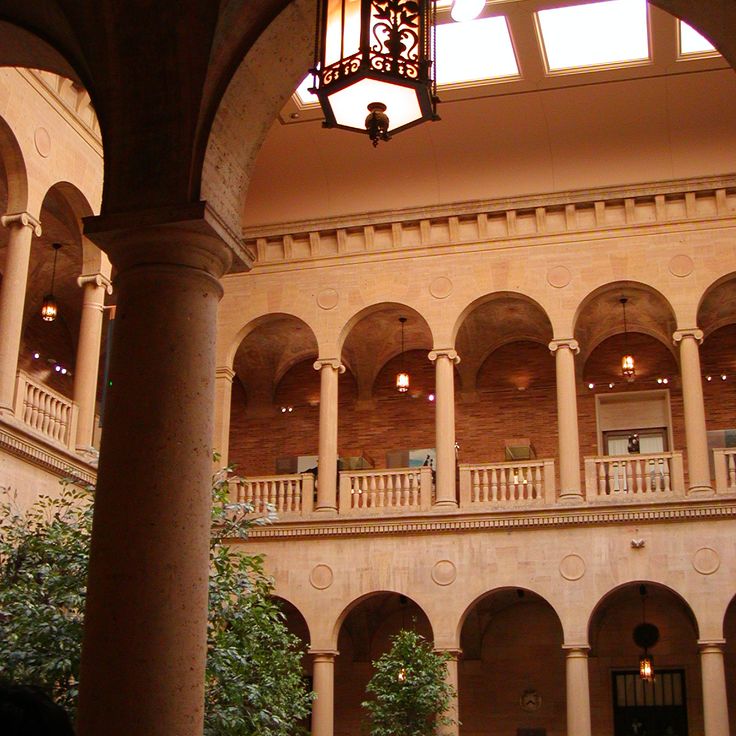
The Nelson-Atkins stands south of downtown and ranks among the oldest public art institutions in the Midwest. The 1933 building houses paintings from Europe, Asia and the Americas, from ancient Egyptian artifacts to contemporary photography. The rooms follow one another by period and continent. The glass and concrete addition, completed in 2007, extends the floor space and connects the collections to the park. Sculptures stand on the lawn and among the trees, including works by Henry Moore and Claes Oldenburg. Admission is free. The museum closes on Mondays.
The Crossroads neighborhood gathers galleries, workshops, cafés and small concert halls in a part of Kansas City that now draws artists and visitors. In the evenings, open studios and events bring people onto the streets. Walls carry murals, former warehouses now hold exhibition spaces. On certain weekends, doors open simultaneously so people can move from room to room. The area attracts a younger crowd that settles into cafés and follows the programs of small stages. During the day the atmosphere quiets, walkers look into windows or sit on benches. The blend of industrial buildings and creative spaces shapes the character of these blocks, where the artistic side of the city comes forward.
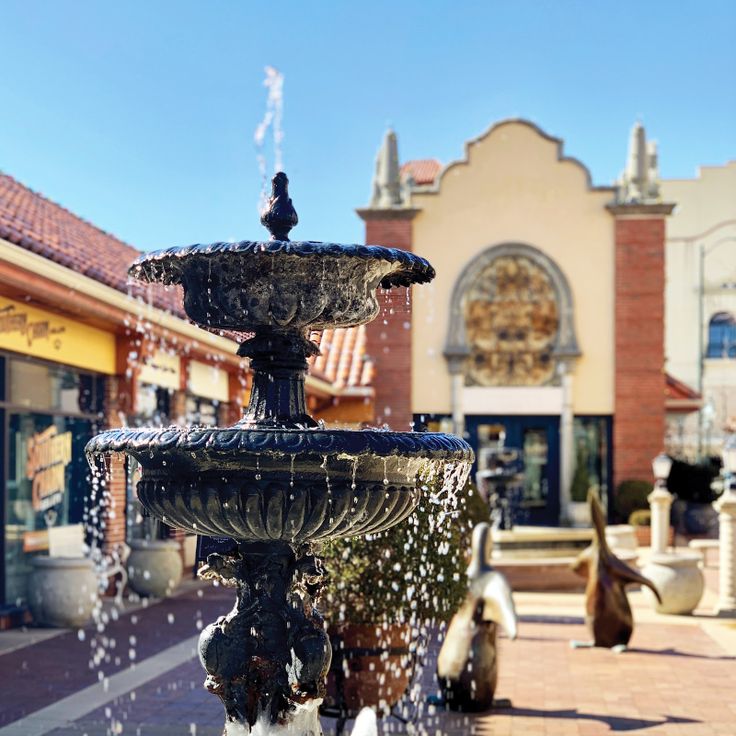
The Country Club Plaza is an outdoor shopping area built in the early 1920s, inspired by the streets and plazas of Seville. Stores occupy several red-brick buildings decorated with arches, small towers, and colorful ceramic tiles. Fountains stand throughout the district, the larger ones topped with bronze figures. People come to walk, sit on a bench, or browse stores ranging from bookshops to boutiques. In the evening, thousands of lights outline the facades. The promenade feels like a small town within the city.
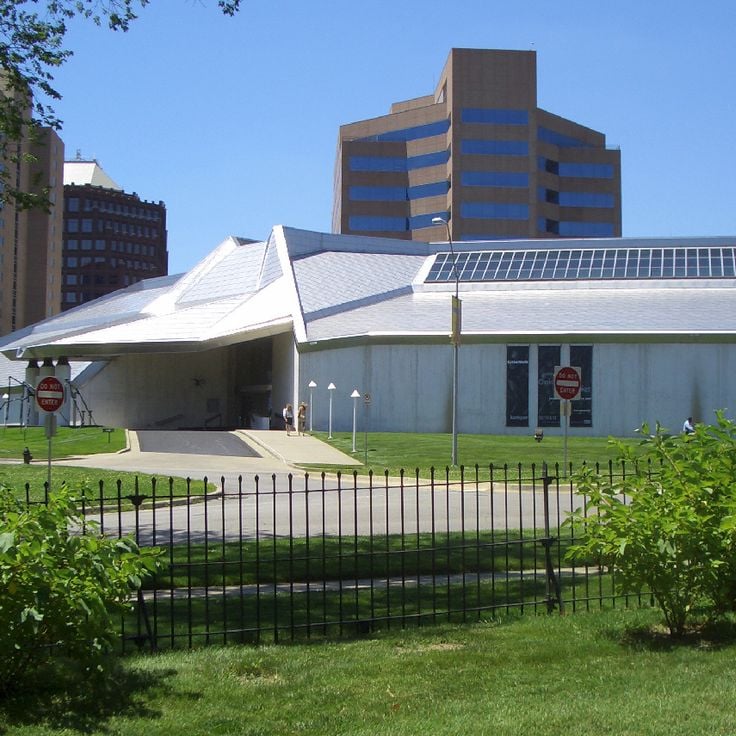
The Kemper Museum displays paintings, installations, and sculptures from the twentieth century in a modern building marked by large, light-filled spaces. The collection includes American art from the 1950s onward and rotating exhibitions that present regional and international artists. The interior is open, with high ceilings and glass walls that let in daylight. Admission is free, and the museum sits near the Country Club Plaza, so you can combine a visit with a walk through the neighborhood.
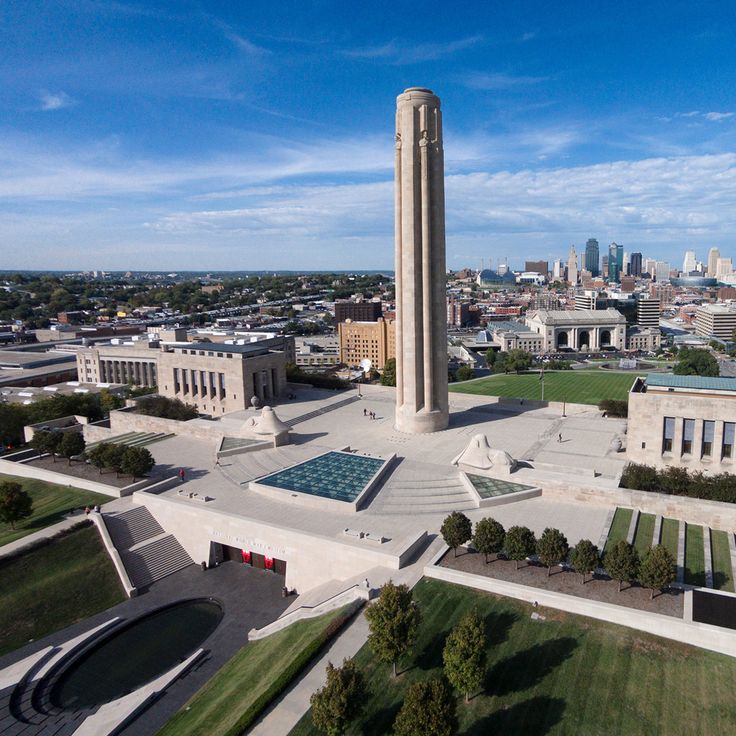
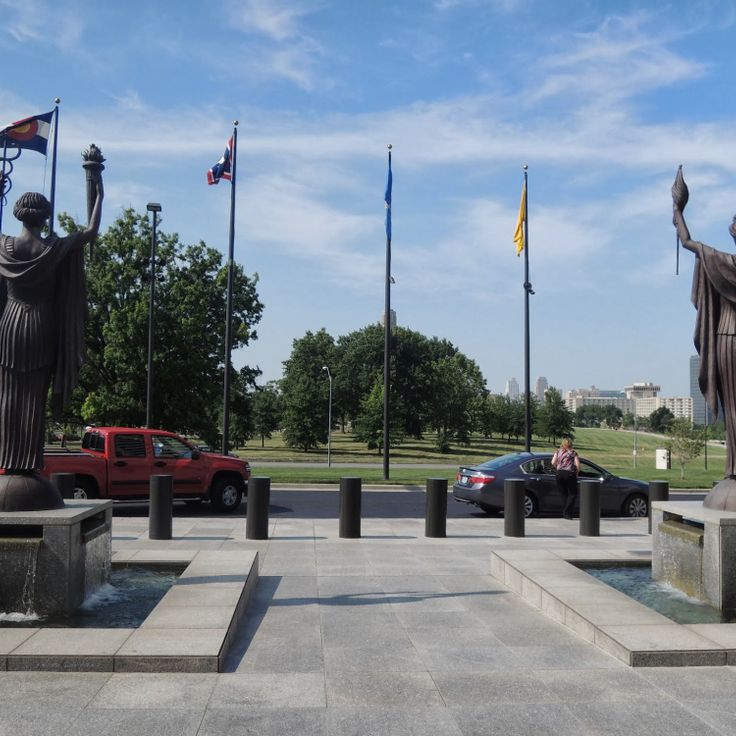
The Liberty Memorial commemorates American soldiers of the First World War with a tower that rises above the downtown area. The square base carries bas-reliefs depicting military scenes and allegories. Those who climb the stairs or take the elevator reach a viewing platform at about 200 feet (about 65 meters), from which you can trace the city plan and the Missouri bluffs. In the basement, the National World War One Museum leads through trenches, uniforms and diaries from the war years. On quiet days you hear your own footsteps on the polished stone of the hall.
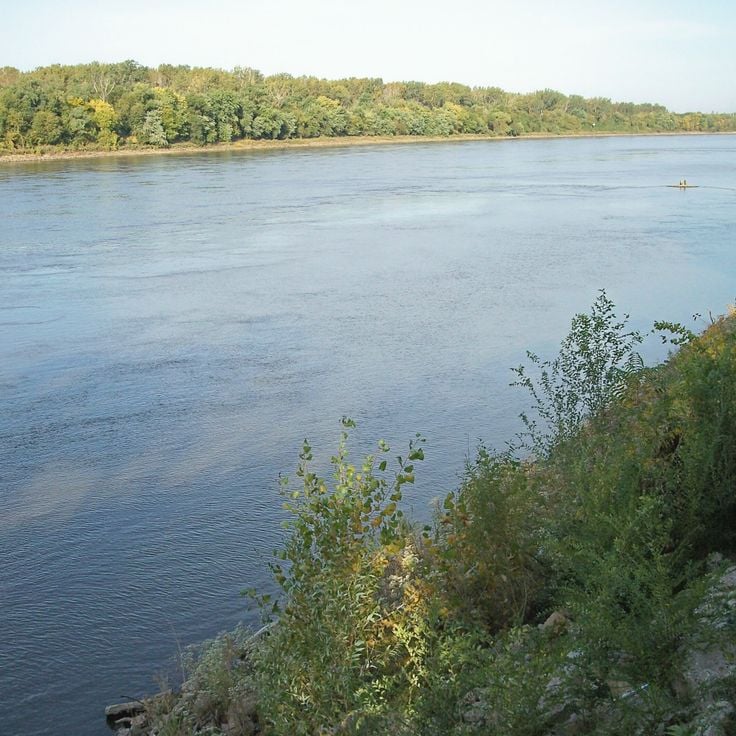
The Missouri River runs along Kansas City and features developed banks that invite walking and cycling. Depending on the season, water activities take place here as well. You can stroll along the river and watch the city unfold between industry and nature. The banks provide access to paths used by runners and cyclists. In summer, boats and canoes appear from time to time. The river has shaped Kansas City for centuries and once served as a trade route.
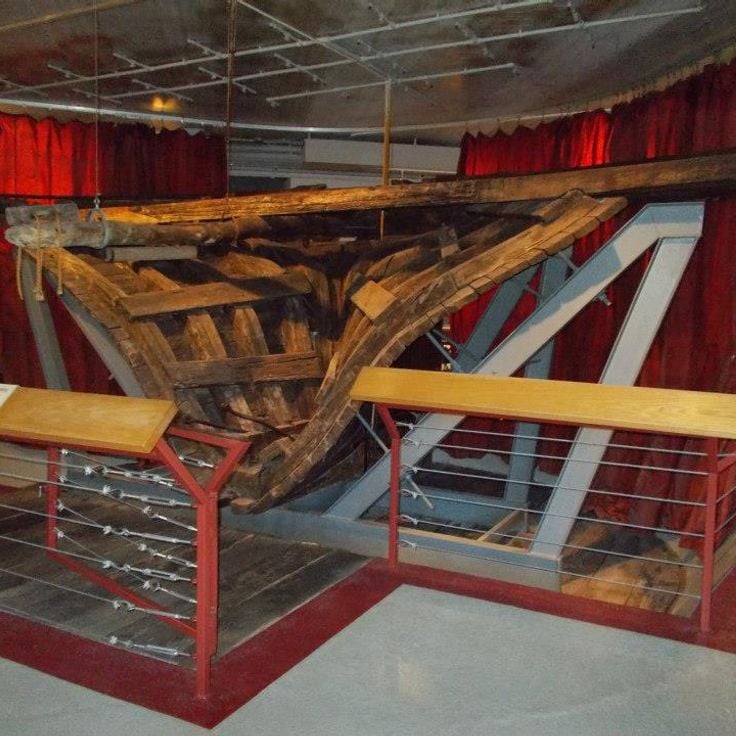
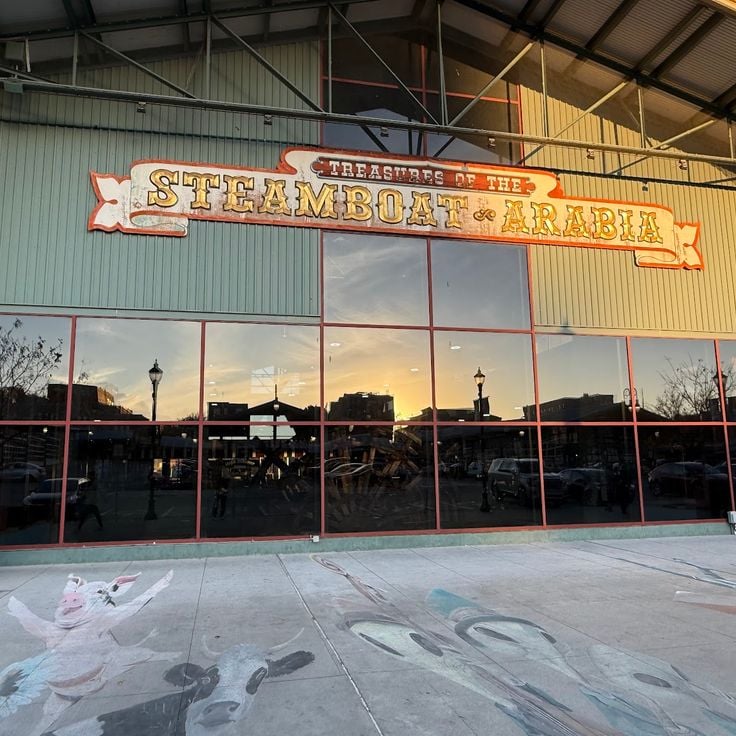
This museum displays thousands of objects recovered from a steamboat that sank in 1856. The collection traces river trade and daily life in the 19th century. You see dishes, tools, clothing, and food items preserved in the mud. The exhibition explains how the ship went down in the Missouri River and how the recovery took place. It offers a look into the lives of settlers and traders who traveled the waterways.
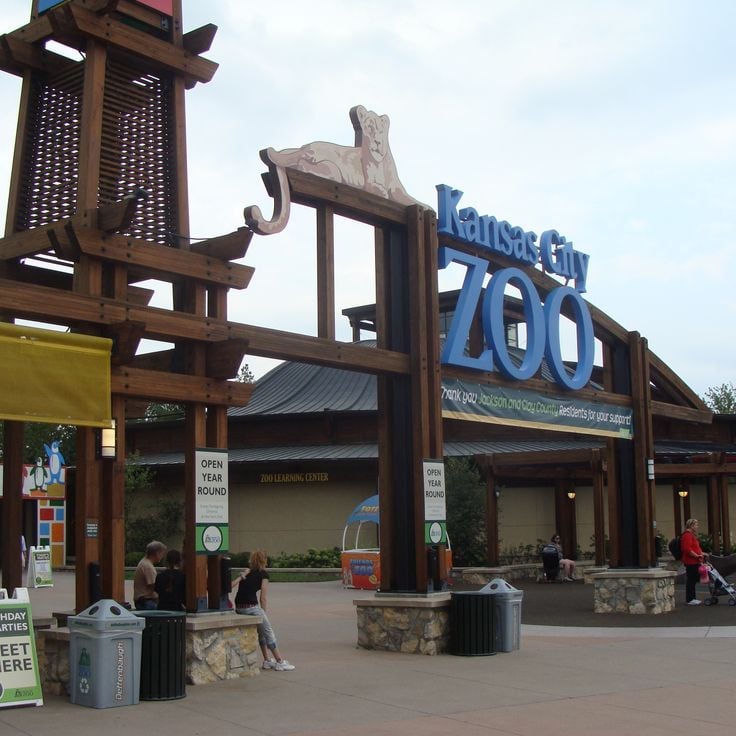
This zoo stretches across gentle hills in the southern part of the city and brings together traditional animal areas with newer sections like the aquarium, which holds sharks, rays and tropical fish from warm seas. The animals live in groups that echo their natural settings, with African elephants moving across open ground, giraffes beside zebras and chimpanzees in woodland areas. The day passes among aviaries, paths along ponds and shaded spots under old trees. Children discover the animals up close, while adults wander through the landscaped grounds and watch the many different species that share the space.
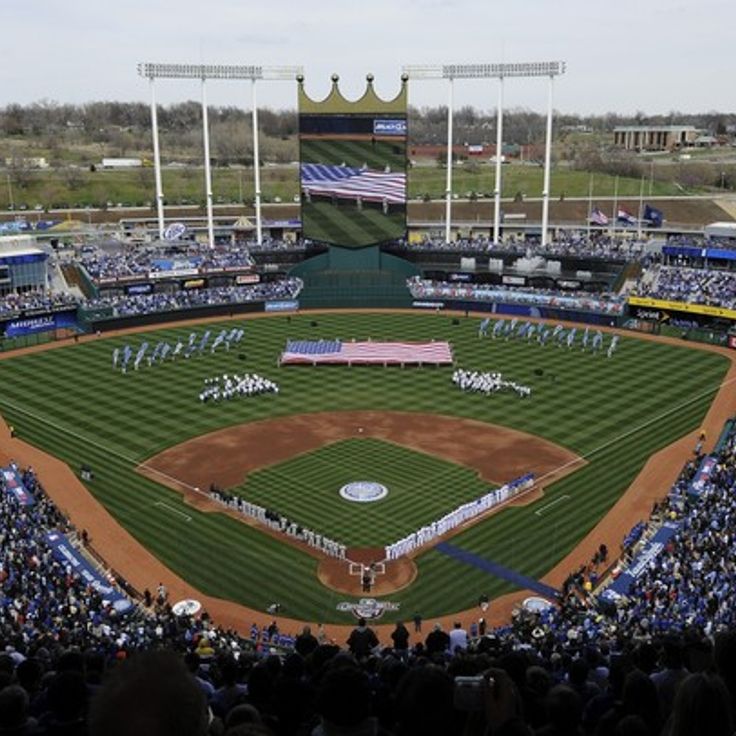
Kauffman Stadium opened in 1973 and seats around 38,000 people. It is home to the Kansas City Royals and features a large scoreboard. The seating wraps around the field in a wide arc. On game days, families and fans stream into the stadium, located in a quiet area east of downtown. Food stands line the entrance, and a friendly atmosphere fills the interior. The stands are painted blue, and the grass looks well kept. The stadium has retained much of its original design, with gradual updates over the years. It is one of the older ballparks in the country and draws visitors who want to experience the game in a classic setting.
The museum opens its doors in a converted mansion near the Plaza and displays several thousand small objects from American and European homes. The display cases hold dollhouses from the 18th and 19th centuries, tiny furniture, toys made of tin and wood, miniature rooms and shops. The collection was assembled over decades and documents how children played in the past and how craftsmen made these objects. You see details of lamps, rugs, dishes in miniature, all reproduced with great care.
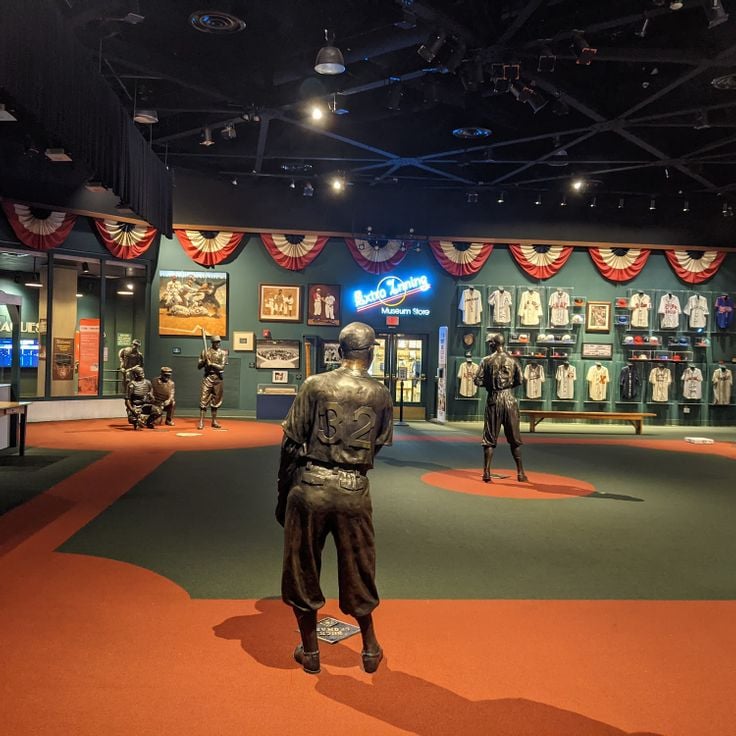
The Musée du Baseball des Negro Leagues documents the history of African-American baseball between 1920 and 1960, when Black players were excluded from the major leagues. The displays show uniforms, bats, gloves, and photographs of players and teams who competed in separate leagues. Visitors learn how the Negro Leagues operated, which stadiums they used, and how players traveled under difficult conditions. Documents and newspaper articles tell the story of these athletes and the end of racial segregation in sports in the late forties. The location in Kansas City recalls that one of the most important Negro League teams was based here.
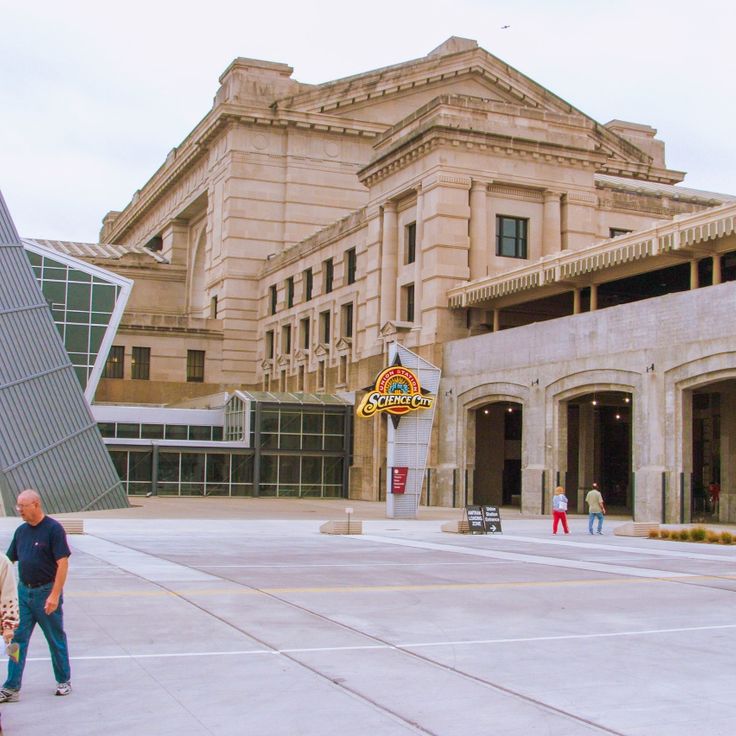
Science City occupies part of the former Union Station and functions as a hands-on museum. It contains several hundred stations covering physics, biology, and technology. Visitors turn cranks, solve puzzles, watch chain reactions, and run small experiments. Families with children spend several hours here, often losing track of time. The building itself has high ceilings and wide corridors left over from the railroad era.
City Market has been a local meeting point since 1857. The covered halls house around thirty permanent stands where regional farmers and vendors sell their goods. Fresh produce, meats, cheeses, and regional specialties fill the stalls. On market days, the atmosphere comes alive with exchanges between sellers and customers. The setting remains relaxed and welcoming, especially on weekends when more people stop by to browse and shop.
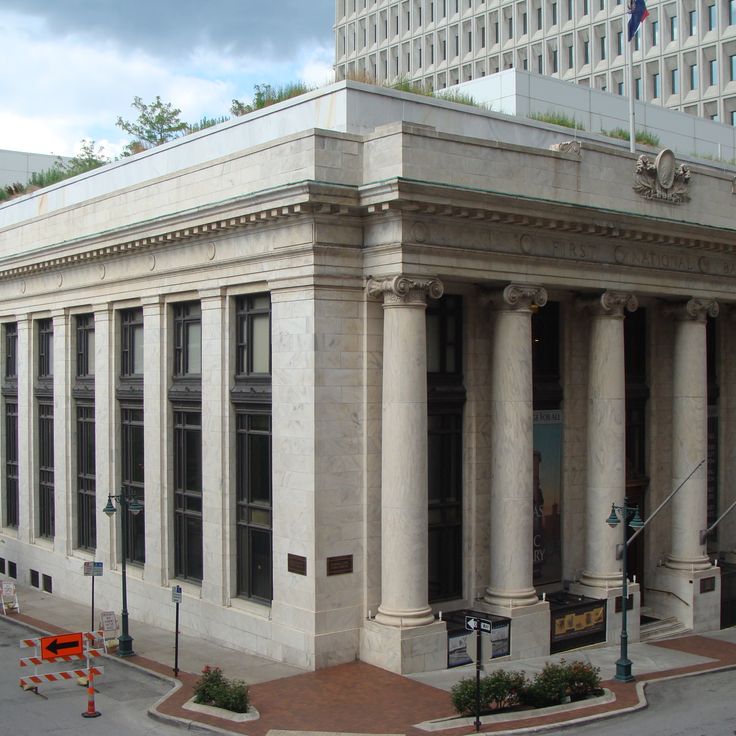
The main public library in Kansas City was built in 1897 and now holds over 2 million documents. The facade features Greek columns, and inside you find wood paneling from the original construction. The reading room has high ceilings and large windows. The collection includes books, magazines, maps, and microfilm. The building sits downtown, close to the business district. Admission is free, and tours explain the history of the building.
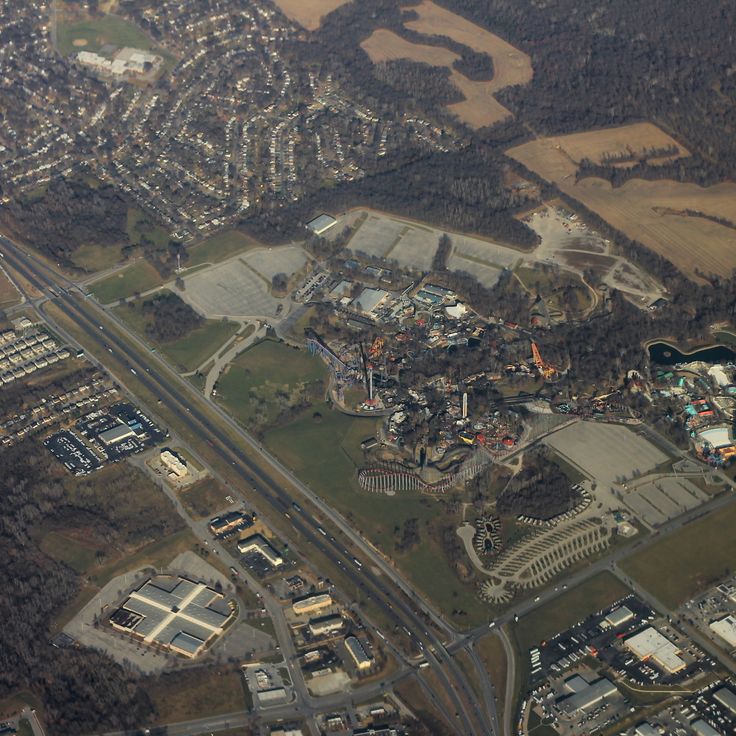
Worlds of Fun opened in 1973 on the northern edge of Kansas City and shares its grounds with the adjacent water park, Oceans of Fun. The layout follows a geographic theme, with sections named after continents and regions like Africa, Europa, and Scandinavia. Visitors find over a hundred rides, including several roller coasters, family carousels, and older wooden structures from the early years. In summer, much of the activity shifts to the water area, with slides, wave pools, and lounging spaces. The crowd is mostly families from the metro area and travelers passing through on the interstate. The park sits away from downtown and is reached via Interstate 435.
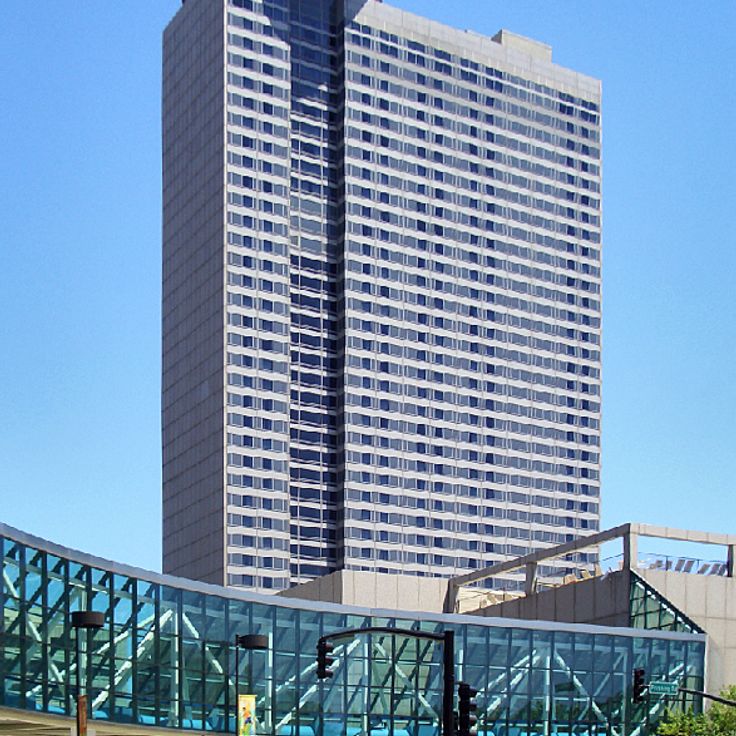
Crown Center stands southeast of downtown and was built from the 1970s onward on land formerly occupied by warehouses and industrial structures. Three floors hold about 60 shops, restaurants and places aimed at families and visitors. You walk through covered passages, past storefronts and seating areas that recall the shopping centers of the late postwar era. Inside the building is an aquarium with tanks of marine life and freshwater fish, and an ice rink that stays open in winter and summer alike. Children move between floors, parents sit in cafes. The center connects to nearby hotels and office buildings by footbridges. On some days there are small performances or workshops. The atmosphere is calm and middle class, without the rush of big shopping streets. If you need a break after walking around the city or want a dry place in bad weather, you can find space to rest here.
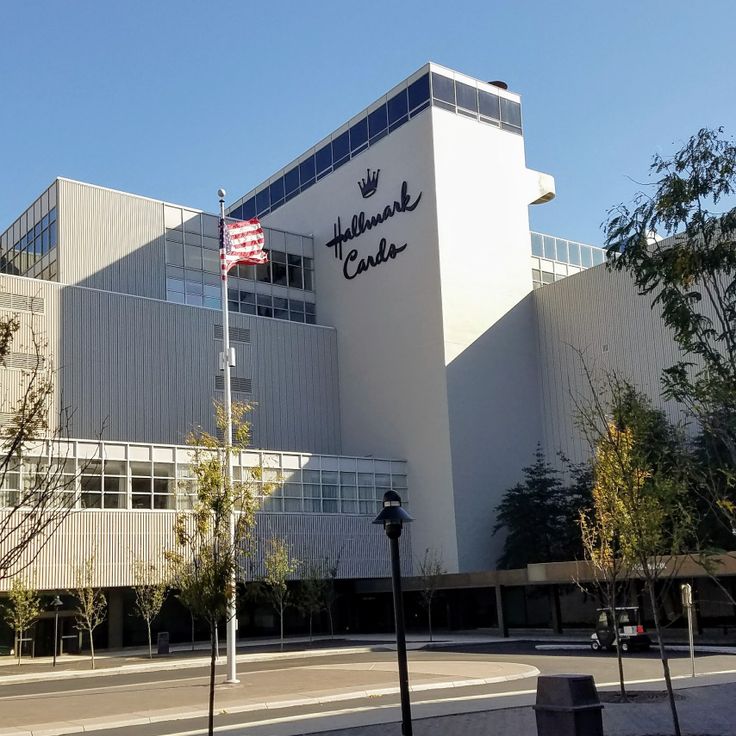
The Hallmark Visitors Center presents the history of greeting cards and the development of a company founded in Kansas City at the beginning of the 20th century. You see historic cards, designs, and printing techniques that have changed since 1910. The center explains how texts and images are created, how production works, and what role Kansas City plays in that story. Visitors walk through rooms documenting different decades and styles. It is a place that makes an American tradition of written attention tangible.
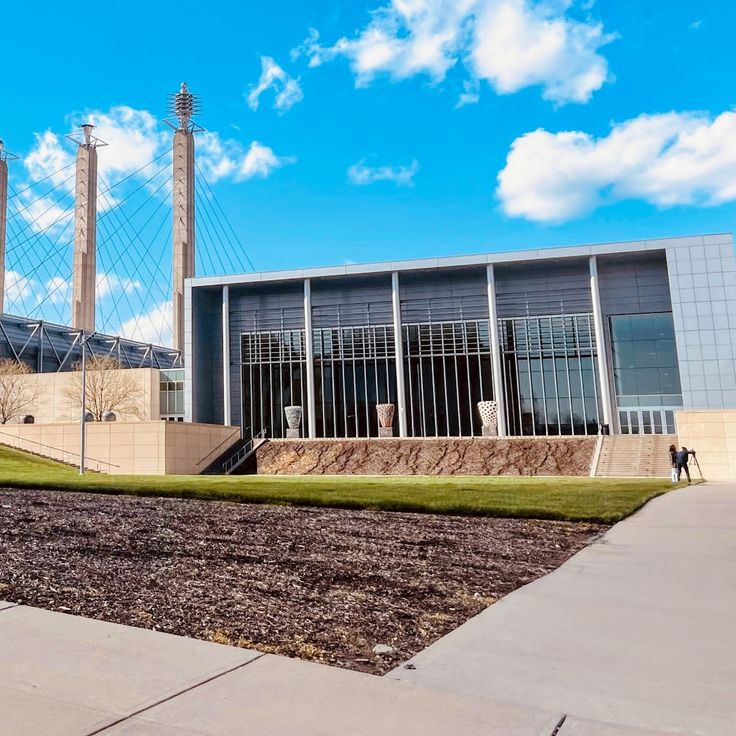
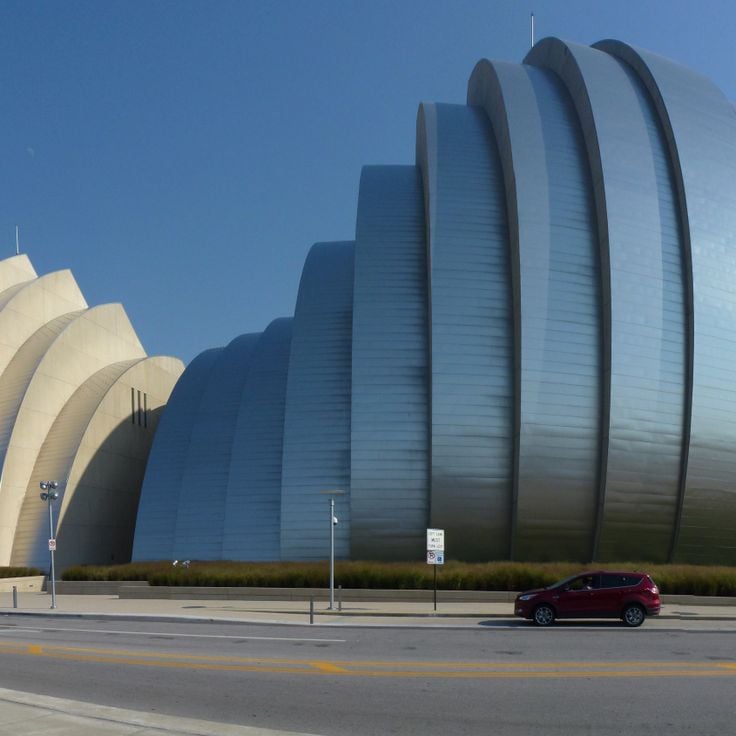
The Kauffman Center for the Performing Arts opened in 2011 and offers 1800 seats for concerts. This building hosts opera, dance performances, and symphony orchestra shows. Its steel and glass facade stands out in the city. The two concert halls are designed for different musical forms and provide good listening conditions. The structure reflects Kansas City's commitment to classical music and contemporary stage arts.
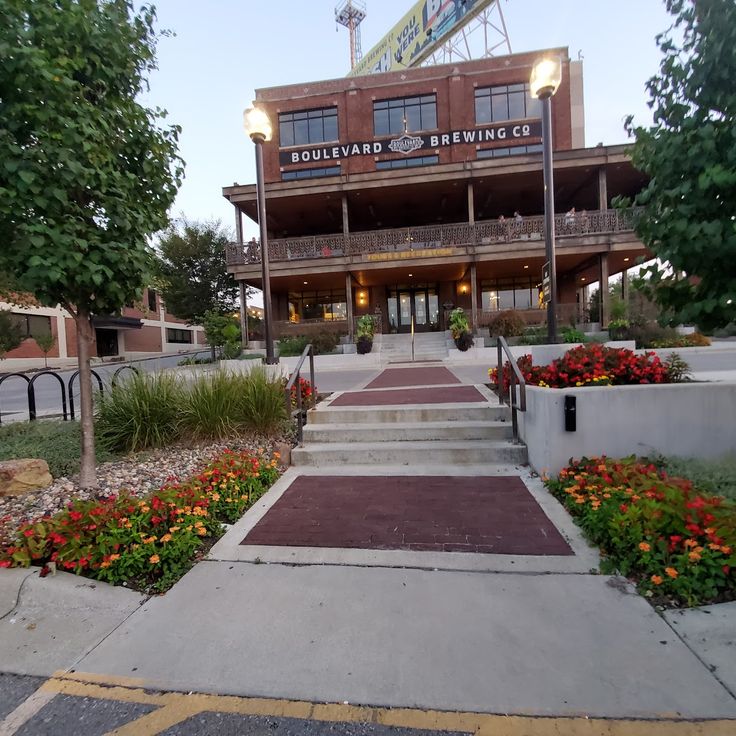
Boulevard Brewing Company is one of the larger breweries in the Midwest. The facility offers tours through the production rooms, where visitors see brew kettles, storage tanks, and bottling lines. Tastings follow in a hall attached to the brewery. The atmosphere remains relaxed, with long tables and windows facing the street. On weekends, families and groups stop by. The brewery occupies an older industrial building that has been expanded several times. Tours last about an hour and explain how malt, hops, and yeast are processed. Beers range from pale lagers to darker ales. The shop next door sells bottles and merchandise.
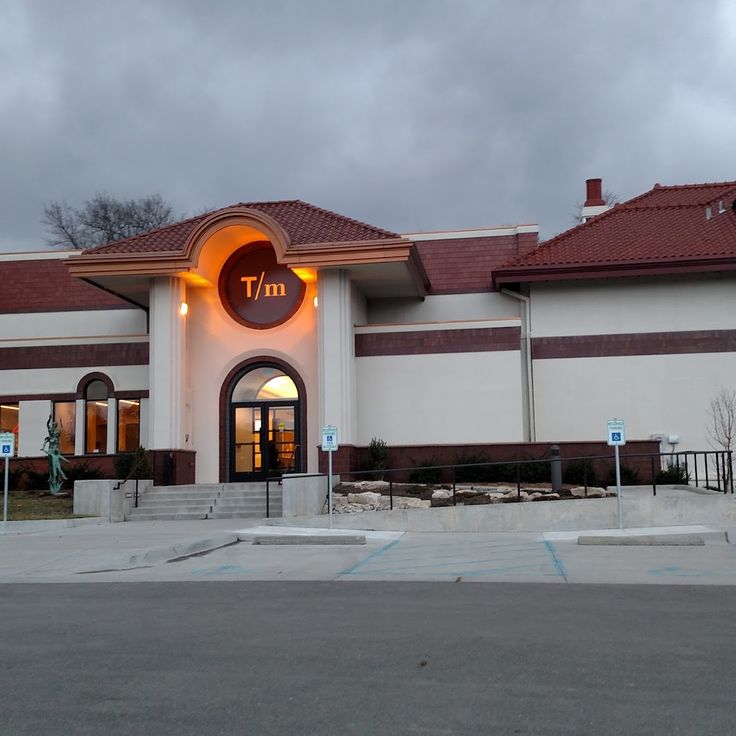
The Money Museum displays coins, banknotes and documents tied to the American monetary system. Visitors can examine series from different periods and understand how currency evolved in the United States. The exhibits explain manufacturing processes, motifs and the use of various forms of payment. The visit offers a look into the economic past of the country.
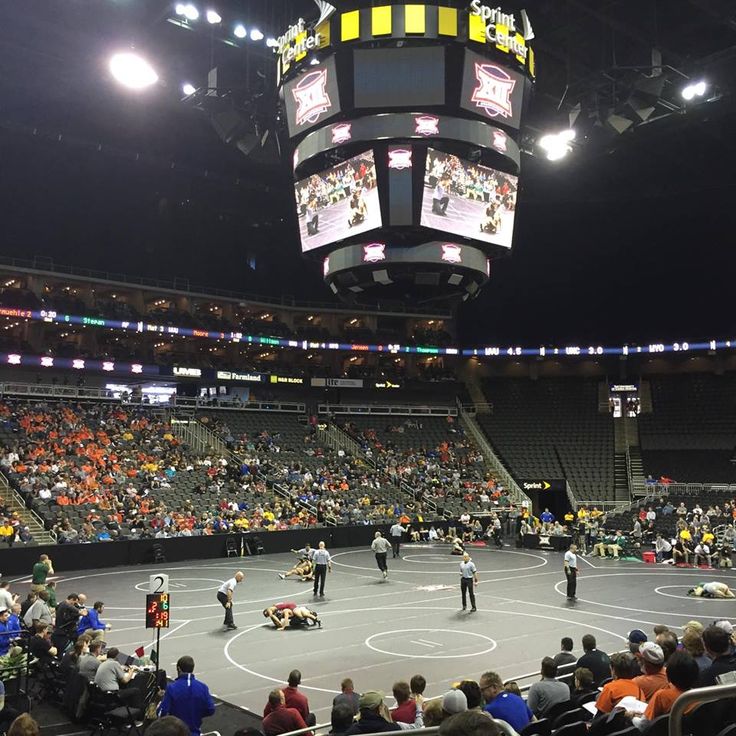
The T-Mobile Center is a hall for concerts, sports events and other public gatherings in downtown Kansas City. The building sits among several blocks and holds about 19,000 people. Inside, you will find basketball games, hockey matches, concerts and festivals. The architecture remains functional, with wide entrances and a facade of glass and concrete. Around it, parking lots, restaurants and a few hotels form the immediate surroundings. On evenings with events, crowds stream in from the nearby streets, and the atmosphere grows lively. The building ranks among the main venues in the city and plays a central role in the cultural and sporting life of Kansas City.
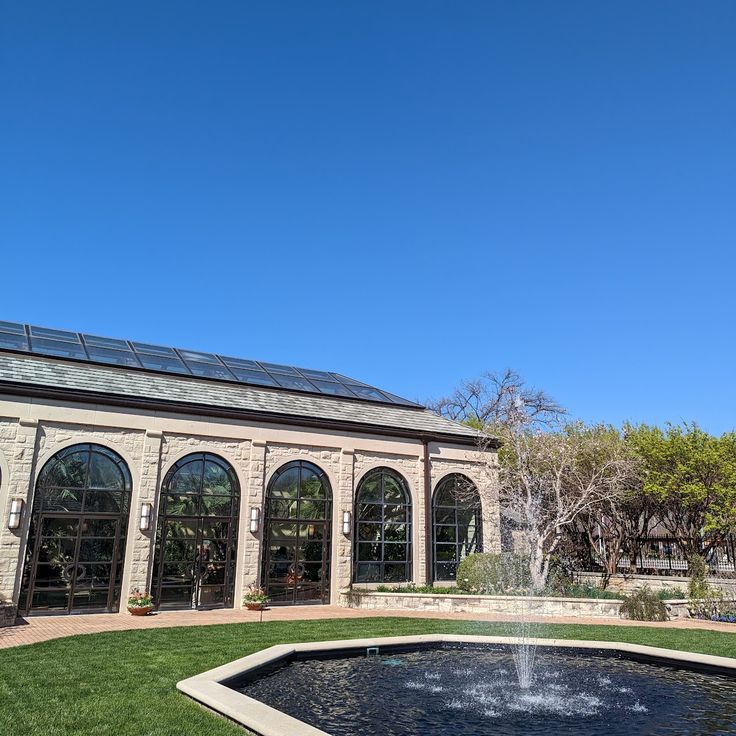
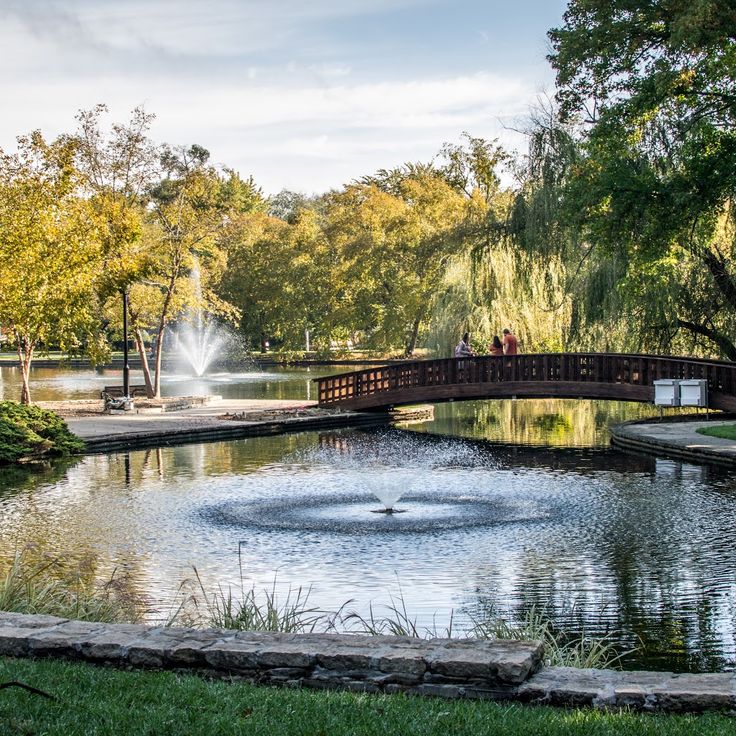
The Jardin Commémoratif Kauffman was created in the 1980s by the Kauffman family, who shaped pharmaceutical work and professional sports in Kansas City. It sits southeast of downtown. Curved paths lead past fountains and sculptures set on lawns. Seasonal beds change color from spring through summer. Beech alleys and older trees provide shade, grass areas open toward the surrounding residential neighborhood. Visitors come to picnic, read, or walk quietly in the afternoon. The fountains run in fair weather and draw families with children. This garden is one of the few places in Kansas City designed only for people on foot, with no parking inside the grounds. Wooden and stone benches line the paths between the grass borders and water basins.
Swope Park covers 750 hectares on the eastern side of the city and offers large open spaces, woods, and meadows. You will find a zoo, two golf courses with 18 holes each, several tennis courts, and a public swimming pool. Families come here on weekends for picnics, joggers use the forest trails, and the pool fills up in summer. The park was created in the early 20th century and carries the name of a local philanthropist. The atmosphere remains relaxed, even when many visitors are around. The zoo sits in the northern section and displays animals from different continents. People play golf year-round on the courses, weather permitting. The park is among the largest municipal green spaces in the United States.
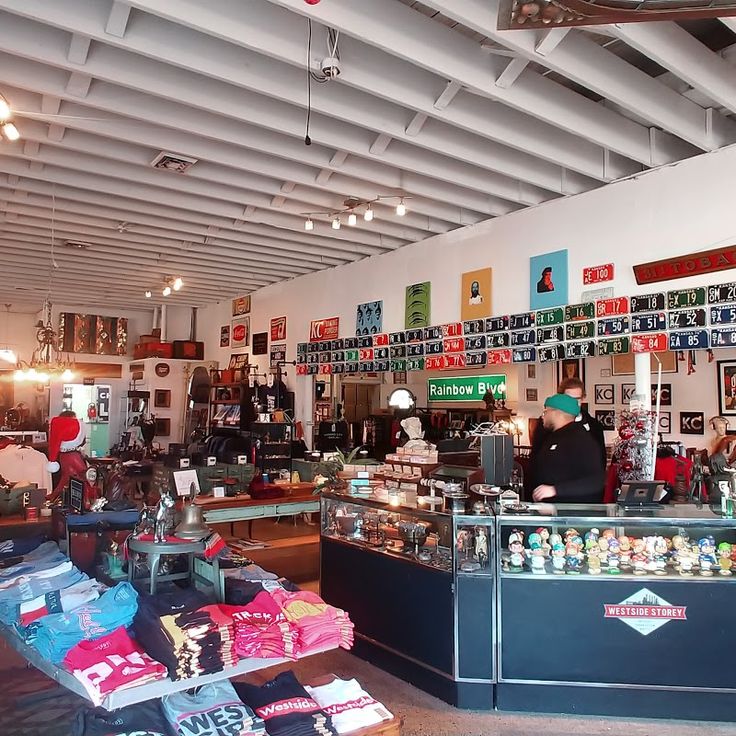
Westside Storey is a shop for clothing and home goods located in the historic district. You can find clothes from past decades, handmade objects, and items from local makers. The store draws people who enjoy searching for old fabrics or particular things that larger stores don't carry.
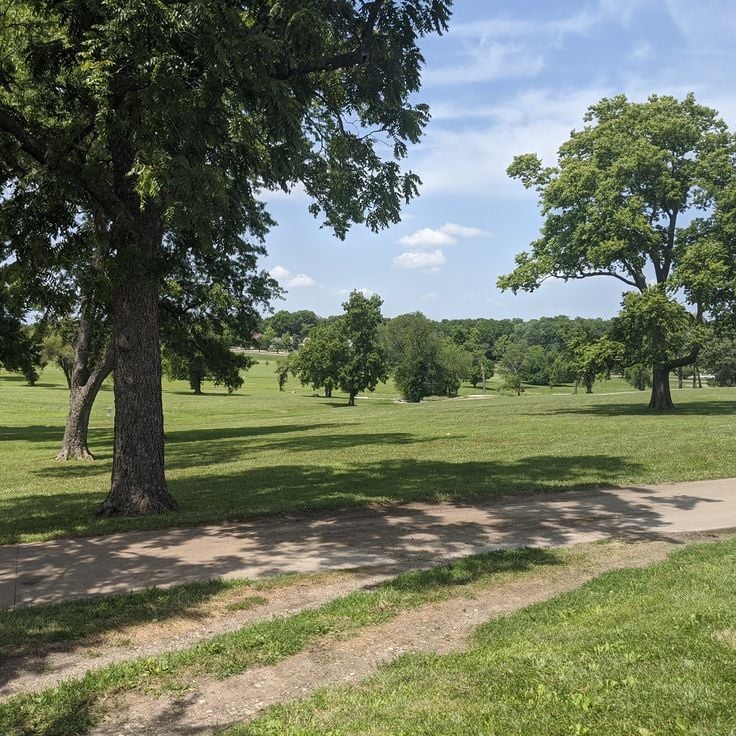
This park sits in the southern part of town and attracts families and walkers looking for a break outdoors. You can find playgrounds, paths for running or biking, and lawns where people spread out blankets for picnics. Tall trees provide shade, especially in summer. The park stays calm on weekdays and picks up on weekends, when sports groups and neighbors drop by.
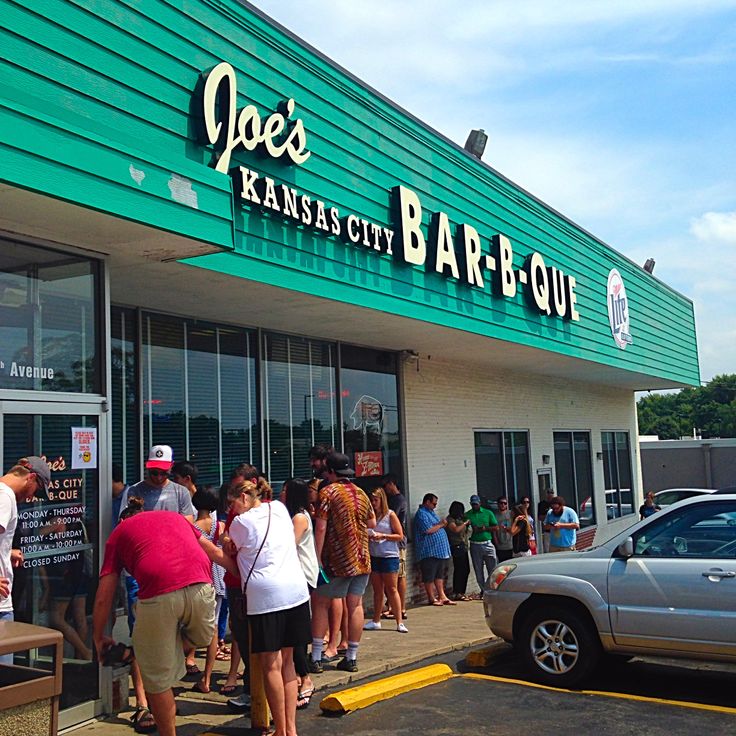
This restaurant sits in an old gas station and cooks pork ribs, chicken and brisket over smoke according to local style. Charcoal gives the flavor, and people eat at the counter or on benches near the old pumps. The place is small and fills up quickly at lunchtime. You smell the smoke from the street. The location is in Kansas City, Kansas, across the state line from Missouri. The atmosphere is simple, tables stand close together, and the line runs through the dining room. Photographs of barbecue competitions and old newspaper clippings hang on the walls.
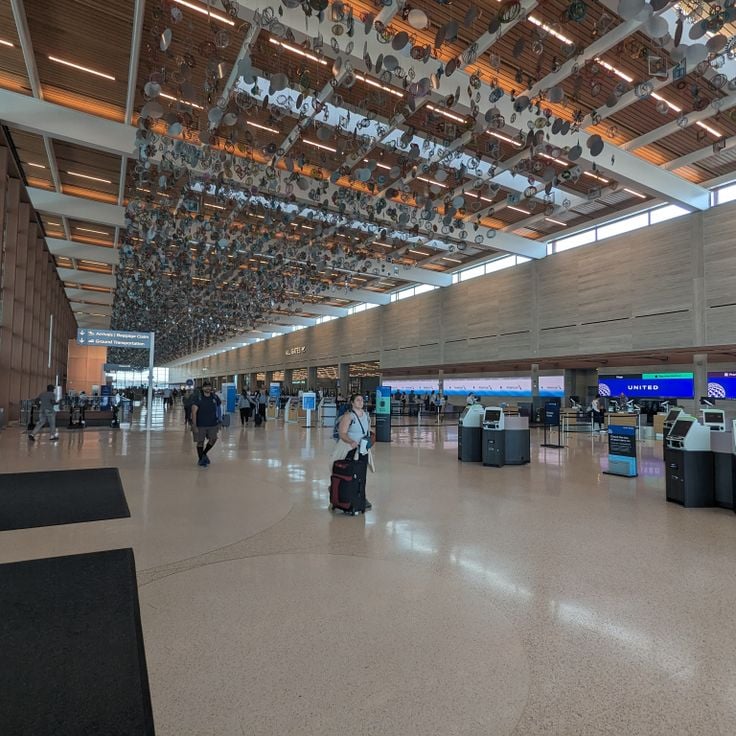
Kansas City International Airport sits north of the city and connects the center of the country with both coasts. Since the seventies, the airport has grown and modernized its facilities. Direct flights reach most major cities across the United States, Mexico, and Canada. The new terminal opened a few years ago, replacing the older buildings. From the ground floor, travelers find buses, shuttles, and rental cars. The airport lies about 15 miles (24 kilometers) from downtown, the ride takes between twenty and thirty minutes depending on traffic.
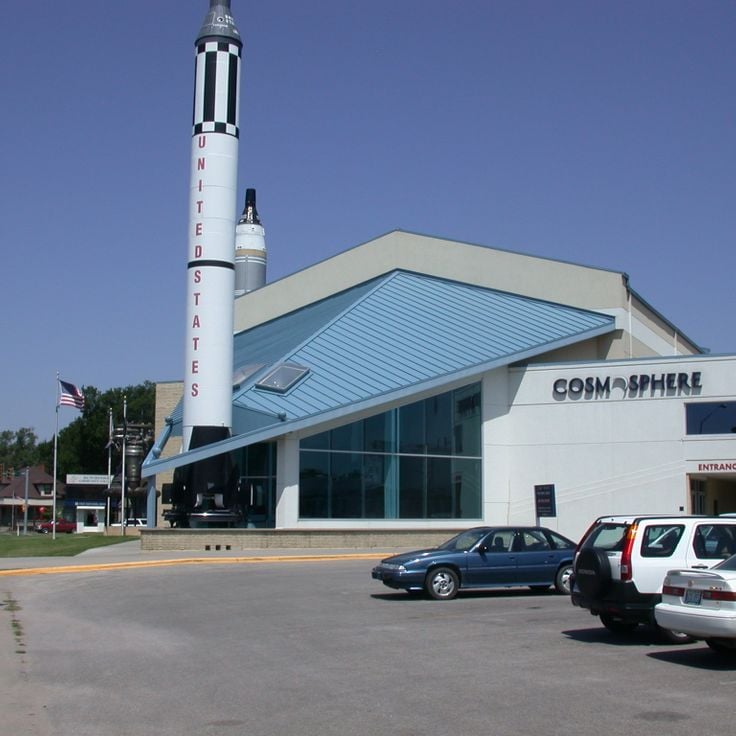
The Kansas Cosmosphere and Space Center displays capsules from the Apollo era, Mercury rockets, and artifacts from the American and Soviet space programs. The collection covers early flights from the 1960s through later missions. Visitors see instruments, suits, and parts of the technology used during launches. The center also runs planetarium shows and workshops for children. You can follow the development of space exploration through original items from both sides of the Cold War.
Union Station was a railroad terminal that welcomed thousands of travelers every day until service declined in the 1980s. The building reopened in the 1990s after renovation and now houses a science museum, a theater, a planetarium, and exhibition spaces. The main hall rises over 95 feet (30 meters) and shows the construction style of the 1910s with wide arches, tall windows, and thick walls. The ceiling features plaster moldings. Visitors walk through the broad entrance hall where ticket counters once stood. Today there are information desks and seating areas. The side wings hold permanent exhibits on science and history. The planetarium presents shows about the solar system and distant galaxies. Downstairs there is a café and a museum shop. The platforms are no longer in use, but part of the tracks remains visible. Union Station stands south of downtown, near the Liberty Memorial. The façade is lit at night. The building shows how Kansas City turns old infrastructure into cultural spaces.
Arrowhead Stadium sits in the eastern part of the city and was built in 1972 for the Kansas City Chiefs. It holds more than 76,000 (70,000) spectators and ranks among the loudest venues in professional football because the stands reflect sound back onto the field. On game days thousands of fans fill the parking lots, grill before kickoff, and wear red jerseys. The atmosphere is loud, the mood intense. From the upper tiers you can see the field and the surrounding streets. The stadium is part of the Truman Sports Complex and stands next to Kauffman Stadium, where the baseball team plays.
The Nelson-Atkins stands south of downtown and ranks among the oldest public art institutions in the Midwest. The 1933 building houses paintings from Europe, Asia and the Americas, from ancient Egyptian artifacts to contemporary photography. The rooms follow one another by period and continent. The glass and concrete addition, completed in 2007, extends the floor space and connects the collections to the park. Sculptures stand on the lawn and among the trees, including works by Henry Moore and Claes Oldenburg. Admission is free. The museum closes on Mondays.
The Crossroads neighborhood gathers galleries, workshops, cafés and small concert halls in a part of Kansas City that now draws artists and visitors. In the evenings, open studios and events bring people onto the streets. Walls carry murals, former warehouses now hold exhibition spaces. On certain weekends, doors open simultaneously so people can move from room to room. The area attracts a younger crowd that settles into cafés and follows the programs of small stages. During the day the atmosphere quiets, walkers look into windows or sit on benches. The blend of industrial buildings and creative spaces shapes the character of these blocks, where the artistic side of the city comes forward.
The Country Club Plaza is an outdoor shopping area built in the early 1920s, inspired by the streets and plazas of Seville. Stores occupy several red-brick buildings decorated with arches, small towers, and colorful ceramic tiles. Fountains stand throughout the district, the larger ones topped with bronze figures. People come to walk, sit on a bench, or browse stores ranging from bookshops to boutiques. In the evening, thousands of lights outline the facades. The promenade feels like a small town within the city.
The Kemper Museum displays paintings, installations, and sculptures from the twentieth century in a modern building marked by large, light-filled spaces. The collection includes American art from the 1950s onward and rotating exhibitions that present regional and international artists. The interior is open, with high ceilings and glass walls that let in daylight. Admission is free, and the museum sits near the Country Club Plaza, so you can combine a visit with a walk through the neighborhood.
The Liberty Memorial commemorates American soldiers of the First World War with a tower that rises above the downtown area. The square base carries bas-reliefs depicting military scenes and allegories. Those who climb the stairs or take the elevator reach a viewing platform at about 200 feet (about 65 meters), from which you can trace the city plan and the Missouri bluffs. In the basement, the National World War One Museum leads through trenches, uniforms and diaries from the war years. On quiet days you hear your own footsteps on the polished stone of the hall.
The Missouri River runs along Kansas City and features developed banks that invite walking and cycling. Depending on the season, water activities take place here as well. You can stroll along the river and watch the city unfold between industry and nature. The banks provide access to paths used by runners and cyclists. In summer, boats and canoes appear from time to time. The river has shaped Kansas City for centuries and once served as a trade route.
This museum displays thousands of objects recovered from a steamboat that sank in 1856. The collection traces river trade and daily life in the 19th century. You see dishes, tools, clothing, and food items preserved in the mud. The exhibition explains how the ship went down in the Missouri River and how the recovery took place. It offers a look into the lives of settlers and traders who traveled the waterways.
This zoo stretches across gentle hills in the southern part of the city and brings together traditional animal areas with newer sections like the aquarium, which holds sharks, rays and tropical fish from warm seas. The animals live in groups that echo their natural settings, with African elephants moving across open ground, giraffes beside zebras and chimpanzees in woodland areas. The day passes among aviaries, paths along ponds and shaded spots under old trees. Children discover the animals up close, while adults wander through the landscaped grounds and watch the many different species that share the space.
Kauffman Stadium opened in 1973 and seats around 38,000 people. It is home to the Kansas City Royals and features a large scoreboard. The seating wraps around the field in a wide arc. On game days, families and fans stream into the stadium, located in a quiet area east of downtown. Food stands line the entrance, and a friendly atmosphere fills the interior. The stands are painted blue, and the grass looks well kept. The stadium has retained much of its original design, with gradual updates over the years. It is one of the older ballparks in the country and draws visitors who want to experience the game in a classic setting.
The museum opens its doors in a converted mansion near the Plaza and displays several thousand small objects from American and European homes. The display cases hold dollhouses from the 18th and 19th centuries, tiny furniture, toys made of tin and wood, miniature rooms and shops. The collection was assembled over decades and documents how children played in the past and how craftsmen made these objects. You see details of lamps, rugs, dishes in miniature, all reproduced with great care.
The Musée du Baseball des Negro Leagues documents the history of African-American baseball between 1920 and 1960, when Black players were excluded from the major leagues. The displays show uniforms, bats, gloves, and photographs of players and teams who competed in separate leagues. Visitors learn how the Negro Leagues operated, which stadiums they used, and how players traveled under difficult conditions. Documents and newspaper articles tell the story of these athletes and the end of racial segregation in sports in the late forties. The location in Kansas City recalls that one of the most important Negro League teams was based here.
Science City occupies part of the former Union Station and functions as a hands-on museum. It contains several hundred stations covering physics, biology, and technology. Visitors turn cranks, solve puzzles, watch chain reactions, and run small experiments. Families with children spend several hours here, often losing track of time. The building itself has high ceilings and wide corridors left over from the railroad era.
City Market has been a local meeting point since 1857. The covered halls house around thirty permanent stands where regional farmers and vendors sell their goods. Fresh produce, meats, cheeses, and regional specialties fill the stalls. On market days, the atmosphere comes alive with exchanges between sellers and customers. The setting remains relaxed and welcoming, especially on weekends when more people stop by to browse and shop.
The main public library in Kansas City was built in 1897 and now holds over 2 million documents. The facade features Greek columns, and inside you find wood paneling from the original construction. The reading room has high ceilings and large windows. The collection includes books, magazines, maps, and microfilm. The building sits downtown, close to the business district. Admission is free, and tours explain the history of the building.
Worlds of Fun opened in 1973 on the northern edge of Kansas City and shares its grounds with the adjacent water park, Oceans of Fun. The layout follows a geographic theme, with sections named after continents and regions like Africa, Europa, and Scandinavia. Visitors find over a hundred rides, including several roller coasters, family carousels, and older wooden structures from the early years. In summer, much of the activity shifts to the water area, with slides, wave pools, and lounging spaces. The crowd is mostly families from the metro area and travelers passing through on the interstate. The park sits away from downtown and is reached via Interstate 435.
Crown Center stands southeast of downtown and was built from the 1970s onward on land formerly occupied by warehouses and industrial structures. Three floors hold about 60 shops, restaurants and places aimed at families and visitors. You walk through covered passages, past storefronts and seating areas that recall the shopping centers of the late postwar era. Inside the building is an aquarium with tanks of marine life and freshwater fish, and an ice rink that stays open in winter and summer alike. Children move between floors, parents sit in cafes. The center connects to nearby hotels and office buildings by footbridges. On some days there are small performances or workshops. The atmosphere is calm and middle class, without the rush of big shopping streets. If you need a break after walking around the city or want a dry place in bad weather, you can find space to rest here.
The Hallmark Visitors Center presents the history of greeting cards and the development of a company founded in Kansas City at the beginning of the 20th century. You see historic cards, designs, and printing techniques that have changed since 1910. The center explains how texts and images are created, how production works, and what role Kansas City plays in that story. Visitors walk through rooms documenting different decades and styles. It is a place that makes an American tradition of written attention tangible.
The Kauffman Center for the Performing Arts opened in 2011 and offers 1800 seats for concerts. This building hosts opera, dance performances, and symphony orchestra shows. Its steel and glass facade stands out in the city. The two concert halls are designed for different musical forms and provide good listening conditions. The structure reflects Kansas City's commitment to classical music and contemporary stage arts.
Boulevard Brewing Company is one of the larger breweries in the Midwest. The facility offers tours through the production rooms, where visitors see brew kettles, storage tanks, and bottling lines. Tastings follow in a hall attached to the brewery. The atmosphere remains relaxed, with long tables and windows facing the street. On weekends, families and groups stop by. The brewery occupies an older industrial building that has been expanded several times. Tours last about an hour and explain how malt, hops, and yeast are processed. Beers range from pale lagers to darker ales. The shop next door sells bottles and merchandise.
The Money Museum displays coins, banknotes and documents tied to the American monetary system. Visitors can examine series from different periods and understand how currency evolved in the United States. The exhibits explain manufacturing processes, motifs and the use of various forms of payment. The visit offers a look into the economic past of the country.
The T-Mobile Center is a hall for concerts, sports events and other public gatherings in downtown Kansas City. The building sits among several blocks and holds about 19,000 people. Inside, you will find basketball games, hockey matches, concerts and festivals. The architecture remains functional, with wide entrances and a facade of glass and concrete. Around it, parking lots, restaurants and a few hotels form the immediate surroundings. On evenings with events, crowds stream in from the nearby streets, and the atmosphere grows lively. The building ranks among the main venues in the city and plays a central role in the cultural and sporting life of Kansas City.
The Jardin Commémoratif Kauffman was created in the 1980s by the Kauffman family, who shaped pharmaceutical work and professional sports in Kansas City. It sits southeast of downtown. Curved paths lead past fountains and sculptures set on lawns. Seasonal beds change color from spring through summer. Beech alleys and older trees provide shade, grass areas open toward the surrounding residential neighborhood. Visitors come to picnic, read, or walk quietly in the afternoon. The fountains run in fair weather and draw families with children. This garden is one of the few places in Kansas City designed only for people on foot, with no parking inside the grounds. Wooden and stone benches line the paths between the grass borders and water basins.
Swope Park covers 750 hectares on the eastern side of the city and offers large open spaces, woods, and meadows. You will find a zoo, two golf courses with 18 holes each, several tennis courts, and a public swimming pool. Families come here on weekends for picnics, joggers use the forest trails, and the pool fills up in summer. The park was created in the early 20th century and carries the name of a local philanthropist. The atmosphere remains relaxed, even when many visitors are around. The zoo sits in the northern section and displays animals from different continents. People play golf year-round on the courses, weather permitting. The park is among the largest municipal green spaces in the United States.
Westside Storey is a shop for clothing and home goods located in the historic district. You can find clothes from past decades, handmade objects, and items from local makers. The store draws people who enjoy searching for old fabrics or particular things that larger stores don't carry.
This park sits in the southern part of town and attracts families and walkers looking for a break outdoors. You can find playgrounds, paths for running or biking, and lawns where people spread out blankets for picnics. Tall trees provide shade, especially in summer. The park stays calm on weekdays and picks up on weekends, when sports groups and neighbors drop by.
This restaurant sits in an old gas station and cooks pork ribs, chicken and brisket over smoke according to local style. Charcoal gives the flavor, and people eat at the counter or on benches near the old pumps. The place is small and fills up quickly at lunchtime. You smell the smoke from the street. The location is in Kansas City, Kansas, across the state line from Missouri. The atmosphere is simple, tables stand close together, and the line runs through the dining room. Photographs of barbecue competitions and old newspaper clippings hang on the walls.
Kansas City International Airport sits north of the city and connects the center of the country with both coasts. Since the seventies, the airport has grown and modernized its facilities. Direct flights reach most major cities across the United States, Mexico, and Canada. The new terminal opened a few years ago, replacing the older buildings. From the ground floor, travelers find buses, shuttles, and rental cars. The airport lies about 15 miles (24 kilometers) from downtown, the ride takes between twenty and thirty minutes depending on traffic.
The Kansas Cosmosphere and Space Center displays capsules from the Apollo era, Mercury rockets, and artifacts from the American and Soviet space programs. The collection covers early flights from the 1960s through later missions. Visitors see instruments, suits, and parts of the technology used during launches. The center also runs planetarium shows and workshops for children. You can follow the development of space exploration through original items from both sides of the Cold War.
Union Station was a railroad terminal that welcomed thousands of travelers every day until service declined in the 1980s. The building reopened in the 1990s after renovation and now houses a science museum, a theater, a planetarium, and exhibition spaces. The main hall rises over 95 feet (30 meters) and shows the construction style of the 1910s with wide arches, tall windows, and thick walls. The ceiling features plaster moldings. Visitors walk through the broad entrance hall where ticket counters once stood. Today there are information desks and seating areas. The side wings hold permanent exhibits on science and history. The planetarium presents shows about the solar system and distant galaxies. Downstairs there is a café and a museum shop. The platforms are no longer in use, but part of the tracks remains visible. Union Station stands south of downtown, near the Liberty Memorial. The façade is lit at night. The building shows how Kansas City turns old infrastructure into cultural spaces.
Arrowhead Stadium sits in the eastern part of the city and was built in 1972 for the Kansas City Chiefs. It holds more than 76,000 (70,000) spectators and ranks among the loudest venues in professional football because the stands reflect sound back onto the field. On game days thousands of fans fill the parking lots, grill before kickoff, and wear red jerseys. The atmosphere is loud, the mood intense. From the upper tiers you can see the field and the surrounding streets. The stadium is part of the Truman Sports Complex and stands next to Kauffman Stadium, where the baseball team plays.
The Nelson-Atkins stands south of downtown and ranks among the oldest public art institutions in the Midwest. The 1933 building houses paintings from Europe, Asia and the Americas, from ancient Egyptian artifacts to contemporary photography. The rooms follow one another by period and continent. The glass and concrete addition, completed in 2007, extends the floor space and connects the collections to the park. Sculptures stand on the lawn and among the trees, including works by Henry Moore and Claes Oldenburg. Admission is free. The museum closes on Mondays.
The Crossroads neighborhood gathers galleries, workshops, cafés and small concert halls in a part of Kansas City that now draws artists and visitors. In the evenings, open studios and events bring people onto the streets. Walls carry murals, former warehouses now hold exhibition spaces. On certain weekends, doors open simultaneously so people can move from room to room. The area attracts a younger crowd that settles into cafés and follows the programs of small stages. During the day the atmosphere quiets, walkers look into windows or sit on benches. The blend of industrial buildings and creative spaces shapes the character of these blocks, where the artistic side of the city comes forward.
The Country Club Plaza is an outdoor shopping area built in the early 1920s, inspired by the streets and plazas of Seville. Stores occupy several red-brick buildings decorated with arches, small towers, and colorful ceramic tiles. Fountains stand throughout the district, the larger ones topped with bronze figures. People come to walk, sit on a bench, or browse stores ranging from bookshops to boutiques. In the evening, thousands of lights outline the facades. The promenade feels like a small town within the city.
The Kemper Museum displays paintings, installations, and sculptures from the twentieth century in a modern building marked by large, light-filled spaces. The collection includes American art from the 1950s onward and rotating exhibitions that present regional and international artists. The interior is open, with high ceilings and glass walls that let in daylight. Admission is free, and the museum sits near the Country Club Plaza, so you can combine a visit with a walk through the neighborhood.
The Liberty Memorial commemorates American soldiers of the First World War with a tower that rises above the downtown area. The square base carries bas-reliefs depicting military scenes and allegories. Those who climb the stairs or take the elevator reach a viewing platform at about 200 feet (about 65 meters), from which you can trace the city plan and the Missouri bluffs. In the basement, the National World War One Museum leads through trenches, uniforms and diaries from the war years. On quiet days you hear your own footsteps on the polished stone of the hall.
The Missouri River runs along Kansas City and features developed banks that invite walking and cycling. Depending on the season, water activities take place here as well. You can stroll along the river and watch the city unfold between industry and nature. The banks provide access to paths used by runners and cyclists. In summer, boats and canoes appear from time to time. The river has shaped Kansas City for centuries and once served as a trade route.
This museum displays thousands of objects recovered from a steamboat that sank in 1856. The collection traces river trade and daily life in the 19th century. You see dishes, tools, clothing, and food items preserved in the mud. The exhibition explains how the ship went down in the Missouri River and how the recovery took place. It offers a look into the lives of settlers and traders who traveled the waterways.
This zoo stretches across gentle hills in the southern part of the city and brings together traditional animal areas with newer sections like the aquarium, which holds sharks, rays and tropical fish from warm seas. The animals live in groups that echo their natural settings, with African elephants moving across open ground, giraffes beside zebras and chimpanzees in woodland areas. The day passes among aviaries, paths along ponds and shaded spots under old trees. Children discover the animals up close, while adults wander through the landscaped grounds and watch the many different species that share the space.
Kauffman Stadium opened in 1973 and seats around 38,000 people. It is home to the Kansas City Royals and features a large scoreboard. The seating wraps around the field in a wide arc. On game days, families and fans stream into the stadium, located in a quiet area east of downtown. Food stands line the entrance, and a friendly atmosphere fills the interior. The stands are painted blue, and the grass looks well kept. The stadium has retained much of its original design, with gradual updates over the years. It is one of the older ballparks in the country and draws visitors who want to experience the game in a classic setting.
The museum opens its doors in a converted mansion near the Plaza and displays several thousand small objects from American and European homes. The display cases hold dollhouses from the 18th and 19th centuries, tiny furniture, toys made of tin and wood, miniature rooms and shops. The collection was assembled over decades and documents how children played in the past and how craftsmen made these objects. You see details of lamps, rugs, dishes in miniature, all reproduced with great care.
The Musée du Baseball des Negro Leagues documents the history of African-American baseball between 1920 and 1960, when Black players were excluded from the major leagues. The displays show uniforms, bats, gloves, and photographs of players and teams who competed in separate leagues. Visitors learn how the Negro Leagues operated, which stadiums they used, and how players traveled under difficult conditions. Documents and newspaper articles tell the story of these athletes and the end of racial segregation in sports in the late forties. The location in Kansas City recalls that one of the most important Negro League teams was based here.
Science City occupies part of the former Union Station and functions as a hands-on museum. It contains several hundred stations covering physics, biology, and technology. Visitors turn cranks, solve puzzles, watch chain reactions, and run small experiments. Families with children spend several hours here, often losing track of time. The building itself has high ceilings and wide corridors left over from the railroad era.
City Market has been a local meeting point since 1857. The covered halls house around thirty permanent stands where regional farmers and vendors sell their goods. Fresh produce, meats, cheeses, and regional specialties fill the stalls. On market days, the atmosphere comes alive with exchanges between sellers and customers. The setting remains relaxed and welcoming, especially on weekends when more people stop by to browse and shop.
The main public library in Kansas City was built in 1897 and now holds over 2 million documents. The facade features Greek columns, and inside you find wood paneling from the original construction. The reading room has high ceilings and large windows. The collection includes books, magazines, maps, and microfilm. The building sits downtown, close to the business district. Admission is free, and tours explain the history of the building.
Worlds of Fun opened in 1973 on the northern edge of Kansas City and shares its grounds with the adjacent water park, Oceans of Fun. The layout follows a geographic theme, with sections named after continents and regions like Africa, Europa, and Scandinavia. Visitors find over a hundred rides, including several roller coasters, family carousels, and older wooden structures from the early years. In summer, much of the activity shifts to the water area, with slides, wave pools, and lounging spaces. The crowd is mostly families from the metro area and travelers passing through on the interstate. The park sits away from downtown and is reached via Interstate 435.
Crown Center stands southeast of downtown and was built from the 1970s onward on land formerly occupied by warehouses and industrial structures. Three floors hold about 60 shops, restaurants and places aimed at families and visitors. You walk through covered passages, past storefronts and seating areas that recall the shopping centers of the late postwar era. Inside the building is an aquarium with tanks of marine life and freshwater fish, and an ice rink that stays open in winter and summer alike. Children move between floors, parents sit in cafes. The center connects to nearby hotels and office buildings by footbridges. On some days there are small performances or workshops. The atmosphere is calm and middle class, without the rush of big shopping streets. If you need a break after walking around the city or want a dry place in bad weather, you can find space to rest here.
The Hallmark Visitors Center presents the history of greeting cards and the development of a company founded in Kansas City at the beginning of the 20th century. You see historic cards, designs, and printing techniques that have changed since 1910. The center explains how texts and images are created, how production works, and what role Kansas City plays in that story. Visitors walk through rooms documenting different decades and styles. It is a place that makes an American tradition of written attention tangible.
The Kauffman Center for the Performing Arts opened in 2011 and offers 1800 seats for concerts. This building hosts opera, dance performances, and symphony orchestra shows. Its steel and glass facade stands out in the city. The two concert halls are designed for different musical forms and provide good listening conditions. The structure reflects Kansas City's commitment to classical music and contemporary stage arts.
Boulevard Brewing Company is one of the larger breweries in the Midwest. The facility offers tours through the production rooms, where visitors see brew kettles, storage tanks, and bottling lines. Tastings follow in a hall attached to the brewery. The atmosphere remains relaxed, with long tables and windows facing the street. On weekends, families and groups stop by. The brewery occupies an older industrial building that has been expanded several times. Tours last about an hour and explain how malt, hops, and yeast are processed. Beers range from pale lagers to darker ales. The shop next door sells bottles and merchandise.
The Money Museum displays coins, banknotes and documents tied to the American monetary system. Visitors can examine series from different periods and understand how currency evolved in the United States. The exhibits explain manufacturing processes, motifs and the use of various forms of payment. The visit offers a look into the economic past of the country.
The T-Mobile Center is a hall for concerts, sports events and other public gatherings in downtown Kansas City. The building sits among several blocks and holds about 19,000 people. Inside, you will find basketball games, hockey matches, concerts and festivals. The architecture remains functional, with wide entrances and a facade of glass and concrete. Around it, parking lots, restaurants and a few hotels form the immediate surroundings. On evenings with events, crowds stream in from the nearby streets, and the atmosphere grows lively. The building ranks among the main venues in the city and plays a central role in the cultural and sporting life of Kansas City.
The Jardin Commémoratif Kauffman was created in the 1980s by the Kauffman family, who shaped pharmaceutical work and professional sports in Kansas City. It sits southeast of downtown. Curved paths lead past fountains and sculptures set on lawns. Seasonal beds change color from spring through summer. Beech alleys and older trees provide shade, grass areas open toward the surrounding residential neighborhood. Visitors come to picnic, read, or walk quietly in the afternoon. The fountains run in fair weather and draw families with children. This garden is one of the few places in Kansas City designed only for people on foot, with no parking inside the grounds. Wooden and stone benches line the paths between the grass borders and water basins.
Swope Park covers 750 hectares on the eastern side of the city and offers large open spaces, woods, and meadows. You will find a zoo, two golf courses with 18 holes each, several tennis courts, and a public swimming pool. Families come here on weekends for picnics, joggers use the forest trails, and the pool fills up in summer. The park was created in the early 20th century and carries the name of a local philanthropist. The atmosphere remains relaxed, even when many visitors are around. The zoo sits in the northern section and displays animals from different continents. People play golf year-round on the courses, weather permitting. The park is among the largest municipal green spaces in the United States.
Westside Storey is a shop for clothing and home goods located in the historic district. You can find clothes from past decades, handmade objects, and items from local makers. The store draws people who enjoy searching for old fabrics or particular things that larger stores don't carry.
This park sits in the southern part of town and attracts families and walkers looking for a break outdoors. You can find playgrounds, paths for running or biking, and lawns where people spread out blankets for picnics. Tall trees provide shade, especially in summer. The park stays calm on weekdays and picks up on weekends, when sports groups and neighbors drop by.
This restaurant sits in an old gas station and cooks pork ribs, chicken and brisket over smoke according to local style. Charcoal gives the flavor, and people eat at the counter or on benches near the old pumps. The place is small and fills up quickly at lunchtime. You smell the smoke from the street. The location is in Kansas City, Kansas, across the state line from Missouri. The atmosphere is simple, tables stand close together, and the line runs through the dining room. Photographs of barbecue competitions and old newspaper clippings hang on the walls.
Kansas City International Airport sits north of the city and connects the center of the country with both coasts. Since the seventies, the airport has grown and modernized its facilities. Direct flights reach most major cities across the United States, Mexico, and Canada. The new terminal opened a few years ago, replacing the older buildings. From the ground floor, travelers find buses, shuttles, and rental cars. The airport lies about 15 miles (24 kilometers) from downtown, the ride takes between twenty and thirty minutes depending on traffic.
The Kansas Cosmosphere and Space Center displays capsules from the Apollo era, Mercury rockets, and artifacts from the American and Soviet space programs. The collection covers early flights from the 1960s through later missions. Visitors see instruments, suits, and parts of the technology used during launches. The center also runs planetarium shows and workshops for children. You can follow the development of space exploration through original items from both sides of the Cold War.