See the monuments around you in AROpen chests in the app
Around Us is built for your phone — point your camera at the streets and discover the monuments and places around you in augmented reality.Around Us is built for your phone — chests unlock when you walk, explore and capture nearby places.
Chicago is a city made up of distinct neighborhoods, parks, and buildings that each share something about who lives here and what matters to the people. You see the city's character reflected in Lake Michigan's water, in the glass buildings that rise along the river, and in museums that rank among the finest in America. A walk through Chicago takes you from a public garden that feels like an open-air museum to a high platform with sweeping views, then to a major shopping street where architecture is just as important as what the stores sell. The city also has performance halls, sports venues where passionate fans gather, and neighborhoods where different communities have built their own traditions. This collection shows you places where Chicagoans actually spend their time and where the city's height, arts, and energy come together.
Chicago is a city made up of distinct neighborhoods, parks, and buildings that each share something about who lives here and what matters to the people. You see the city's character reflected in Lake Michigan's water, in the glass buildings that rise along the river, and in museums that rank among the finest in America. A walk through Chicago takes you from a public garden that feels like an open-air museum to a high platform with sweeping views, then to a major shopping street where architecture is just as important as what the stores sell. The city also has performance halls, sports venues where passionate fans gather, and neighborhoods where different communities have built their own traditions. This collection shows you places where Chicagoans actually spend their time and where the city's height, arts, and energy come together.
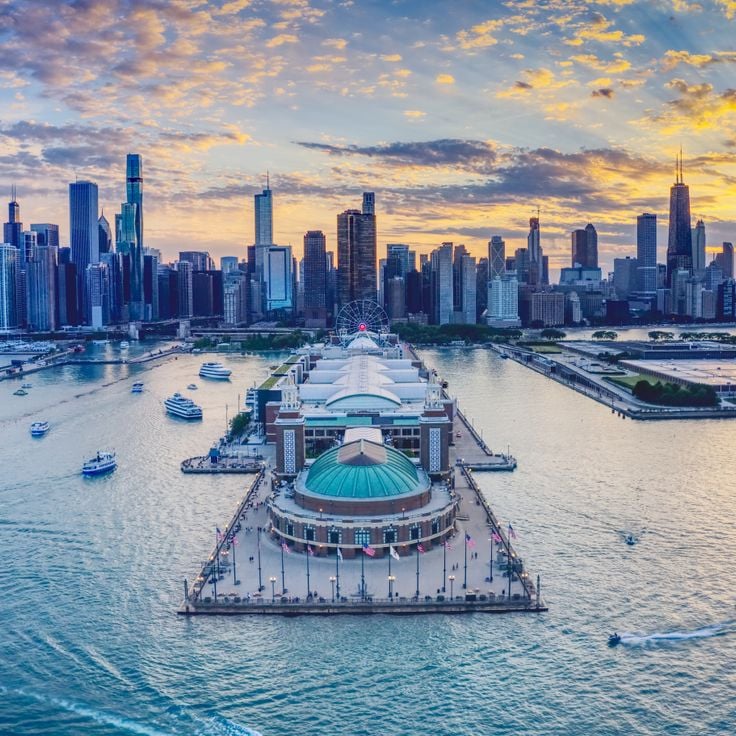
Navy Pier is a leisure complex on Lake Michigan's shore, part of Chicago's collection of distinct neighborhoods, parks, and gathering places where people actually spend their time. The pier features a 60-meter Ferris wheel, dining areas, shops, and a lively promenade with concerts and seasonal events. Navy Pier reflects how the city brings together entertainment, water views, and public space where Chicagoans and visitors experience the energy and character that define the city.
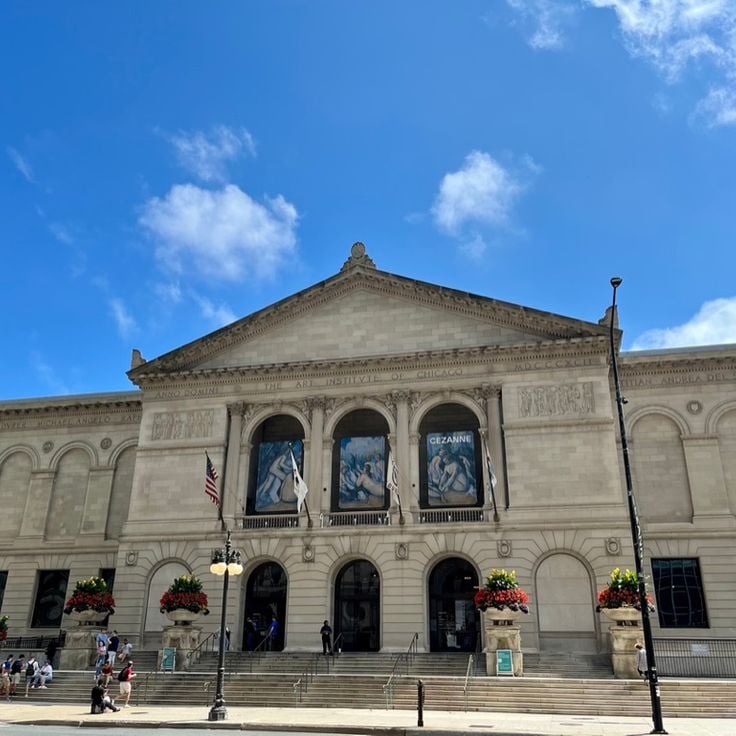
The Art Institute of Chicago is one of the country's major art museums, displaying over 300,000 works. Visitors see impressionist paintings, American masterworks, and collections spanning from Antiquity to modern art. The museum is one of the places where Chicagoans themselves go to understand art history and the city's cultural importance.
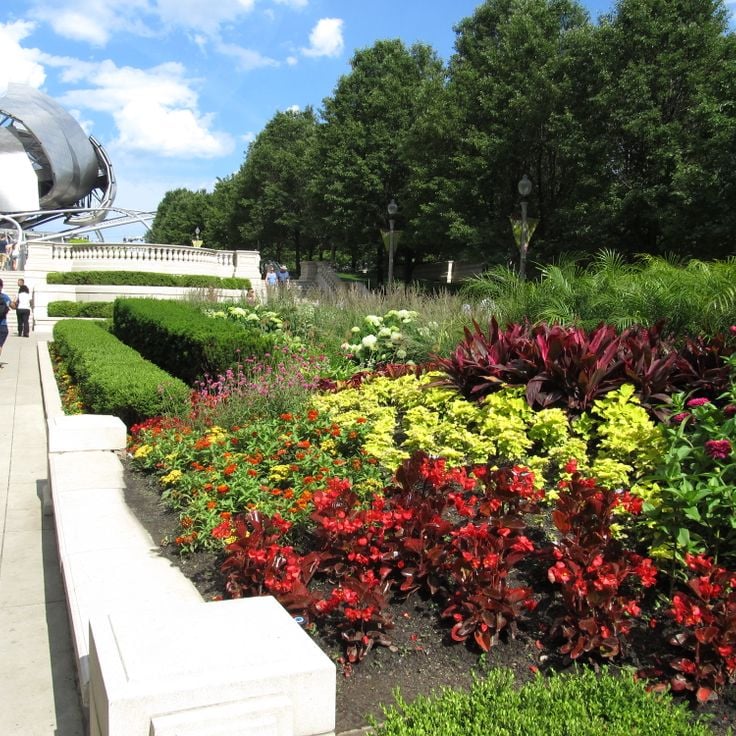
Millennium Park is a large public space in downtown Chicago that shows how the city brings together art and nature. The park features the Cloud Gate sculpture, maintained gardens, a concert pavilion, and several art installations that serve as gathering spots for visitors. This place reflects Chicago's commitment to public art and bringing people together.
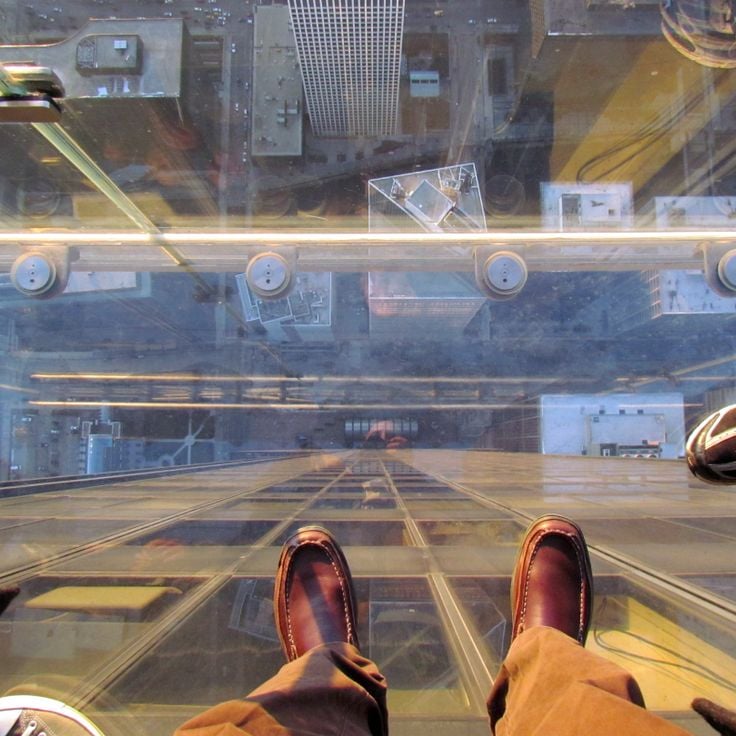
The Willis Tower Skydeck sits on the 103rd floor and belongs in this collection because it shows how Chicagoans see their city from above. From this height, you look out at Lake Michigan, the river, and neighborhoods stretching in all directions. Glass boxes let you step out and stand suspended over the void while taking in the circular view. The sight connects all the parts of Chicago shown in this collection - the parks, the river buildings, and the lake shores.
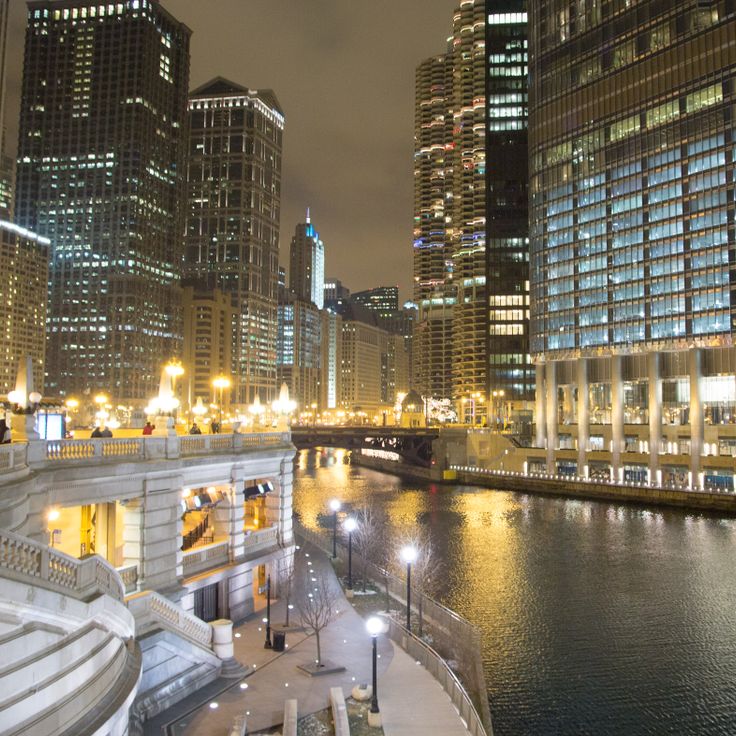
The Chicago Riverwalk is a walking path along the river where Chicagoans spend their time. The river is a place to walk, eat, and see the city from the water. You can sit here and watch the tall buildings that rise along the shore. Restaurants and terraces line the path, and boats take visitors on tours through the city. The Riverwalk connects different parts of Chicago and shows how the city brings water and architecture together.
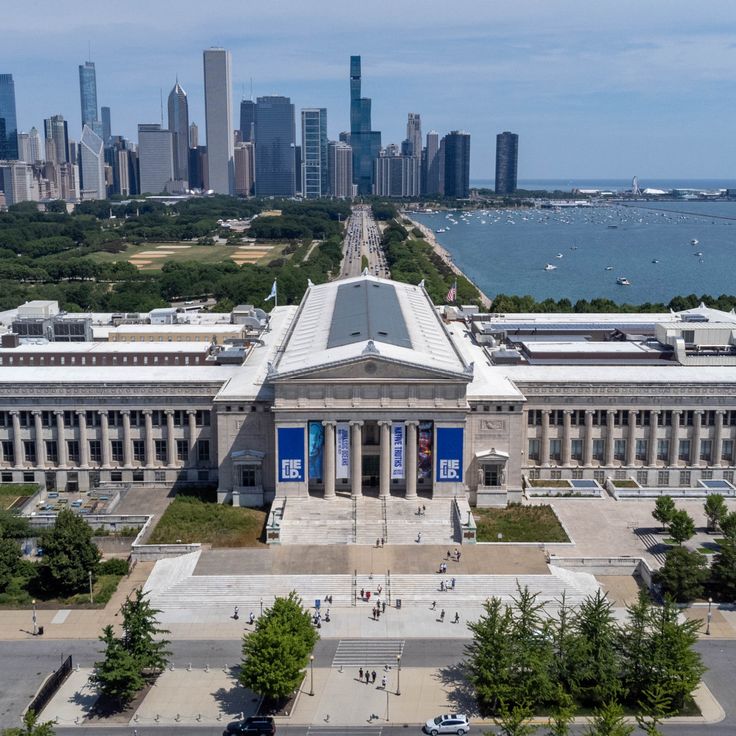
The Field Museum is a natural history museum that reflects Chicago's commitment to sharing knowledge about the world. With millions of specimens including dinosaur fossils, Egyptian mummies, and objects from cultures across the globe, this museum offers visitors a chance to encounter the stories of our planet and human societies. It stands as a place where people come to explore and understand the remarkable diversity of life and civilizations.
Grant Park is a large urban park that stretches along the center of Chicago and opens to Lake Michigan. It contains fountains, gardens, and open spaces where residents walk, exercise, and gather for concerts and festivals. From various points in the park, you can see the glass towers of downtown rising behind you. Museums dedicated to art and science sit within the park's boundaries, making it a place where Chicagoans connect with culture, nature, and each other. The park shows how the city balances open green space with its impressive buildings and institutions.
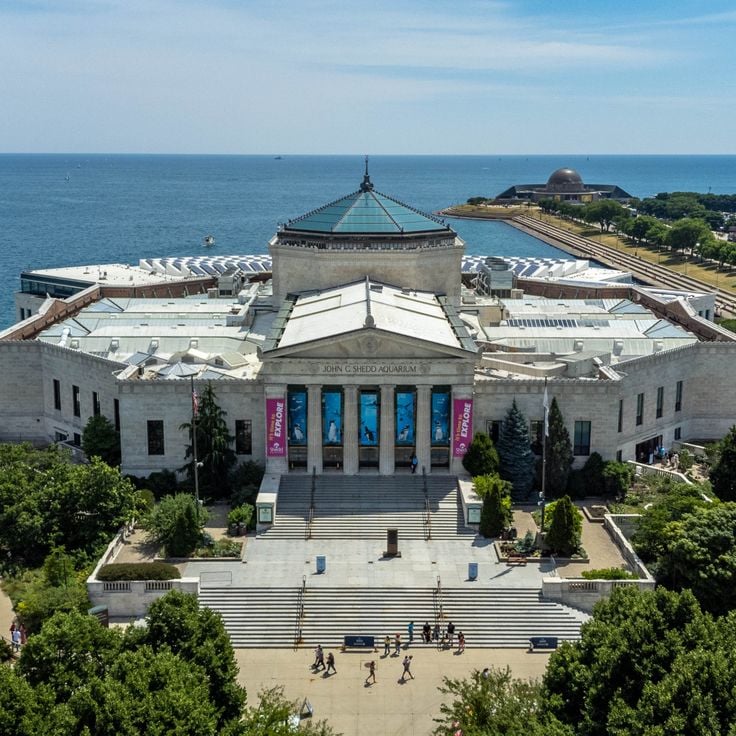
The Shedd Aquarium shows Chicago's connection to water and the natural world. Opened in 1930, it holds marine mammals, tropical fish, and other creatures in large tanks. The place is where Chicagoans spend time learning about underwater life and caring for animals. Located along Lake Michigan, it fits into the city's larger collection of spaces where art, science, and community come together.
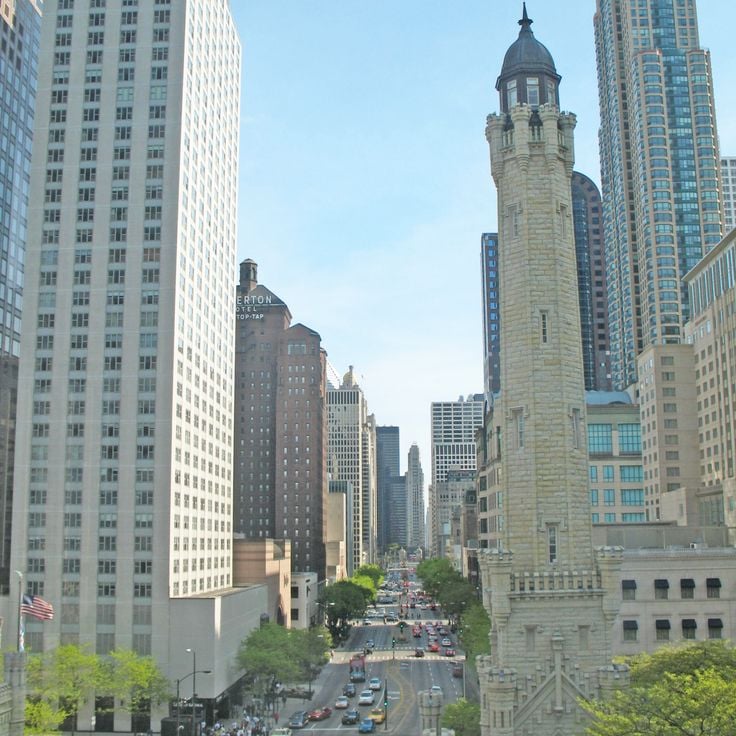
This shopping district stretches across thirteen blocks along one of Chicago's most important avenues. The street is defined by shops, restaurants, and landmark buildings that reveal the city's architecture and character. Here, people walk, shop, and experience the blend of commerce and urban design. It is a place where Chicago's height and modern energy come together on a street where buildings matter as much as what is sold inside them.
The Lincoln Park Zoo is a free zoo founded in 1868 that houses over 200 species, an educational farm, and year-round educational programs. It reflects Chicago's character as a city where education and public spaces belong to everyone. The zoo demonstrates how the city makes room for nature and learning within its urban landscape, offering programs that show what matters to people here.
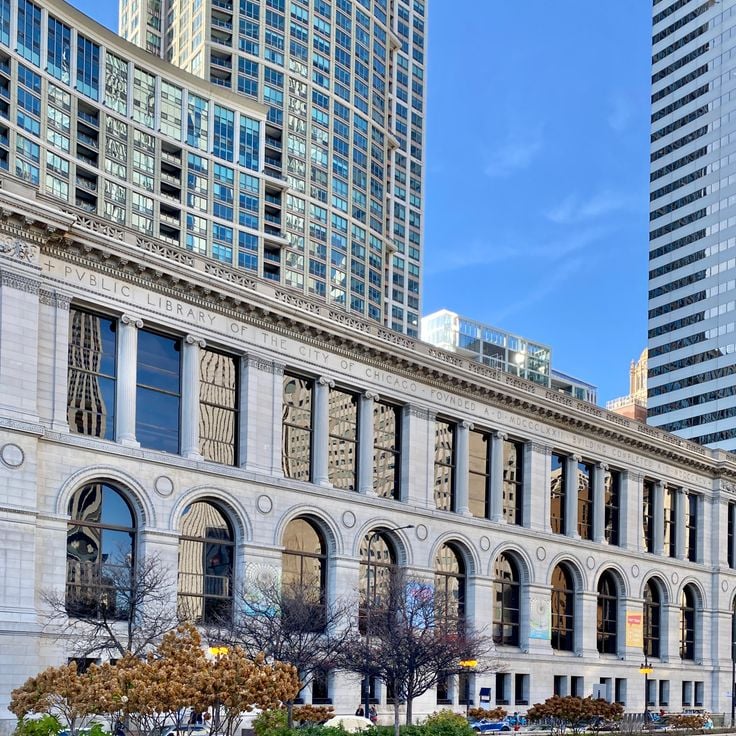
The Chicago Cultural Center, built in 1897, is where the city gathers to experience art and music. Its two soaring stained glass domes create an immersive space filled with light and color. The building hosts exhibitions, concerts, and free events open to everyone, making it a place where Chicagoans of all backgrounds come together. Walking through its halls, you encounter the city's commitment to sharing culture with all who enter.
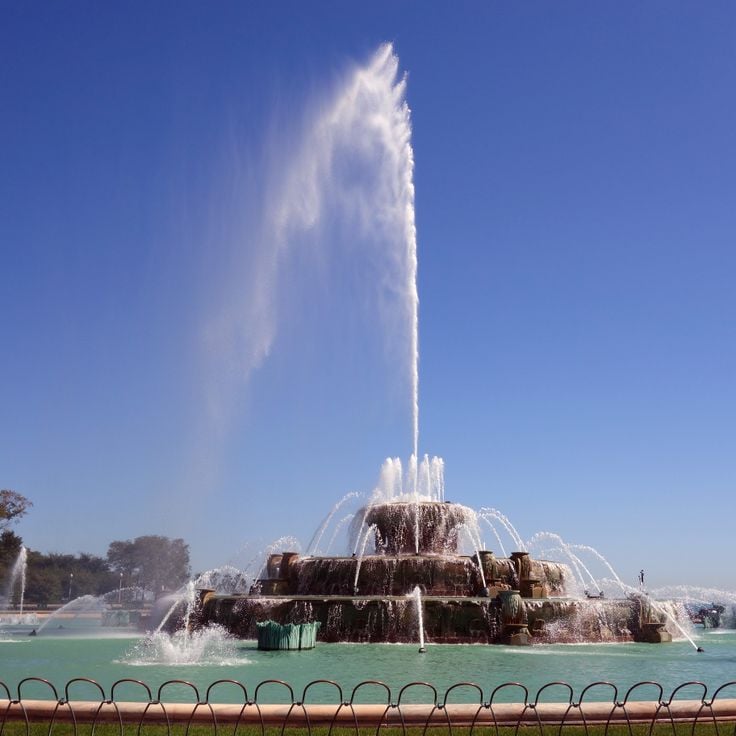
Buckingham Fountain is a landmark from 1927 where two hundred jets spray water and light in the evenings throughout Grant Park. The fountain draws people together as a meeting place where residents and visitors gather to watch the displays and enjoy the water's movement against the city skyline.
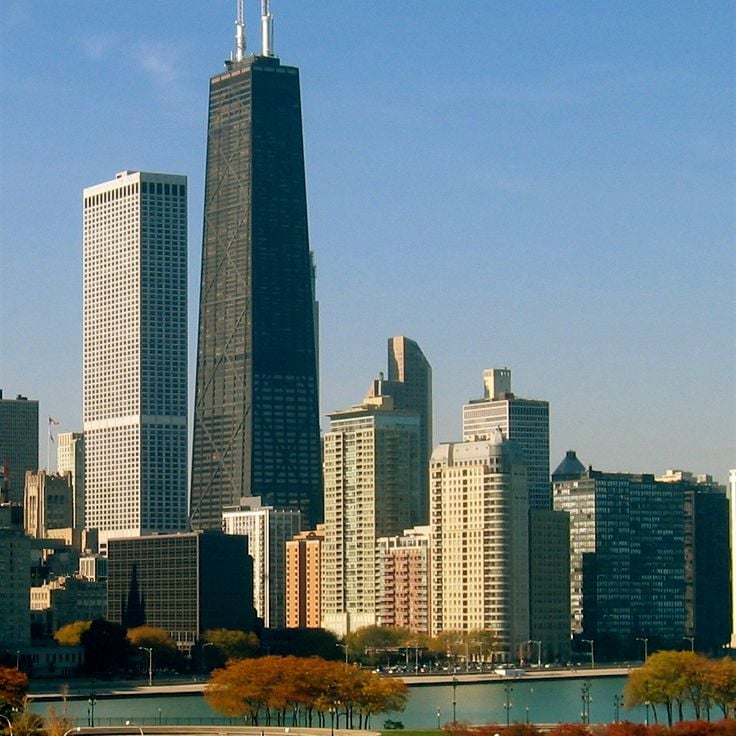
The John Hancock Center is a black skyscraper rising 344 meters that stands as one of the defining structures along Chicago's river. The observation deck on the ninety-fourth floor offers clear views across the city and Lake Michigan, showing why this place helps visitors and locals alike understand the height and power that define Chicago.
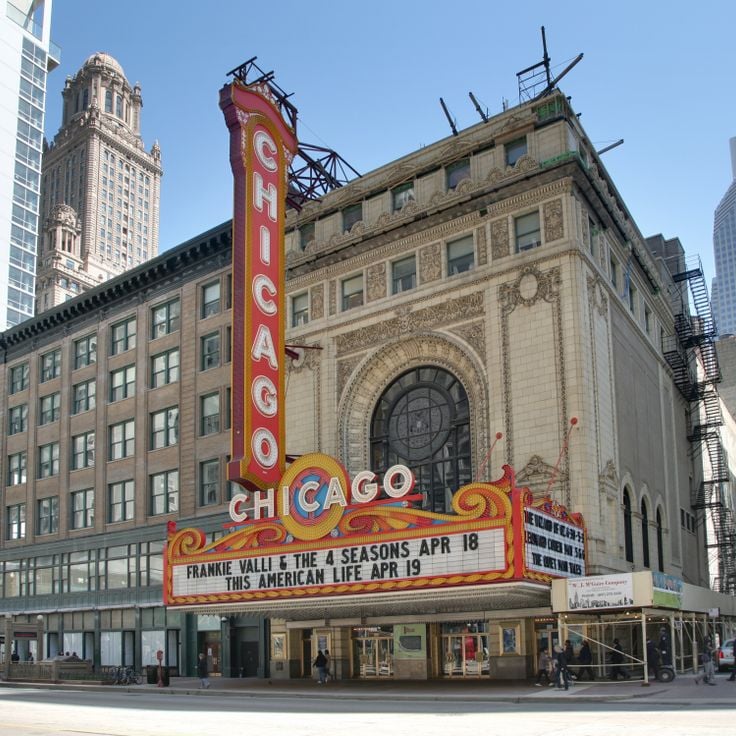
The Chicago Theatre is a historic performance hall built in 1921, located in the heart of the city center. With a capacity of more than three thousand seats, it hosts concerts, shows, and screenings throughout the year. This venue embodies Chicago's commitment to the arts and demonstrates how the city brings together music, theater, and film in one of its most venerable spaces. A visit here shows you where Chicagoans gather to experience live performance and culture.
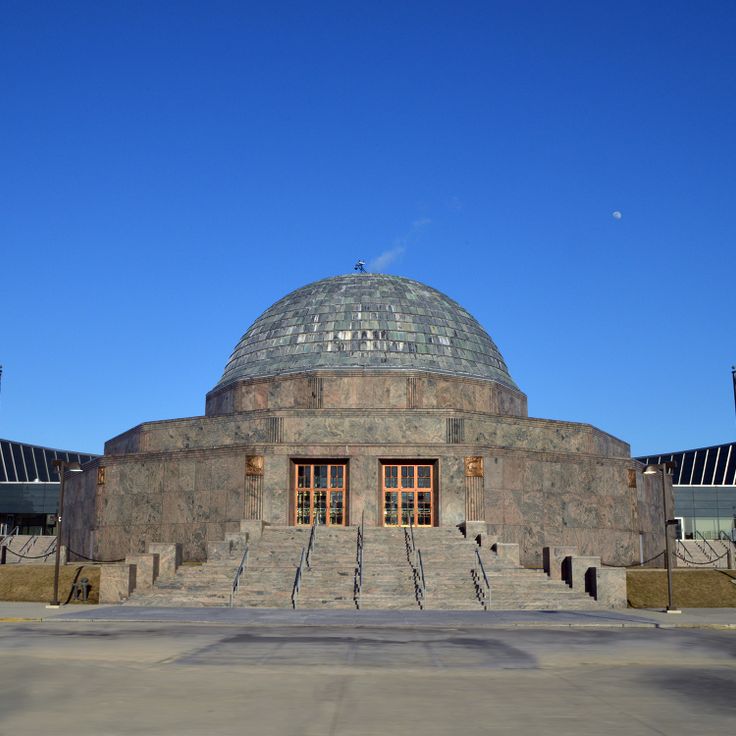
The Adler Planetarium is one of the places that shapes Chicago's character. Founded in 1930, it displays astronomical instruments, meteorites, and digital representations of the night sky. Visitors can explore the history of astronomy and learn about the universe. The planetarium sits along Lake Michigan's shore and offers views of the city's skyline from its terrace.
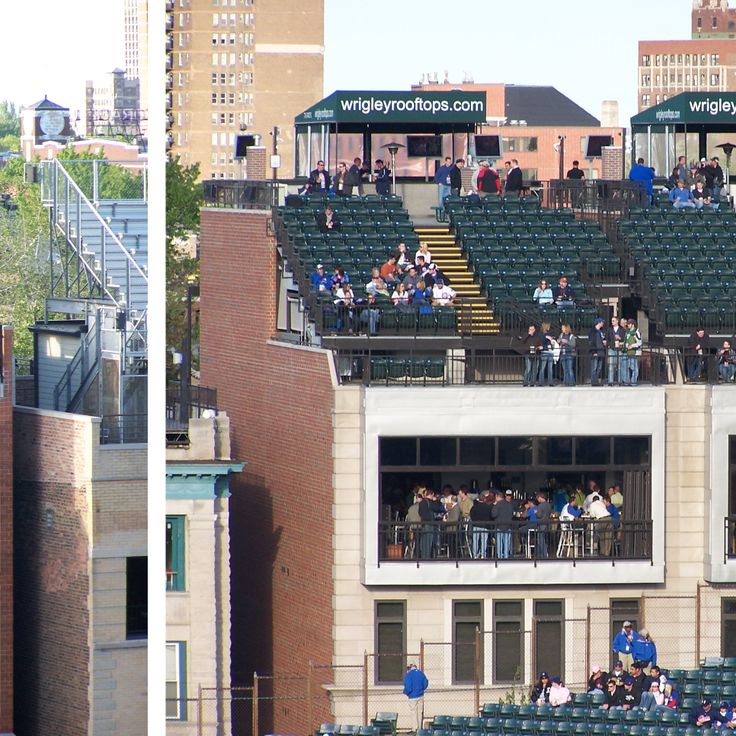
Wrigley Field is a baseball stadium that has welcomed fans since 1914 and stands as a gathering place where Chicago's passion for sports comes alive. The stadium holds about 41,000 spectators and features a hand-operated scoreboard that has become the defining symbol of the ballpark. Like the museums, neighborhoods, and waterfront spaces throughout Chicago, Wrigley Field reveals something essential about the city and the people who call it home.
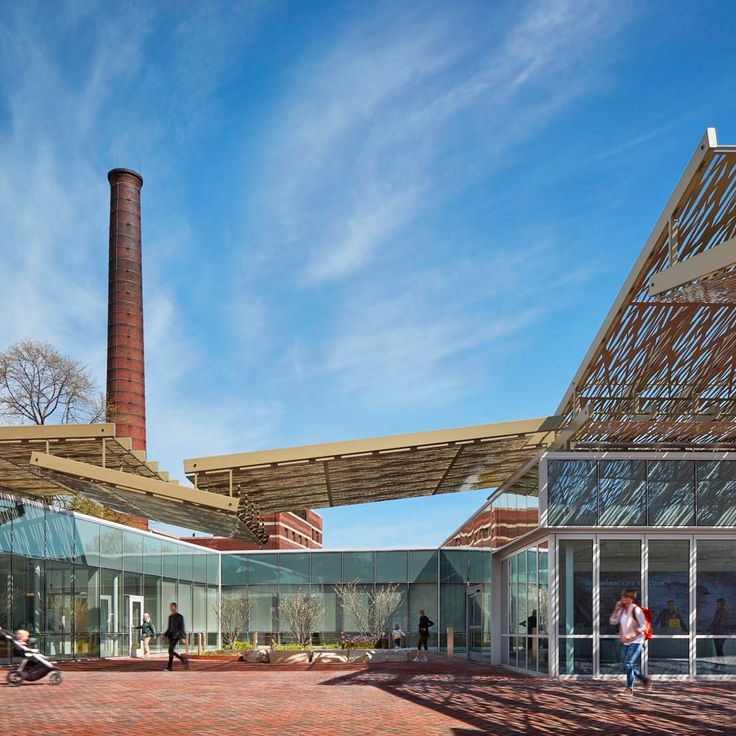
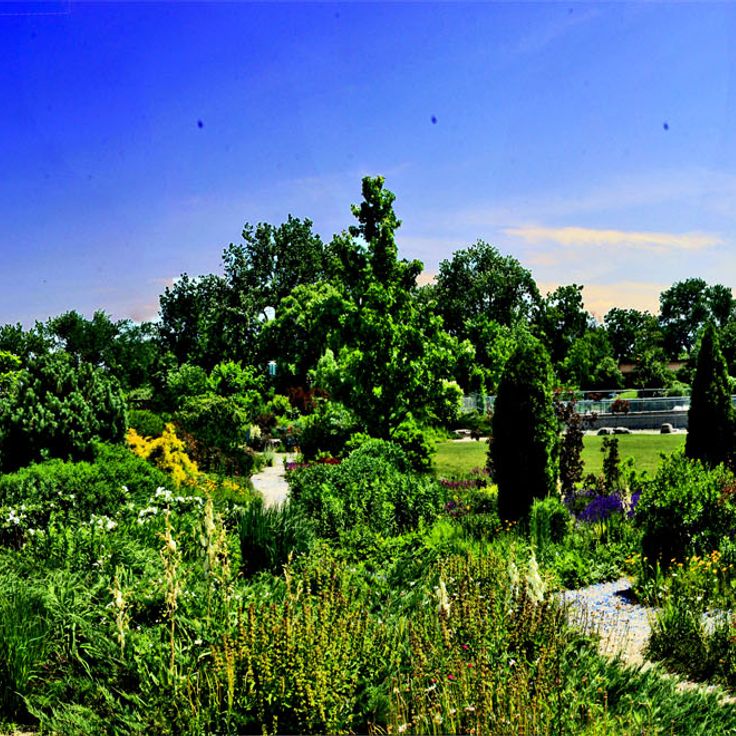
The Garfield Park Conservatory is a large horticultural complex with eight indoor gardens. More than two thousand plant species grow under glass domes across roughly eighteen thousand square meters (about 194,000 square feet). This place fits into Chicago's story in an interesting way: while the city rises with its glass buildings and energy, this conservatory creates a space where nature thrives indoors. Visitors walk through tropical environments, blooming gardens, and carefully planted rooms that feel like stepping into different worlds, all protected by the glass and steel architecture that defines the city.
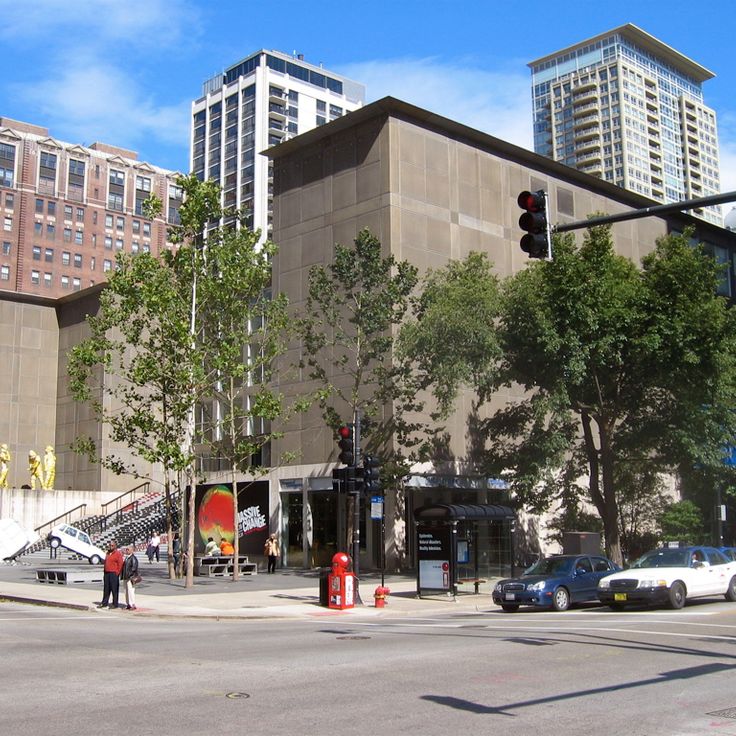
The Museum of Contemporary Art represents Chicago's role as a center for international creative expression since 1945. This modern building, which opened in 1996, holds approximately 2500 works from around the world. As you explore Chicago's museums that rank among the finest in America, this museum is where people gather to experience contemporary art and connect with creative voices from different cultures and backgrounds.
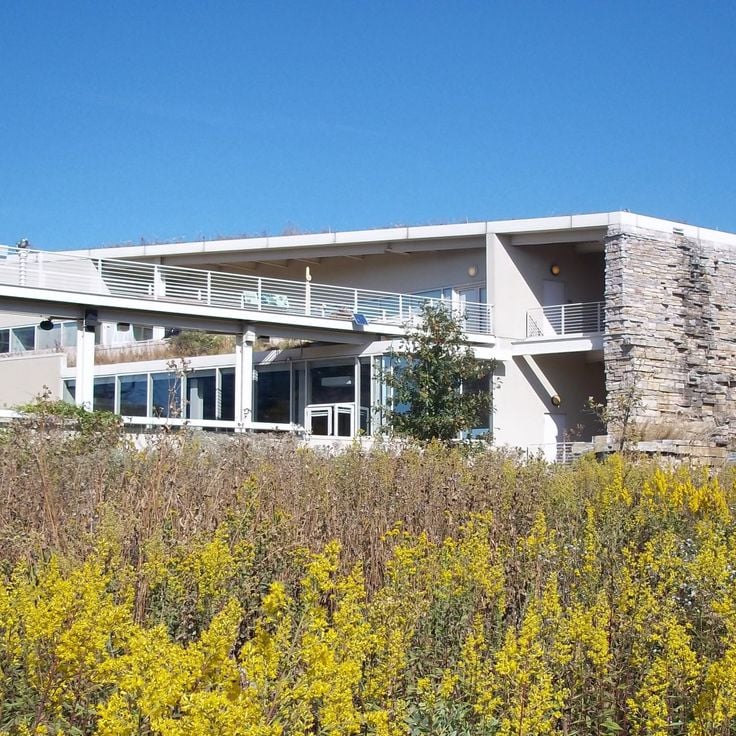
The Peggy Notebaert Nature Museum displays the natural world of Illinois. Visitors explore interactive exhibits and a large greenhouse where hundreds of butterflies fly freely. The museum shows you how nature works in this region and introduces the animals and plants that call this area home.
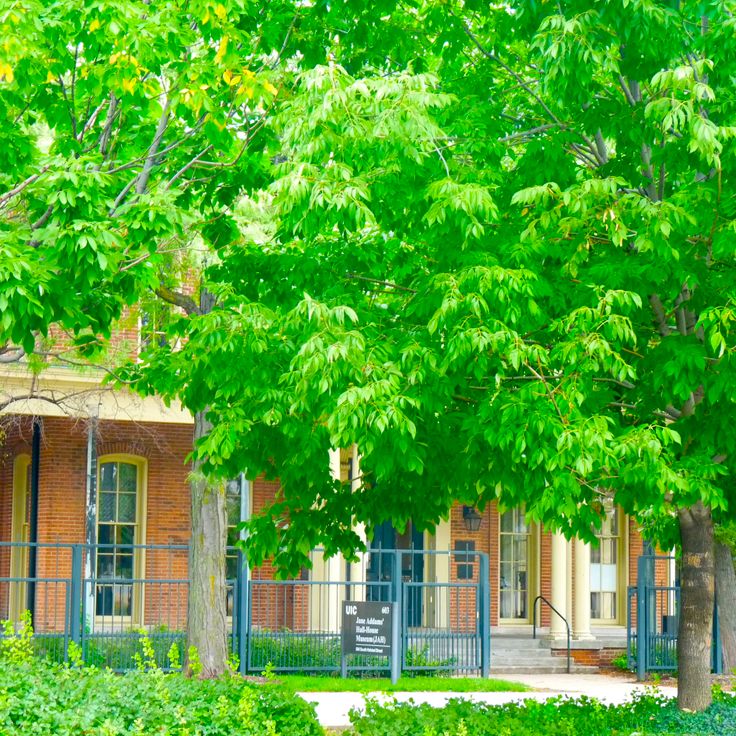
The Jane Addams Hull-House Museum shows the work of Jane Addams and her role in Chicago's social movement during the early twentieth century. Inside you will find furniture, photographs, and documents that trace how social work developed in America. This house tells the story of how people in Chicago built stronger communities and reflects the values that continue to shape the city today.
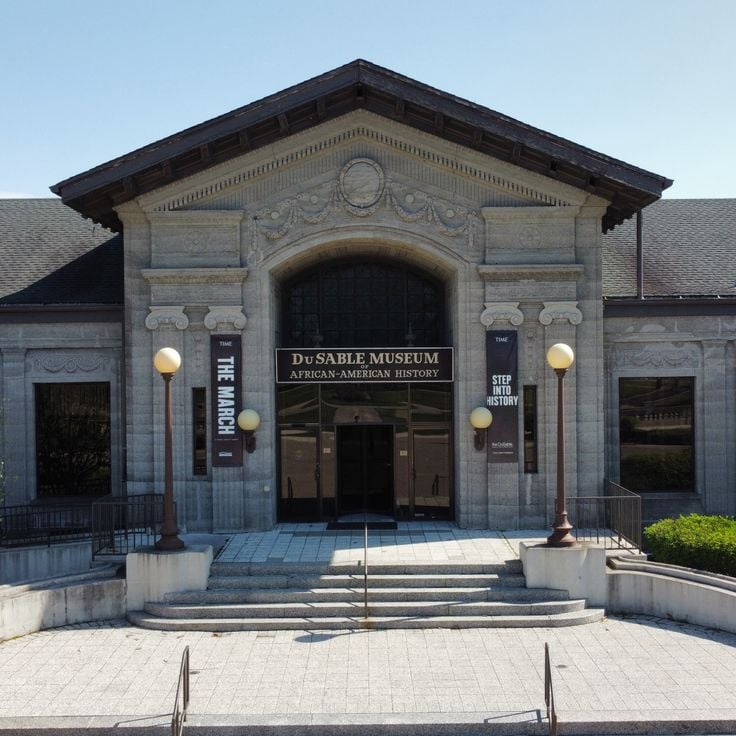
This museum tells the story of African American life and achievement in the United States. Paintings, documents, and objects show the contributions Black communities have made to American history. You see exhibitions about scientists, artists, musicians, and leaders whose work shaped the country. The museum helps visitors understand the experiences and creativity of African Americans across generations.
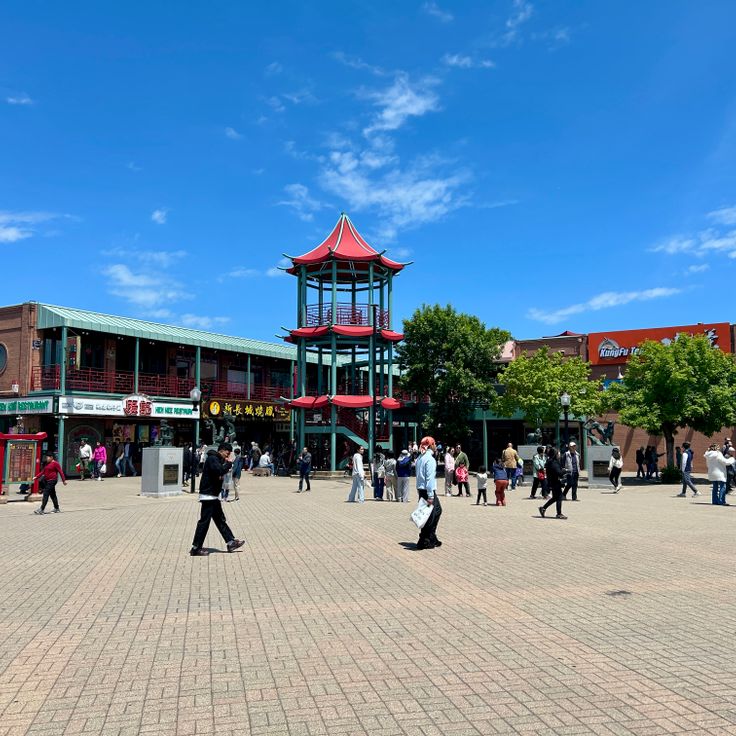
Chinatown Square is a shopping center organized around a large plaza with traditional restaurants, shops, and architectural details inspired by classical Chinese design. This space reflects how different communities in Chicago have built their own traditions and represents one of the neighborhoods where the city's residents actually gather and spend their time.
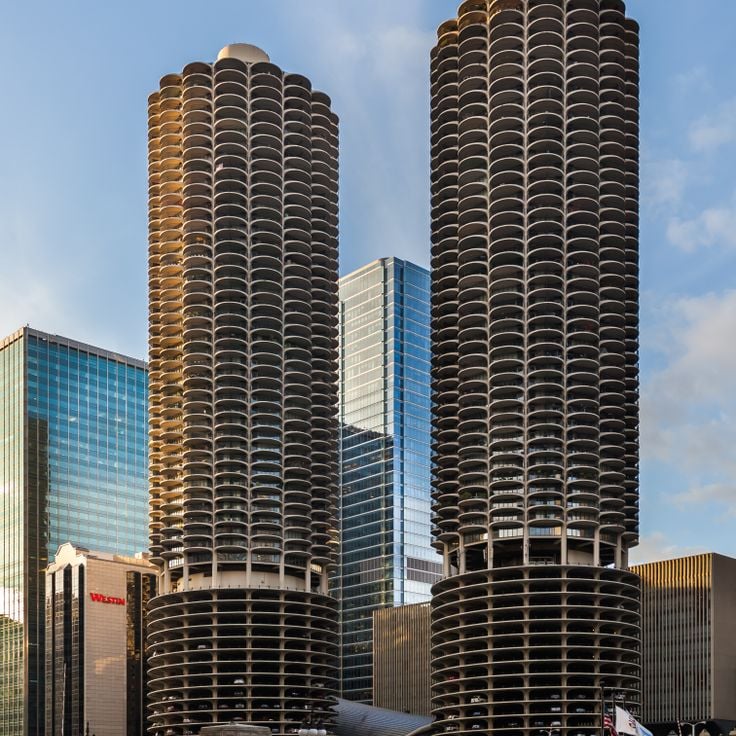
Marina City consists of two circular towers built in 1964 that stand along the Chicago River. These towers show how architecture shapes the city's character and identity. Their distinctive round form makes them recognizable landmarks that reflect Chicago's commitment to bold design. Walking past them, you see how modern buildings have become part of everyday city life and how Chicago reaches toward the sky with structures that matter to those who live here.
The Chicago History Museum tells the story of how the city grew and changed through objects, archives, and exhibitions that span from Chicago's earliest days to now. Walking through its galleries, you see how neighborhoods developed, which communities shaped the city, and what events changed Chicago over time. This museum gives you a real sense of who lived here and what mattered to them, showing you the roots of the character you see in Chicago today.
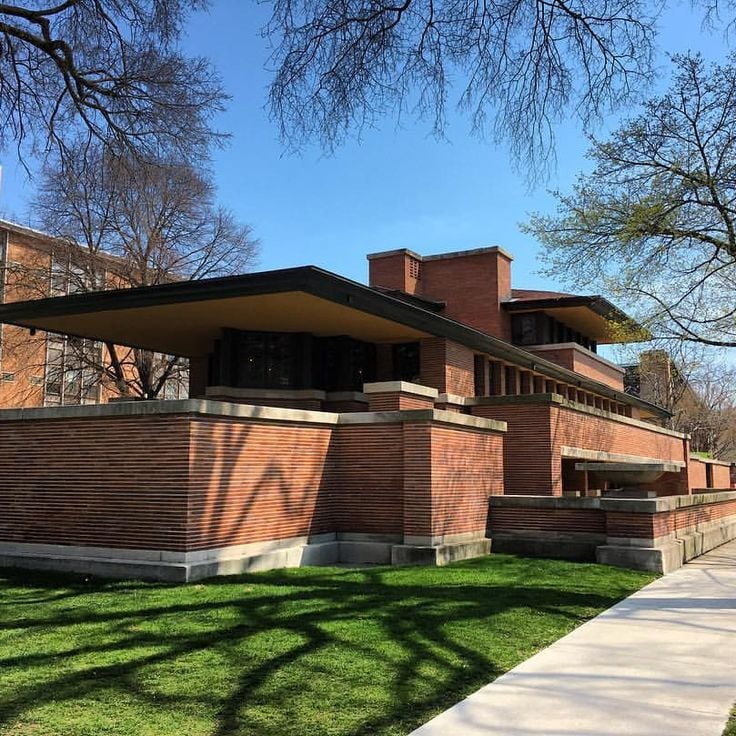
Robie House is a residence designed by Frank Lloyd Wright in 1910 in Chicago. It shows the Prairie School style with its horizontal lines and open interior spaces that changed how people think about homes. This house is one of the buildings that makes up Chicago's character, demonstrating how architecture shapes daily life and why design matters to the people who live here.
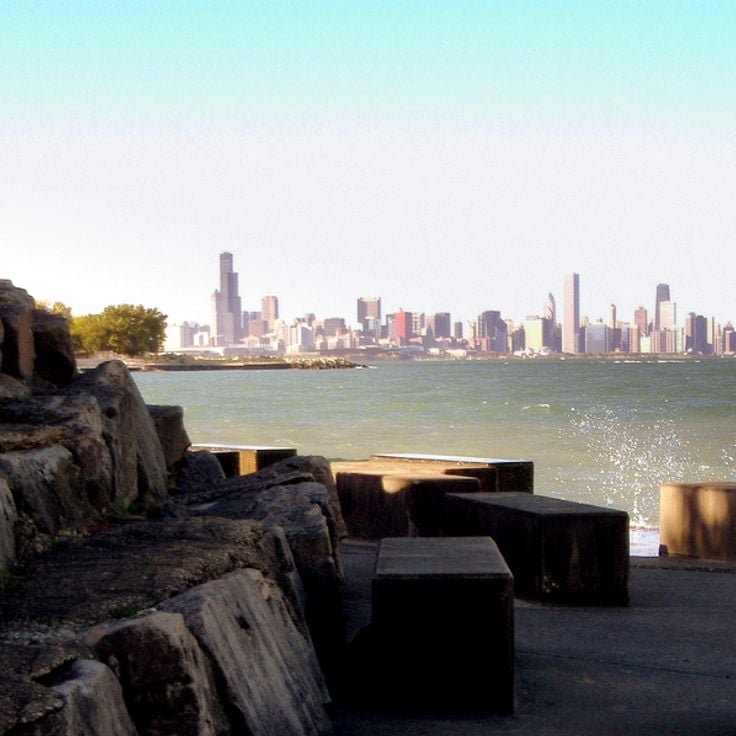
Promontory Point Park is a green space along the lakeshore where Chicagoans come to enjoy views of the water and city skyline. The stone structures date back to the 1930s and stand as reminders of the city's past. This park reflects Chicago's character, showing how the city connects people to Lake Michigan and offers a place where residents and visitors can experience the landscape that shaped the city.
Pilsen Neighborhood is a district where Mexican culture shapes daily life and community identity. Colorful murals cover the walls, and the streets are lined with Latin restaurants and small shops. This place demonstrates how a community has built its own traditions within Chicago and reflects the city's character as a collection of distinct neighborhoods.
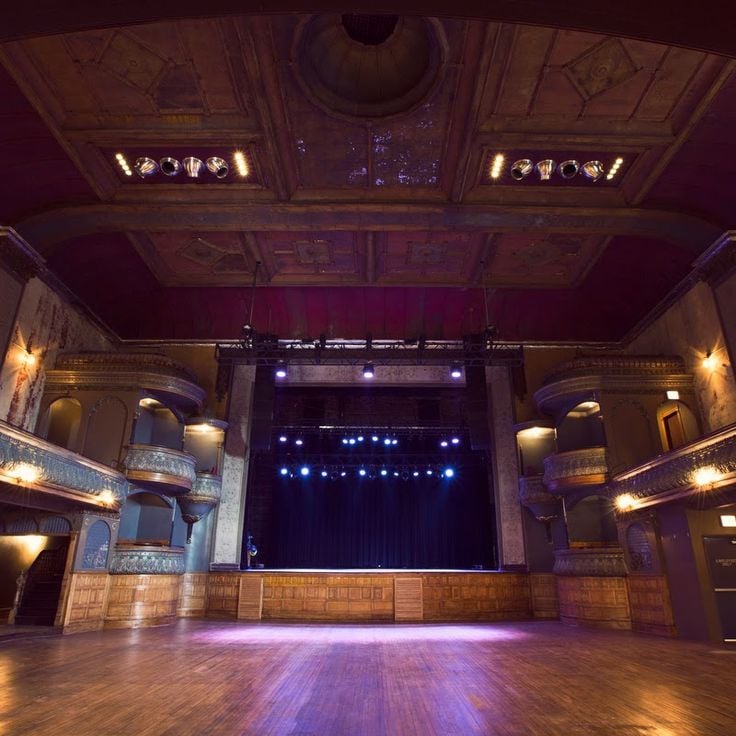
Thalia Hall is a restored theater from 1892 that serves as a venue for concerts, performances, and cultural events in Chicago. It represents the city's commitment to preserving historic architecture while maintaining active cultural programming. The space reflects Chicago's character as a city where the arts bring communities together.
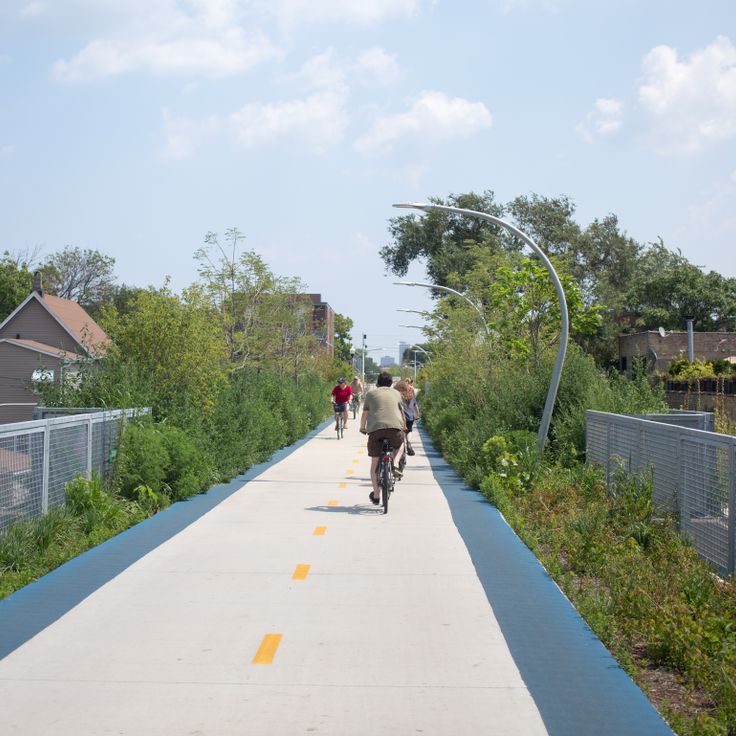
The 606 is a converted railway that stretches over 4 kilometers as a landscaped public walkway. Cyclists, pedestrians, and local residents use it as an urban promenade that winds through different neighborhoods. This trail shows how Chicago transforms old infrastructure into spaces where people gather and communities connect. It is one of the places where Chicagoans spend their time and experience the city's daily rhythm and energy.
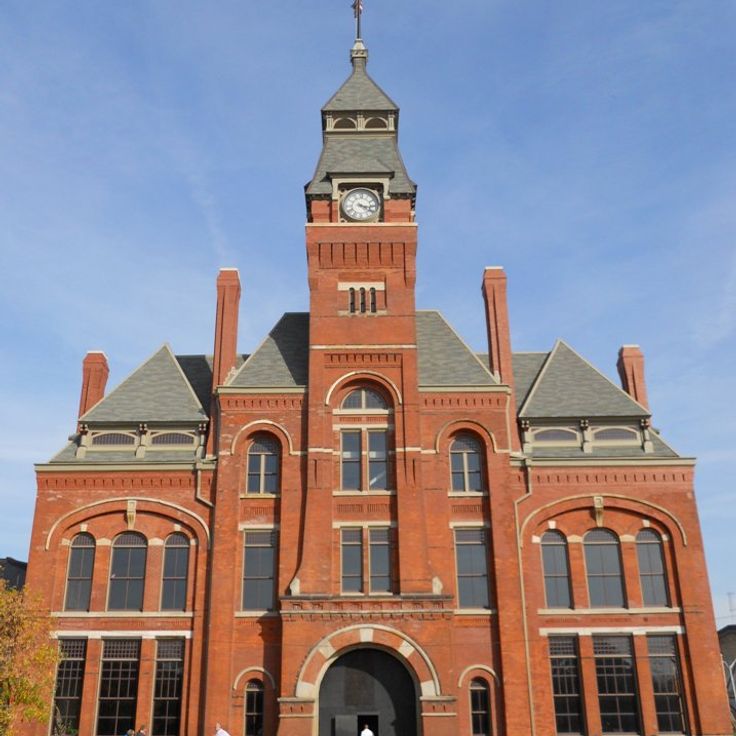
Pullman National Monument is a historic district in Chicago that shows industrial buildings and workers' housing from the 1800s. The neighborhood was built by a company to house factory workers, creating a complete community centered around production. Walking through the streets, you see brick homes, factories, and public buildings that reveal how workers lived their daily lives. The site tells the story of the American labor movement, including conflicts between workers and owners that shaped labor rights as we know them today.
Navy Pier is a leisure complex on Lake Michigan's shore, part of Chicago's collection of distinct neighborhoods, parks, and gathering places where people actually spend their time. The pier features a 60-meter Ferris wheel, dining areas, shops, and a lively promenade with concerts and seasonal events. Navy Pier reflects how the city brings together entertainment, water views, and public space where Chicagoans and visitors experience the energy and character that define the city.
The Art Institute of Chicago is one of the country's major art museums, displaying over 300,000 works. Visitors see impressionist paintings, American masterworks, and collections spanning from Antiquity to modern art. The museum is one of the places where Chicagoans themselves go to understand art history and the city's cultural importance.
Millennium Park is a large public space in downtown Chicago that shows how the city brings together art and nature. The park features the Cloud Gate sculpture, maintained gardens, a concert pavilion, and several art installations that serve as gathering spots for visitors. This place reflects Chicago's commitment to public art and bringing people together.
The Willis Tower Skydeck sits on the 103rd floor and belongs in this collection because it shows how Chicagoans see their city from above. From this height, you look out at Lake Michigan, the river, and neighborhoods stretching in all directions. Glass boxes let you step out and stand suspended over the void while taking in the circular view. The sight connects all the parts of Chicago shown in this collection - the parks, the river buildings, and the lake shores.
The Chicago Riverwalk is a walking path along the river where Chicagoans spend their time. The river is a place to walk, eat, and see the city from the water. You can sit here and watch the tall buildings that rise along the shore. Restaurants and terraces line the path, and boats take visitors on tours through the city. The Riverwalk connects different parts of Chicago and shows how the city brings water and architecture together.
The Field Museum is a natural history museum that reflects Chicago's commitment to sharing knowledge about the world. With millions of specimens including dinosaur fossils, Egyptian mummies, and objects from cultures across the globe, this museum offers visitors a chance to encounter the stories of our planet and human societies. It stands as a place where people come to explore and understand the remarkable diversity of life and civilizations.
Grant Park is a large urban park that stretches along the center of Chicago and opens to Lake Michigan. It contains fountains, gardens, and open spaces where residents walk, exercise, and gather for concerts and festivals. From various points in the park, you can see the glass towers of downtown rising behind you. Museums dedicated to art and science sit within the park's boundaries, making it a place where Chicagoans connect with culture, nature, and each other. The park shows how the city balances open green space with its impressive buildings and institutions.
The Shedd Aquarium shows Chicago's connection to water and the natural world. Opened in 1930, it holds marine mammals, tropical fish, and other creatures in large tanks. The place is where Chicagoans spend time learning about underwater life and caring for animals. Located along Lake Michigan, it fits into the city's larger collection of spaces where art, science, and community come together.
This shopping district stretches across thirteen blocks along one of Chicago's most important avenues. The street is defined by shops, restaurants, and landmark buildings that reveal the city's architecture and character. Here, people walk, shop, and experience the blend of commerce and urban design. It is a place where Chicago's height and modern energy come together on a street where buildings matter as much as what is sold inside them.
The Lincoln Park Zoo is a free zoo founded in 1868 that houses over 200 species, an educational farm, and year-round educational programs. It reflects Chicago's character as a city where education and public spaces belong to everyone. The zoo demonstrates how the city makes room for nature and learning within its urban landscape, offering programs that show what matters to people here.
The Chicago Cultural Center, built in 1897, is where the city gathers to experience art and music. Its two soaring stained glass domes create an immersive space filled with light and color. The building hosts exhibitions, concerts, and free events open to everyone, making it a place where Chicagoans of all backgrounds come together. Walking through its halls, you encounter the city's commitment to sharing culture with all who enter.
Buckingham Fountain is a landmark from 1927 where two hundred jets spray water and light in the evenings throughout Grant Park. The fountain draws people together as a meeting place where residents and visitors gather to watch the displays and enjoy the water's movement against the city skyline.
The John Hancock Center is a black skyscraper rising 344 meters that stands as one of the defining structures along Chicago's river. The observation deck on the ninety-fourth floor offers clear views across the city and Lake Michigan, showing why this place helps visitors and locals alike understand the height and power that define Chicago.
The Chicago Theatre is a historic performance hall built in 1921, located in the heart of the city center. With a capacity of more than three thousand seats, it hosts concerts, shows, and screenings throughout the year. This venue embodies Chicago's commitment to the arts and demonstrates how the city brings together music, theater, and film in one of its most venerable spaces. A visit here shows you where Chicagoans gather to experience live performance and culture.
The Adler Planetarium is one of the places that shapes Chicago's character. Founded in 1930, it displays astronomical instruments, meteorites, and digital representations of the night sky. Visitors can explore the history of astronomy and learn about the universe. The planetarium sits along Lake Michigan's shore and offers views of the city's skyline from its terrace.
Wrigley Field is a baseball stadium that has welcomed fans since 1914 and stands as a gathering place where Chicago's passion for sports comes alive. The stadium holds about 41,000 spectators and features a hand-operated scoreboard that has become the defining symbol of the ballpark. Like the museums, neighborhoods, and waterfront spaces throughout Chicago, Wrigley Field reveals something essential about the city and the people who call it home.
The Garfield Park Conservatory is a large horticultural complex with eight indoor gardens. More than two thousand plant species grow under glass domes across roughly eighteen thousand square meters (about 194,000 square feet). This place fits into Chicago's story in an interesting way: while the city rises with its glass buildings and energy, this conservatory creates a space where nature thrives indoors. Visitors walk through tropical environments, blooming gardens, and carefully planted rooms that feel like stepping into different worlds, all protected by the glass and steel architecture that defines the city.
The Museum of Contemporary Art represents Chicago's role as a center for international creative expression since 1945. This modern building, which opened in 1996, holds approximately 2500 works from around the world. As you explore Chicago's museums that rank among the finest in America, this museum is where people gather to experience contemporary art and connect with creative voices from different cultures and backgrounds.
The Peggy Notebaert Nature Museum displays the natural world of Illinois. Visitors explore interactive exhibits and a large greenhouse where hundreds of butterflies fly freely. The museum shows you how nature works in this region and introduces the animals and plants that call this area home.
The Jane Addams Hull-House Museum shows the work of Jane Addams and her role in Chicago's social movement during the early twentieth century. Inside you will find furniture, photographs, and documents that trace how social work developed in America. This house tells the story of how people in Chicago built stronger communities and reflects the values that continue to shape the city today.
This museum tells the story of African American life and achievement in the United States. Paintings, documents, and objects show the contributions Black communities have made to American history. You see exhibitions about scientists, artists, musicians, and leaders whose work shaped the country. The museum helps visitors understand the experiences and creativity of African Americans across generations.
Chinatown Square is a shopping center organized around a large plaza with traditional restaurants, shops, and architectural details inspired by classical Chinese design. This space reflects how different communities in Chicago have built their own traditions and represents one of the neighborhoods where the city's residents actually gather and spend their time.
Marina City consists of two circular towers built in 1964 that stand along the Chicago River. These towers show how architecture shapes the city's character and identity. Their distinctive round form makes them recognizable landmarks that reflect Chicago's commitment to bold design. Walking past them, you see how modern buildings have become part of everyday city life and how Chicago reaches toward the sky with structures that matter to those who live here.
The Chicago History Museum tells the story of how the city grew and changed through objects, archives, and exhibitions that span from Chicago's earliest days to now. Walking through its galleries, you see how neighborhoods developed, which communities shaped the city, and what events changed Chicago over time. This museum gives you a real sense of who lived here and what mattered to them, showing you the roots of the character you see in Chicago today.
Robie House is a residence designed by Frank Lloyd Wright in 1910 in Chicago. It shows the Prairie School style with its horizontal lines and open interior spaces that changed how people think about homes. This house is one of the buildings that makes up Chicago's character, demonstrating how architecture shapes daily life and why design matters to the people who live here.
Promontory Point Park is a green space along the lakeshore where Chicagoans come to enjoy views of the water and city skyline. The stone structures date back to the 1930s and stand as reminders of the city's past. This park reflects Chicago's character, showing how the city connects people to Lake Michigan and offers a place where residents and visitors can experience the landscape that shaped the city.
Pilsen Neighborhood is a district where Mexican culture shapes daily life and community identity. Colorful murals cover the walls, and the streets are lined with Latin restaurants and small shops. This place demonstrates how a community has built its own traditions within Chicago and reflects the city's character as a collection of distinct neighborhoods.
Thalia Hall is a restored theater from 1892 that serves as a venue for concerts, performances, and cultural events in Chicago. It represents the city's commitment to preserving historic architecture while maintaining active cultural programming. The space reflects Chicago's character as a city where the arts bring communities together.
The 606 is a converted railway that stretches over 4 kilometers as a landscaped public walkway. Cyclists, pedestrians, and local residents use it as an urban promenade that winds through different neighborhoods. This trail shows how Chicago transforms old infrastructure into spaces where people gather and communities connect. It is one of the places where Chicagoans spend their time and experience the city's daily rhythm and energy.
Pullman National Monument is a historic district in Chicago that shows industrial buildings and workers' housing from the 1800s. The neighborhood was built by a company to house factory workers, creating a complete community centered around production. Walking through the streets, you see brick homes, factories, and public buildings that reveal how workers lived their daily lives. The site tells the story of the American labor movement, including conflicts between workers and owners that shaped labor rights as we know them today.
Navy Pier is a leisure complex on Lake Michigan's shore, part of Chicago's collection of distinct neighborhoods, parks, and gathering places where people actually spend their time. The pier features a 60-meter Ferris wheel, dining areas, shops, and a lively promenade with concerts and seasonal events. Navy Pier reflects how the city brings together entertainment, water views, and public space where Chicagoans and visitors experience the energy and character that define the city.
The Art Institute of Chicago is one of the country's major art museums, displaying over 300,000 works. Visitors see impressionist paintings, American masterworks, and collections spanning from Antiquity to modern art. The museum is one of the places where Chicagoans themselves go to understand art history and the city's cultural importance.
Millennium Park is a large public space in downtown Chicago that shows how the city brings together art and nature. The park features the Cloud Gate sculpture, maintained gardens, a concert pavilion, and several art installations that serve as gathering spots for visitors. This place reflects Chicago's commitment to public art and bringing people together.
The Willis Tower Skydeck sits on the 103rd floor and belongs in this collection because it shows how Chicagoans see their city from above. From this height, you look out at Lake Michigan, the river, and neighborhoods stretching in all directions. Glass boxes let you step out and stand suspended over the void while taking in the circular view. The sight connects all the parts of Chicago shown in this collection - the parks, the river buildings, and the lake shores.
The Chicago Riverwalk is a walking path along the river where Chicagoans spend their time. The river is a place to walk, eat, and see the city from the water. You can sit here and watch the tall buildings that rise along the shore. Restaurants and terraces line the path, and boats take visitors on tours through the city. The Riverwalk connects different parts of Chicago and shows how the city brings water and architecture together.
The Field Museum is a natural history museum that reflects Chicago's commitment to sharing knowledge about the world. With millions of specimens including dinosaur fossils, Egyptian mummies, and objects from cultures across the globe, this museum offers visitors a chance to encounter the stories of our planet and human societies. It stands as a place where people come to explore and understand the remarkable diversity of life and civilizations.
Grant Park is a large urban park that stretches along the center of Chicago and opens to Lake Michigan. It contains fountains, gardens, and open spaces where residents walk, exercise, and gather for concerts and festivals. From various points in the park, you can see the glass towers of downtown rising behind you. Museums dedicated to art and science sit within the park's boundaries, making it a place where Chicagoans connect with culture, nature, and each other. The park shows how the city balances open green space with its impressive buildings and institutions.
The Shedd Aquarium shows Chicago's connection to water and the natural world. Opened in 1930, it holds marine mammals, tropical fish, and other creatures in large tanks. The place is where Chicagoans spend time learning about underwater life and caring for animals. Located along Lake Michigan, it fits into the city's larger collection of spaces where art, science, and community come together.
This shopping district stretches across thirteen blocks along one of Chicago's most important avenues. The street is defined by shops, restaurants, and landmark buildings that reveal the city's architecture and character. Here, people walk, shop, and experience the blend of commerce and urban design. It is a place where Chicago's height and modern energy come together on a street where buildings matter as much as what is sold inside them.
The Lincoln Park Zoo is a free zoo founded in 1868 that houses over 200 species, an educational farm, and year-round educational programs. It reflects Chicago's character as a city where education and public spaces belong to everyone. The zoo demonstrates how the city makes room for nature and learning within its urban landscape, offering programs that show what matters to people here.
The Chicago Cultural Center, built in 1897, is where the city gathers to experience art and music. Its two soaring stained glass domes create an immersive space filled with light and color. The building hosts exhibitions, concerts, and free events open to everyone, making it a place where Chicagoans of all backgrounds come together. Walking through its halls, you encounter the city's commitment to sharing culture with all who enter.
Buckingham Fountain is a landmark from 1927 where two hundred jets spray water and light in the evenings throughout Grant Park. The fountain draws people together as a meeting place where residents and visitors gather to watch the displays and enjoy the water's movement against the city skyline.
The John Hancock Center is a black skyscraper rising 344 meters that stands as one of the defining structures along Chicago's river. The observation deck on the ninety-fourth floor offers clear views across the city and Lake Michigan, showing why this place helps visitors and locals alike understand the height and power that define Chicago.
The Chicago Theatre is a historic performance hall built in 1921, located in the heart of the city center. With a capacity of more than three thousand seats, it hosts concerts, shows, and screenings throughout the year. This venue embodies Chicago's commitment to the arts and demonstrates how the city brings together music, theater, and film in one of its most venerable spaces. A visit here shows you where Chicagoans gather to experience live performance and culture.
The Adler Planetarium is one of the places that shapes Chicago's character. Founded in 1930, it displays astronomical instruments, meteorites, and digital representations of the night sky. Visitors can explore the history of astronomy and learn about the universe. The planetarium sits along Lake Michigan's shore and offers views of the city's skyline from its terrace.
Wrigley Field is a baseball stadium that has welcomed fans since 1914 and stands as a gathering place where Chicago's passion for sports comes alive. The stadium holds about 41,000 spectators and features a hand-operated scoreboard that has become the defining symbol of the ballpark. Like the museums, neighborhoods, and waterfront spaces throughout Chicago, Wrigley Field reveals something essential about the city and the people who call it home.
The Garfield Park Conservatory is a large horticultural complex with eight indoor gardens. More than two thousand plant species grow under glass domes across roughly eighteen thousand square meters (about 194,000 square feet). This place fits into Chicago's story in an interesting way: while the city rises with its glass buildings and energy, this conservatory creates a space where nature thrives indoors. Visitors walk through tropical environments, blooming gardens, and carefully planted rooms that feel like stepping into different worlds, all protected by the glass and steel architecture that defines the city.
The Museum of Contemporary Art represents Chicago's role as a center for international creative expression since 1945. This modern building, which opened in 1996, holds approximately 2500 works from around the world. As you explore Chicago's museums that rank among the finest in America, this museum is where people gather to experience contemporary art and connect with creative voices from different cultures and backgrounds.
The Peggy Notebaert Nature Museum displays the natural world of Illinois. Visitors explore interactive exhibits and a large greenhouse where hundreds of butterflies fly freely. The museum shows you how nature works in this region and introduces the animals and plants that call this area home.
The Jane Addams Hull-House Museum shows the work of Jane Addams and her role in Chicago's social movement during the early twentieth century. Inside you will find furniture, photographs, and documents that trace how social work developed in America. This house tells the story of how people in Chicago built stronger communities and reflects the values that continue to shape the city today.
This museum tells the story of African American life and achievement in the United States. Paintings, documents, and objects show the contributions Black communities have made to American history. You see exhibitions about scientists, artists, musicians, and leaders whose work shaped the country. The museum helps visitors understand the experiences and creativity of African Americans across generations.
Chinatown Square is a shopping center organized around a large plaza with traditional restaurants, shops, and architectural details inspired by classical Chinese design. This space reflects how different communities in Chicago have built their own traditions and represents one of the neighborhoods where the city's residents actually gather and spend their time.
Marina City consists of two circular towers built in 1964 that stand along the Chicago River. These towers show how architecture shapes the city's character and identity. Their distinctive round form makes them recognizable landmarks that reflect Chicago's commitment to bold design. Walking past them, you see how modern buildings have become part of everyday city life and how Chicago reaches toward the sky with structures that matter to those who live here.
The Chicago History Museum tells the story of how the city grew and changed through objects, archives, and exhibitions that span from Chicago's earliest days to now. Walking through its galleries, you see how neighborhoods developed, which communities shaped the city, and what events changed Chicago over time. This museum gives you a real sense of who lived here and what mattered to them, showing you the roots of the character you see in Chicago today.
Robie House is a residence designed by Frank Lloyd Wright in 1910 in Chicago. It shows the Prairie School style with its horizontal lines and open interior spaces that changed how people think about homes. This house is one of the buildings that makes up Chicago's character, demonstrating how architecture shapes daily life and why design matters to the people who live here.
Promontory Point Park is a green space along the lakeshore where Chicagoans come to enjoy views of the water and city skyline. The stone structures date back to the 1930s and stand as reminders of the city's past. This park reflects Chicago's character, showing how the city connects people to Lake Michigan and offers a place where residents and visitors can experience the landscape that shaped the city.
Pilsen Neighborhood is a district where Mexican culture shapes daily life and community identity. Colorful murals cover the walls, and the streets are lined with Latin restaurants and small shops. This place demonstrates how a community has built its own traditions within Chicago and reflects the city's character as a collection of distinct neighborhoods.
Thalia Hall is a restored theater from 1892 that serves as a venue for concerts, performances, and cultural events in Chicago. It represents the city's commitment to preserving historic architecture while maintaining active cultural programming. The space reflects Chicago's character as a city where the arts bring communities together.
The 606 is a converted railway that stretches over 4 kilometers as a landscaped public walkway. Cyclists, pedestrians, and local residents use it as an urban promenade that winds through different neighborhoods. This trail shows how Chicago transforms old infrastructure into spaces where people gather and communities connect. It is one of the places where Chicagoans spend their time and experience the city's daily rhythm and energy.
Pullman National Monument is a historic district in Chicago that shows industrial buildings and workers' housing from the 1800s. The neighborhood was built by a company to house factory workers, creating a complete community centered around production. Walking through the streets, you see brick homes, factories, and public buildings that reveal how workers lived their daily lives. The site tells the story of the American labor movement, including conflicts between workers and owners that shaped labor rights as we know them today.