In South Moravia, baroque castles, underground caves, and battlefields tell hundreds of years of Czech history.
South Moravia combines historic sites, natural formations, and cultural monuments that reflect centuries of history. This region of the Czech Republic is home to castles such as Vranov nad Dyjí, perched 76 meters above the Dyje River, and the aristocratic estate of Lednice with its 19th-century gardens. The Turold limestone caves near Mikulov extend 50 meters underground, while the Svatý Kopeček hill offers a vista from its 363-meter altitude.
Visitors can explore ancient religious buildings such as the Sainte-Catherine Rotunda of Znojmo, dating from the 11th century with its dynastic frescoes, or the Archiepiscopal Palace Complex of Kroměříž which houses collections of paintings and geometric gardens. The region also features specialized museums like the firefighters museum in Přibyslav, the Hodonín Zoo covering 7.5 hectares, and the wine cellars of Archlebov carved into the hill. The Slavkov u Brna battlefield commemorates the events of 1805 with memorials and a military museum.
In South Moravia, baroque castles, underground caves, and battlefields tell hundreds of years of Czech history.
South Moravia combines historic sites, natural formations, and cultural monuments that reflect centuries of history. This region of the Czech Republic is home to castles such as Vranov nad Dyjí, perched 76 meters above the Dyje River, and the aristocratic estate of Lednice with its 19th-century gardens. The Turold limestone caves near Mikulov extend 50 meters underground, while the Svatý Kopeček hill offers a vista from its 363-meter altitude.
Visitors can explore ancient religious buildings such as the Sainte-Catherine Rotunda of Znojmo, dating from the 11th century with its dynastic frescoes, or the Archiepiscopal Palace Complex of Kroměříž which houses collections of paintings and geometric gardens. The region also features specialized museums like the firefighters museum in Přibyslav, the Hodonín Zoo covering 7.5 hectares, and the wine cellars of Archlebov carved into the hill. The Slavkov u Brna battlefield commemorates the events of 1805 with memorials and a military museum.
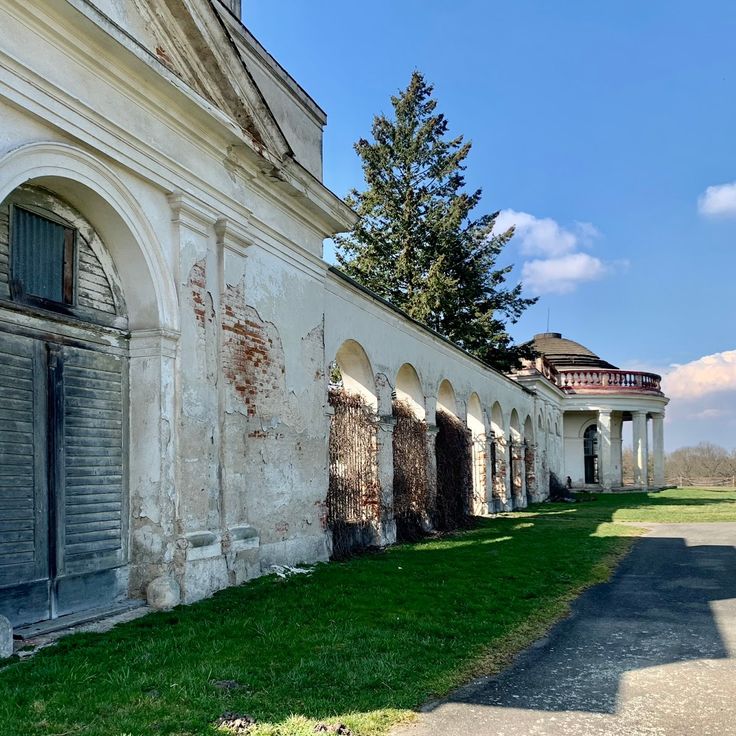
This hunting lodge from 1802 is part of the Lednice estate's heritage and stands at the edge of the historic gardens near a lake. The building features a decorative exterior and is furnished inside with pieces from its era. It reflects the traditions of the aristocratic families who shaped this part of South Moravia.
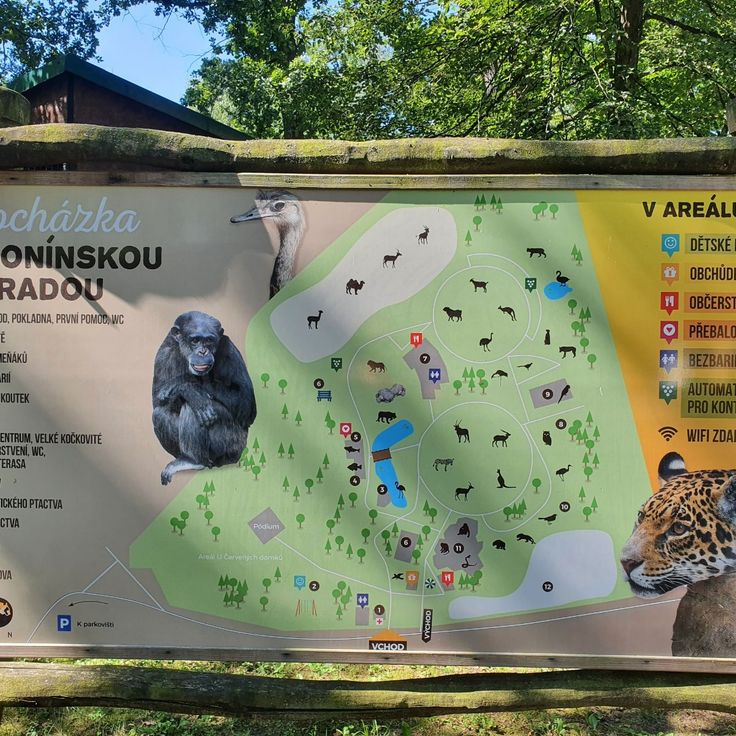
The Hodonín Zoo is part of South Moravia's varied attractions, which blend historic sites, natural formations, and cultural landmarks. This zoo spreads across a large area and displays animals from many parts of the world. Visitors can see seals, monkeys, and large cats in enclosures designed to reflect their natural habitats. The zoo offers a chance to learn about wildlife while enjoying a day outdoors.
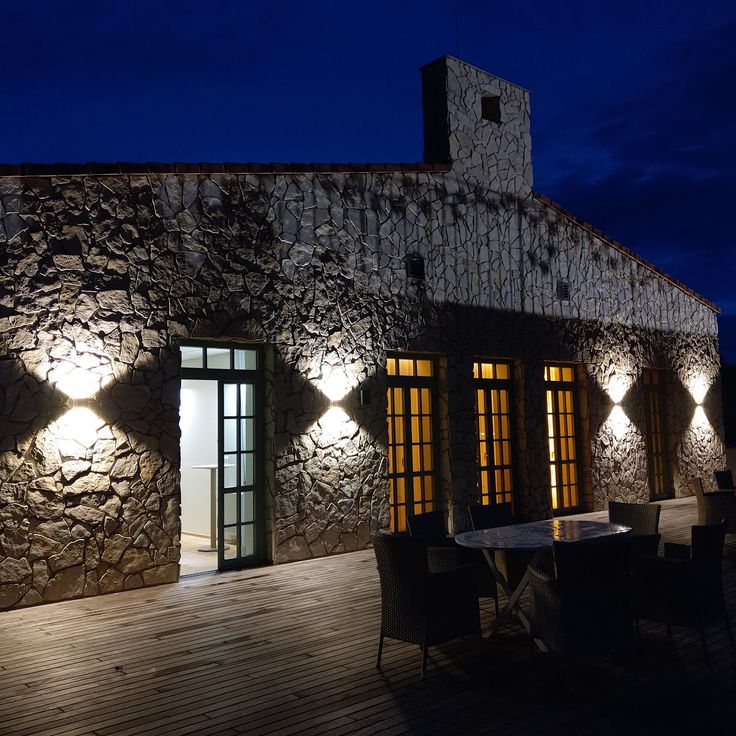
The wine cellars of Archlebov are an important part of South Moravia's cultural heritage, showing the long winemaking tradition of this region. These cellars are carved into the hillside and serve local winemakers in producing and storing wines made from regional grape varieties. The underground chambers provide consistent conditions suited to winemaking.
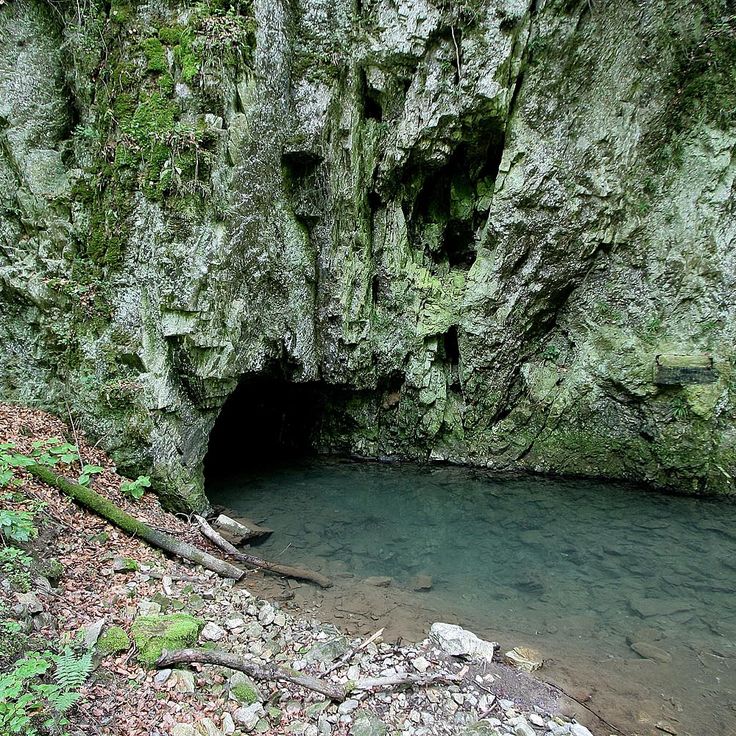
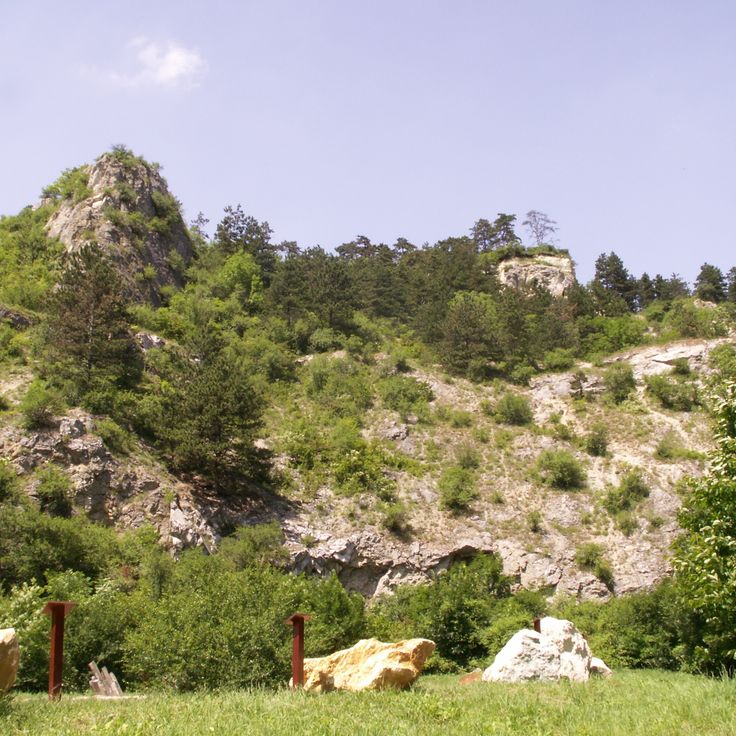
Turold Cave near Mikulov is part of South Moravia's collection of historic sites and natural wonders. This limestone cave extends 50 meters beneath the surface and contains various geological formations, including an underground lake in its deepest sections. Visitors can explore the cave to understand the natural history of the region, which also includes castles like Vranov nad Dyjí and the Archiepiscopal Palace Complex of Kroměříž.
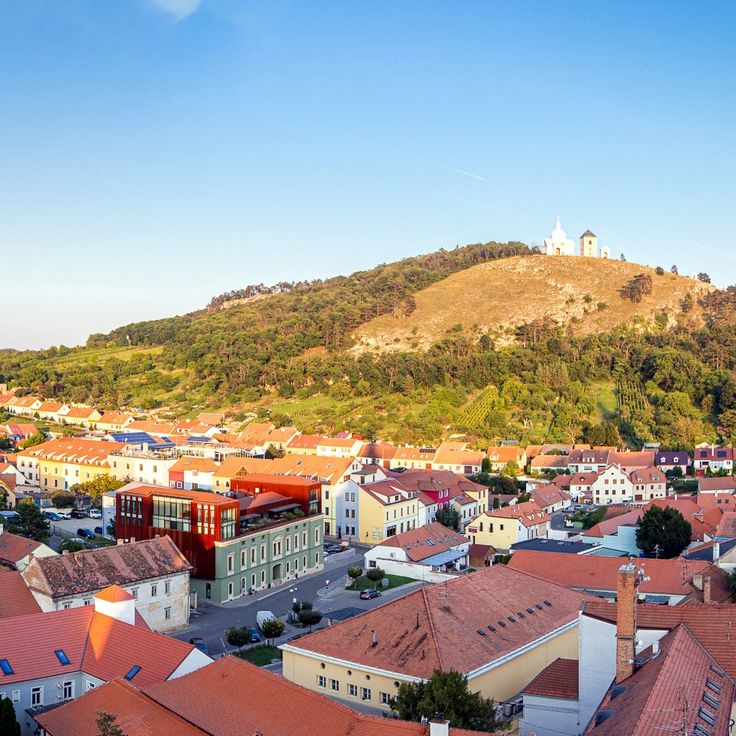
Svatý Kopeček is a limestone hill near Mikulov that rises 363 meters above sea level. At the summit stands a bell tower chapel dedicated to Saint Sebastian. Visitors reach the top by climbing stone stairs. The view from the peak extends across the region. This hill has been a place of pilgrimage for centuries.
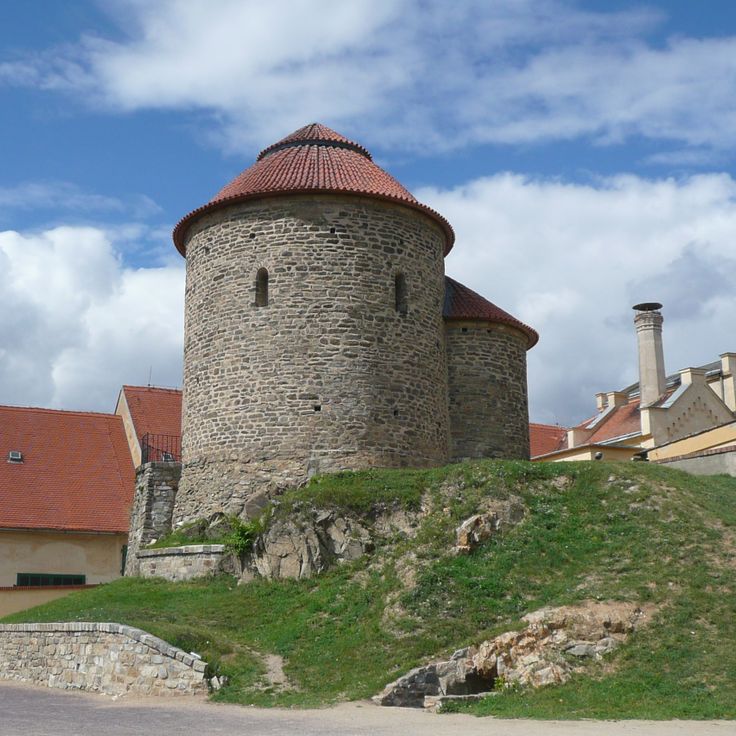
This Romanesque rotunda from the 11th century in Znojmo stands as one of the oldest Christian monuments in Moravia and reflects the region's rich history of castles, caves, and historic sites. The circular structure contains wall paintings depicting members of the Přemyslid dynasty. The Rotunda sv. Kateřiny illustrates how early Christian architecture developed in South Moravia and what artistic works the ruling family commissioned.
The Firefighters Museum Přibyslav is part of this South Moravian collection of historic sites and monuments. This museum displays historical fire engines, equipment, and uniforms spanning from 1850 to the present day. The exhibition shows restored vehicles and documents that tell the story of regional fire brigades throughout the area.
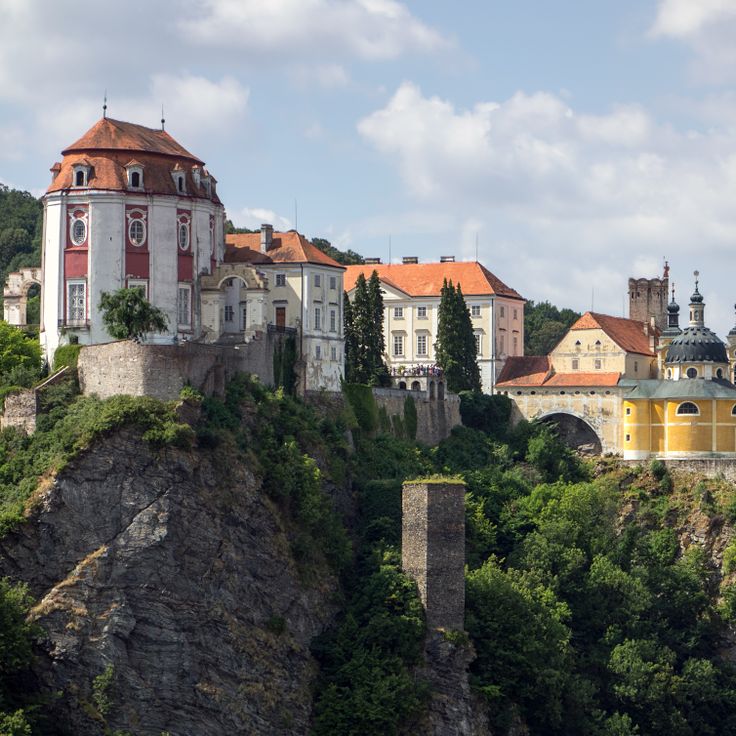
This castle from the 17th century is part of South Moravia's collection of historic sites and castles. It stands 76 meters above the Dyje River on granite rock. The interior features frescoes and period furniture that reflect the time when it was built. An oval hall forms the center of the structure.
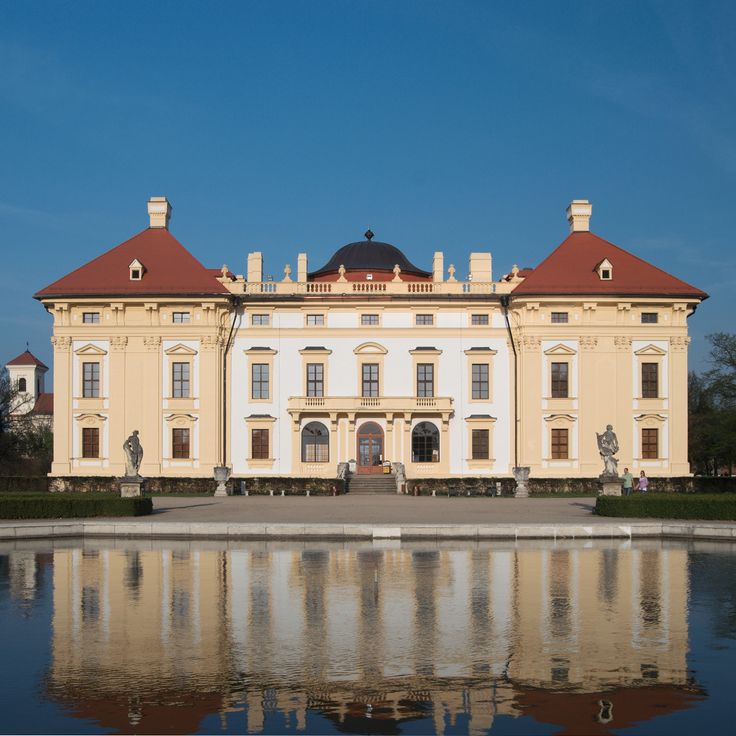
This battlefield from 1805 is where French, Russian and Austrian armies clashed near Slavkov u Brna. Monuments mark the site of this historic conflict. A museum presents the military strategies and equipment used during the battle. Walking through the grounds, visitors can understand how the armies moved and fought. The place tells the story of a significant moment in European history.
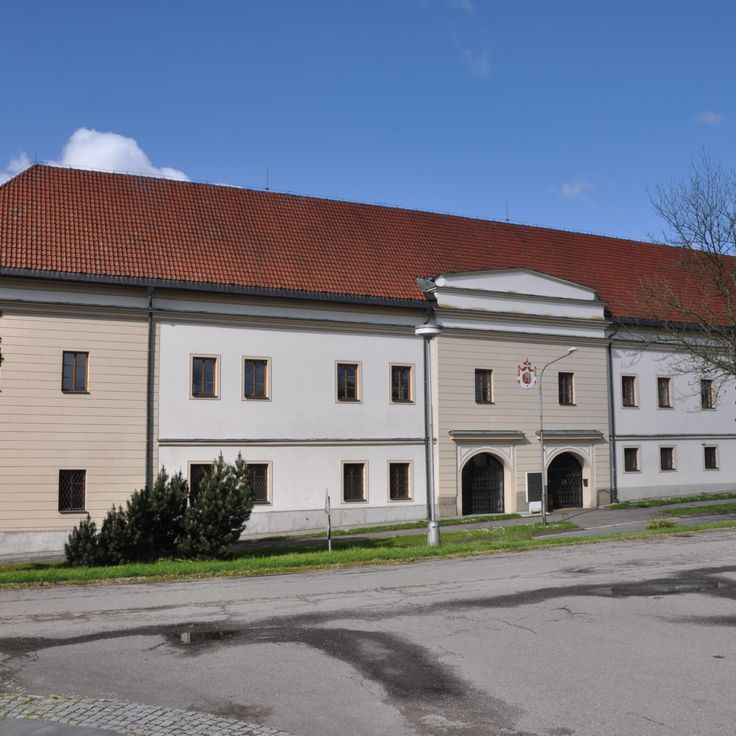
The Archbishop Palace Complex of Kroměříž is part of this region defined by its rich history and cultural treasures. This palace holds a collection of central European paintings, decorated halls with frescoes, and gardens featuring a network of ponds and geometric flower beds. Visitors can walk through the ornate rooms and explore the artistic heritage that reflects centuries of regional development.
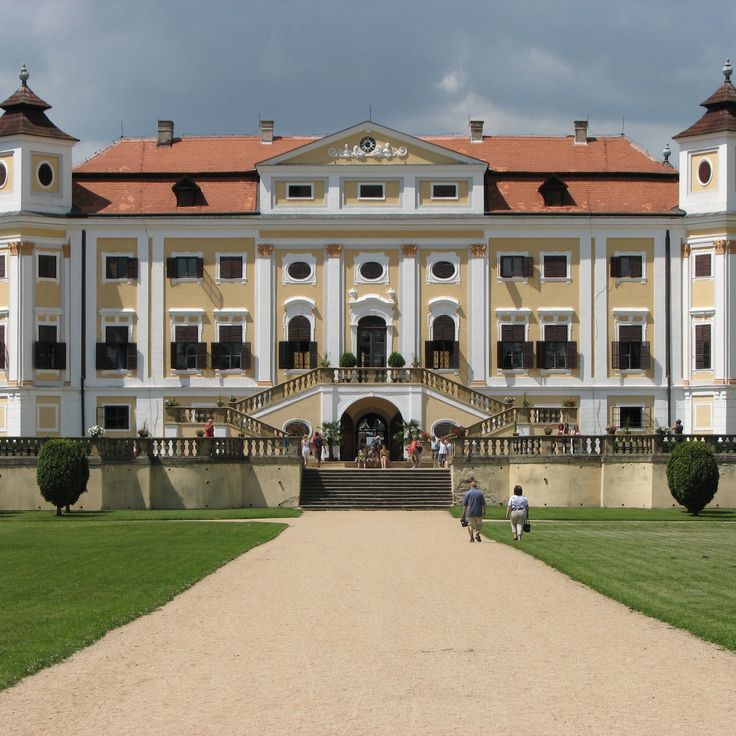
The Milotice Baroque Estate is part of South Moravia's rich collection of historic sites and monuments. The estate displays its original interiors filled with period furniture and artwork. Its French gardens feature statues arranged throughout the grounds. The property also preserves its 18th-century riding school and horse stables, which remain intact from when the estate was at its height of activity.
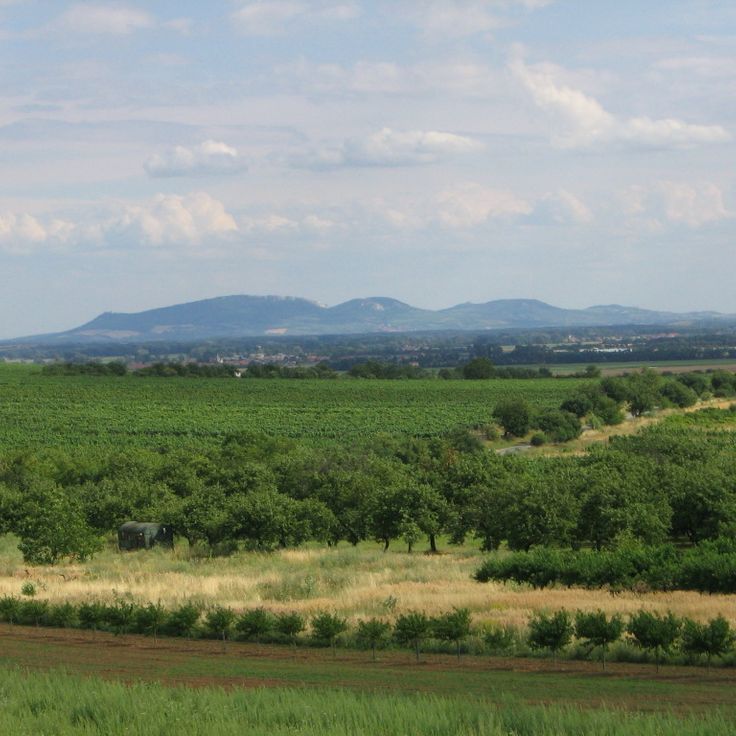
The Pálava Hills are part of this collection of historic sites and natural formations in South Moravia. These hills rise on limestone terrain where ruins of a medieval castle still stand. Hiking trails wind through forests and vineyards, while the hills provide a home for protected plant species and nesting sites for rare birds.
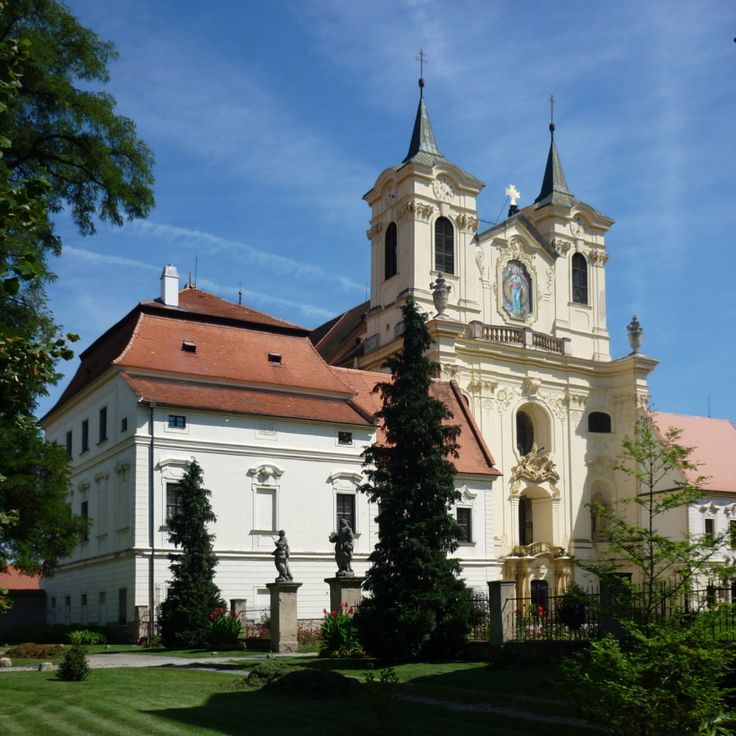
The Rajhrad Monastery fits into this region defined by castles, limestone caves, and historic monuments. Founded in 1048 by Benedictines, it houses an extensive library and a museum dedicated to literature. The current buildings date from 1739 and display Baroque architecture characteristic of the area.
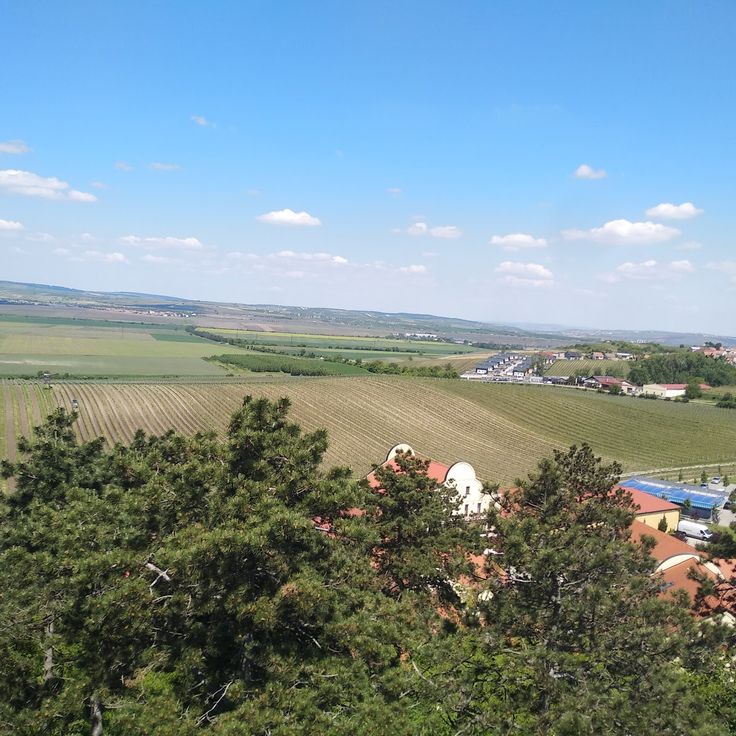
The Strachotín Wine Route is part of the wine-growing traditions that define South Moravia. This route connects local wineries through vineyards and farmland between the villages of Strachotín and Dolní Věstonice. Visitors can walk or bike along the path and see how winemakers tend their crops across the rolling countryside. The route reveals the work and knowledge that go into producing wine in this region, where families have maintained vineyards for generations.
The Libušinka observation tower stands 20 meters tall on the Děvín hill as part of South Moravia's collection of historic sites and natural formations. From its summit, this wooden structure offers views of the Pálava hills and the border line with Austria. The tower complements the castles, caves, and religious buildings throughout the region that reflect centuries of history.
The Technical Museum documents industrial development in this part of South Moravia. The exhibition displays vintage cars, computer technology, steam engines, textile machines, and scientific instruments from the 1800s onward. This collection helps visitors understand how industry shaped the region.
The Moravian Karst is part of this collection of historical sites and natural formations in the region. This underground network contains more than 1100 caves. Four of them are open to visitors and feature underground rivers and limestone formations shaped over millions of years. The Moravian Karst fits naturally with the other historic and natural sights in South Moravia.
This hunting lodge from 1802 is part of the Lednice estate's heritage and stands at the edge of the historic gardens near a lake. The building features a decorative exterior and is furnished inside with pieces from its era. It reflects the traditions of the aristocratic families who shaped this part of South Moravia.
The Hodonín Zoo is part of South Moravia's varied attractions, which blend historic sites, natural formations, and cultural landmarks. This zoo spreads across a large area and displays animals from many parts of the world. Visitors can see seals, monkeys, and large cats in enclosures designed to reflect their natural habitats. The zoo offers a chance to learn about wildlife while enjoying a day outdoors.
The wine cellars of Archlebov are an important part of South Moravia's cultural heritage, showing the long winemaking tradition of this region. These cellars are carved into the hillside and serve local winemakers in producing and storing wines made from regional grape varieties. The underground chambers provide consistent conditions suited to winemaking.
Turold Cave near Mikulov is part of South Moravia's collection of historic sites and natural wonders. This limestone cave extends 50 meters beneath the surface and contains various geological formations, including an underground lake in its deepest sections. Visitors can explore the cave to understand the natural history of the region, which also includes castles like Vranov nad Dyjí and the Archiepiscopal Palace Complex of Kroměříž.
Svatý Kopeček is a limestone hill near Mikulov that rises 363 meters above sea level. At the summit stands a bell tower chapel dedicated to Saint Sebastian. Visitors reach the top by climbing stone stairs. The view from the peak extends across the region. This hill has been a place of pilgrimage for centuries.
This Romanesque rotunda from the 11th century in Znojmo stands as one of the oldest Christian monuments in Moravia and reflects the region's rich history of castles, caves, and historic sites. The circular structure contains wall paintings depicting members of the Přemyslid dynasty. The Rotunda sv. Kateřiny illustrates how early Christian architecture developed in South Moravia and what artistic works the ruling family commissioned.
The Firefighters Museum Přibyslav is part of this South Moravian collection of historic sites and monuments. This museum displays historical fire engines, equipment, and uniforms spanning from 1850 to the present day. The exhibition shows restored vehicles and documents that tell the story of regional fire brigades throughout the area.
This castle from the 17th century is part of South Moravia's collection of historic sites and castles. It stands 76 meters above the Dyje River on granite rock. The interior features frescoes and period furniture that reflect the time when it was built. An oval hall forms the center of the structure.
This battlefield from 1805 is where French, Russian and Austrian armies clashed near Slavkov u Brna. Monuments mark the site of this historic conflict. A museum presents the military strategies and equipment used during the battle. Walking through the grounds, visitors can understand how the armies moved and fought. The place tells the story of a significant moment in European history.
The Archbishop Palace Complex of Kroměříž is part of this region defined by its rich history and cultural treasures. This palace holds a collection of central European paintings, decorated halls with frescoes, and gardens featuring a network of ponds and geometric flower beds. Visitors can walk through the ornate rooms and explore the artistic heritage that reflects centuries of regional development.
The Milotice Baroque Estate is part of South Moravia's rich collection of historic sites and monuments. The estate displays its original interiors filled with period furniture and artwork. Its French gardens feature statues arranged throughout the grounds. The property also preserves its 18th-century riding school and horse stables, which remain intact from when the estate was at its height of activity.
The Pálava Hills are part of this collection of historic sites and natural formations in South Moravia. These hills rise on limestone terrain where ruins of a medieval castle still stand. Hiking trails wind through forests and vineyards, while the hills provide a home for protected plant species and nesting sites for rare birds.
The Rajhrad Monastery fits into this region defined by castles, limestone caves, and historic monuments. Founded in 1048 by Benedictines, it houses an extensive library and a museum dedicated to literature. The current buildings date from 1739 and display Baroque architecture characteristic of the area.
The Strachotín Wine Route is part of the wine-growing traditions that define South Moravia. This route connects local wineries through vineyards and farmland between the villages of Strachotín and Dolní Věstonice. Visitors can walk or bike along the path and see how winemakers tend their crops across the rolling countryside. The route reveals the work and knowledge that go into producing wine in this region, where families have maintained vineyards for generations.
The Libušinka observation tower stands 20 meters tall on the Děvín hill as part of South Moravia's collection of historic sites and natural formations. From its summit, this wooden structure offers views of the Pálava hills and the border line with Austria. The tower complements the castles, caves, and religious buildings throughout the region that reflect centuries of history.
The Technical Museum documents industrial development in this part of South Moravia. The exhibition displays vintage cars, computer technology, steam engines, textile machines, and scientific instruments from the 1800s onward. This collection helps visitors understand how industry shaped the region.
The Moravian Karst is part of this collection of historical sites and natural formations in the region. This underground network contains more than 1100 caves. Four of them are open to visitors and feature underground rivers and limestone formations shaped over millions of years. The Moravian Karst fits naturally with the other historic and natural sights in South Moravia.
This hunting lodge from 1802 is part of the Lednice estate's heritage and stands at the edge of the historic gardens near a lake. The building features a decorative exterior and is furnished inside with pieces from its era. It reflects the traditions of the aristocratic families who shaped this part of South Moravia.
The Hodonín Zoo is part of South Moravia's varied attractions, which blend historic sites, natural formations, and cultural landmarks. This zoo spreads across a large area and displays animals from many parts of the world. Visitors can see seals, monkeys, and large cats in enclosures designed to reflect their natural habitats. The zoo offers a chance to learn about wildlife while enjoying a day outdoors.
The wine cellars of Archlebov are an important part of South Moravia's cultural heritage, showing the long winemaking tradition of this region. These cellars are carved into the hillside and serve local winemakers in producing and storing wines made from regional grape varieties. The underground chambers provide consistent conditions suited to winemaking.
Turold Cave near Mikulov is part of South Moravia's collection of historic sites and natural wonders. This limestone cave extends 50 meters beneath the surface and contains various geological formations, including an underground lake in its deepest sections. Visitors can explore the cave to understand the natural history of the region, which also includes castles like Vranov nad Dyjí and the Archiepiscopal Palace Complex of Kroměříž.
Svatý Kopeček is a limestone hill near Mikulov that rises 363 meters above sea level. At the summit stands a bell tower chapel dedicated to Saint Sebastian. Visitors reach the top by climbing stone stairs. The view from the peak extends across the region. This hill has been a place of pilgrimage for centuries.
This Romanesque rotunda from the 11th century in Znojmo stands as one of the oldest Christian monuments in Moravia and reflects the region's rich history of castles, caves, and historic sites. The circular structure contains wall paintings depicting members of the Přemyslid dynasty. The Rotunda sv. Kateřiny illustrates how early Christian architecture developed in South Moravia and what artistic works the ruling family commissioned.
The Firefighters Museum Přibyslav is part of this South Moravian collection of historic sites and monuments. This museum displays historical fire engines, equipment, and uniforms spanning from 1850 to the present day. The exhibition shows restored vehicles and documents that tell the story of regional fire brigades throughout the area.
This castle from the 17th century is part of South Moravia's collection of historic sites and castles. It stands 76 meters above the Dyje River on granite rock. The interior features frescoes and period furniture that reflect the time when it was built. An oval hall forms the center of the structure.
This battlefield from 1805 is where French, Russian and Austrian armies clashed near Slavkov u Brna. Monuments mark the site of this historic conflict. A museum presents the military strategies and equipment used during the battle. Walking through the grounds, visitors can understand how the armies moved and fought. The place tells the story of a significant moment in European history.
The Archbishop Palace Complex of Kroměříž is part of this region defined by its rich history and cultural treasures. This palace holds a collection of central European paintings, decorated halls with frescoes, and gardens featuring a network of ponds and geometric flower beds. Visitors can walk through the ornate rooms and explore the artistic heritage that reflects centuries of regional development.
The Milotice Baroque Estate is part of South Moravia's rich collection of historic sites and monuments. The estate displays its original interiors filled with period furniture and artwork. Its French gardens feature statues arranged throughout the grounds. The property also preserves its 18th-century riding school and horse stables, which remain intact from when the estate was at its height of activity.
The Pálava Hills are part of this collection of historic sites and natural formations in South Moravia. These hills rise on limestone terrain where ruins of a medieval castle still stand. Hiking trails wind through forests and vineyards, while the hills provide a home for protected plant species and nesting sites for rare birds.
The Rajhrad Monastery fits into this region defined by castles, limestone caves, and historic monuments. Founded in 1048 by Benedictines, it houses an extensive library and a museum dedicated to literature. The current buildings date from 1739 and display Baroque architecture characteristic of the area.
The Strachotín Wine Route is part of the wine-growing traditions that define South Moravia. This route connects local wineries through vineyards and farmland between the villages of Strachotín and Dolní Věstonice. Visitors can walk or bike along the path and see how winemakers tend their crops across the rolling countryside. The route reveals the work and knowledge that go into producing wine in this region, where families have maintained vineyards for generations.
The Libušinka observation tower stands 20 meters tall on the Děvín hill as part of South Moravia's collection of historic sites and natural formations. From its summit, this wooden structure offers views of the Pálava hills and the border line with Austria. The tower complements the castles, caves, and religious buildings throughout the region that reflect centuries of history.
The Technical Museum documents industrial development in this part of South Moravia. The exhibition displays vintage cars, computer technology, steam engines, textile machines, and scientific instruments from the 1800s onward. This collection helps visitors understand how industry shaped the region.
The Moravian Karst is part of this collection of historical sites and natural formations in the region. This underground network contains more than 1100 caves. Four of them are open to visitors and feature underground rivers and limestone formations shaped over millions of years. The Moravian Karst fits naturally with the other historic and natural sights in South Moravia.
South Moravia offers more than castles and caves. Take time to walk through the local vineyards in autumn, when the harvest is busy and you can taste directly at the wine cellars. A suggestion: visit outside the summer months to avoid crowds at the main monuments and enjoy the pace of the area more.