See the monuments around you in AROpen chests in the app
Around Us is built for your phone — point your camera at the streets and discover the monuments and places around you in augmented reality.Around Us is built for your phone — chests unlock when you walk, explore and capture nearby places.
Kosovo presents historical sites from several periods and cultures. Prizren stands out with medieval fortresses and Ottoman mosques that shape the city's character. In Pristina, contemporary buildings exist alongside historical monuments, creating a mix of old and new. The country also has natural features including waterfalls, caves, and valleys. The Newborn Monument in Pristina and Visoki Decani Monastery represent different moments in the country's story. The Patriarchal Monastery of Peć, mosques like the Jashar Pasha, and the National Library reflect various traditions and times. Visitors can see the Clock Tower in Gjilan, hike through Rugova Valley, or explore natural caves like Marble Cave. Museums such as the ethnographic collection in the Emin Gjiku Complex show how people lived and worked. Germia Park offers a place to spend time outdoors, while Mirusha Waterfalls and the Bear Sanctuary display the country's natural side. The Trepca Mines and Zatric Old Village offer glimpses into industrial and rural heritage.
Kosovo presents historical sites from several periods and cultures. Prizren stands out with medieval fortresses and Ottoman mosques that shape the city's character. In Pristina, contemporary buildings exist alongside historical monuments, creating a mix of old and new. The country also has natural features including waterfalls, caves, and valleys. The Newborn Monument in Pristina and Visoki Decani Monastery represent different moments in the country's story. The Patriarchal Monastery of Peć, mosques like the Jashar Pasha, and the National Library reflect various traditions and times. Visitors can see the Clock Tower in Gjilan, hike through Rugova Valley, or explore natural caves like Marble Cave. Museums such as the ethnographic collection in the Emin Gjiku Complex show how people lived and worked. Germia Park offers a place to spend time outdoors, while Mirusha Waterfalls and the Bear Sanctuary display the country's natural side. The Trepca Mines and Zatric Old Village offer glimpses into industrial and rural heritage.
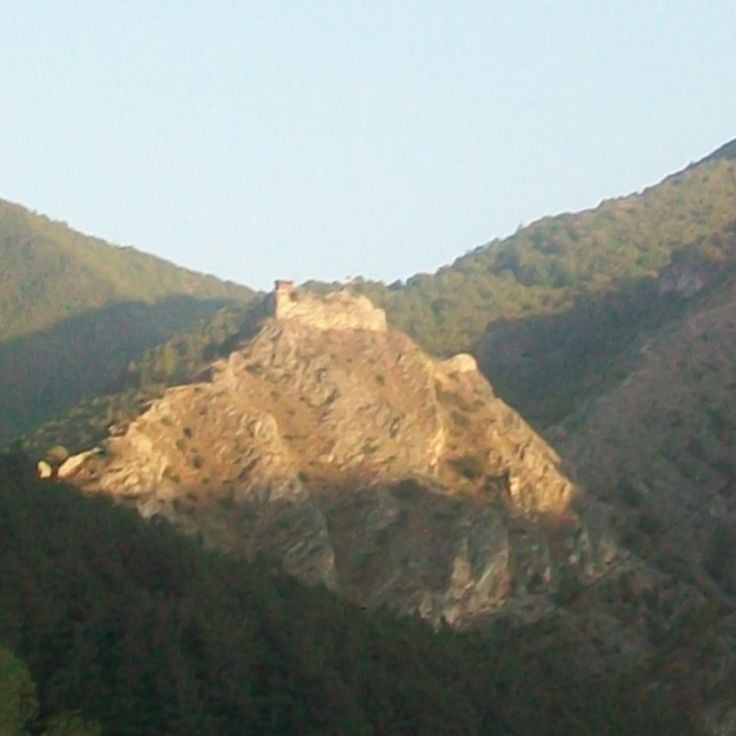
Prizren Fortress is a stone fortification built in the 11th century that sits on a hilltop overlooking the old town. Its original defensive walls still stand and frame the view of the city below. This fortress is part of Kosovo's varied heritage from different periods and cultures, shown in medieval castles and Ottoman mosques.
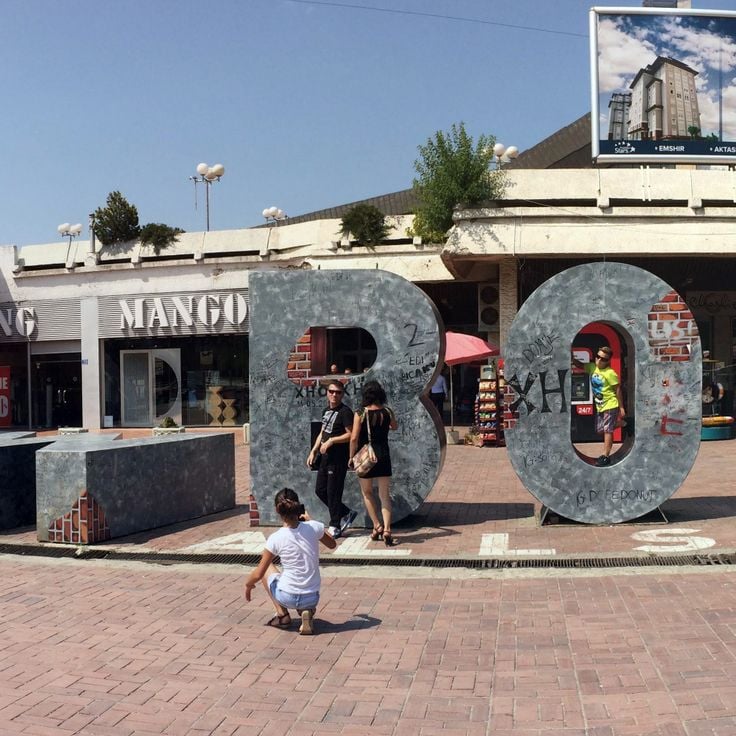
The Newborn Monument in Pristina is a typographic artwork created in 2008. Every year the monument receives a new design that reflects different aspects of Kosovo's history. It stands among historical buildings and modern structures in the city, representing part of Kosovo's blend of medieval sites, Ottoman heritage, and contemporary culture.
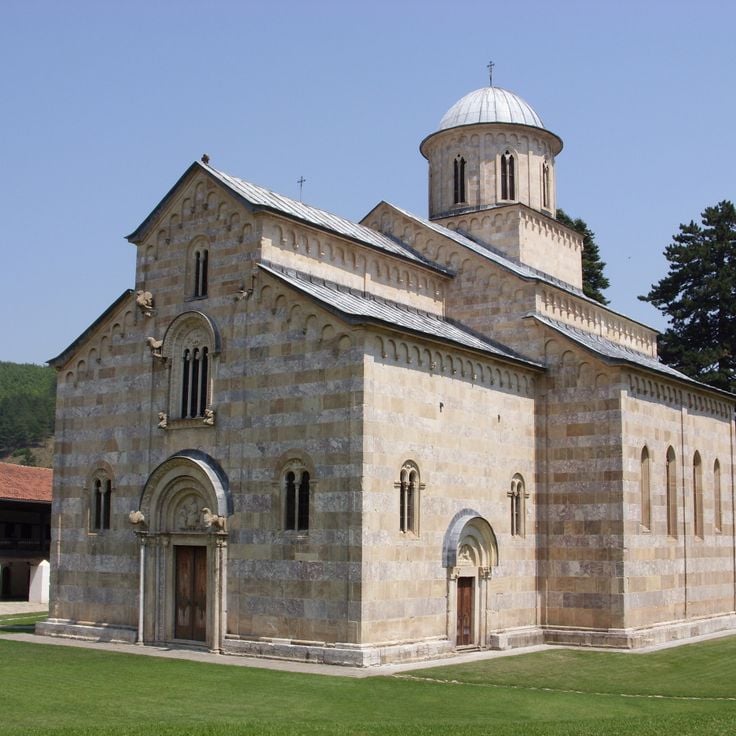
Visoki Decani Monastery is a medieval monastery from the 14th century and part of Kosovo's rich collection of historical sites spanning multiple periods. This complex blends Byzantine wall paintings with Romanesque architectural elements, showing how religious buildings in the region incorporated different styles. The monastery stands alongside other historical locations like the medieval fortresses and Ottoman-era mosques found in Prizren.
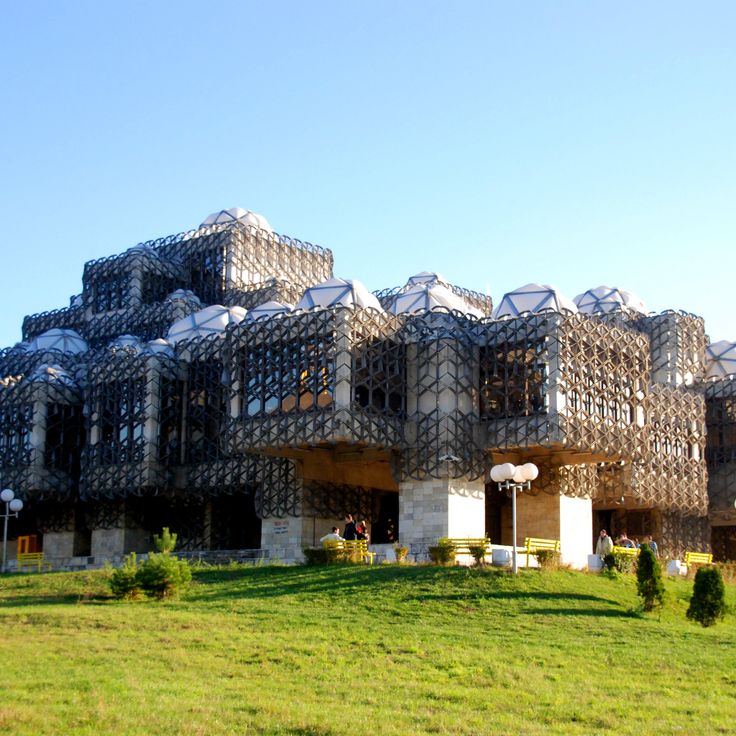
The National Library of Kosovo is a modern building built in 1982 in Pristina. It features geometric domes and houses a large collection of documents. This structure stands alongside historical monuments in the city and represents the contrast between contemporary architecture and the rich heritage of Kosovo, which spans multiple periods.
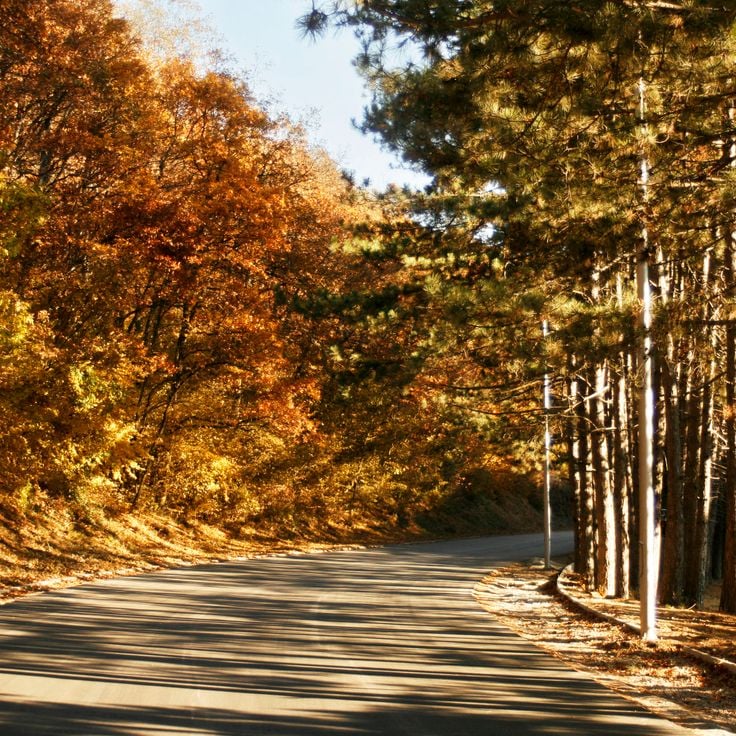
Germia Park in Pristina is a green space that offers forest areas, marked walking paths, and places to relax. The park features an outdoor swimming pool and several restaurants where visitors can eat surrounded by nature. It serves as a place where local people and travelers spend time outdoors. The park fits within the collection of Kosovo historical sites and museums by showing how Pristina combines modern recreational areas with its historical character.
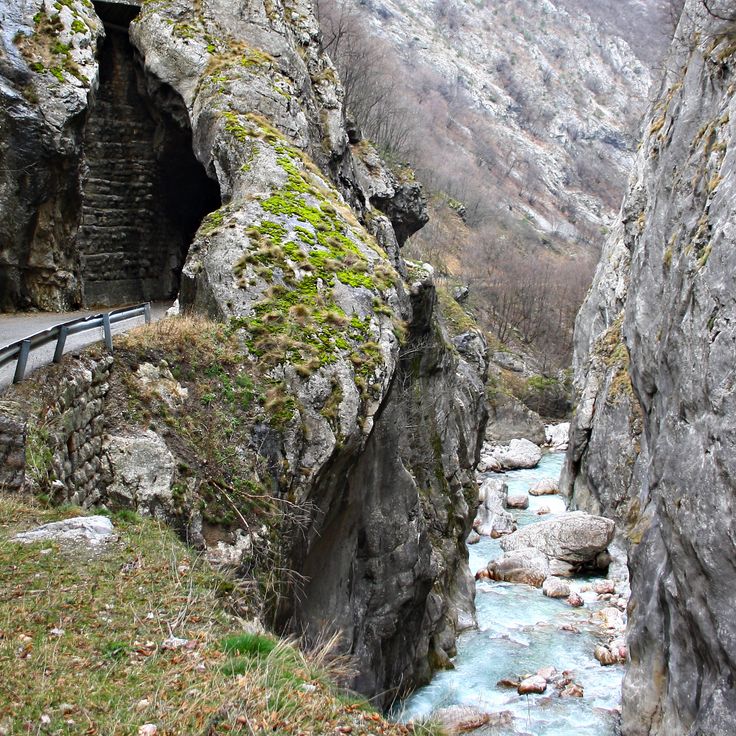
Rugova Valley is one of the natural areas that make up Kosovo's diverse heritage. The valley features mountain trails, caves and traditional villages. In winter, visitors can ski and snowboard on designated slopes. This landscape complements the country's historical sites, from medieval fortresses in Prizren to Ottoman mosques in Pristina.
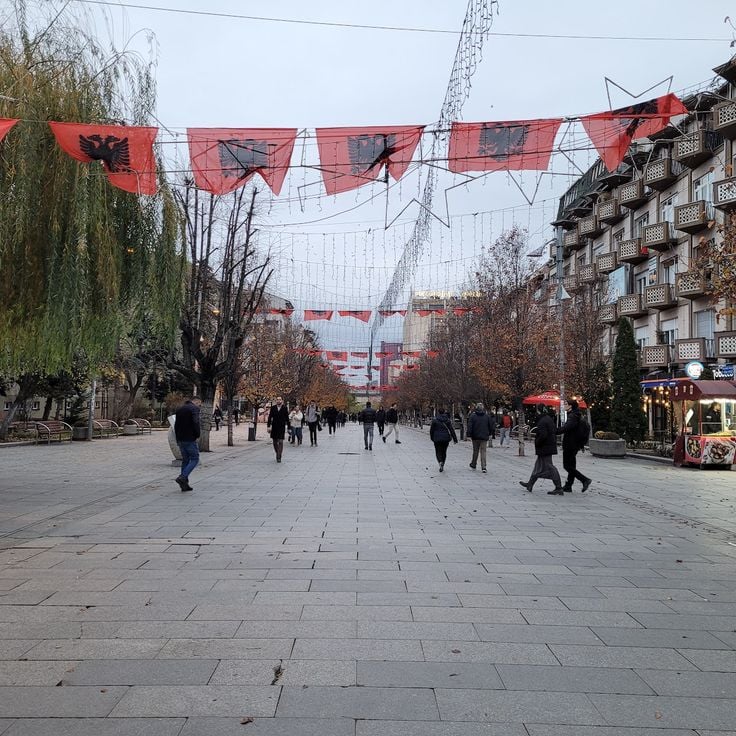
Mother Teresa Boulevard is a main artery of Pristina, Kosovo's capital, named after a figure of humanitarian importance. The street runs through the heart of the city and connects different neighborhoods. Along its length you will find shops, cafes, and gathering spaces where people spend their time. A statue dedicated to Mother Teresa stands here, marking the street as a place of remembrance. The boulevard is part of the modern face of Pristina, showing how the city has developed and how residents and visitors move through their daily lives.
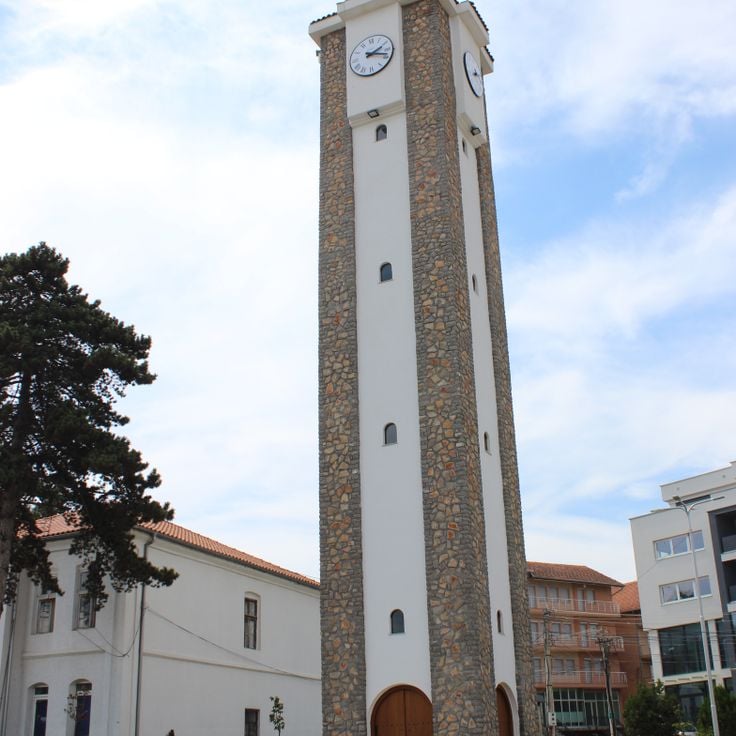
The Gjilan Clock Tower is a stone structure from the 19th century located in the city center. As part of Kosovo's historical sites, this tower served as a reference point for travelers and merchants passing through the region. The building reflects the architectural heritage of a place where medieval fortresses and Ottoman mosques coexist with modern development.
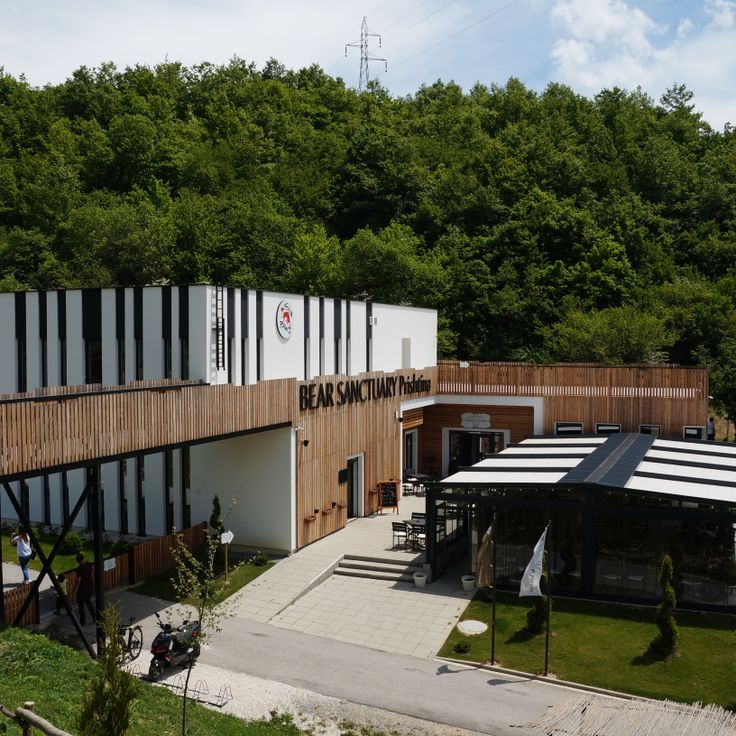
The Bear Sanctuary Prishtina rescues bears from private captivity across Kosovo and neighboring countries. This facility provides medical care and rehabilitation to help these animals recover. It represents a modern approach to wildlife protection within Kosovo's mix of historical sites and natural areas.
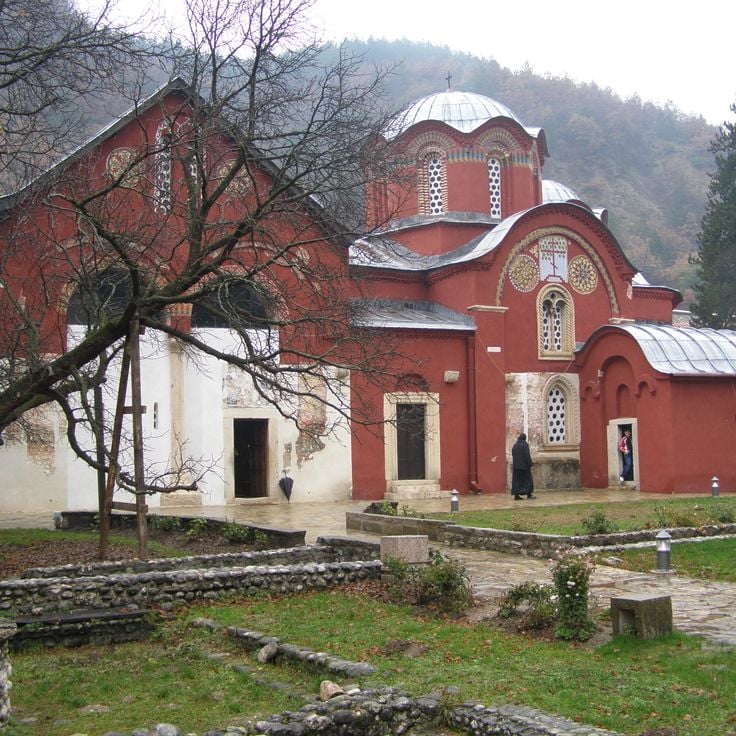
The Patriarchal Monastery of Peć is a 13th-century monastery and part of Kosovo's collection of historical sites spanning multiple periods. It houses medieval frescoes and serves as the seat of the Serbian Orthodox Church. The monastery demonstrates the country's religious heritage alongside other historical locations such as the medieval fortresses and Ottoman mosques found in Prizren.
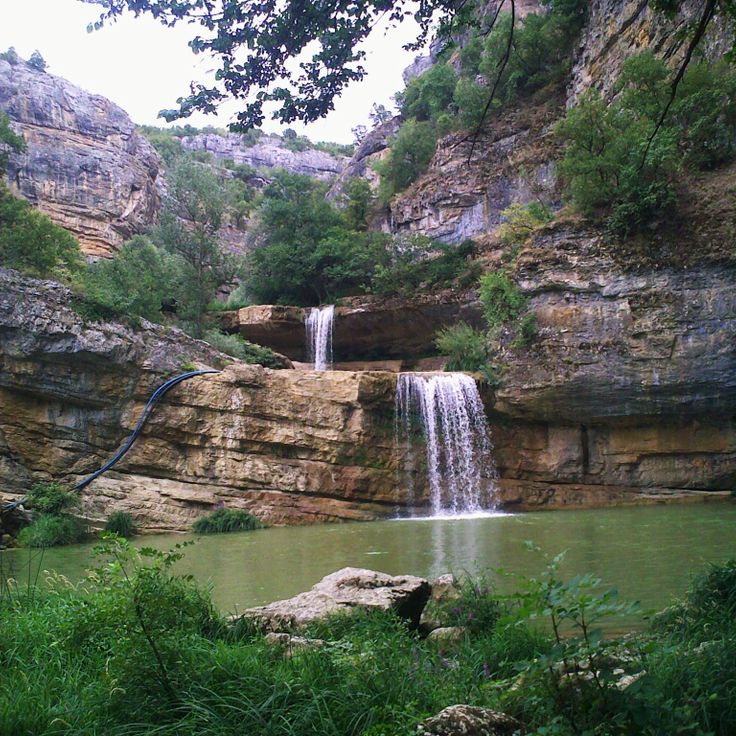
The Mirusha Waterfalls are part of Kosovo's diverse natural landscape, complementing the country's historical sites such as the medieval fortresses in Prizren and modern buildings standing alongside historical monuments in Pristina. The river forms 13 pools with waterfalls between them, reaching heights of 22 meters.
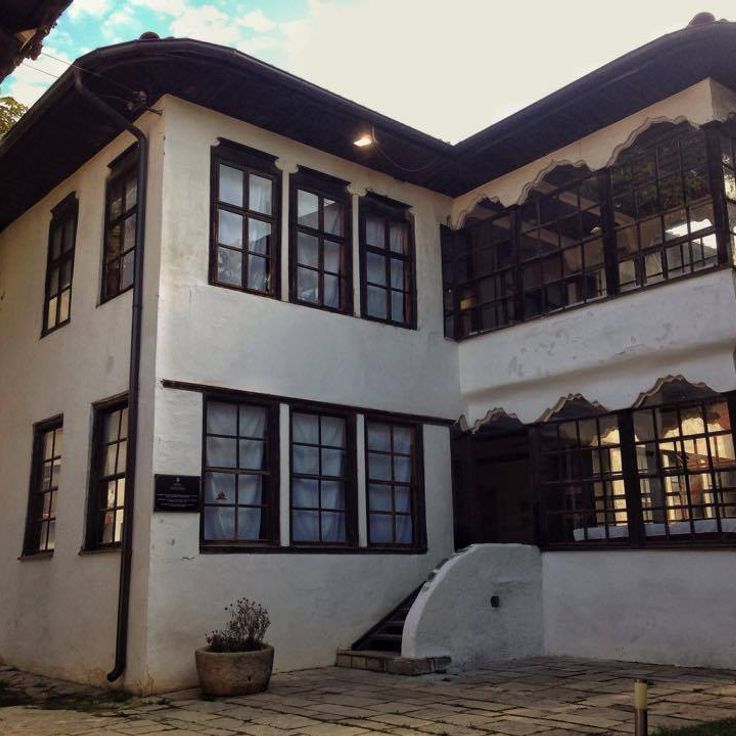
The Ethnographic Museum in the Emin Gjiku Complex displays household items, tools, clothing, and furniture from the 18th and 19th centuries. These objects show how people lived in the Kosovo region during these periods. The museum fits into Pristina's role in the country's wider historical landscape, where modern buildings stand alongside historical monuments.
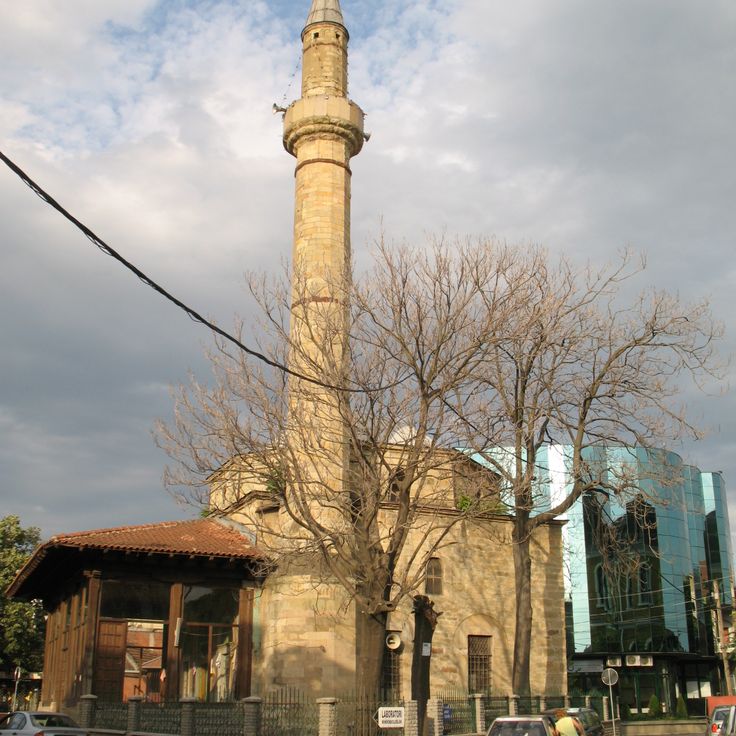
This mosque in Prizren is a 16th-century religious building and part of Kosovo's historical sites spanning multiple periods. It features a large prayer hall with walls decorated in Islamic calligraphy and geometric patterns. The mosque stands alongside medieval fortresses, demonstrating how the city blends architectural styles and religious traditions.
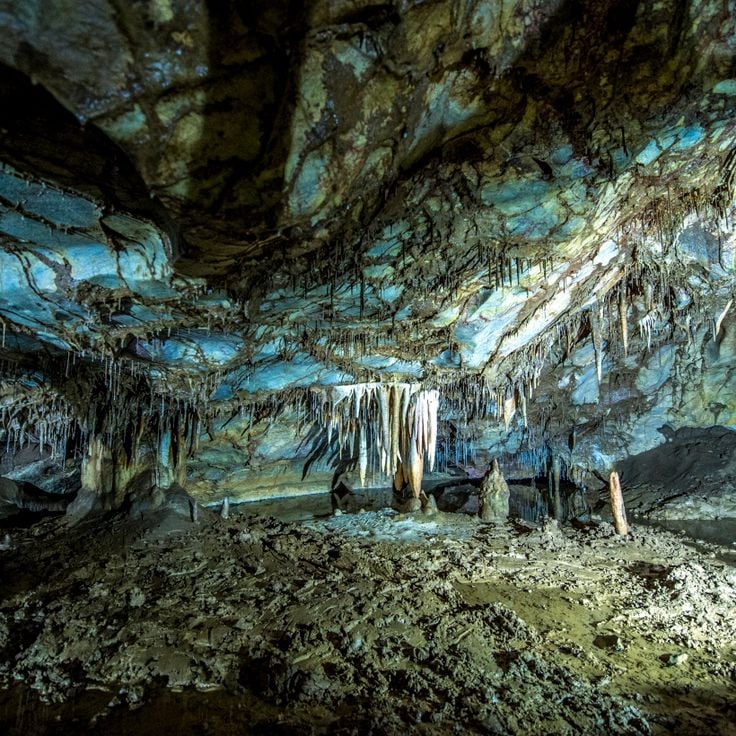
The Marble Cave is a natural underground formation located in Kosovo and forms part of the country's historical sites and natural areas. This cave features white marble walls that extend for several hundred meters underground. Inside, mineral formations and underground water streams create a distinctive environment. The cave represents the natural heritage that complements Kosovo's medieval fortresses in Prizren, Ottoman mosques, and modern structures in Pristina.
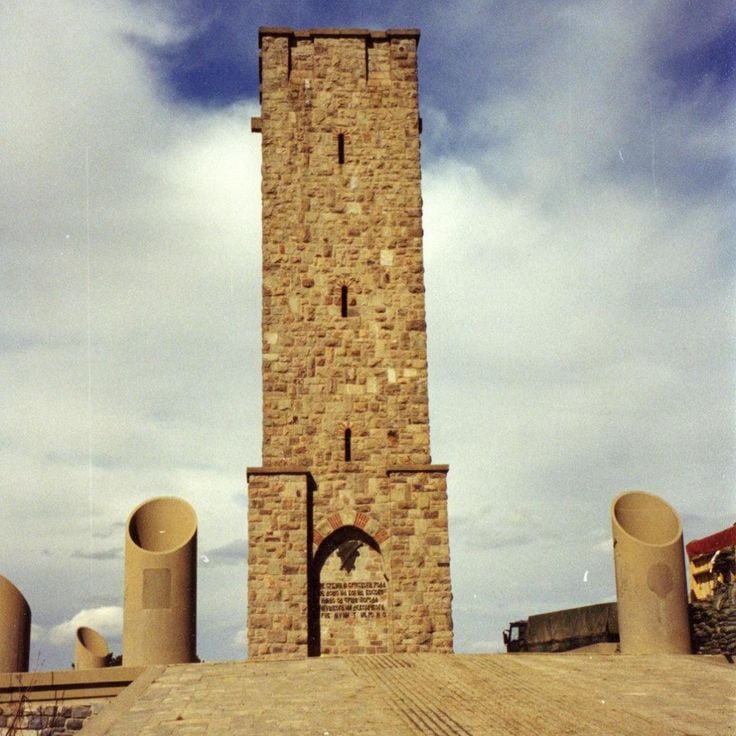
The Gazimestan Monument in Pristina is part of Kosovo's collection of historical sites spanning multiple periods. This medieval battle memorial stands 25 meters tall and serves as a reminder of significant events from the past. An observation platform at the top offers views of the Kosovo Field, a historically important site where major events unfolded centuries ago.
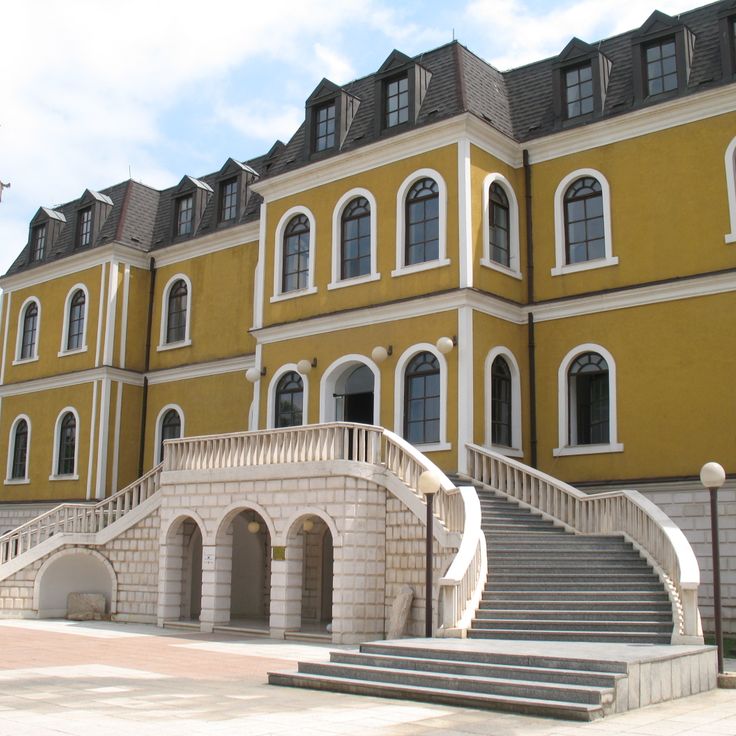
The National Museum of Kosovo in Pristina is the main historical museum in the country. It displays objects from many periods, from prehistory to recent times. The collections show how people lived, what they made, and how the region changed over the centuries. For anyone curious about Kosovo's past, this museum is a good starting point.
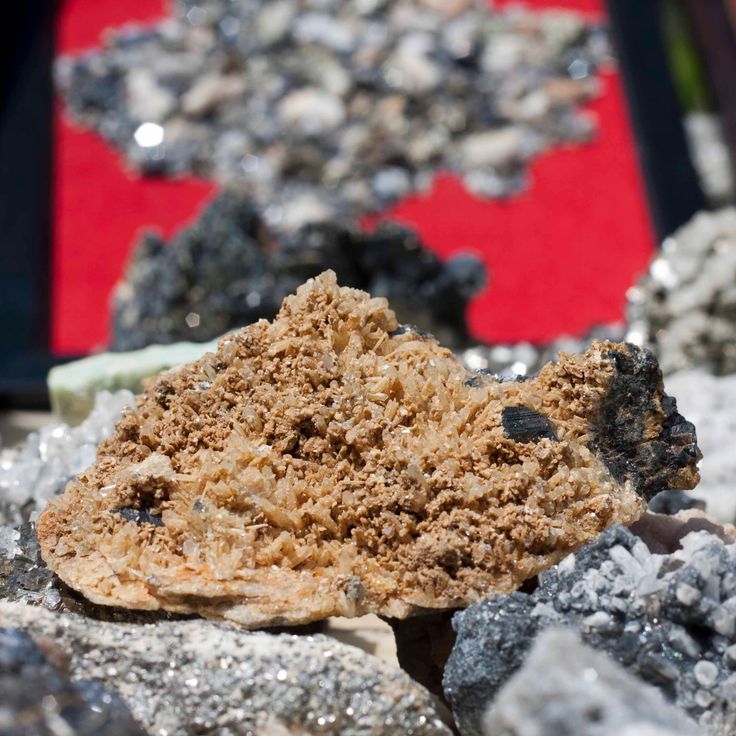
The Trepca Mines are part of Kosovo's rich history of industrial development. This complex features mining shafts and mineral processing facilities that have extracted lead, zinc, and other minerals since the 13th century. The site shows how mining shaped the region and held economic importance. Visitors can see the technical structures and equipment used over the centuries.
Zatric is an old village that is part of Kosovo's historical sites and museums collection. The village features stone houses built in regional historical style and characteristic streets. Zatric sits among the wine cultivation areas of Rahovec, offering a glimpse into rural architecture and ways of life from earlier times, much like the medieval fortresses and Ottoman mosques found in Prizren.
Prizren Fortress is a stone fortification built in the 11th century that sits on a hilltop overlooking the old town. Its original defensive walls still stand and frame the view of the city below. This fortress is part of Kosovo's varied heritage from different periods and cultures, shown in medieval castles and Ottoman mosques.
The Newborn Monument in Pristina is a typographic artwork created in 2008. Every year the monument receives a new design that reflects different aspects of Kosovo's history. It stands among historical buildings and modern structures in the city, representing part of Kosovo's blend of medieval sites, Ottoman heritage, and contemporary culture.
Visoki Decani Monastery is a medieval monastery from the 14th century and part of Kosovo's rich collection of historical sites spanning multiple periods. This complex blends Byzantine wall paintings with Romanesque architectural elements, showing how religious buildings in the region incorporated different styles. The monastery stands alongside other historical locations like the medieval fortresses and Ottoman-era mosques found in Prizren.
The National Library of Kosovo is a modern building built in 1982 in Pristina. It features geometric domes and houses a large collection of documents. This structure stands alongside historical monuments in the city and represents the contrast between contemporary architecture and the rich heritage of Kosovo, which spans multiple periods.
Germia Park in Pristina is a green space that offers forest areas, marked walking paths, and places to relax. The park features an outdoor swimming pool and several restaurants where visitors can eat surrounded by nature. It serves as a place where local people and travelers spend time outdoors. The park fits within the collection of Kosovo historical sites and museums by showing how Pristina combines modern recreational areas with its historical character.
Rugova Valley is one of the natural areas that make up Kosovo's diverse heritage. The valley features mountain trails, caves and traditional villages. In winter, visitors can ski and snowboard on designated slopes. This landscape complements the country's historical sites, from medieval fortresses in Prizren to Ottoman mosques in Pristina.
Mother Teresa Boulevard is a main artery of Pristina, Kosovo's capital, named after a figure of humanitarian importance. The street runs through the heart of the city and connects different neighborhoods. Along its length you will find shops, cafes, and gathering spaces where people spend their time. A statue dedicated to Mother Teresa stands here, marking the street as a place of remembrance. The boulevard is part of the modern face of Pristina, showing how the city has developed and how residents and visitors move through their daily lives.
The Gjilan Clock Tower is a stone structure from the 19th century located in the city center. As part of Kosovo's historical sites, this tower served as a reference point for travelers and merchants passing through the region. The building reflects the architectural heritage of a place where medieval fortresses and Ottoman mosques coexist with modern development.
The Bear Sanctuary Prishtina rescues bears from private captivity across Kosovo and neighboring countries. This facility provides medical care and rehabilitation to help these animals recover. It represents a modern approach to wildlife protection within Kosovo's mix of historical sites and natural areas.
The Patriarchal Monastery of Peć is a 13th-century monastery and part of Kosovo's collection of historical sites spanning multiple periods. It houses medieval frescoes and serves as the seat of the Serbian Orthodox Church. The monastery demonstrates the country's religious heritage alongside other historical locations such as the medieval fortresses and Ottoman mosques found in Prizren.
The Mirusha Waterfalls are part of Kosovo's diverse natural landscape, complementing the country's historical sites such as the medieval fortresses in Prizren and modern buildings standing alongside historical monuments in Pristina. The river forms 13 pools with waterfalls between them, reaching heights of 22 meters.
The Ethnographic Museum in the Emin Gjiku Complex displays household items, tools, clothing, and furniture from the 18th and 19th centuries. These objects show how people lived in the Kosovo region during these periods. The museum fits into Pristina's role in the country's wider historical landscape, where modern buildings stand alongside historical monuments.
This mosque in Prizren is a 16th-century religious building and part of Kosovo's historical sites spanning multiple periods. It features a large prayer hall with walls decorated in Islamic calligraphy and geometric patterns. The mosque stands alongside medieval fortresses, demonstrating how the city blends architectural styles and religious traditions.
The Marble Cave is a natural underground formation located in Kosovo and forms part of the country's historical sites and natural areas. This cave features white marble walls that extend for several hundred meters underground. Inside, mineral formations and underground water streams create a distinctive environment. The cave represents the natural heritage that complements Kosovo's medieval fortresses in Prizren, Ottoman mosques, and modern structures in Pristina.
The Gazimestan Monument in Pristina is part of Kosovo's collection of historical sites spanning multiple periods. This medieval battle memorial stands 25 meters tall and serves as a reminder of significant events from the past. An observation platform at the top offers views of the Kosovo Field, a historically important site where major events unfolded centuries ago.
The National Museum of Kosovo in Pristina is the main historical museum in the country. It displays objects from many periods, from prehistory to recent times. The collections show how people lived, what they made, and how the region changed over the centuries. For anyone curious about Kosovo's past, this museum is a good starting point.
The Trepca Mines are part of Kosovo's rich history of industrial development. This complex features mining shafts and mineral processing facilities that have extracted lead, zinc, and other minerals since the 13th century. The site shows how mining shaped the region and held economic importance. Visitors can see the technical structures and equipment used over the centuries.
Zatric is an old village that is part of Kosovo's historical sites and museums collection. The village features stone houses built in regional historical style and characteristic streets. Zatric sits among the wine cultivation areas of Rahovec, offering a glimpse into rural architecture and ways of life from earlier times, much like the medieval fortresses and Ottoman mosques found in Prizren.
Prizren Fortress is a stone fortification built in the 11th century that sits on a hilltop overlooking the old town. Its original defensive walls still stand and frame the view of the city below. This fortress is part of Kosovo's varied heritage from different periods and cultures, shown in medieval castles and Ottoman mosques.
The Newborn Monument in Pristina is a typographic artwork created in 2008. Every year the monument receives a new design that reflects different aspects of Kosovo's history. It stands among historical buildings and modern structures in the city, representing part of Kosovo's blend of medieval sites, Ottoman heritage, and contemporary culture.
Visoki Decani Monastery is a medieval monastery from the 14th century and part of Kosovo's rich collection of historical sites spanning multiple periods. This complex blends Byzantine wall paintings with Romanesque architectural elements, showing how religious buildings in the region incorporated different styles. The monastery stands alongside other historical locations like the medieval fortresses and Ottoman-era mosques found in Prizren.
The National Library of Kosovo is a modern building built in 1982 in Pristina. It features geometric domes and houses a large collection of documents. This structure stands alongside historical monuments in the city and represents the contrast between contemporary architecture and the rich heritage of Kosovo, which spans multiple periods.
Germia Park in Pristina is a green space that offers forest areas, marked walking paths, and places to relax. The park features an outdoor swimming pool and several restaurants where visitors can eat surrounded by nature. It serves as a place where local people and travelers spend time outdoors. The park fits within the collection of Kosovo historical sites and museums by showing how Pristina combines modern recreational areas with its historical character.
Rugova Valley is one of the natural areas that make up Kosovo's diverse heritage. The valley features mountain trails, caves and traditional villages. In winter, visitors can ski and snowboard on designated slopes. This landscape complements the country's historical sites, from medieval fortresses in Prizren to Ottoman mosques in Pristina.
Mother Teresa Boulevard is a main artery of Pristina, Kosovo's capital, named after a figure of humanitarian importance. The street runs through the heart of the city and connects different neighborhoods. Along its length you will find shops, cafes, and gathering spaces where people spend their time. A statue dedicated to Mother Teresa stands here, marking the street as a place of remembrance. The boulevard is part of the modern face of Pristina, showing how the city has developed and how residents and visitors move through their daily lives.
The Gjilan Clock Tower is a stone structure from the 19th century located in the city center. As part of Kosovo's historical sites, this tower served as a reference point for travelers and merchants passing through the region. The building reflects the architectural heritage of a place where medieval fortresses and Ottoman mosques coexist with modern development.
The Bear Sanctuary Prishtina rescues bears from private captivity across Kosovo and neighboring countries. This facility provides medical care and rehabilitation to help these animals recover. It represents a modern approach to wildlife protection within Kosovo's mix of historical sites and natural areas.
The Patriarchal Monastery of Peć is a 13th-century monastery and part of Kosovo's collection of historical sites spanning multiple periods. It houses medieval frescoes and serves as the seat of the Serbian Orthodox Church. The monastery demonstrates the country's religious heritage alongside other historical locations such as the medieval fortresses and Ottoman mosques found in Prizren.
The Mirusha Waterfalls are part of Kosovo's diverse natural landscape, complementing the country's historical sites such as the medieval fortresses in Prizren and modern buildings standing alongside historical monuments in Pristina. The river forms 13 pools with waterfalls between them, reaching heights of 22 meters.
The Ethnographic Museum in the Emin Gjiku Complex displays household items, tools, clothing, and furniture from the 18th and 19th centuries. These objects show how people lived in the Kosovo region during these periods. The museum fits into Pristina's role in the country's wider historical landscape, where modern buildings stand alongside historical monuments.
This mosque in Prizren is a 16th-century religious building and part of Kosovo's historical sites spanning multiple periods. It features a large prayer hall with walls decorated in Islamic calligraphy and geometric patterns. The mosque stands alongside medieval fortresses, demonstrating how the city blends architectural styles and religious traditions.
The Marble Cave is a natural underground formation located in Kosovo and forms part of the country's historical sites and natural areas. This cave features white marble walls that extend for several hundred meters underground. Inside, mineral formations and underground water streams create a distinctive environment. The cave represents the natural heritage that complements Kosovo's medieval fortresses in Prizren, Ottoman mosques, and modern structures in Pristina.
The Gazimestan Monument in Pristina is part of Kosovo's collection of historical sites spanning multiple periods. This medieval battle memorial stands 25 meters tall and serves as a reminder of significant events from the past. An observation platform at the top offers views of the Kosovo Field, a historically important site where major events unfolded centuries ago.
The National Museum of Kosovo in Pristina is the main historical museum in the country. It displays objects from many periods, from prehistory to recent times. The collections show how people lived, what they made, and how the region changed over the centuries. For anyone curious about Kosovo's past, this museum is a good starting point.
The Trepca Mines are part of Kosovo's rich history of industrial development. This complex features mining shafts and mineral processing facilities that have extracted lead, zinc, and other minerals since the 13th century. The site shows how mining shaped the region and held economic importance. Visitors can see the technical structures and equipment used over the centuries.
Zatric is an old village that is part of Kosovo's historical sites and museums collection. The village features stone houses built in regional historical style and characteristic streets. Zatric sits among the wine cultivation areas of Rahovec, offering a glimpse into rural architecture and ways of life from earlier times, much like the medieval fortresses and Ottoman mosques found in Prizren.