In the city center or by the river, Châteauroux offers history, culture, and outdoor relaxation.
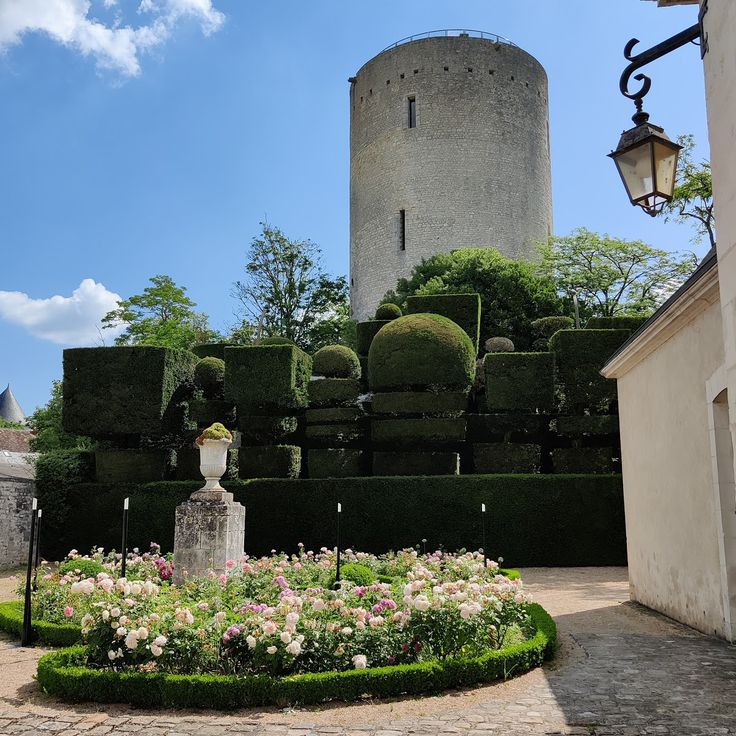
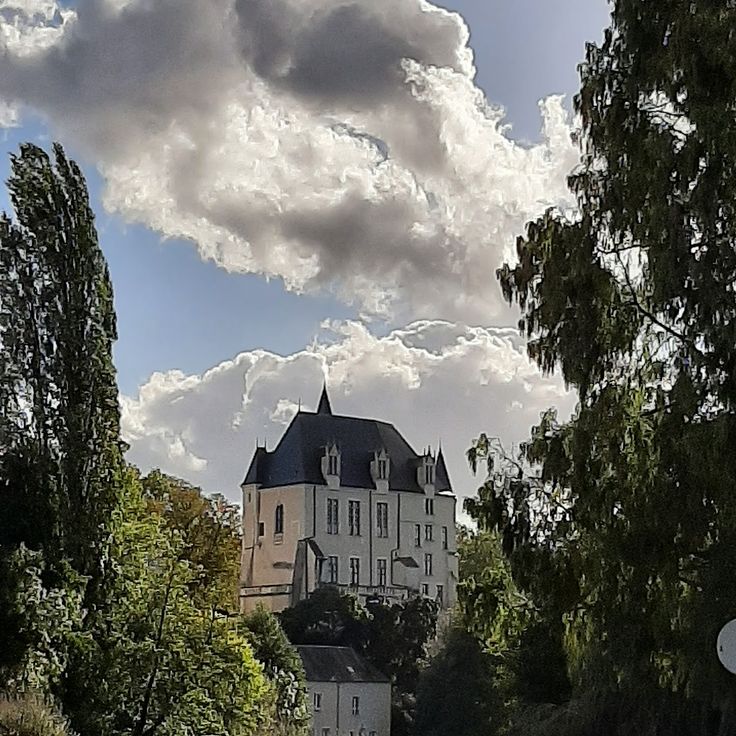
Châteauroux features architectural heritage reflecting its medieval and religious past. The Château Raoul, a 10th-century fortress located on the heights above the Indre river, is next to the Cordeliers Convent, a 13th-century Franciscan building now used for contemporary art exhibitions. History enthusiasts will also enjoy the Hôtel Bertrand Museum, the former residence of General Bertrand with Napoleonic collections, and the US Air Force Museum, which traces American military presence in the city between 1951 and 1967.
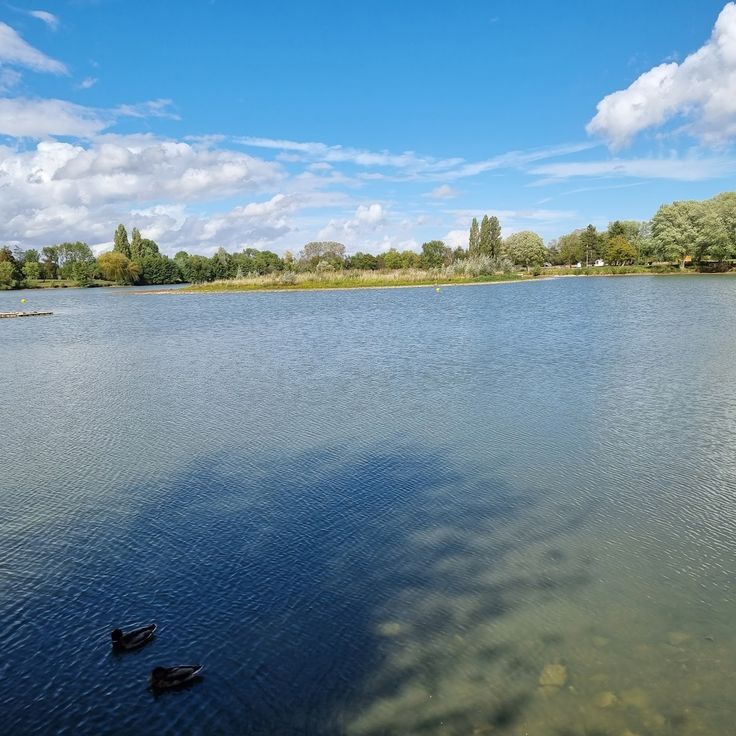
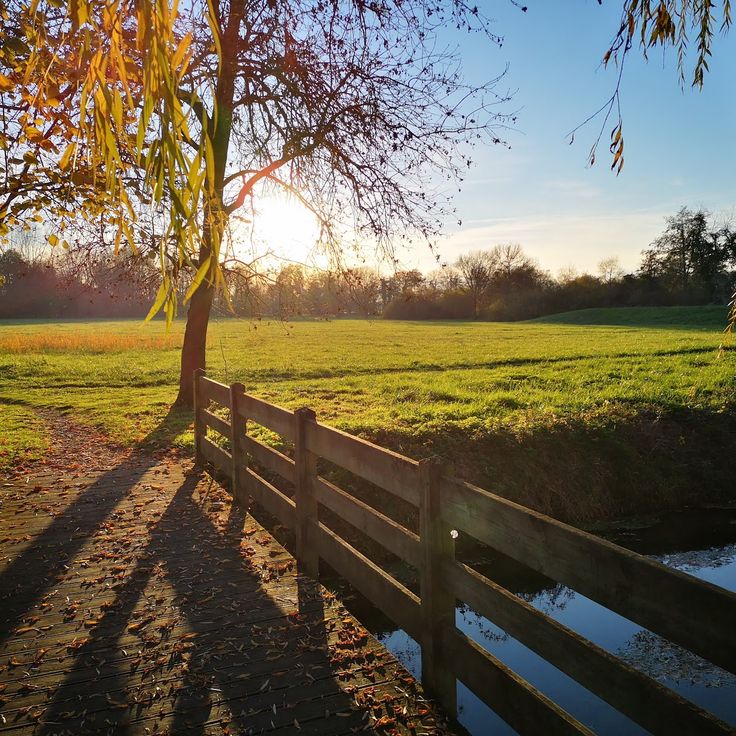
The city combines this historic heritage with leisure spaces accessible to families. The Belle Isle Leisure Base spans 18 hectares around a pond and features sports fields and playgrounds. The Public Garden, a four-hectare park in the city center, offers flowering lawns and shaded areas. The 19th-century market halls host a market where local products and specialties are showcased. Between Roman monuments like the Saint-André Church from the 12th century and modern recreational facilities, Châteauroux invites exploration of different facets of Berry.
In the city center or by the river, Châteauroux offers history, culture, and outdoor relaxation.
Châteauroux features architectural heritage reflecting its medieval and religious past. The Château Raoul, a 10th-century fortress located on the heights above the Indre river, is next to the Cordeliers Convent, a 13th-century Franciscan building now used for contemporary art exhibitions. History enthusiasts will also enjoy the Hôtel Bertrand Museum, the former residence of General Bertrand with Napoleonic collections, and the US Air Force Museum, which traces American military presence in the city between 1951 and 1967.
The city combines this historic heritage with leisure spaces accessible to families. The Belle Isle Leisure Base spans 18 hectares around a pond and features sports fields and playgrounds. The Public Garden, a four-hectare park in the city center, offers flowering lawns and shaded areas. The 19th-century market halls host a market where local products and specialties are showcased. Between Roman monuments like the Saint-André Church from the 12th century and modern recreational facilities, Châteauroux invites exploration of different facets of Berry.
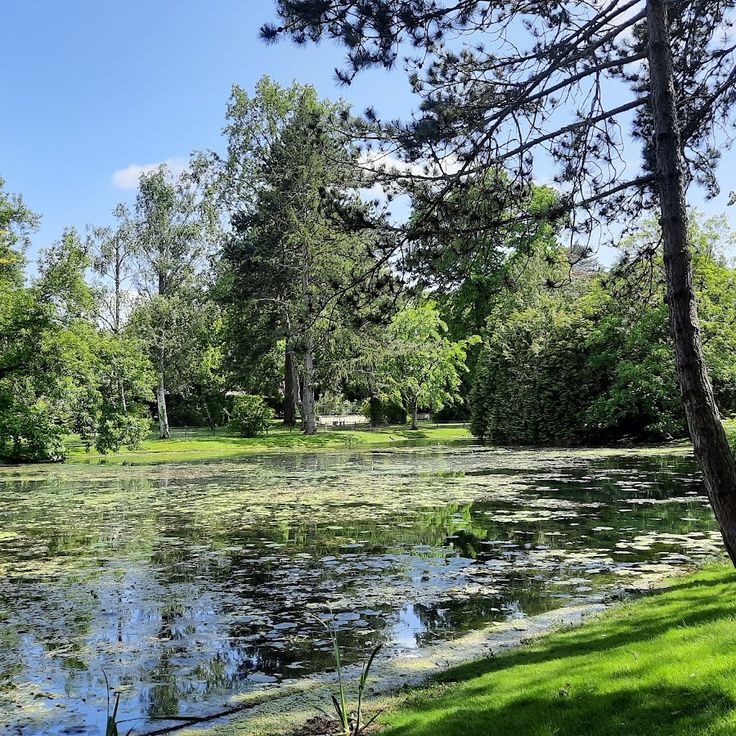
The Belle Isle Recreation Base in Châteauroux is an 18-hectare park with a pond, sports fields, playgrounds, paths for walking and jogging, and outdoor dining areas beneath trees. It forms part of the city's tourism offerings, which combines historic monuments like Château Raoul and the Cordeliers Convent with recreational spaces designed for families.
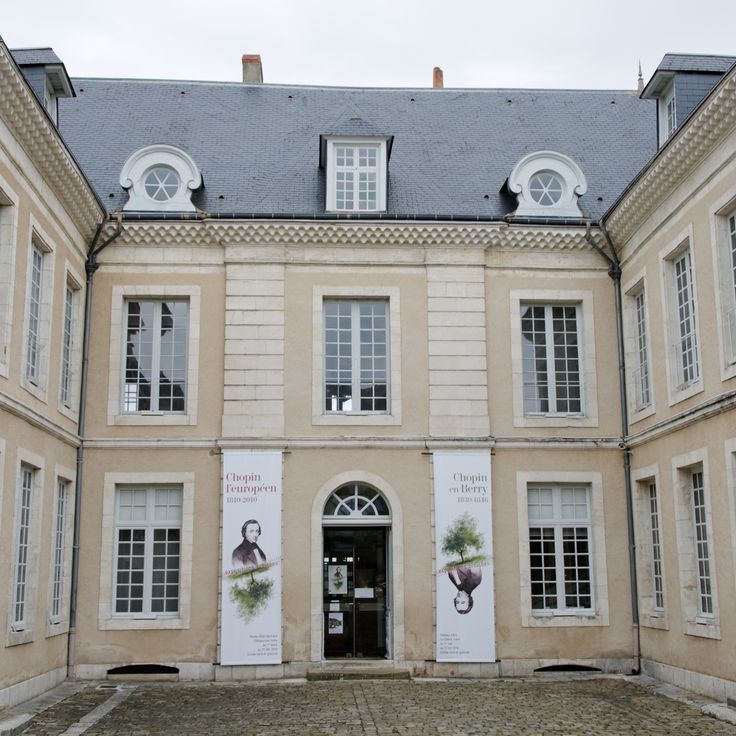
The Musée Hôtel Bertrand in Châteauroux showcases an important chapter of Napoleonic history. This museum occupies the former residence of General Bertrand and presents Napoleonic collections, 19th-century furniture, and works by local artists. It adds depth to the city's historic heritage, which spans from medieval fortresses to contemporary art exhibitions, allowing visitors to explore different periods of Berry's past.
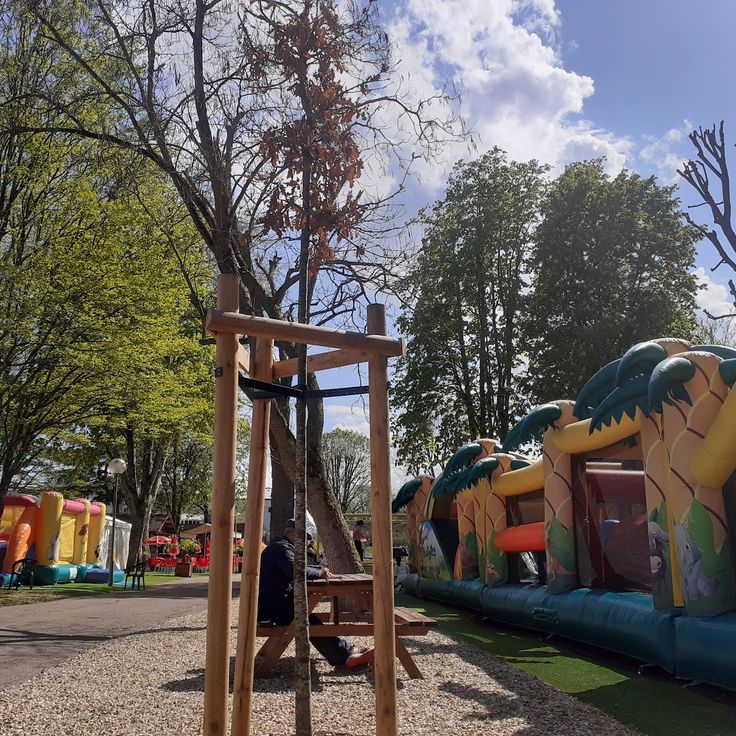
In the context of tourism in Châteauroux, L'ilot z'enfants serves as an indoor play space where children can climb, slide, and navigate obstacle courses suited to different ages. This recreational facility complements the city's mix of historic sites like Château Raoul and family-friendly leisure areas, offering parents and guardians a place to bring children for active play regardless of the weather.
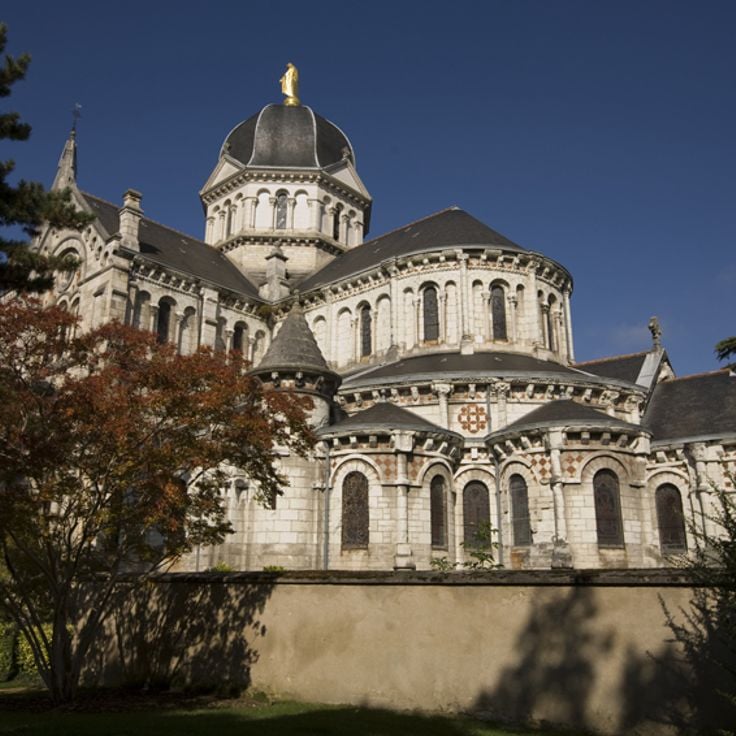
The Notre-Dame Church of Châteauroux was built in the 19th century in Neo-Romanesque style and is part of this city's architectural heritage. Its colored stained glass windows, decorated arches, and open nave welcome visitors to explore the space. This church adds to Châteauroux's collection of religious buildings, alongside the 12th-century Saint-André Church and the nearby Cordeliers Convent.
The city’s public garden is a park of four acres in the town center. It has playgrounds for children, shaded benches, and flowered lawns for walking. This park adds to the historic sites of the town, like Château Raoul and the Hôtel Bertrand Museum, and gives families a quiet place to spend time.
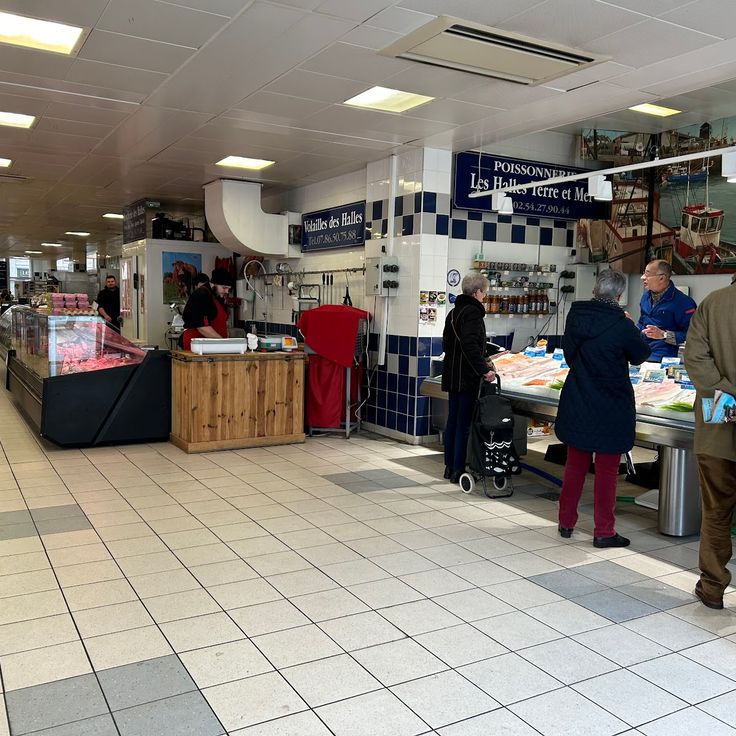
The Halls of Châteauroux are part of the city's heritage, which combines medieval fortresses and modern recreational spaces. These 19th-century covered market halls serve as a meeting point where vendors sell fresh produce, regional specialties, and artisanal products. The market is a place where daily life unfolds and visitors can discover local culture through taste and craft.
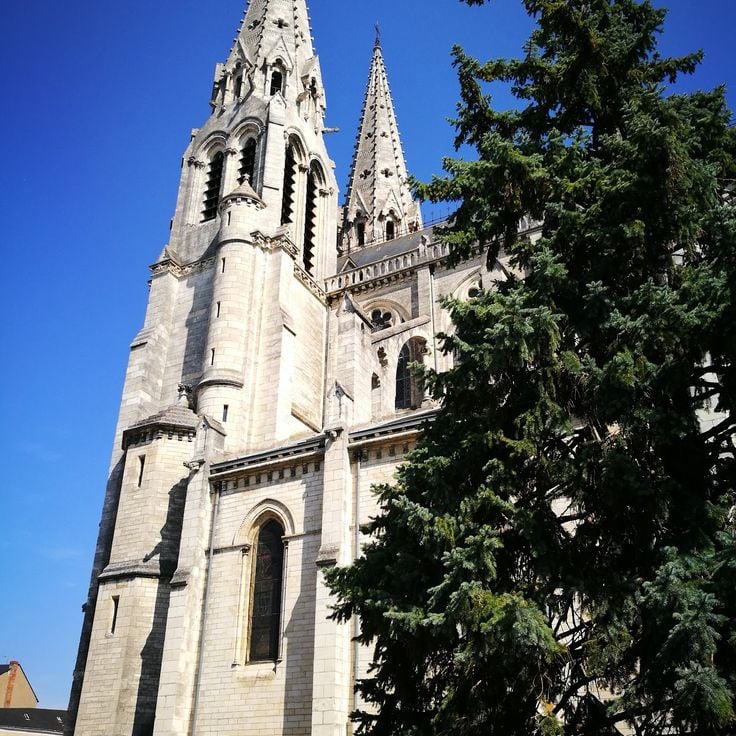
The Saint-André Church in Châteauroux dates from the 12th century and stands as a key element of the city's historical heritage. The building showcases ribbed vaults and a 60-meter bell tower that dominates the skyline. Inside, stained glass windows from the 19th century cast colored light through the interior spaces. As part of Châteauroux's architectural legacy, which ranges from medieval fortresses to religious convents, this church reveals an important chapter of the city's past.
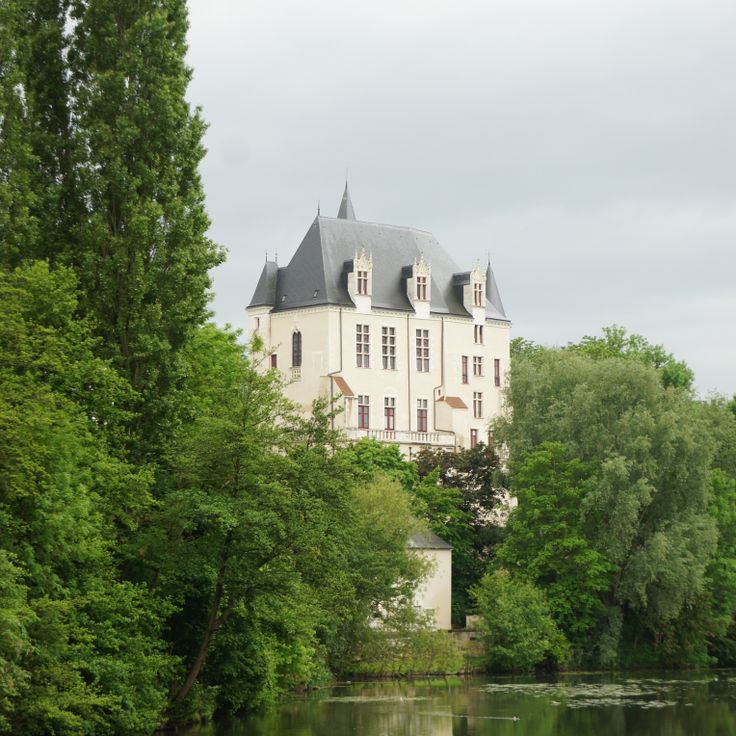
This medieval fortress was built in the 10th century by Raoul the Large on a hill overlooking the Indre River. Within the tourism collection of Châteauroux's historic monuments and parks, the Château Raoul holds an important place, representing the city's medieval past. From its walls, visitors can see across the town and the surrounding landscape.
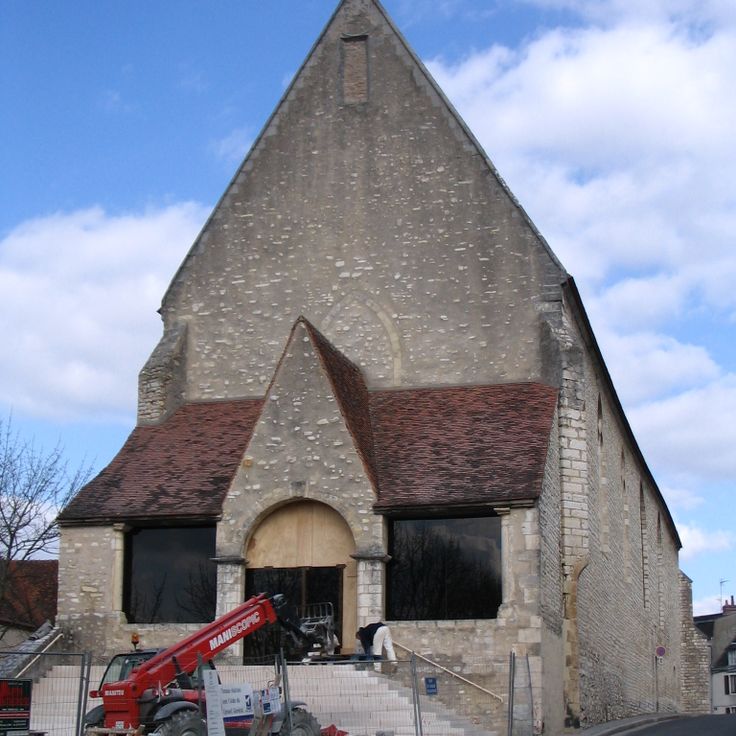
The Couvent des Cordeliers in Châteauroux is a Franciscan monastery from the 13th century. The historic building now hosts contemporary art exhibitions in its rooms while maintaining its architectural character. The monastery has terraced gardens that offer a peaceful space within the city. Châteauroux has a rich medieval and religious heritage, which also includes the Church of Saint-André and the Château Raoul fortress.
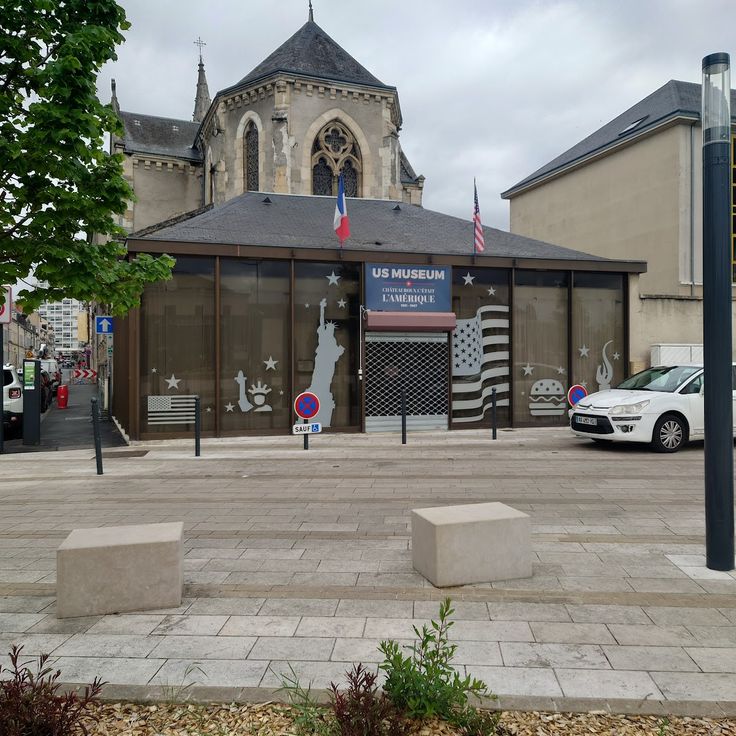
The US Air Force Museum in Châteauroux preserves documents, photographs, and objects related to the American military presence in the city from 1951 to 1967. The museum shows how American forces shaped the city during these years. It complements Châteauroux's historical heritage, which includes medieval fortresses, religious buildings, and museums with Napoleonic collections. A visit offers insight into an important part of the city's 20th-century history.
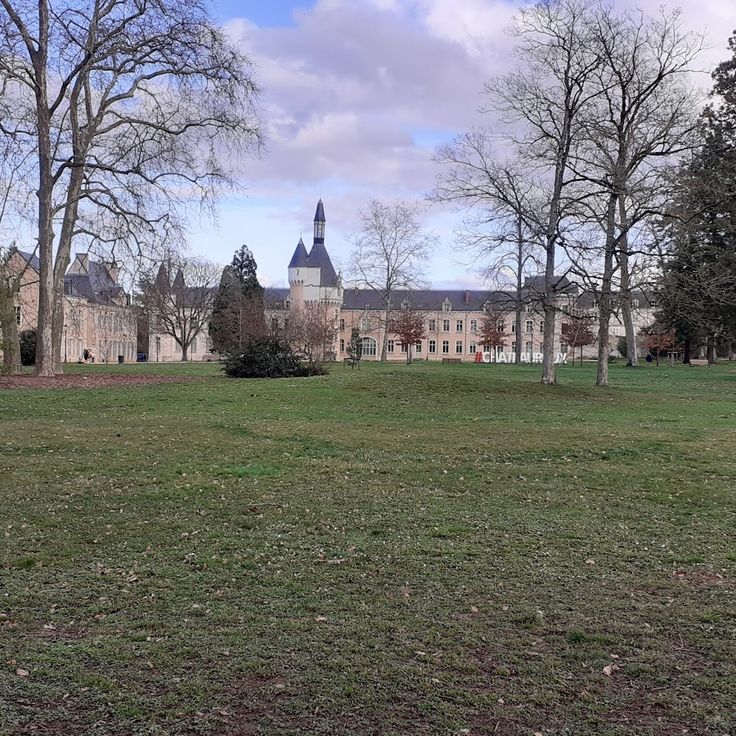
The Balsan Park in Châteauroux offers a place to explore the historic and natural side of the city. This 30-hectare park stretches along the Indre River and features two castles from past centuries, several walking paths, and flower gardens laid out in the 19th century. The park brings together the architectural heritage of Châteauroux with leisure spaces for families.
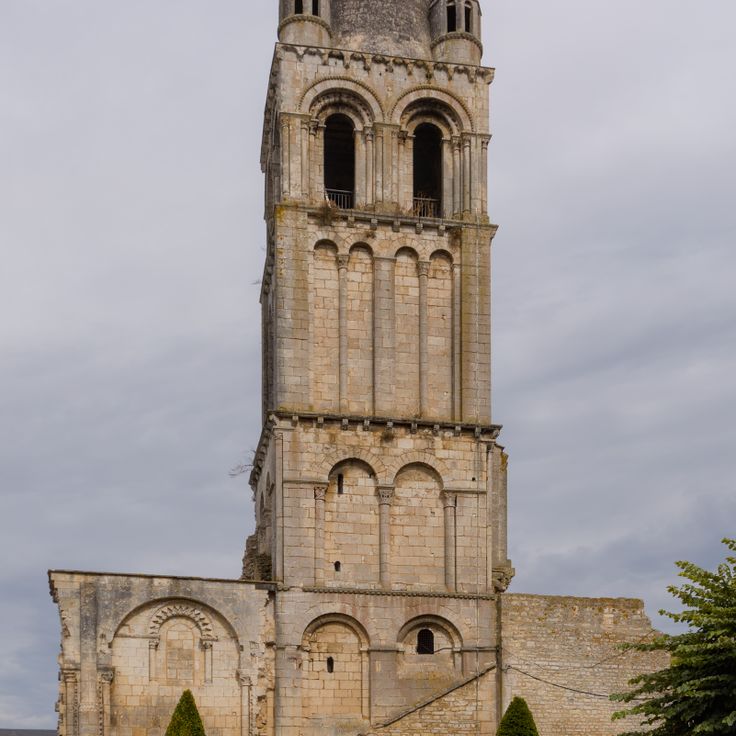
This abbey was founded in 917 and developed into an important medieval religious center. The 11th-century Romanesque tower still stands with its monumental entrance portal. The underground crypt preserves sculpted capitals and artifacts from different periods. It is part of the rich architectural heritage of Châteauroux, which reflects the city's medieval and religious past.
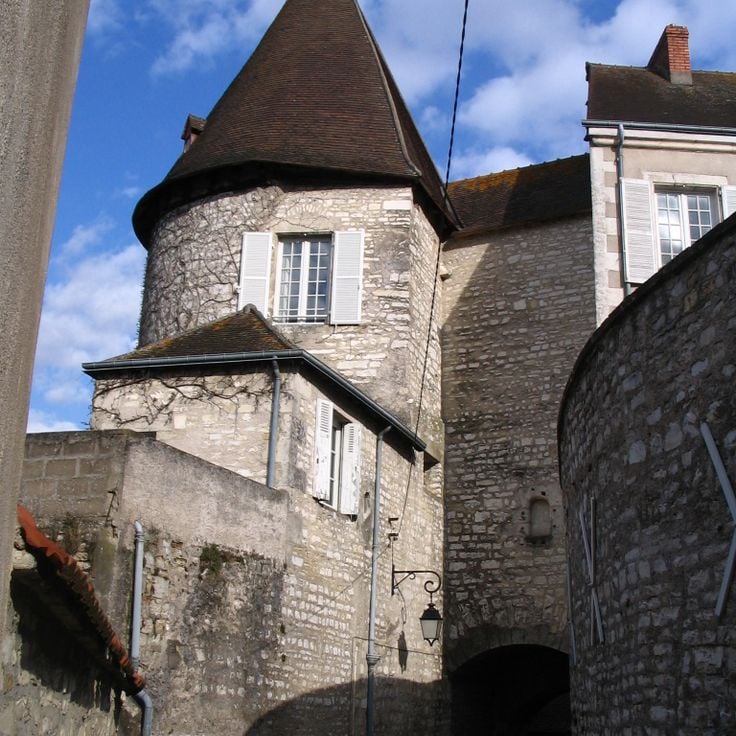
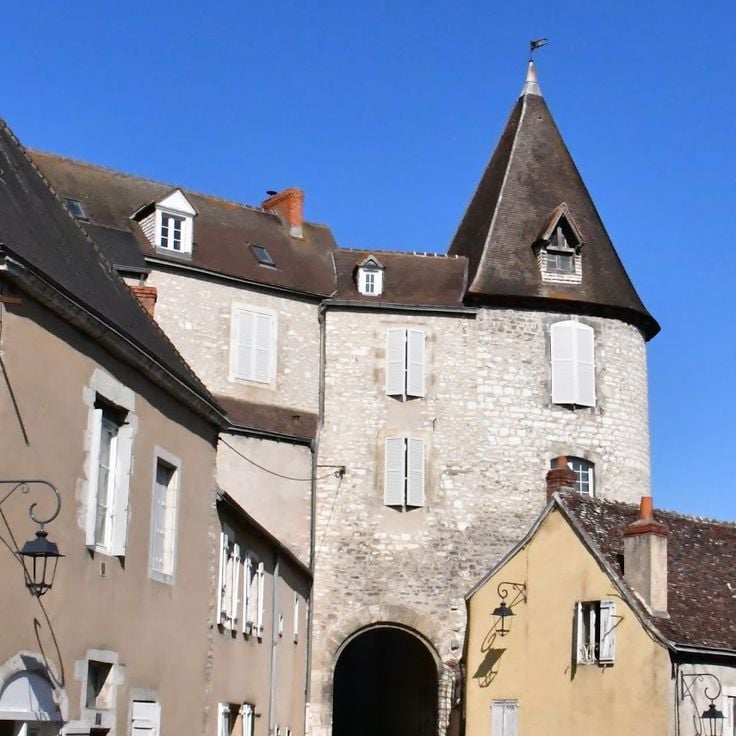
The Porte Saint-Martin is a fortified tower from the 14th century, built into the medieval wall of Châteauroux. This tower served as an entrance gate to the city and was later used as a municipal prison. Within the context of tourism in Châteauroux, the Porte Saint-Martin displays the city's medieval past and complements other historic monuments such as Château Raoul and the Saint-André Church.
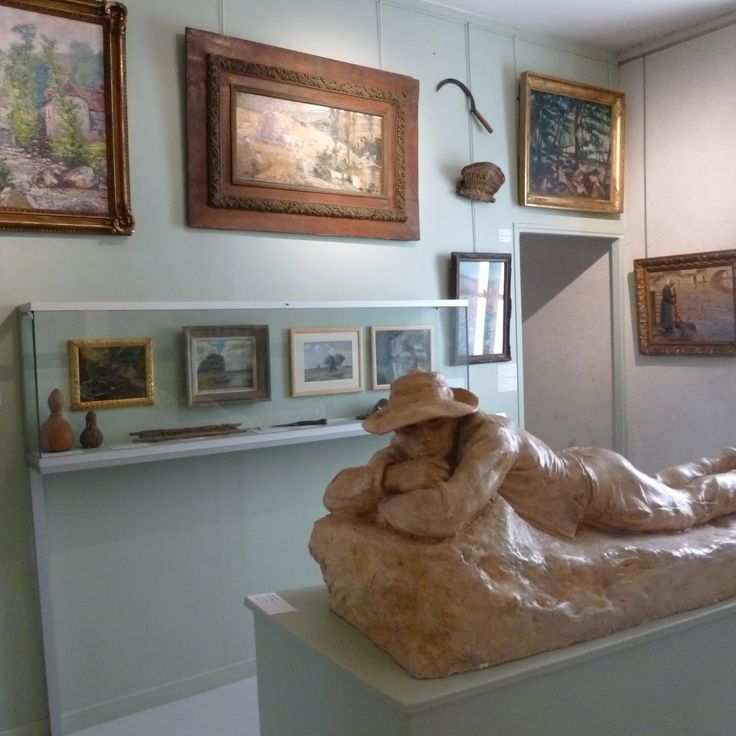
This museum presents a permanent exhibition of ethnographic objects from the Berry region, featuring rural furniture, tools from historical trades, and examples of local craftsmanship from the 19th century. The museum complements Châteauroux's cultural offerings, which blend medieval architecture, art exhibitions, and leisure spaces for families.
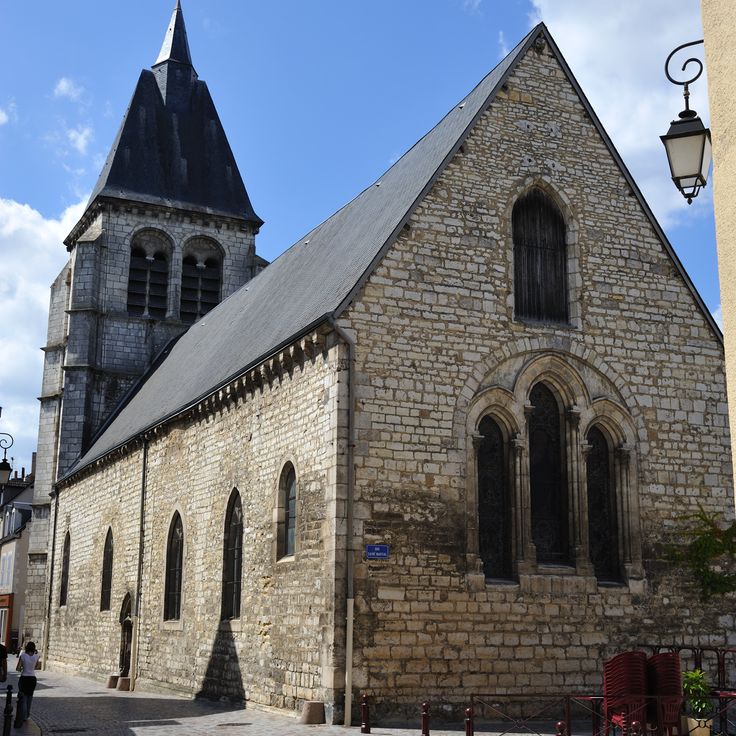
Saint-Martial Church contributes to Châteauroux's collection of historic monuments that reflect the city's medieval and religious heritage. Built in the 13th century, this church displays Romanesque features in its nave while the choir section shows Gothic design. The building stands among other significant structures like Château Raoul and the Cordeliers Convent, together forming the architectural character of this Berry city.
The Prairie Saint-Gildas is a 20-hectare green space in Châteauroux that shelters various plant species and waterfowl. Several paths wind through meadows and wetland habitats along the Indre River, inviting leisurely walks. This natural area complements Châteauroux's historical monuments and museums with a peaceful escape where families and nature lovers can spend time outdoors.
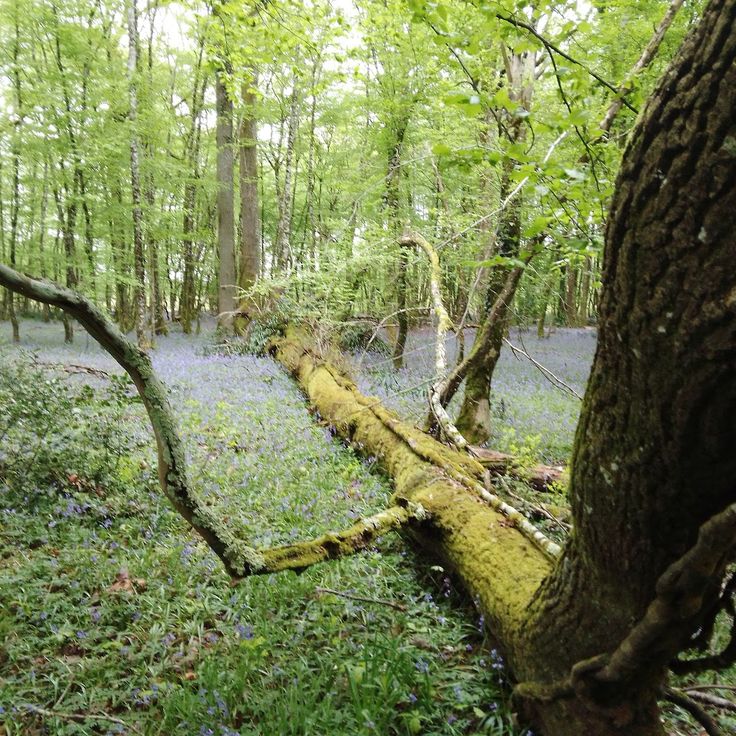
The State Forest of Châteauroux spreads across 5000 hectares and is dominated by beech trees. Within this woodland, about 30 kilometers of trails wind through the forest, welcoming both walkers and cyclists. This forest complements the range of experiences Châteauroux offers, where historic sites such as Château Raoul and the Cordeliers Convent sit alongside recreational spaces like the Belle Isle Leisure Base, giving visitors different ways to explore the region.
The Hôtel Perrichon in Châteauroux dates from the 17th and 18th centuries, displaying historical facades and period roofing structures typical of its era. This building is part of the city's architectural heritage that spans from medieval fortresses and religious structures to later residential mansions. The monumental entrance gate on Rue Claude-Pinette showcases the building's importance within Berry's local architecture.
The Hôtel de Condé is a 17th-century mansion on Rue Dauphine that stands among Châteauroux's historic monuments. This building is protected as a historical monument for its well-preserved facades and roofs. The architecture displays the classical style of the Louis XIII period and represents part of the city's rich heritage, which spans from medieval fortresses to modern recreational spaces.
The Old Town Hall of Châteauroux is a neoclassical building designed by Pierre Murison in 1828. It features a colonnaded facade with a triangular pediment. Today, this building houses the municipal conservatory for music and dance and contributes to the city's architectural character, which combines medieval fortresses, museums, and recreational spaces.
The Tobacco Factory in Châteauroux is an administrative and cultural center housed in a former industrial building from 1862. The structure preserves its red brick facade and industrial architecture, adding another chapter to the city's story that spans from medieval fortresses to modern recreational spaces.
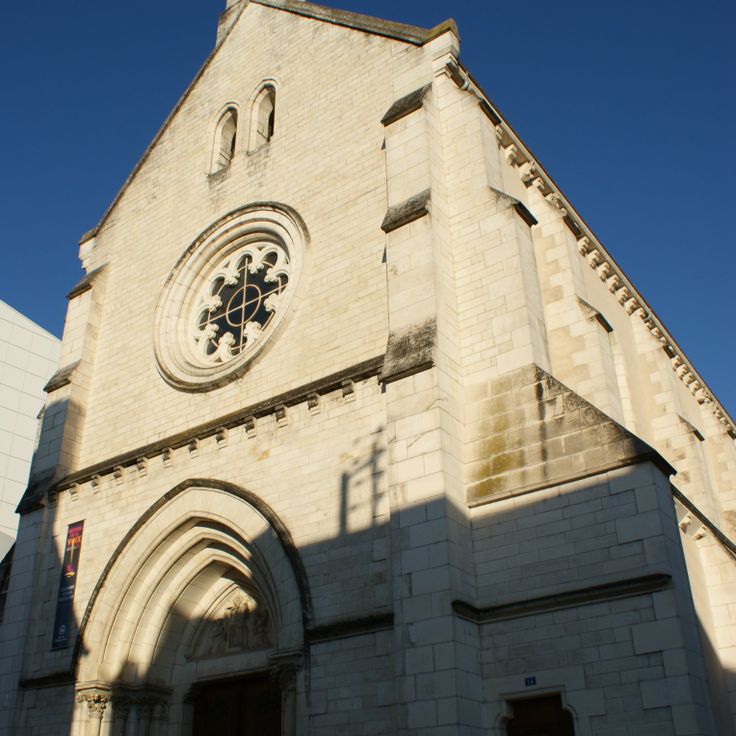
This chapel in Châteauroux was built in 1863 and restored in the 1990s. It now serves as the Franz Liszt Auditorium and hosts the Lisztomanias festival. The building connects the city's religious past with its current cultural life and shows how historic spaces take on new purposes.
This fortified tower from the 15th century served as a prison during the 18th century and remains part of Châteauroux's historical heritage. The Old Prison Tower sits on a steep road leading up to the medieval town, offering a tangible connection to the city's past. Among the architectural monuments that define Châteauroux, this tower reflects the layers of history spanning from medieval times through the 18th century.
This concrete and metal bridge built in 1985 crosses the Indre and connects the city center of Châteauroux to the Saint-Christophe neighborhood. It is named after the partnership with the German town of Gütersloh and represents the modern infrastructure that complements the historic heritage of the city.
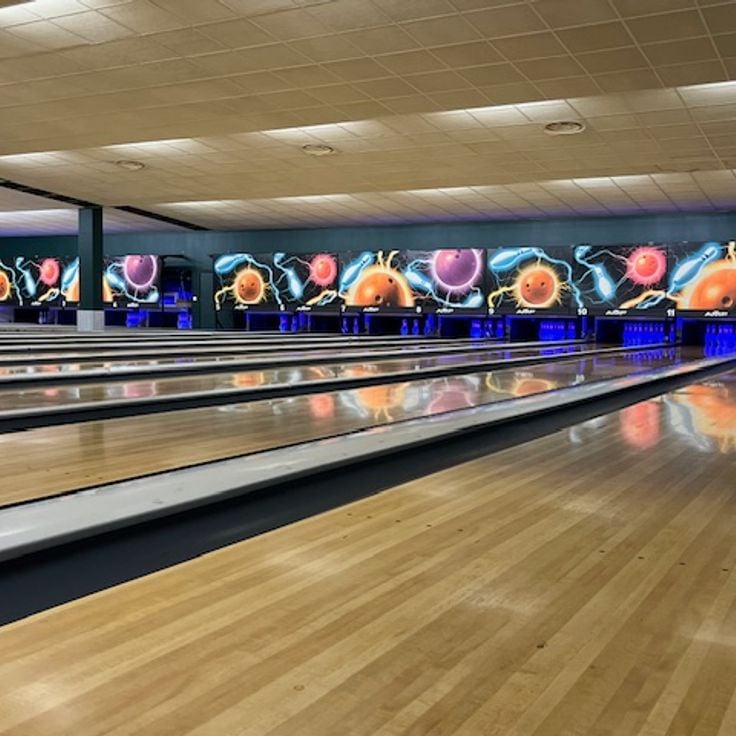
Cyber Bowling is a leisure center in Châteauroux that combines recreational activities with modern entertainment. The automatic bowling lanes are equipped with video monitors and digital animations that enhance the gaming experience for visitors. This facility fits into the diverse recreational offerings of the city, which alongside historic monuments like Château Raoul and the Cordeliers Convent also provides modern leisure spaces for families.
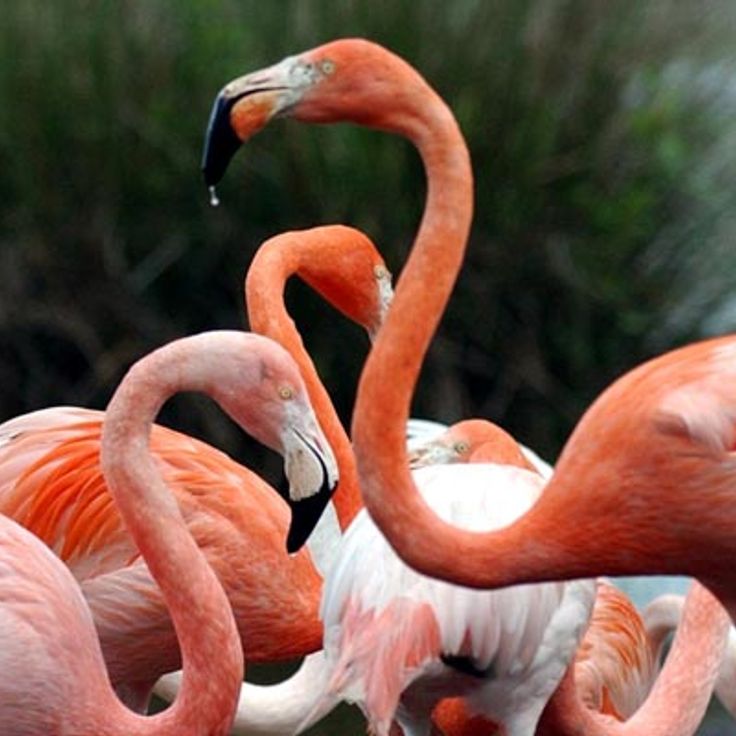
The Haute-Touche Wildlife Park complements the historic heritage of Châteauroux with an outdoor experience centered on animals from around the world. This park houses animals from different regions in enclosures designed to suit their needs, offering visitors a chance to observe wildlife while walking through natural settings. It provides a family-friendly alternative to the city's monuments and museums.
The White Lady Tower is a striking 1513 Renaissance-style structure and the last remaining architectural element of the former Parc Castle in Châteauroux. This tower served as a prayer space for the noblewoman Claire Clémence de Maillé-Brézé during her time of confinement. As a showcase of Renaissance architecture within the city, this tower contributes to Châteauroux's rich historical heritage and invites visitors to explore different periods of the region's past.
The Belle Isle Recreation Base in Châteauroux is an 18-hectare park with a pond, sports fields, playgrounds, paths for walking and jogging, and outdoor dining areas beneath trees. It forms part of the city's tourism offerings, which combines historic monuments like Château Raoul and the Cordeliers Convent with recreational spaces designed for families.
The Musée Hôtel Bertrand in Châteauroux showcases an important chapter of Napoleonic history. This museum occupies the former residence of General Bertrand and presents Napoleonic collections, 19th-century furniture, and works by local artists. It adds depth to the city's historic heritage, which spans from medieval fortresses to contemporary art exhibitions, allowing visitors to explore different periods of Berry's past.
In the context of tourism in Châteauroux, L'ilot z'enfants serves as an indoor play space where children can climb, slide, and navigate obstacle courses suited to different ages. This recreational facility complements the city's mix of historic sites like Château Raoul and family-friendly leisure areas, offering parents and guardians a place to bring children for active play regardless of the weather.
The Notre-Dame Church of Châteauroux was built in the 19th century in Neo-Romanesque style and is part of this city's architectural heritage. Its colored stained glass windows, decorated arches, and open nave welcome visitors to explore the space. This church adds to Châteauroux's collection of religious buildings, alongside the 12th-century Saint-André Church and the nearby Cordeliers Convent.
The city’s public garden is a park of four acres in the town center. It has playgrounds for children, shaded benches, and flowered lawns for walking. This park adds to the historic sites of the town, like Château Raoul and the Hôtel Bertrand Museum, and gives families a quiet place to spend time.
The Halls of Châteauroux are part of the city's heritage, which combines medieval fortresses and modern recreational spaces. These 19th-century covered market halls serve as a meeting point where vendors sell fresh produce, regional specialties, and artisanal products. The market is a place where daily life unfolds and visitors can discover local culture through taste and craft.
The Saint-André Church in Châteauroux dates from the 12th century and stands as a key element of the city's historical heritage. The building showcases ribbed vaults and a 60-meter bell tower that dominates the skyline. Inside, stained glass windows from the 19th century cast colored light through the interior spaces. As part of Châteauroux's architectural legacy, which ranges from medieval fortresses to religious convents, this church reveals an important chapter of the city's past.
This medieval fortress was built in the 10th century by Raoul the Large on a hill overlooking the Indre River. Within the tourism collection of Châteauroux's historic monuments and parks, the Château Raoul holds an important place, representing the city's medieval past. From its walls, visitors can see across the town and the surrounding landscape.
The Couvent des Cordeliers in Châteauroux is a Franciscan monastery from the 13th century. The historic building now hosts contemporary art exhibitions in its rooms while maintaining its architectural character. The monastery has terraced gardens that offer a peaceful space within the city. Châteauroux has a rich medieval and religious heritage, which also includes the Church of Saint-André and the Château Raoul fortress.
The US Air Force Museum in Châteauroux preserves documents, photographs, and objects related to the American military presence in the city from 1951 to 1967. The museum shows how American forces shaped the city during these years. It complements Châteauroux's historical heritage, which includes medieval fortresses, religious buildings, and museums with Napoleonic collections. A visit offers insight into an important part of the city's 20th-century history.
The Balsan Park in Châteauroux offers a place to explore the historic and natural side of the city. This 30-hectare park stretches along the Indre River and features two castles from past centuries, several walking paths, and flower gardens laid out in the 19th century. The park brings together the architectural heritage of Châteauroux with leisure spaces for families.
This abbey was founded in 917 and developed into an important medieval religious center. The 11th-century Romanesque tower still stands with its monumental entrance portal. The underground crypt preserves sculpted capitals and artifacts from different periods. It is part of the rich architectural heritage of Châteauroux, which reflects the city's medieval and religious past.
The Porte Saint-Martin is a fortified tower from the 14th century, built into the medieval wall of Châteauroux. This tower served as an entrance gate to the city and was later used as a municipal prison. Within the context of tourism in Châteauroux, the Porte Saint-Martin displays the city's medieval past and complements other historic monuments such as Château Raoul and the Saint-André Church.
This museum presents a permanent exhibition of ethnographic objects from the Berry region, featuring rural furniture, tools from historical trades, and examples of local craftsmanship from the 19th century. The museum complements Châteauroux's cultural offerings, which blend medieval architecture, art exhibitions, and leisure spaces for families.
Saint-Martial Church contributes to Châteauroux's collection of historic monuments that reflect the city's medieval and religious heritage. Built in the 13th century, this church displays Romanesque features in its nave while the choir section shows Gothic design. The building stands among other significant structures like Château Raoul and the Cordeliers Convent, together forming the architectural character of this Berry city.
The Prairie Saint-Gildas is a 20-hectare green space in Châteauroux that shelters various plant species and waterfowl. Several paths wind through meadows and wetland habitats along the Indre River, inviting leisurely walks. This natural area complements Châteauroux's historical monuments and museums with a peaceful escape where families and nature lovers can spend time outdoors.
The State Forest of Châteauroux spreads across 5000 hectares and is dominated by beech trees. Within this woodland, about 30 kilometers of trails wind through the forest, welcoming both walkers and cyclists. This forest complements the range of experiences Châteauroux offers, where historic sites such as Château Raoul and the Cordeliers Convent sit alongside recreational spaces like the Belle Isle Leisure Base, giving visitors different ways to explore the region.
The Hôtel Perrichon in Châteauroux dates from the 17th and 18th centuries, displaying historical facades and period roofing structures typical of its era. This building is part of the city's architectural heritage that spans from medieval fortresses and religious structures to later residential mansions. The monumental entrance gate on Rue Claude-Pinette showcases the building's importance within Berry's local architecture.
The Hôtel de Condé is a 17th-century mansion on Rue Dauphine that stands among Châteauroux's historic monuments. This building is protected as a historical monument for its well-preserved facades and roofs. The architecture displays the classical style of the Louis XIII period and represents part of the city's rich heritage, which spans from medieval fortresses to modern recreational spaces.
The Old Town Hall of Châteauroux is a neoclassical building designed by Pierre Murison in 1828. It features a colonnaded facade with a triangular pediment. Today, this building houses the municipal conservatory for music and dance and contributes to the city's architectural character, which combines medieval fortresses, museums, and recreational spaces.
The Tobacco Factory in Châteauroux is an administrative and cultural center housed in a former industrial building from 1862. The structure preserves its red brick facade and industrial architecture, adding another chapter to the city's story that spans from medieval fortresses to modern recreational spaces.
This chapel in Châteauroux was built in 1863 and restored in the 1990s. It now serves as the Franz Liszt Auditorium and hosts the Lisztomanias festival. The building connects the city's religious past with its current cultural life and shows how historic spaces take on new purposes.
This fortified tower from the 15th century served as a prison during the 18th century and remains part of Châteauroux's historical heritage. The Old Prison Tower sits on a steep road leading up to the medieval town, offering a tangible connection to the city's past. Among the architectural monuments that define Châteauroux, this tower reflects the layers of history spanning from medieval times through the 18th century.
This concrete and metal bridge built in 1985 crosses the Indre and connects the city center of Châteauroux to the Saint-Christophe neighborhood. It is named after the partnership with the German town of Gütersloh and represents the modern infrastructure that complements the historic heritage of the city.
Cyber Bowling is a leisure center in Châteauroux that combines recreational activities with modern entertainment. The automatic bowling lanes are equipped with video monitors and digital animations that enhance the gaming experience for visitors. This facility fits into the diverse recreational offerings of the city, which alongside historic monuments like Château Raoul and the Cordeliers Convent also provides modern leisure spaces for families.
The Haute-Touche Wildlife Park complements the historic heritage of Châteauroux with an outdoor experience centered on animals from around the world. This park houses animals from different regions in enclosures designed to suit their needs, offering visitors a chance to observe wildlife while walking through natural settings. It provides a family-friendly alternative to the city's monuments and museums.
The White Lady Tower is a striking 1513 Renaissance-style structure and the last remaining architectural element of the former Parc Castle in Châteauroux. This tower served as a prayer space for the noblewoman Claire Clémence de Maillé-Brézé during her time of confinement. As a showcase of Renaissance architecture within the city, this tower contributes to Châteauroux's rich historical heritage and invites visitors to explore different periods of the region's past.
The Belle Isle Recreation Base in Châteauroux is an 18-hectare park with a pond, sports fields, playgrounds, paths for walking and jogging, and outdoor dining areas beneath trees. It forms part of the city's tourism offerings, which combines historic monuments like Château Raoul and the Cordeliers Convent with recreational spaces designed for families.
The Musée Hôtel Bertrand in Châteauroux showcases an important chapter of Napoleonic history. This museum occupies the former residence of General Bertrand and presents Napoleonic collections, 19th-century furniture, and works by local artists. It adds depth to the city's historic heritage, which spans from medieval fortresses to contemporary art exhibitions, allowing visitors to explore different periods of Berry's past.
In the context of tourism in Châteauroux, L'ilot z'enfants serves as an indoor play space where children can climb, slide, and navigate obstacle courses suited to different ages. This recreational facility complements the city's mix of historic sites like Château Raoul and family-friendly leisure areas, offering parents and guardians a place to bring children for active play regardless of the weather.
The Notre-Dame Church of Châteauroux was built in the 19th century in Neo-Romanesque style and is part of this city's architectural heritage. Its colored stained glass windows, decorated arches, and open nave welcome visitors to explore the space. This church adds to Châteauroux's collection of religious buildings, alongside the 12th-century Saint-André Church and the nearby Cordeliers Convent.
The city’s public garden is a park of four acres in the town center. It has playgrounds for children, shaded benches, and flowered lawns for walking. This park adds to the historic sites of the town, like Château Raoul and the Hôtel Bertrand Museum, and gives families a quiet place to spend time.
The Halls of Châteauroux are part of the city's heritage, which combines medieval fortresses and modern recreational spaces. These 19th-century covered market halls serve as a meeting point where vendors sell fresh produce, regional specialties, and artisanal products. The market is a place where daily life unfolds and visitors can discover local culture through taste and craft.
The Saint-André Church in Châteauroux dates from the 12th century and stands as a key element of the city's historical heritage. The building showcases ribbed vaults and a 60-meter bell tower that dominates the skyline. Inside, stained glass windows from the 19th century cast colored light through the interior spaces. As part of Châteauroux's architectural legacy, which ranges from medieval fortresses to religious convents, this church reveals an important chapter of the city's past.
This medieval fortress was built in the 10th century by Raoul the Large on a hill overlooking the Indre River. Within the tourism collection of Châteauroux's historic monuments and parks, the Château Raoul holds an important place, representing the city's medieval past. From its walls, visitors can see across the town and the surrounding landscape.
The Couvent des Cordeliers in Châteauroux is a Franciscan monastery from the 13th century. The historic building now hosts contemporary art exhibitions in its rooms while maintaining its architectural character. The monastery has terraced gardens that offer a peaceful space within the city. Châteauroux has a rich medieval and religious heritage, which also includes the Church of Saint-André and the Château Raoul fortress.
The US Air Force Museum in Châteauroux preserves documents, photographs, and objects related to the American military presence in the city from 1951 to 1967. The museum shows how American forces shaped the city during these years. It complements Châteauroux's historical heritage, which includes medieval fortresses, religious buildings, and museums with Napoleonic collections. A visit offers insight into an important part of the city's 20th-century history.
The Balsan Park in Châteauroux offers a place to explore the historic and natural side of the city. This 30-hectare park stretches along the Indre River and features two castles from past centuries, several walking paths, and flower gardens laid out in the 19th century. The park brings together the architectural heritage of Châteauroux with leisure spaces for families.
This abbey was founded in 917 and developed into an important medieval religious center. The 11th-century Romanesque tower still stands with its monumental entrance portal. The underground crypt preserves sculpted capitals and artifacts from different periods. It is part of the rich architectural heritage of Châteauroux, which reflects the city's medieval and religious past.
The Porte Saint-Martin is a fortified tower from the 14th century, built into the medieval wall of Châteauroux. This tower served as an entrance gate to the city and was later used as a municipal prison. Within the context of tourism in Châteauroux, the Porte Saint-Martin displays the city's medieval past and complements other historic monuments such as Château Raoul and the Saint-André Church.
This museum presents a permanent exhibition of ethnographic objects from the Berry region, featuring rural furniture, tools from historical trades, and examples of local craftsmanship from the 19th century. The museum complements Châteauroux's cultural offerings, which blend medieval architecture, art exhibitions, and leisure spaces for families.
Saint-Martial Church contributes to Châteauroux's collection of historic monuments that reflect the city's medieval and religious heritage. Built in the 13th century, this church displays Romanesque features in its nave while the choir section shows Gothic design. The building stands among other significant structures like Château Raoul and the Cordeliers Convent, together forming the architectural character of this Berry city.
The Prairie Saint-Gildas is a 20-hectare green space in Châteauroux that shelters various plant species and waterfowl. Several paths wind through meadows and wetland habitats along the Indre River, inviting leisurely walks. This natural area complements Châteauroux's historical monuments and museums with a peaceful escape where families and nature lovers can spend time outdoors.
The State Forest of Châteauroux spreads across 5000 hectares and is dominated by beech trees. Within this woodland, about 30 kilometers of trails wind through the forest, welcoming both walkers and cyclists. This forest complements the range of experiences Châteauroux offers, where historic sites such as Château Raoul and the Cordeliers Convent sit alongside recreational spaces like the Belle Isle Leisure Base, giving visitors different ways to explore the region.
The Hôtel Perrichon in Châteauroux dates from the 17th and 18th centuries, displaying historical facades and period roofing structures typical of its era. This building is part of the city's architectural heritage that spans from medieval fortresses and religious structures to later residential mansions. The monumental entrance gate on Rue Claude-Pinette showcases the building's importance within Berry's local architecture.
The Hôtel de Condé is a 17th-century mansion on Rue Dauphine that stands among Châteauroux's historic monuments. This building is protected as a historical monument for its well-preserved facades and roofs. The architecture displays the classical style of the Louis XIII period and represents part of the city's rich heritage, which spans from medieval fortresses to modern recreational spaces.
The Old Town Hall of Châteauroux is a neoclassical building designed by Pierre Murison in 1828. It features a colonnaded facade with a triangular pediment. Today, this building houses the municipal conservatory for music and dance and contributes to the city's architectural character, which combines medieval fortresses, museums, and recreational spaces.
The Tobacco Factory in Châteauroux is an administrative and cultural center housed in a former industrial building from 1862. The structure preserves its red brick facade and industrial architecture, adding another chapter to the city's story that spans from medieval fortresses to modern recreational spaces.
This chapel in Châteauroux was built in 1863 and restored in the 1990s. It now serves as the Franz Liszt Auditorium and hosts the Lisztomanias festival. The building connects the city's religious past with its current cultural life and shows how historic spaces take on new purposes.
This fortified tower from the 15th century served as a prison during the 18th century and remains part of Châteauroux's historical heritage. The Old Prison Tower sits on a steep road leading up to the medieval town, offering a tangible connection to the city's past. Among the architectural monuments that define Châteauroux, this tower reflects the layers of history spanning from medieval times through the 18th century.
This concrete and metal bridge built in 1985 crosses the Indre and connects the city center of Châteauroux to the Saint-Christophe neighborhood. It is named after the partnership with the German town of Gütersloh and represents the modern infrastructure that complements the historic heritage of the city.
Cyber Bowling is a leisure center in Châteauroux that combines recreational activities with modern entertainment. The automatic bowling lanes are equipped with video monitors and digital animations that enhance the gaming experience for visitors. This facility fits into the diverse recreational offerings of the city, which alongside historic monuments like Château Raoul and the Cordeliers Convent also provides modern leisure spaces for families.
The Haute-Touche Wildlife Park complements the historic heritage of Châteauroux with an outdoor experience centered on animals from around the world. This park houses animals from different regions in enclosures designed to suit their needs, offering visitors a chance to observe wildlife while walking through natural settings. It provides a family-friendly alternative to the city's monuments and museums.
The White Lady Tower is a striking 1513 Renaissance-style structure and the last remaining architectural element of the former Parc Castle in Châteauroux. This tower served as a prayer space for the noblewoman Claire Clémence de Maillé-Brézé during her time of confinement. As a showcase of Renaissance architecture within the city, this tower contributes to Châteauroux's rich historical heritage and invites visitors to explore different periods of the region's past.
Beyond the monuments, explore the Domaniale Forest or the Saint-Gildas Prairie to breathe the air of Berry away from crowds. These natural spaces show another face of the region. Tip: the paths are well marked, but a map or a charged phone can help you find your way. The Haute-Touche Animal Park is great if you travel with children who like animals.