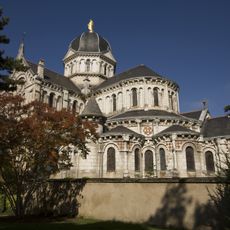
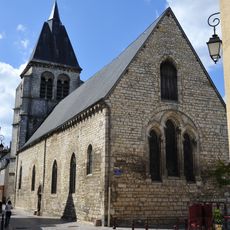
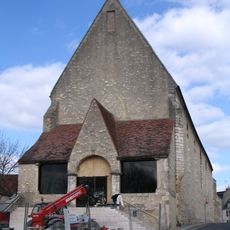
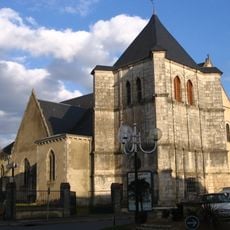
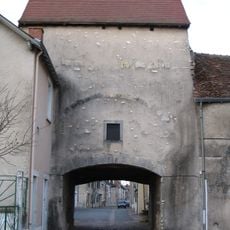
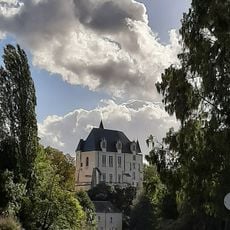
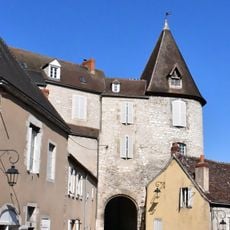
Église abbatiale Notre-Dame-du-Bourg-Dieu de Déols, Romanesque abbey in Déols, France
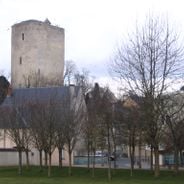
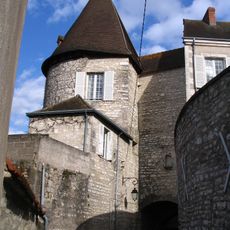
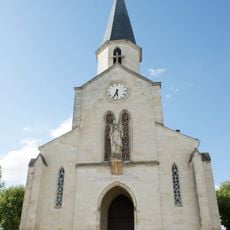
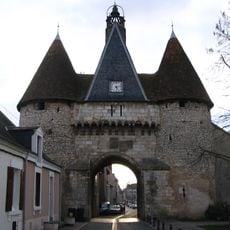
The abbey church is a monumental structure built on Romanesque foundations with Gothic arches that runs across a significant length. Beside the church stand the cloister building, the monks' kitchen, and one remaining bell tower, as seven originally crowned the complex.
Ebbes le Noble, lord of Déols, founded the Benedictine abbey on 2 September 917, placing it directly under papal authority like Cluny. It became one of the most powerful abbeys in Berry, and its abbey church, built from the 12th century, reached 113 metres in length. Protestants partly destroyed it during the Wars of Religion, and after secularisation in 1629 the buildings served as a quarry. Prosper Mérimée intervened in 1843 to save the last standing tower.
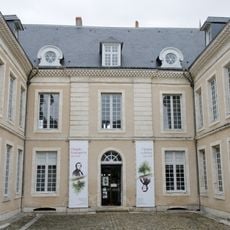
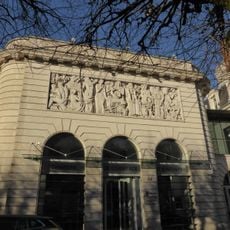
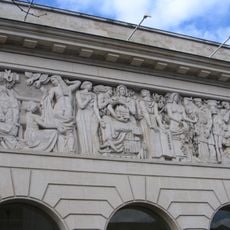
The abbey was placed directly under papal authority, not the Archbishop of Bourges, and its monks drew regular income from parishes, lands and priories. A 12th-century chronicle called the rich abbey "the breast of Saint Peter". Romanesque sculptures from the site are now shown in the lapidary room of the Musée Bertrand in Châteauroux.
The site is a ruin in the open air, so the surviving bell tower, the south nave wall and the chapter house are seen from outside along the grounds. Prosper Mérimée's campaign to save the last tower began in 1843, and the tower and nave wall were listed in 1862. Romanesque sculptures from the abbey are kept in the lapidary room of the Musée Bertrand in Châteauroux, about two kilometres away.
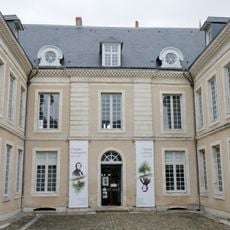
The abbey's Romanesque sculptures are not kept on site: they are displayed in the lapidary room of the Musée-Hôtel Bertrand in Châteauroux. The excavations of 1924 to 1926, led by the archaeologist Jean Hubert, first made it possible to reconstruct the plan of the great abbey church, 113 metres long and 29 metres wide.
The community of curious travelers
AroundUs brings together thousands of curated places, local tips, and hidden gems, enriched daily by 93,671 contributors worldwide.