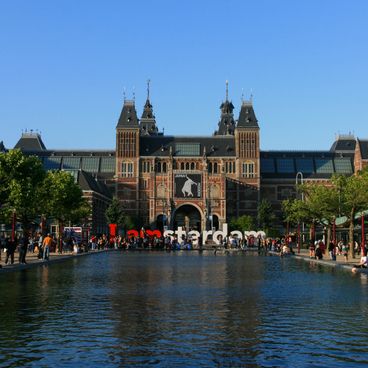
The windmills from Kinderdijk in the Netherlands to Cape Cod demonstrate technical innovation and cultural heritage. These structures served for grain milling, drainage, and industrial production. Each mill documents the local history and technical development of its region. The collection includes 18th century mills like the Sanssouci Mill in Potsdam and modern specimens like the Murphy Mill in San Francisco.
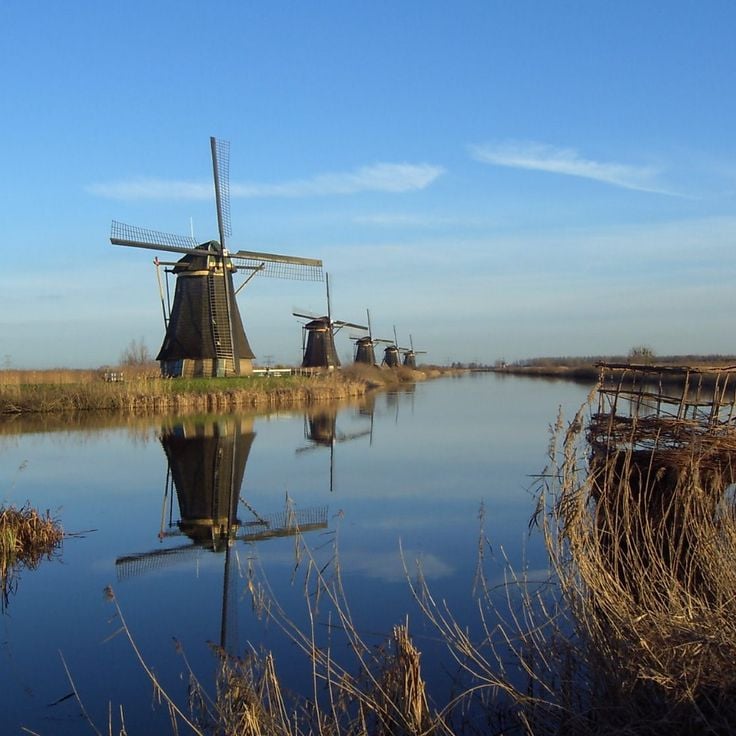
Alblasserwaard, Netherlands
This group of 19 windmills from 1740 pumps water from the lower lying polders into the River Lek.
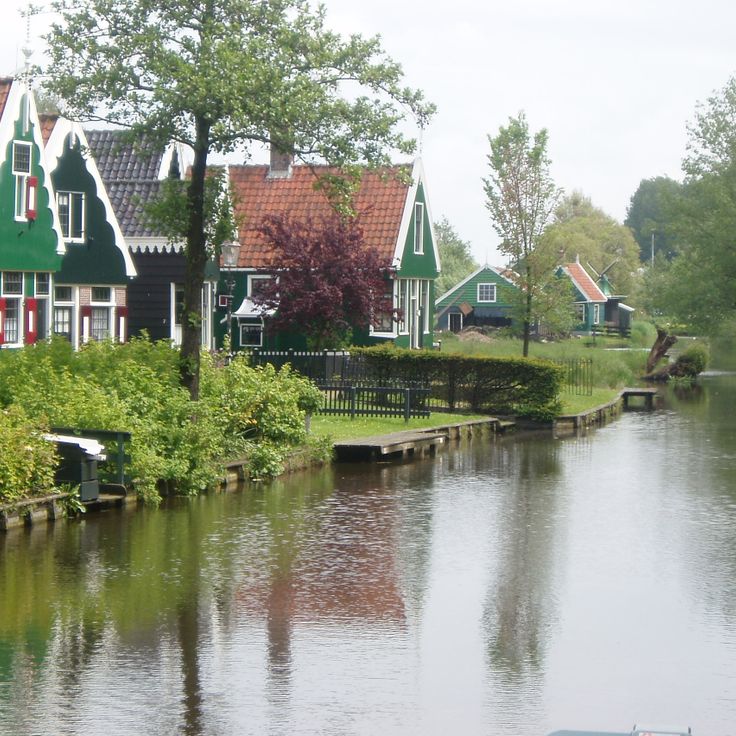
Zaandam, Netherlands
Collection of eight industrial windmills from the 17th and 18th centuries used for sawing wood and grinding spices.

Montmartre, France
Cabaret with red windmill on the roof, opened in 1889, known for can-can dances and nightly entertainment.
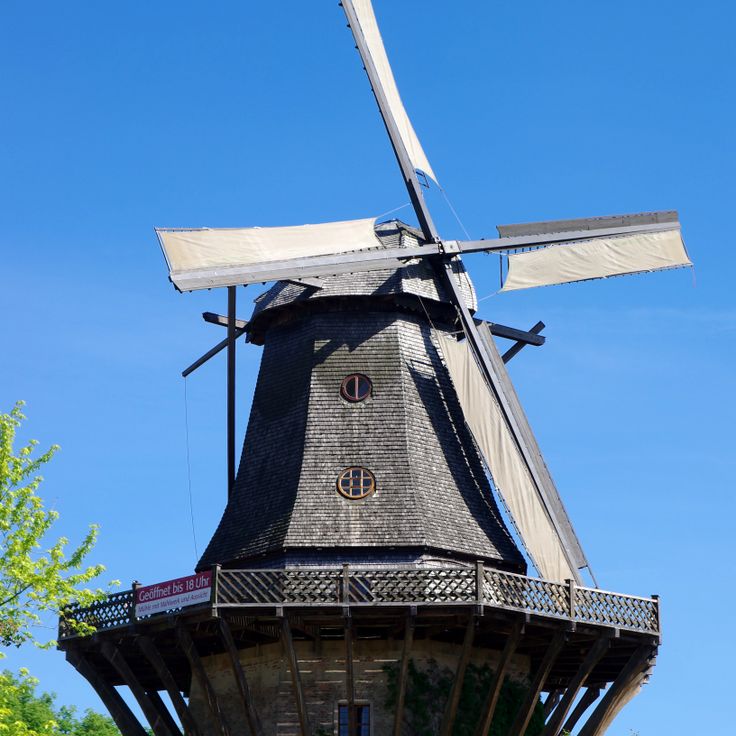
Brandenburg, Germany
Reconstructed windmill from 1738 next to Sanssouci Palace, used for flour production for the royal household.

San Francisco, United States
This historical windmill was built in 1905 and stands in Golden Gate Park. It reaches a height of 29 meters.
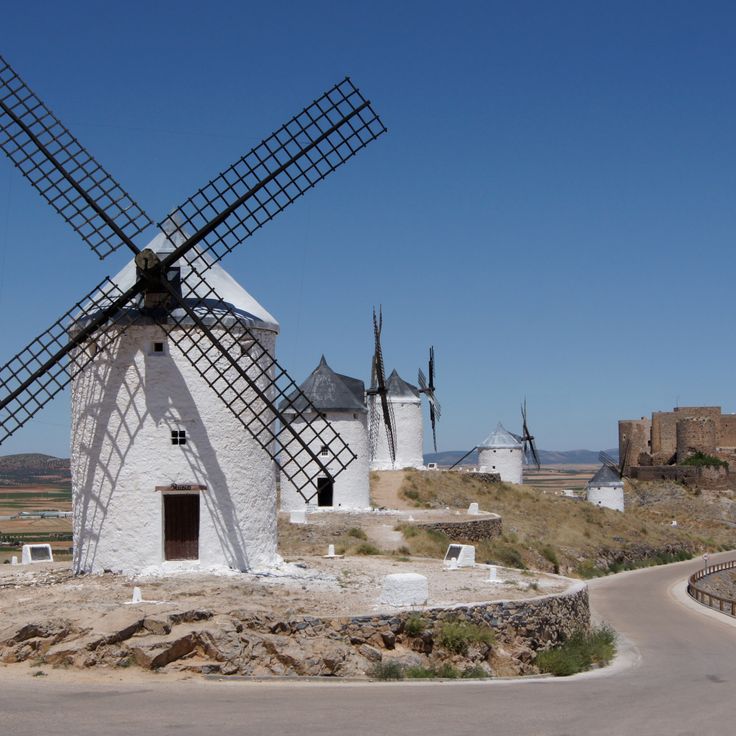
Toledo, Spain
Twelve white windmills from the 16th century stand on Cerro Calderico. They were used for grinding grain.
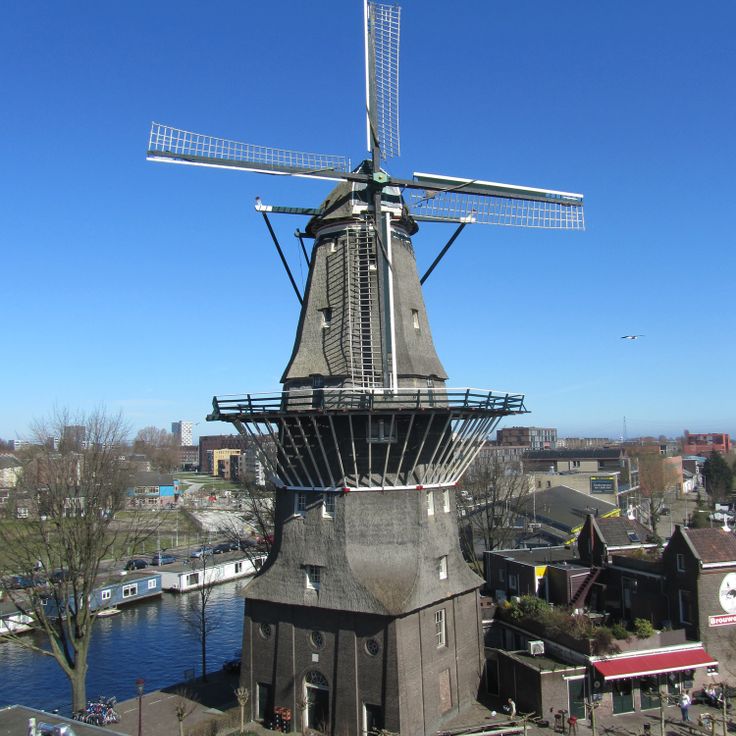
Amsterdam, Netherlands
This grain mill from 1725 stands in the Oostelijke Eilanden district. It now houses the 't IJ brewery.

Lubbock, Texas, United States
The museum displays over 160 windmills on 28 hectares of land and documents their technical evolution since the 19th century.
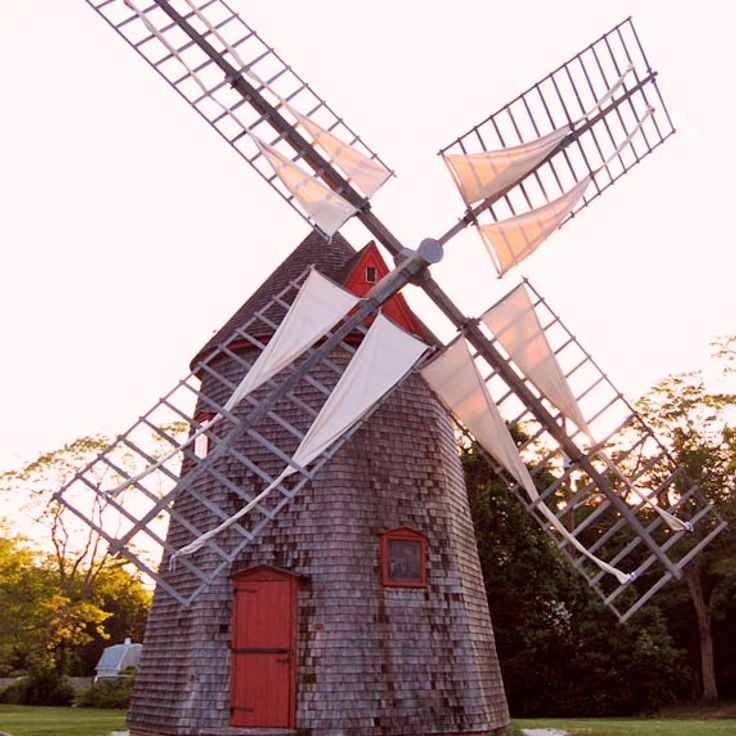
Massachusetts, United States
This windmill from 1680 stands in the town center and was formerly used for grinding grain from local farmers.
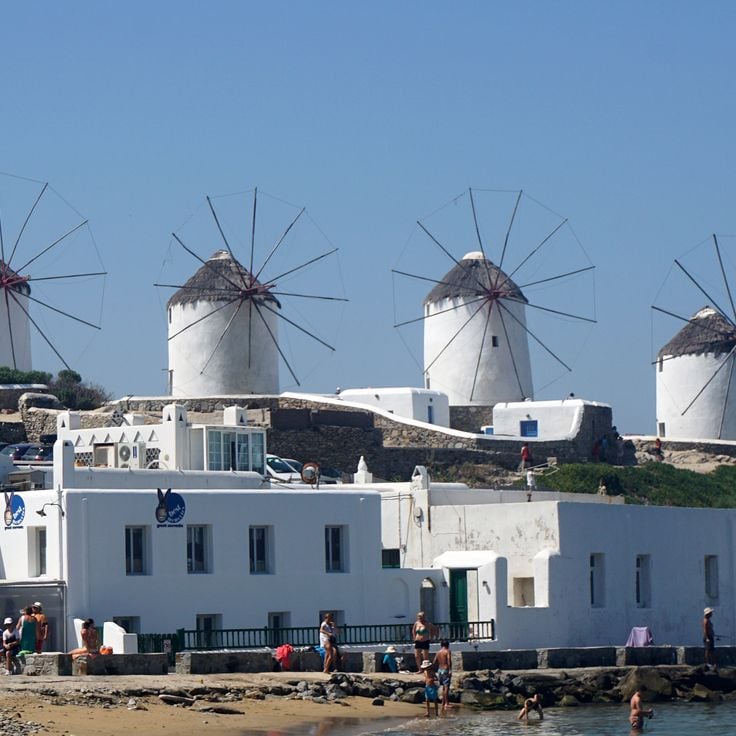
South Aegean, Greece
The white windmills from the 16th century were used for grain processing and stand on a hill overlooking the sea.

Leiden, Netherlands
This stone mill has seven floors and contains original 18th century grinding tools with functioning mechanisms.
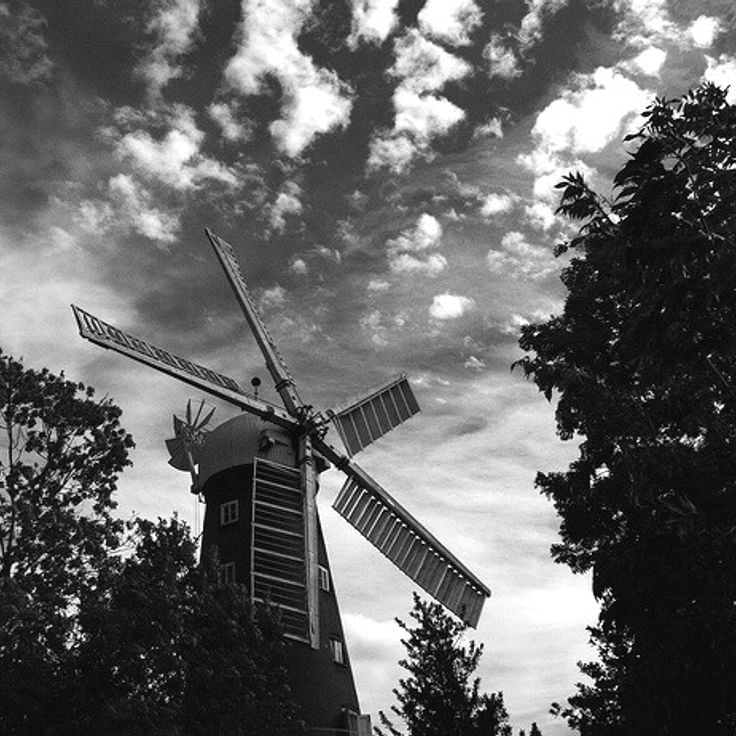
Lincolnshire, England
This five-story mill still produces flour today using its original mechanisms from 1837.
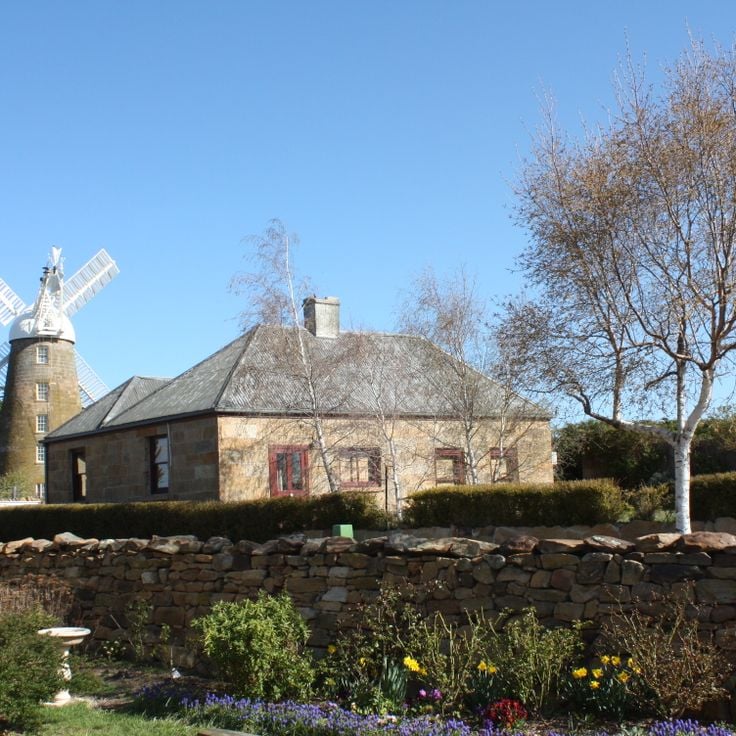
Tasmania, Australia
This nineteenth century stone windmill features four floors and remains the only complete windmill structure in southern Tasmania.
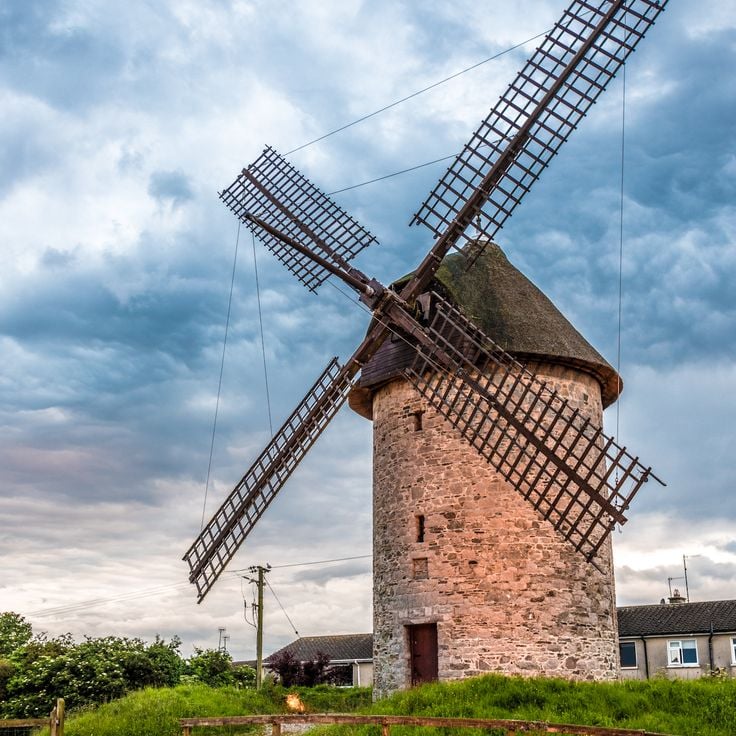
Dublin, Ireland
This milling complex consists of a watermill and two windmills that have processed grain since the sixteenth century.