See the monuments around you in AROpen chests in the app
Around Us is built for your phone — point your camera at the streets and discover the monuments and places around you in augmented reality.Around Us is built for your phone — chests unlock when you walk, explore and capture nearby places.
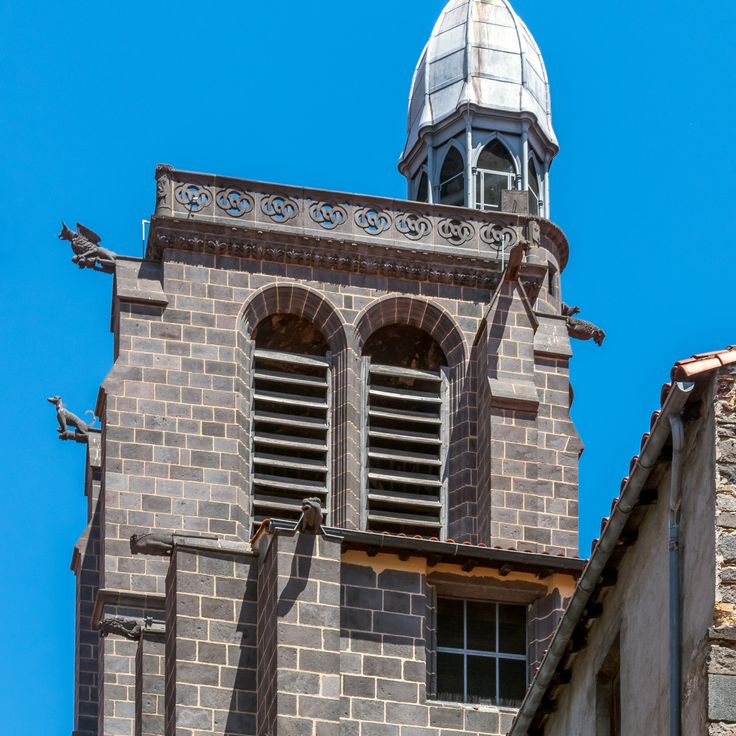
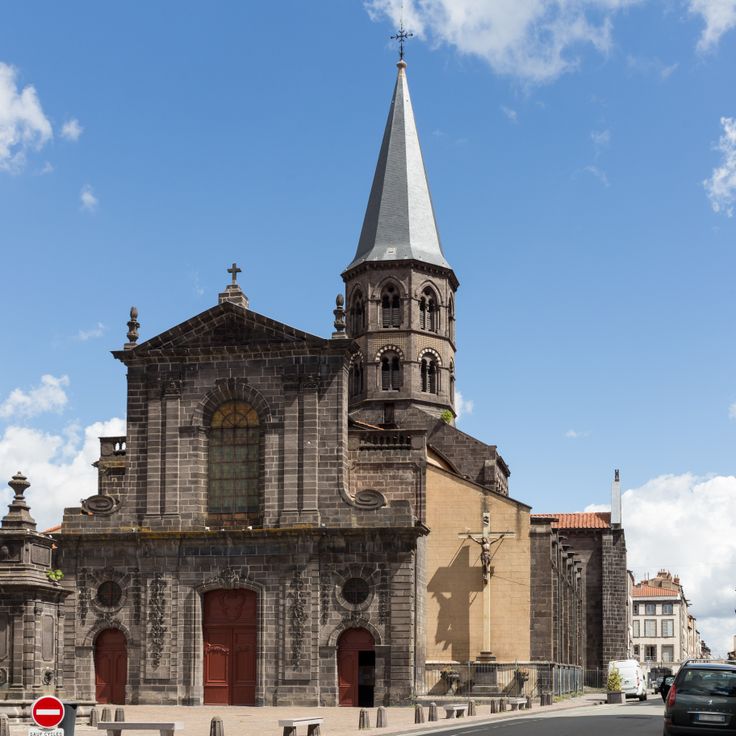
The religious buildings of Clermont-Ferrand and the surrounding area document the development of French ecclesiastical architecture from the Middle Ages through the modern period. The Cathedral of Notre-Dame-de-l'Assomption in the city center was built from the black volcanic stone of the region, a material that gives it a distinctive appearance. The Romanesque Basilica of Notre-Dame-du-Port holds UNESCO World Heritage status and preserves 12th-century capitals. In nearby towns stand additional churches and abbeys, including the Abbatiale Saint-Austremoine in Issoire with its Romanesque frescoes and the Église Notre-Dame-du-Marthuret in Riom with a 14th-century polychrome statue of the Virgin.
The collection also includes Gothic and Baroque structures such as the Église Saint-Pierre-des-Minimes and the Chapelle des Cordeliers in Clermont-Ferrand. The Collégiale Saint-Victor et Sainte-Couronne in Ennezat combines Romanesque and Gothic elements. These buildings contain stained glass windows, sculptures, and liturgical furnishings from various periods. The churches are located in the historic centers of their respective towns and are accessible to visitors during opening hours.
The religious buildings of Clermont-Ferrand and the surrounding area document the development of French ecclesiastical architecture from the Middle Ages through the modern period. The Cathedral of Notre-Dame-de-l'Assomption in the city center was built from the black volcanic stone of the region, a material that gives it a distinctive appearance. The Romanesque Basilica of Notre-Dame-du-Port holds UNESCO World Heritage status and preserves 12th-century capitals. In nearby towns stand additional churches and abbeys, including the Abbatiale Saint-Austremoine in Issoire with its Romanesque frescoes and the Église Notre-Dame-du-Marthuret in Riom with a 14th-century polychrome statue of the Virgin.
The collection also includes Gothic and Baroque structures such as the Église Saint-Pierre-des-Minimes and the Chapelle des Cordeliers in Clermont-Ferrand. The Collégiale Saint-Victor et Sainte-Couronne in Ennezat combines Romanesque and Gothic elements. These buildings contain stained glass windows, sculptures, and liturgical furnishings from various periods. The churches are located in the historic centers of their respective towns and are accessible to visitors during opening hours.
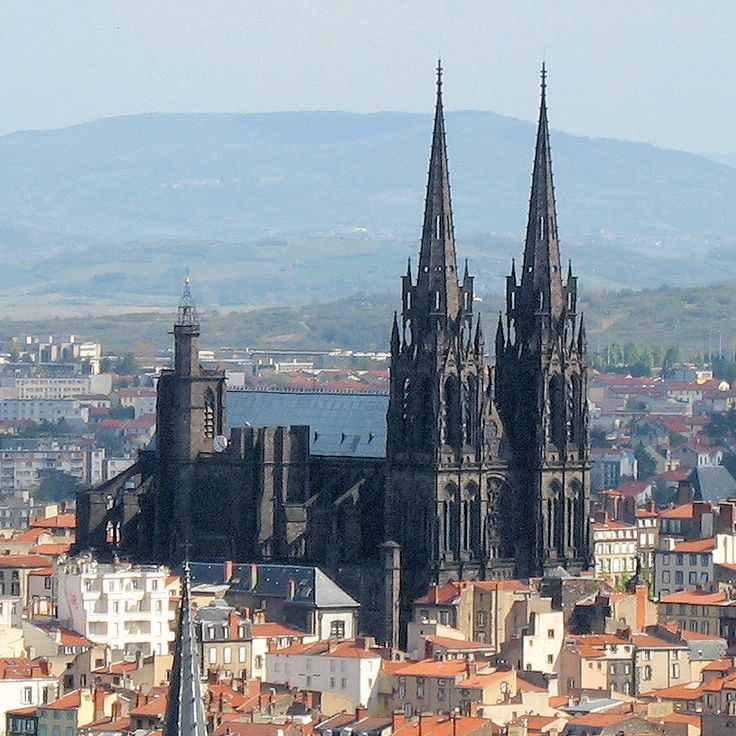
The Cathédrale Notre-Dame-de-l'Assomption stands as the principal religious structure in central Clermont-Ferrand and represents 13th-century Gothic architecture. This cathedral was built from black volcanic stone quarried in the region, giving it a distinctive appearance. The two towers rise to 315 feet (96 meters) and define the city skyline. Construction spanned several centuries and illustrates the evolution of Gothic building techniques in the Auvergne. Inside, the cathedral preserves medieval stained glass windows and liturgical furnishings that form part of the city's religious art collection.
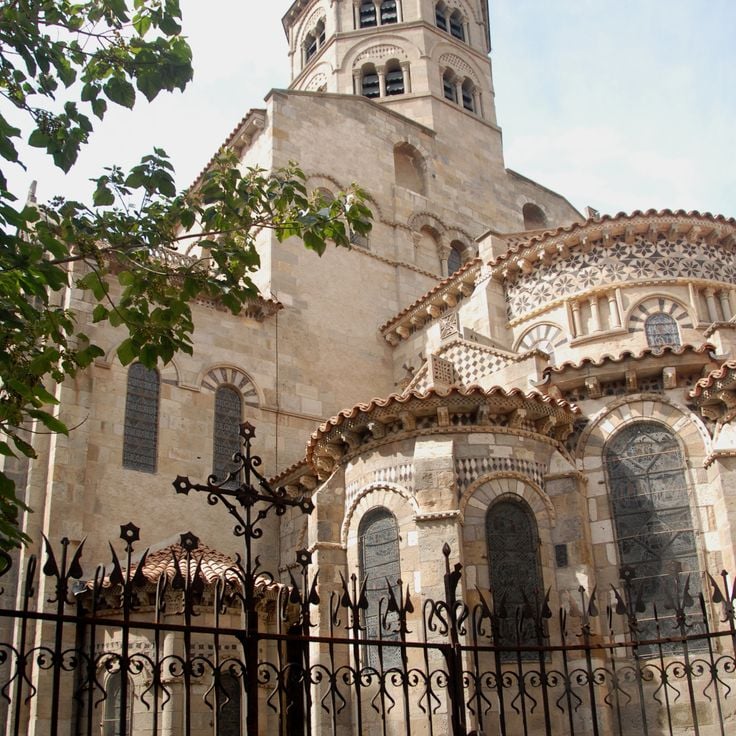
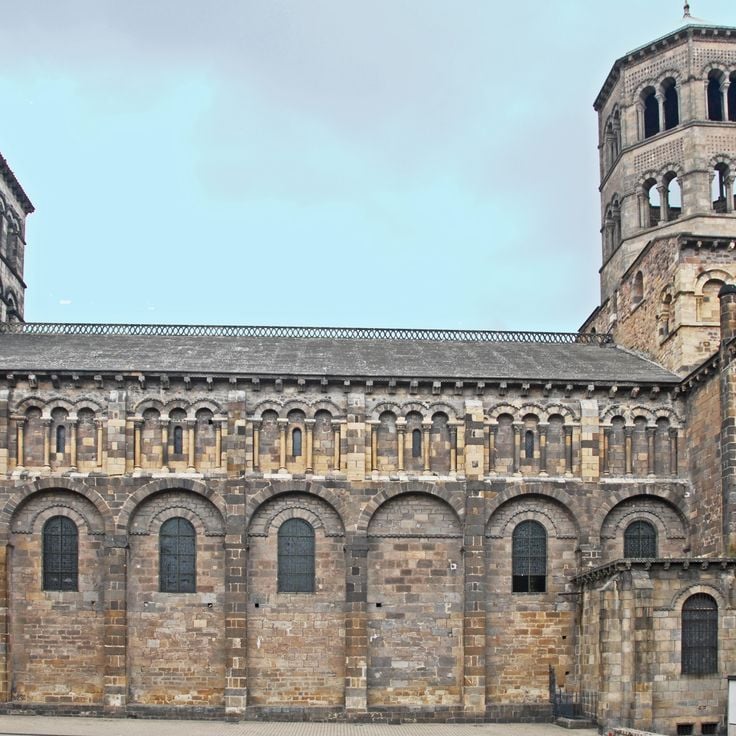
This 11th century Romanesque basilica stands among the most important religious buildings in Clermont-Ferrand and displays typical features of Auvergne Romanesque architecture. The nave is decorated with geometric patterns carved from regional volcanic stone. The octagonal bell tower rises above the transept. Inside, visitors find capitals depicting biblical scenes and plant motifs, along with a crypt beneath the choir.
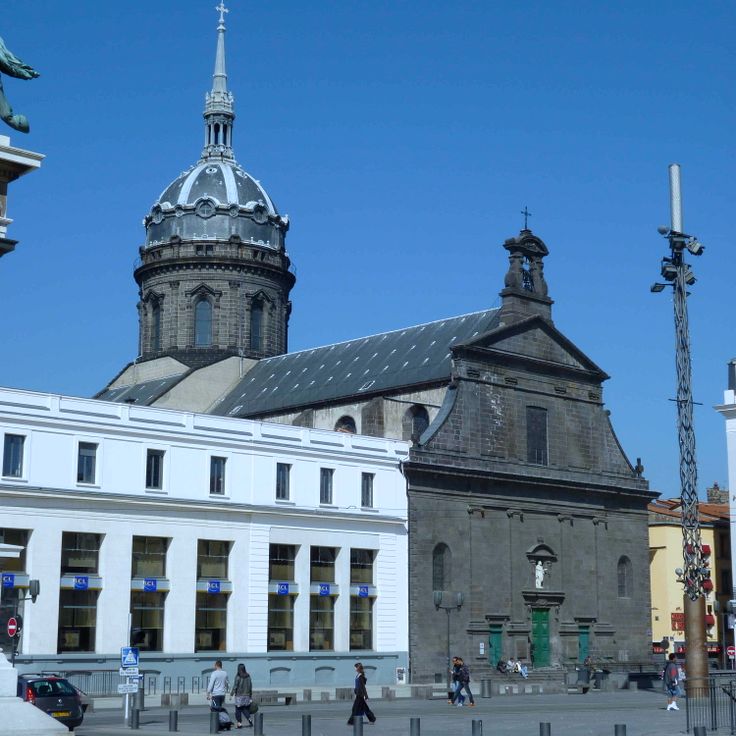
This 17th-century Baroque church ranks among the religious monuments of Clermont-Ferrand that define the city's architectural heritage. The facade of Église Saint-Pierre-des-Minimes displays elaborate sculptures characteristic of the Baroque period. The 164-foot (50-meter) tower and spire mark the neighborhood's skyline. The building illustrates the Baroque style represented in Clermont-Ferrand alongside Romanesque and Gothic churches. The interior and facade document early modern religious architecture in Auvergne.
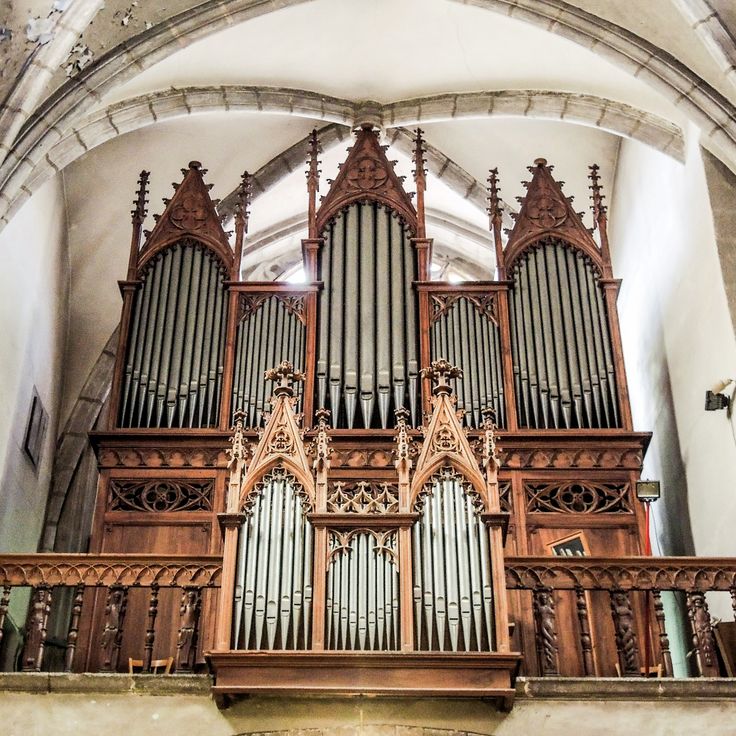
This 18th-century church features wall frescoes and a restored organ dating from 1750. The building forms part of Clermont-Ferrand's religious heritage and demonstrates the Baroque architectural tendencies of its construction period. The organ has been fully restored and now serves for concerts and liturgical ceremonies. The wall paintings document 18th-century religious iconography.
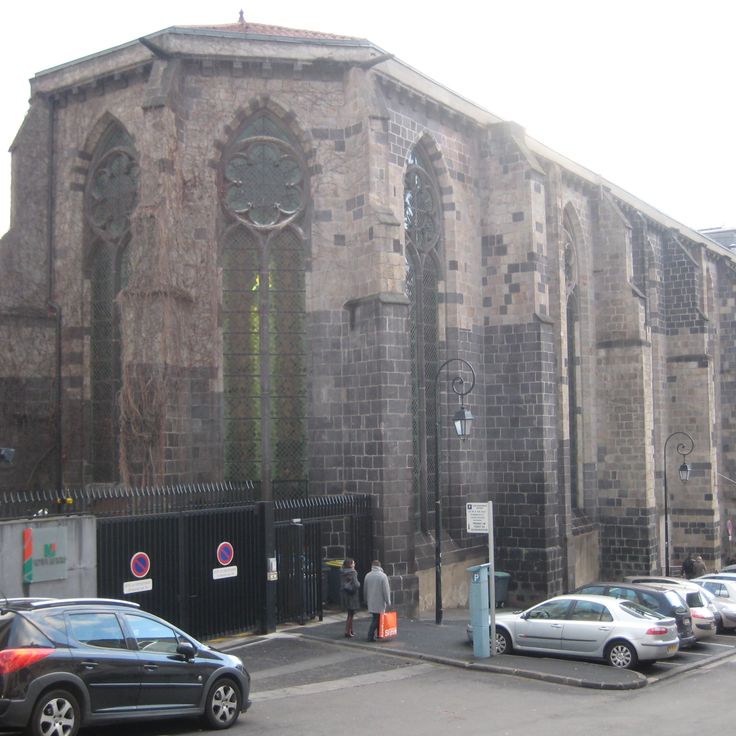
This 13th-century chapel contains religious wall paintings and Gothic architectural elements. The structure originally belonged to the Franciscan monastery and was later integrated into various municipal uses. The murals depict scenes from the lives of saints and biblical narratives, documenting the artistic style of medieval Clermont-Ferrand. The chapel joins the group of religious buildings in the city that, ranging from the Romanesque Notre-Dame-du-Port to the black volcanic stone cathedral, illustrate the development of French sacred architecture from the Middle Ages through the modern era.
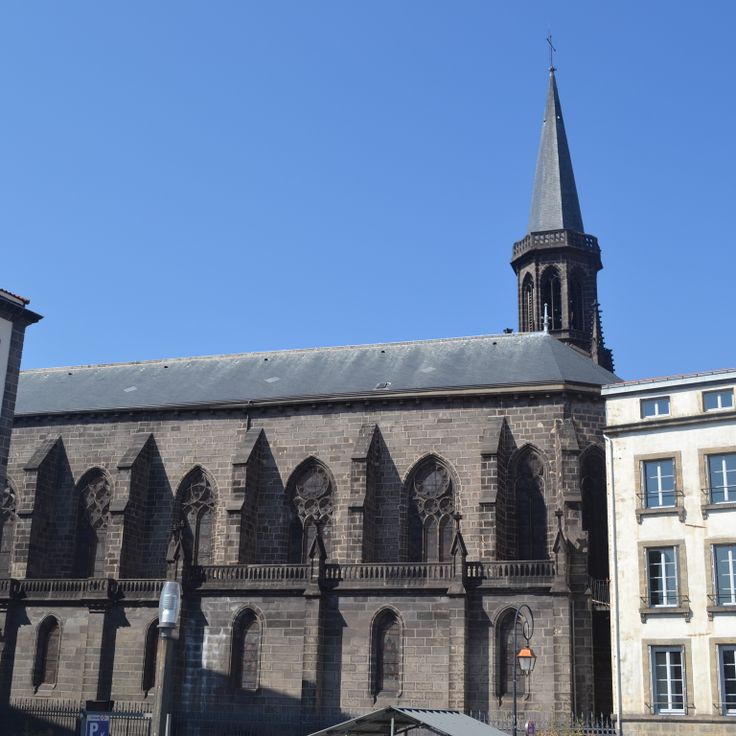
The church of Saint-Genès-des-Carmes was built from the 15th century and remodeled in the 17th century. The structure combines Gothic pointed arches with Baroque decorative elements on the facade and interior. The church originally belonged to the Carmelite monastery and now serves as a parish church in the historic quarter of Clermont-Ferrand. The furnishings include wood paneling, carved altars and paintings from the Counter-Reformation period. The architecture illustrates the transition between Gothic tradition and Baroque renewal in the religious construction of central France.
This 12th-century abbey church dates from the height of Romanesque construction in the Auvergne and demonstrates the technical capabilities of medieval stonemasons. The building combines local volcanic stones in different colors to create geometric patterns on the exterior facade. The nave follows the typical plan of Romanesque pilgrimage churches with side aisles, an ambulatory and radiating chapels. The crypt beneath the choir preserves relics and shows the original structure of the church. Capitals inside feature depictions of biblical scenes and plant motifs characteristic of regional Romanesque sculpture.
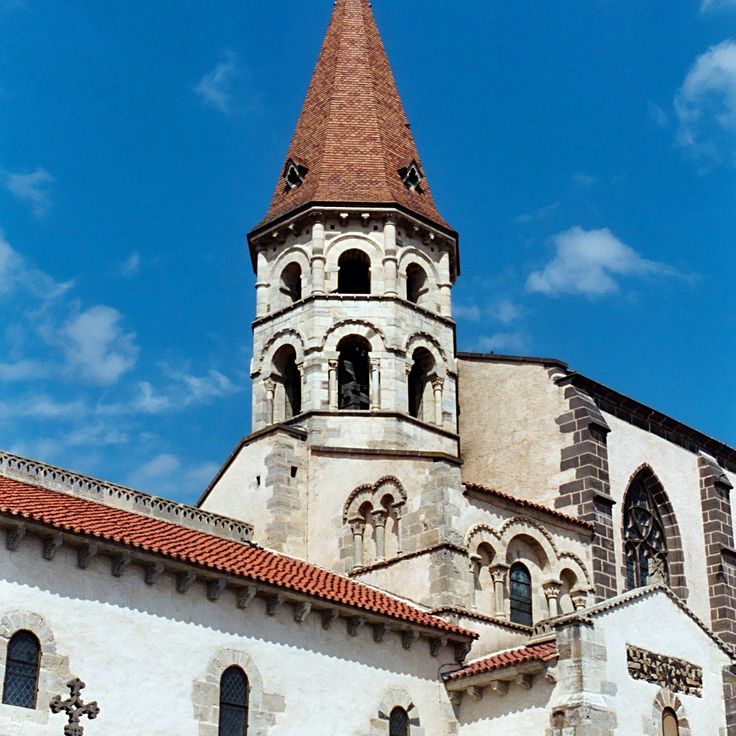
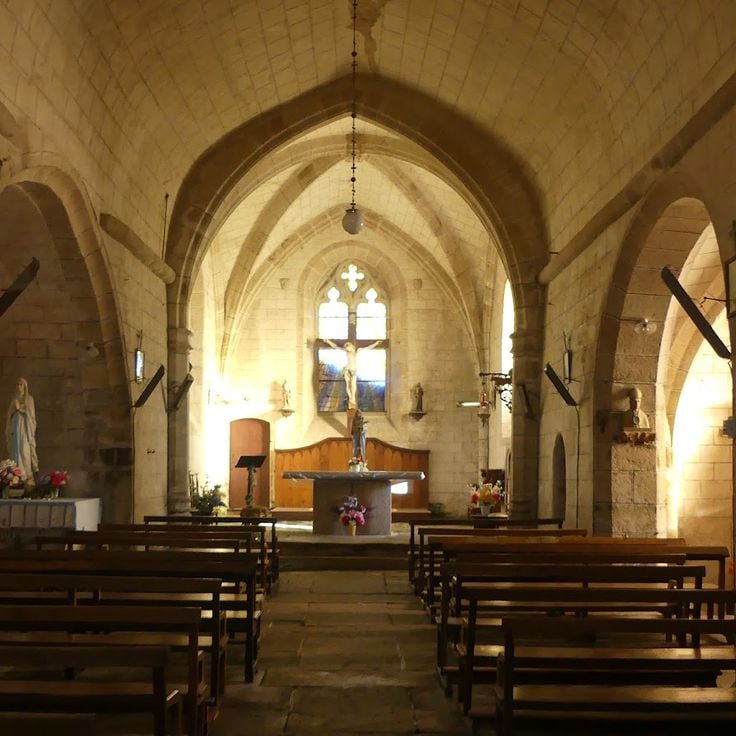
The Saint-Léger church in Royat dates from the 11th century and combines Romanesque architecture with medieval elements. The building displays characteristic Romanesque columns and a preserved medieval bell tower. The colored stained glass windows provide distinctive lighting inside. As part of the region's religious heritage, this church complements the group of religious monuments around Clermont-Ferrand, documenting various periods of French sacred architecture from the Middle Ages to the modern era.
The Église Notre-Dame-du-Marthuret combines Romanesque and Gothic architecture from the 13th century. This church features a blend of stone sculptures and wall paintings in the nave, characteristic of the religious architecture of this era in Auvergne. As part of the region's ecclesiastical tradition, it complements the religious monuments of Clermont-Ferrand and demonstrates the architectural transition from Romanesque to Gothic style.
This 12th-century Gothic basilica in the center of Riom houses religious artifacts and features stone vaults with sculpted decorative elements. The Basilique Saint-Amable belongs to the religious monuments of the Clermont-Ferrand area and illustrates French religious architecture of the medieval period. The building follows Gothic construction principles with a central nave supported by columns and side aisles under ribbed vaults. Sculpted capitals adorn the columns, while several chapels are arranged along the side walls.
This church built in the 15th century from stone marks the religious heritage of Thiers with its tall windows and notable acoustic properties. The Église Saint-Dizier follows the tradition of medieval sacred architecture in the region and now serves as a concert venue. The interior design with its vertical lines and natural sound resonance regularly attracts musicians and audiences. The architecture reflects the construction developments of the late Middle Ages and complements the religious monuments of Clermont-Ferrand in their historical diversity.
The Saint-Julien de Chauriat church combines medieval stone walls with contemporary stained glass windows and presents religious artworks from several periods. The building shows the development of religious architecture in the Clermont-Ferrand region from the Middle Ages to modern times. The interior contains liturgical objects and decorative elements documenting various artistic movements. The church stands within the context of religious structures that define the urban and rural appearance of Auvergne and contributes to the architectural diversity of the region alongside the Romanesque and Gothic monuments of the surrounding area.
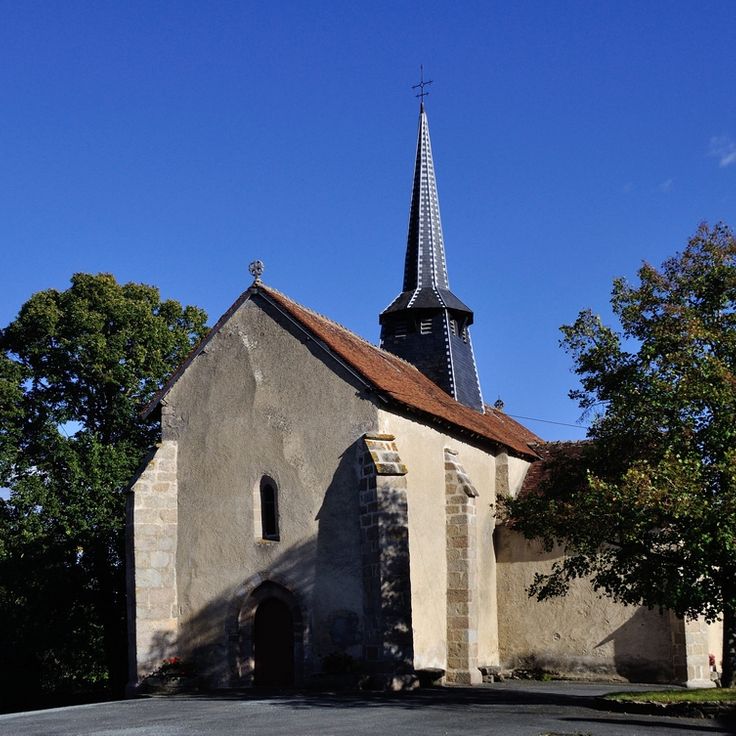
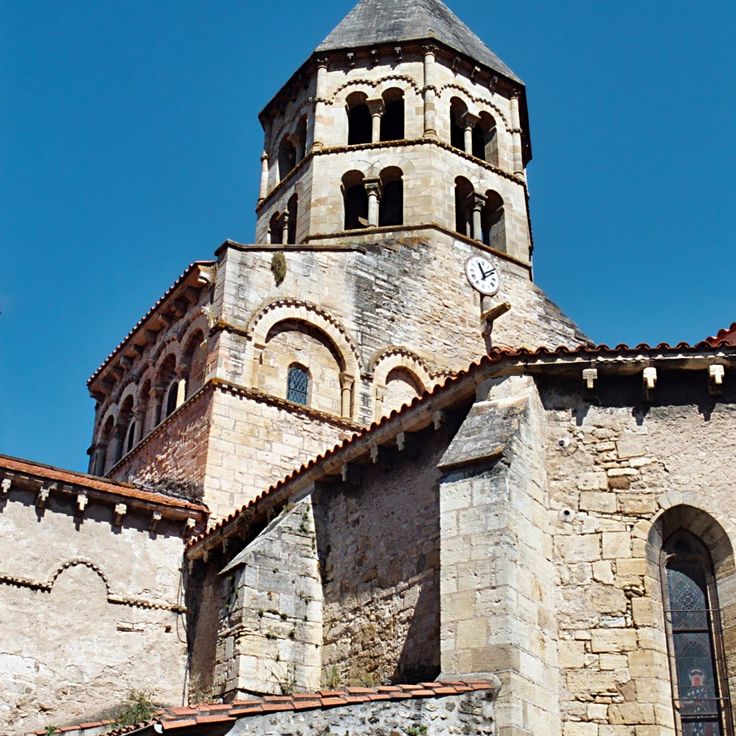
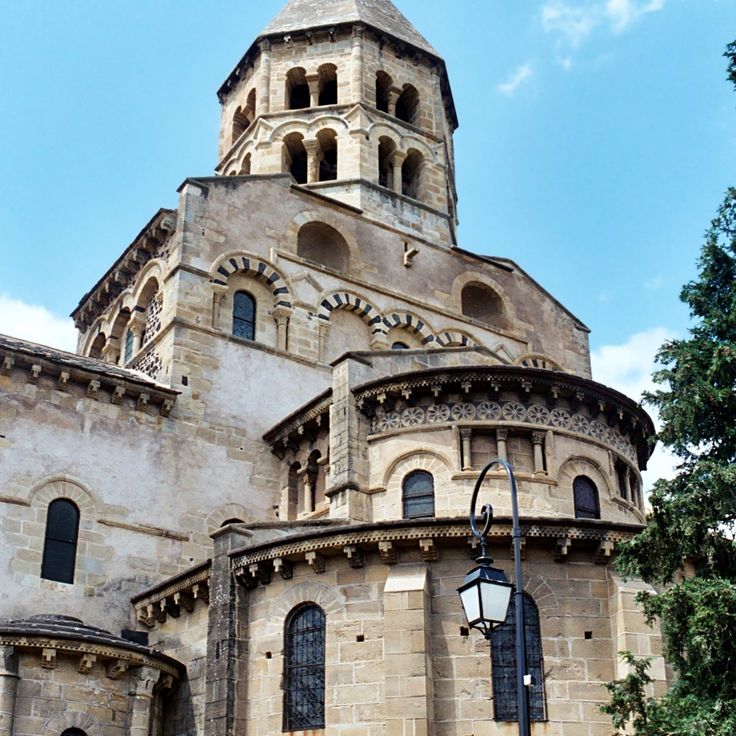
This Romanesque church from the 12th century stands in Saint-Saturnin, about 12 miles (20 kilometers) south of Clermont-Ferrand. The building is among the religious monuments of Auvergne and displays features of regional architecture with stone columns and historical frescoes in the interior. The church was built from the volcanic stone common to the area, which gives the region its characteristic appearance. The frescoes document medieval religious art and complement the architectural design of the building. Notre-Dame-de-Saint-Saturnin is part of the religious heritage that illustrates the development of French sacred architecture from the Middle Ages to the modern era.
The Collégiale Saint-Victor et Sainte-Couronne in Ennezat adds to the religious heritage of the Clermont-Ferrand region through its 13th-century Gothic architecture. This church displays two symmetrical towers on its western facade and houses several religious artworks. The structure combines construction elements of French Gothic design with local building characteristics and fits within the ensemble of medieval religious monuments in the Auvergne.
The Cathédrale Notre-Dame-de-l'Assomption stands as the principal religious structure in central Clermont-Ferrand and represents 13th-century Gothic architecture. This cathedral was built from black volcanic stone quarried in the region, giving it a distinctive appearance. The two towers rise to 315 feet (96 meters) and define the city skyline. Construction spanned several centuries and illustrates the evolution of Gothic building techniques in the Auvergne. Inside, the cathedral preserves medieval stained glass windows and liturgical furnishings that form part of the city's religious art collection.
This 11th century Romanesque basilica stands among the most important religious buildings in Clermont-Ferrand and displays typical features of Auvergne Romanesque architecture. The nave is decorated with geometric patterns carved from regional volcanic stone. The octagonal bell tower rises above the transept. Inside, visitors find capitals depicting biblical scenes and plant motifs, along with a crypt beneath the choir.
This 17th-century Baroque church ranks among the religious monuments of Clermont-Ferrand that define the city's architectural heritage. The facade of Église Saint-Pierre-des-Minimes displays elaborate sculptures characteristic of the Baroque period. The 164-foot (50-meter) tower and spire mark the neighborhood's skyline. The building illustrates the Baroque style represented in Clermont-Ferrand alongside Romanesque and Gothic churches. The interior and facade document early modern religious architecture in Auvergne.
This 18th-century church features wall frescoes and a restored organ dating from 1750. The building forms part of Clermont-Ferrand's religious heritage and demonstrates the Baroque architectural tendencies of its construction period. The organ has been fully restored and now serves for concerts and liturgical ceremonies. The wall paintings document 18th-century religious iconography.
This 13th-century chapel contains religious wall paintings and Gothic architectural elements. The structure originally belonged to the Franciscan monastery and was later integrated into various municipal uses. The murals depict scenes from the lives of saints and biblical narratives, documenting the artistic style of medieval Clermont-Ferrand. The chapel joins the group of religious buildings in the city that, ranging from the Romanesque Notre-Dame-du-Port to the black volcanic stone cathedral, illustrate the development of French sacred architecture from the Middle Ages through the modern era.
The church of Saint-Genès-des-Carmes was built from the 15th century and remodeled in the 17th century. The structure combines Gothic pointed arches with Baroque decorative elements on the facade and interior. The church originally belonged to the Carmelite monastery and now serves as a parish church in the historic quarter of Clermont-Ferrand. The furnishings include wood paneling, carved altars and paintings from the Counter-Reformation period. The architecture illustrates the transition between Gothic tradition and Baroque renewal in the religious construction of central France.
This 12th-century abbey church dates from the height of Romanesque construction in the Auvergne and demonstrates the technical capabilities of medieval stonemasons. The building combines local volcanic stones in different colors to create geometric patterns on the exterior facade. The nave follows the typical plan of Romanesque pilgrimage churches with side aisles, an ambulatory and radiating chapels. The crypt beneath the choir preserves relics and shows the original structure of the church. Capitals inside feature depictions of biblical scenes and plant motifs characteristic of regional Romanesque sculpture.
The Saint-Léger church in Royat dates from the 11th century and combines Romanesque architecture with medieval elements. The building displays characteristic Romanesque columns and a preserved medieval bell tower. The colored stained glass windows provide distinctive lighting inside. As part of the region's religious heritage, this church complements the group of religious monuments around Clermont-Ferrand, documenting various periods of French sacred architecture from the Middle Ages to the modern era.
The Église Notre-Dame-du-Marthuret combines Romanesque and Gothic architecture from the 13th century. This church features a blend of stone sculptures and wall paintings in the nave, characteristic of the religious architecture of this era in Auvergne. As part of the region's ecclesiastical tradition, it complements the religious monuments of Clermont-Ferrand and demonstrates the architectural transition from Romanesque to Gothic style.
This 12th-century Gothic basilica in the center of Riom houses religious artifacts and features stone vaults with sculpted decorative elements. The Basilique Saint-Amable belongs to the religious monuments of the Clermont-Ferrand area and illustrates French religious architecture of the medieval period. The building follows Gothic construction principles with a central nave supported by columns and side aisles under ribbed vaults. Sculpted capitals adorn the columns, while several chapels are arranged along the side walls.
This church built in the 15th century from stone marks the religious heritage of Thiers with its tall windows and notable acoustic properties. The Église Saint-Dizier follows the tradition of medieval sacred architecture in the region and now serves as a concert venue. The interior design with its vertical lines and natural sound resonance regularly attracts musicians and audiences. The architecture reflects the construction developments of the late Middle Ages and complements the religious monuments of Clermont-Ferrand in their historical diversity.
The Saint-Julien de Chauriat church combines medieval stone walls with contemporary stained glass windows and presents religious artworks from several periods. The building shows the development of religious architecture in the Clermont-Ferrand region from the Middle Ages to modern times. The interior contains liturgical objects and decorative elements documenting various artistic movements. The church stands within the context of religious structures that define the urban and rural appearance of Auvergne and contributes to the architectural diversity of the region alongside the Romanesque and Gothic monuments of the surrounding area.
This Romanesque church from the 12th century stands in Saint-Saturnin, about 12 miles (20 kilometers) south of Clermont-Ferrand. The building is among the religious monuments of Auvergne and displays features of regional architecture with stone columns and historical frescoes in the interior. The church was built from the volcanic stone common to the area, which gives the region its characteristic appearance. The frescoes document medieval religious art and complement the architectural design of the building. Notre-Dame-de-Saint-Saturnin is part of the religious heritage that illustrates the development of French sacred architecture from the Middle Ages to the modern era.
The Collégiale Saint-Victor et Sainte-Couronne in Ennezat adds to the religious heritage of the Clermont-Ferrand region through its 13th-century Gothic architecture. This church displays two symmetrical towers on its western facade and houses several religious artworks. The structure combines construction elements of French Gothic design with local building characteristics and fits within the ensemble of medieval religious monuments in the Auvergne.
The Cathédrale Notre-Dame-de-l'Assomption stands as the principal religious structure in central Clermont-Ferrand and represents 13th-century Gothic architecture. This cathedral was built from black volcanic stone quarried in the region, giving it a distinctive appearance. The two towers rise to 315 feet (96 meters) and define the city skyline. Construction spanned several centuries and illustrates the evolution of Gothic building techniques in the Auvergne. Inside, the cathedral preserves medieval stained glass windows and liturgical furnishings that form part of the city's religious art collection.
This 11th century Romanesque basilica stands among the most important religious buildings in Clermont-Ferrand and displays typical features of Auvergne Romanesque architecture. The nave is decorated with geometric patterns carved from regional volcanic stone. The octagonal bell tower rises above the transept. Inside, visitors find capitals depicting biblical scenes and plant motifs, along with a crypt beneath the choir.
This 17th-century Baroque church ranks among the religious monuments of Clermont-Ferrand that define the city's architectural heritage. The facade of Église Saint-Pierre-des-Minimes displays elaborate sculptures characteristic of the Baroque period. The 164-foot (50-meter) tower and spire mark the neighborhood's skyline. The building illustrates the Baroque style represented in Clermont-Ferrand alongside Romanesque and Gothic churches. The interior and facade document early modern religious architecture in Auvergne.
This 18th-century church features wall frescoes and a restored organ dating from 1750. The building forms part of Clermont-Ferrand's religious heritage and demonstrates the Baroque architectural tendencies of its construction period. The organ has been fully restored and now serves for concerts and liturgical ceremonies. The wall paintings document 18th-century religious iconography.
This 13th-century chapel contains religious wall paintings and Gothic architectural elements. The structure originally belonged to the Franciscan monastery and was later integrated into various municipal uses. The murals depict scenes from the lives of saints and biblical narratives, documenting the artistic style of medieval Clermont-Ferrand. The chapel joins the group of religious buildings in the city that, ranging from the Romanesque Notre-Dame-du-Port to the black volcanic stone cathedral, illustrate the development of French sacred architecture from the Middle Ages through the modern era.
The church of Saint-Genès-des-Carmes was built from the 15th century and remodeled in the 17th century. The structure combines Gothic pointed arches with Baroque decorative elements on the facade and interior. The church originally belonged to the Carmelite monastery and now serves as a parish church in the historic quarter of Clermont-Ferrand. The furnishings include wood paneling, carved altars and paintings from the Counter-Reformation period. The architecture illustrates the transition between Gothic tradition and Baroque renewal in the religious construction of central France.
This 12th-century abbey church dates from the height of Romanesque construction in the Auvergne and demonstrates the technical capabilities of medieval stonemasons. The building combines local volcanic stones in different colors to create geometric patterns on the exterior facade. The nave follows the typical plan of Romanesque pilgrimage churches with side aisles, an ambulatory and radiating chapels. The crypt beneath the choir preserves relics and shows the original structure of the church. Capitals inside feature depictions of biblical scenes and plant motifs characteristic of regional Romanesque sculpture.
The Saint-Léger church in Royat dates from the 11th century and combines Romanesque architecture with medieval elements. The building displays characteristic Romanesque columns and a preserved medieval bell tower. The colored stained glass windows provide distinctive lighting inside. As part of the region's religious heritage, this church complements the group of religious monuments around Clermont-Ferrand, documenting various periods of French sacred architecture from the Middle Ages to the modern era.
The Église Notre-Dame-du-Marthuret combines Romanesque and Gothic architecture from the 13th century. This church features a blend of stone sculptures and wall paintings in the nave, characteristic of the religious architecture of this era in Auvergne. As part of the region's ecclesiastical tradition, it complements the religious monuments of Clermont-Ferrand and demonstrates the architectural transition from Romanesque to Gothic style.
This 12th-century Gothic basilica in the center of Riom houses religious artifacts and features stone vaults with sculpted decorative elements. The Basilique Saint-Amable belongs to the religious monuments of the Clermont-Ferrand area and illustrates French religious architecture of the medieval period. The building follows Gothic construction principles with a central nave supported by columns and side aisles under ribbed vaults. Sculpted capitals adorn the columns, while several chapels are arranged along the side walls.
This church built in the 15th century from stone marks the religious heritage of Thiers with its tall windows and notable acoustic properties. The Église Saint-Dizier follows the tradition of medieval sacred architecture in the region and now serves as a concert venue. The interior design with its vertical lines and natural sound resonance regularly attracts musicians and audiences. The architecture reflects the construction developments of the late Middle Ages and complements the religious monuments of Clermont-Ferrand in their historical diversity.
The Saint-Julien de Chauriat church combines medieval stone walls with contemporary stained glass windows and presents religious artworks from several periods. The building shows the development of religious architecture in the Clermont-Ferrand region from the Middle Ages to modern times. The interior contains liturgical objects and decorative elements documenting various artistic movements. The church stands within the context of religious structures that define the urban and rural appearance of Auvergne and contributes to the architectural diversity of the region alongside the Romanesque and Gothic monuments of the surrounding area.
This Romanesque church from the 12th century stands in Saint-Saturnin, about 12 miles (20 kilometers) south of Clermont-Ferrand. The building is among the religious monuments of Auvergne and displays features of regional architecture with stone columns and historical frescoes in the interior. The church was built from the volcanic stone common to the area, which gives the region its characteristic appearance. The frescoes document medieval religious art and complement the architectural design of the building. Notre-Dame-de-Saint-Saturnin is part of the religious heritage that illustrates the development of French sacred architecture from the Middle Ages to the modern era.
The Collégiale Saint-Victor et Sainte-Couronne in Ennezat adds to the religious heritage of the Clermont-Ferrand region through its 13th-century Gothic architecture. This church displays two symmetrical towers on its western facade and houses several religious artworks. The structure combines construction elements of French Gothic design with local building characteristics and fits within the ensemble of medieval religious monuments in the Auvergne.