See the monuments around you in AROpen chests in the app
Around Us is built for your phone — point your camera at the streets and discover the monuments and places around you in augmented reality.Around Us is built for your phone — chests unlock when you walk, explore and capture nearby places.
Gabon: national parks, cultural heritage, rainforest discovery
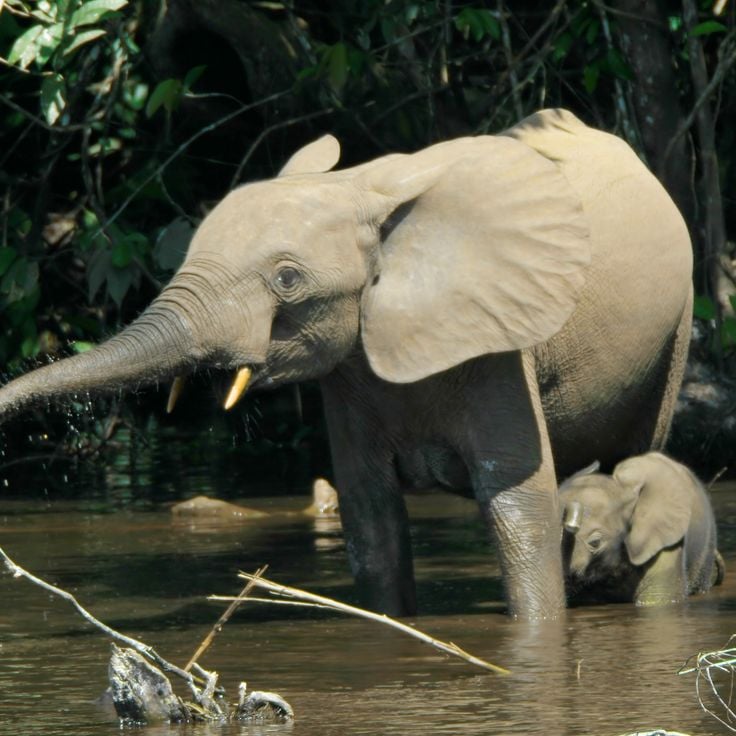
The national parks and reserves of Gabon protect rainforests, savannas and coastal areas. These natural spaces are home to elephants, gorillas, buffalo and marine turtles. The country also includes cultural sites like the St. Louis Cathedral in Libreville, built by the Eiffel workshops, and the Raponda Walker Arboretum with its collection of local plants. Visitors can explore Loango National Park along the Atlantic coast, where hippos walk along the beach and forest elephants wade through shallow water. Ivindo National Park in the interior holds dense forests and waterfalls. The Cristal Mountains offer hilly landscapes with streams and vegetation. Akanda on the coast is a zone of mangroves and wetlands used by migratory birds. In Libreville, the metal St. Louis Cathedral blends European architecture with a tropical setting, while the National Museum of Arts and Traditions displays objects from different regions of the country.
Gabon: national parks, cultural heritage, rainforest discovery
The national parks and reserves of Gabon protect rainforests, savannas and coastal areas. These natural spaces are home to elephants, gorillas, buffalo and marine turtles. The country also includes cultural sites like the St. Louis Cathedral in Libreville, built by the Eiffel workshops, and the Raponda Walker Arboretum with its collection of local plants. Visitors can explore Loango National Park along the Atlantic coast, where hippos walk along the beach and forest elephants wade through shallow water. Ivindo National Park in the interior holds dense forests and waterfalls. The Cristal Mountains offer hilly landscapes with streams and vegetation. Akanda on the coast is a zone of mangroves and wetlands used by migratory birds. In Libreville, the metal St. Louis Cathedral blends European architecture with a tropical setting, while the National Museum of Arts and Traditions displays objects from different regions of the country.
This national park protects more than 2,900 square miles (7,500 square kilometers) of rainforest in northern Gabon. Granite formations rise above the treetops and create landscapes that stand apart from the dense vegetation. Elephants, gorillas and buffalo move through the forests. Vegetation shifts between tall trees and open patches where the rock becomes visible. Walking trails pass through humid areas with streams and rivers. The air feels warm and moist, typical of tropical rainforests. Visitors move slowly along overgrown paths.
This national park runs along the Atlantic coast with white sand beaches, lagoons, and wetlands. Sea turtles return during warm months to lay their eggs in the sand. Elephants and buffalo sometimes walk the shoreline. The park connects rainforest, open savannas, and coastal ecosystems. Hippos move between freshwater and saltwater. This park forms part of Gabon's network of protected areas preserving tropical habitats and their inhabitants.
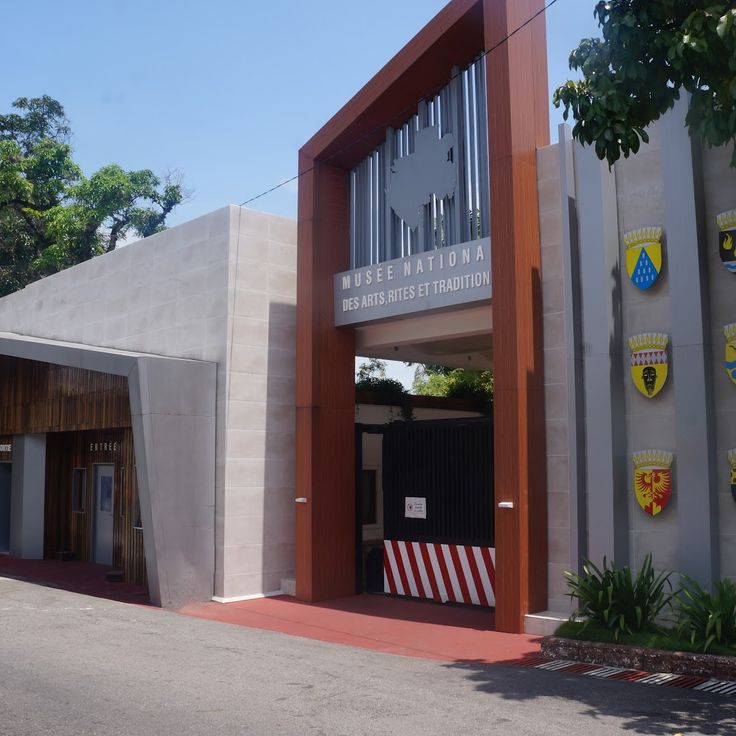
This museum in Libreville holds clothing, musical instruments and masks made by different communities across Gabon. The exhibition rooms present objects from daily life and ceremonies. Visitors see carved wooden items, woven textiles and tools passed down through generations. The National Museum of Arts and Traditions serves as a place where the cultural diversity of the country becomes visible.
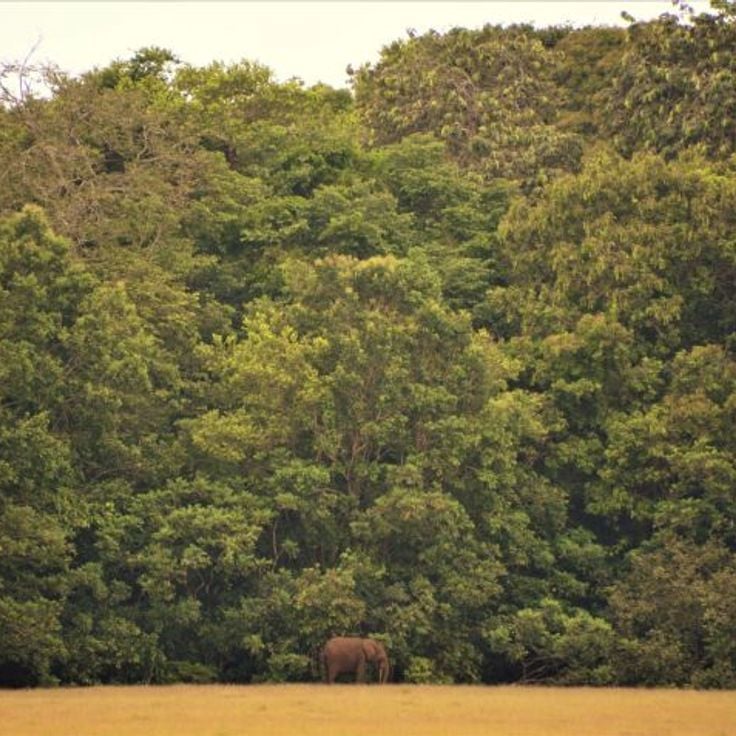
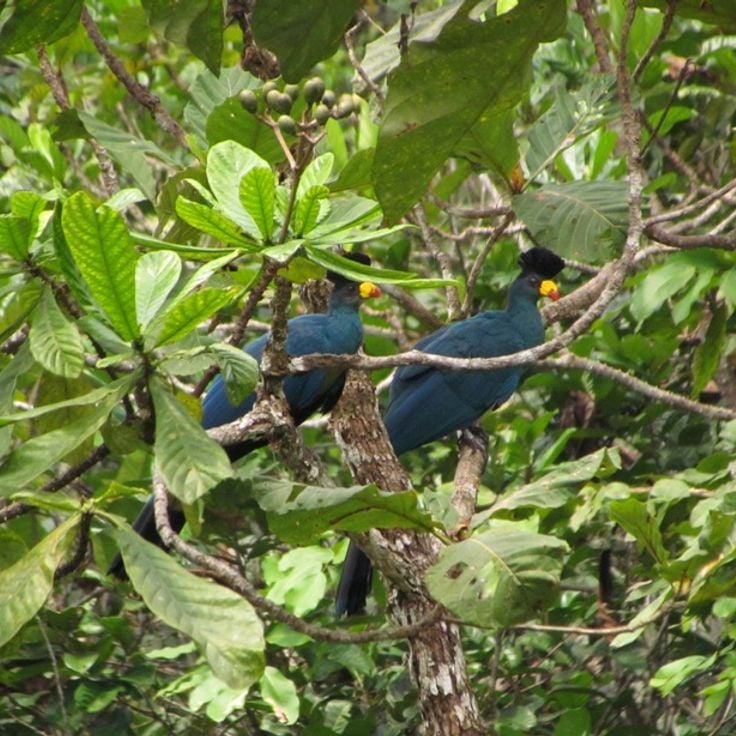
This national park covers tropical rainforest and open grassland where elephants, gorillas, buffalo and many bird species move through. The forests and savannas of Lopé National Park belong to the protected natural areas of Gabon and lie in a zone where both landscapes meet. Rivers run through the area, and ancient rock carvings show evidence of human settlement in earlier centuries.
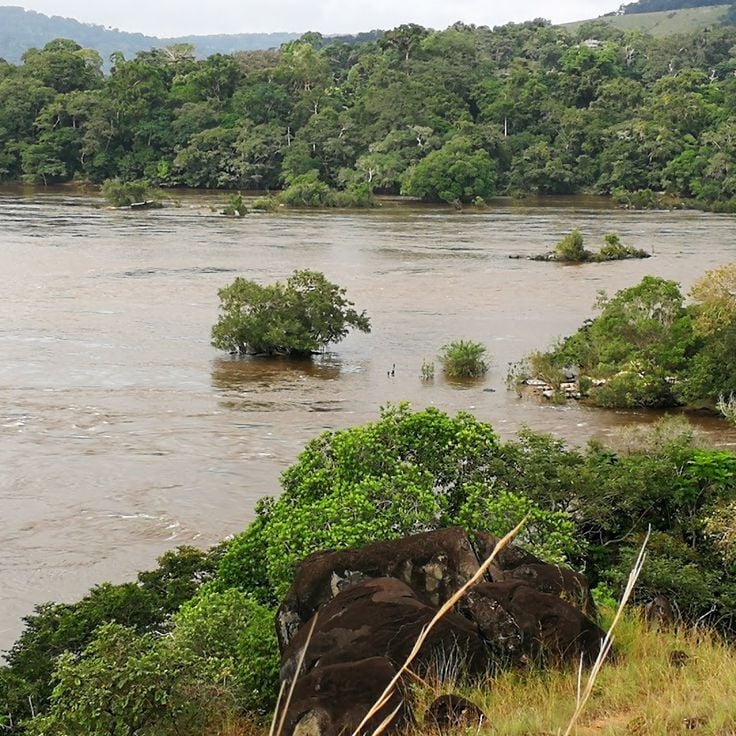
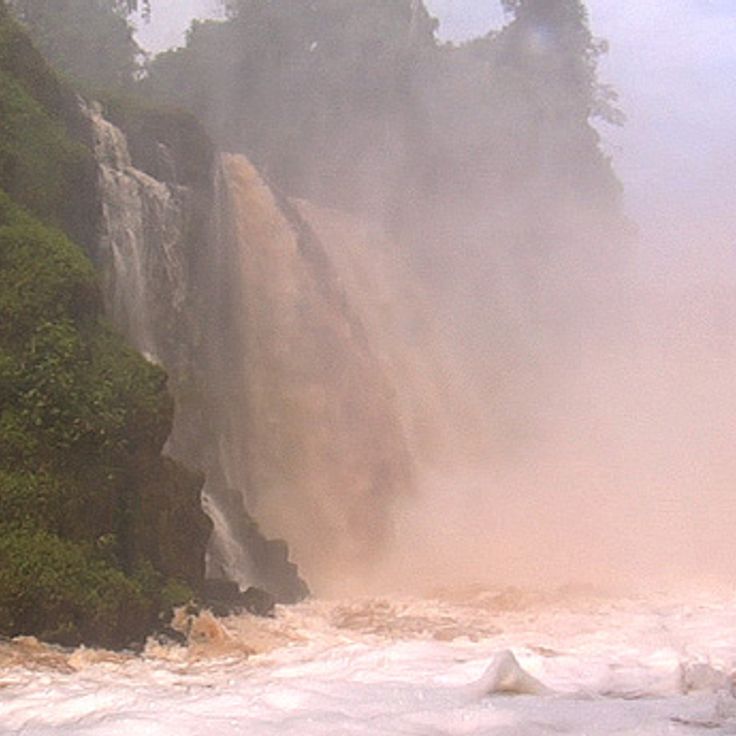
This park protects dense rainforest in northeastern Gabon, crossed by the Ivindo River and its tributaries. Kongou and Mingouli are two waterfalls that interrupt the course of the river. The forest is home to gorillas, forest elephants and chimpanzees. Riverbank zones alternate with wooded areas where centuries-old trees grow. Walking trails lead through the vegetation to the waterfalls. The park is part of the protected areas of Gabon that preserve rainforests and their wildlife.
This national park protects forests, savannas and mangroves in southern Gabon. The landscape shifts from dense canopies to open grasslands where rivers wind through the terrain. Gorillas inhabit the higher elevations while chimpanzees live in the middle zones. Elephants roam both habitats. More than 380 bird species nest in the different vegetation zones, from forest parrots to water birds along the coastal sections. The mangroves form their own system where fish and invertebrates reproduce. Rangers lead visitors on marked trails through the different ecosystems.
This national park protects over 50 miles (80 kilometers) of coastline with dark volcanic beaches. From November to April, leatherback turtles come ashore to lay their eggs in the sand. From July to September, whales pass along the coast. Tropical rainforests reach down to the sea. Fishermen from small villages go out in boats. The sound of waves accompanies the trails through the park. The beaches usually lie empty. In the morning, you can see turtle tracks in the sand.
This church is one of the oldest Catholic buildings in Libreville. The metal structure was made in 1899 by the Eiffel workshops. The construction follows methods from the 19th century, when prefabricated iron parts were shipped from Europe to Africa. The building is now protected as a historical monument. The facade shows the typical forms of that time. Inside, European design and local use come together in a place of daily worship.
The Batéké Plateau is a savanna landscape rising more than 6500 feet (2000 meters) above sea level and part of Gabon's protected natural areas. This plateau shows sandy canyons and open grasslands where antelopes, buffalo and rare bird species live. The climate here differs from the rainforest and creates different living conditions for animals and plants. Visitors find wide views and a quiet, dry environment.
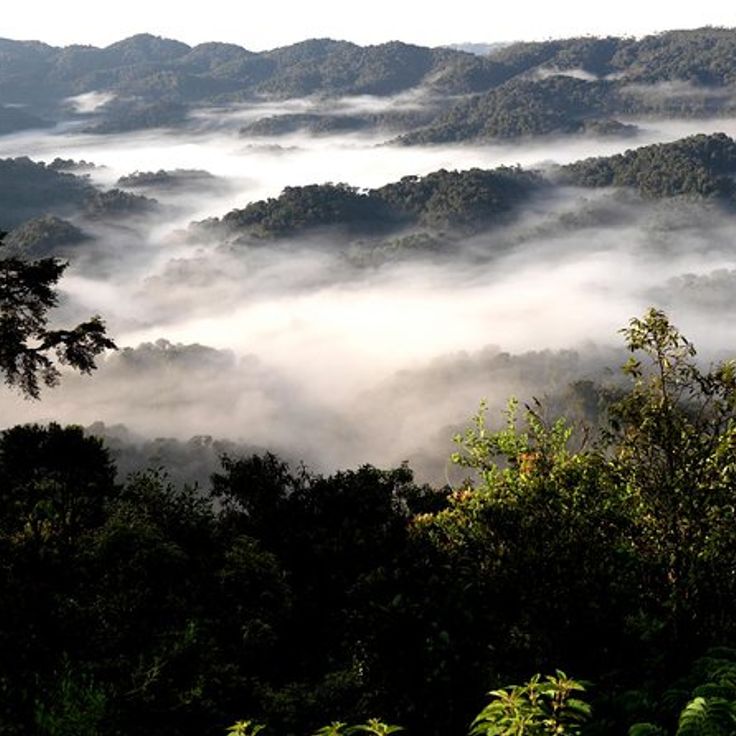
This mountain range rises south of the capital and reaches an elevation of 1,020 meters (about 3,350 feet). Gorges cut through the rock, waterfalls drop between cliff faces. The rainforest covers the slopes and shelters over 3,000 plant species, including around 100 orchid species found only here. Mist often hangs between the trees, the air is damp and cool. Narrow trails lead through thick greenery, past moss-covered trunks and ferns. You hear the sound of water, the calls of birds, sometimes the rustle of animals in the undergrowth.
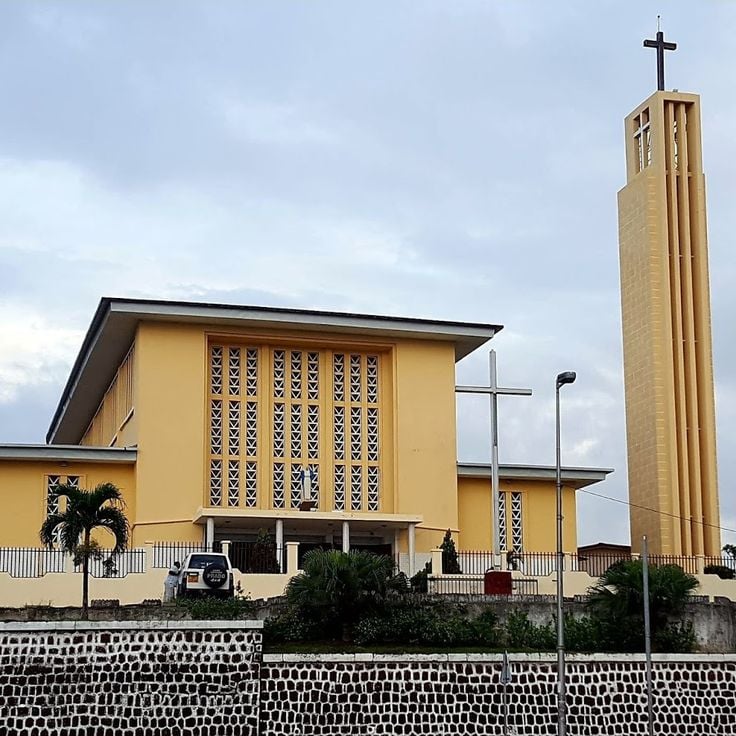
This church in the capital is a place of worship with a modern appearance. The outer walls display geometric shapes that give the building a clean and structured look. Inside, decorations surround the main altar, organizing the liturgical space. The church is part of the city's religious life and is visited by worshippers who attend services here.
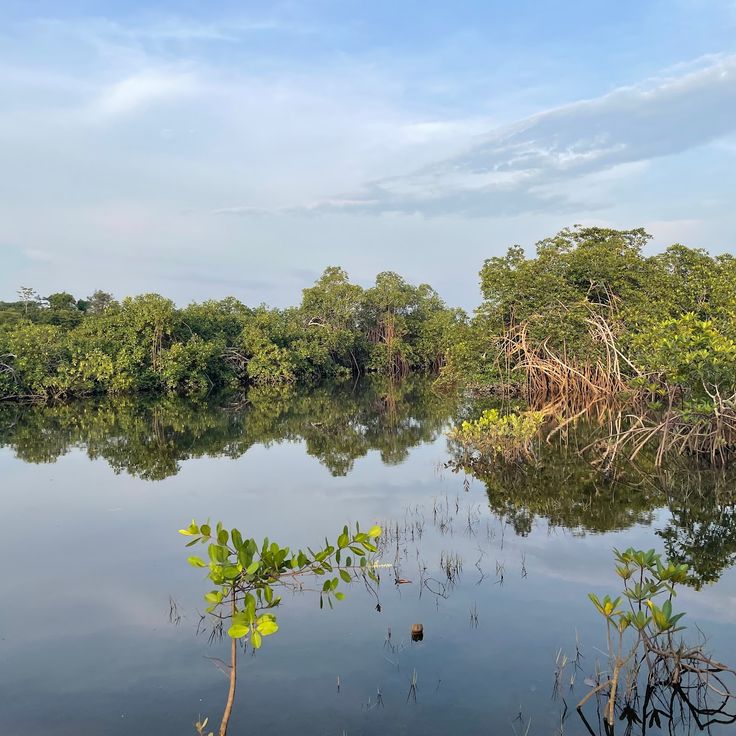
This national park protects 54,000 hectares (133,000 acres) of mangroves, wetlands, and coastal habitats north of Libreville. The area serves as a protected zone for sea turtles that nest here and for migratory birds resting along the Atlantic coast. Mangrove forests shape the landscape and provide habitat for many animal species.
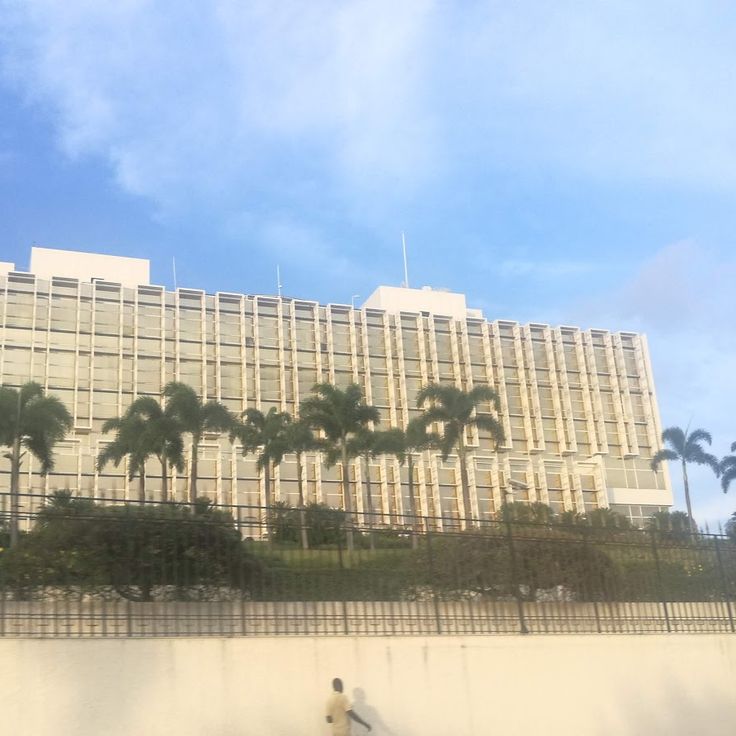
This presidential palace serves as the residence of Gabon's president. The building stands in Libreville along the waterfront and combines modern architecture with maintained gardens. The complex is part of the capital city and represents the political leadership of the country. Visitors see the facade from the boulevard while the gardens shape the cityscape and create a green zone between the government district and the coast.
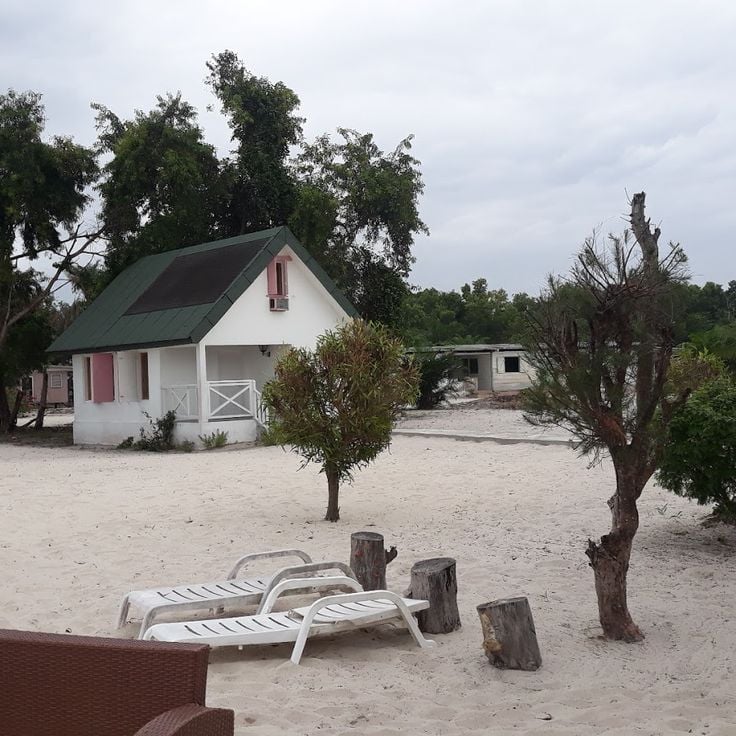
This beach lies on a peninsula in the estuary of the Komo River, facing the capital across the water. White sand lines the coast where the Atlantic meets the land. Visitors reach the peninsula by boat from Libreville. Fishermen live in small settlements along the shore. Palms grow beside the sand strips and provide shade. The water moves with currents from the open ocean. Mornings and evenings bring people to the shore for swimming or watching the fishing boats.
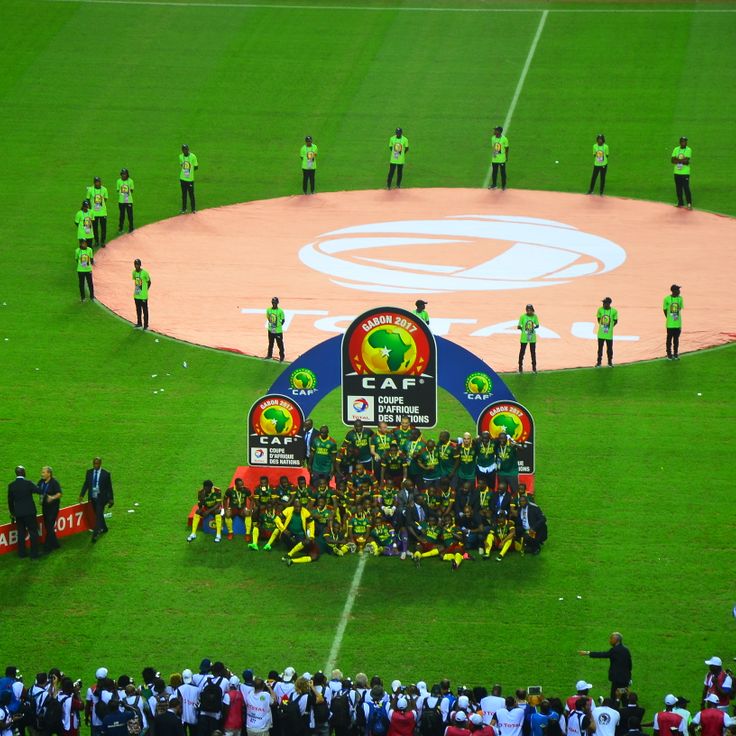
This sports center sits in the northern residential area of Libreville and can be reached via the coastal road to Cap Estérias. The stadium serves the local population as a place for football matches and athletic events. The facility fits into the modern cityscape and provides space for spectators who gather here regularly. Nearby you will find residential neighborhoods and small shops that shape the daily life of residents.
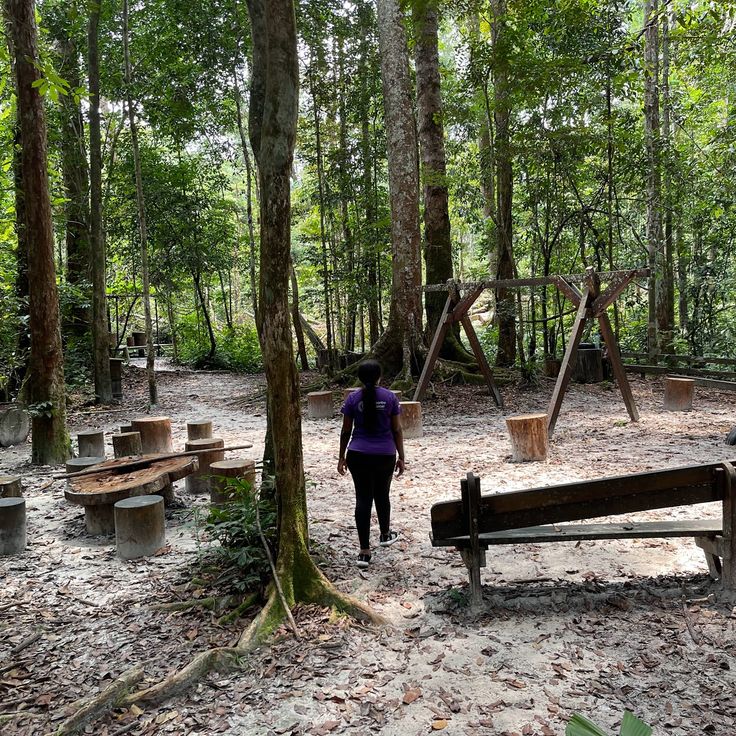
This arboretum lies north of Libreville and gathers trees and plants from the forests of Gabon. The site covers roughly 6 hectares (15 acres) and shows the diversity of native flora. Visitors can walk among tall trunks and learn about the different species from the region. The place serves as a space for education and conservation of local vegetation.
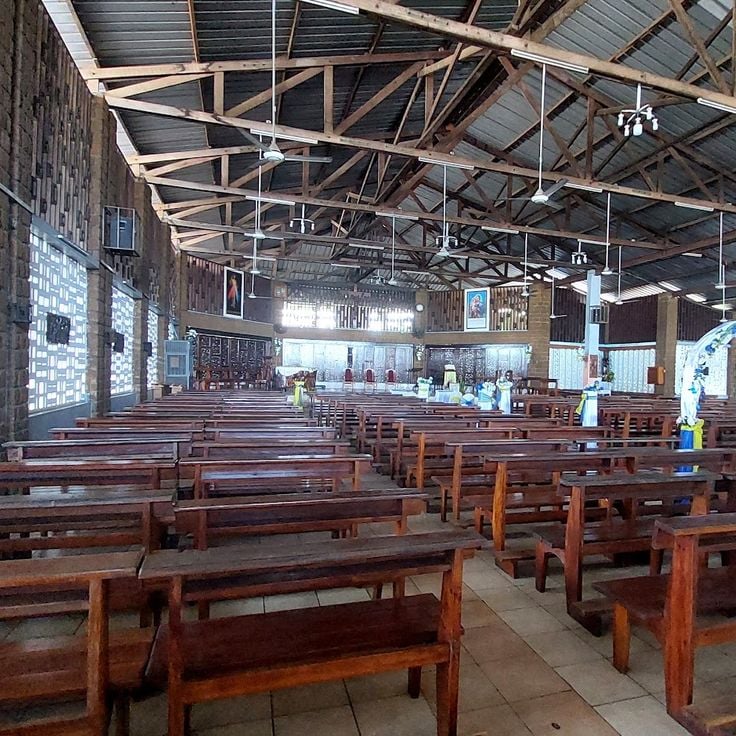
This church in Libreville brings together religious architecture and elements from the region. The carved wooden columns display traditional Gabonese motifs and blend into the overall design of the building. The interior preserves a quiet mood, while the carvings recall local craftsmanship. Visitors find here a place that weaves faith and cultural identity together, bearing witness to the artistic tradition of the country.
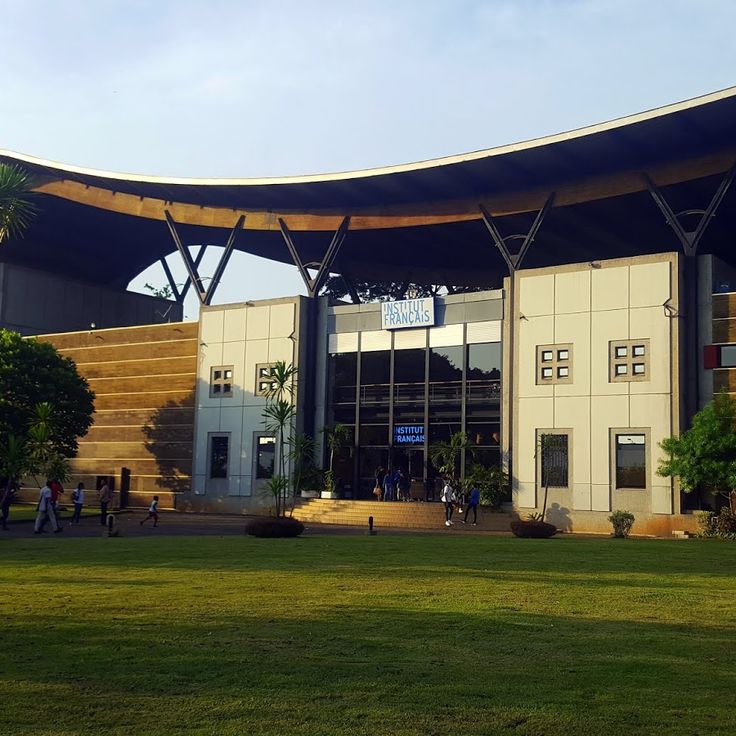
This institute stands in the M'bolo neighborhood and organizes courses, exhibitions and events for students and visitors. It provides access to training programs and cultural activities in a well-attended part of Libreville. The rooms gather a young audience, teachers and participants in workshops. The building serves as a meeting place for discussions, learning and the exchange of ideas among people from different backgrounds.
This protected area covers more than 1,000 square kilometers in the mountains of the Chaillu massif. The park protects rainforest and shows a deep geological fissure that runs 62 miles (100 kilometers) through the landscape. Forest elephants, gorillas and many bird species live here in dense woodland. Visitors find primary forest and can explore the mountain landscape of central Gabon.
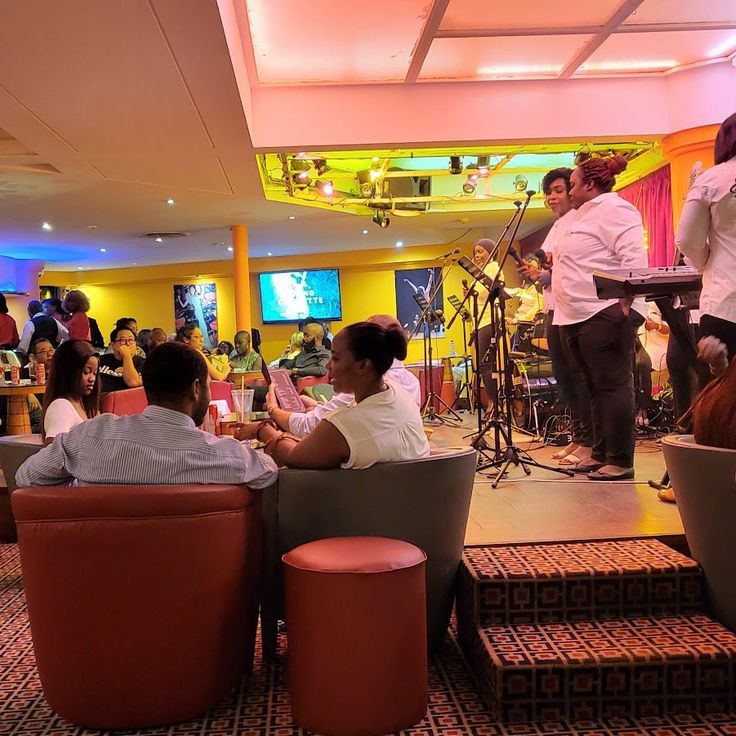
This casino sits in the center of Libreville and offers slot machines, roulette, and card tables in the Gabonese capital. The place fits into an urban setting where business and nighttime entertainment mix. Visitors find a local take on gambling with French and African influences. The tables draw locals and travelers looking for a change of pace. The feel combines the rhythm of a Central African city with the rituals of gaming. The building stands in a district that becomes more active after sunset.
This national park protects more than 2,900 square miles (7,500 square kilometers) of rainforest in northern Gabon. Granite formations rise above the treetops and create landscapes that stand apart from the dense vegetation. Elephants, gorillas and buffalo move through the forests. Vegetation shifts between tall trees and open patches where the rock becomes visible. Walking trails pass through humid areas with streams and rivers. The air feels warm and moist, typical of tropical rainforests. Visitors move slowly along overgrown paths.
This national park runs along the Atlantic coast with white sand beaches, lagoons, and wetlands. Sea turtles return during warm months to lay their eggs in the sand. Elephants and buffalo sometimes walk the shoreline. The park connects rainforest, open savannas, and coastal ecosystems. Hippos move between freshwater and saltwater. This park forms part of Gabon's network of protected areas preserving tropical habitats and their inhabitants.
This museum in Libreville holds clothing, musical instruments and masks made by different communities across Gabon. The exhibition rooms present objects from daily life and ceremonies. Visitors see carved wooden items, woven textiles and tools passed down through generations. The National Museum of Arts and Traditions serves as a place where the cultural diversity of the country becomes visible.
This national park covers tropical rainforest and open grassland where elephants, gorillas, buffalo and many bird species move through. The forests and savannas of Lopé National Park belong to the protected natural areas of Gabon and lie in a zone where both landscapes meet. Rivers run through the area, and ancient rock carvings show evidence of human settlement in earlier centuries.
This park protects dense rainforest in northeastern Gabon, crossed by the Ivindo River and its tributaries. Kongou and Mingouli are two waterfalls that interrupt the course of the river. The forest is home to gorillas, forest elephants and chimpanzees. Riverbank zones alternate with wooded areas where centuries-old trees grow. Walking trails lead through the vegetation to the waterfalls. The park is part of the protected areas of Gabon that preserve rainforests and their wildlife.
This national park protects forests, savannas and mangroves in southern Gabon. The landscape shifts from dense canopies to open grasslands where rivers wind through the terrain. Gorillas inhabit the higher elevations while chimpanzees live in the middle zones. Elephants roam both habitats. More than 380 bird species nest in the different vegetation zones, from forest parrots to water birds along the coastal sections. The mangroves form their own system where fish and invertebrates reproduce. Rangers lead visitors on marked trails through the different ecosystems.
This national park protects over 50 miles (80 kilometers) of coastline with dark volcanic beaches. From November to April, leatherback turtles come ashore to lay their eggs in the sand. From July to September, whales pass along the coast. Tropical rainforests reach down to the sea. Fishermen from small villages go out in boats. The sound of waves accompanies the trails through the park. The beaches usually lie empty. In the morning, you can see turtle tracks in the sand.
This church is one of the oldest Catholic buildings in Libreville. The metal structure was made in 1899 by the Eiffel workshops. The construction follows methods from the 19th century, when prefabricated iron parts were shipped from Europe to Africa. The building is now protected as a historical monument. The facade shows the typical forms of that time. Inside, European design and local use come together in a place of daily worship.
The Batéké Plateau is a savanna landscape rising more than 6500 feet (2000 meters) above sea level and part of Gabon's protected natural areas. This plateau shows sandy canyons and open grasslands where antelopes, buffalo and rare bird species live. The climate here differs from the rainforest and creates different living conditions for animals and plants. Visitors find wide views and a quiet, dry environment.
This mountain range rises south of the capital and reaches an elevation of 1,020 meters (about 3,350 feet). Gorges cut through the rock, waterfalls drop between cliff faces. The rainforest covers the slopes and shelters over 3,000 plant species, including around 100 orchid species found only here. Mist often hangs between the trees, the air is damp and cool. Narrow trails lead through thick greenery, past moss-covered trunks and ferns. You hear the sound of water, the calls of birds, sometimes the rustle of animals in the undergrowth.
This church in the capital is a place of worship with a modern appearance. The outer walls display geometric shapes that give the building a clean and structured look. Inside, decorations surround the main altar, organizing the liturgical space. The church is part of the city's religious life and is visited by worshippers who attend services here.
This national park protects 54,000 hectares (133,000 acres) of mangroves, wetlands, and coastal habitats north of Libreville. The area serves as a protected zone for sea turtles that nest here and for migratory birds resting along the Atlantic coast. Mangrove forests shape the landscape and provide habitat for many animal species.
This presidential palace serves as the residence of Gabon's president. The building stands in Libreville along the waterfront and combines modern architecture with maintained gardens. The complex is part of the capital city and represents the political leadership of the country. Visitors see the facade from the boulevard while the gardens shape the cityscape and create a green zone between the government district and the coast.
This beach lies on a peninsula in the estuary of the Komo River, facing the capital across the water. White sand lines the coast where the Atlantic meets the land. Visitors reach the peninsula by boat from Libreville. Fishermen live in small settlements along the shore. Palms grow beside the sand strips and provide shade. The water moves with currents from the open ocean. Mornings and evenings bring people to the shore for swimming or watching the fishing boats.
This sports center sits in the northern residential area of Libreville and can be reached via the coastal road to Cap Estérias. The stadium serves the local population as a place for football matches and athletic events. The facility fits into the modern cityscape and provides space for spectators who gather here regularly. Nearby you will find residential neighborhoods and small shops that shape the daily life of residents.
This arboretum lies north of Libreville and gathers trees and plants from the forests of Gabon. The site covers roughly 6 hectares (15 acres) and shows the diversity of native flora. Visitors can walk among tall trunks and learn about the different species from the region. The place serves as a space for education and conservation of local vegetation.
This church in Libreville brings together religious architecture and elements from the region. The carved wooden columns display traditional Gabonese motifs and blend into the overall design of the building. The interior preserves a quiet mood, while the carvings recall local craftsmanship. Visitors find here a place that weaves faith and cultural identity together, bearing witness to the artistic tradition of the country.
This institute stands in the M'bolo neighborhood and organizes courses, exhibitions and events for students and visitors. It provides access to training programs and cultural activities in a well-attended part of Libreville. The rooms gather a young audience, teachers and participants in workshops. The building serves as a meeting place for discussions, learning and the exchange of ideas among people from different backgrounds.
This protected area covers more than 1,000 square kilometers in the mountains of the Chaillu massif. The park protects rainforest and shows a deep geological fissure that runs 62 miles (100 kilometers) through the landscape. Forest elephants, gorillas and many bird species live here in dense woodland. Visitors find primary forest and can explore the mountain landscape of central Gabon.
This casino sits in the center of Libreville and offers slot machines, roulette, and card tables in the Gabonese capital. The place fits into an urban setting where business and nighttime entertainment mix. Visitors find a local take on gambling with French and African influences. The tables draw locals and travelers looking for a change of pace. The feel combines the rhythm of a Central African city with the rituals of gaming. The building stands in a district that becomes more active after sunset.
This national park protects more than 2,900 square miles (7,500 square kilometers) of rainforest in northern Gabon. Granite formations rise above the treetops and create landscapes that stand apart from the dense vegetation. Elephants, gorillas and buffalo move through the forests. Vegetation shifts between tall trees and open patches where the rock becomes visible. Walking trails pass through humid areas with streams and rivers. The air feels warm and moist, typical of tropical rainforests. Visitors move slowly along overgrown paths.
This national park runs along the Atlantic coast with white sand beaches, lagoons, and wetlands. Sea turtles return during warm months to lay their eggs in the sand. Elephants and buffalo sometimes walk the shoreline. The park connects rainforest, open savannas, and coastal ecosystems. Hippos move between freshwater and saltwater. This park forms part of Gabon's network of protected areas preserving tropical habitats and their inhabitants.
This museum in Libreville holds clothing, musical instruments and masks made by different communities across Gabon. The exhibition rooms present objects from daily life and ceremonies. Visitors see carved wooden items, woven textiles and tools passed down through generations. The National Museum of Arts and Traditions serves as a place where the cultural diversity of the country becomes visible.
This national park covers tropical rainforest and open grassland where elephants, gorillas, buffalo and many bird species move through. The forests and savannas of Lopé National Park belong to the protected natural areas of Gabon and lie in a zone where both landscapes meet. Rivers run through the area, and ancient rock carvings show evidence of human settlement in earlier centuries.
This park protects dense rainforest in northeastern Gabon, crossed by the Ivindo River and its tributaries. Kongou and Mingouli are two waterfalls that interrupt the course of the river. The forest is home to gorillas, forest elephants and chimpanzees. Riverbank zones alternate with wooded areas where centuries-old trees grow. Walking trails lead through the vegetation to the waterfalls. The park is part of the protected areas of Gabon that preserve rainforests and their wildlife.
This national park protects forests, savannas and mangroves in southern Gabon. The landscape shifts from dense canopies to open grasslands where rivers wind through the terrain. Gorillas inhabit the higher elevations while chimpanzees live in the middle zones. Elephants roam both habitats. More than 380 bird species nest in the different vegetation zones, from forest parrots to water birds along the coastal sections. The mangroves form their own system where fish and invertebrates reproduce. Rangers lead visitors on marked trails through the different ecosystems.
This national park protects over 50 miles (80 kilometers) of coastline with dark volcanic beaches. From November to April, leatherback turtles come ashore to lay their eggs in the sand. From July to September, whales pass along the coast. Tropical rainforests reach down to the sea. Fishermen from small villages go out in boats. The sound of waves accompanies the trails through the park. The beaches usually lie empty. In the morning, you can see turtle tracks in the sand.
This church is one of the oldest Catholic buildings in Libreville. The metal structure was made in 1899 by the Eiffel workshops. The construction follows methods from the 19th century, when prefabricated iron parts were shipped from Europe to Africa. The building is now protected as a historical monument. The facade shows the typical forms of that time. Inside, European design and local use come together in a place of daily worship.
The Batéké Plateau is a savanna landscape rising more than 6500 feet (2000 meters) above sea level and part of Gabon's protected natural areas. This plateau shows sandy canyons and open grasslands where antelopes, buffalo and rare bird species live. The climate here differs from the rainforest and creates different living conditions for animals and plants. Visitors find wide views and a quiet, dry environment.
This mountain range rises south of the capital and reaches an elevation of 1,020 meters (about 3,350 feet). Gorges cut through the rock, waterfalls drop between cliff faces. The rainforest covers the slopes and shelters over 3,000 plant species, including around 100 orchid species found only here. Mist often hangs between the trees, the air is damp and cool. Narrow trails lead through thick greenery, past moss-covered trunks and ferns. You hear the sound of water, the calls of birds, sometimes the rustle of animals in the undergrowth.
This church in the capital is a place of worship with a modern appearance. The outer walls display geometric shapes that give the building a clean and structured look. Inside, decorations surround the main altar, organizing the liturgical space. The church is part of the city's religious life and is visited by worshippers who attend services here.
This national park protects 54,000 hectares (133,000 acres) of mangroves, wetlands, and coastal habitats north of Libreville. The area serves as a protected zone for sea turtles that nest here and for migratory birds resting along the Atlantic coast. Mangrove forests shape the landscape and provide habitat for many animal species.
This presidential palace serves as the residence of Gabon's president. The building stands in Libreville along the waterfront and combines modern architecture with maintained gardens. The complex is part of the capital city and represents the political leadership of the country. Visitors see the facade from the boulevard while the gardens shape the cityscape and create a green zone between the government district and the coast.
This beach lies on a peninsula in the estuary of the Komo River, facing the capital across the water. White sand lines the coast where the Atlantic meets the land. Visitors reach the peninsula by boat from Libreville. Fishermen live in small settlements along the shore. Palms grow beside the sand strips and provide shade. The water moves with currents from the open ocean. Mornings and evenings bring people to the shore for swimming or watching the fishing boats.
This sports center sits in the northern residential area of Libreville and can be reached via the coastal road to Cap Estérias. The stadium serves the local population as a place for football matches and athletic events. The facility fits into the modern cityscape and provides space for spectators who gather here regularly. Nearby you will find residential neighborhoods and small shops that shape the daily life of residents.
This arboretum lies north of Libreville and gathers trees and plants from the forests of Gabon. The site covers roughly 6 hectares (15 acres) and shows the diversity of native flora. Visitors can walk among tall trunks and learn about the different species from the region. The place serves as a space for education and conservation of local vegetation.
This church in Libreville brings together religious architecture and elements from the region. The carved wooden columns display traditional Gabonese motifs and blend into the overall design of the building. The interior preserves a quiet mood, while the carvings recall local craftsmanship. Visitors find here a place that weaves faith and cultural identity together, bearing witness to the artistic tradition of the country.
This institute stands in the M'bolo neighborhood and organizes courses, exhibitions and events for students and visitors. It provides access to training programs and cultural activities in a well-attended part of Libreville. The rooms gather a young audience, teachers and participants in workshops. The building serves as a meeting place for discussions, learning and the exchange of ideas among people from different backgrounds.
This protected area covers more than 1,000 square kilometers in the mountains of the Chaillu massif. The park protects rainforest and shows a deep geological fissure that runs 62 miles (100 kilometers) through the landscape. Forest elephants, gorillas and many bird species live here in dense woodland. Visitors find primary forest and can explore the mountain landscape of central Gabon.
This casino sits in the center of Libreville and offers slot machines, roulette, and card tables in the Gabonese capital. The place fits into an urban setting where business and nighttime entertainment mix. Visitors find a local take on gambling with French and African influences. The tables draw locals and travelers looking for a change of pace. The feel combines the rhythm of a Central African city with the rituals of gaming. The building stands in a district that becomes more active after sunset.