Lopé National Park, National park in central Gabon.
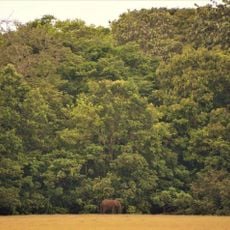
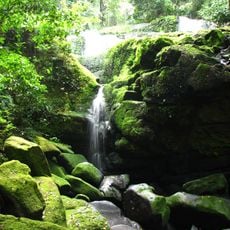
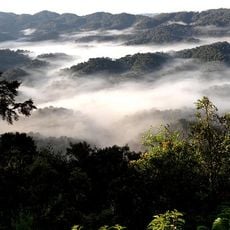
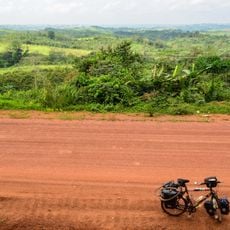
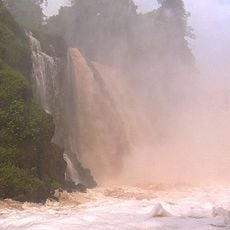
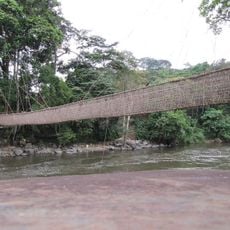
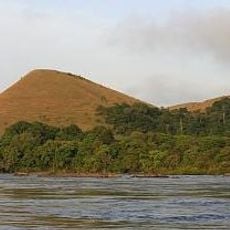
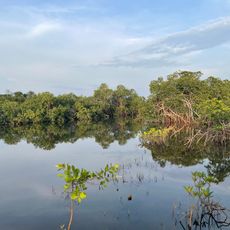
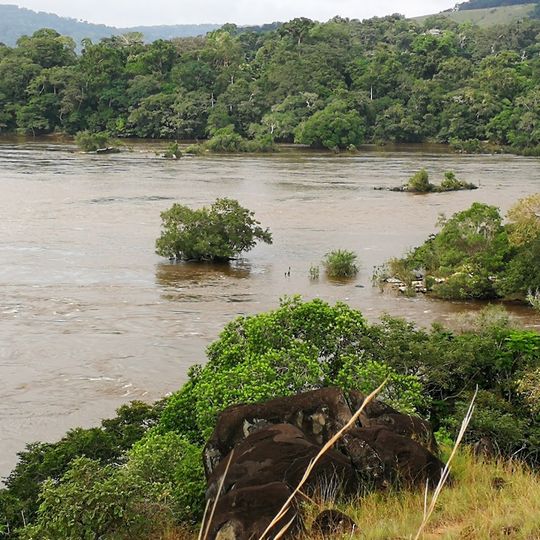
Lopé National Park combines rainforest and savannah zones crossed by rivers that create distinct habitats and wildlife corridors. The landscape displays a clear transition between dense forest and more open grassland areas.
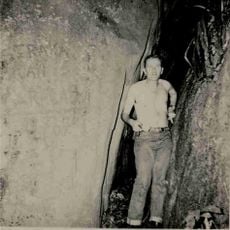
The Ogooué River valley holds evidence of nearly continuous human occupation over 400,000 years. The oldest known Stone Age tools were found at Elarmékora. Bantu-speaking people left polished stone axes and pottery between 3,500 and 2,000 years ago, and iron-working began around 2,000 years ago, when over 1,600 petroglyphs were carved. The valley was abandoned between 600 and 1200 AD, then repopulated by the Okanda people in the 14th and 15th centuries.
Rock carvings and scattered artifacts across the landscape tell stories of human life in this region through different time periods. These signs show how people adapted to living in this environment.
Visitors need official permits and should book guided tours through proper channels to ensure safety and access to remote areas. Planning ahead is important since weather conditions and water levels affect accessibility throughout the year.
A small monkey species with a distinctively colored tail exists only in this park area and was discovered relatively recently. This animal represents the biological specialties found where rainforest and savannah meet.
The community of curious travelers
AroundUs brings together thousands of curated places, local tips, and hidden gems, enriched daily by 93,849 contributors worldwide.