See the monuments around you in AROpen chests in the app
Around Us is built for your phone — point your camera at the streets and discover the monuments and places around you in augmented reality.Around Us is built for your phone — chests unlock when you walk, explore and capture nearby places.
Liverpool: maritime history, music culture, Victorian architecture
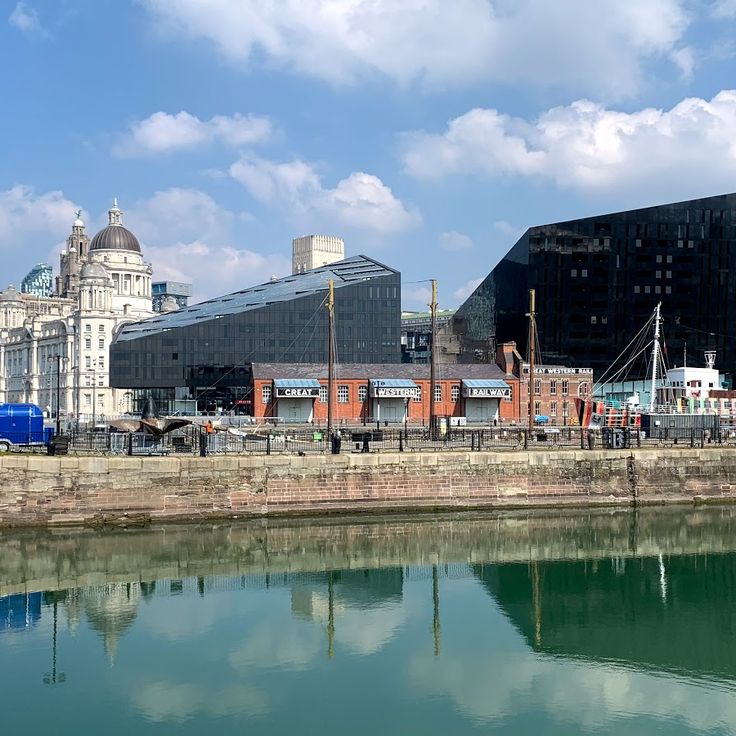
This collection showcases Liverpool's main monuments, museums, and cultural sites, a busy port in the northwest of England. The city grew from maritime trade and still shows this history in its renovated docks, maritime museums, and Victorian buildings along the Mersey River. Liverpool also has art galleries, theaters, and modern cultural spaces that show how the city has changed since its port roots.
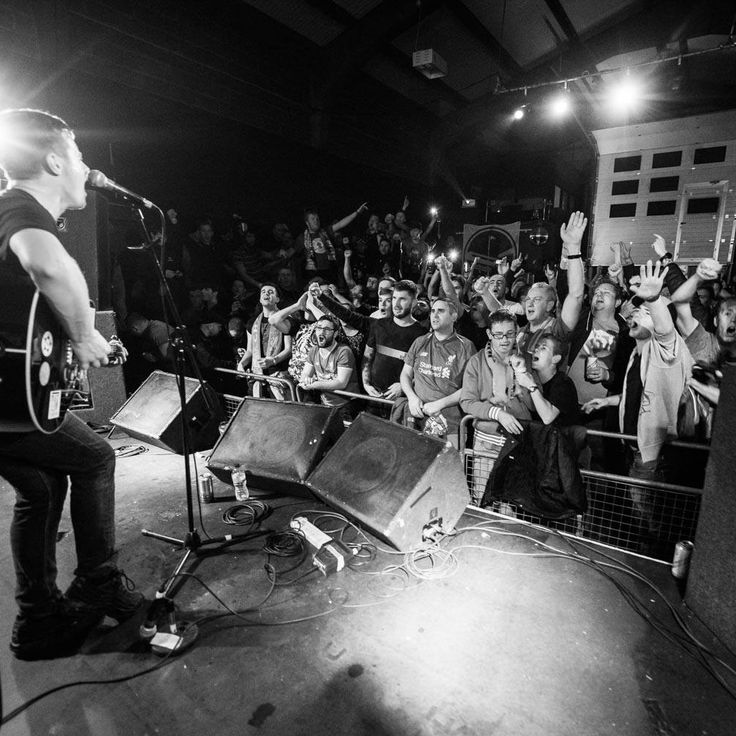
Liverpool carries the story of world rock music. The Beatles, who come from the city, made a big impact in the 20th century and changed how people see Liverpool with their songs and creativity. Besides music, the city is full of football passion, with two rival clubs that excite local fans, and a local speech called scouse that the Liverpudlians are proud of. It is a place where old maritime stories meet new artistic ideas.
Today, Liverpool attracts visitors who want to see England in a different way. Its docks turned into walkways, its museums telling stories of trade, slavery, movement, and art, and its streets full of energy, show a city that has played an important role in British history. Visiting Liverpool means walking where part of the history of the UK was written.
Liverpool: maritime history, music culture, Victorian architecture
This collection showcases Liverpool's main monuments, museums, and cultural sites, a busy port in the northwest of England. The city grew from maritime trade and still shows this history in its renovated docks, maritime museums, and Victorian buildings along the Mersey River. Liverpool also has art galleries, theaters, and modern cultural spaces that show how the city has changed since its port roots.
Liverpool carries the story of world rock music. The Beatles, who come from the city, made a big impact in the 20th century and changed how people see Liverpool with their songs and creativity. Besides music, the city is full of football passion, with two rival clubs that excite local fans, and a local speech called scouse that the Liverpudlians are proud of. It is a place where old maritime stories meet new artistic ideas.
Today, Liverpool attracts visitors who want to see England in a different way. Its docks turned into walkways, its museums telling stories of trade, slavery, movement, and art, and its streets full of energy, show a city that has played an important role in British history. Visiting Liverpool means walking where part of the history of the UK was written.
The Liverpool Beatles Museum is an exhibition space spread across five floors displaying over a thousand authentic objects and memorabilia that tell the story of the famous band. The museum documents how four musicians from Liverpool shaped rock music worldwide and changed the city's identity through their creativity. Visitors can explore the history of a group that transformed Liverpool into a symbol of musical innovation and cultural influence.
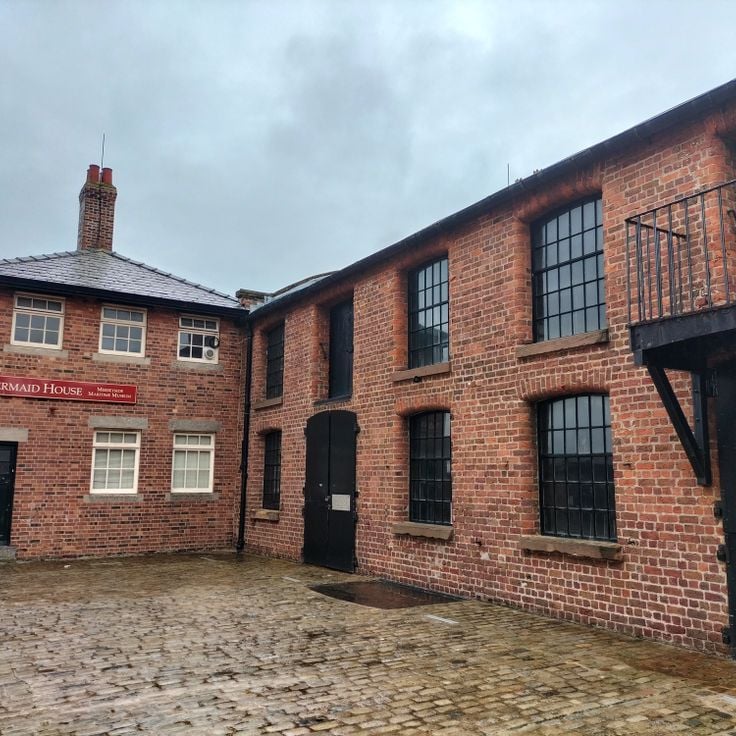
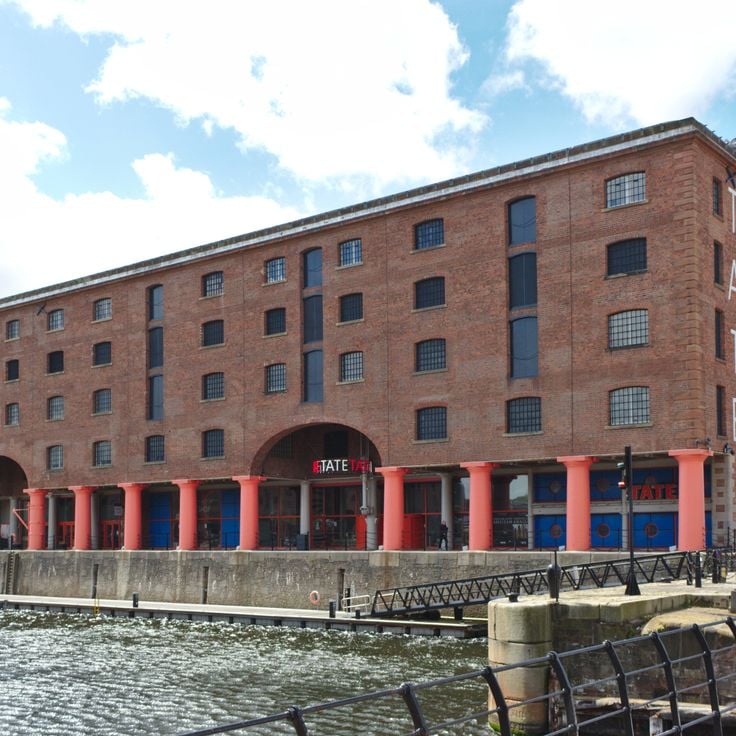
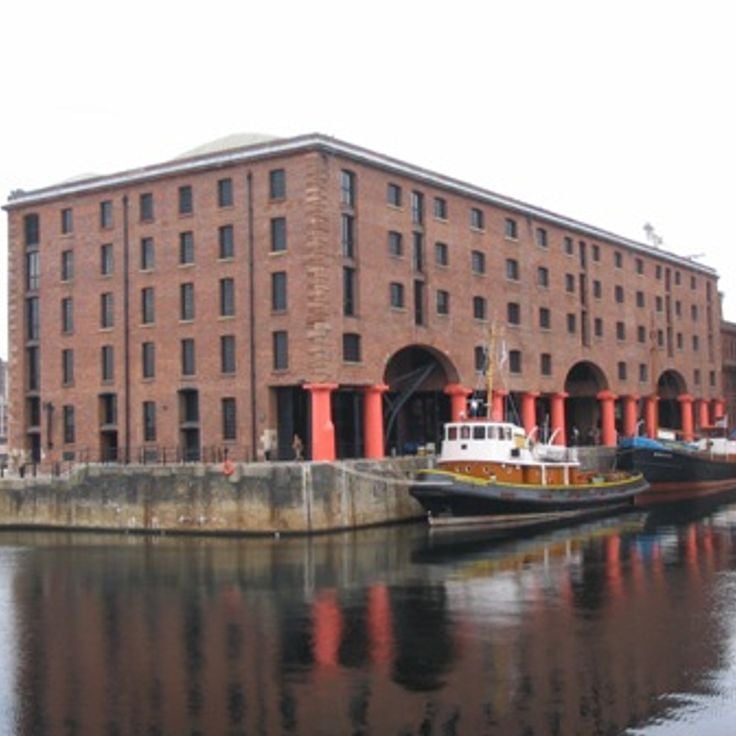
The Merseyside Maritime Museum sits within the restored warehouses of Albert Dock and tells the story of Liverpool's harbor. The collections show the history of merchant ships, naval vessels, and the people who lived and worked on the water. You can learn how this port shaped the city and what role it played in British maritime history. The museum sits right by the water, and from outside you can see the old docks that are now places for walking and exploring.
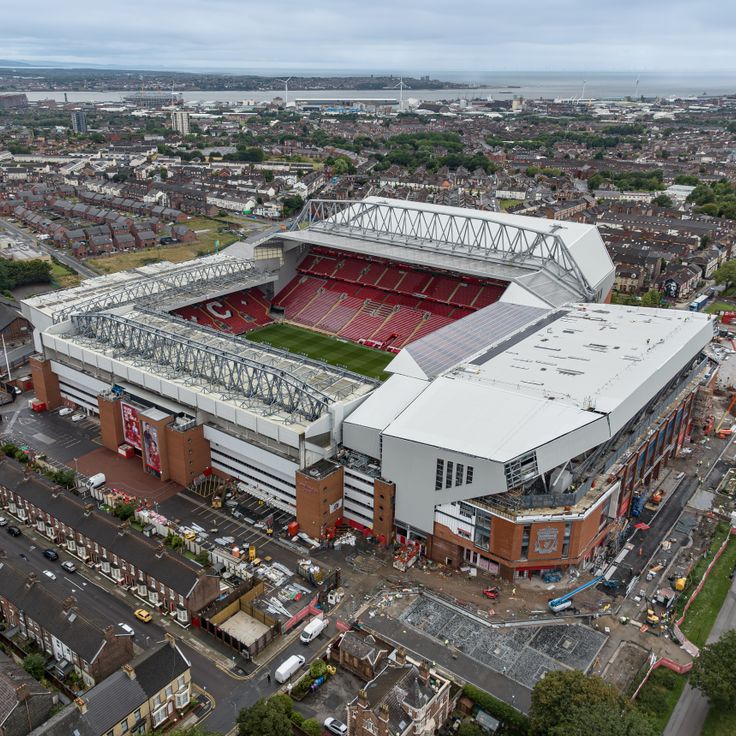
Anfield Stadium has been the home of Liverpool FC since 1884. This football ground is where generations of fans have gathered to support their team, and it stands as a symbol of the city itself. The stadium shapes the identity of the neighborhood and runs deep in local culture. Walking around Anfield, you sense the passion that football stirs in Liverpool, a passion that has defined the city for well over a century.
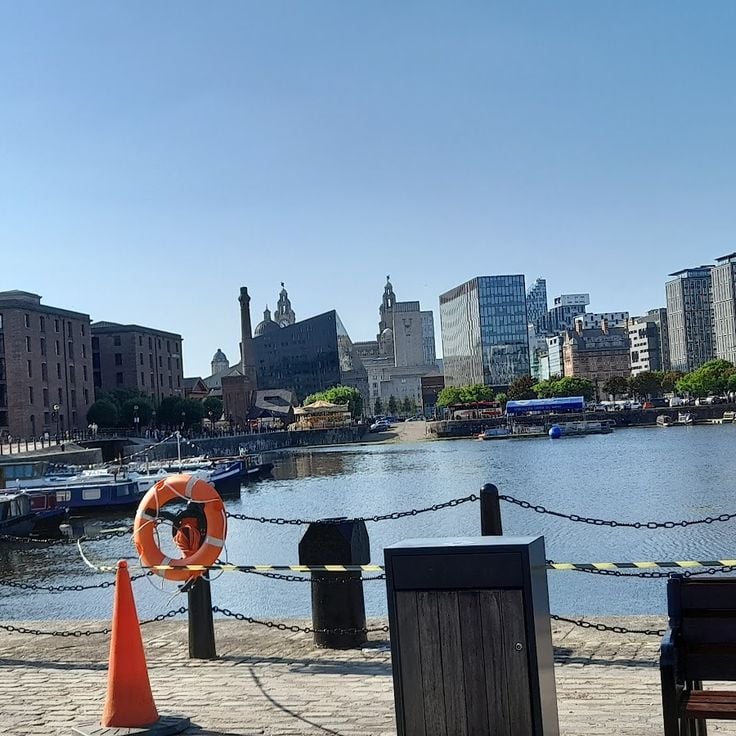
Albert Dock is a maritime architectural ensemble built in 1846 from cast iron, brick and stone. The dock displays Victorian engineering skill and today houses museums, restaurants, shops and apartments. The buildings line the water and tell of Liverpool's time as a major trading port. Visitors can walk through the restored warehouses and learn about the city's history. The mix of historic architecture and modern life makes this a place worth exploring and spending time in.
Tate Liverpool is an art museum housed in a former maritime warehouse at Albert Dock. The museum displays British and international artworks from the 16th century to the present day. Its collections feature painting, sculpture, and contemporary art forms presented through changing exhibitions. This venue connects Liverpool's maritime heritage with the city's contemporary art scene, offering visitors a place to engage with diverse artistic expression.
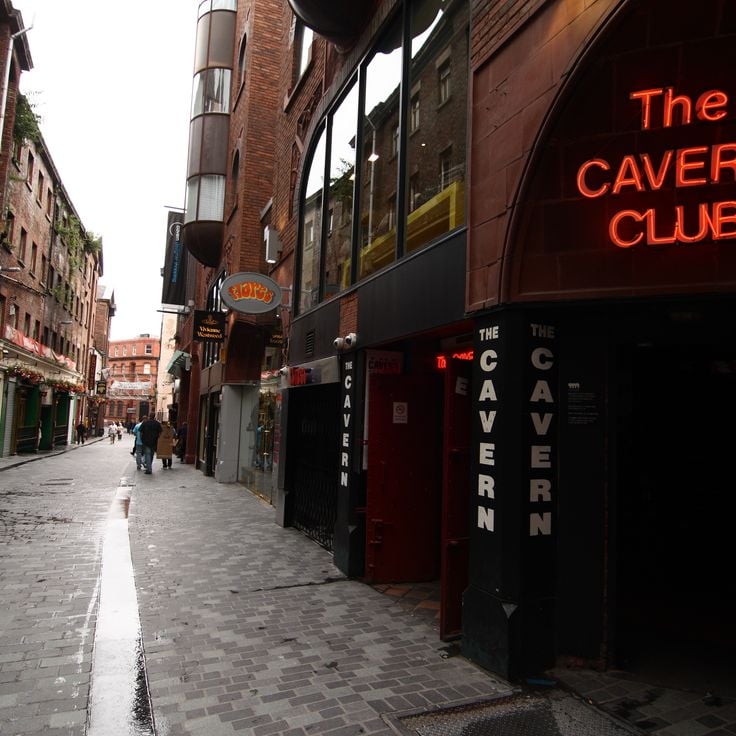
The Cavern Club is an underground music venue set in a vaulted cave of red bricks. The Beatles performed here regularly between 1961 and 1963, totaling 292 concerts. This place is deeply connected to Liverpool's music history and shows the roots of the band before they became world famous. The club preserves memories of this formative period in pop music and draws visitors who want to trace the story of these artists.
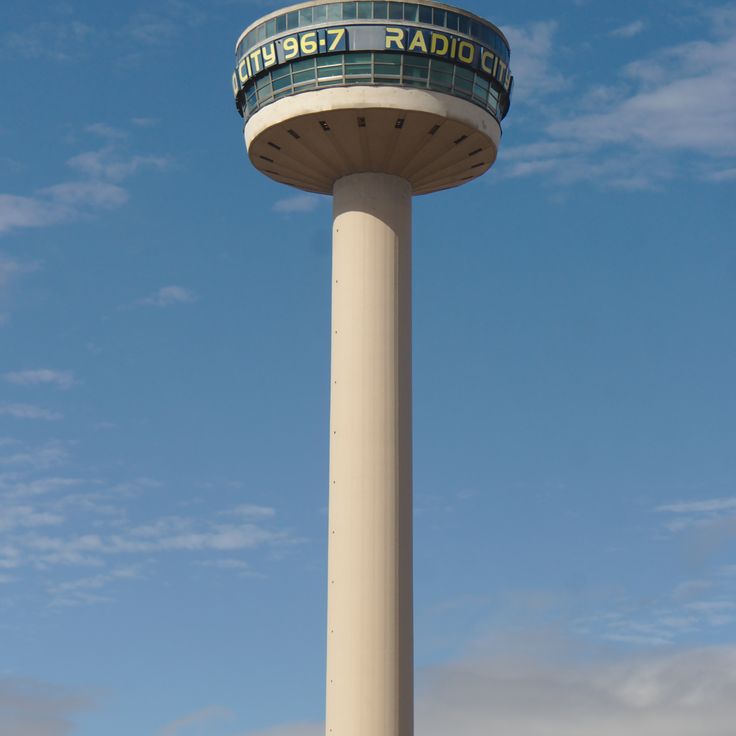
St John's Beacon is a radio tower built in 1969 that rises 138 meters above the city. From its observation platform, visitors can see Liverpool and the surrounding regions. The tower offers a vantage point where you can view the city's maritime history, its Victorian architecture, and the docks along the Mersey from above. This location provides a sense of Liverpool's importance as a port city and shows modern structures alongside historical buildings.
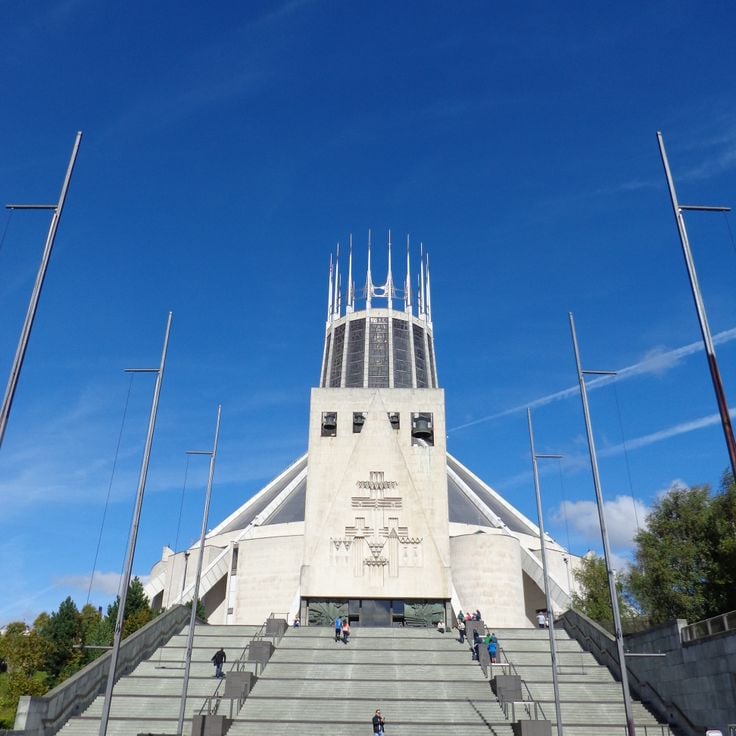
This cathedral is a modern architectural achievement completed in Liverpool in 1967. Architect Frederick Gibberd designed a circular structure that looks completely different from traditional cathedrals. The distinctive conical tower rises 90 meters into the sky and is visible from across the city. Inside, light streams through colored glass windows and creates a reflective space. The cathedral sits at the edge of the city center and is easy to visit. Its contemporary design reflects Liverpool's character as a city that embraces change and looks forward.
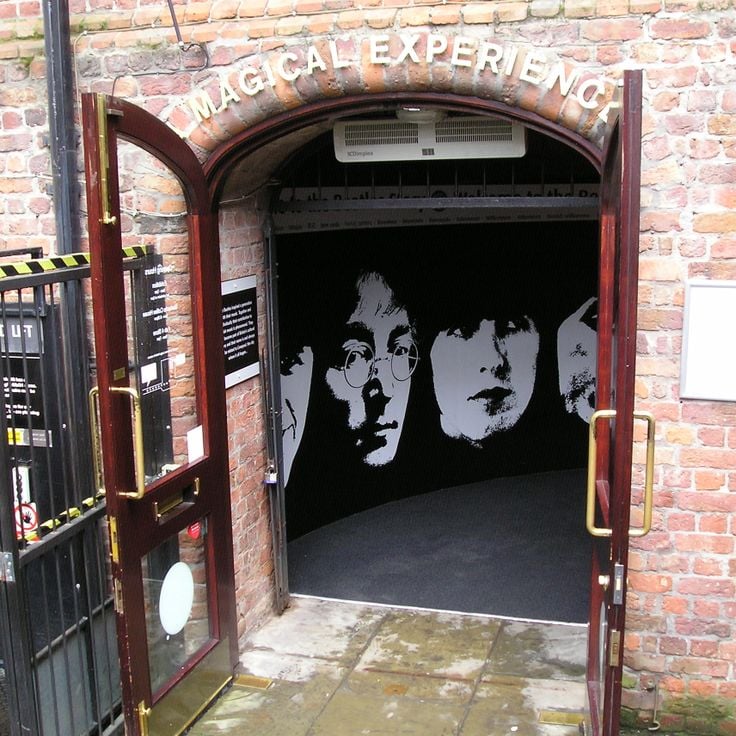
The Beatles Story museum in Liverpool tells the story of the band through photographs, instruments, costumes, posters and personal objects. The museum shows how four musicians from this city shaped pop music in the 20th century and brought Liverpool to the world's attention. Visitors can trace the Beatles' journey from their early days to the end of the group through the objects and documents on display.
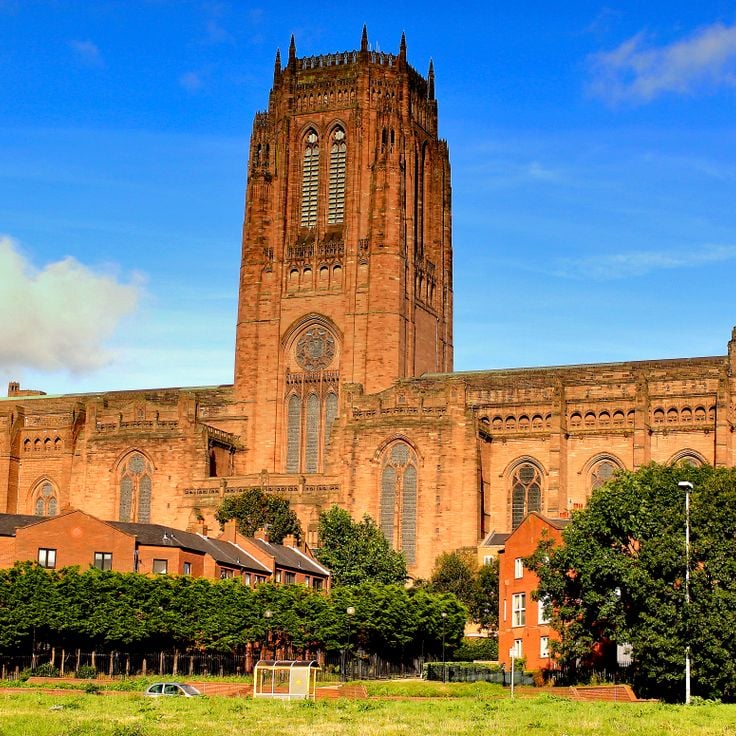
Liverpool Cathedral is an Anglican church that spans more than a century of construction and displays the architectural power of the Victorian era. With its massive red sandstone form, it shapes the city skyline and tells of Liverpool's importance as a port city. Inside, the soaring vaults and light streaming through the windows impress every visitor. The cathedral stands at the edge of the city and offers a place for reflection while reading the history of the city in its stones.
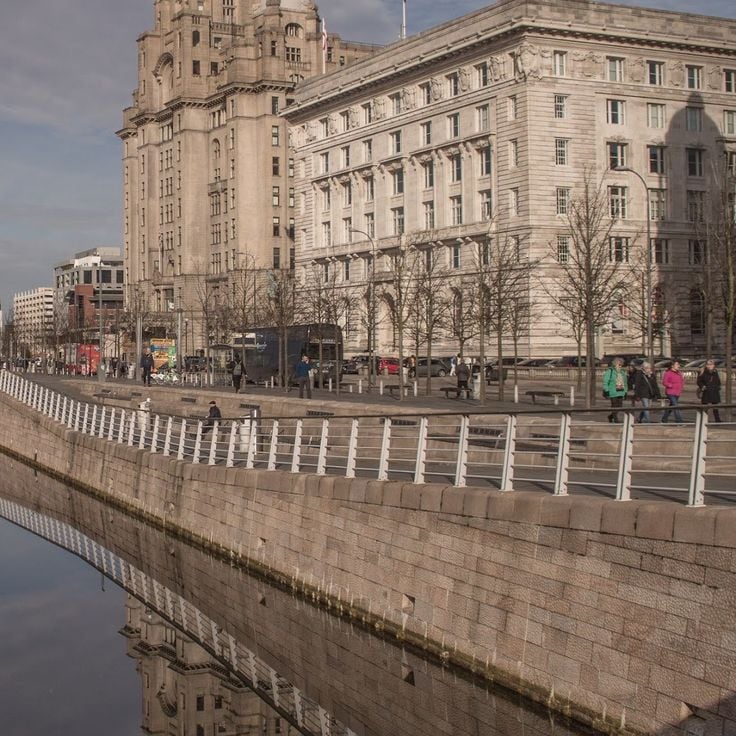
Pier Head is a historic port complex on the Mersey River in Liverpool. Three buildings here are listed as world heritage sites, including the Royal Liver Building with its distinctive twin towers and the Cunard Building. This was once the gateway to the world for travelers and emigrants leaving England. Today, people walk along the waterfront, watch the river, and feel the weight of maritime history. The restored buildings stand as reminders of Liverpool's importance as a major port and trade center.
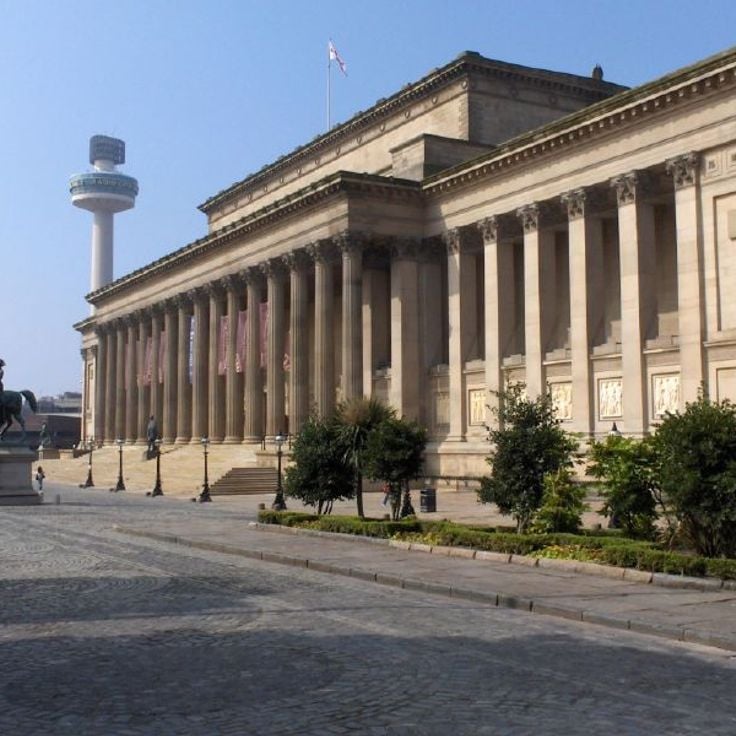
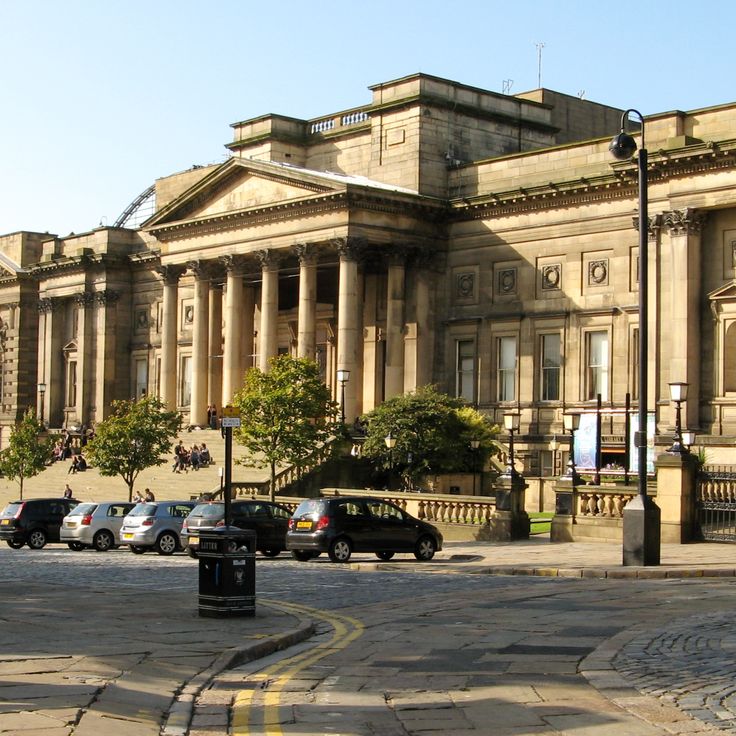
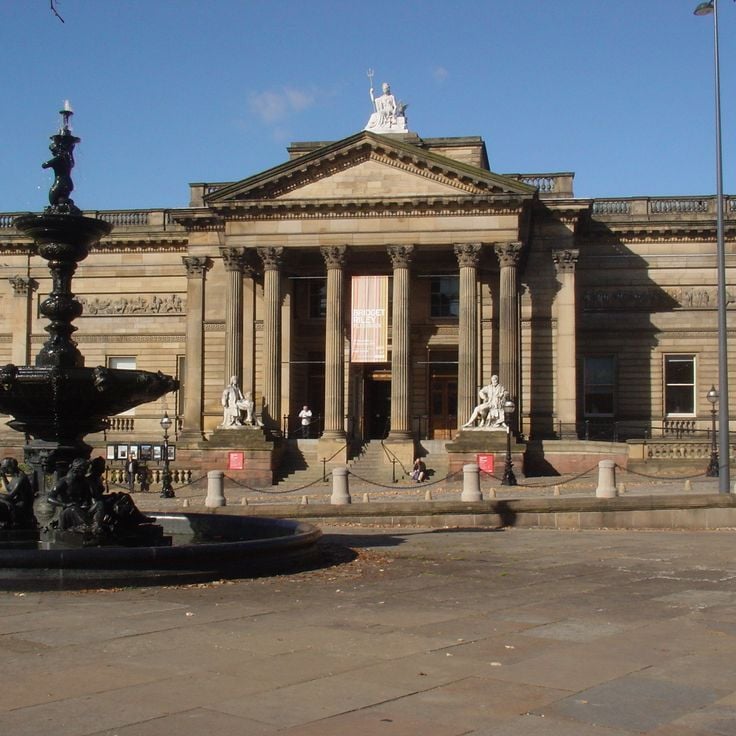
St. George's Hall is a neoclassical building constructed between 1841 and 1854 in Liverpool. It once served as a courthouse and concert hall, featuring impressive Corinthian columns and a large performance space. The building represents Victorian architectural achievement and continues to host cultural events. Walking past it, you notice how the structure anchors the city center and reflects Liverpool's prosperity during the 1800s as a major port.
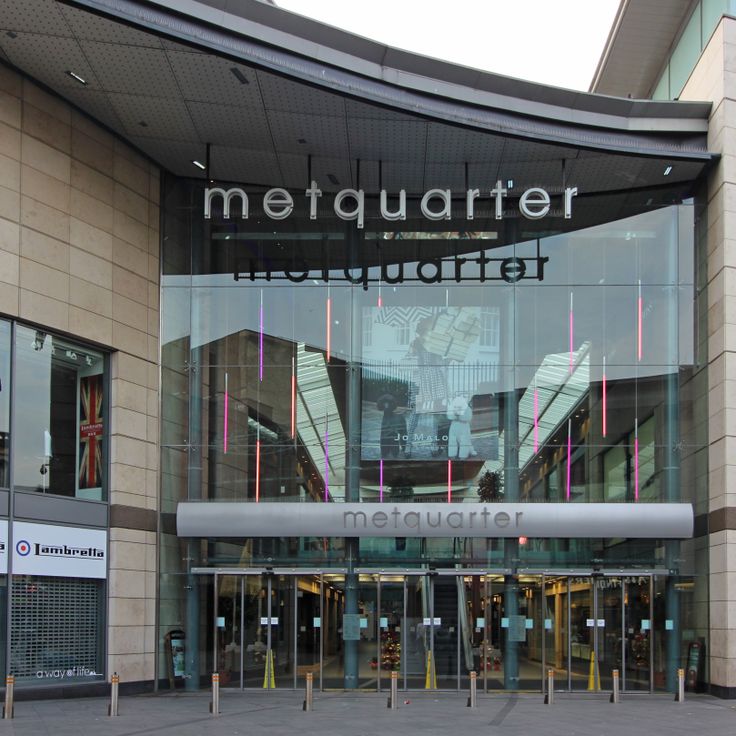
Metquarter is a shopping gallery in a former Victorian postal building from 1896, renovated as a shopping center in 2006. The building connects Liverpool's maritime past with modern retail. Its Victorian architecture speaks to the city's history as a major port in northwest England. Visitors can shop within a historical setting and experience the restored elegance of earlier times.
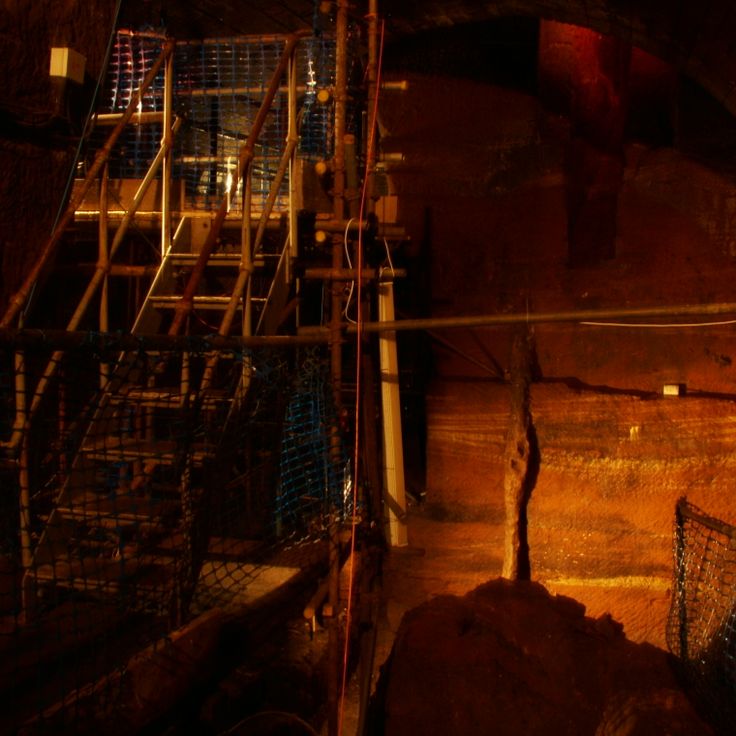
The Williamson Tunnels are an underground maze created in the early 1800s beneath Liverpool under the direction of Joseph Williamson. This network of passages and chambers winds through the city below street level. Visitors walk through stone corridors and rooms that speak to the skill and effort of their construction. The tunnels remain something of a mystery, as historians continue to debate their original purpose. Today, they offer a glimpse into Liverpool's hidden past and the ambitions of those who built them.
This museum in Liverpool tells the story of British music from 1945 onwards. You will find instruments, costumes, recordings, and archive documents that show how the music scene developed over time. The museum explores the artists who shaped British music and reveals how Liverpool became a center of musical innovation. The displays give you a sense of how music changed across the decades.
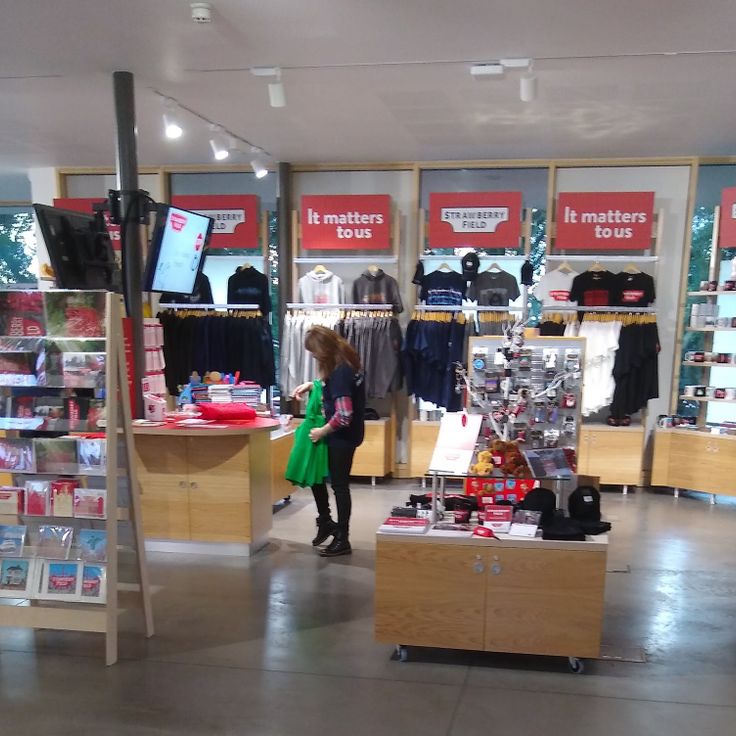
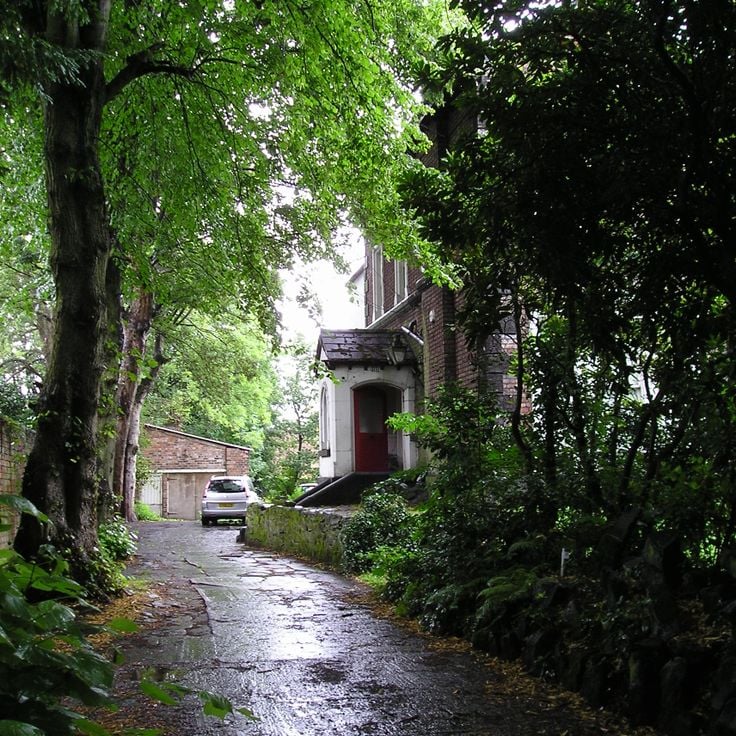
Strawberry Field is a Victorian building and gardens that once housed a Salvation Army orphanage. The Beatles mentioned this place in their song Strawberry Fields Forever, which reflects John Lennon's childhood memories of Liverpool. Today, visitors can explore the restored site and discover the story of this connection between the location and one of the world's most famous music groups.
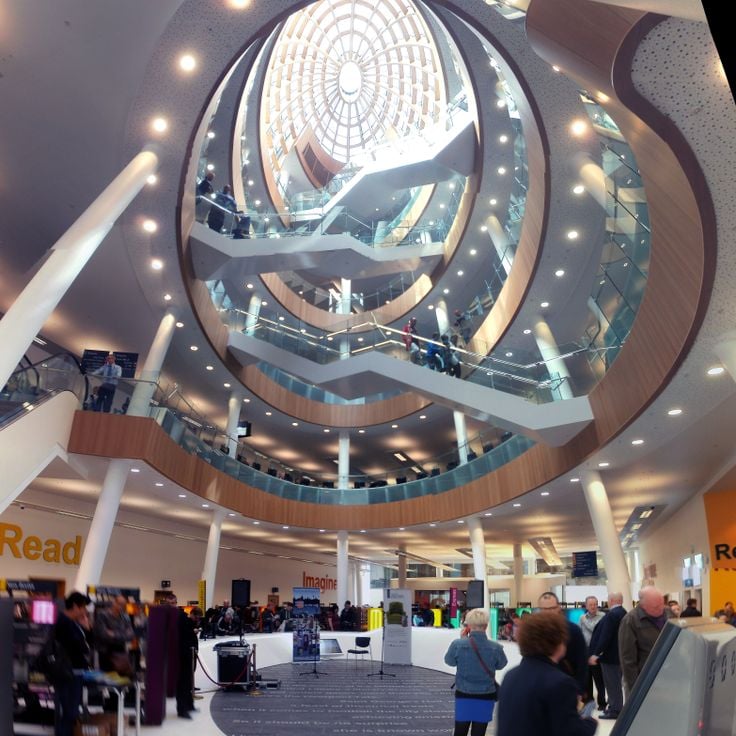
Liverpool Central Library is the main institution of the city's library system and was built in 1860. The building impresses with its Victorian design and features a remarkable circular reading room. Here visitors find historical collections that document Liverpool's maritime past and cultural development. The library reflects the importance the city has placed on knowledge and education, and remains a significant place for research and gathering.
The Museum of Liverpool is an institution that opened in 2011 and presents the social and cultural development of the city through objects, photographs, and historical documents. Visitors discover how the city was shaped by maritime trade, the role music played in its identity, and how Liverpool has changed over the decades. Located on the banks of the Mersey, the museum brings together the city's seafaring past with its contemporary culture.
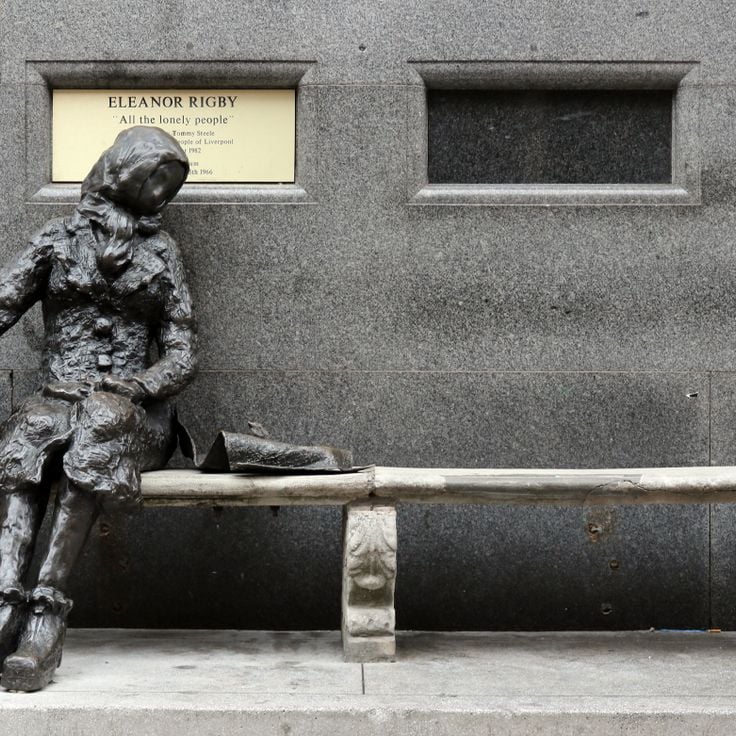
This statue by Tommy Steele depicts the character from the Beatles song, sitting on a bench on Stanley Street. The sculpture was placed as a tribute to Liverpool's musical history, showing a woman with a handbag resting on the pavement. It captures a moment from the famous song that made the city known around the world, and serves as a meeting point for visitors exploring Liverpool's musical past.
The International Slavery Museum in Liverpool tells the story of the transatlantic slave trade and its lasting impact on the city's maritime commerce and modern society. Through exhibitions and artifacts, the museum explores how this trade built Liverpool's wealth and shaped its identity. Visitors encounter the experiences of enslaved people and learn about the connections between historical injustice and contemporary issues. The museum presents difficult truths in a thoughtful way, encouraging reflection on past wrongs and their ongoing effects.
The Walker Art Gallery is a national museum founded in 1877 and located in Liverpool. The museum displays paintings, sculptures, and decorative arts spanning several centuries, from medieval works to modern art of the 20th century. The collection shows artistic development across different styles and periods. The museum sits in the heart of the city and offers visitors a chance to explore the history of visual culture through its galleries and collections.
The Casbah Coffee Club is a historic music venue in Liverpool where early performances by The Quarrymen took place in 1959, the band that would later become the Beatles. Young musicians gathered in this basement space to play their first songs and develop their craft. The club sits as a reminder of Liverpool's role in rock music history, when local bands were finding their voice and shaping the sound that would influence generations. This venue represents the city's transformation from a maritime port into a cultural center where musical creativity flourished.
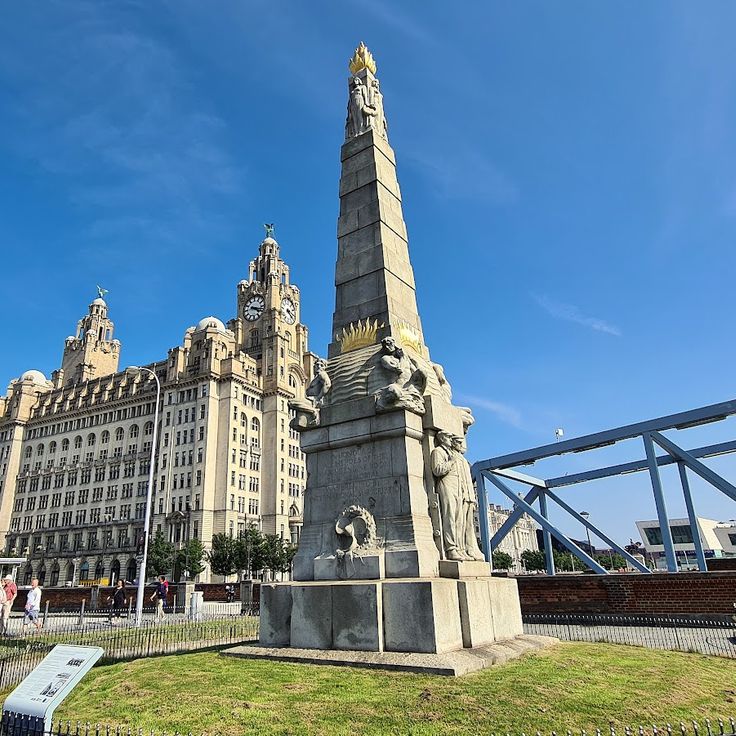
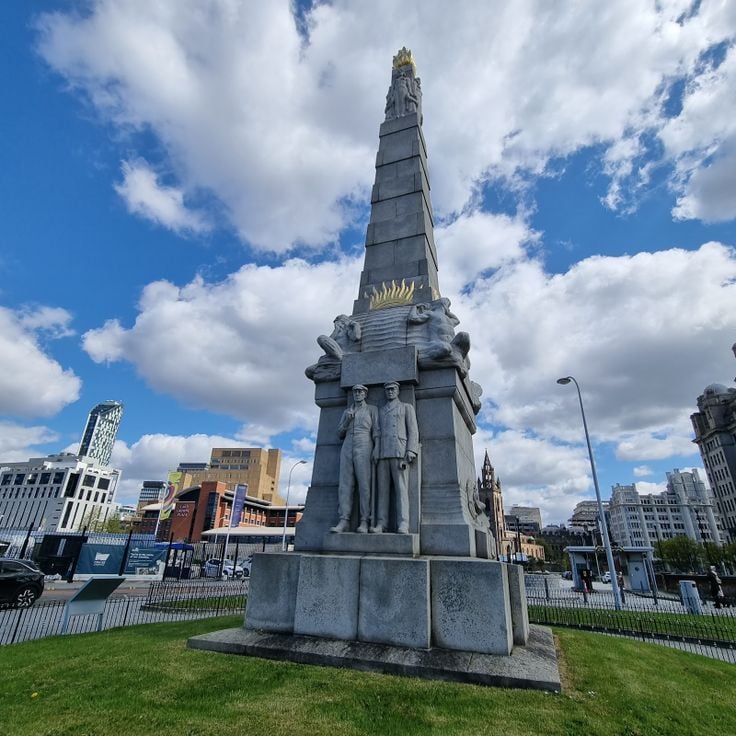
The Titanic Memorial is a granite monument on Pier Head, built in 1916 to honor the 244 engineers who died in the sinking of the Titanic in 1912. This memorial stands at a significant place in Liverpool, where the history of seafaring and the human tragedies of the sea become tangible. The monument connects the city's maritime past with the fate of the crew who lost their lives in one of history's most famous shipwrecks.
This Anglican church was built in the 19th century in neoclassical style. After the bombardment of 1941, its preserved ruins form a war memorial. St Luke Church stands in Liverpool and speaks to the city's rich past as an important port in northwest England, where maritime history, Victorian architecture, and cultural importance come together.
This sculpture honors Kitty Wilkinson, a pioneer of public bathing in Liverpool. In the 19th century, she worked to improve public hygiene and the living conditions of ordinary people. The marble statue stands in Liverpool as a tribute to her dedication and the lasting impact she had on the city's social progress.
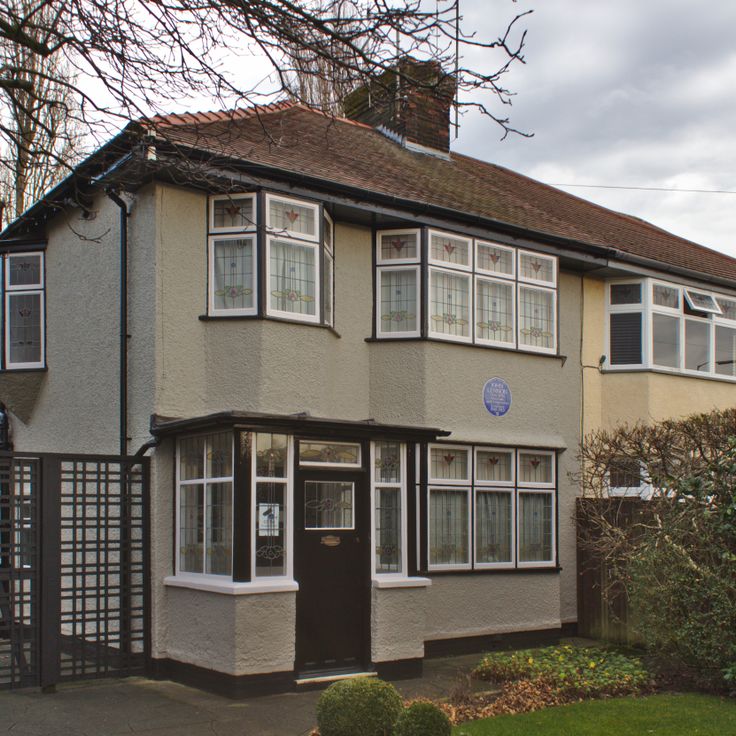
Mendips is the house where John Lennon lived from 1945 to 1963. Located on Menlove Avenue in Liverpool, it was his home with his aunt Mimi Smith. This house is an important place in Beatles history and shows how the musician grew up as a teenager. Visitors can see how the family lived and the rooms Lennon used every day.
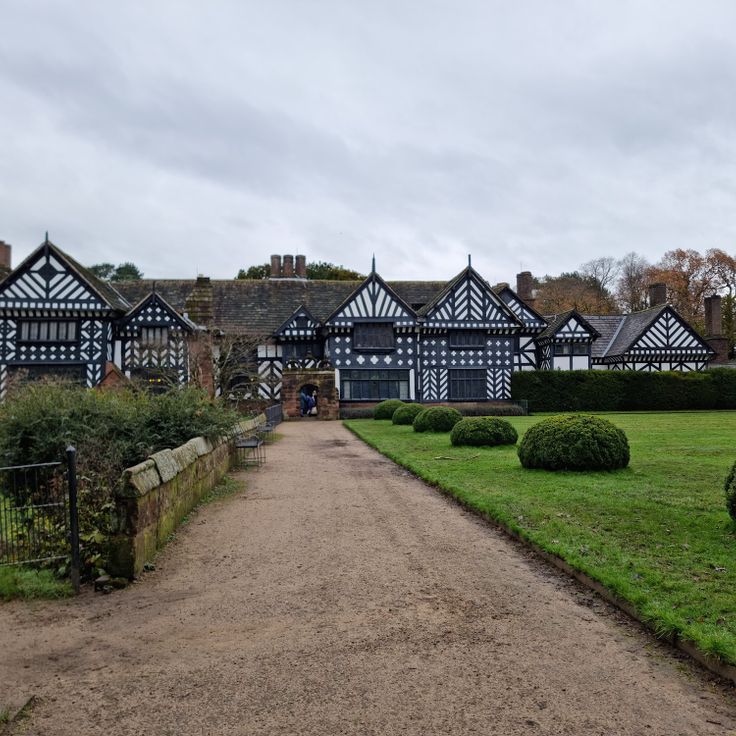
Speke Hall is a manor built between 1530 and 1598 in Liverpool with carved wooden interiors, stained glass windows, and formal gardens designed in the French style. The estate also includes an orangery and vegetable gardens. This place shows the craftsmanship and design of the Tudor period, offering visitors a look at how wealthy families lived during that era.
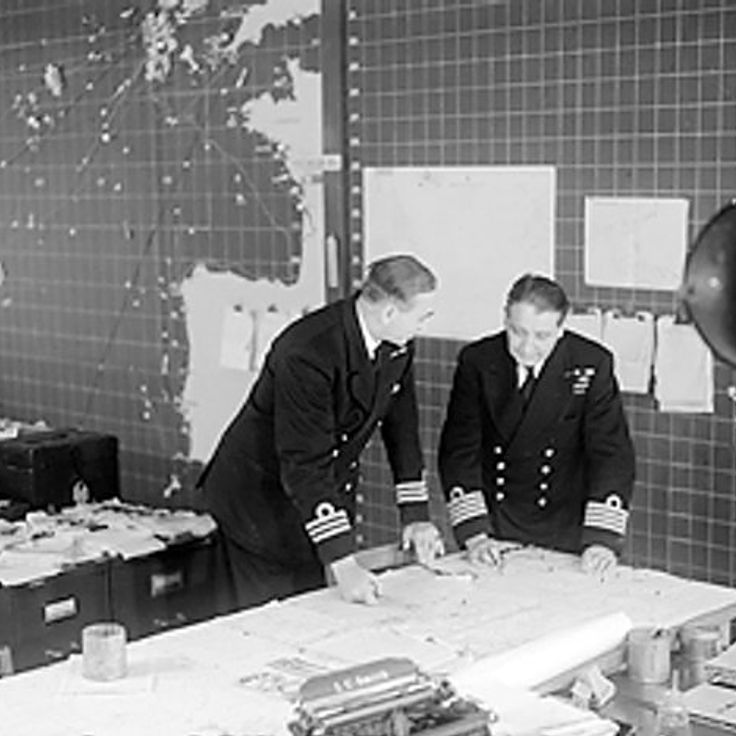
The Western Approaches Museum is an underground command centre used during World War II in this city. It was built to coordinate and monitor shipping convoys. The rooms preserve their original equipment and machinery. Visitors can explore how crucial Liverpool was to the British war effort and understand the role this port city played in Europe's maritime history during one of its most challenging periods.
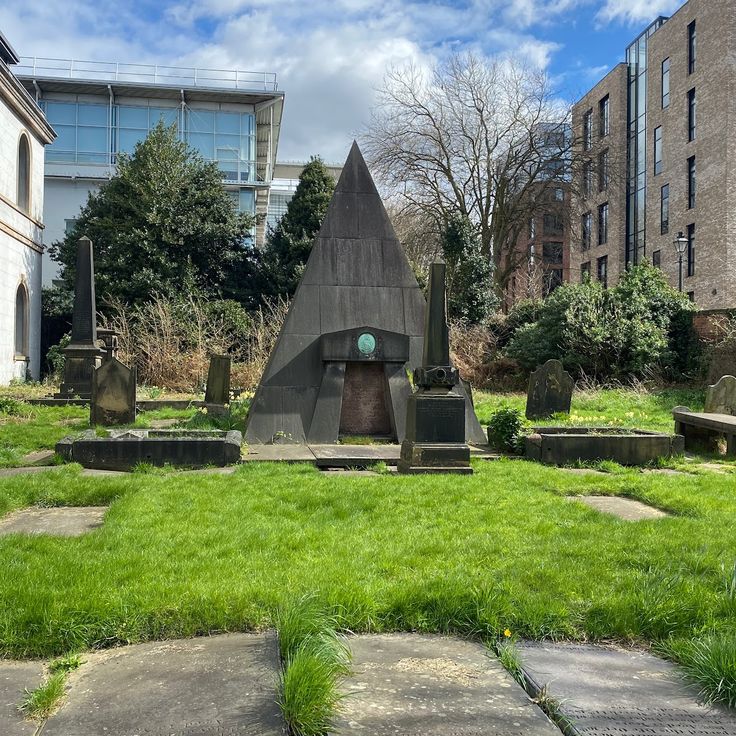
The Mackenzie Tomb is a pyramid-shaped funeral monument built in 1851 in St Andrew's Cemetery in Liverpool. Rising about 13 feet (4 meters) in height, this structure reflects the Victorian architectural traditions that shaped this northwest English port city. The monument stands as a reminder of Liverpool's trading wealth and the mourning practices of the city's prosperous residents during the 19th century.
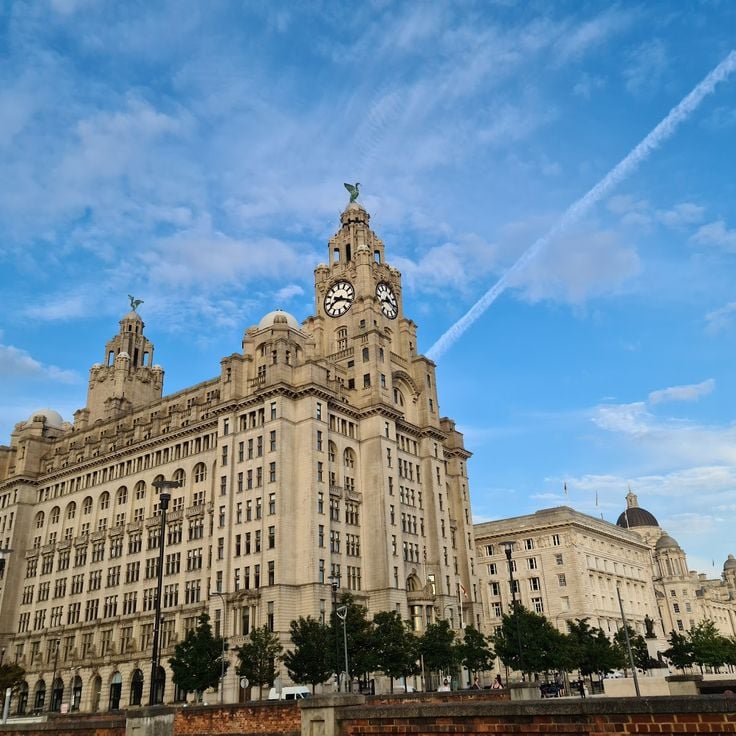
The Royal Liver Building is an office structure in Neogothic style built on the banks of the Mersey in Liverpool. Its two towers stand 90 meters tall and display clocks measuring 7.6 meters across. This building represents Liverpool's maritime history and the Victorian architecture that shapes the city. It is part of the restored docks, now places to walk and explore the port's past.
Sefton Park is a municipal park created in 1872 that reflects Liverpool's Victorian garden culture. The park features walking paths through landscaped gardens, a striking Victorian glasshouse, and an artificial lake where visitors can paddle boats. This green space shows how Liverpool invested its 19th-century wealth into public recreation and remains an important place for relaxation and connection with nature in the city.
RIBA North is a national architecture center located on Liverpool's waterfront, dedicated to the design and built environment of the city. The center presents exhibitions about urban planning and architecture, focusing on how Liverpool has evolved from a port town to a modern city. Visitors can explore the buildings and designs that shape Liverpool's character. RIBA North is part of the cultural transformation of the docks and offers insight into the architectural history of the region.
The Baltic Triangle is a transformed industrial area in Liverpool that has converted old maritime warehouses into artist studios, cafes, restaurants and digital businesses. This neighborhood shows how the city has turned its maritime past into a living center for creativity and contemporary life. The old brick buildings tell stories of Liverpool's trading days and now serve as spaces for artists and young enterprises that are reshaping the city.
The Liverpool Beatles Museum is an exhibition space spread across five floors displaying over a thousand authentic objects and memorabilia that tell the story of the famous band. The museum documents how four musicians from Liverpool shaped rock music worldwide and changed the city's identity through their creativity. Visitors can explore the history of a group that transformed Liverpool into a symbol of musical innovation and cultural influence.
The Merseyside Maritime Museum sits within the restored warehouses of Albert Dock and tells the story of Liverpool's harbor. The collections show the history of merchant ships, naval vessels, and the people who lived and worked on the water. You can learn how this port shaped the city and what role it played in British maritime history. The museum sits right by the water, and from outside you can see the old docks that are now places for walking and exploring.
Anfield Stadium has been the home of Liverpool FC since 1884. This football ground is where generations of fans have gathered to support their team, and it stands as a symbol of the city itself. The stadium shapes the identity of the neighborhood and runs deep in local culture. Walking around Anfield, you sense the passion that football stirs in Liverpool, a passion that has defined the city for well over a century.
Albert Dock is a maritime architectural ensemble built in 1846 from cast iron, brick and stone. The dock displays Victorian engineering skill and today houses museums, restaurants, shops and apartments. The buildings line the water and tell of Liverpool's time as a major trading port. Visitors can walk through the restored warehouses and learn about the city's history. The mix of historic architecture and modern life makes this a place worth exploring and spending time in.
Tate Liverpool is an art museum housed in a former maritime warehouse at Albert Dock. The museum displays British and international artworks from the 16th century to the present day. Its collections feature painting, sculpture, and contemporary art forms presented through changing exhibitions. This venue connects Liverpool's maritime heritage with the city's contemporary art scene, offering visitors a place to engage with diverse artistic expression.
The Cavern Club is an underground music venue set in a vaulted cave of red bricks. The Beatles performed here regularly between 1961 and 1963, totaling 292 concerts. This place is deeply connected to Liverpool's music history and shows the roots of the band before they became world famous. The club preserves memories of this formative period in pop music and draws visitors who want to trace the story of these artists.
St John's Beacon is a radio tower built in 1969 that rises 138 meters above the city. From its observation platform, visitors can see Liverpool and the surrounding regions. The tower offers a vantage point where you can view the city's maritime history, its Victorian architecture, and the docks along the Mersey from above. This location provides a sense of Liverpool's importance as a port city and shows modern structures alongside historical buildings.
This cathedral is a modern architectural achievement completed in Liverpool in 1967. Architect Frederick Gibberd designed a circular structure that looks completely different from traditional cathedrals. The distinctive conical tower rises 90 meters into the sky and is visible from across the city. Inside, light streams through colored glass windows and creates a reflective space. The cathedral sits at the edge of the city center and is easy to visit. Its contemporary design reflects Liverpool's character as a city that embraces change and looks forward.
The Beatles Story museum in Liverpool tells the story of the band through photographs, instruments, costumes, posters and personal objects. The museum shows how four musicians from this city shaped pop music in the 20th century and brought Liverpool to the world's attention. Visitors can trace the Beatles' journey from their early days to the end of the group through the objects and documents on display.
Liverpool Cathedral is an Anglican church that spans more than a century of construction and displays the architectural power of the Victorian era. With its massive red sandstone form, it shapes the city skyline and tells of Liverpool's importance as a port city. Inside, the soaring vaults and light streaming through the windows impress every visitor. The cathedral stands at the edge of the city and offers a place for reflection while reading the history of the city in its stones.
Pier Head is a historic port complex on the Mersey River in Liverpool. Three buildings here are listed as world heritage sites, including the Royal Liver Building with its distinctive twin towers and the Cunard Building. This was once the gateway to the world for travelers and emigrants leaving England. Today, people walk along the waterfront, watch the river, and feel the weight of maritime history. The restored buildings stand as reminders of Liverpool's importance as a major port and trade center.
St. George's Hall is a neoclassical building constructed between 1841 and 1854 in Liverpool. It once served as a courthouse and concert hall, featuring impressive Corinthian columns and a large performance space. The building represents Victorian architectural achievement and continues to host cultural events. Walking past it, you notice how the structure anchors the city center and reflects Liverpool's prosperity during the 1800s as a major port.
Metquarter is a shopping gallery in a former Victorian postal building from 1896, renovated as a shopping center in 2006. The building connects Liverpool's maritime past with modern retail. Its Victorian architecture speaks to the city's history as a major port in northwest England. Visitors can shop within a historical setting and experience the restored elegance of earlier times.
The Williamson Tunnels are an underground maze created in the early 1800s beneath Liverpool under the direction of Joseph Williamson. This network of passages and chambers winds through the city below street level. Visitors walk through stone corridors and rooms that speak to the skill and effort of their construction. The tunnels remain something of a mystery, as historians continue to debate their original purpose. Today, they offer a glimpse into Liverpool's hidden past and the ambitions of those who built them.
This museum in Liverpool tells the story of British music from 1945 onwards. You will find instruments, costumes, recordings, and archive documents that show how the music scene developed over time. The museum explores the artists who shaped British music and reveals how Liverpool became a center of musical innovation. The displays give you a sense of how music changed across the decades.
Strawberry Field is a Victorian building and gardens that once housed a Salvation Army orphanage. The Beatles mentioned this place in their song Strawberry Fields Forever, which reflects John Lennon's childhood memories of Liverpool. Today, visitors can explore the restored site and discover the story of this connection between the location and one of the world's most famous music groups.
Liverpool Central Library is the main institution of the city's library system and was built in 1860. The building impresses with its Victorian design and features a remarkable circular reading room. Here visitors find historical collections that document Liverpool's maritime past and cultural development. The library reflects the importance the city has placed on knowledge and education, and remains a significant place for research and gathering.
The Museum of Liverpool is an institution that opened in 2011 and presents the social and cultural development of the city through objects, photographs, and historical documents. Visitors discover how the city was shaped by maritime trade, the role music played in its identity, and how Liverpool has changed over the decades. Located on the banks of the Mersey, the museum brings together the city's seafaring past with its contemporary culture.
This statue by Tommy Steele depicts the character from the Beatles song, sitting on a bench on Stanley Street. The sculpture was placed as a tribute to Liverpool's musical history, showing a woman with a handbag resting on the pavement. It captures a moment from the famous song that made the city known around the world, and serves as a meeting point for visitors exploring Liverpool's musical past.
The International Slavery Museum in Liverpool tells the story of the transatlantic slave trade and its lasting impact on the city's maritime commerce and modern society. Through exhibitions and artifacts, the museum explores how this trade built Liverpool's wealth and shaped its identity. Visitors encounter the experiences of enslaved people and learn about the connections between historical injustice and contemporary issues. The museum presents difficult truths in a thoughtful way, encouraging reflection on past wrongs and their ongoing effects.
The Walker Art Gallery is a national museum founded in 1877 and located in Liverpool. The museum displays paintings, sculptures, and decorative arts spanning several centuries, from medieval works to modern art of the 20th century. The collection shows artistic development across different styles and periods. The museum sits in the heart of the city and offers visitors a chance to explore the history of visual culture through its galleries and collections.
The Casbah Coffee Club is a historic music venue in Liverpool where early performances by The Quarrymen took place in 1959, the band that would later become the Beatles. Young musicians gathered in this basement space to play their first songs and develop their craft. The club sits as a reminder of Liverpool's role in rock music history, when local bands were finding their voice and shaping the sound that would influence generations. This venue represents the city's transformation from a maritime port into a cultural center where musical creativity flourished.
The Titanic Memorial is a granite monument on Pier Head, built in 1916 to honor the 244 engineers who died in the sinking of the Titanic in 1912. This memorial stands at a significant place in Liverpool, where the history of seafaring and the human tragedies of the sea become tangible. The monument connects the city's maritime past with the fate of the crew who lost their lives in one of history's most famous shipwrecks.
This Anglican church was built in the 19th century in neoclassical style. After the bombardment of 1941, its preserved ruins form a war memorial. St Luke Church stands in Liverpool and speaks to the city's rich past as an important port in northwest England, where maritime history, Victorian architecture, and cultural importance come together.
This sculpture honors Kitty Wilkinson, a pioneer of public bathing in Liverpool. In the 19th century, she worked to improve public hygiene and the living conditions of ordinary people. The marble statue stands in Liverpool as a tribute to her dedication and the lasting impact she had on the city's social progress.
Mendips is the house where John Lennon lived from 1945 to 1963. Located on Menlove Avenue in Liverpool, it was his home with his aunt Mimi Smith. This house is an important place in Beatles history and shows how the musician grew up as a teenager. Visitors can see how the family lived and the rooms Lennon used every day.
Speke Hall is a manor built between 1530 and 1598 in Liverpool with carved wooden interiors, stained glass windows, and formal gardens designed in the French style. The estate also includes an orangery and vegetable gardens. This place shows the craftsmanship and design of the Tudor period, offering visitors a look at how wealthy families lived during that era.
The Western Approaches Museum is an underground command centre used during World War II in this city. It was built to coordinate and monitor shipping convoys. The rooms preserve their original equipment and machinery. Visitors can explore how crucial Liverpool was to the British war effort and understand the role this port city played in Europe's maritime history during one of its most challenging periods.
The Mackenzie Tomb is a pyramid-shaped funeral monument built in 1851 in St Andrew's Cemetery in Liverpool. Rising about 13 feet (4 meters) in height, this structure reflects the Victorian architectural traditions that shaped this northwest English port city. The monument stands as a reminder of Liverpool's trading wealth and the mourning practices of the city's prosperous residents during the 19th century.
The Royal Liver Building is an office structure in Neogothic style built on the banks of the Mersey in Liverpool. Its two towers stand 90 meters tall and display clocks measuring 7.6 meters across. This building represents Liverpool's maritime history and the Victorian architecture that shapes the city. It is part of the restored docks, now places to walk and explore the port's past.
Sefton Park is a municipal park created in 1872 that reflects Liverpool's Victorian garden culture. The park features walking paths through landscaped gardens, a striking Victorian glasshouse, and an artificial lake where visitors can paddle boats. This green space shows how Liverpool invested its 19th-century wealth into public recreation and remains an important place for relaxation and connection with nature in the city.
RIBA North is a national architecture center located on Liverpool's waterfront, dedicated to the design and built environment of the city. The center presents exhibitions about urban planning and architecture, focusing on how Liverpool has evolved from a port town to a modern city. Visitors can explore the buildings and designs that shape Liverpool's character. RIBA North is part of the cultural transformation of the docks and offers insight into the architectural history of the region.
The Baltic Triangle is a transformed industrial area in Liverpool that has converted old maritime warehouses into artist studios, cafes, restaurants and digital businesses. This neighborhood shows how the city has turned its maritime past into a living center for creativity and contemporary life. The old brick buildings tell stories of Liverpool's trading days and now serve as spaces for artists and young enterprises that are reshaping the city.
The Liverpool Beatles Museum is an exhibition space spread across five floors displaying over a thousand authentic objects and memorabilia that tell the story of the famous band. The museum documents how four musicians from Liverpool shaped rock music worldwide and changed the city's identity through their creativity. Visitors can explore the history of a group that transformed Liverpool into a symbol of musical innovation and cultural influence.
The Merseyside Maritime Museum sits within the restored warehouses of Albert Dock and tells the story of Liverpool's harbor. The collections show the history of merchant ships, naval vessels, and the people who lived and worked on the water. You can learn how this port shaped the city and what role it played in British maritime history. The museum sits right by the water, and from outside you can see the old docks that are now places for walking and exploring.
Anfield Stadium has been the home of Liverpool FC since 1884. This football ground is where generations of fans have gathered to support their team, and it stands as a symbol of the city itself. The stadium shapes the identity of the neighborhood and runs deep in local culture. Walking around Anfield, you sense the passion that football stirs in Liverpool, a passion that has defined the city for well over a century.
Albert Dock is a maritime architectural ensemble built in 1846 from cast iron, brick and stone. The dock displays Victorian engineering skill and today houses museums, restaurants, shops and apartments. The buildings line the water and tell of Liverpool's time as a major trading port. Visitors can walk through the restored warehouses and learn about the city's history. The mix of historic architecture and modern life makes this a place worth exploring and spending time in.
Tate Liverpool is an art museum housed in a former maritime warehouse at Albert Dock. The museum displays British and international artworks from the 16th century to the present day. Its collections feature painting, sculpture, and contemporary art forms presented through changing exhibitions. This venue connects Liverpool's maritime heritage with the city's contemporary art scene, offering visitors a place to engage with diverse artistic expression.
The Cavern Club is an underground music venue set in a vaulted cave of red bricks. The Beatles performed here regularly between 1961 and 1963, totaling 292 concerts. This place is deeply connected to Liverpool's music history and shows the roots of the band before they became world famous. The club preserves memories of this formative period in pop music and draws visitors who want to trace the story of these artists.
St John's Beacon is a radio tower built in 1969 that rises 138 meters above the city. From its observation platform, visitors can see Liverpool and the surrounding regions. The tower offers a vantage point where you can view the city's maritime history, its Victorian architecture, and the docks along the Mersey from above. This location provides a sense of Liverpool's importance as a port city and shows modern structures alongside historical buildings.
This cathedral is a modern architectural achievement completed in Liverpool in 1967. Architect Frederick Gibberd designed a circular structure that looks completely different from traditional cathedrals. The distinctive conical tower rises 90 meters into the sky and is visible from across the city. Inside, light streams through colored glass windows and creates a reflective space. The cathedral sits at the edge of the city center and is easy to visit. Its contemporary design reflects Liverpool's character as a city that embraces change and looks forward.
The Beatles Story museum in Liverpool tells the story of the band through photographs, instruments, costumes, posters and personal objects. The museum shows how four musicians from this city shaped pop music in the 20th century and brought Liverpool to the world's attention. Visitors can trace the Beatles' journey from their early days to the end of the group through the objects and documents on display.
Liverpool Cathedral is an Anglican church that spans more than a century of construction and displays the architectural power of the Victorian era. With its massive red sandstone form, it shapes the city skyline and tells of Liverpool's importance as a port city. Inside, the soaring vaults and light streaming through the windows impress every visitor. The cathedral stands at the edge of the city and offers a place for reflection while reading the history of the city in its stones.
Pier Head is a historic port complex on the Mersey River in Liverpool. Three buildings here are listed as world heritage sites, including the Royal Liver Building with its distinctive twin towers and the Cunard Building. This was once the gateway to the world for travelers and emigrants leaving England. Today, people walk along the waterfront, watch the river, and feel the weight of maritime history. The restored buildings stand as reminders of Liverpool's importance as a major port and trade center.
St. George's Hall is a neoclassical building constructed between 1841 and 1854 in Liverpool. It once served as a courthouse and concert hall, featuring impressive Corinthian columns and a large performance space. The building represents Victorian architectural achievement and continues to host cultural events. Walking past it, you notice how the structure anchors the city center and reflects Liverpool's prosperity during the 1800s as a major port.
Metquarter is a shopping gallery in a former Victorian postal building from 1896, renovated as a shopping center in 2006. The building connects Liverpool's maritime past with modern retail. Its Victorian architecture speaks to the city's history as a major port in northwest England. Visitors can shop within a historical setting and experience the restored elegance of earlier times.
The Williamson Tunnels are an underground maze created in the early 1800s beneath Liverpool under the direction of Joseph Williamson. This network of passages and chambers winds through the city below street level. Visitors walk through stone corridors and rooms that speak to the skill and effort of their construction. The tunnels remain something of a mystery, as historians continue to debate their original purpose. Today, they offer a glimpse into Liverpool's hidden past and the ambitions of those who built them.
This museum in Liverpool tells the story of British music from 1945 onwards. You will find instruments, costumes, recordings, and archive documents that show how the music scene developed over time. The museum explores the artists who shaped British music and reveals how Liverpool became a center of musical innovation. The displays give you a sense of how music changed across the decades.
Strawberry Field is a Victorian building and gardens that once housed a Salvation Army orphanage. The Beatles mentioned this place in their song Strawberry Fields Forever, which reflects John Lennon's childhood memories of Liverpool. Today, visitors can explore the restored site and discover the story of this connection between the location and one of the world's most famous music groups.
Liverpool Central Library is the main institution of the city's library system and was built in 1860. The building impresses with its Victorian design and features a remarkable circular reading room. Here visitors find historical collections that document Liverpool's maritime past and cultural development. The library reflects the importance the city has placed on knowledge and education, and remains a significant place for research and gathering.
The Museum of Liverpool is an institution that opened in 2011 and presents the social and cultural development of the city through objects, photographs, and historical documents. Visitors discover how the city was shaped by maritime trade, the role music played in its identity, and how Liverpool has changed over the decades. Located on the banks of the Mersey, the museum brings together the city's seafaring past with its contemporary culture.
This statue by Tommy Steele depicts the character from the Beatles song, sitting on a bench on Stanley Street. The sculpture was placed as a tribute to Liverpool's musical history, showing a woman with a handbag resting on the pavement. It captures a moment from the famous song that made the city known around the world, and serves as a meeting point for visitors exploring Liverpool's musical past.
The International Slavery Museum in Liverpool tells the story of the transatlantic slave trade and its lasting impact on the city's maritime commerce and modern society. Through exhibitions and artifacts, the museum explores how this trade built Liverpool's wealth and shaped its identity. Visitors encounter the experiences of enslaved people and learn about the connections between historical injustice and contemporary issues. The museum presents difficult truths in a thoughtful way, encouraging reflection on past wrongs and their ongoing effects.
The Walker Art Gallery is a national museum founded in 1877 and located in Liverpool. The museum displays paintings, sculptures, and decorative arts spanning several centuries, from medieval works to modern art of the 20th century. The collection shows artistic development across different styles and periods. The museum sits in the heart of the city and offers visitors a chance to explore the history of visual culture through its galleries and collections.
The Casbah Coffee Club is a historic music venue in Liverpool where early performances by The Quarrymen took place in 1959, the band that would later become the Beatles. Young musicians gathered in this basement space to play their first songs and develop their craft. The club sits as a reminder of Liverpool's role in rock music history, when local bands were finding their voice and shaping the sound that would influence generations. This venue represents the city's transformation from a maritime port into a cultural center where musical creativity flourished.
The Titanic Memorial is a granite monument on Pier Head, built in 1916 to honor the 244 engineers who died in the sinking of the Titanic in 1912. This memorial stands at a significant place in Liverpool, where the history of seafaring and the human tragedies of the sea become tangible. The monument connects the city's maritime past with the fate of the crew who lost their lives in one of history's most famous shipwrecks.
This Anglican church was built in the 19th century in neoclassical style. After the bombardment of 1941, its preserved ruins form a war memorial. St Luke Church stands in Liverpool and speaks to the city's rich past as an important port in northwest England, where maritime history, Victorian architecture, and cultural importance come together.
This sculpture honors Kitty Wilkinson, a pioneer of public bathing in Liverpool. In the 19th century, she worked to improve public hygiene and the living conditions of ordinary people. The marble statue stands in Liverpool as a tribute to her dedication and the lasting impact she had on the city's social progress.
Mendips is the house where John Lennon lived from 1945 to 1963. Located on Menlove Avenue in Liverpool, it was his home with his aunt Mimi Smith. This house is an important place in Beatles history and shows how the musician grew up as a teenager. Visitors can see how the family lived and the rooms Lennon used every day.
Speke Hall is a manor built between 1530 and 1598 in Liverpool with carved wooden interiors, stained glass windows, and formal gardens designed in the French style. The estate also includes an orangery and vegetable gardens. This place shows the craftsmanship and design of the Tudor period, offering visitors a look at how wealthy families lived during that era.
The Western Approaches Museum is an underground command centre used during World War II in this city. It was built to coordinate and monitor shipping convoys. The rooms preserve their original equipment and machinery. Visitors can explore how crucial Liverpool was to the British war effort and understand the role this port city played in Europe's maritime history during one of its most challenging periods.
The Mackenzie Tomb is a pyramid-shaped funeral monument built in 1851 in St Andrew's Cemetery in Liverpool. Rising about 13 feet (4 meters) in height, this structure reflects the Victorian architectural traditions that shaped this northwest English port city. The monument stands as a reminder of Liverpool's trading wealth and the mourning practices of the city's prosperous residents during the 19th century.
The Royal Liver Building is an office structure in Neogothic style built on the banks of the Mersey in Liverpool. Its two towers stand 90 meters tall and display clocks measuring 7.6 meters across. This building represents Liverpool's maritime history and the Victorian architecture that shapes the city. It is part of the restored docks, now places to walk and explore the port's past.
Sefton Park is a municipal park created in 1872 that reflects Liverpool's Victorian garden culture. The park features walking paths through landscaped gardens, a striking Victorian glasshouse, and an artificial lake where visitors can paddle boats. This green space shows how Liverpool invested its 19th-century wealth into public recreation and remains an important place for relaxation and connection with nature in the city.
RIBA North is a national architecture center located on Liverpool's waterfront, dedicated to the design and built environment of the city. The center presents exhibitions about urban planning and architecture, focusing on how Liverpool has evolved from a port town to a modern city. Visitors can explore the buildings and designs that shape Liverpool's character. RIBA North is part of the cultural transformation of the docks and offers insight into the architectural history of the region.
The Baltic Triangle is a transformed industrial area in Liverpool that has converted old maritime warehouses into artist studios, cafes, restaurants and digital businesses. This neighborhood shows how the city has turned its maritime past into a living center for creativity and contemporary life. The old brick buildings tell stories of Liverpool's trading days and now serve as spaces for artists and young enterprises that are reshaping the city.